
Where Did the First Chicken Come From? Tracing Evolution and Domestication
You can trace the first chicken back to wild red junglefowl in Southeast Asia. Over time, evolutionary change and human selection transformed those birds into Gallus gallus domesticus.
A single domestication event in Southeast Asia started the process. Interbreeding with local junglefowl and widespread human movement led to the domestic chicken you know today.
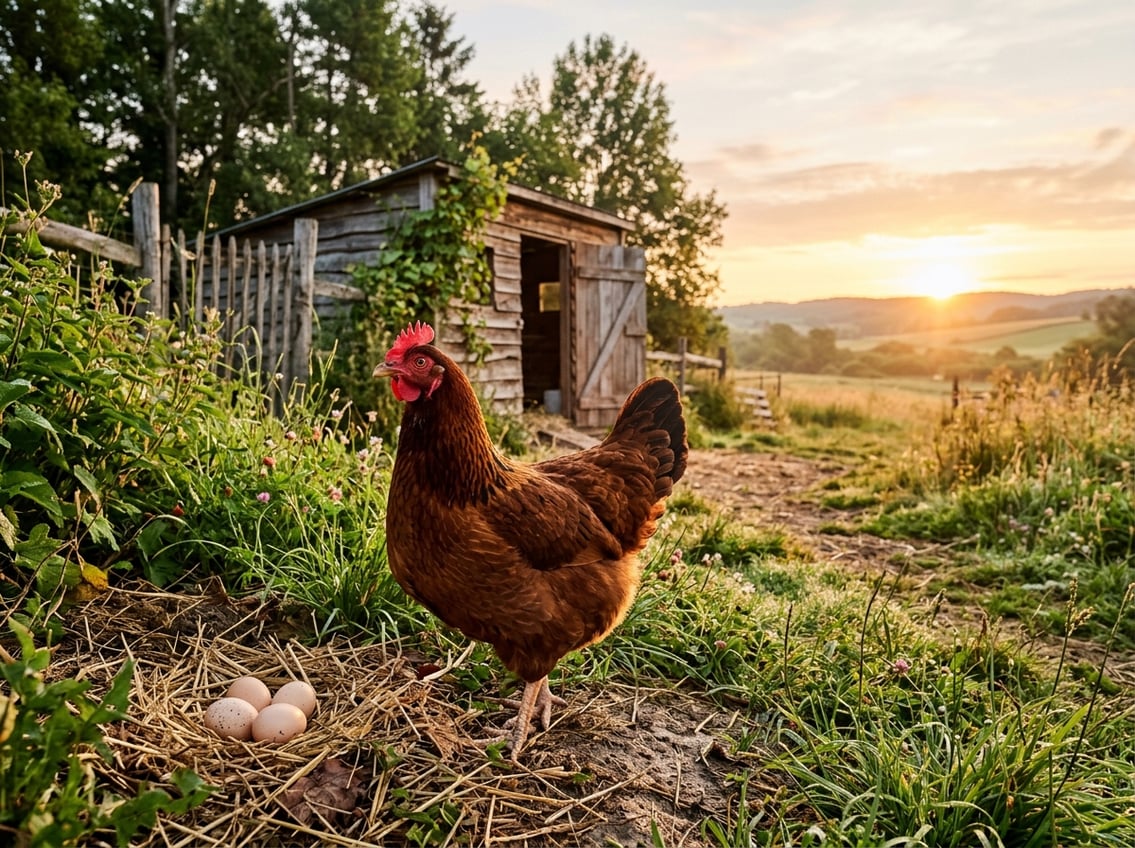
The story begins with dinosaur-descended birds and moves through natural evolution of egg-laying ancestors. Human-driven domestication tied to rice farming and maritime dispersal played a major role.
Eggs, selective breeding, genetics, and social behavior shaped chickens’ global spread. These factors influenced the modern breeds you see on farms and plates.
From Dinosaurs to Birds
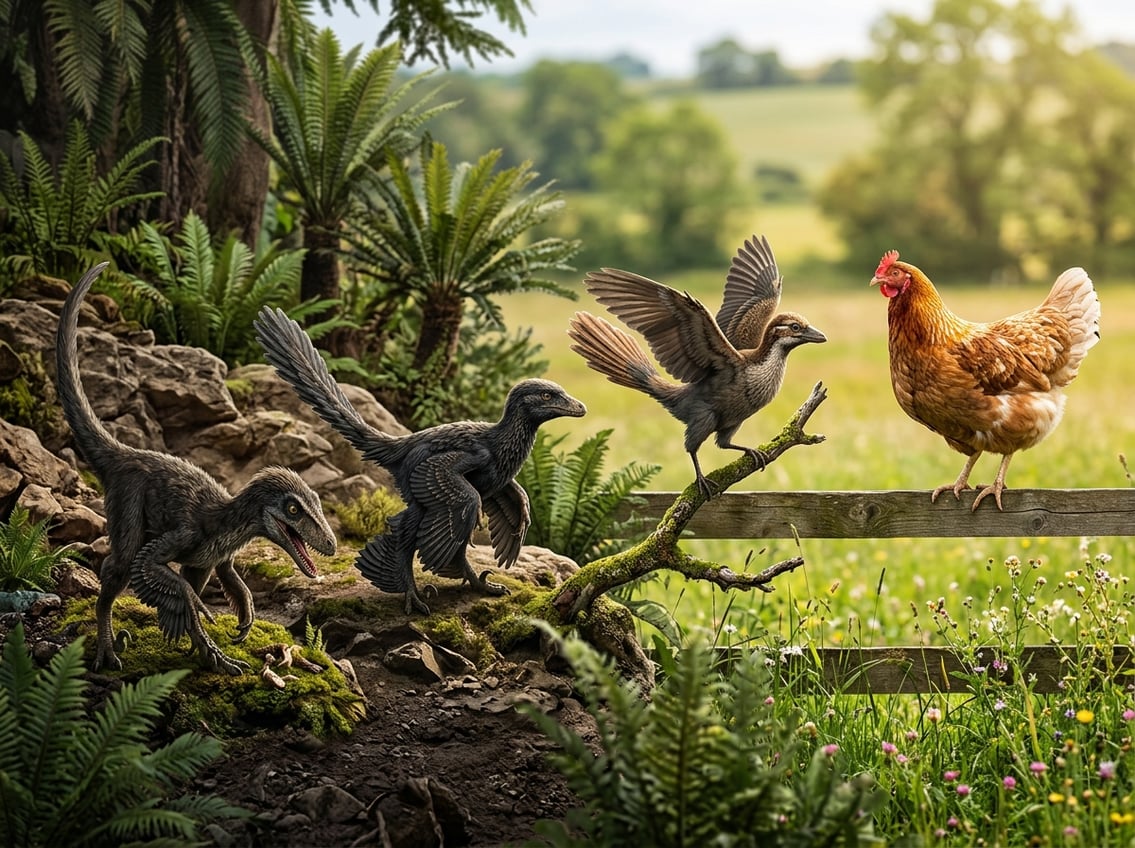
The lineage begins with two-legged carnivores and ends with the domestic chicken. Anatomy, behavior, and genes shifted across millions of years.
Theropod features, early birds like Archaeopteryx, and wild junglefowl species connect directly to Gallus gallus domesticus.
Theropod Ancestors and Archaeopteryx
Small, agile theropods were bipedal, mostly carnivorous dinosaurs covered in protofeathers. Key bird traits like hollow bones, three-toed feet, and a wishbone appeared in coelurosaurian theropods over 150 million years ago.
Archaeopteryx from the Late Jurassic preserved both reptilian features and avian traits. Its mix of characters shows a stepwise acquisition of flight-related anatomy.
Fossils from China and elsewhere add species with feathers, wing-like forelimbs, and reduced tails. These fossils document a gradual shift from ground-running predators to tree-climbing and gliding forms.
Rise of Junglefowl Species
The modern chicken traces to wild junglefowl in Southeast Asia, especially the red junglefowl (Gallus gallus). Gallus gallus shares genes with other Gallus species like grey, green, and Sri Lankan junglefowl through hybridization.
Humans in South and Southeast Asia provisioned or captured red junglefowl for food and social reasons. Over thousands of years, selective breeding emphasized traits such as increased egg production, reduced fear of humans, varied plumage, and larger breast muscles.
Archaeological and genetic data place initial chicken management several thousand years ago. Multiple local domestication events and gene flow among wild Gallus populations shaped the domestic gene pool.
Genetic Links and Evolutionary Adaptations
Genome comparisons show domestic chickens retain most of the red junglefowl genome. Segments from other Gallus species contributed color, behavior, and immune traits.
Key adaptations include refined feather structure, loss of teeth replaced by a beak, and neurological and behavioral shifts toward social tolerance of humans. Both natural selection and artificial selection influenced these traits.
Molecular clocks and phylogenies show the split between avian lineages happened long before Gallus speciated. The Gallus genus represents a recent, human-influenced branch of that evolutionary tree.
Origins of Domestication in Southeast Asia
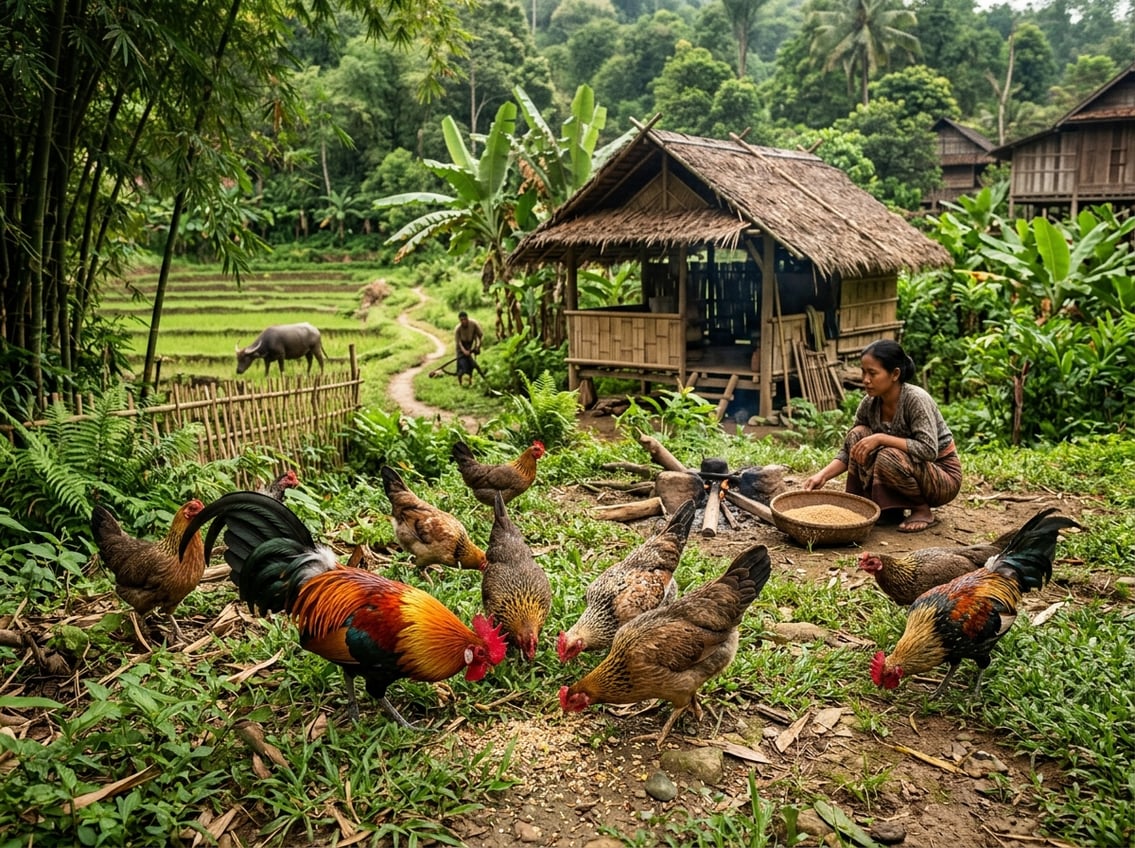
The earliest shifts toward chicken domestication occurred in red junglefowl populations in mainland Southeast Asia. The archaeological record links these birds to human settlements.
Early Human Interaction with Junglefowl
Red junglefowl lived in the tropical lowland forests and edge habitats of Southeast Asia. People captured or tolerated these arboreal birds for meat, eggs, or as commensals before systematic breeding began.
Hunters, foragers, and early farmers created food scraps and grain stores that attracted junglefowl into villages. Birds that tolerated humans and bred near settlements produced populations with traits useful to people.
Influence of Rice Agriculture
When dry rice and millet cultivation spread, harvested grain provided a reliable food source. That steady supply drew junglefowl into the human niche and increased interactions favoring tameness and captive breeding.
Archaeological and genetic evidence points to this process intensifying in mainland Southeast Asia around the mid–second millennium BCE. As rice farming expanded, intentional husbandry and selection for domesticated chicken traits strengthened.
Archaeological Evidence and Timelines
Bone assemblages, radiocarbon dates, and contextual finds form the backbone of the timeline. The earliest clear domestic chicken bones come from Neolithic/Bronze Age sites in central Thailand dated roughly 1650–1250 BCE.
Claims for much earlier chickens in northern China and the Indian subcontinent have often been reattributed to wild pheasants or remain ambiguous. Evidence for chickens in Central Asia, East Asia, and Europe generally dates to the late second millennium to first millennium BCE.
Development and Dispersion of Domestic Chickens
Domestic chickens emerged in human communities in Southeast Asia and then spread outward. Chickens adapted to varied climates and human needs.
Spread Across Asia, Africa, and Europe
Early domestication links to red junglefowl in Southeast Asia. Definite domestic bones appear in sites in Thailand and Neolithic contexts dating several thousand years BCE.
Rice-based settlements in Southeast Asia provided food and habitat, helping small flocks become common near people.
Chickens moved west and north along trade routes and with migrating farmers. They reached South Asia and China by the late Neolithic and moved into West Asia, North Africa, and Europe through Bronze Age contacts and later trading networks.
Local breeds adapted to different environments and uses. Some regions favored hardy roosters for free-ranging, while others selected hens for steady egg laying.
Cultural and Economic Impacts
Chickens became part of subsistence, ritual, and market systems across societies. Smallholder families keep hens and cockerels for eggs and meat, providing protein and cash from surplus sales.
Chickens also appear in religious offerings, folk medicine, and rites of passage. Roosters often carry symbolic roles in many cultures.
Breeders selected for egg production or meat, creating early breed standards. Poultry organizations later formalized these standards.
As flocks intensified, concerns about welfare and biosecurity grew. Regulations and welfare guidelines now affect hatcheries, broiler houses, and backyard keepers.
Trade, Migration, and Cockfighting
Trade networks moved live birds, eggs, and breeding stock across long distances. Merchants and sailors often brought new varieties to different regions.
Migration of farming populations spread husbandry practices. People settling new lands brought hens, roosters, and their knowledge.
Cockfighting influenced selection and movement. Owners bred gamecocks for strength and agility, creating distinct bloodlines that traveled with fighters and traders.
This practice shaped local preferences for cocks and contributed to the exchange of birds between communities.
Selective Breeding and Modern Breeds
Selective pairing changed wild junglefowl into many specialized chickens. Early trait selection, crossbreeding with other junglefowl species, and formal breed standards shaped the chickens you see today.
Origins and Traits of Early Breeds
Early breeders focused on traits like body size for meat, egg rate for laying, and temperament for handling. Many heritage breeds—such as Plymouth Rock, Rhode Island Red, and Brahmas—trace back to 18th–19th century farm selection.
Leghorn types, especially the White Leghorn, were selected in Europe and the U.S. for high egg production. They transformed egg markets by providing reliable, lightweight layers.
Bantams emerged through selection for small stature and ornamental traits. Silkies became prized for feather structure and calm disposition.
Breeders kept records of parentage and culling criteria, which concentrated desirable alleles and fixed traits that defined heritage lines.
Hybridization with Grey and Green Junglefowl
Hybridization extended beyond red junglefowl. Early and modern breeders sometimes used genes from grey and green junglefowl to introduce novel plumage, comb types, or behavioral traits.
Green junglefowl introgression contributed rare feather coloration and patterning for show birds. Grey junglefowl crosses influenced comb shape and other markers in some regional populations.
Commercial broiler and layer programs prioritized predictable performance over exotic traits. Hybridization remains important for conservationists and hobbyists who aim to restore genetic diversity or recreate historical phenotypes.
American Poultry Association and Breed Standards
Many breeds owe their identity to the American Poultry Association (APA). The APA’s Standard of Perfection, first published in 1874, codified physical and behavioral criteria such as size, plumage, comb, color, and purpose.
Standards distinguished bantam classes, heritage breeds, and large commercial types. Producers use these benchmarks for selecting breeding stock.
Standardization stabilized traits in breeds like Plymouth Rock, Rhode Island Red, and Brahmas. Specialized strains such as exhibition Silkies also developed.
For commercial poultry, separate selection paths produced broiler breeds and high-efficiency layers. These lines emphasize growth rate, feed conversion, and egg yield.
Eggs, Meat, and Human Society
Chickens changed diets and farms by providing reliable eggs and meat. Their biology and breeding have made them central to modern poultry farming and household food security.
Chicken Egg Production and Dietary Impact
Most table eggs come from hens bred for high egg laying. Commercial layers can produce 250–320 eggs per year, while heritage breeds lay fewer.
Egg production depends on breed, feed, lighting, and flock health. Eggs supply protein, B12, choline, and essential fatty acids, making them a dense, affordable nutrient source.
In developing regions, small-scale poultry keepers often rely on hens for both cash and household nutrition.
Hatcheries and poultry industry logistics concentrate egg-producing breeds into automated systems for efficiency. Intensive systems boost output but raise concerns about welfare and biosecurity.
Free-range and pasture systems lower stocking density but typically yield fewer eggs per hen.
Meat Production Through History
People have raised poultry for meat from local slaughter on farms to today’s global industry. Early societies valued chickens sporadically for meat; Romans and later medieval markets expanded consumption.
Industrial poultry meat growth accelerated in the 20th century with specialized broiler breeds that reach slaughter weight in 5–7 weeks.
Poultry meat now accounts for a large share of global meat production due to feed conversion efficiency and lower production cost.
Modern poultry farming uses controlled feeding, vaccination, and integrated supply chains from hatcheries to processing plants. Intensive meat production raises issues of animal husbandry standards, disease risk, and environmental impact.
Welfare-certified and sustainable practices are becoming more common in response to these concerns.
Evolution of Backyard and Free-Range Chickens
When you raise chickens at home, you continue a long tradition of backyard poultry keeping for eggs, meat, and pest control.
Backyard chickens often use dual-purpose or heritage breeds. These breeds provide moderate egg laying and respectable meat.
You control flock size, housing, and feed. These choices influence productivity and biosecurity.
Free-range and free-range farming label systems let birds access outdoors. Standards vary by country.
Free-range usually improves bird behavior and consumer perception. However, it can reduce density and per-bird production compared with confinement.
Many small producers blend practices. They use pasture rotation, mobile coops, and diversified breeds to balance welfare, egg production, and meat yield while supplying local markets.
Genetics, Social Structure, and Modern Conservation
Chicken behavior, genetic management, and conservation organizations influence the health and future of domestic chickens.
These factors have practical implications for care, breeding, and supporting breed preservation.
Chicken Intelligence and Pecking Order
Chickens show measurable cognitive skills such as spatial memory, social learning, and problem-solving.
You can see these skills when hens remember feeder locations, learn from flockmates, or navigate simple puzzles to access food.
The pecking order organizes access to resources and reduces overt violence. Dominant birds get first access to feeders, perches, and nesting sites, while subordinates show displacement behaviors.
Provide multiple feeders and perches in your flock management. This reduces stress and injury.
Social bonds matter for welfare and productivity. Chicks form stable affiliations within weeks.
Isolating birds increases distress and reduces laying. Keep groups stable and minimize sudden reintroductions to maintain a predictable social structure.
Genetic Diversity and Conservation Efforts
Genetic diversity supports disease resistance, reproductive fitness, and adaptation to local environments.
Prioritize diverse breeding stock instead of selecting solely for rapid growth or extreme egg production to avoid bottlenecks.
Many modern commercial lines come from narrow founder populations. This increases vulnerability to pathogens and reduces the effectiveness of selective breeding for new challenges.
On small-scale farms, rotate breeding pairs and add unrelated birds to preserve heterozygosity.
Keep records and use basic genetic screening to track lineage and avoid inbreeding.
For practical chicken care, maintain pedigree records, monitor hatch rates, and replace aging sires periodically. These steps help your flock stay resilient over time.
Livestock Conservancy and Future Directions
The Livestock Conservancy and similar groups catalog at-risk chicken breeds and promote conservation breeding programs. You can support these efforts by choosing heritage breeds, buying hatching eggs from listed breeders, or donating to targeted recovery projects.
Conservation programs maintain live populations and genetic repositories. They also educate communities about breed preservation.
These organizations provide breed standards and help breeders connect. They guide breeders on maintaining population sizes to minimize genetic drift.
New efforts include using genomic tools in conservation plans. Incentive programs encourage on-farm conservation.
By selecting diverse, locally adapted breeds and joining conservancy networks, you help protect genetic resources for future poultry health and sustainable chicken raising.


