Plant-Based Protein Builds: Exciting 2026 Recipes with Legumes, Grains, and Seeds
Last updated: July 2, 2026
A single cup of cooked lentils delivers 18 grams of protein, nearly matching the protein content of three large eggs, while costing less than 50 cents per serving. Plant-Based Protein Builds: Exciting 2026 Recipes with Legumes, Grains, and Seeds transforms affordable ingredients like chickpeas, quinoa, and hemp seeds into indulgent meals that rival meat-based dishes in both texture and flavor. These recipes focus on creating satisfying, protein-dense meals through techniques like stuffing, layering, and building complex flavor profiles that make plant proteins the star of the plate.
Key Takeaways
- Legumes provide 15-18g protein per cooked cup, with lentils, chickpeas, and black beans leading the pack for muscle-building amino acids
- Complete proteins form when combining legumes with grains (like rice and beans or hummus with pita), providing all nine essential amino acids
- Hemp seeds contain 10g protein per 3 tablespoons and are one of the few plant sources offering complete protein on their own
- Soaking beans for 8-12 hours reduces phytic acid by 50-70%, significantly improving protein and mineral absorption
- Getting 100g daily protein on plants requires strategic meal planning: typically 4-5 protein-rich meals with 20-25g each
- Plant protein builds muscle as effectively as whey when total protein intake and calories are matched, according to multiple comparative studies
- Budget-friendly plant protein meals cost under $3 per serving when using dried legumes, bulk grains, and seasonal vegetables
- Proper cooking techniques matter: pressure cooking beans for 25-30 minutes preserves more protein than extended boiling
What Are the Best Plant-Based Protein Sources for Muscle Building?
The top plant-based protein sources for muscle building are legumes (lentils, chickpeas, black beans), whole grains (quinoa, amaranth, buckwheat), seeds (hemp, pumpkin, chia), and soy products (tofu, tempeh, edamame). Lentils provide 18g protein per cooked cup, chickpeas offer 15g, and quinoa delivers 8g along with being a complete protein containing all essential amino acids.
High-protein plant foods ranked by protein density:
- Lentils (red, green, black): 18g protein per cup cooked, rich in leucine for muscle synthesis
- Chickpeas: 15g protein per cup, excellent for making crispy roasted snacks or creamy hummus bases
- Black beans: 15g protein per cup, perfect texture for burger patties and protein bowls
- Quinoa: 8g protein per cup, complete amino acid profile, fluffy texture
- Hemp seeds: 10g protein per 3 tablespoons, complete protein with omega-3s
- Pumpkin seeds: 9g protein per ounce, high in zinc for recovery
- Tempeh: 31g protein per cup, fermented for better digestion
- Edamame: 17g protein per cup, quick-cooking and versatile
Choose legumes as your primary protein base if you’re on a budget (under $2 per pound dried). Pick quinoa or hemp seeds when you need complete proteins without combining foods. Opt for tempeh when you want the highest protein density and a meat-like texture that absorbs marinades well.
How Much Protein Do You Get from Lentils vs Chickpeas vs Quinoa?
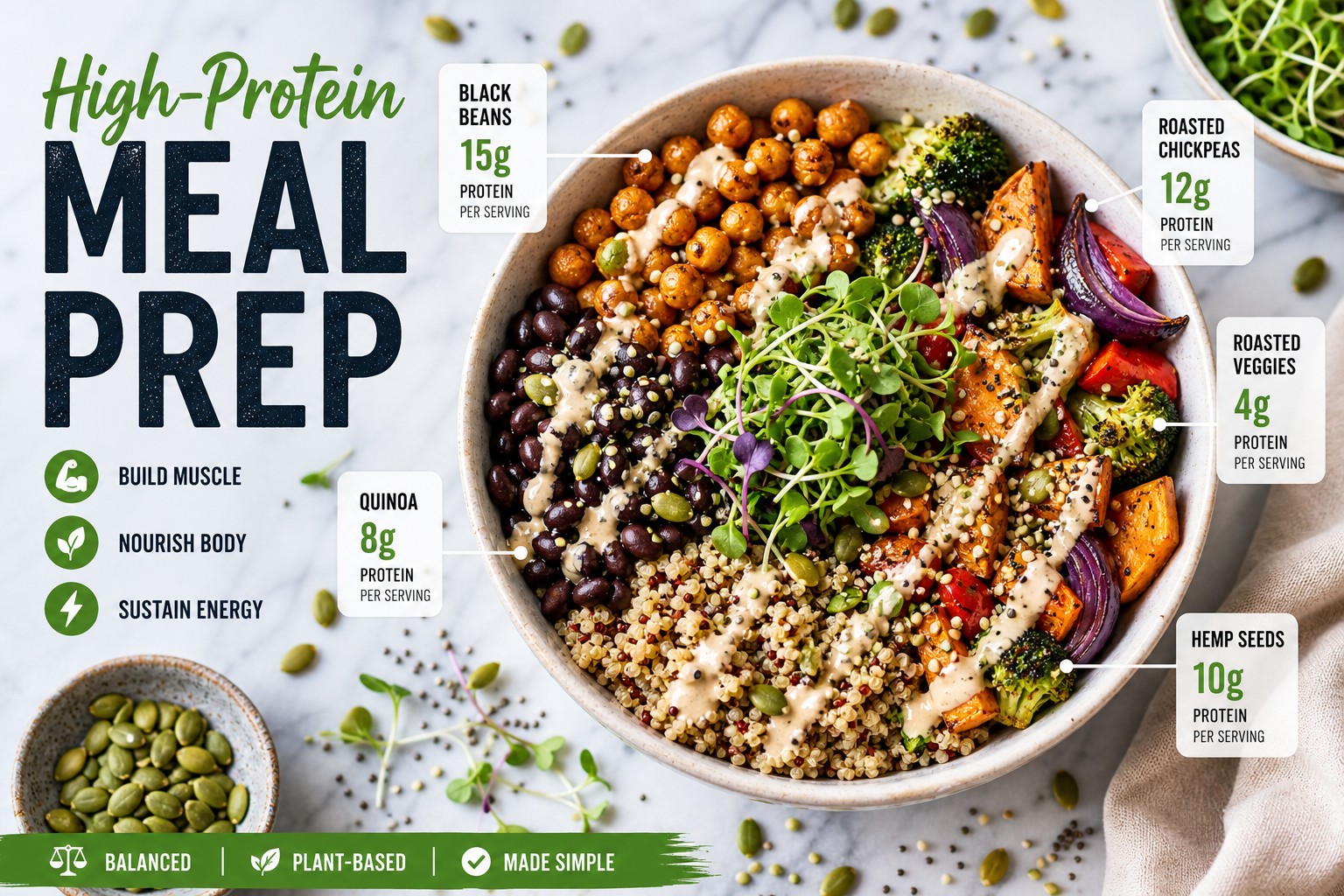
Cooked lentils provide 18g protein per cup, chickpeas offer 15g per cup, and quinoa contains 8g per cup. Lentils win for pure protein content, but quinoa stands out as a complete protein source containing all nine essential amino acids, while lentils and chickpeas need to be paired with grains to form complete proteins.
Protein comparison per 1 cup cooked:
| Food | Protein (g) | Calories | Protein per 100 cal | Complete Protein? |
|---|---|---|---|---|
| Red lentils | 18g | 230 | 7.8g | No |
| Green lentils | 18g | 230 | 7.8g | No |
| Chickpeas | 15g | 269 | 5.6g | No |
| Black beans | 15g | 227 | 6.6g | No |
| Quinoa | 8g | 222 | 3.6g | Yes |
| Brown rice | 5g | 218 | 2.3g | No |
Common mistake: Assuming quinoa is the best choice because it’s a complete protein. While quinoa doesn’t require pairing, lentils provide more than double the protein per serving and cost significantly less. For muscle building, total protein intake matters more than whether each individual food is complete.
Combine lentils with rice (2:1 ratio) to create a complete protein meal with 23g protein per combined cup, or pair chickpeas with whole wheat pita for a complete amino acid profile. This combination approach gives you the high protein content of legumes with the completeness of properly paired foods.
Complete Protein Combinations with Legumes and Grains
Complete protein combinations form when you pair legumes (beans, lentils, peas) with grains (rice, wheat, corn, quinoa) in the same meal or throughout the day. Classic combinations include rice and beans, hummus with whole wheat pita, lentil curry with naan, or black bean tacos with corn tortillas. These pairings provide all nine essential amino acids your body cannot produce on its own.
Proven complete protein combinations:
- Red beans and rice: 1 cup beans + 1 cup rice = 20g complete protein
- Hummus and whole wheat pita: ½ cup hummus + 2 pitas = 18g complete protein
- Lentil dal with brown rice: 1 cup lentils + 1 cup rice = 23g complete protein
- Black bean burrito bowl with quinoa: 1 cup beans + 1 cup quinoa = 23g complete protein
- Peanut butter on whole grain bread: 2 tbsp PB + 2 slices = 14g complete protein
- Split pea soup with barley: 1 cup peas + ½ cup barley = 19g complete protein
The ratio that works: Aim for roughly 2 parts legumes to 1 part grain by volume when building complete protein meals. This ratio maximizes protein content while providing enough grain to complete the amino acid profile.
You don’t need to eat these combinations in the same bite or even the same meal. Your body pools amino acids throughout the day, so eating lentils at lunch and rice at dinner still provides complete protein. However, combining them in one meal creates more satisfying, texturally interesting dishes like stuffed peppers, layered grain bowls, or protein-packed casseroles.
High-Protein Vegan Meal Prep Recipes for the Week
High-protein vegan meal prep centers on batch-cooking legumes, grains, and roasted vegetables on Sunday, then assembling them into different meals throughout the week. A typical prep session includes cooking 4 cups dried lentils (yielding 10 cups cooked), 3 cups quinoa (yielding 9 cups cooked), roasting 2 sheet pans of chickpeas, and preparing 3-4 sauces or dressings. This foundation creates 12-15 meals with 25-30g protein each.
Sunday meal prep blueprint (3 hours total):
- Soak and cook legumes (30 minutes active): 2 cups black beans, 2 cups chickpeas in pressure cooker
- Cook grains (10 minutes active): 3 cups quinoa, 2 cups brown rice in rice cooker
- Roast chickpeas (5 minutes active, 35 minutes baking): toss with spices, bake at 400°F until crispy
- Prep vegetables (20 minutes): chop bell peppers, broccoli, sweet potatoes, roast at 425°F
- Make sauces (15 minutes): tahini dressing, peanut sauce, chimichurri, cashew cream
Week-long meal rotation using prepped ingredients:
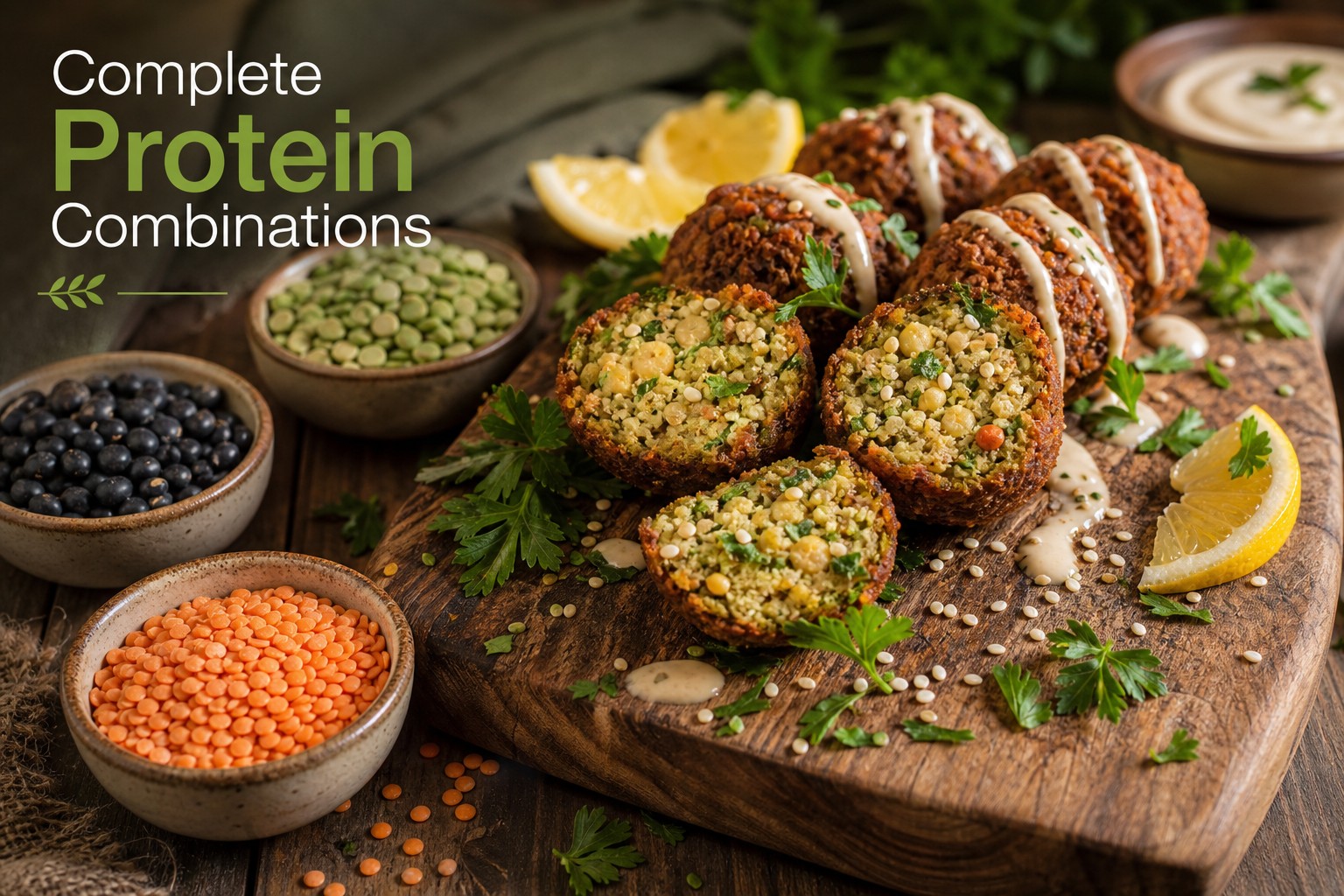
- Monday: Stuffed falafel balls (chickpeas + herbs, formed and baked) with tahini sauce, 28g protein
- Tuesday: Layered lentil and quinoa bowl with roasted vegetables and peanut sauce, 32g protein
- Wednesday: Black bean and rice burrito with cashew cream and salsa, 26g protein
- Thursday: Crispy chickpea Buddha bowl with mixed grains and chimichurri, 29g protein
- Friday: Lentil “meatballs” over quinoa with marinara sauce, 31g protein
Store cooked legumes and grains in separate containers for up to 5 days refrigerated or 3 months frozen. Keep roasted chickpeas in an airtight container at room temperature to maintain crispiness. Prep sauces fresh or store refrigerated for up to 1 week.
Pro tip: Freeze individual portions of cooked lentils and beans in 1-cup servings using muffin tins, then pop out and store in freezer bags. This makes it easy to grab exactly what you need for single meals without thawing entire batches.
Is Plant-Based Protein as Good as Whey for Building Muscle?
Plant-based protein builds muscle as effectively as whey protein when you consume adequate total protein (1.6-2.2g per kg body weight daily) and meet your calorie needs. Research comparing plant and animal proteins shows no significant difference in muscle growth or strength gains when protein intake is matched. The key is eating slightly more plant protein (about 10-15% more) to account for lower digestibility and leucine content.
What makes plant protein equally effective:
- Total daily protein matters most: hitting 100-150g daily (depending on body weight) drives muscle growth regardless of source
- Leucine threshold: plant proteins contain less leucine per serving, but eating larger portions or more frequent meals compensates
- Digestibility: plant proteins are 70-90% digestible vs 95% for whey, easily offset by eating 10-15% more
- Meal timing: spreading protein across 4-5 meals (20-30g each) maximizes muscle protein synthesis on any diet
Choose plant protein over whey if: you’re lactose intolerant, want to reduce environmental impact, prefer whole food sources, or need more fiber and micronutrients. Plant proteins come packaged with fiber, antioxidants, and minerals that whey lacks.
Stick with whey if: you need maximum convenience, want the fastest digestion for post-workout, or struggle to eat enough volume (whey is more protein-dense per calorie). Many athletes successfully combine both, using whey for convenience and whole plant foods for main meals.
Common mistake: thinking you need protein powder at all. You can build muscle eating only whole plant foods like lentils, chickpeas, tofu, and quinoa. Powder is convenient but not necessary if you plan meals strategically.
Common Mistakes When Cooking Legumes That Reduce Protein Absorption
The biggest mistake when cooking legumes is skipping the soaking step, which leaves high levels of phytic acid that binds to proteins and minerals, reducing absorption by 20-50%. Soaking dried beans and lentils for 8-12 hours, then discarding the soaking water, removes 50-70% of phytic acid and significantly improves protein bioavailability. Other mistakes include overcooking (which denatures proteins), not adding acidic ingredients at the right time, and failing to cook beans thoroughly.
Mistakes that reduce protein absorption:
- Not soaking beans: Phytic acid blocks protein and iron absorption; always soak 8-12 hours
- Using soaking water for cooking: Phytic acid leaches into water; always discard and use fresh water
- Adding salt too early: Salt toughens bean skins and extends cooking time; add in final 15 minutes
- Adding acidic ingredients early: Tomatoes, vinegar, and lemon slow cooking; add after beans soften
- Undercooking beans: Partially cooked beans contain lectins and resistant starches that reduce digestibility
- Overcooking until mushy: Extended boiling (2+ hours) can denature some proteins; pressure cook instead
The optimal cooking method for maximum protein:
- Soak dried legumes 8-12 hours in cool water (refrigerate if soaking longer)
- Drain and rinse thoroughly, discarding all soaking water
- Pressure cook for 20-30 minutes (lentils 10-15 minutes) until tender but not mushy
- Add salt and acidic ingredients only in the final 10-15 minutes
- Cook until completely soft (no chalky center) for full digestibility
Exception: Red lentils and split peas don’t require soaking because they cook quickly (15-20 minutes) and have lower phytic acid content. You can cook these directly, though a quick 1-hour soak still improves digestibility.
Add a small piece of kombu seaweed while cooking beans to further reduce gas-causing compounds and improve mineral absorption. The seaweed adds trace minerals and enzymes that help break down complex sugars.
How to Make Plant-Based Protein Taste Good Without Meat Substitutes
Making plant-based protein taste indulgent requires building layers of flavor through roasting, caramelizing, using bold spices, and creating textural contrast. The key is treating legumes and grains like the main attraction, not a side dish. Techniques like crisping chickpeas at high heat, stuffing falafel with herbs and spices, creating creamy bean-based sauces, and layering grains with roasted vegetables transform simple ingredients into crave-worthy meals.
Flavor-building techniques for plant proteins:
- Roast chickpeas at 425°F for 35-40 minutes with smoked paprika, cumin, and garlic powder until crispy
- Caramelize onions for 20 minutes, then mix into lentils for deep, savory sweetness
- Toast spices in oil before adding legumes (cumin, coriander, mustard seeds) to release aromatic compounds
- Make crispy lentil fritters by forming cooked lentils into patties and pan-frying until golden
- Create creamy sauces from blended white beans, tahini, or cashews for richness without dairy
- Add umami boosters: nutritional yeast, miso paste, soy sauce, tomato paste, mushrooms
- Finish with acid and fat: lemon juice, vinegar, or lime plus olive oil or tahini brightens flavors
Texture techniques that rival meat:
- Stuff and bake: Form chickpea mixture into balls stuffed with herbs, bake until crispy outside, creamy inside
- Layer and press: Stack lentils, grains, and vegetables in a pan, press, then slice into portions
- Crisp and crunch: Roast chickpeas or make lentil chips for satisfying crunch
- Blend and smooth: Create creamy bean dips, spreads, and sauces for richness
Recipe example – Stuffed Falafel Balls (32g protein per serving): Blend 2 cups cooked chickpeas with ½ cup fresh parsley, ¼ cup cilantro, 4 garlic cloves, 1 tsp cumin, 1 tsp coriander, ½ tsp cayenne, and 3 tbsp chickpea flour. Form into balls with a small cube of herb-marinated tofu in the center. Bake at 400°F for 25 minutes until golden and crispy. Serve with tahini sauce and pickled vegetables.
The secret is treating plant proteins with the same care you’d give to preparing meat: proper seasoning, high-heat cooking for browning, and attention to texture through techniques like crisping, stuffing, and layering.
Best Seeds for Protein: Hemp vs Chia vs Pumpkin Seeds
Hemp seeds provide the most protein at 10g per 3 tablespoons and are one of the few plant sources offering complete protein with all essential amino acids. Pumpkin seeds come second with 9g protein per ounce (about ¼ cup), while chia seeds offer 5g protein per 2 tablespoons but excel at providing omega-3 fatty acids and fiber. Hemp seeds win for pure protein content and amino acid profile, making them the best choice for muscle building.
Seed protein comparison:
| Seed Type | Protein per Serving | Complete Protein? | Best Use | Cost per Serving |
|---|---|---|---|---|
| Hemp seeds (3 tbsp) | 10g | Yes | Smoothies, bowls, salads | $0.75 |
| Pumpkin seeds (¼ cup) | 9g | No | Roasted snacks, granola | $0.50 |
| Chia seeds (2 tbsp) | 5g | No | Puddings, baking, thickener | $0.30 |
| Sunflower seeds (¼ cup) | 6g | No | Trail mix, pesto | $0.40 |
| Flax seeds (2 tbsp) | 4g | No | Baking, egg replacement | $0.25 |
Choose hemp seeds when: you need maximum protein, want a complete amino acid profile, or prefer a mild nutty flavor that works in both sweet and savory dishes. Sprinkle on oatmeal, blend into smoothies, or mix into grain bowls.
Choose pumpkin seeds when: you want a crunchy texture, need zinc for recovery and immune function, or prefer a more affordable option. Roast with spices for snacking or add to salads and stir-fries.
Choose chia seeds when: you need omega-3s, want to create puddings or thicken smoothies, or need an egg replacement in baking (1 tbsp chia + 3 tbsp water = 1 egg). Chia’s ability to absorb 10x its weight in water makes it perfect for creating creamy textures.
Pro combination: Mix 2 tbsp hemp seeds + 2 tbsp pumpkin seeds + 1 tbsp chia seeds for a 20g protein seed blend that provides complete amino acids, healthy fats, and fiber. Store in an airtight container and add 3-4 tablespoons to smoothies, yogurt, or grain bowls.
Store hemp seeds in the refrigerator (they contain oils that can go rancid) and keep pumpkin and chia seeds in a cool, dark pantry for up to 6 months.
Who Should Avoid Eating Too Many Legumes or Beans?
People with irritable bowel syndrome (IBS), small intestinal bacterial overgrowth (SIBO), or inflammatory bowel disease (IBD) should limit legume intake to 1-2 servings daily or avoid them during flare-ups, as the high fiber and oligosaccharides can trigger gas, bloating, and digestive discomfort. Those taking certain medications (like MAO inhibitors) should also moderate legume consumption, and anyone with a legume allergy must avoid them entirely.
Who should limit or avoid legumes:
- IBS sufferers: Start with ¼ cup servings of well-cooked lentils; avoid chickpeas and kidney beans which cause more gas
- SIBO patients: Limit to small portions (2-3 tbsp) of red lentils or mung beans, which are easier to digest
- IBD during flare-ups: Avoid all legumes during active inflammation; reintroduce slowly during remission
- Kidney disease patients: Monitor potassium and phosphorus intake; limit to ½ cup servings and consult a dietitian
- Gout sufferers: Moderate intake to 1 serving daily, as legumes contain moderate purines (though less than meat)
- People on MAO inhibitors: Limit fava beans specifically, which contain tyramine
How to make legumes more digestible:
- Soak for 12-24 hours, changing water halfway through
- Add a strip of kombu seaweed while cooking
- Start with easier-to-digest options: red lentils, mung beans, split peas
- Cook until very soft (no firmness in center)
- Begin with small portions (2-3 tablespoons) and increase gradually over weeks
- Take digestive enzymes containing alpha-galactosidase before meals
Most people can eat 2-3 cups of cooked legumes daily without issues. If you experience persistent bloating, gas, or discomfort, reduce portion sizes, try different varieties (lentils are generally easier than chickpeas), or focus on other protein sources like quinoa, hemp seeds, and tofu.
Cheap Plant-Based Protein Meals Under $5
Plant-based protein meals under $5 per serving rely on dried legumes (costing $1-2 per pound), bulk grains (under $2 per pound), and seasonal vegetables. A single pound of dried lentils costs about $1.50 and yields 6 cups cooked (enough for 6 servings at 18g protein each), making the protein cost just 25 cents per serving. Combined with rice, frozen vegetables, and basic spices, you can create satisfying meals for $2-4 per serving.
Budget-friendly high-protein meals:
1. Red Lentil Dal with Rice ($2.50 per serving, 28g protein)
- 1 cup red lentils ($0.50)
- 1 cup brown rice ($0.30)
- 1 onion, 3 garlic cloves, ginger ($0.40)
- Curry powder, cumin, turmeric ($0.30)
- 1 can diced tomatoes ($0.80)
- Coconut milk powder ($0.20)
2. Black Bean and Sweet Potato Burrito Bowl ($3.20 per serving, 24g protein)
- 1 cup black beans from dried ($0.35)
- 1 medium sweet potato ($0.60)
- 1 cup brown rice ($0.30)
- Frozen corn ($0.40)
- Salsa and spices ($0.55)
- Lime and cilantro ($0.40)
- Optional: 2 tbsp hemp seeds ($0.60)
3. Chickpea Curry with Quinoa ($3.80 per serving, 26g protein)
- 1 cup chickpeas from dried ($0.40)
- ¾ cup quinoa ($0.90)
- 1 can coconut milk ($1.20)
- Frozen spinach ($0.50)
- Curry paste and spices ($0.50)
- Onion and garlic ($0.30)
4. Lentil and Vegetable Stir-Fry ($2.80 per serving, 22g protein)
- 1 cup cooked lentils ($0.50)
- 2 cups frozen stir-fry vegetables ($1.00)
- 1 cup brown rice ($0.30)
- Soy sauce, ginger, garlic ($0.40)
- 2 tbsp peanut butter for sauce ($0.30)
- Sesame seeds ($0.30)
Money-saving strategies:
- Buy dried legumes in 5-10 pound bags (saves 40-60% vs canned)
- Purchase grains from bulk bins at natural food stores
- Use frozen vegetables instead of fresh (same nutrition, lower cost, no waste)
- Make your own spice blends instead of buying pre-mixed seasonings
- Grow herbs on a windowsill (basil, cilantro, parsley)
- Buy seasonal produce when prices drop
Cost comparison: A 15oz can of chickpeas costs $1.20-1.80 and contains about 1.5 cups cooked chickpeas. Buying dried chickpeas costs $2 per pound, which yields 6 cups cooked (four times the amount) for the same price.
Do I Need to Soak Beans Before Cooking for Better Protein?
Soaking beans for 8-12 hours before cooking removes 50-70% of phytic acid, which significantly improves protein absorption and mineral bioavailability. While you can cook beans without soaking (using a pressure cooker), soaked beans provide better protein absorption, cook 25-40% faster, and cause less digestive discomfort. The soaking process also removes oligosaccharides that cause gas and bloating.
Benefits of soaking beans:
- Removes 50-70% of phytic acid that blocks protein and mineral absorption
- Reduces cooking time by 25-40% (saves energy and preserves more nutrients)
- Decreases gas-causing compounds by up to 75%
- Improves digestibility by breaking down complex sugars
- Reduces lectins that can cause digestive issues when beans are undercooked
- Results in more evenly cooked beans with better texture
Proper soaking method:
- Rinse dried beans under cold water, removing any debris
- Place in a large bowl with 3-4 inches of water covering beans
- Soak for 8-12 hours at room temperature (or 24 hours refrigerated)
- Drain and rinse thoroughly, discarding all soaking water
- Cook in fresh water until completely tender
Quick soak method (when short on time): Bring beans and water to a boil, boil for 2-3 minutes, remove from heat, cover, and let stand for 1 hour. Drain, rinse, and cook in fresh water. This removes about 40-50% of phytic acid (less than overnight soaking but better than no soaking).
Exceptions that don’t require soaking:
- Red lentils and yellow split peas (cook in 15-20 minutes)
- Canned beans (already cooked; just rinse to remove excess sodium)
- Mung beans (optional soaking; cook quickly either way)
Common mistake: Using the soaking water for cooking. This water contains the phytic acid, oligosaccharides, and other compounds you’re trying to remove. Always discard soaking water and cook in fresh water for maximum protein absorption.
For meal prep efficiency, soak multiple types of beans on Saturday night, cook on Sunday morning, and store in the refrigerator for the week. This one-time effort dramatically improves the nutritional value of every meal.
Plant-Based Protein Powder vs Whole Food Sources: Which Is Better?
Whole food plant protein sources like lentils, chickpeas, and quinoa provide more fiber, vitamins, minerals, and phytonutrients than protein powder, making them nutritionally superior for overall health. However, plant-based protein powder offers convenience, faster digestion, and higher protein density per calorie, making it useful for post-workout recovery or when you struggle to eat enough volume. The best approach combines both: whole foods for main meals and powder for convenience when needed.
Whole food plant proteins win for:
- Nutrient density: packed with fiber, iron, folate, magnesium, and antioxidants
- Satiety: fiber and volume keep you fuller longer
- Cost: dried lentils cost $0.25 per 18g protein vs $1-1.50 for powder
- Digestive health: fiber feeds beneficial gut bacteria
- Meal satisfaction: chewing and eating real food is more satisfying than drinking shakes
Plant protein powder wins for:
- Convenience: mix with water in 30 seconds vs 30-45 minutes cooking
- Protein density: 20-25g protein in 120 calories vs 230 calories for lentils
- Post-workout: faster digestion delivers amino acids quickly
- Travel: easy to pack and prepare anywhere
- Volume issues: some people struggle to eat 3-4 cups of beans daily
Best of both worlds approach:
- Use whole food proteins for 3-4 main meals daily (60-80g protein)
- Add protein powder for 1-2 convenience meals or snacks (20-40g protein)
- Choose pea protein, brown rice protein, or blended plant proteins (avoid soy if you eat it in whole food form already)
- Look for minimal ingredients: just protein, maybe natural flavors, stevia, and digestive enzymes
When to prioritize whole foods: If you have time to cook, want to maximize nutrition, need to control costs, or prefer eating over drinking your meals. Whole foods provide the complete package of nutrients that support overall health beyond just muscle building.
When to use powder: Post-workout when you want fast absorption, during busy mornings when cooking isn’t possible, while traveling, or when you need to hit protein targets but feel too full to eat more solid food.
Many successful plant-based athletes use powder for 20-30% of their protein intake and get the remaining 70-80% from whole foods. This balance provides convenience without sacrificing the nutritional benefits of eating real food.
How to Get 100g of Protein a Day on a Vegan Diet
Getting 100g of protein daily on a vegan diet requires eating 4-5 protein-rich meals with 20-25g protein each, focusing on legumes, whole grains, seeds, and strategic combinations. A typical day includes lentils or chickpeas at two meals, quinoa or other whole grains at 2-3 meals, hemp or pumpkin seeds as snacks or toppings, and possibly one protein shake for convenience. This approach distributes protein throughout the day for optimal muscle protein synthesis.
Sample 100g protein day (5 meals):
Breakfast (24g protein):
- 1 cup cooked oatmeal with 3 tbsp hemp seeds (13g)
- 2 tbsp almond butter (7g)
- 1 cup soy milk (8g)
- Banana and berries
Mid-Morning Snack (18g protein):
- Smoothie with 1 scoop pea protein powder (20g)
- 2 tbsp chia seeds (5g)
- Spinach, frozen berries, banana
Lunch (26g protein):
- Buddha bowl with 1 cup chickpeas (15g)
- 1 cup quinoa (8g)
- Roasted vegetables
- 2 tbsp tahini dressing (3g)
Afternoon Snack (12g protein):
- ¼ cup roasted pumpkin seeds (9g)
- Apple with 1 tbsp peanut butter (3g)
Dinner (28g protein):
- 1.5 cups lentil dal (27g)
- 1 cup brown rice (5g)
- Sautéed spinach with garlic
- Naan bread (3g)
Total: 108g protein
Simplified approach without powder (102g protein):
- Meal 1: Tofu scramble with vegetables (22g)
- Meal 2: Lentil soup with whole grain bread (24g)
- Meal 3: Chickpea curry with quinoa (26g)
- Meal 4: Black bean burrito with rice (24g)
- Snacks: Hemp seeds, nuts, hummus with vegetables (6g)
Key strategies:
- Include legumes at 2-3 meals daily (each cup provides 15-18g)
- Add seeds to every meal (3-4 tbsp hemp or pumpkin seeds = 10g)
- Choose high-protein grains (quinoa, amaranth, buckwheat over white rice)
- Snack on nuts and seeds (¼ cup provides 6-9g protein)
- Use protein-rich spreads (hummus, nut butters, bean dips)
Common mistake: Eating too much low-protein food that fills you up before hitting protein targets. Prioritize protein-dense foods first at each meal, then add vegetables, fruits, and fats.
For someone weighing 150 pounds (68kg), 100g protein represents about 1.5g per kg body weight, which is sufficient for muscle building. Heavier individuals or serious athletes may need 120-150g daily, requiring larger portions or an additional protein-rich snack.
Can You Build Muscle on Only Plant Protein Without Supplements?
You can absolutely build muscle eating only whole plant foods without any supplements, as long as you consume adequate total protein (1.6-2.2g per kg body weight), meet your calorie needs, and train with progressive overload. Numerous plant-based athletes and bodybuilders have built significant muscle eating only legumes, grains, seeds, nuts, and vegetables. The key is eating enough volume and variety to hit protein targets consistently.
What you need to build muscle on whole plant foods:
- Sufficient protein: 100-150g daily for most people (depending on body weight)
- Calorie surplus: 200-500 calories above maintenance for muscle growth
- Consistent training: progressive resistance training 3-5 times per week
- Variety: eating different protein sources to ensure complete amino acid intake
- Adequate leucine: 2-3g per meal from high-leucine foods (lentils, chickpeas, pumpkin seeds)
Sample whole-food muscle-building day (140g protein, 2,800 calories):
- Breakfast: Tofu scramble with vegetables, whole grain toast, avocado (28g protein)
- Snack: Trail mix with pumpkin seeds, almonds, dried fruit (12g protein)
- Lunch: Large lentil and quinoa bowl with tahini dressing (35g protein)
- Pre-workout snack: Banana with almond butter (8g protein)
- Dinner: Black bean and sweet potato burrito bowl with guacamole (32g protein)
- Evening snack: Chickpea “cookie dough” made from blended chickpeas, dates, and nut butter (25g protein)
Advantages of whole foods only:
- More micronutrients and fiber than supplement-heavy diets
- Better satiety and meal satisfaction
- Lower cost than buying multiple supplements
- Develops cooking skills and food relationship
- More sustainable long-term approach
Challenges to overcome:
- Requires more meal planning and preparation time
- Need to eat larger volumes than with concentrated protein sources
- Must be strategic about combining foods for complete proteins
- Takes longer to prepare than mixing a protein shake
Who should consider supplements: If you struggle to eat enough volume (small appetite), have limited cooking time, travel frequently for work, or need very high protein intake (180g+). Supplements are tools for convenience, not requirements for success.
Many plant-based athletes use a hybrid approach: whole foods for 80-90% of protein intake, with one protein shake daily for convenience. This provides the nutritional benefits of whole foods while adding flexibility for busy schedules.
Conclusion
Plant-Based Protein Builds: Exciting 2026 Recipes with Legumes, Grains, and Seeds proves that building muscle and creating indulgent meals on a plant-based diet is both achievable and affordable. By focusing on protein-dense legumes like lentils and chickpeas (18g and 15g per cup), combining them with whole grains for complete amino acids, and using flavor-building techniques like roasting, stuffing, and layering, you can create satisfying meals that rival any meat-based dish.
The key takeaways are simple: soak your beans to improve protein absorption by 50-70%, aim for 4-5 protein-rich meals daily to hit 100g+ protein, and don’t be afraid to get creative with textures and flavors. Whether you’re making crispy stuffed falafel balls, layered lentil and quinoa bowls, or budget-friendly bean burritos under $3 per serving, plant proteins can be the star of your plate.
Your next steps:
- This week: Batch-cook 2 types of legumes and 2 grains on Sunday for easy meal assembly
- Try one new recipe: Make stuffed falafel balls or a layered protein bowl using the techniques in this guide
- Stock your pantry: Buy dried lentils, chickpeas, quinoa, and hemp seeds in bulk to reduce costs
- Track your protein: Use a food app for 3 days to see if you’re hitting your targets
- Experiment with flavors: Try one new spice blend or sauce each week to keep meals exciting
Plant-based eating doesn’t mean sacrificing flavor, texture, or muscle-building potential. With the right techniques and recipes, legumes, grains, and seeds become the foundation for meals you’ll actually crave, not just tolerate. Start with one or two recipes from this guide, master the basics of soaking and cooking legumes properly, and build from there. Your taste buds and your muscles will thank you.
SEO Meta Title: Plant-Based Protein Recipes 2026: Legumes, Grains & Seeds


