
Is It Ok to Eat Chicken Thighs Every Day? Nutrition and Health Guide
You can eat chicken thighs every day without harm if you balance portions, choose lean preparation methods, and vary the rest of your diet. Chicken thighs deliver protein, iron, zinc, and other nutrients, but their higher fat content means how you cook them and what else you eat will determine whether daily consumption supports your health.
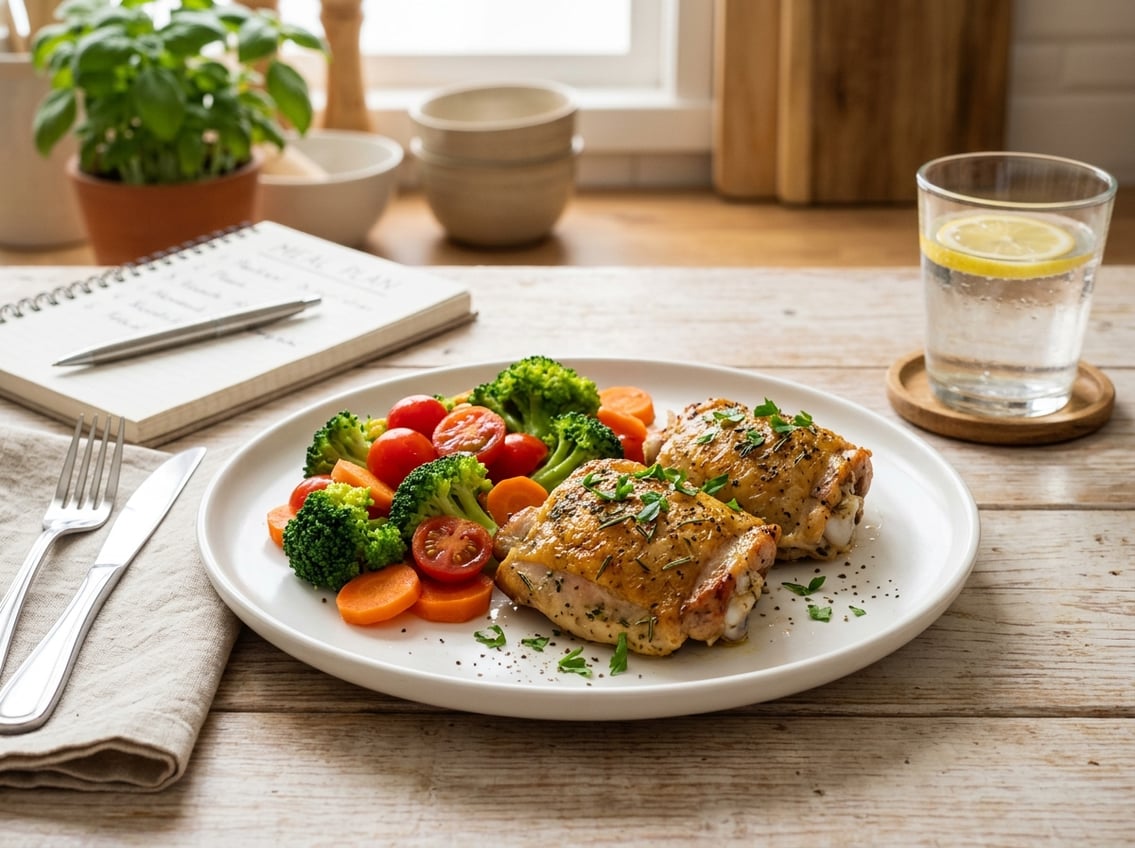
This post explains the nutrition of chicken thighs, their benefits and risks, how they compare with other proteins, and practical cooking and meal-planning tips. You’ll get guidance on portion size, low-fat cooking methods, and simple swaps to keep your weekly menu satisfying and balanced.
Nutritional Profile of Chicken Thighs

Chicken thighs provide concentrated protein, fat, and several B vitamins and minerals. When you choose skinless, boneless cuts, you reduce calories and saturated fat while keeping most protein and key nutrients intact.
Protein Content and Amino Acids
A 3-ounce serving of cooked, skinless chicken thigh provides about 20–25 grams of protein. That makes chicken thighs a reliable source of lean protein for muscle repair, satiety, and daily protein targets when you trim visible fat or choose boneless skinless chicken thighs.
Chicken thigh protein contains all nine essential amino acids, qualifying it as a complete animal protein. You get higher proportions of certain amino acids like lysine and leucine compared with many plant proteins, which supports muscle protein synthesis and recovery after exercise.
Compared to chicken breast, thighs have slightly less protein per ounce but offer more flavor and moistness. For portion control, weigh cooked servings: roughly 3–4 ounces of boneless chicken thighs meets typical single-meal protein goals for most adults.
Vitamins and Minerals in Dark Meat
Dark meat in chicken thighs contains several micronutrients at higher levels compared with white meat. A standard cooked serving supplies meaningful amounts of vitamin B12, niacin (B3), selenium, zinc, and iron, which are tied to energy metabolism, immune function, and oxygen transport.
Vitamin B12 and niacin in thighs support nervous system health and cellular energy conversion. Selenium and zinc help meet daily needs and contribute to antioxidant defenses and immune response.
If you’re concerned about sodium, processed or brined chicken thighs can carry added salt. Choosing plain boneless skinless chicken thighs and seasoning with herbs keeps micronutrient benefits without excess sodium.
Chicken Thigh Nutrition Facts
Typical nutrition for a 3-ounce cooked, skinless chicken thigh (approximate):
- Calories: 160–170 kcal
- Protein: 20–25 g
- Total fat: 8–10 g (saturated fat ~1.5–3 g)
- Carbohydrates: 0 g
If you leave the skin on, calories and total fat rise substantially—often to about 270–280 kcal and 18 g fat per 3-ounce serving. That shift affects daily calorie and saturated fat budgets, so choose skinless options if you want lower calories while retaining protein.
Use boneless chicken thighs for consistent portioning and faster cooking. Grilling, baking, or broiling keeps added fat low; avoid heavy breading or deep-frying if you’re managing calories or saturated fat intake.
Health Benefits of Including Chicken Thighs in Your Diet
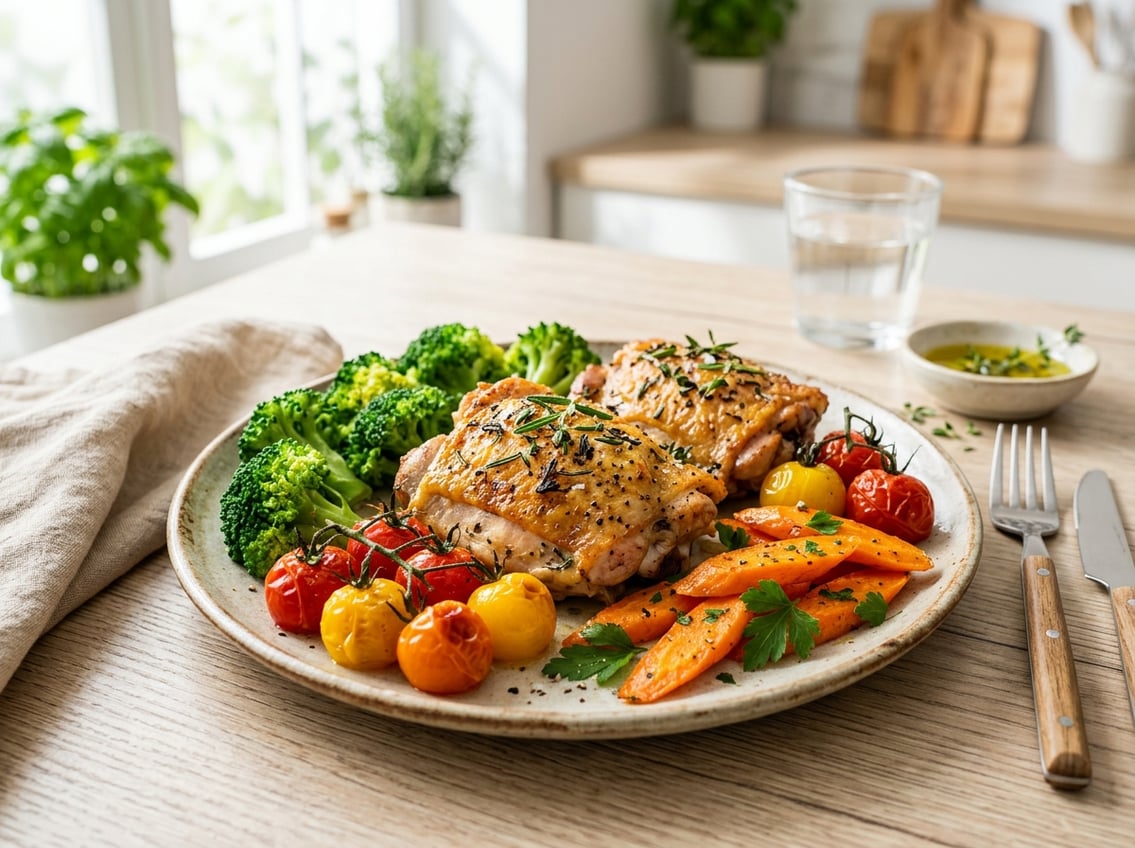
Chicken thighs provide concentrated protein, important B vitamins, iron and zinc, plus a modest amount of healthy fats. These nutrients support muscle and bone maintenance, immune function, and aspects of mood and metabolism when you prepare them with minimal added fats and sodium.
Supporting Muscle and Bone Health
Chicken thighs deliver about 20–32 grams of protein per 3–4 ounce cooked serving, depending on whether the skin is removed. That protein supplies all nine essential amino acids, which helps you maintain and build lean muscle, especially if you strength-train or are older and aiming to preserve muscle mass.
Thighs also supply key minerals: iron (important for oxygen transport) and zinc (needed for tissue repair). Vitamin B12 and niacin in dark meat support bone health indirectly by enabling protein synthesis and energy production for bone-forming cells. If you want to limit saturated fat, remove the skin and choose grilling, baking, or braising to keep calories reasonable.
Role in Immunity and Metabolism
Chicken thighs supply zinc, selenium, and B vitamins tied to immune cell function and antioxidant defense. Zinc supports white blood cell activity and wound healing, while selenium contributes to antioxidant enzymes that protect cells from oxidative stress.
The B-complex vitamins (B3, B6, B12) in thighs play direct roles in metabolic pathways. They help convert food into usable energy and support red blood cell production. Eating chicken every day can supply steady amounts of these micronutrients, but balance the rest of your diet with vegetables, whole grains, and legumes to avoid excessive sodium or saturated fat from preparation choices.
Mood and Mental Well-Being
Chicken thighs contain tryptophan and B12, both relevant to neurotransmitter synthesis. Tryptophan is a precursor to serotonin, which influences mood and sleep regulation.
Vitamin B12 supports neurological function and can reduce risk of fatigue and cognitive slowing linked to deficiency. Eating thighs regularly can contribute to stable intake of these nutrients, but you should vary protein sources (fish, legumes, dairy) to ensure a broad micronutrient profile and avoid monotony in your diet.
Potential Health Risks and Concerns
Eating chicken thighs every day can affect your intake of fat, cholesterol, and exposure to food-safety issues. Pay attention to portion size, cooking method, and sourcing to manage these risks.
Fat and Cholesterol Content
A 3-ounce skinless chicken thigh contains about 160–180 calories, roughly 8–10 grams of total fat, and around 105 mg of cholesterol. If you eat thighs daily, those amounts add up quickly; two thighs can supply a large portion of the Dietary Guidelines’ recommended cholesterol limits for some people.
Keeping the skin on or frying the thighs increases calories and fat substantially. For example, a roasted thigh with skin can approach 278 calories and 18 g of fat per 3-ounce serving. To control intake, choose skinless thighs, measure portions (3–4 oz cooked per serving), and use low-fat cooking methods like baking, grilling, or air-frying.
Saturated Fat Considerations
Chicken thighs contain more saturated fat than chicken breast, typically about 1–2 grams of saturated fat per 3-ounce skinless portion. If you consume thighs every day and also eat other sources of saturated fat (dairy, processed meats, butter), your total saturated fat could exceed the recommended less than 10% of daily calories for most adults.
Choose preparations that minimize added saturated fat. Avoid frequent consumption of fried chicken or recipes that add large amounts of butter, creamy sauces, or fatty cuts. Replace some daily thigh servings with leaner proteins or plant-based options occasionally to keep your saturated-fat intake in a healthier range.
Antibiotic Resistance and Food Safety
Buying conventionally raised chicken can increase your risk of exposure to antibiotic-resistant bacteria such as resistant strains of Salmonella or Campylobacter. Eating chicken thighs daily raises your cumulative exposure risk if meat handling or cooking is inconsistent.
Cook thighs to an internal temperature of 165°F (74°C) to prevent contamination, and practice safe handling: avoid cross-contamination, wash hands and surfaces, and refrigerate promptly. Prefer poultry labeled “raised without antibiotics” if you are concerned about antibiotic resistance; this reduces but does not eliminate bacterial risk. Be cautious with fried chicken from restaurants, where oil reuse and inconsistent temperatures can increase food-safety hazards.
Comparing Chicken Thighs to Other Protein Sources
Chicken thighs provide concentrated protein, more fat, and higher iron and zinc than white meat. You can weigh taste, cooking tolerance, and nutrient goals when choosing between thighs, lean cuts, and plant proteins.
Chicken Thighs vs. Chicken Breast
Chicken thighs contain roughly 19–20 g protein per 100 g and about 9 g total fat per 3-ounce (skinless) serving, while chicken breast offers about 22–23 g protein per 100 g and much less fat. If you want higher protein-per-calorie and lower saturated fat, breast is the better choice.
Thighs give more flavor and hold up better in slow-cooking, which reduces the need for added fats to avoid dryness. They also supply more iron, zinc, and B12, which is useful if you’re monitoring micronutrients that can be lower in lean white meat.
Rotate cuts based on the meal. Choose breast for calorie- or fat-restricted meals and thighs for stews, grilled dishes, or when you need a richer texture without adding sauces.
Variety in Animal and Plant Proteins
Relying only on chicken thighs limits nutrient variety and increases intake of saturated fat if you eat skin-on or fried versions. Rotate protein sources and include lean chicken breast, fish, lean beef or pork occasionally for heme iron, eggs, and dairy for calcium and B12.
Add plant proteins like lentils, chickpeas, tofu, tempeh, and quinoa to boost fiber, potassium, and different amino acid profiles. A sample weekly rotation: 2–3 servings of poultry (mix breast and thigh), 2 servings of fish, 2 plant-based meals, and 1 lean red-meat or egg-based meal.
Pair chicken thighs with vegetables and whole grains and alternate with lean or plant proteins to cover micronutrients and manage total fat.
Best Preparation Methods for Health
Choose cooking techniques and small prep changes that lower added fat and excess sodium while keeping protein and nutrients intact. Focus on skinless chicken thighs and dry-heat methods, and keep portion size to about 3–4 ounces cooked per serving.
Benefits of Removing the Skin
Removing the skin cuts calories and saturated fat. A 3-ounce skinless chicken thigh has roughly 9 g of total fat versus about 18 g with skin; this reduces saturated fat by several grams per serving.
Take the skin off before cooking when you want leaner meals. Skinless chicken thighs stay moist if you avoid overcooking; brine briefly (30–60 minutes in a 1–2% salt solution) or use an acid-based marinade (lemon, vinegar) to help retain juiciness without added fat.
If you prefer the flavor of skin-on, remove the skin after roasting or grilling to keep some rendered taste but avoid most of the extra fat. Pat chicken dry and season with herbs, spices, and citrus rather than relying on butter or sugary sauces.
Grilled, Roasted, and Baked Options
Grilling, roasting, and baking use dry heat and require little added fat, which helps keep thighs healthier. For grilling chicken, preheat the grill and oil the grates lightly to prevent sticking. Cook skinless thighs over medium heat 6–8 minutes per side until internal temp reaches 165°F (74°C).
Roast chicken thighs at 400°F (200°C) on a rimmed sheet pan for 20–30 minutes, flipping once for even browning. Baked chicken in a covered dish at 375°F (190°C) for 25–35 minutes produces tender results without excess oil. Use a meat thermometer to avoid overcooking and nutrient loss.
Use marinades with olive oil limited to 1 tablespoon per pound, or use yogurt-based marinades for tenderness. For grilled chicken, brush sparingly during cooking instead of soaking to reduce flare-ups and char that can produce harmful compounds.
Minimizing Added Fats
Limit added oils, butter, and high-calorie sauces to control total calories and saturated fat. Replace heavy sauces with fresh herbs, citrus zest, garlic, and mustard to add flavor without many calories.
Use non-stick pans, a silicone baking mat, or a rack when roasting to reduce the need for oil. When stir-frying or sautéing, measure oil (1–2 teaspoons) and add late in cooking to preserve flavor while minimizing absorption.
If you want a crisp exterior, use a quick broil or a hot grill for the final 1–2 minutes rather than deep-frying. Finish with a squeeze of lemon or a vinegar-based dressing to brighten taste without adding fat.
Tips for Incorporating Chicken Thighs Into a Balanced Diet
Keep servings moderate, choose lean cooking methods, and build meals around vegetables and whole grains to control calories, fat, and sodium while getting protein and key nutrients.
Portion Control and Frequency
Aim for 3–4 ounces cooked chicken thigh per serving (about the size of a deck of cards). That provides roughly 20–25 grams of protein while limiting added fat and calories compared with larger portions.
If you eat chicken thighs daily, rotate skinless thighs and occasionally swap in breast or plant proteins to reduce saturated fat and cholesterol exposure over time.
Track added fats and sodium from marinades, sauces, and frying. Use a kitchen scale or portion plates when you start; after a few meals you’ll estimate portions reliably.
Target 1–2 servings of poultry per day at most if you also eat other animal proteins, and follow any personalized guidance from your healthcare provider.
Pairing With Whole Grains and Vegetables
Pair chicken thighs with non-starchy vegetables and a whole grain to balance macronutrients and increase fiber.
Try roasted skinless thighs with quinoa and steamed broccoli. You can also use shredded thigh meat over farro with a spinach-tomato salad.
Vegetables add volume and micronutrients without many calories.
Whole grains provide energy and fiber that support digestion and satiety.
When plating chicken thighs, fill half your plate with vegetables, one-quarter with whole grain, and one-quarter with protein to keep meals balanced.
Budget-Friendly Meal Ideas
Braise a tray of skinless thighs, shred the meat, and use it in tacos, grain bowls, and soups through the week.
Make a large batch of baked thighs, portion into containers, and combine with different sides for variety.
Buy family packs or bone-in thighs for lower per-pound prices, then debone at home if you prefer boneless.
Use simple seasonings like cumin, garlic, and lemon instead of expensive sauces. Incorporate seasonal vegetables and bulk whole grains to keep each meal nutritious and affordable.


