
Is It Good to Grill Chicken Thighs? Tips, Temps & Serving Ideas
Grilling chicken thighs works well because their higher fat content keeps them juicy and lets them hold up to bold flavors and high heat. Chicken thighs deliver reliable, flavorful results on the grill and are one of the best cuts to choose.
Thighs stay tender where breasts can dry out. That makes them ideal for quick weeknight grilling or a slow, smoky cook.
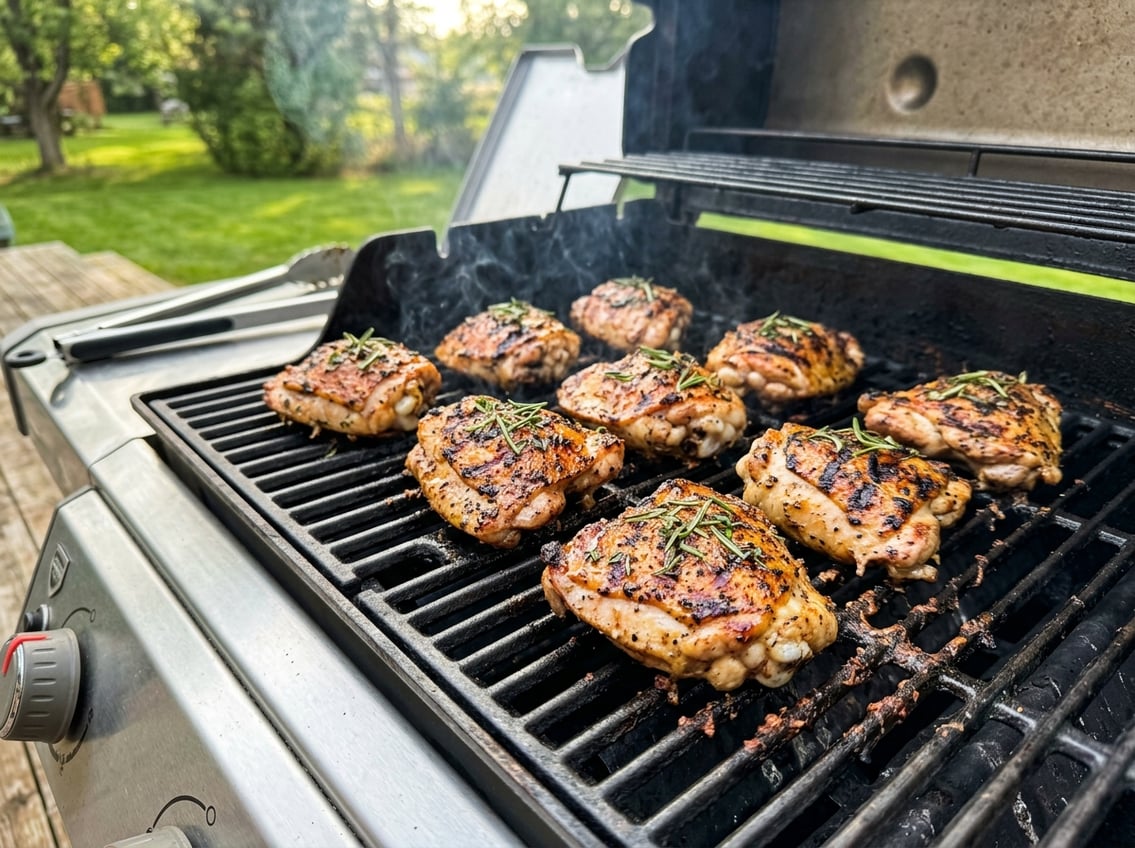
You can select and prep both bone-in and boneless thighs for grilling. Use the right techniques to prevent flare-ups, ensure crispy skin, and use simple timing cues to know when they’re done.
Explore flavor ideas and serving pairings that turn grilled chicken thighs into a mainstay for easy, satisfying meals.
Why Chicken Thighs Excel on the Grill
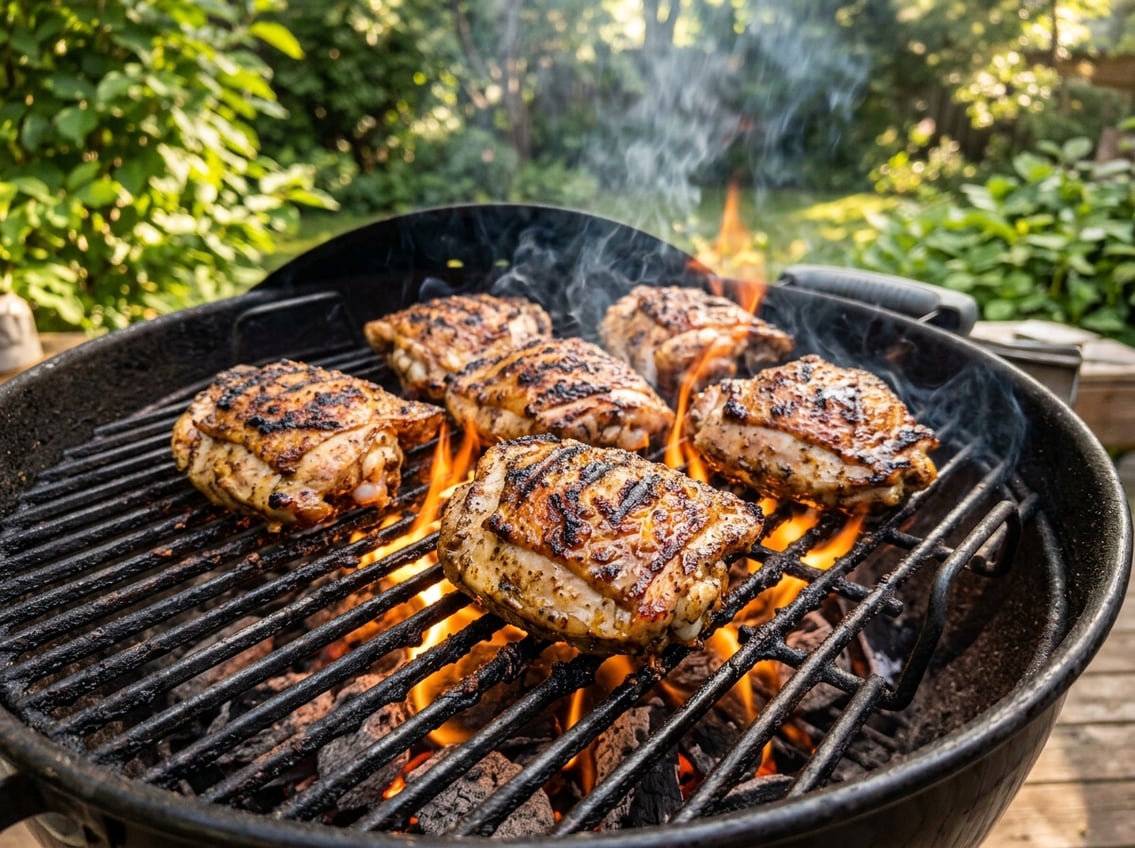
Chicken thighs reward you with reliable juiciness, forgiving cook times, and strong flavor that stands up to smoke, char, and bold seasonings. You can use them bone-in or boneless, with or without skin, and adapt them to direct searing or indirect, slower cooking.
Flavor and Juiciness Compared to Other Cuts
Thighs contain more fat and connective tissue than breasts, which keeps the meat moist as it heats. That fat renders during grilling and bastes the meat from the inside, so you get juicy grilled chicken thighs even if the exterior develops char.
Dark meat carries more myoglobin and intramuscular fat, giving you deeper, meatier flavors. Thighs hold up to assertive rubs, marinades, and sauces without tasting washed-out.
Use a thermometer to hit 165°F for safety. Some chefs aim toward 170–175°F for extra tenderness because slow collagen breakdown yields a silkier texture.
If you want leaner results, choose skinless chicken thighs or trim excess fat. For the most flavor and crisp skin, keep the skin on and start over higher direct heat to render and brown it.
Dark Meat Advantages for Grilling
Dark meat tolerates higher grill temperatures and longer cooking times without drying, thanks to its higher fat and collagen content. That margin for error makes thighs ideal when grill heat fluctuates or you’re cooking multiple items.
Collagen in thighs breaks down into gelatin as internal temperature rises, improving mouthfeel and perceived juiciness. This effect matters whether you use boneless chicken thighs for quick meals or bone-in pieces for richer flavor.
Dark meat also picks up smoky compounds more readily. Low-and-slow smokers and hot-char grills both produce satisfying results with thighs.
Season boldly. Dark meat stands up to citrus, yogurt, vinegar, sugar-based glazes, and spicy rubs without losing its character.
Bone-In vs. Boneless Choices
Bone-in chicken thighs bring extra flavor and slower, more forgiving cooking. The bone conducts heat differently, so the meat near the bone cooks last, which helps prevent overcooking and creates a deeper roasted flavor when you sear then finish over indirect heat.
Boneless chicken thighs cook faster and more evenly, making them better for quick direct grilling and slicing for salads or sandwiches. Grilled boneless chicken thighs usually take 8–12 minutes over medium-high heat; adjust for thickness and use a probe thermometer.
Skin-on thighs give you crisp, caramelized exterior when rendered properly. Skinless chicken thighs skip the crisp step and absorb marinades faster, which is handy for rapid marination or when you want less fat.
Choose the cut that matches your timing and texture goals.
Selecting and Prepping Chicken Thighs
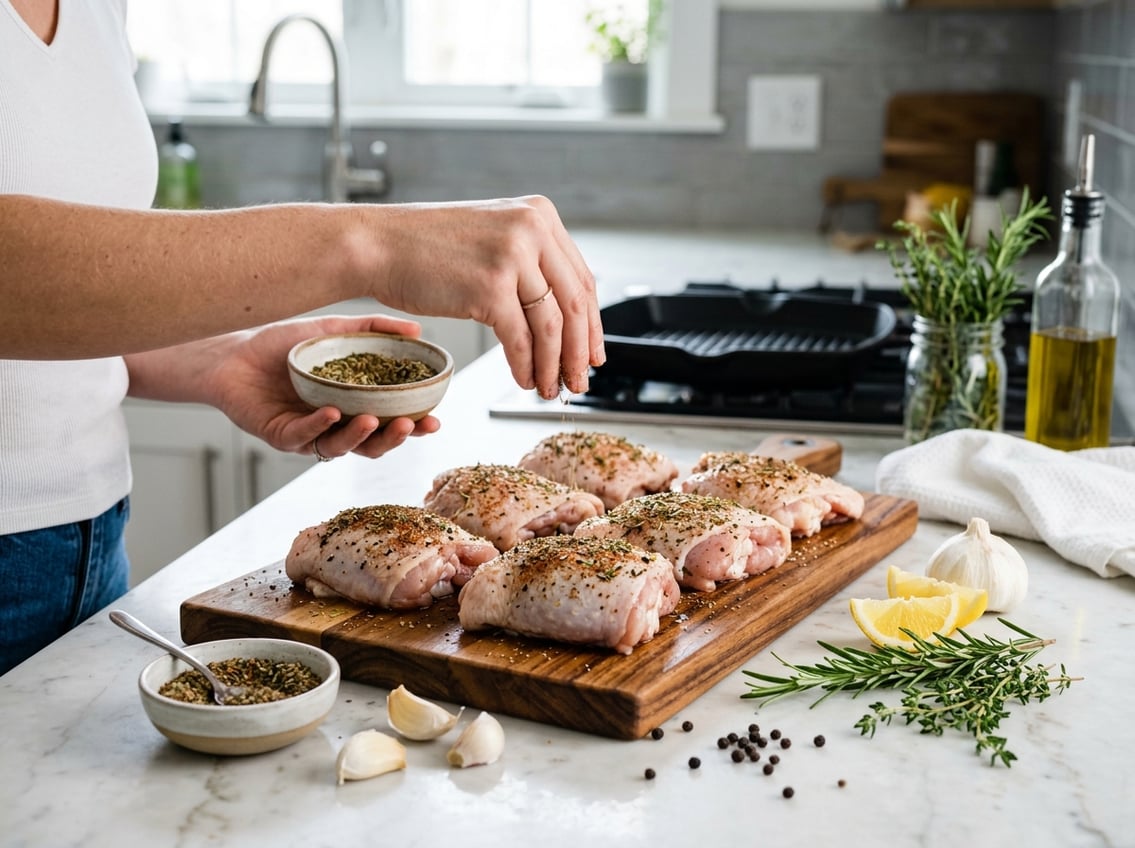
Choose the cut and prep steps that match your cooking method and flavor goals. Bone-in gives more flavor and forgives slight overcooking, boneless cooks faster, skin crisps best over direct heat, and skinless soaks marinades more evenly.
Choosing Between Bone-In, Boneless, Skin-On, and Skinless
Bone-in, skin-on thighs hold heat and flavor. The bone slows cooking and helps keep meat juicy; plan for indirect grilling and 15–45 minutes cook time depending on size.
Use skin-on when you want crispy, rendered skin and a classic grilled chicken thigh recipe with char and texture.
Boneless, skinless thighs finish in about 8–12 minutes over direct high heat. They’re ideal for quick weeknight grilled chicken thigh recipes or skewers.
They absorb marinades faster, so shorten any acid-based marinade to under four hours to avoid a mealy texture.
If you want smoky char and pronounced fat flavor, pick bone-in skin-on. For faster cooking, slicing for tacos, or marinating for a classic BBQ rub, choose boneless or skinless.
Trimming, Cleaning, and Patting Dry
Trim excess fat and loose skin to prevent flare-ups and uneven charring. Remove large silver skin pieces or excess connective tissue; leave a thin layer of fat under the skin for flavor and moisture if keeping skin on.
Rinse only if visibly dirty; otherwise skip rinsing to avoid cross-contamination. Use paper towels to pat thighs thoroughly dry.
Dry surfaces brown and crisp better, which is essential for any grilled chicken thigh recipe aiming for crispy skin.
If you brine, use a basic brine of 4 cups water to 2 tablespoons salt and 2 tablespoons sugar for 30–60 minutes. After brining, rinse lightly and pat dry before applying rubs or marinades.
Marinating and Dry Rub Techniques
For a balanced chicken thigh marinade, combine oil, acid (lemon or vinegar), salt, garlic, and herbs. For example: 3 tbsp olive oil, 2 tbsp lemon juice, 2 cloves minced garlic, 1 tsp salt, and 1 tsp black pepper.
Marinate boneless up to 4 hours; bone-in up to 6 hours for maximum flavor without texture breakdown.
Use a classic BBQ rub for grilled thighs: 2 tbsp brown sugar, 1 tbsp smoked paprika, 1 tsp garlic powder, 1 tsp onion powder, 1 tsp salt, and ½ tsp cayenne. Apply rub 15–30 minutes before grilling to let the salt penetrate without drawing out too much moisture.
Rotate between wet marinades and dry rubs depending on desired crust and flavor penetration. For sticky barbecue finishes, brush sauce in the last 3–5 minutes of grilling to prevent burning.
Always bring marinated chicken to room temperature for 15–20 minutes before grilling for even cook times.
Essential Grilling Techniques for Perfect Chicken Thighs
Prep the grill, choose heat methods, avoid flare-ups, and target surface temperatures so thighs cook evenly, stay juicy, and get crisp, attractive skin.
Oil the Grill Grates and Preheating
Oil the grill grates to prevent sticking and get clean sear marks. Heat the grill to the target temperature first, then use a paper towel or brush soaked in a high-smoke-point oil (canola, grapeseed, or avocado) held with tongs to coat the grates.
Move the oiled towel quickly across the bars to leave a thin, even film. Preheat for 10–15 minutes on high for gas grills or until coals are covered with gray ash for charcoal.
Proper preheating ensures immediate searing, reduces sticking for skin-on thighs, and improves grill marks on boneless pieces. Re-oil briefly only if food begins to stick during cooking.
Direct vs. Indirect Heat Methods
Use direct heat for boneless, skinless thighs because they cook fast and benefit from quick searing. Place them over medium-high heat and flip once; most will reach 165°F in 8–12 minutes.
Direct heat produces crisp edges and pronounced grill marks. Use indirect heat for bone-in or skin-on thighs to avoid burnt skin while the interior finishes.
Start with a 1–2 minute sear over direct heat, then move to indirect medium heat (350–400°F) and cook until internal temp reaches 165–175°F depending on desired tenderness.
This two-zone method gives crispy skin and fully cooked meat without excessive charring.
Preventing Flare-Ups and Achieving Grill Marks
Trim excessive fat and pat thighs dry to reduce drips that cause flare-ups. Keep a spray bottle of water nearby to quickly douse small flames, and move pieces away from flames if severe charring starts.
For safety, don’t pour oil directly on the grill. To get clear grill marks, leave the thigh undisturbed for 2–3 minutes per side on direct heat before rotating or flipping.
For cross-hatch marks, rotate 90° halfway through that sear period. Boneless thighs show marks faster; watch closely to avoid overcooking.
Finish thicker or bone-in pieces on indirect heat after marking to reach safe internal temperature.
Grill Surface Temperature Guidelines
Match surface temperature to thigh type. For boneless, skinless thighs use 400–450°F surface temps for rapid searing and a short total cook time.
For bone-in or skin-on thighs, use 350–400°F for the cooking surface when finishing over indirect heat to avoid burning the exterior.
Use an infrared thermometer to read grate or surface temps quickly. Aim for a searing zone around 450°F and a holding zone around 350°F on a two-zone grill.
Always confirm doneness with a probe thermometer. Insert into the thickest part without touching bone — 165°F is the USDA minimum; 170–175°F can yield more tender results for dark meat.
How Long to Grill Chicken Thighs and When They’re Done
You need clear timing based on whether thighs are bone-in or boneless, and you must check internal temperature rather than rely on clock time alone.
Proper resting also affects final juiciness and carryover cooking.
Optimal Grill Times for Bone-In and Boneless Thighs
Bone-in thighs take longer because the bone slows heat transfer. Grill bone-in thighs over medium indirect heat (350–400°F).
Sear 2–4 minutes per side over direct heat, then move to indirect and cook about 20–30 more minutes, flipping occasionally. Expect a total time roughly 25–40 minutes depending on size and grill hotspots.
Boneless, skinless thighs cook faster and tolerate higher direct heat. Preheat the grill to 400–450°F and cook 6–8 minutes per side for average 1/2–3/4-inch thick pieces.
Thicker pieces may need an extra 2–4 minutes per side. Use a two-zone setup if pieces start to char before the center reaches the right temperature.
Target Internal Temperatures
Use an instant-read thermometer to check doneness; internal temperature is the reliable indicator. Insert the probe into the thickest part without touching bone.
The USDA minimum safe temperature for chicken is 165°F (74°C), which ensures safety. For texture you can aim slightly higher for thighs because dark meat tolerates more cooking.
Many chefs pull bone-in thighs at 170–175°F to soften connective tissue and increase tenderness. Allow for carryover heat that will raise the meat a few degrees while it rests.
Resting for Maximum Juiciness
Let cooked thighs rest 5–10 minutes before cutting. Resting allows juices to redistribute and finish carryover cooking, raising internal temperature slightly.
For bone-in pieces, err toward 8–10 minutes; boneless can rest 5–7 minutes. During rest, tent loosely with foil to retain warmth but avoid wrapping tightly, which traps steam and softens the skin.
After resting, check temperature one more time if you’re unsure; the meat should read at or just above your target before serving.
Flavor Variations and Recipe Inspiration
You can transform chicken thighs with bold marinades, global sauces, or simple rubs to suit weeknight dinners or weekend barbecues. Focus on acid, fat, and aromatics in marinades, on balance and temperature for sauces, and on texture when choosing bone-in vs. boneless thighs.
Popular Marinades and Rubs
Marinades that combine an acid (vinegar, citrus), oil, and salt-based seasoning yield the most reliable results for juicy thighs. Try a soy, brown sugar, and garlic mix for caramelized crusts on grilled chicken thighs, or a lemon, olive oil, and rosemary blend for brighter, herb-forward flavors.
Marinate boneless thighs 2 hours to overnight; bone-in needs longer for deeper flavor. Dry rubs work well when you want crisp exterior without extra moisture.
Use smoked paprika, cumin, brown sugar, and kosher salt for classic BBQ chicken thighs. Press the rub onto skin or surface, rest 30 minutes, then grill over medium heat for even charring.
For baked chicken thighs, apply the same marinades or rubs but lower oven temperature and extend cooking time to render fat and crisp skin. Adjust salt and sugar levels based on cooking method to avoid over-browning.
International BBQ Styles and Sauces
Refresh your BBQ repertoire by adopting global traditions. Go Korean with a gochujang marinade by mixing gochujang, soy, sesame oil, garlic, and rice vinegar, then grill briefly on high for a sticky, spicy glaze.
Try Peruvian-style with aji amarillo paste, lime, and cilantro for bright heat. Use Jamaican jerk seasoning with thyme, allspice, Scotch bonnet, and scallion to create peppery, aromatic thighs that handle high direct heat.
Combine yogurt, lemon, garlic, and oregano for Mediterranean notes to tenderize and flavor boneless thighs before grilling or baking. Brush classic American BBQ sauces on bone-in thighs during the last few minutes of grilling to avoid burning.
Choose thicker sauces for slow cooking and thinner glazes for quick grilling.
Grilled Chicken Thigh Recipes to Try
Start with a simple soy, brown sugar, and garlic marinade for quick, caramelized grilled chicken thighs. Grill boneless thighs for about 8 to 10 minutes over medium-high heat, aiming for a 165°F internal temperature.
Garnish with cilantro or sliced scallions. Use a two-zone grill method for skin-on, bone-in thighs by searing over direct heat, then moving to indirect heat until they reach 175 to 185°F for tender meat and crisp skin.
Finish with a brown sugar glaze or your favorite BBQ sauce. For a weeknight baked-to-grill hybrid, marinate overnight, bake at 400°F until nearly done, then grill briefly for char and smoke.
This technique ensures consistent doneness and adds grilled texture.
Serving Suggestions and Pairings
Grilled chicken thighs pair well with cool, crunchy salads and smoky grilled vegetables. Choose sides that balance the richness and match your seasoning profile.
Classic Sides: Potato Salad, Coleslaw, and Grilled Corn on the Cob
Potato salad brings creamy heft that complements juicy thighs. Prepare with waxy potatoes, a tangy mayo-Dijon dressing, chopped chives, and a pinch of celery seed.
Chill the salad for a refreshing contrast with hot chicken. Coleslaw adds crispness and acidity with shredded cabbage, carrot, and a dressing that’s either vinegar-based or light mayo with apple cider vinegar.
Keep it cold and slightly tangy to refresh the palate. Grilled corn on the cob offers smoky sweetness that matches the char on thighs.
Grill whole ears until kernels brown lightly, then brush with butter and a squeeze of lime. For a bolder match, top with Cotija, chili powder, and chopped cilantro.
Creative Uses: Chicken Tacos and More
Transform leftover or freshly grilled thighs into tacos for a quick, flavor-packed meal. Thinly slice the meat, reheat in a hot skillet with a splash of lime juice, and serve on warm corn tortillas.
Add toppings like diced onion, cilantro, pickled jalapeño, and a simple crema. Cube thighs for grain bowls and toss with lemon-tahini dressing over farro or rice, adding roasted vegetables and toasted seeds.
Shred the meat for loaded nachos or baked pastas. The higher fat content in thighs helps keep them moist after reheating.
How to Serve Grilled Chicken Thighs
Plate thighs whole for a rustic presentation. Slice them against the grain to show a moist interior and make portioning easier.
Let the meat rest 5–8 minutes under foil. This helps redistribute juices before cutting.
Pair herb-forward thighs with chimichurri. Serve smoky rubs with barbecue sauce, and match citrus marinades with a yogurt-dill sauce.
Cook sides like grilled corn and asparagus on the grill while the chicken rests. This keeps everything hot and saves time.


