
Will Chicken Thighs Still Be Pink? Safe Cooking and Color Explained
You’ve probably pulled thighs from the oven and seen a faint pink near the bone and wondered if it’s safe. Trust your thermometer more than color. If the thickest part of the thigh reaches 165°F (74°C), a slight pink tint does not mean it’s unsafe.
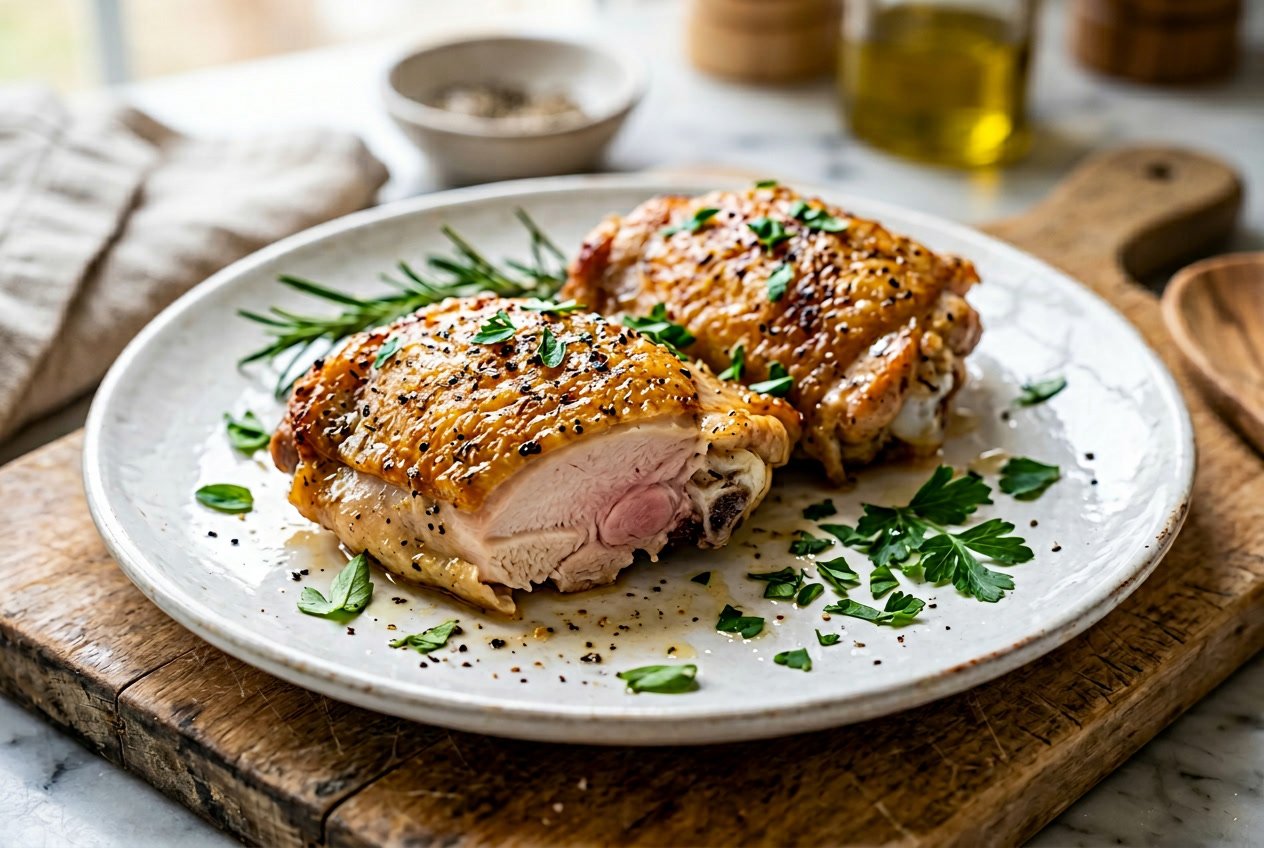
This post explains why dark meat can stay rosy. Bone marrow, myoglobin, and cooking methods affect color, and you can check doneness without guessing.
Follow practical tips on where to place your probe and what visual cues can still matter. Use simple steps to avoid undercooking or overcooking.
Can Chicken Thighs Still Be Pink After Cooking?
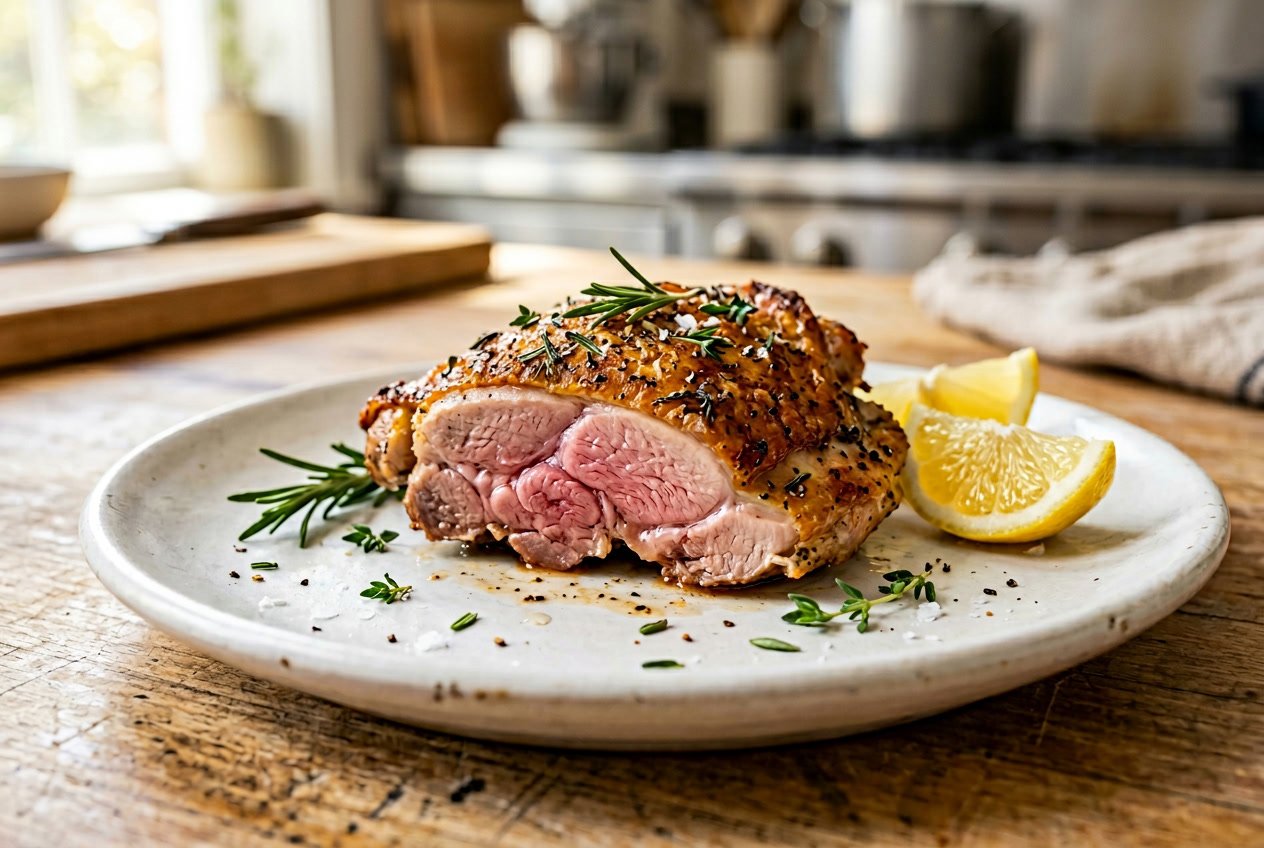
You may see a pink tint in the meat near the bone or under the skin even when the thigh has reached a safe temperature. Focus on internal temperature and texture, not color alone, to judge doneness.
Understanding What the Pink Color Means
Myoglobin and pigments in bone marrow or connective tissue often cause pink in cooked chicken thighs. These proteins can remain pink after proteins denature, so color alone doesn’t prove undercooking.
Cooking methods and ingredients also affect color. Smoking or grilling can create a smoke ring. Acidic marinades can change protein structure and preserve a pink hue.
Frozen thighs sometimes retain more myoglobin and look pinker after cooking. Use a probe thermometer in the thickest part, avoiding bone.
The USDA target of 165°F (74°C) ensures safety. If the temperature is correct but the meat still appears pink, check that juices run clear and the texture is firm.
Differences Between Chicken Thighs and Other Cuts
Thighs are dark meat with higher fat and myoglobin than breasts, so they naturally hold color differently. You’ll often see pink nearer the bone in thighs while breast meat turns white when cooked.
Bone-in thighs heat unevenly. Bone marrow and nearby connective tissue slow color change.
Skin-on thighs can insulate the meat, producing less surface browning and a paler appearance under the skin.
Practical checks for thighs:
- Thermometer: 165°F (74°C) at the thickest meat (not bone).
- Juices: should be clear, not bloody.
- Texture: meat should feel firm and pull away from bone easily.
If visual appearance bothers you, finish thighs with a high-heat sear or remove skin before serving to reduce visible pinkness without compromising safety.
The Science Behind Pink Color in Cooked Chicken Thighs
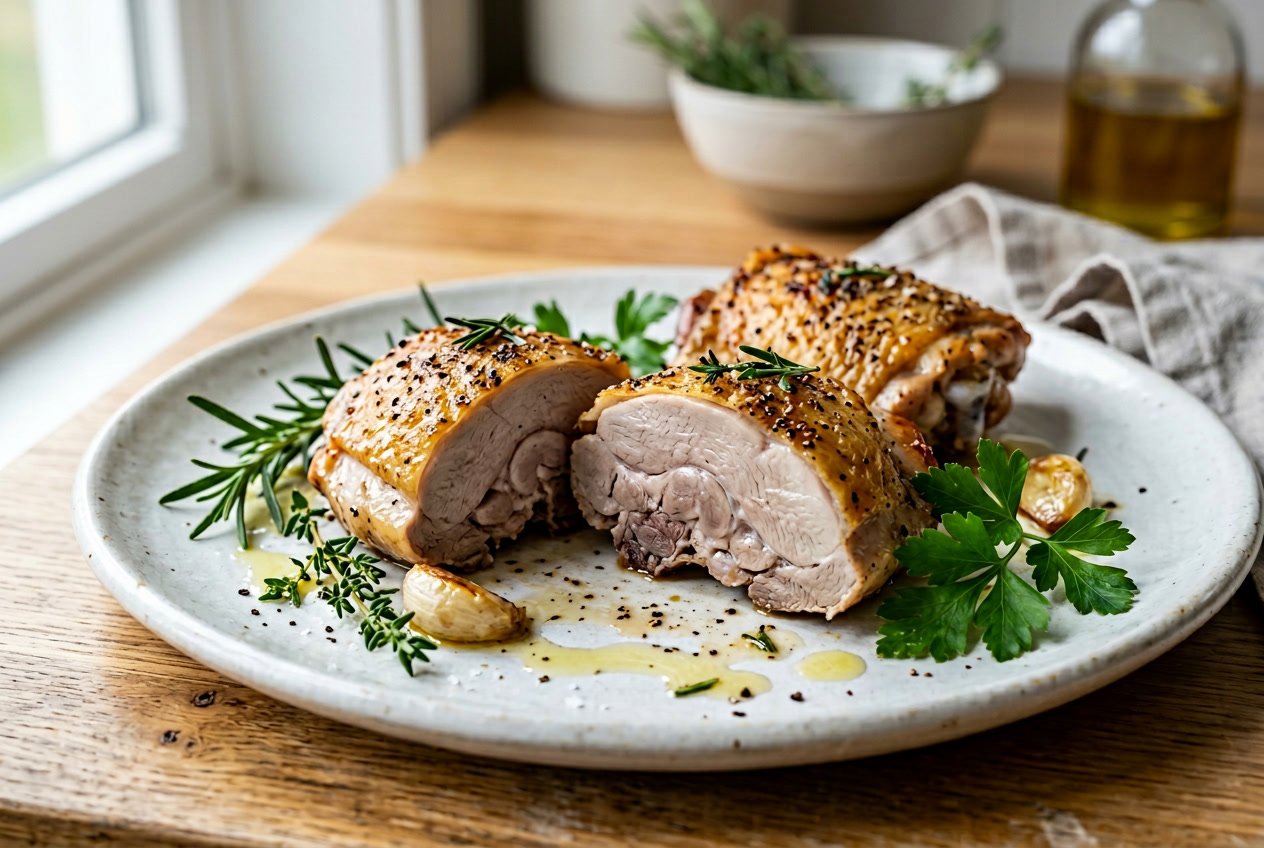
Pigment in muscle tissue, chemical changes from cooking or brining, and pigments leaching from bone or marrow affect the color of cooked chicken thighs.
Role of Myoglobin in Meat Color
Myoglobin is the primary pigment that controls meat color. Dark meat, like thighs, contains more myoglobin than breast meat, so it starts darker and can retain a rosy hue after cooking.
Heat changes myoglobin’s chemical state. At around 140–160°F myoglobin denatures and meat lightens, but pockets near bones or in thicker muscle can remain pink even after the center reaches 165°F.
Use a probe thermometer in the thickest part, away from bone, to confirm safety.
Effects of pH and Acidity on Color
pH and acidic ingredients influence how myoglobin behaves during cooking. Lower pH from marinades containing vinegar, citrus, or wine can cause myoglobin to denature differently and sometimes preserve a pink tone.
Brined or marinated thighs often show a firmer texture and can retain a pinkish color longer because salt changes protein structure and water retention. Smoke and curing agents chemically react with myoglobin to form stable pink pigments.
If you want predictable color, avoid strong curing agents and test temperature rather than sight. Adjust marinade time to control texture and color effects.
Impact of Bone Marrow and Age
Bone proximity affects color significantly. During roasting or grilling, heat can force hemoglobin and marrow pigments out of porous bones and into adjacent meat, producing a pink ring near the bone.
Younger birds have softer, more porous bones that leach more pigment when cooked. That makes pink near the bone common in small or young chickens even after the meat reaches safe temperatures.
If pink appears only close to the bone, check internal temperature at the thickest meat away from bone. If multiple spots test below 165°F, continue cooking. If they meet the temperature, the pink likely comes from marrow or bone pigment rather than undercooking.
Determining If Chicken Thighs Are Safe to Eat
Check the internal temperature with a reliable meat thermometer and inspect juices for clarity. Trust measured temperature over color when deciding if thighs are safe to serve.
Recommended Cooking Temperatures
Cook chicken thighs until the thickest part reaches 165°F (74°C). Insert a food thermometer into the center of the thigh without touching bone.
Bone contact gives a falsely high reading. For bone-in thighs, check near the bone but in the meat.
If you prefer slightly more tender texture, you can cook dark meat to 170–175°F, then rest. This kills pathogens and breaks down collagen.
Always let thighs rest 3–5 minutes after removing from heat so the thermometer reading stabilizes and juices redistribute.
Use an instant-read meat thermometer for quick checks and a probe thermometer for roasting. Calibrate your thermometer occasionally and replace it if readings seem inconsistent.
Why Temperature Trumps Color
Color alone misleads because myoglobin and cooking methods can leave a pink hue even at safe temperatures. Visual cues like pink near the bone are common in darker meat and aren’t reliable indicators of doneness.
A meat thermometer directly measures safety by confirming pathogen-killing temperatures. Clear juices can support a safe reading but are less dependable than a verified internal temperature.
When in doubt, continue cooking until your food thermometer registers the required temp.
How to Check Doneness: Best Practices
Use a reliable internal temperature and consistent visual or texture checks to judge doneness. Rely on a meat thermometer for safety and use clear visual cues to confirm texture and juiciness.
Using a Food Thermometer Correctly
Always use an instant-read meat thermometer for accuracy. Insert the probe into the thickest part of the thigh without touching bone.
Check for 165°F (74°C) as the minimum safe temperature. For dark meat like thighs, many cooks prefer 175–185°F for more tender results, but don’t rely on touch alone to reach those higher temps.
Calibrate your thermometer if it hasn’t been tested recently. Use an ice-water or boiling-water check per the manufacturer’s instructions.
Allow the thermometer to stabilize for the indicated time before recording the number. If you use a leave-in probe for roasting, place it similarly in the thickest part and confirm final temp with an instant-read probe after resting.
Visual and Texture Cues for Doneness
Color can be misleading. Thighs may retain a slight pink tint near the bone even when safe.
Focus on juices and texture more than color alone. Cut into the thickest area: clear juices and firm, but still slightly springy meat indicate doneness.
If juices are cloudy or have blood, continue cooking until juices run clear and temperature is confirmed.
Observe skin and surface. Properly cooked thighs will have tightened skin and rendered fat around edges.
Use a fork to test: meat should separate easily from the bone and pull apart without excessive resistance.
Factors That Cause Pinkness in Cooked Chicken Thighs
Protein chemistry, cooking technique, and how the meat was treated before cooking can leave a pink tint even when the thigh has reached a safe internal temperature.
Cooking Methods and Their Effects
Different heat levels and cooking times change how myoglobin and connective tissue react. Low-and-slow methods raise the internal temperature gradually, which can leave dark meat like thighs with a pink band near the bone.
High-heat searing or roasting browns the surface quickly, but the areas closest to the bone still heat more slowly. That can preserve a pink hue even when the center is 165°F (74°C) or higher.
Use an instant-read thermometer in the thickest part, avoiding bone, to confirm doneness rather than relying on color.
If you prefer less visible pink, aim for 170–175°F (77–79°C) for thighs. That extra heat breaks down collagen and reduces residual pink near the bone.
Marinades, Smoked, and Grilled Chicken
Acidic marinades change protein structure and can make marinated chicken thighs hold onto a pink tint after cooking. Ingredients like lemon, yogurt, or vinegar denature surface proteins and sometimes alter myoglobin’s color response.
Smoking and grilling introduce smoke compounds and nitrogen dioxide that react with myoglobin to create a smoke ring or pink layer under the skin. That pink ring is a surface chemical effect, not undercooking.
If appearance bothers you, shorten marination time, rinse acidic marinades before cooking, or finish smoked thighs on direct heat to brown the surface.
Frozen Versus Fresh Chicken
How the thigh was stored affects pigment behavior during cooking. Frozen thighs often preserve myoglobin and enzyme states better than fresh-thawed meat, so they can retain a pink hue post-cook if thawing was slow in the refrigerator.
Rapid thawing in cold water or microwave can break down some pigments and reduce pinkness, but it carries handling trade-offs you must manage safely.
Younger birds and certain breeds have bones and marrow that leach color during cooking. Frozen storage doesn’t eliminate that.
Always verify temperature with a thermometer. Whether fresh or frozen, a reading of 165°F (74°C) in the thickest meat means the chicken is safe to eat.
Food Safety Risks and Prevention
Focus on two things: make sure the meat reaches a safe internal temperature, and stop bacteria from spreading in your kitchen. Follow specific temperature checks and strict handling steps to reduce risk.
Undercooking and Pathogen Risks
Salmonella and Campylobacter can live in undercooked chicken and cause serious illness. Insert a digital thermometer into the thickest part of the thigh, avoiding the bone; the safe internal temperature is 165°F (74°C).
Color alone is unreliable. Dark meat can stay pink near the bone even when it’s safe.
If your thermometer reads below 165°F, continue cooking until the target temperature is reached and recheck in a different spot for large pieces.
Pay attention to reheated or slow-cooked thighs. Long, low cooking can pasteurize at lower temperatures over time, but you must follow tested guidelines and verify final temperature.
When serving to children, pregnant people, older adults, or immunocompromised individuals, always meet the 165°F standard.
Preventing Cross-Contamination
Treat raw chicken as a contamination source and keep it separate from ready-to-eat foods at every step.
Use one cutting board and knife for raw poultry and another for vegetables or cooked items. Wash and sanitize surfaces between uses with hot, soapy water, then apply a bleach solution or commercial sanitizer.
Wash your hands for 20 seconds after handling raw thighs and before touching anything else in the kitchen.
Never rinse raw chicken. Splashing can spread bacteria like Campylobacter around your sink and counters.
Store raw thighs on the lowest refrigerator shelf in a sealed container to prevent drips.
Discard marinades that contacted raw meat or boil them before using as a sauce.


