
Will Chicken Thighs Shred in Slow Cooker? Essential Tips & Recipes
Chicken thighs shred well in a slow cooker when you use the right time, a little liquid, and proper seasoning. You’ll get tender, juicy meat that pulls apart easily, making it a reliable shortcut for tacos, sandwiches, salads, and meal prep.
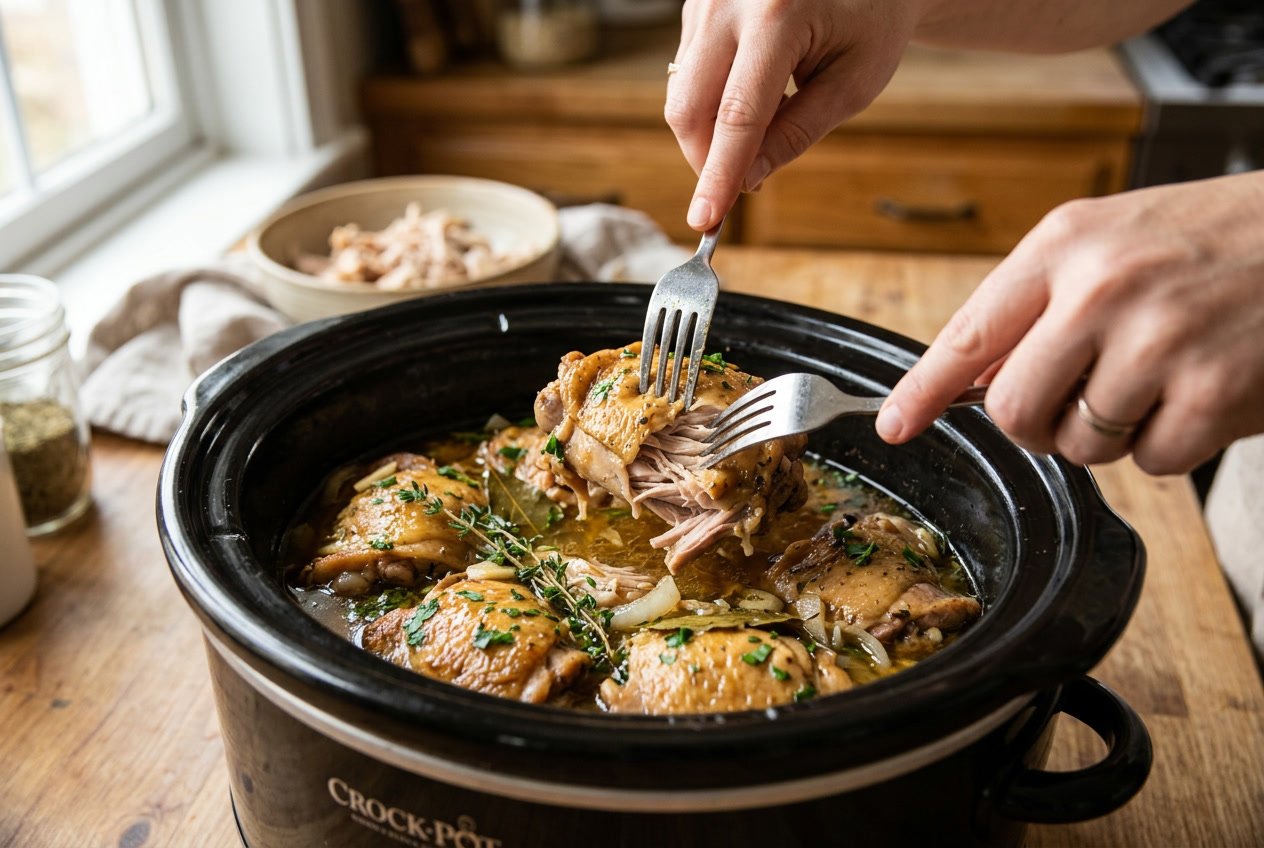
Follow simple prep steps and cooking guidelines to avoid dry or stringy results. Learn a few quick shredding methods that save time and give you the texture you want.
This guide explains why thighs work best, how long to cook them, how to shred them cleanly, and smart storage and serving ideas so your batch stays useful all week.
Will Chicken Thighs Shred in a Slow Cooker?
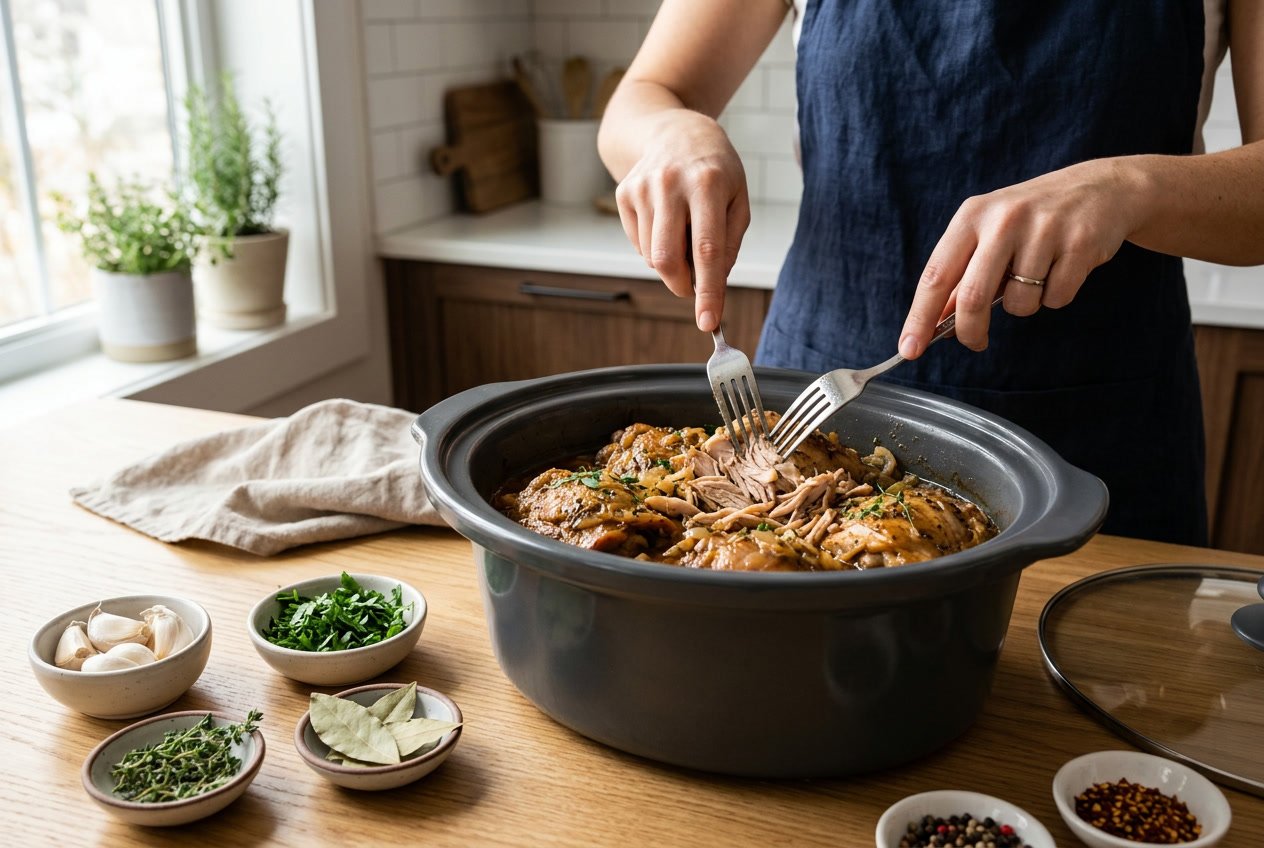
You can get reliably tender, easily shredded chicken thighs by controlling time, temperature, and a little liquid. The right cut and a short resting period after cooking make shredding simple and keep the meat juicy.
How Slow Cooking Breaks Down Chicken Thighs
Slow cookers maintain low, steady heat that converts collagen into gelatin over hours. This process softens connective tissue in thighs, so the meat falls apart when you pull it with forks or a hand mixer.
Aim for 6–8 hours on low or 3–4 hours on high for typical 2–3 lb batches. Internal temperature should reach 165°F (74°C) before shredding.
Add about ½ to 1 cup of liquid—broth, water, or sauce—to prevent drying and help heat circulate. Avoid frequent lid lifts; each lift drops temperature and extends cooking time.
Let the thighs rest 5–10 minutes after cooking. They hold juices better and shred cleaner.
Best Cuts for Shredding
Boneless, skinless chicken thighs shred quickly and produce uniform pieces ideal for tacos, sandwiches, and salads. Bone-in thighs add flavor but require bone removal before shredding.
Choose thighs with some visible fat; that fat renders and keeps shreds moist during slow cooking. Boneless thighs save time and shred well with a hand mixer directly in the slow cooker.
For deeper flavor, sear thighs first, then transfer to the slow cooker with minimal liquid. If using frozen thighs, thaw or add extra cooking time to ensure even shredding.
Characteristics of Shredded Chicken Thighs
Shredded chicken thighs are darker, slightly fattier, and more flavorful than shredded breast meat. Expect moist, tender strands that hold flavor when tossed with cooking juices or sauce.
Texture should be cohesive but pull apart readily. Overcooked meat becomes mushy while undercooked meat resists shredding.
Store shredded slow cooker chicken thighs in airtight containers for up to 4 days in the fridge or freeze for 2–3 months. Reheat gently with a splash of broth to restore moisture and prevent drying.
Use forks, meat claws, or a low-speed hand mixer for consistent results depending on batch size.
Preparing Chicken Thighs for Shredding
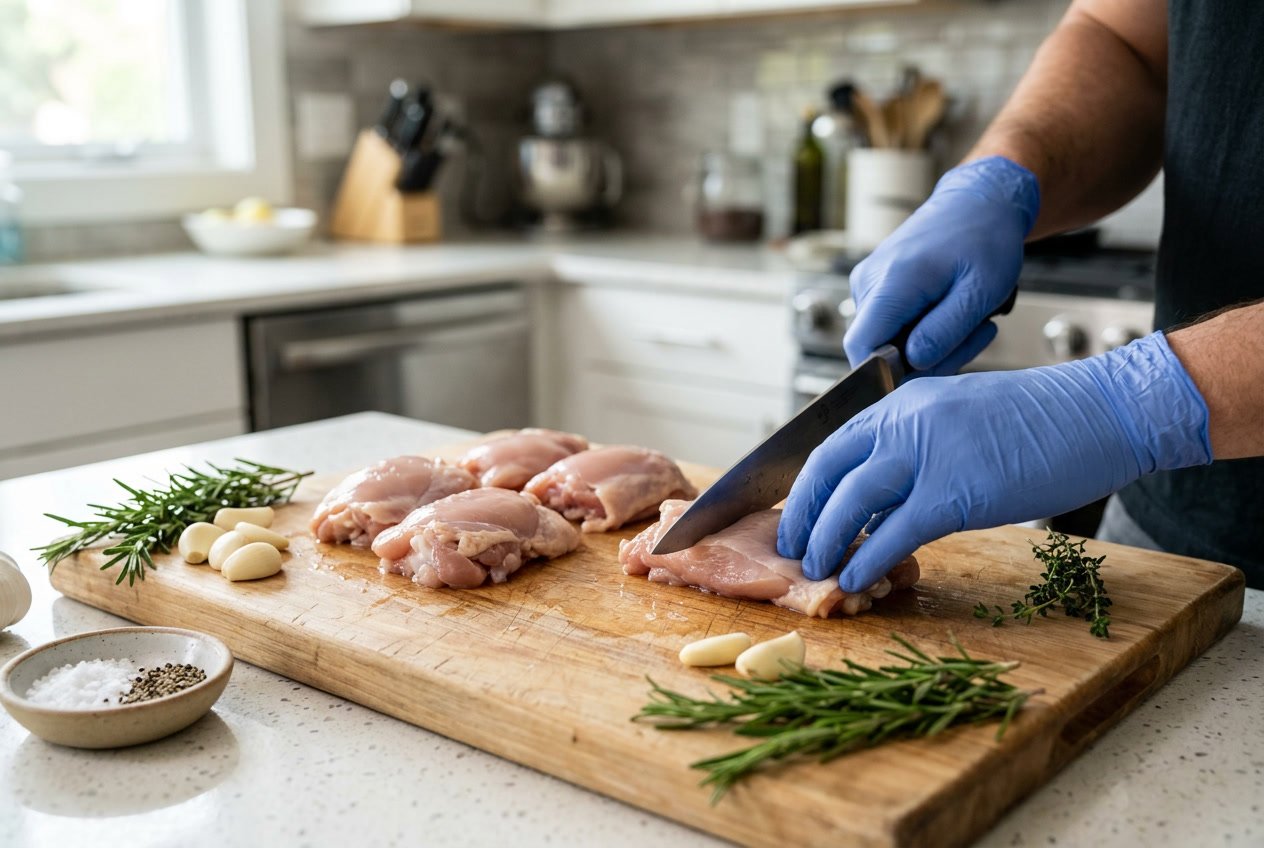
Prepare thighs so they cook evenly, stay moist, and absorb flavor. Trim excess fat and loose skin, season or marinate with salt-forward blends, and add the right amount of liquid for tender, shreddable meat.
Trimming Fat and Skin
Remove large flaps of skin and pockets of yellow fat that sit on the surface of boneless skinless chicken thighs. Leave a thin layer of fat if you want extra richness.
Too much fat creates greasy juices that separate during cooking and make shredding messier. Trim with a sharp knife and work on a chilled cutting board to keep the meat firm.
Pat thighs dry with paper towels after trimming. Dryness improves browning if you sear first and helps seasonings stick.
Discard any tough connective tissue you notice near the bone area. If you use skin-on thighs, either remove skin or expect to skim fat after cooking.
For meal-prep batches, trimming reduces off-flavors when you refrigerate or freeze shredded chicken.
Seasoning and Marinades
Salt the thighs 30–60 minutes before cooking when possible to improve flavor and moisture retention. Use 1/2 to 3/4 teaspoon kosher salt per pound as a guideline.
Choose spices that match your final dish. For Mexican-style tacos use cumin and chili powder.
For Italian-inspired recipes add garlic, oregano, and Italian seasoning. Marinades with acid (lime, vinegar, or a splash of tomato) for 20–60 minutes will tenderize slightly, but avoid long acidic marinades.
If you plan to toss thighs directly into a sauce (BBQ, salsa, or tomato-based), season lightly and let the slow cooker do the melding. For a simple, versatile base, combine salt, black pepper, garlic powder, and a teaspoon of Italian seasoning per pound.
Adding Liquid for Moisture
Add liquid that complements the finished dish and covers roughly one-third to one-half of the thighs. Use chicken broth for neutral flavor, salsa for tacos, or a mix of broth and a tablespoon of soy or vinegar for depth.
Avoid fully submerging boneless skinless chicken thighs. They cook faster and dry out if immersed.
Aim for 1/2 to 1 cup of liquid for a standard 3–4 pound batch in a 6-quart slow cooker. Adjust if you sear first or use very saucy ingredients.
Include aromatics—sliced onion, minced garlic, or bay leaf—in the liquid for flavor. If you want sauce to cling to shredded meat, remove excess liquid after cooking and reduce it on the stovetop or stir in a tablespoon of tomato paste or cornstarch slurry.
Cooking Time and Temperature Guidelines
Focus on cooking times, settings, and the target internal temperature so your thighs become tender enough to shred without drying out. Use a meat thermometer to check doneness and adjust times for bone-in, frozen, or crowded slow cookers.
Low and Slow Cooking Method
Cook on the low setting for 6–8 hours for boneless thighs and 7–9 hours for bone-in thighs in a typical 4–6 quart slow cooker. Low and slow lets connective tissue break down gradually, producing moist, pull-apart meat that shreds easily.
Add only 1/2 to 1 cup of liquid (broth, water, or sauce) for 2–3 pounds of thighs. Too much liquid makes shredding messy.
Avoid opening the lid during cooking. Each lift can add 20–30 minutes to overall time.
Use a meat thermometer in the thickest part of a thigh to confirm temperature. When the thigh reads 165°F (74°C) it is safe.
For shredding texture you’ll often see 175–185°F (79–85°C) as the collagen further breaks down.
High Heat vs Low Heat
High setting works for quicker meals: plan on about 3–4 hours for boneless thighs and 4–5 hours for bone-in. High heat raises the cooker to roughly 250–300°F, which cooks faster but can yield slightly drier edges if you don’t add liquid or check earlier.
If you’re short on time, check thighs 30–45 minutes earlier than the estimated finish to avoid overcooking. For frozen thighs, add roughly 30 minutes on high; thawing first gives more even results.
When using high heat, stir once near the end to distribute juices before shredding. A quick thermometer check helps prevent stringy results.
Internal Temperature for Shredding
Safety requires a minimum internal temperature of 165°F (74°C) measured with a meat thermometer in the thickest area without touching bone. Insert the probe sideways for bone-in pieces to get an accurate reading.
For shredding texture, allow thighs to reach 175–185°F (79–85°C) when possible. That higher range indicates collagen and connective tissues have softened, so the meat will pull apart easily.
If your thermometer shows 165°F but the meat won’t shred, continue cooking on low and check every 20–30 minutes. Rest the thighs 5–10 minutes after removing them; juices redistribute and make shredding cleaner.
How to Shred Chicken Thighs After Slow Cooking
Remove bones if present, choose the right tool, and retain cooking juices to keep the meat moist. Proper timing and technique prevent stringy or mushy results and make your shredded chicken recipe turn out consistent.
Shredding Tools and Techniques
Use two forks, meat claws, a stand mixer with a paddle, or a handheld mixer. For small batches, hold the thigh steady with one fork and pull the meat apart with the other to control shred size.
For larger batches, place thighs in a shallow roasting pan and use a handheld mixer on low for 10–20 seconds to create uniform shreds. Keep a small amount of cooking liquid (about 2–4 tablespoons per pound) to toss with the chicken after shredding.
This preserves juiciness for tacos, sandwiches, or casseroles. If you prefer larger pieces, shred gently against the grain by hand.
If you want fine shreds for soups or enchiladas, use the mixer or shredder claws more aggressively. Sanitize tools and work on a clean surface.
Let the meat cool 5–10 minutes so it’s easier to handle but still warm enough to absorb sauce.
Shredding Bone-In vs Boneless Thighs
For bone-in thighs, remove bones and skin before shredding if you want clean pieces. Use tongs to hold the thigh, cut along the bone with a knife, then peel the meat away in chunks.
After deboning, shred with forks or a mixer. Boneless thighs let you shred directly in the slow cooker or a pan.
Use two forks or a handheld mixer right in the crockpot to save time and retain juices. If you seared thighs before slow cooking, you may want to shred on a cutting board to keep the caramelized bits intact.
Adjust shred method to the final dish: larger pulls for casseroles, finer shreds for tacos and salads. Always discard bones and skin safely and check for stray bone fragments.
Troubleshooting Texture Issues
If the chicken is stringy, you likely undercooked it. Return pieces to the slow cooker with 1/4 cup broth and cook on low 30–60 minutes until it pulls apart easily.
Check internal temperature reaches 165°F before shredding. If the chicken is mushy, you likely overcooked it.
Cool slightly, then chill in the refrigerator for 20–30 minutes to firm the meat before shredding; this helps produce better texture for sandwiches and salads. If excess liquid made the meat soggy, drain off most juices and reserve a few tablespoons to rehydrate when reheating.
If shreds seem dry, stir in warm broth or sauce—start with 1 tablespoon per cup of shredded chicken—and heat gently to 165°F.
Serving Ideas and Recipes with Shredded Chicken Thighs
Shredded chicken thighs bring rich flavor and juicy texture that work across sandwiches, tacos, salads, and kid-friendly dinners. Use the slow cooker to make a large batch, then portion into meals that stay moist with a little reserved cooking liquid.
Chicken Sandwiches and Wraps
Use shredded thighs for hot or cold sandwiches; the higher fat content keeps fillings juicy. For a hot sandwich, toss shredded chicken with BBQ sauce, stack on a toasted brioche or kaiser roll, and add pickles and sliced red onion.
Heat under a broiler briefly to melt cheese if you want a melty finish. For wraps, mix chicken with Greek yogurt, lemon, chopped celery, and herbs for a lighter chicken salad-style filling.
Spread on a large flour tortilla, add shredded lettuce and sliced tomato, then roll tight. Keep a small container of cooking broth or dressing to drizzle when reheating to avoid dryness.
Tacos and Corn Tortillas
Shredded thighs excel in tacos because they stay tender under heat and absorb sauces well. Warm corn tortillas on a dry skillet until pliable.
Spoon in chicken tossed with taco seasoning or slow cooker cooking liquid reduced with a splash of lime and chopped cilantro. Top with finely chopped white onion, salsa verde or pico de gallo, crumbled queso fresco, and a drizzle of crema or hot sauce.
For meal prep, store chicken and toppings separately. Reheat the chicken with a tablespoon of reserved broth to preserve moisture before assembling tacos.
Salads and Casseroles
Add shredded chicken thighs to grain bowls, green salads, or warm pasta bakes to boost protein and flavor. For salads, toss cooled shredded chicken with arugula, roasted corn, avocado, and a citrus vinaigrette.
The thighs’ richness pairs well with acidic dressings that cut through fat. In casseroles, mix chicken with cooked rice or pasta, a light white sauce or salsa, vegetables, and a moderate amount of cheese.
Spread in a baking dish, top sparingly with breadcrumbs or cheese, and bake until heated through. Use some reserved cooking liquid in the mix to keep the casserole moist during reheating.
Family-Friendly Meal Ideas
Make weeknight dinners easier by turning shredded chicken into simple meals. Prepare a tray of enchilada-style stuffed corn tortillas by filling tortillas with seasoned shredded chicken.
Roll the tortillas, top with enchilada sauce and cheese, and bake until bubbly. Kids often prefer milder versions with shredded cheddar.
Mix chicken into mac and cheese for another easy option. Fold it into quesadillas with shredded cheese and salsa, or stir it into a tomato-based soup for extra body.
Portion cooked chicken into 1–2 cup containers with a little broth and freeze. This gives you quick, family-sized servings you can thaw and use within three months.
Storing and Freezing Shredded Chicken
Cool the chicken quickly and portion it for the uses you expect. Label containers with dates.
Follow food-safety temperatures and pack with a little cooking liquid to preserve moisture.
Short-Term Storage Tips
Refrigerate shredded chicken within two hours of cooking. Spread the chicken in a shallow pan to cool faster.
Transfer to airtight containers when cooled to room temperature. Store in the coldest part of the fridge at or below 40°F (4°C).
Use within 3–4 days and label containers with the day you cooked it. Keep a tablespoon or two of the cooking juices or broth mixed into each container to prevent drying and preserve flavor.
Avoid stacking warm containers or overcrowding the fridge, which slows cooling. If you plan to use the chicken within 24–48 hours, vacuum-seal or press out excess air from zipper bags to extend freshness.
Freezing Shredded Chicken Thighs
Portion the chicken before freezing to avoid repeated thawing. Divide into meal-sized portions (1–2 cups or individual servings), then place each portion into freezer bags or airtight containers.
Remove as much air as possible from bags. Flatten bags for faster freezing and easier storage.
Include 1–2 tablespoons of cooking liquid per portion to keep the texture intact during thawing. Label each bag with contents and date.
Frozen shredded chicken keeps best for 2–3 months. For long-term storage beyond three months, expect gradual quality loss.
Use heavy-duty freezer bags or vacuum sealers to minimize freezer burn and maintain taste.
Reheating Methods
Thaw frozen portions overnight in the refrigerator for best texture. If you’re short on time, use the microwave defrost setting or place sealed bags in cold water, changing the water every 30 minutes until pliable.
Reheat on the stovetop in a skillet over medium heat with 2–4 tablespoons of broth or sauce. Stir until the internal temperature reaches 165°F (74°C).
For the microwave, cover the chicken and heat in 30–60 second intervals. Stir between cycles to heat evenly and retain moisture.
You can reheat in a 350°F oven. Cover with foil and heat for 10–15 minutes for larger batches.
Check temperature with an instant-read thermometer. Add liquid as needed to restore juiciness.


