
Will Chicken Thighs Raise Blood Sugar? Facts for Diabetes Control
You can enjoy chicken thighs without a major blood sugar spike when you focus on portion size and preparation. Chicken thighs themselves contain virtually no carbohydrates, so they won’t directly raise blood glucose. Breading, sugary sauces, large portions, or starchy sides can add carbs that affect blood sugar.
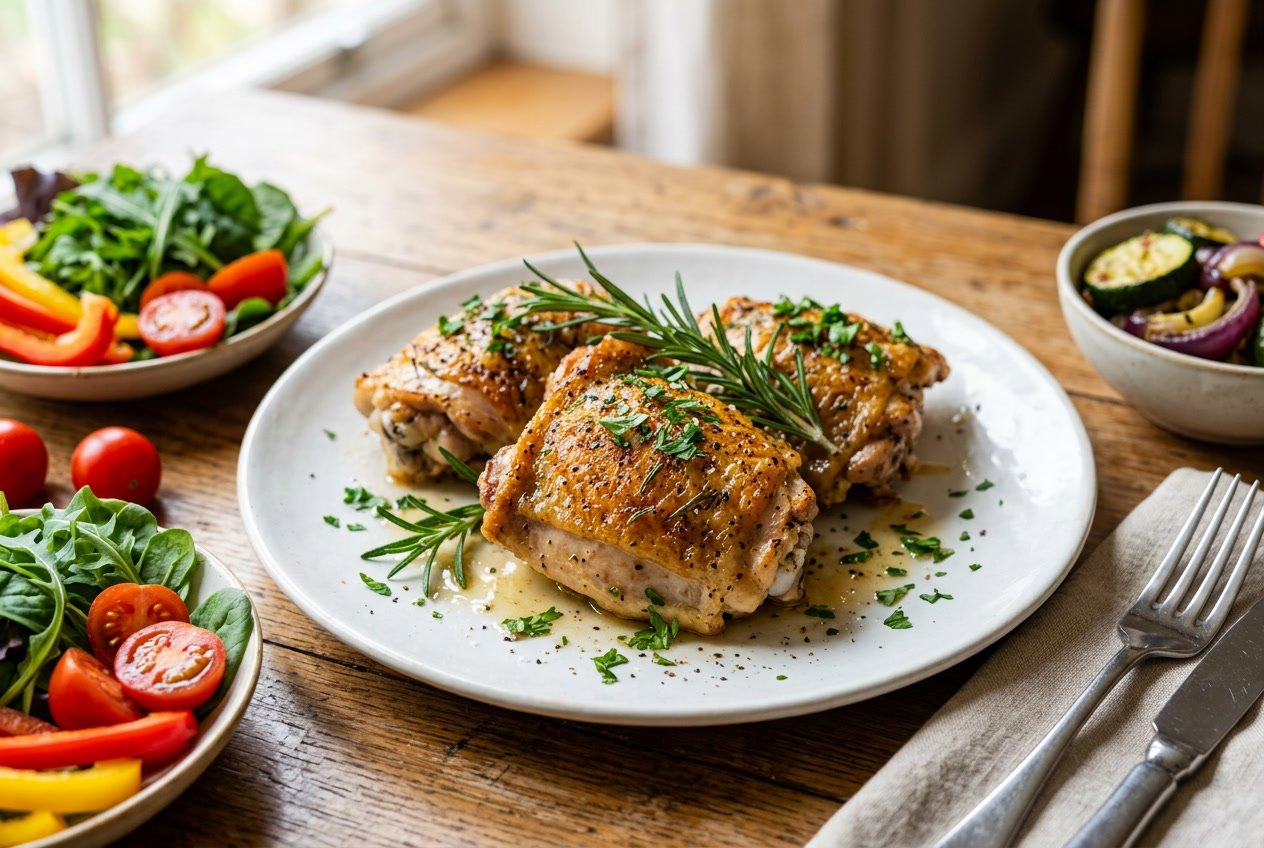
Pay attention to how you cook and what you serve with the thighs. These choices determine the meal’s effect on insulin and glucose.
Do Chicken Thighs Raise Blood Sugar?
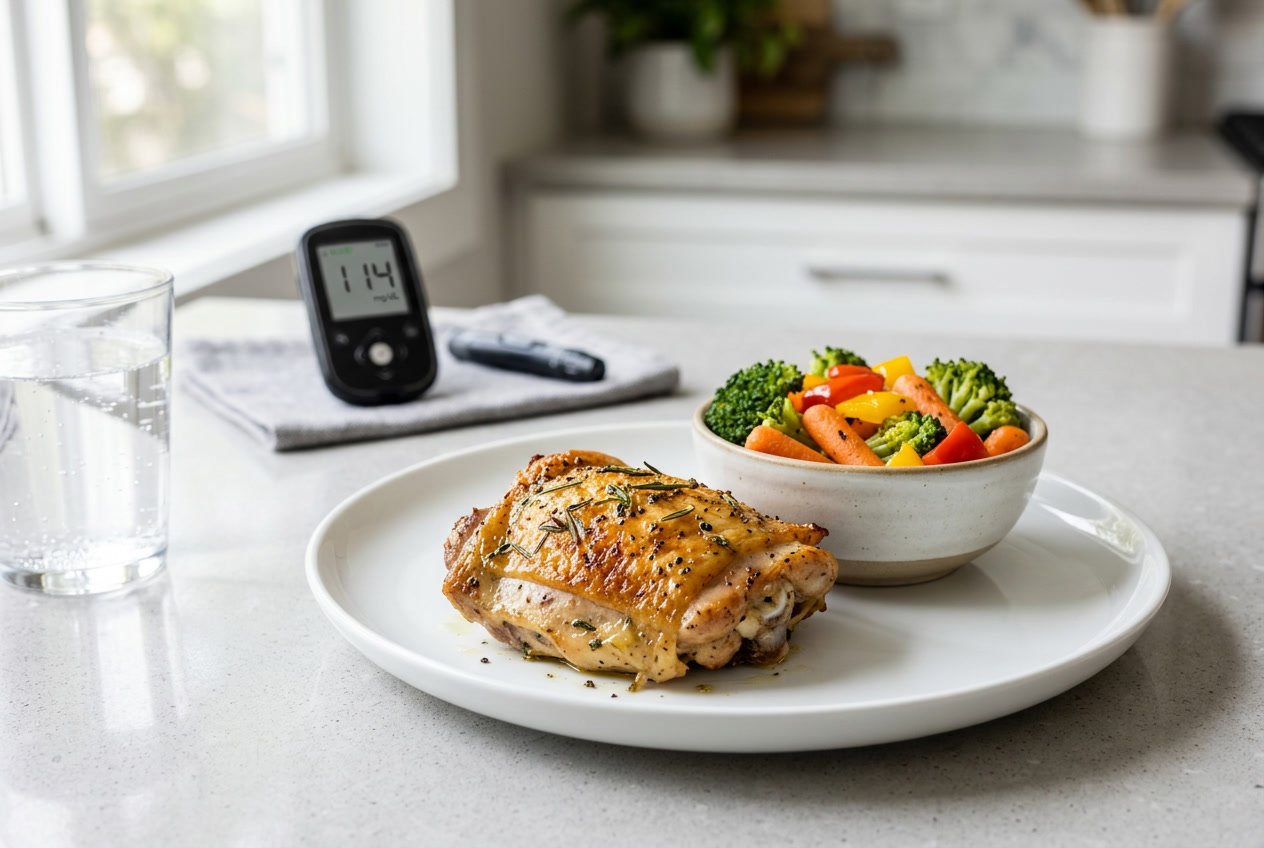
Chicken thighs contain almost no carbohydrates, provide substantial protein, and include more fat than breast meat. These factors mean chicken thighs by themselves produce little to no immediate rise in blood glucose, but preparation and portion choices determine the real-world effect.
Carbohydrate Content of Chicken Thighs
Chicken thighs have essentially zero carbohydrates when plain and unbreaded. A 3-ounce (85 g) cooked skinless chicken thigh typically contains under 1 gram of carbs, so it does not directly supply glucose.
Carbohydrate content increases when you add breading, batter, sugary marinades, or starch-based sides. For example, a breaded fried thigh or a thigh glazed with honey-teriyaki can add 20–40 grams of carbs per serving, which can raise blood glucose.
If you monitor your glucose, focus on the total meal carbs rather than the thigh alone. Track sauces, coatings, and side dishes and use carb counts or a glucose meter to see the effect on your personal readings.
Protein and Fat Impact on Glucose
Protein in chicken thighs slows gastric emptying and blunts the post-meal glucose spike compared with an equivalent amount of carbohydrates. When you eat 3–4 ounces of thigh meat, amino acids stimulate insulin release modestly while promoting satiety, which helps reduce subsequent snacking on high-carb foods.
Fat content in thighs, especially with skin, further slows digestion. That slower absorption delays and can lower peak blood glucose, but high saturated fat intake over time may worsen insulin sensitivity if eaten in excess.
If you use insulin or other glucose-lowering medications, consider protein and fat in your dosing. Mixed meals can change the timing and height of glucose excursions. Measure and adjust based on your typical post-meal patterns.
Glycemic Index of Chicken
Glycemic Index (GI) applies to carbohydrate-containing foods. Plain chicken thighs effectively have a GI of zero because they lack digestible carbs.
The GI of a meal with chicken depends on accompanying carbs. Pairing a thigh with white rice yields a higher overall glycemic response than pairing it with non-starchy vegetables or whole grains. Breading or sugary sauces turn a low-GI protein into a high-GI meal.
Use the concept of overall meal GI and portion-controlled carbohydrate counting to predict your glucose response more accurately.
Comparing Chicken Thighs and Skinless Chicken Breast
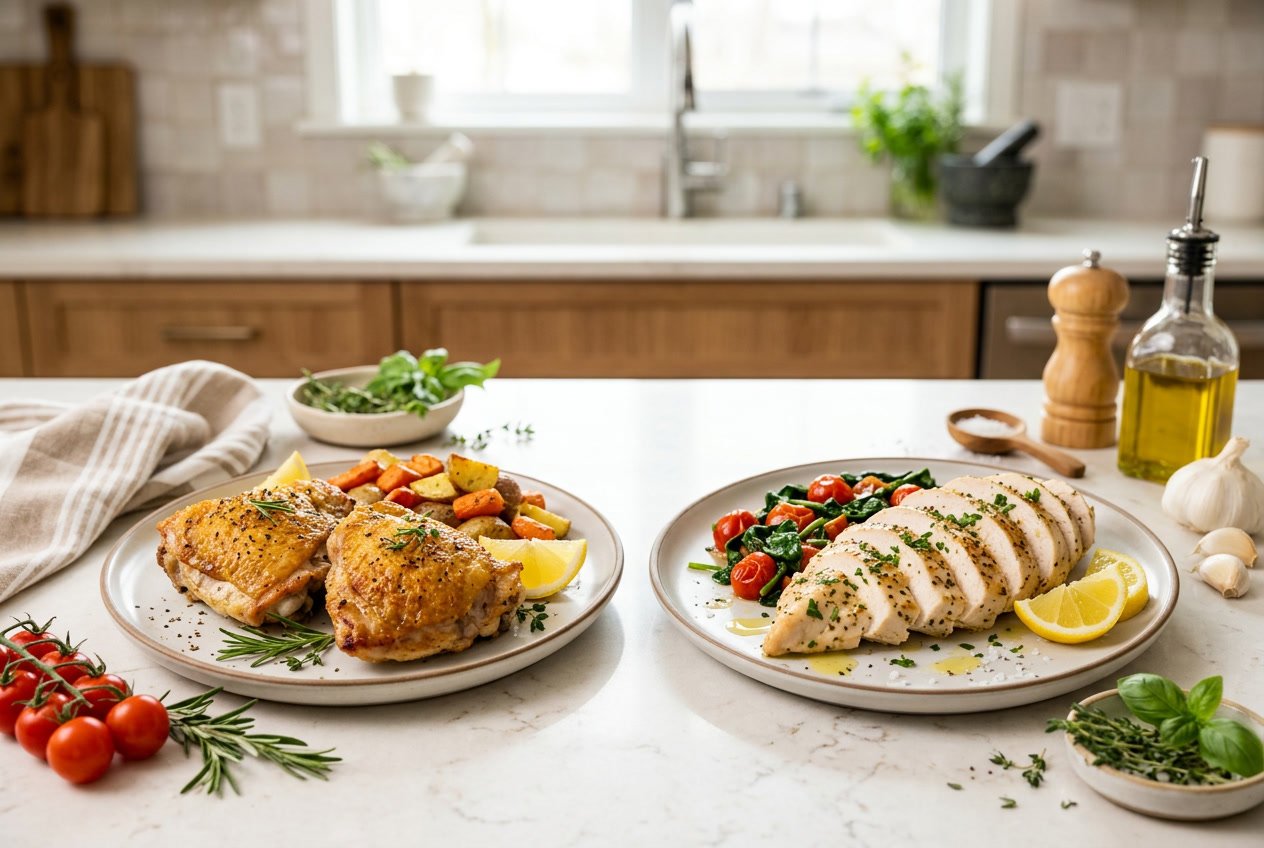
Chicken thighs contain more fat and calories, while skinless chicken breast provides more protein per ounce and fewer calories. These differences affect portion choices, cooking methods, and how each cut influences blood glucose as part of a meal.
Nutritional Differences
A 100 g serving of cooked, skinless chicken breast typically provides about 30–31 g protein, 3–4 g fat, and roughly 160–170 kcal. The same weight of cooked, skinless chicken thigh gives about 22–25 g protein, 8–9 g fat, and roughly 170–190 kcal.
Thighs tend to have slightly higher iron, zinc, and vitamin B12. Breast has more vitamin B6 and choline per gram.
Quick comparison:
- Protein: Breast > Thigh
- Total fat: Thigh > Breast
- Calories (per 100 g): Breast usually lower than Thigh
- Iron/Zinc/B12: Thigh ≥ Breast
Cooking and added ingredients change these numbers. Leaving skin on or frying raises fat and calories. Weigh portions and factor in sauces or breading when counting carbs or calories.
Which Is Better for Blood Sugar Management?
Neither cut contains carbohydrates, so pure chicken won’t directly raise blood glucose. Your blood-sugar response depends on what you eat with the chicken: starches, sugary sauces, and large portions of refined carbs drive glucose up.
Choose skinless chicken breast if you want higher protein with lower fat per serving. Higher protein can slow gastric emptying and blunt post-meal glucose spikes when paired with carbohydrates.
Thighs, with more fat, slow digestion more but add calories that may affect weight management over time.
Tips:
- Pair either cut with nonstarchy vegetables and fiber-rich whole grains to stabilize glucose.
- Avoid sugary marinades and heavy breading.
- Control portion size: 3–4 oz (85–113 g) of cooked breast or thigh is a common single serving to help manage insulin and calorie balance.
How Preparation and Cooking Methods Affect Blood Sugar
Preparation and cooking change how chicken thighs influence your blood glucose. Fats, added carbs, and portion sizes matter more than the meat itself.
Impact of Frying, Breadings, and Sauces
Fried and breaded chicken thighs add quickly absorbed carbohydrates and extra fat that can raise post-meal glucose. Breading usually contains refined flour and crumbs that digest faster than plain meat. The oil increases calorie density, which can worsen insulin sensitivity over time.
A single breaded, fried thigh can contain 20–30 g of added carbs and 10–20 g of fat depending on batter and oil absorption. Watch portions.
Sugary or starchy sauces like honey mustard, sweet BBQ, or teriyaki add simple sugars that cause noticeable glucose rises. Even creamy sauces add calories and slow gastric emptying, which can alter the timing of glucose responses.
If you crave a sandwich or wrap, use whole-grain bread, limit sauce to 1–2 tablespoons, or try a grilled chicken salad to reduce glycemic impact.
Best Cooking Methods for Blood Sugar Control
Grilling, baking, roasting, or poaching keep carbohydrate content negligible and help you control fat by trimming skin or draining fat after cooking. A skinless, grilled chicken thigh (3–4 oz) provides protein without carbs, which slows carbohydrate absorption from the rest of the meal.
Use herbs, lemon, vinegar, or spice rubs rather than sugar-based marinades. Pair cooked thighs with non-starchy vegetables or a grilled chicken salad to buffer post-meal glucose.
Include a fiber source—leafy greens, beans, or a small serving of whole grains—to slow digestion further. Control portion size (3–4 oz cooked meat) and avoid large servings of starchy sides to keep blood sugar responses steadier.
Including Chicken Thighs Safely in a Diabetes Meal Plan
Keep portions modest, remove the skin when possible, and pair thighs with fiber-rich vegetables and whole grains to limit post-meal blood sugar spikes and total calories. Choose baking, grilling, roasting, or air-frying over frying and avoid sugary sauces.
Portion Control Guidelines
Aim for a cooked, skinless chicken thigh portion about the size of your palm (3–4 ounces or ~85–115 g). That provides roughly 20–25 g protein and minimal carbohydrate while keeping calories moderate.
If you use two thighs, weigh or eyeball them to avoid doubling the intended portion. Trim visible fat and remove skin before serving to lower saturated fat and calories.
Use a food scale or visual cues: a deck-of-cards sized portion equals one serving. If you track carbs for insulin dosing, note that thighs add protein but virtually no carbs, so count rice, bread, or sauces instead.
When using recipes, convert raw weight to cooked weight (cooks down ~25%) or follow recipe portion notes. For higher activity days, add a slightly larger portion; for weight-loss goals, stick to the 3-ounce guideline.
Balance With Non-Starchy Vegetables and Whole Grains
Fill half your plate with non-starchy vegetables such as broccoli, spinach, peppers, or salad greens to add fiber, vitamins, and volume without many carbs. Vegetables slow gastric emptying and blunt blood sugar rises when eaten with protein.
Limit starchy sides to a measured 1/2 cup cooked serving of brown rice, quinoa, or sweet potato, or a single small whole-grain roll. Prefer whole grains with at least 3 g fiber per serving.
Try diabetes-friendly chicken recipes: herb-roasted thighs with roasted Brussels sprouts and 1/2 cup barley; grilled thigh kebabs with peppers and a small quinoa salad; or shredded thigh mixed into a bean-and-vegetable chili. Skip sugary marinades and serve sauces on the side so you control portions and added carbs.
Chicken, Insulin Response, and Blood Sugar Regulation
Chicken thighs are primarily protein and fat with negligible carbohydrates. The way you prepare and combine them with other foods strongly affects your insulin and glucose responses.
Focus on portion size, added sauces or breading, and what you eat alongside the chicken to manage blood sugar.
Does Chicken Raise Insulin Levels?
Eating chicken can trigger an insulin response even though it contains almost no carbohydrate. Protein stimulates some insulin release because amino acids, especially leucine, signal the pancreas to secrete insulin to help with amino acid uptake and protein synthesis.
For most people this insulin rise is modest compared with carbohydrate-driven spikes, but it still lowers blood glucose to some degree. A plain, skinless chicken thigh roasted without sugary marinades has a smaller insulin demand than the same thigh breaded or served with sweet sauce.
If you use high-fat cooking like deep-frying, the insulin effect may be blunted short-term, but long-term excess saturated fat can worsen insulin resistance.
Role of Protein in Satiety and Glucose Stability
Protein from chicken slows gastric emptying and increases satiety, which helps you eat fewer high-carb foods later and supports steadier glucose levels. When you include a 3–4 ounce serving of chicken thigh in a mixed meal, you reduce the rate at which carbohydrate is absorbed, lowering post-meal glucose peaks.
Pair chicken with non-starchy vegetables and fiber-rich carbs to optimize this effect. Protein also promotes glucagon release, which balances insulin to prevent hypoglycemia after meals that contain limited carbs.
Monitor your glucose when trying new portion sizes or preparations, since individual insulin sensitivity varies.
Diabetes-Friendly Chicken Recipes and Meal Ideas
Lean, low-carb protein and fiber-rich sides help keep your blood sugar steady after a meal. Focus on portion control, minimal added sugars, and pairing chicken thighs with vegetables, healthy fats, and whole or nonstarchy carbs.
Simple Dishes With Chicken Thighs
- Grilled chicken salad: Grill 3–4 oz boneless skinless chicken thigh, slice thin, and serve over 2 cups mixed greens, ½ cup cherry tomatoes, ¼ cup cucumber, and 1/4 avocado. Dress with 1 Tbsp olive oil and 1 Tbsp lemon juice.
- Sheet-pan roasted thighs with vegetables: Roast two 3–4 oz thighs with 1 cup broccoli, 1 cup bell peppers, and 1 tsp olive oil at 400°F until 165°F internal temp. Season with herbs and no added sugar sauces.
- Stir-fry: Use 3–4 oz sliced thigh, 1 cup mixed nonstarchy vegetables (bok choy, zucchini, mushrooms), 1 tsp sesame oil, low-sodium soy sauce, and fresh ginger. Serve over ½ cup cauliflower rice for a low-carb option.
Tips: Keep portion sizes to 3–4 oz cooked chicken per serving. Avoid sweet glazes, breading, or large starchy sides that can raise post-meal glucose.
Sample Balanced Menu With Chicken
Breakfast: Greek yogurt (unsweetened) 3/4 cup with 2 Tbsp chopped nuts and 1/4 cup berries.
Lunch: Grilled chicken salad (3–4 oz thigh) with 1 Tbsp olive oil dressing. Add 1 slice whole-grain bread only if your glucose plan allows.
Snack: 1 small apple with 1 oz cheddar or 10 almonds.
Dinner: Enjoy balsamic-roasted chicken thighs (3–4 oz each) with 1 cup roasted Brussels sprouts. Add 1/2 cup quinoa or 1/2 cup cauliflower rice.
Use only 1 Tbsp balsamic mixed with mustard and herbs to avoid added sugar.
You can swap quinoa for 1/2 cup cooked lentils for more fiber and a lower glycemic load.


