
Why Use Chicken Thighs: Superior Taste, Nutrition, and Value
You want a cut that makes cooking easier, tastes better, and stretches your grocery dollars. Chicken thighs stay juicy even if you misjudge timing and carry richer flavor because of higher fat content.
They typically cost less than breasts, making them a practical choice for everyday meals and special dishes.
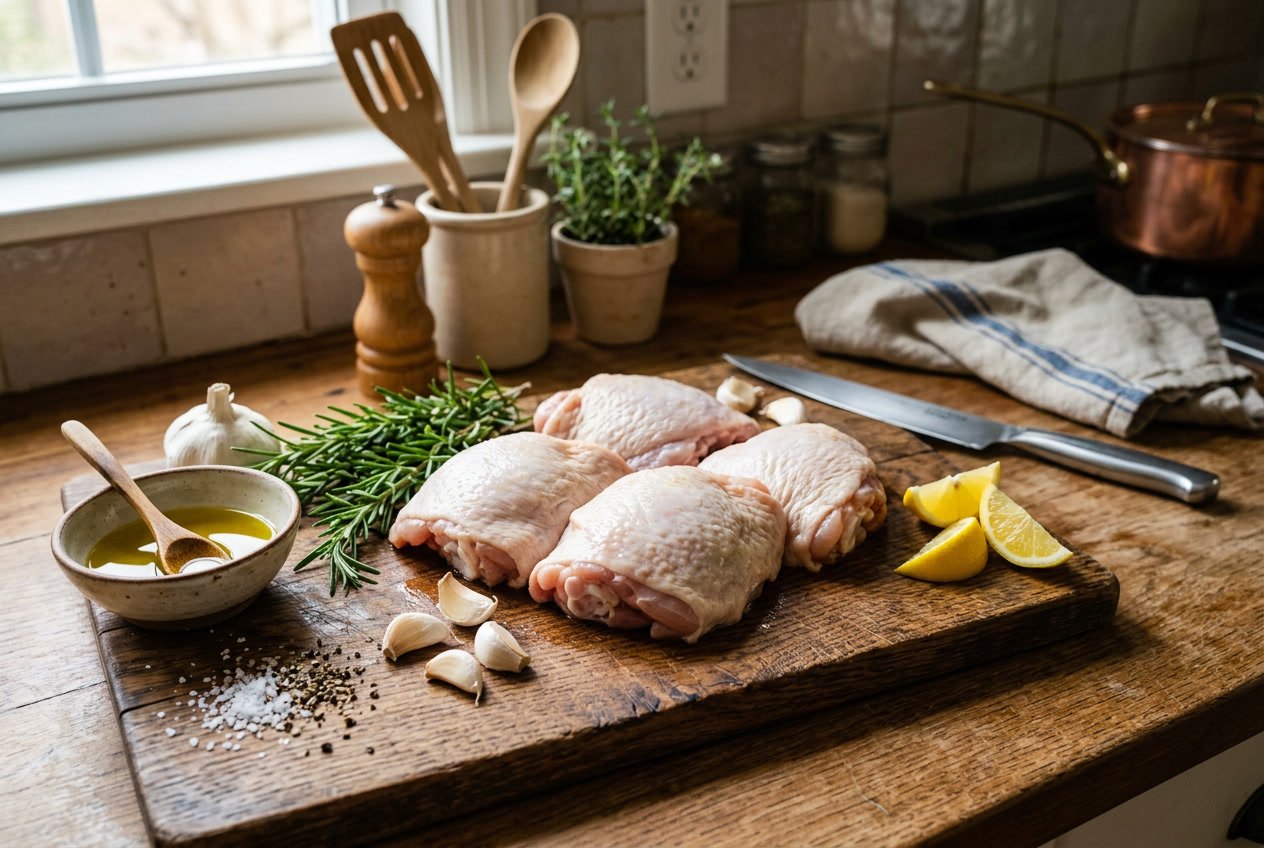
Choose chicken thighs when you want forgiving, flavorful, and cost-effective poultry that adapts to quick weeknight recipes or slow-cooked, sauce-forward dishes.
This piece explains what sets thighs apart, compares them to breasts, explores flavor and texture advantages, covers economic and nutrition considerations, and gives shopping and storage tips so you can cook them confidently.
What Sets Chicken Thighs Apart
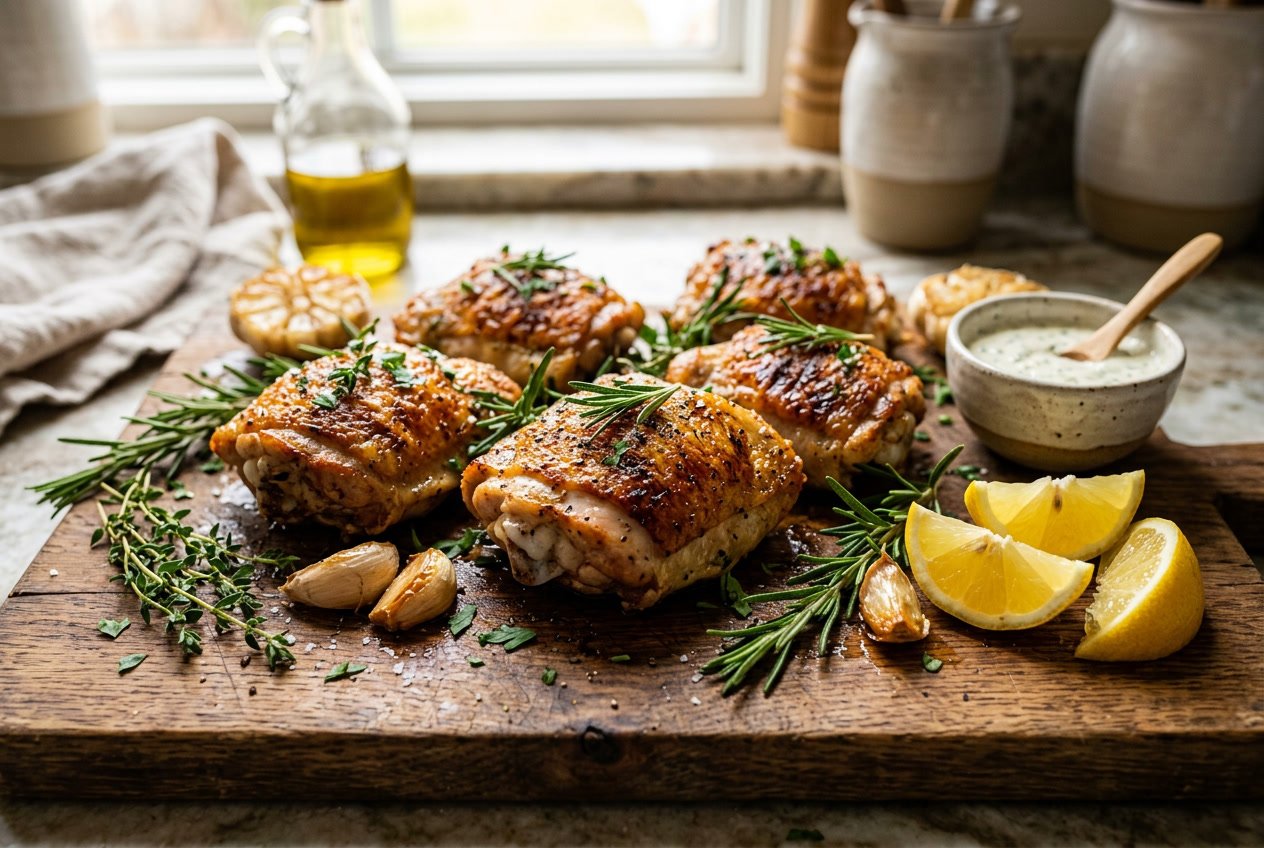
Chicken thighs offer richer flavor, higher fat content, and forgiving cooking behavior that make them useful in braises, grills, and weeknight meals. You’ll find choices in darkness of meat, bone presence, and whether skin remains.
Each option affects taste, cooking time, and texture.
Dark Meat Explained
The bird’s leg muscles provide dark meat; thigh meat contains more myoglobin than breast meat, giving it a deeper color and stronger flavor.
You’ll notice increased fat marbling in thighs, which keeps them moist during long cooks and adds mouthfeel to pan sauces and stews.
Thighs tolerate higher heat and longer cooking without drying out because of that fat. They also deliver slightly more iron and zinc than breasts, which can matter if you track micronutrients.
When you want pronounced chicken flavor or need meat that won’t overcook in a slow cooker, choose thighs.
Bone-In vs. Boneless and Skin-On vs. Skinless Options
Bones add flavor and slow cooking stability. Bone-in thighs take longer but produce richer stock and more even heat distribution.
Choose bone-in when you want depth in braises or roast dinners, or when you plan to make pan juices into a sauce.
Boneless, skinless chicken thighs save prep time and work well for stir-fries, tacos, and quick sautés because they cook uniformly and shred easily.
Skin-on thighs deliver crisp textures when roasted or grilled. Render the fat for browning and keep meat juicy.
Skinless thighs cut calories and render less splatter, but they can dry if overcooked. Use shorter cook times or moist methods when you cook them.
Flavor and Texture Advantages
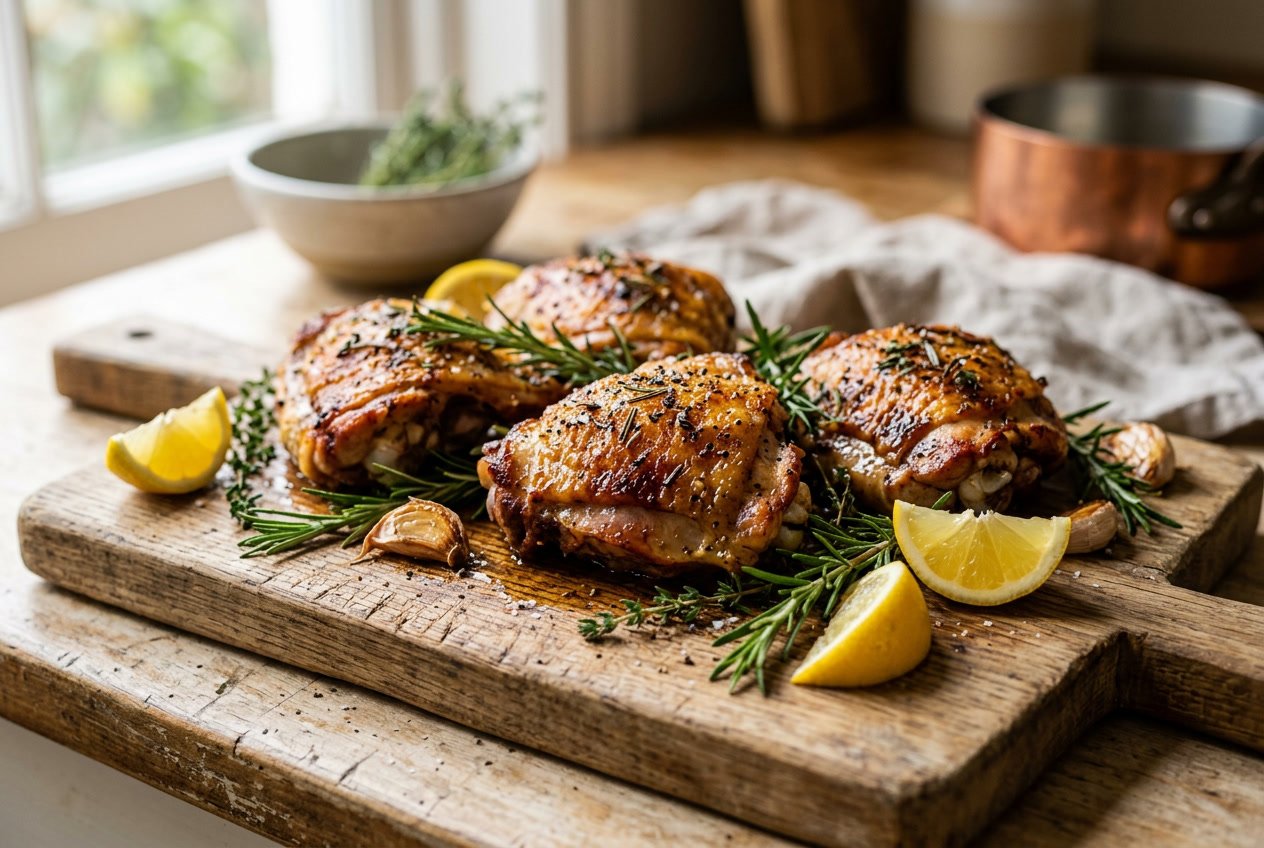
Chicken thighs deliver deeper flavor and a more forgiving texture than lean white meat. You get consistent juiciness, and the higher fat content adds mouthfeel and carries seasonings better.
Juiciness and Moisture Retention
Thighs hold moisture during cooking because they are dark meat with more connective tissue and intramuscular fat than breasts.
When you braise, roast, or grill thighs, collagen converts to gelatin at low-and-slow temperatures, which keeps the meat tender and prevents the dry, stringy texture you can get from overcooked breasts.
If you use skinless chicken thighs, you still benefit from the dark-meat structure. They lose slightly less moisture than breasts and tolerate higher heat without becoming tough.
For best results, monitor internal temperature (target ~165°F/74°C) and allow a short rest so juices redistribute.
Fat Content and Rich Taste
The higher fat content in chicken thighs provides a richer, more savory profile that amplifies marinades, rubs, and sauces.
Fat dissolves flavor compounds and lubricates the palate, so a simple salt-and-pepper seasoning often tastes bolder on thighs than on lean cuts.
Using skinless chicken thighs reduces surface fat but preserves the deeper taste that comes from the meat itself.
If you keep the skin on, it crisps and renders fat that bastes the meat. Removing it gives a milder exterior but still more flavor than white meat.
Chicken Thighs vs. Chicken Breasts
Thighs are richer, higher in fat, and more forgiving in cooking. Breasts are leaner, higher in protein per ounce, and require careful timing to avoid dryness.
Choose thighs for flavor, moisture, and nutrient variety. Choose breasts when you need minimal fat and maximal protein density.
Nutritional Comparison
Chicken thighs contain more total fat and slightly more calories than chicken breasts.
A typical 3.5 oz (100 g) cooked, skinless thigh has about 9 g fat and ~165 kcal, while the same amount of skinless breast has roughly 2–3 g fat and ~130 kcal.
You get more monounsaturated and polyunsaturated fats from thighs, plus higher iron and zinc content.
Breasts supply more protein by weight and deliver lower saturated fat and cholesterol.
If you remove the skin from either cut you lower calories and saturated fat, but thighs will still retain more fat and flavor.
For micronutrients, thighs generally win for iron and zinc, breasts for potassium and phosphorus.
Cookability and Forgiveness
Thighs tolerate higher heat and longer cook times because their fat and connective tissue keep them moist.
You can braise, roast, grill, or pan-sear thighs with less risk of drying out. That makes them a safer choice when cooking methods or timing aren’t precise.
Breasts demand tighter control: quick searing, poaching, or sous-vide work best to preserve juiciness.
Overcooking breast meat turns it dry and stringy quickly because it has less intramuscular fat and collagen.
If you plan to reuse leftovers in salads, sandwiches, or meal prep, thighs remain tender after reheating more often than breasts.
Breasts work best when you need lean slices or shredded white meat with a neutral flavor.
Texture and Use in Recipes
Thighs are darker, slightly fattier, and have a looser grain. They shred easily and stay juicy in sauced dishes.
Use thighs for curries, stews, tacos, and slow-cooked preparations where a bold, rich mouthfeel improves the dish.
The extra fat carries spices and emulsifies sauces more readily.
Breasts are firmer, milder in flavor, and present well as thin cutlets, grilled slices, or quick sautés.
They absorb marinades and take on other flavors cleanly, which makes them ideal for salads, sandwiches, and lean protein-focused meals.
Match cut to purpose: pick thighs for depth, moisture, and forgiving cooking. Pick breasts when you want lean texture, higher protein density, and a subtler taste.
Economic Benefits of Using Chicken Thighs
You save money at the grocery store and get more usable meat per pound when you choose thighs.
That combination makes thighs a practical option for meal planning, batch cooking, and feeding families on a budget.
Budget-Friendly Pricing
Chicken thighs typically cost less per pound than boneless skinless breasts at most supermarkets and wholesale outlets.
You can often find bone-in thighs for the lowest price, while boneless, skinless thighs still run cheaper than equivalent breast packs.
Buying thighs on sale or in bulk drops your cost per meal further. Look for multi-pack offers or frozen bulk tubs that shave dollars off each pound.
Their lower price lets you allocate funds to higher-cost sides or fresher produce without increasing the overall meal budget.
For catering, potlucks, or weekly meal prep, thighs give consistent savings and straightforward portioning.
More Usable Meat per Pound
Thighs yield a high percentage of edible meat compared with some other cuts.
Bone-in thighs have weight tied up in bone, but the dark meat’s density and smaller trimming loss mean you often end up with more cooked, flavorful servings per raw pound than heavily trimmed breasts.
When you use boneless thighs, trimming needs are minimal. You lose little to fat or sinew removal, which improves yield.
Higher moisture and fat content also reduce shrinkage during cooking.
Each raw pound of thighs delivers more finished weight on the plate, stretching recipes like stews, casseroles, and sheet-pan meals farther without adding cost.
Versatility and Culinary Uses
Chicken thighs deliver bold flavor, forgiving texture, and easy handling, making them a reliable choice for weeknight dinners, meal prep, and restaurant dishes.
You can use them for quick sears, long braises, or any recipe where moisture and taste matter most.
Popular Cooking Methods
You can grill, pan-sear, roast, braise, or slow-cook chicken thighs with predictable results because the higher fat and connective tissue protect against overcooking.
For high-heat methods, use bone-in skin-on thighs. Score the skin, season, and sear skin-side down to render fat and get crisp skin before finishing in the oven.
For moist-heat techniques, choose boneless or bone-in thighs. Braising in a flavorful liquid for 45–90 minutes yields tender, pull-apart meat.
Air-frying and oven-baking provide crispy textures with less oil. Arrange thighs skin-side up and use a rack to let fat drain.
Always check internal temperature of 165°F (74°C). Thighs tolerate resting and often reach optimal tenderness shortly after removal from heat.
Roasted Chicken Thighs for Easy Meals
Roasting simplifies dinner. You can season thighs with a spice rub, place them on a sheet pan with chopped vegetables, and roast at 425°F (220°C) for 30–40 minutes.
Skin-on, bone-in thighs develop a browned, crisp exterior while staying juicy inside. The pan juices double as a sauce for grains or roasted vegetables.
Use a simple formula: 1–2 tbsp oil per pound, 1 tsp kosher salt per pound, plus herbs or spice blends.
For meal prep, roast a tray of thighs on Sunday, separate meat from bone, and store in airtight containers for 3–4 days. Use in sandwiches, salads, or rice bowls.
Suitability for Global Cuisines
You can adapt chicken thighs to diverse flavor profiles because their fat carries spices and sauces well.
In Asian dishes, thighs absorb soy, ginger, and chili in stir-fries or teriyaki glazes without drying.
For Indian curries, thighs hold up to long simmering in tomato- or cream-based sauces and release gelatin that enriches the sauce.
In Mediterranean and Middle Eastern recipes, marinate thighs in yogurt, lemon, and spices for kebabs or bake them with olives and tomatoes.
Their robust flavor also suits Mexican tacos, Southern fried chicken, and European braises. You can swap thighs into most recipes that call for chicken.
Nutrition and Health Considerations
Chicken thighs deliver concentrated protein and caloric density, plus key micronutrients and fats that affect satiety, iron status, and cooking choices.
Your selection of skin-on vs. skinless and organic chicken vs. conventional will change calories, fat, and sodium more than it changes vitamins.
Essential Vitamins and Minerals
Dark meat like chicken thighs supplies higher iron and zinc than white meat, which supports oxygen transport and immune function.
A 3.5 oz (100 g) cooked boneless, skinless thigh typically provides meaningful amounts of niacin (B3), vitamin B12, and selenium—nutrients that help energy metabolism and thyroid function.
If you choose organic chicken, micronutrient differences are small, but you may reduce exposure to certain additives and antibiotics.
Bone-in thighs also contain small amounts of calcium and phosphorus when cooked with the bone, which can modestly boost mineral intake.
Track portion sizes. The nutrient density rises after cooking because water weight decreases, so a cooked 4 oz serving concentrates those vitamins and minerals compared with raw weight.
Healthy Fats and Protein Content
Chicken thighs contain more fat than breasts, but much of it is monounsaturated and contributes to satiety and absorption of fat-soluble vitamins.
A cooked 4 oz skinless thigh typically supplies about 25–30 g protein and roughly 7–9 g total fat. Leaving the skin on can add 50–100+ calories and several grams of saturated fat per thigh.
For higher protein needs—athletic recovery or increased daily targets—thighs give dense protein at a lower cost than many lean cuts.
If you want to limit saturated fat, remove the skin after cooking or choose boneless skinless thighs.
When you prepare thighs, note added oils, batters, or brines can substantially change the fat and sodium content, so cooking method directly affects the health profile of this dark meat.
Shopping, Storing, and Freezing Tips
You’ll want thighs that balance price, flavor, and convenience. Store or freeze them to keep that quality.
Focus on package dates, temperature control, and portioning for meal prep.
How to Choose Quality Chicken Thighs
Look for thighs with a uniform pink color and minimal discoloration. Avoid any packages with gray or greenish spots.
Check the sell-by or pack date and pick the freshest package—ideally packed within the last 1–3 days.
Inspect the packaging for tears or excess liquid. Clear, intact packaging with only a little juice indicates good handling.
Choose bone-in, skin-on thighs for more flavor and easier weeknight roasting, or boneless, skinless for quicker cooking and lower fat.
If buying from a counter, ask when they were cut and whether they were previously frozen. For bulk buys, freeze promptly at home to lock in freshness.
Freezing Chicken Thighs for Meal Prep
Portion thighs into meal-sized packages before freezing so you thaw only what you’ll use.
Pat thighs dry and wrap each piece in plastic wrap or freezer paper.
Place wrapped pieces into a labeled zip-top freezer bag and remove as much air as possible to reduce freezer burn.
For best texture, flash-freeze thighs on a single layer of a sheet pan for 2 to 4 hours.
Then transfer them to bags so pieces don’t stick together.
Use vacuum sealing when possible to extend quality.
Raw thighs keep best for 3 to 4 months at 0°F for peak flavor.
Thaw in the refrigerator overnight or use a cold-water change every 30 minutes for faster thawing.
Cook immediately after cold-water or microwave thawing.


