
Why Is Chicken Thigh Healthy? Nutrition, Benefits & How To Enjoy It
Chicken thighs deliver more than rich flavor. They give you high-quality protein, key B vitamins, iron, and satisfying fats that fit into many healthy eating plans.
Chicken thighs can be a nutritious choice when prepared sensibly. They offer protein and micronutrients that support muscle, energy, and overall nutrition.
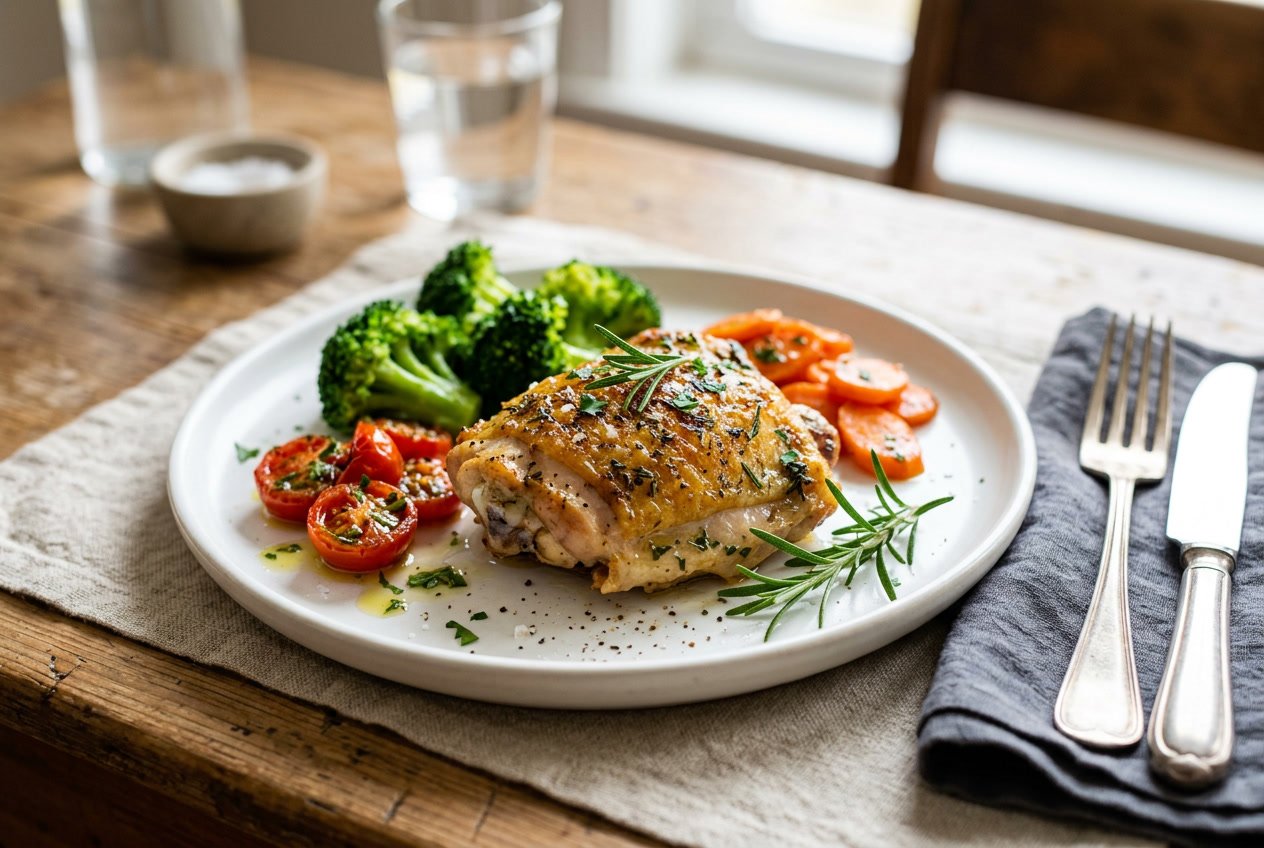
This article breaks down the nutrition facts, compares thighs to breasts, explains which fats in thighs are beneficial, and shows simple, lower-fat cooking methods that keep flavor without excess calories.
You’ll also learn why thighs often cost less and hold up better in recipes, making them a practical option for everyday meals.
Chicken Thigh Nutrition Overview
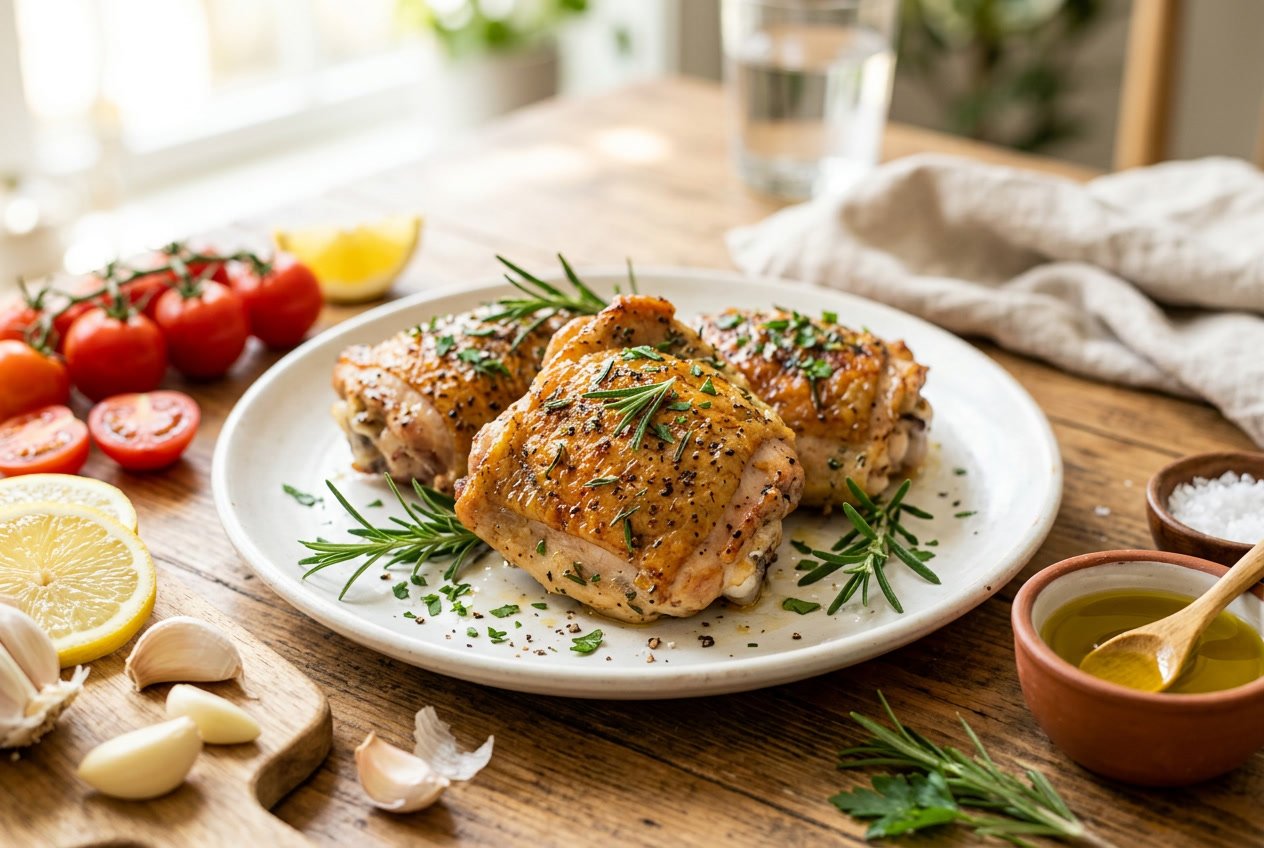
Chicken thighs deliver concentrated protein, moderate fat, and several important minerals and B vitamins.
Choose skinless, boneless thighs to lower calories and saturated fat. Keep the skin for extra flavor and calories if your meal plan allows.
Calories, Protein, and Fat in Chicken Thighs
A 3-ounce (85 g) cooked, skinless, boneless chicken thigh typically contains about 160–170 calories and roughly 18–20 grams of protein.
That protein amount supports muscle maintenance and satiety more effectively than many plant proteins of equal calories.
Total fat in that portion usually runs near 8–10 grams, with about 2 grams as saturated fat.
The higher fat content compared with chicken breast gives thighs more calories per ounce but also contributes to juiciness and flavor, which can help you feel satisfied with smaller portions.
If you track macros, a single thigh fits well into a moderate-fat diet while delivering nearly the same protein as a 3-ounce chicken breast.
Micronutrient Content: Iron, Zinc, and B Vitamins
Chicken thighs contain measurable amounts of iron and zinc—two minerals you need for oxygen transport, immune function, and wound healing.
A 3-ounce serving typically supplies about 0.8–1.0 mg iron and 1.5–2.0 mg zinc, contributing to daily requirements without excess calories.
Thighs are also a good source of B vitamins, notably B6 and B12.
Vitamin B6 supports protein metabolism and neurotransmitter synthesis, and B12 helps with red blood cell formation and nervous system health.
You’ll also get selenium and small amounts of potassium, which aid antioxidant defenses and electrolyte balance.
Differences Between Skin-On and Skinless Chicken Thighs
Removing the skin reduces calories and fat substantially.
A 3-ounce cooked thigh with skin can add 100–120 extra calories and several grams of saturated fat compared with the same portion skinless.
Keeping the skin increases total fat but also improves moisture and flavor, which can reduce the need for added oils or sauces during cooking.
If you choose skin-on, use roasting or grilling and drain excess fat.
If you choose boneless skinless chicken thigh, you’ll save calories and still get the same baseline protein and most micronutrients.
For flexible meal planning, use skinless thighs when you need lower calories and skin-on when flavor and texture help you stick to a healthy eating pattern.
Health Benefits of Chicken Thighs
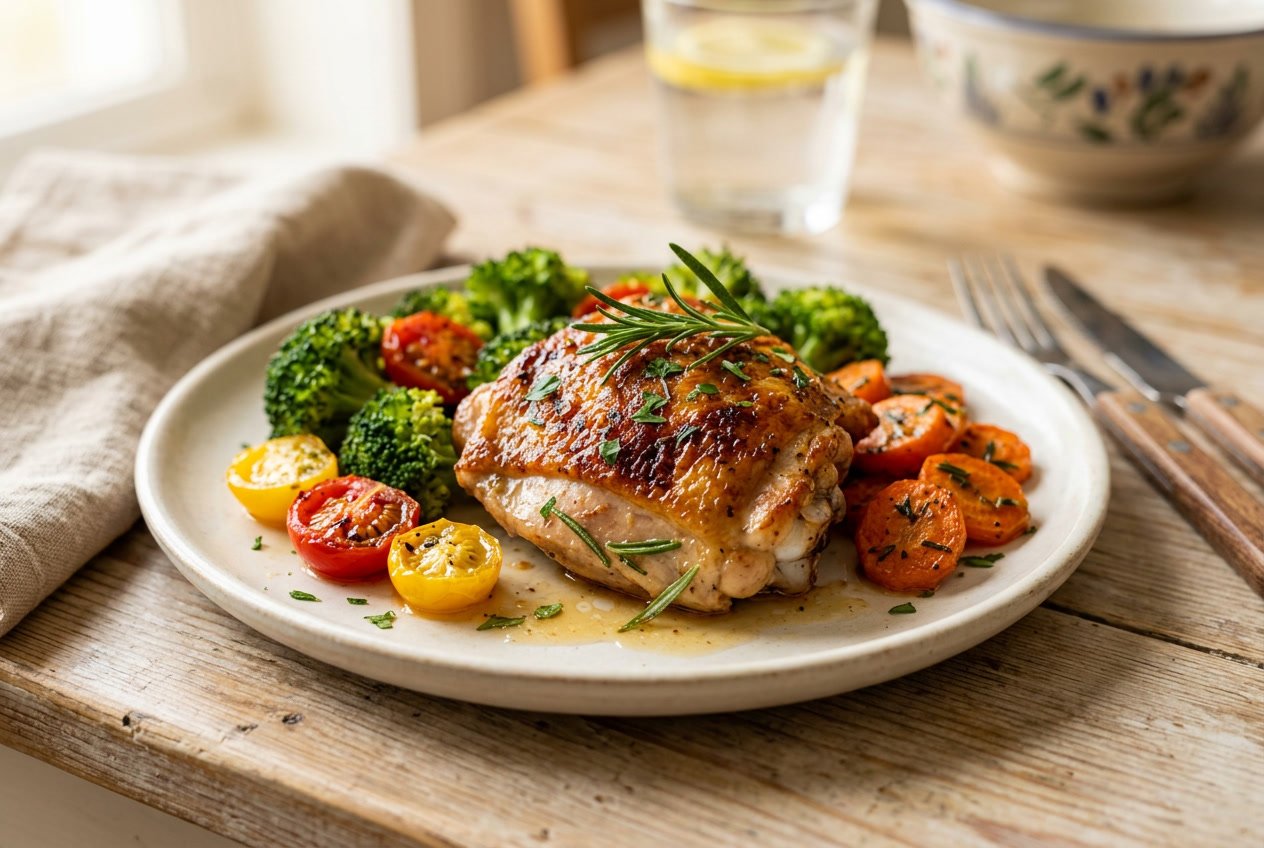
Chicken thighs give you high-quality protein, essential minerals like iron and zinc, and fats that help keep meals satisfying and nutrient-dense.
They fit into varied eating patterns when you choose appropriate portions and cooking methods.
Complete Protein for Muscle and Bone Health
Chicken thighs supply a complete amino acid profile, providing the essential building blocks your body needs to repair muscle and support bone maintenance.
A single cooked boneless, skinless thigh typically contains about 25–30 grams of protein, which helps meet daily protein targets for strength training, recovery, or maintaining lean mass as you age.
Protein from thighs also supports collagen synthesis indirectly by supplying amino acids that aid connective tissue repair.
Combine thighs with calcium- and vitamin D-rich foods to support bone health more effectively.
Key Vitamins and Minerals Supporting Overall Wellness
Thigh meat delivers higher amounts of iron and zinc than white meat, which matters if you need to maintain energy levels and immune function.
Iron in thighs helps transport oxygen in your blood, reducing fatigue risk, while zinc supports wound healing and immune response.
B-vitamins—especially niacin (B3), B6, and B12—appear in useful amounts, aiding energy metabolism and nervous-system function.
Selenium and phosphorus in thighs contribute antioxidant defense and bone structure, respectively.
Removing the skin lowers fat and calories but keeps most of these micronutrients intact, so you can adjust based on your health priorities.
Satiety and Satisfaction: Fullness and Meal Balance
The combination of protein and modest fat in chicken thighs promotes longer-lasting fullness than very lean protein alone.
That satiety helps control overall calorie intake by reducing the urge to snack between meals, which can support weight-management goals when portions remain controlled.
Use thighs with fiber-rich vegetables and whole grains to create balanced plates that sustain energy and supply micronutrients.
If you prefer lower-fat meals, remove the skin or grill instead of frying.
If flavor and palatability help you stick to a healthier eating pattern, modest intact fat can improve adherence without excessive calories.
Healthy Fats in Chicken Thighs
Chicken thighs supply a measurable amount of fat that includes both saturated and unsaturated types.
You can control the fat profile and calories by choosing skinless thighs and cooking methods that limit added oil.
Types of Fats Found in Chicken Thighs
Most fat in a chicken thigh is stored as triglycerides made up of monounsaturated, polyunsaturated, and saturated fatty acids.
Monounsaturated fats (like oleic acid) typically make up the largest share; polyunsaturated fats (including omega-6 and small amounts of omega-3) are present at lower levels.
Saturated fat is the smallest portion but still contributes to total calories.
A 3-ounce cooked skinless thigh has roughly 9 g total fat with about 2 g saturated fat and the remainder largely monounsaturated and polyunsaturated.
Those unsaturated fats help lower the LDL-to-HDL cholesterol ratio when they replace saturated fats in your diet.
Exact values change with breed, feed, and cooking method.
Impacts of Removing the Skin
Removing the skin before cooking or eating reduces calories and total fat substantially.
A 3-ounce roasted thigh with skin can provide roughly 270–280 calories and 18 g fat, while the skinless version drops to about 160–170 calories and near 9–10 g fat.
That difference comes mainly from surface fat and rendered fat trapped in the skin.
Skinless chicken thighs still deliver the same protein, iron, zinc, and B vitamins, so you don’t sacrifice key nutrients when you choose skinless cuts.
If you want richer flavor without the extra fat, roast or grill skinless thighs and finish with herbs, citrus, or a light sauce.
Role of Healthy Fats in the Diet
When you include chicken thighs as part of a balanced plate, their monounsaturated and polyunsaturated fats support heart health better than saturated fats.
Those fats assist cellular function and help your body absorb fat-soluble vitamins like A, D, E, and K.
Swap higher-saturated options (butter, fatty processed meats) for skinless thighs occasionally to reduce saturated fat intake.
Pair thighs with vegetables and whole grains to balance calories and micronutrients.
Moderate portions—about 3–4 ounces cooked—help you gain protein and beneficial fats without exceeding daily fat targets.
Chicken Thighs Versus Chicken Breasts
Thighs generally deliver more calories and fat but also more iron, zinc, and B12.
Breasts give you higher protein per ounce with fewer calories and less saturated fat.
Cooking method and skin presence change those numbers significantly, so pay attention to whether the cut is boneless, skinless, or prepared with added salt or breading.
Protein and Macronutrient Differences
A 100 g serving of boneless, skinless chicken breast typically provides about 31 g protein and roughly 165 kcal.
The same weight of boneless, skinless chicken thigh provides closer to 25 g protein and about 179 kcal.
You get more protein per calorie from breast meat, which helps if you aim for lean protein with fewer calories.
Thighs contain roughly double the fat of breasts, including more monounsaturated and saturated fat.
That additional fat increases calories and satiety, which can help if you need more energy or want juicier results when cooking.
If you remove skin from either cut, total fat and calories drop by about 25–30%.
Unique Micronutrient Advantages
Chicken thighs supply higher amounts of iron, zinc, and vitamin B12 compared with breasts.
These minerals support oxygen transport, immune function, and neurological health, which matters if your diet is low in red meat.
Breasts tend to be higher in certain B vitamins like B6 and choline per 100 g, supporting metabolism and liver function.
Selenium levels are similar between cuts.
If you choose processed or pre-seasoned options, check labels for added sodium.
Flavor, Texture, and Culinary Uses
Thighs are naturally juicier and more forgiving to longer cooking.
The extra intramuscular fat keeps them tender.
That makes boneless, skinless chicken thighs ideal for braises, stews, and high-heat grilling where moisture retention matters.
Breasts cook faster and can dry out if overcooked, but they suit quick sautés, stir-fries, and recipes where lean protein is the priority.
Use thighs when flavor and texture matter more.
Use breasts when you need maximum protein with minimal fat.
Budget-Friendly and Versatile Protein Source
Chicken thighs give you high protein, key nutrients, and cooking flexibility without high cost.
You can buy them cheaper than many cuts of beef and fish, stretch them across multiple meals, and use simple methods like baking or roasting to keep prep quick and healthy.
Affordability Compared to Other Proteins
You’ll usually pay less per pound for chicken thighs than for boneless skinless chicken breast, most cuts of beef, or fresh salmon.
That lower price makes thighs easier to buy in bulk for meal prep and to feed a family on a tighter grocery budget.
Buy whole bone-in thighs or value packs to reduce cost further.
You can debone and freeze portions yourself.
Compare unit prices at the store; thighs often offer more protein per dollar than pricier proteins.
If you track calories and macros, thighs deliver roughly 20 g protein and 160–180 kcal per 3-ounce cooked, skinless portion.
Meal Planning and Portion Control
Use thighs to plan 3–4 dinners from a single package by portioning cooked meat into 4–6 oz servings and pairing with grains and vegetables.
That makes it simple to control portions and calories while keeping meals satisfying.
For weight or macro control, remove the skin or trim visible fat before cooking to lower calories and saturated fat.
You can also roast or bake thighs on a sheet pan with vegetables for an all-in-one meal that simplifies tracking and reduces added oil.
Label and freeze individual portions if you batch-cook.
This reduces waste and lets you pull pre-portioned baked chicken or roasted chicken from the freezer for quick lunches or dinners.
Diverse Cooking Applications
Chicken thighs tolerate longer cooking and higher heat, so they stay moist whether you bake, roast, grill, or braise them.
You can roast bone-in thighs at 425°F for 25–30 minutes for crisp skin, or bake skinless thighs with a spice rub for 20–25 minutes.
Thighs work in stews, stir-fries, sheet-pan dinners, grain bowls, and sandwiches, so you can vary flavors without extra cost.
Use them shredded in soups, sliced over salads, or seared for tacos.
Because thighs hold up to bold sauces and slow cooking, you can transform inexpensive pieces into restaurant-style dishes while maintaining nutrition and portion control.
Healthiest Ways to Prepare Chicken Thighs
Keep added fat and sodium low.
Crisp the outside while keeping the inside juicy, and pair the thighs with fiber-rich sides for a balanced plate.
Baking and Roasting Techniques
Oven baking lets you control fat and texture. Place skin-on thighs on a wire rack over a rimmed baking sheet so fat drips away and air circulates for even browning.
Roast at 425°F (220°C) for 25–35 minutes for bone-in thighs. Check that the internal temperature reaches 165°F (74°C) near the bone.
If you use boneless thighs, reduce the time to 18–25 minutes. Finish with a 2–3 minute broil to crisp the exterior.
Pat thighs dry and season lightly before cooking to improve browning. For lower-sodium cooking, brush with olive oil or spray lightly, then add garlic, lemon zest, and fresh herbs.
Sheet-pan meals work well. Roast thighs with chopped vegetables tossed in a teaspoon of oil and herbs for a healthy dinner.
Use a meat thermometer to prevent overcooking, which dries the meat.
Flavorful Marinades and Seasonings
Marinades add flavor and tenderize without heavy sauces. Coat thighs with a simple marinade of plain yogurt, lemon juice, minced garlic, and smoked paprika to keep them moist during baking.
Yogurt-based marinades work well because lactic acid gently breaks down proteins and improves texture. For lower sodium, use herbs and acids instead of salt.
Try soy-free tamari with rice vinegar, ginger, and a touch of honey for balance. Marinate thin pieces for 30 minutes or bone-in pieces for up to 8 hours.
Discard used marinade or boil it before using as a sauce to avoid cross-contamination. Use dry rubs with ground cumin, coriander, black pepper, and a pinch of chili for depth without extra calories.
Apply rubs right before cooking to help the surface dry and crisp.
Pairing with Whole Grains and Vegetables
Serve chicken thighs with fiber-rich sides to balance their higher fat content. Roasted Brussels sprouts, steamed green beans, or a salad of mixed greens and lemon vinaigrette add vitamins and crunch.
Fill half your plate with vegetables to keep the meal light. Choose whole grains like brown rice, farro, or quinoa to increase fiber and micronutrients.
Combine shredded baked chicken, quinoa, roasted vegetables, and a squeeze of lemon for a nutrient-dense meal. Use herbs and citrus to flavor grains instead of butter or creamy sauces for a healthier profile.


