
Why Eat Chicken Thighs: Nutrition, Benefits, and Cooking Tips
You want protein that tastes good, cooks reliably, and gives you real nutritional value. Chicken thighs deliver on all three.
They pack high-quality protein, useful amounts of iron and B vitamins, and a balance of fats that help you feel satisfied without sacrificing flavor or variety.
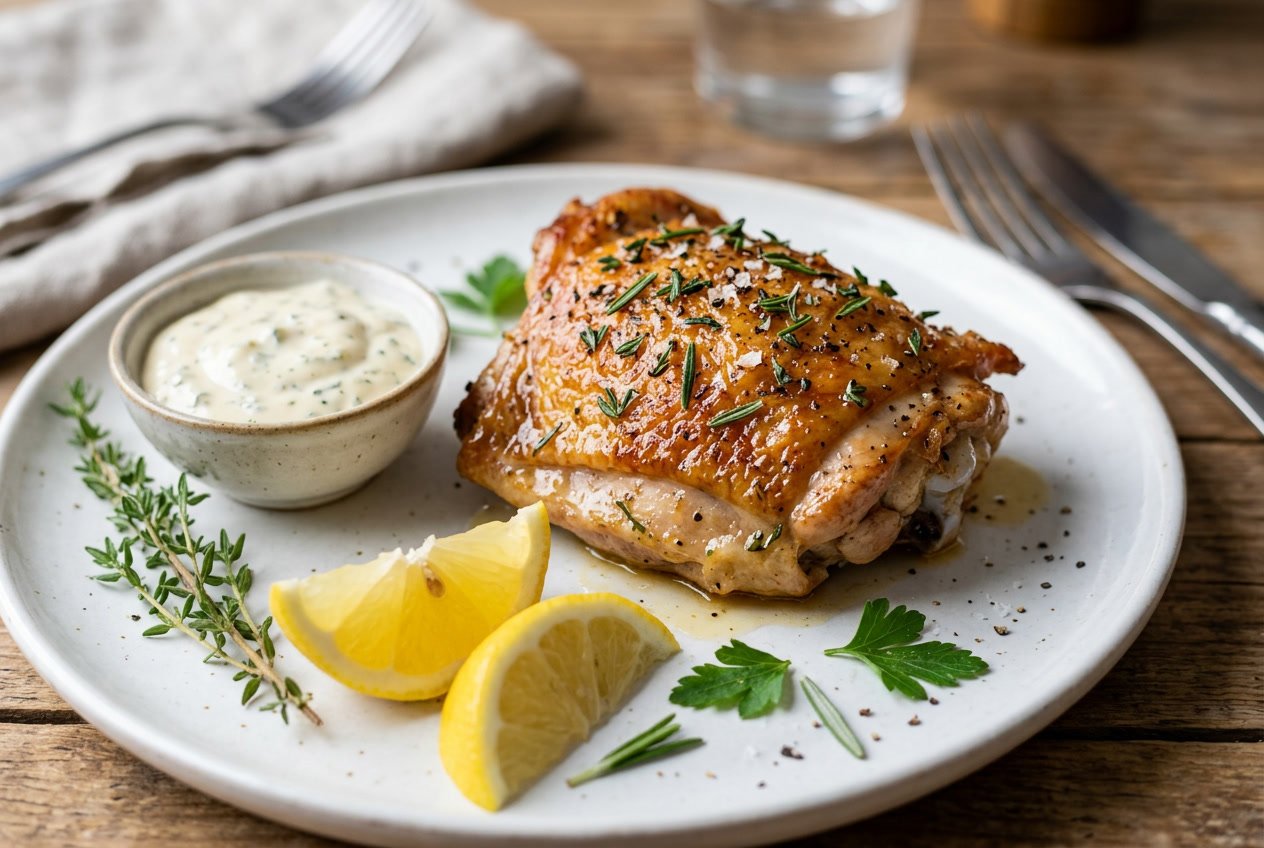
Choose chicken thighs when you want an affordable, nutrient-dense cut that stays juicy, adapts to many cooking methods, and helps you meet protein and micronutrient needs.
This post explains what thighs are, the key nutrition facts and health benefits, how they compare to other cuts, the culinary advantages that make them forgiving in the kitchen, and simple tips to prepare them more healthfully.
What Are Chicken Thighs?
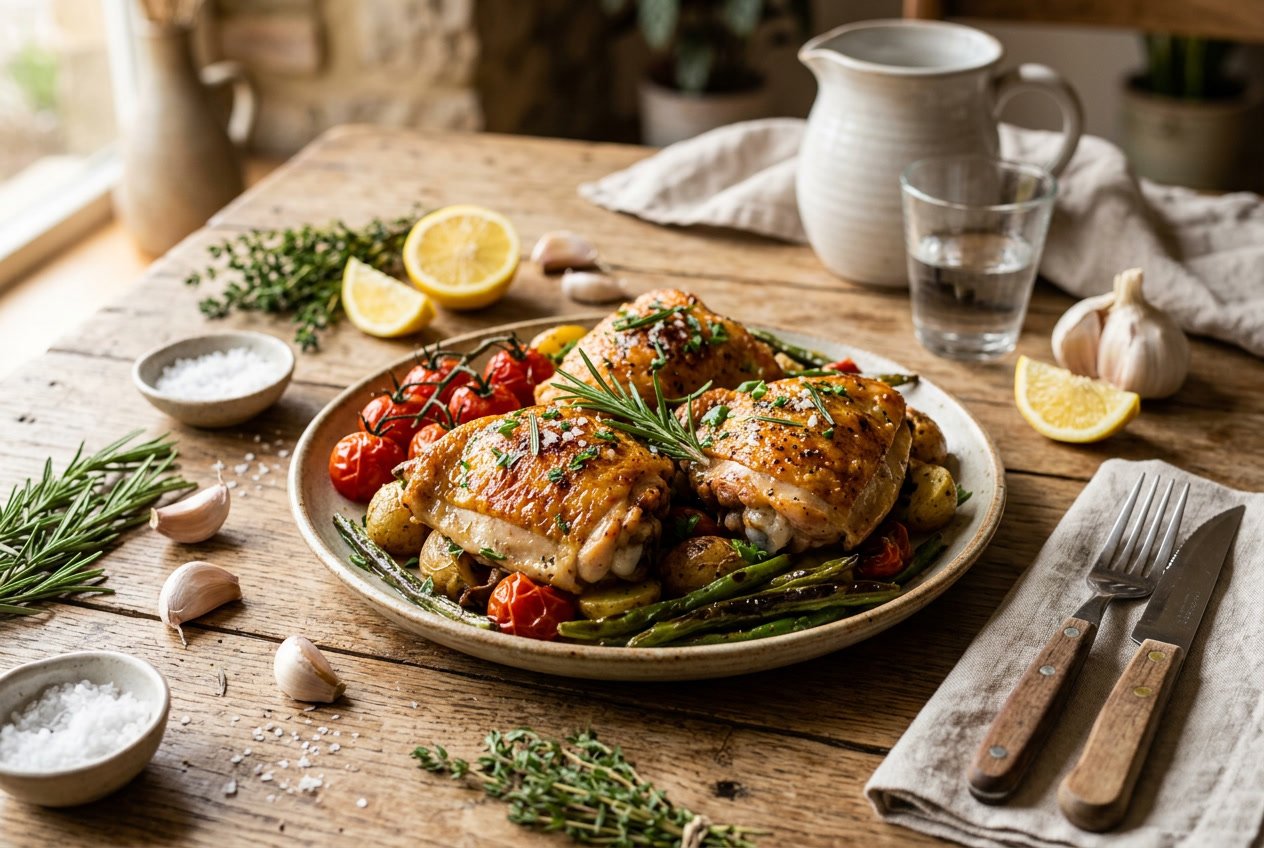
Chicken thighs come from the bird’s upper leg and provide a tender, flavorful cut that’s higher in fat and richer in flavor than breast meat.
You’ll find them sold bone-in or boneless, skin-on or skinless, and they’re prized for moist texture and cooking forgiveness.
Dark Meat vs. White Meat
Chicken thighs contain more myoglobin and connective tissue than white meat, giving them a deeper flavor and firmer, juicier texture when cooked.
Per 100 grams cooked, skinless chicken thigh delivers about 22–26 grams of protein and more fat than breast, which adds calories but also satiety and mouthfeel.
Thighs contain higher levels of iron, zinc, vitamin B6, and niacin compared with white meat.
Trim visible fat or remove skin to cut calories while keeping the benefits of dark meat.
Bone-In and Boneless Options
Bone-in thighs include the leg bone and often the skin, which protects meat during long cooking and adds flavor.
They work best for braises, roasting, and slow-cooking because the bone supports even heat distribution and a richer pan sauce.
Boneless, skinless thighs cook faster and are easier to portion for stir-fries, grilling, or meal prep.
They lose slightly more moisture but remain more forgiving compared with breast.
Choose bone-in for flavor and slow methods; choose boneless for convenience and quicker recipes.
Chicken Thigh Nutrition Facts
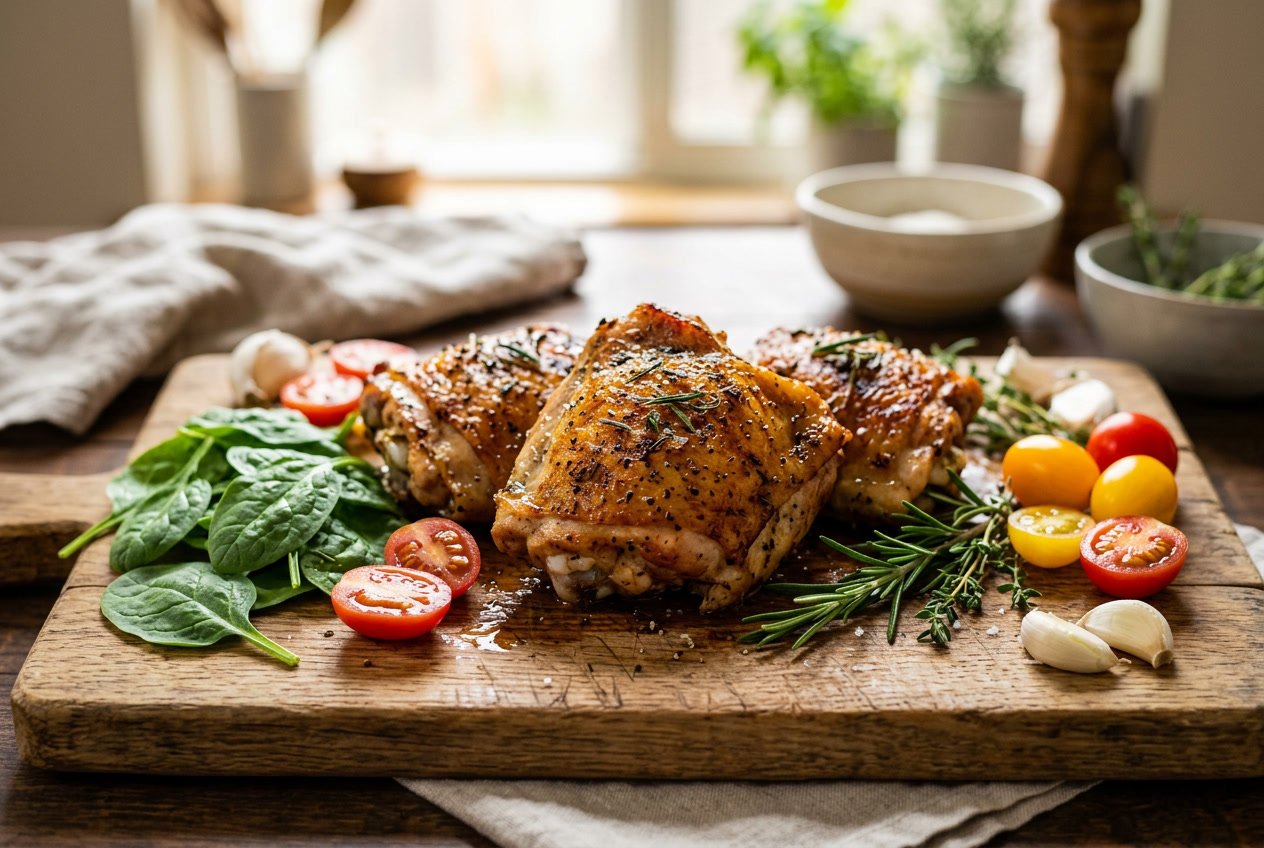
Chicken thighs deliver concentrated protein and modest fat along with key minerals and B vitamins that support energy and immune function.
You get more iron and zinc per serving than with white meat, and removing the skin cuts calories and saturated fat significantly.
Macronutrients and Calories
A 100 g serving of cooked, boneless, skinless chicken thigh contains about 170–180 kcal, 26 g protein, and 9–10 g total fat.
Protein supplies most of the calories and supports muscle repair.
One average cooked thigh often provides roughly 25–30 g protein, depending on size.
Fat in thighs includes both monounsaturated and saturated fats.
Expect around 2–3 g saturated fat per 100 g, so portion control matters if you monitor saturated fat intake.
Carbohydrates are essentially zero, making thighs suitable for low-carb or keto meals.
Quick reference (per 100 g, cooked, boneless, skinless):
- Calories: ~179 kcal
- Protein: ~26 g
- Total fat: ~9–10 g
- Carbs: 0 g
Micronutrients: Iron, Zinc, and B Vitamins
Chicken thighs contain higher levels of iron and zinc than chicken breast, which helps with oxygen transport and immune function.
Per 100 g cooked thigh, expect roughly 1.0–1.5 mg iron and ~1.5–2 mg zinc.
Thighs supply niacin (B3), vitamin B6, and B12, which support energy metabolism and red blood cell formation.
Selenium and phosphorus also appear in useful amounts, aiding antioxidant defenses and bone health.
If you rely on chicken as a regular protein source, choosing thighs boosts your intake of these micronutrients compared with white meat.
Skinless Chicken Thigh Nutrition
Removing the skin reduces calories and total fat without greatly changing protein content.
A skinless, cooked boneless thigh drops to about 170–180 kcal per 100 g and keeps protein near 25–28 g, while trimming total fat to roughly 9–10 g.
Skin-on thighs add about 30–50 kcal and several grams of fat per 100 g, mostly increasing monounsaturated and saturated fats.
If you want richer flavor but lower fat, roast with skin on and remove it before eating to retain moisture while cutting calories.
For precise tracking, use nutrition labels or USDA FoodData Central entries for the specific cut and cooking method you use.
Health Benefits of Chicken Thighs
Chicken thighs provide concentrated protein, supportive micronutrients, and satisfying fat that help you build muscle, stay full longer, and get iron, zinc, and vitamin B12 in practical portions for everyday meals.
Complete Protein and Amino Acids
Chicken thighs provide high-quality protein with all nine essential amino acids your body cannot make.
A 4-ounce (about 113 g) cooked, boneless, skinless thigh supplies roughly 25–30 grams of protein, which supports muscle repair, immune function, and enzyme production.
You get leucine, isoleucine, and valine in amounts useful for stimulating muscle protein synthesis after exercise.
Thighs offer a strong protein-to-calorie ratio compared with many other meats, especially when you remove the skin.
Pair a thigh with a small portion of whole grains or legumes to round out any limiting amino acids for plant-forward meals.
Baking, grilling, or braising preserves protein while minimizing added fats.
Satiety and Fullness
The natural fat in chicken thighs slows gastric emptying and increases post-meal fullness, helping you eat fewer calories later.
A single thigh contains roughly 8–12 grams of fat (varies by size and skin), which combines with protein to produce a sustained release of energy.
You’ll feel fuller longer after a thigh-based meal than after an equal-calorie lean-protein option.
Choose skinless thighs if you want reduced calories while keeping much of the satiety benefit.
Serve one thigh with a cup of nonstarchy vegetables and a moderate whole-grain side for a balanced plate that maintains fullness for several hours.
Avoid deep frying and heavy sugary sauces to keep the satiety advantage without adding empty calories.
Nutrient Density: Iron, Zinc, and B12
Dark meat in chicken thighs contains more iron, zinc, and vitamin B12 than white meat.
Per 100 g cooked thigh, expect roughly 1–1.5 mg iron, about 1.5–2 mg zinc, and measurable B12 (around 0.3–0.6 µg), though exact values vary by cut and cooking.
Iron in thighs supports oxygen transport and reduces fatigue risk, especially if your diet is low in red meat.
Zinc contributes to immune function and wound healing, while B12 is essential for nerve health and red blood cell formation.
If you have higher needs for any of these nutrients, include chicken thighs in several weekly meals to boost intake.
Combine thighs with vitamin C–rich vegetables (like bell peppers or tomatoes) to improve nonheme iron absorption from the meal.
Comparing Chicken Thighs to Other Cuts
Chicken thighs deliver richer flavor, more fat, and slightly different micronutrients than lean cuts.
They resist drying, cook forgivingly, and often cost less per pound than breasts.
Chicken Thighs vs. Chicken Breast
Thighs are dark meat from the bird’s leg; breasts are white meat from the pectoral muscle.
A 3-ounce cooked boneless, skinless thigh has about 21 g protein and ~9 g fat, while the same portion of breast gives ~26 g protein and ~2 g fat.
Choose thighs when you want juiciness and deeper flavor. Fat keeps the meat moist during high-heat or long cooking.
Choose breasts when you need maximal lean protein and lower calories for a specific meal plan.
Thighs tolerate braising, roasting, and grilling without drying.
Breasts work best with quick sears, poaching, or brining to preserve moisture.
If you swap cuts in recipes, reduce breast cooking time or add a sauce to compensate.
Benefits of Dark Meat
Dark meat contains higher levels of myoglobin and intramuscular fat, which give thighs their color and savory taste.
You’ll also get more iron and zinc per serving compared with breast.
Fat in thighs boosts flavor and satiety, helping you feel fuller longer after a meal.
That fat also makes thighs more forgiving in lower-skill kitchens, reducing the risk of overcooking.
If you eat skin-on thighs occasionally, you gain texture and additional flavor from rendered skin.
If you want the nutrient benefits without extra calories, choose skinless thighs.
Considerations for Weight Management
If you track calories or limit saturated fat, breasts offer a leaner option per ounce than thighs.
Use skinless thighs and control portion size to balance flavor and caloric goals.
Mix cuts across meals—use breasts for higher-protein, lower-calorie lunches and thighs for dinners where texture and satisfaction matter more.
Preparation matters: frying or heavy sauces raise calories quickly.
Roasting with minimal added fat, grilling, or braising keeps thighs within a moderate calorie range while preserving their benefits.
Culinary Advantages and Versatility
Chicken thighs give you richer flavor, more forgiving cooking, and flexible uses across techniques and cuisines.
You get dark meat that holds moisture, adapts to bold seasonings, and performs well whether you roast, grill, or braise.
Flavor and Juiciness
Chicken thighs are dark meat, which contains higher fat and connective tissue than breast meat.
That fat renders during cooking and keeps the meat moist, so your thighs stay juicy even if cooking time varies.
The extra collagen converts to gelatin with heat, giving a silky mouthfeel in slow-cooked dishes and a satisfying bite in quick sears.
You’ll notice stronger, more savory notes—use aromatics like garlic, lemon, or soy to complement that depth.
If you crisp the skin, the contrast between crunchy exterior and juicy interior amplifies flavor.
For marinades, use acid-plus-oil blends and allow at least 30 minutes for penetration.
For dry rubs, a few hours or overnight yields the best results.
Cooking Methods: Roasting, Grilling, Braising
Roasting: Roast bone-in thighs at 425°F (220°C) for 25–35 minutes to crisp skin and render fat.
Place on a rack so drippings don’t steam the skin.
Finish with a blast of high heat or a brief broil if you want extra color.
Grilling: Grill over medium-high heat for direct sear, 5–7 minutes per side for bone-in, then move to indirect heat to finish.
Skin chars attractively and smoke complements the dark meat’s richness.
Watch flare-ups from rendered fat.
Braising: Braise thighs low and slow in a flavorful liquid (stock, wine, or coconut milk) at 300°F (150°C) or on low stovetop for 45–90 minutes.
The collagen melts, producing tender, shreddable meat and a silky sauce you can reduce and serve over grains or pasta.
Chicken Thighs in Global Cuisines
Many regional dishes use chicken thighs because they absorb flavors and tolerate long cooking.
In Indian curries like butter chicken, thighs hold up to simmering in spiced, creamy sauces without drying out.
In Korean cooking, bite-sized thigh pieces take marinades and high-heat stir-frying or grilling, delivering caramelized edges and juicy interiors.
In Mediterranean and Middle Eastern recipes, roasted thighs with lemon, oregano, or za’atar give bold, herb-driven results.
Use thighs in stews (French coq au vin), Mexican tacos al pastor style, or East Asian braises where soy, ginger, and star anise deepen the dark meat’s savory profile.
Thighs pair well with grains, legumes, and strong sauces, so you can swap them into many recipes that call for chicken without losing texture or flavor.
Tips for Healthier Preparation
Trim visible fat, remove the skin when you want fewer calories, and favor dry rubs or light marinades over heavy sauces.
Choose cooking methods that render fat away or require little added oil, and pair thighs with fiber-rich vegetables and whole grains for balanced plates.
Choosing Skinless Chicken Thighs
Choose thighs labeled “skinless” or ask the butcher to remove the skin. This change reduces about 50–70 calories and several grams of fat per 100 g serving.
Look for thighs that are bright pink with minimal odor and a firm texture. Freshness improves both safety and flavor.
If you buy bone-in skinless thighs, you will get more flavor and a slightly higher cooking time than boneless. For nutrition control, weigh your portions.
A typical cooked skinless thigh is about 100–120 grams and provides roughly 22–26 g protein and 8–11 g fat. Store raw thighs at 40°F (4°C) or below and use within 1–2 days.
Freeze thighs for longer storage.
Healthy Cooking Techniques
Roast thighs at 400°F (200°C) on a rack so fat drips away. Roasting creates crispy edges without deep frying.
Grill or broil to let fat render off while keeping meat juicy. Watch for flare-ups that can char the meat and create off-flavors.
Use an air fryer for a crisp exterior with much less oil than pan-frying. Braise in low-sodium broth or tomato sauce to preserve moisture and lower added fat.
For searing, use a single tablespoon of olive oil in a nonstick pan and finish in the oven. Always cook to an internal temperature of 165°F (74°C).
Balanced Meal Ideas
Build meals around a 3–4 ounce (85–115 g) cooked skinless thigh as your protein anchor. Combine with 1–1.5 cups of nonstarchy vegetables like roasted broccoli, sautéed spinach, or a cabbage slaw for fiber and micronutrients.
Add a portion of whole grains or starchy vegetables such as 1/2 to 1 cup of brown rice, quinoa, or roasted sweet potato for sustained energy. Use herbs, citrus, garlic, or a sprinkle of smoked paprika to season instead of sugary glazes.
For example, try roasted skinless chicken thighs with quinoa pilaf mixed with parsley and lemon. Pair this with a warm spinach and tomato salad dressed with 1 teaspoon olive oil.


