
Why Do Chicken Thighs Taste Better? Flavor, Texture & Cooking Benefits
You taste the difference the moment you bite into a thigh: richer, more savory, and reliably juicy.
Chicken thighs taste better because they contain more fat, connective tissue, and myoglobin, which together create deeper flavor, natural umami, and moisture that stands up to many cooking methods.
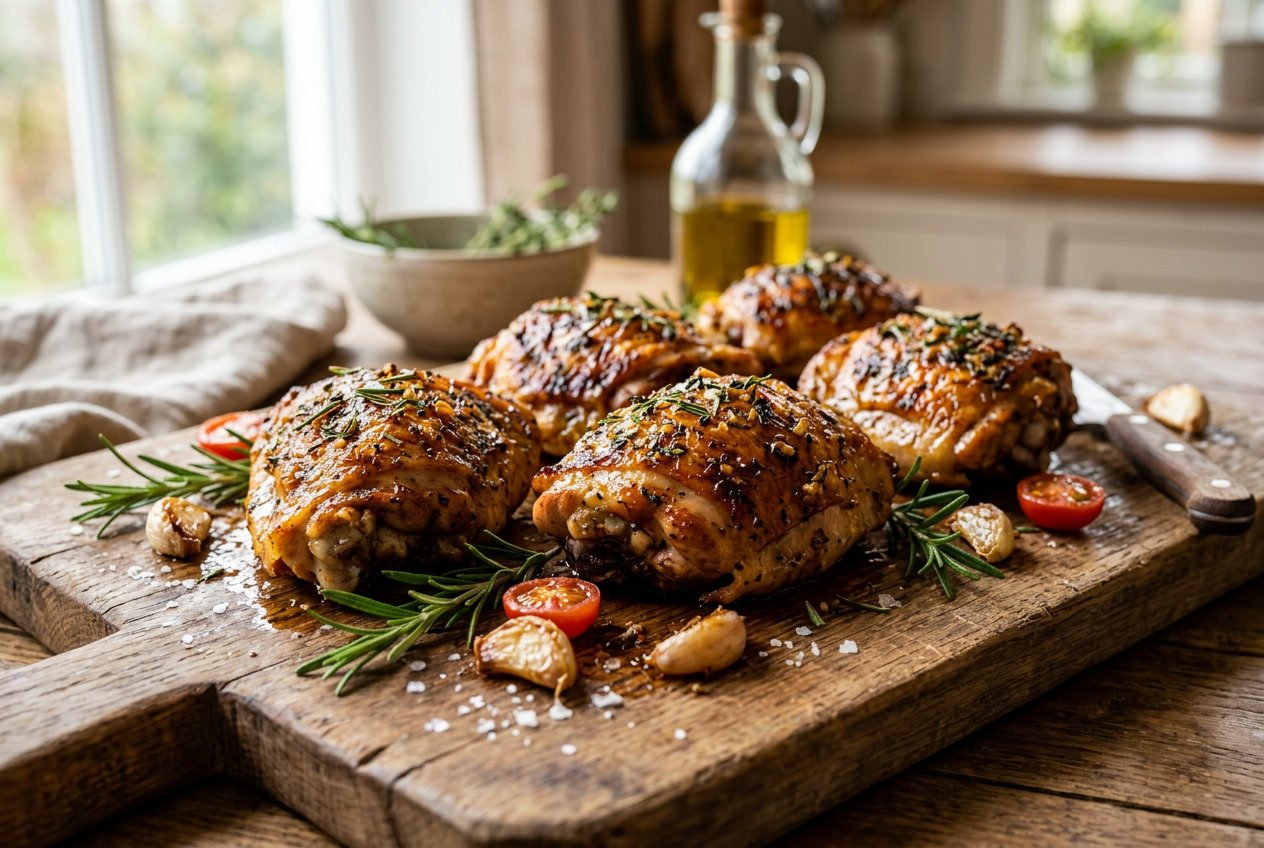
You can explore the science behind that richness and compare thighs to leaner breasts.
Learn simple techniques and cooking methods that amplify those strengths.
Expect practical tips on texture, seasoning, and budget-friendly uses so you can get consistently delicious results every time.
The Science Behind Chicken Thighs’ Rich Flavor
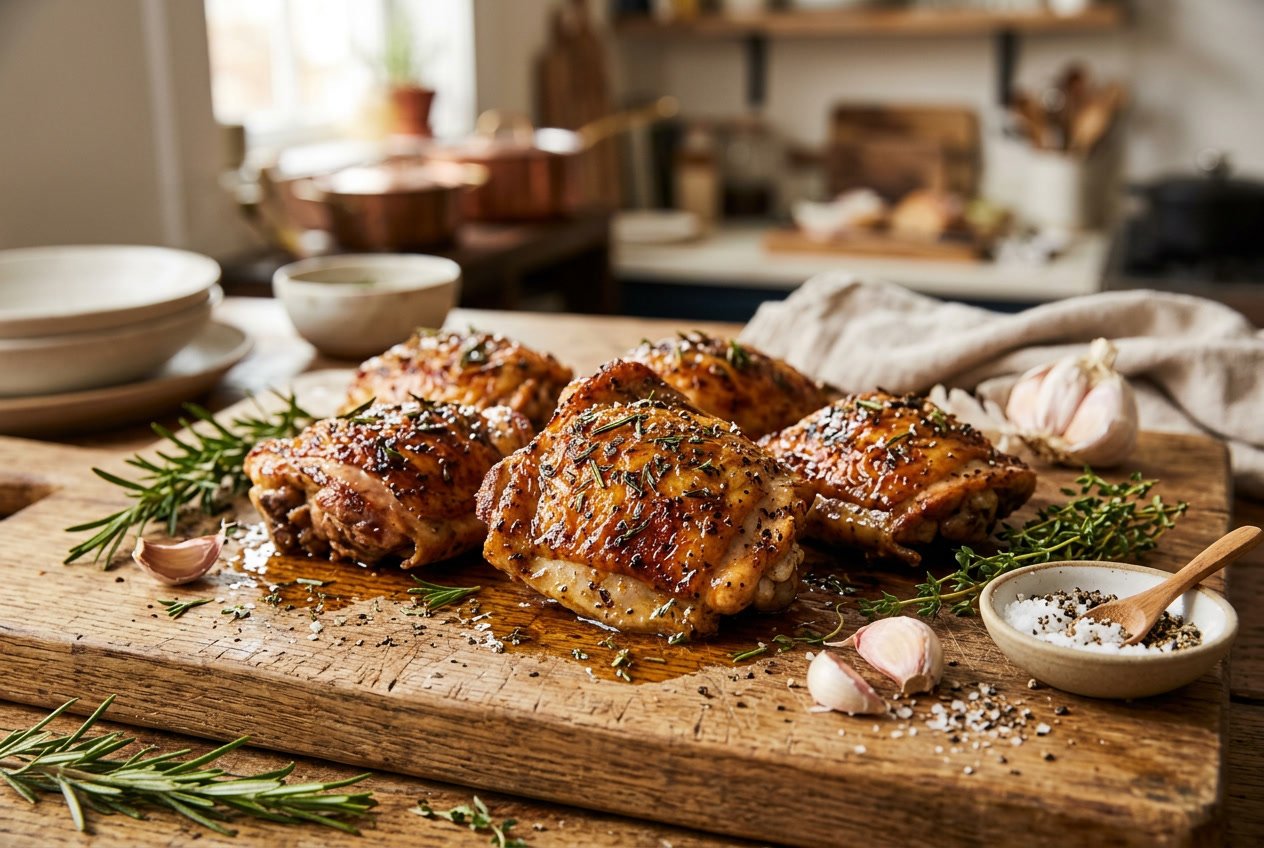
Thighs provide richer taste, better moisture retention, and deeper savory notes because of their higher fat, more connective tissue, and greater concentrations of flavor compounds.
These biological and chemical differences explain why thighs stay juicy and develop more complex flavors during cooking.
Fat Content and Flavor Enhancement
Chicken thighs contain around 10–15% fat per 100 g, much higher than breast meat.
That intramuscular fat melts during cooking and carries fat-soluble flavor molecules, so each bite delivers more aroma and mouthfeel.
Fat protects the meat from drying out.
As it renders, it bastes the surrounding tissue, preserving juiciness even at higher temperatures.
Thighs tolerate grilling, roasting, and frying without becoming stringy.
Keep the skin and some fat when appropriate.
The skin crisps and the underlying fat renders, creating contrasts of texture while concentrating flavor.
Trim only if your recipe or diet requires it.
Role of Collagen and Connective Tissue
Thigh muscles do more sustained work than breast muscles, so they contain more collagen and connective tissue.
During low-and-slow cooking, collagen converts into gelatin, which adds silkiness and a perceived richness to the meat.
Gelatin increases perceived juiciness and gives thighs a tender, almost unctuous mouthfeel.
You’ll notice this especially in braises, stews, or slow-roasted thighs where the collagen breakdown thickens sauces and enriches the overall dish.
If you use quick, high-heat methods, collagen won’t fully convert.
To maximize tender chicken thighs, aim for moderate internal temperatures and allow resting time so gelatin redistributes and your slices stay moist.
Umami and Natural Flavor Compounds
Dark meat contains higher levels of myoglobin and certain amino acids and nucleotides that contribute to umami.
These compounds stimulate savory taste receptors, so thighs register as more flavorful than lean breast meat.
You can boost this naturally by using marinades or ingredients rich in glutamates such as soy sauce, tomatoes, or mushrooms.
These bind with the thigh’s existing umami to deepen flavor.
The combination of fat and umami creates layered savory notes you perceive as richness.
Maillard reactions on the skin and exterior further generate flavor compounds that interact with the thigh’s internal glutamates and fats.
That synergy makes well-seared, flavorful chicken thighs taste significantly more satisfying than overcooked breasts.
Comparing Chicken Thighs and Chicken Breasts

Thighs deliver richer flavor, more forgiving texture, and slightly different nutrition than breasts.
Muscle type, cooking behavior, and key nutrients shape taste, moisture, and suitability for different recipes.
Dark Meat vs. White Meat Differences
Dark meat (thighs) contains more myoglobin and intramuscular fat than white meat (breasts), which gives it a deeper flavor and darker color.
Those chemical differences also mean thighs stay moist at higher internal temperatures while breasts can dry out quickly.
Thigh muscles work more during the bird’s life, so they have more connective tissue.
That connective tissue breaks down into gelatin when cooked slowly, producing tender chicken and a juicy mouthfeel you won’t get from lean breast meat.
If you want pronounced savory notes and a silkier texture, choose thighs.
If you need mild flavor and low fat for salads or quick sears, breasts give a clean, neutral canvas.
Why Chicken Thighs Are Better for Cooking
Thighs tolerate longer, higher-heat cooking without becoming dry, so they’re ideal for braises, slow roasts, and high-heat pan-frying.
The extra fat renders during cooking and bastes the meat, producing consistently tender chicken with more forgiving timing.
Breasts require precise, shorter cooking to remain tender.
They benefit from brines, marinades, or butter basting to avoid dryness.
Thighs also develop more complex browned flavors because the fat and connective tissue promote better crust formation.
For weeknight versatility, thighs hold up in stews, grilled skewers, and curries.
Use breasts when you need lean protein that absorbs seasonings quickly and slices cleanly for sandwiches or salads.
Nutritional Profile and Key Nutrients
Thighs contain more calories and fat per ounce than breasts, primarily from monounsaturated and saturated fats.
That extra fat accounts for the richer taste and helps retain moisture during cooking.
Breasts provide higher protein per calorie and less total fat, making them preferable if you prioritize lean protein or strict calorie targets.
Both cuts supply iron and B vitamins, but dark meat often has slightly higher iron and zinc levels.
If you want tender, juicy chicken and aren’t strictly limiting calories, thighs give better eating quality per bite.
Breasts fit the role if you need lean chicken with a milder flavor for diet-specific plans.
Texture and Juiciness: What Sets Chicken Thighs Apart
Thighs combine higher fat content and more connective tissue than breasts, which gives them a richer mouthfeel and greater tolerance for longer cooking.
Skin-on, bone-in cuts add rendered fat and collagen that amplify tenderness and juiciness when you cook them properly.
Moisture Retention During Cooking
Chicken thighs contain more intramuscular fat and collagen than breast meat.
That fat melts during cooking and coats fibers, so the meat stays moist even when internal temperature climbs above 165°F.
You’ll notice less dryness after roasting, braising, or grilling because the rendered fat and gelatin trap moisture.
Cook thighs low and slow or use gentle methods like braising or sous-vide to convert collagen to gelatin without drying muscle proteins.
A thermometer helps: aiming for 185–195°F often produces tender, pull-apart meat because collagen has broken down.
For quicker methods, higher fat content gives you more forgiveness.
Pan-searing or oven-roasting still yields juicy chicken thighs more reliably than breasts.
Impact of Bone-In and Skin-On Cuts
Keeping bone-in and skin-on changes both texture and perceived juiciness.
The bone conducts heat more slowly, which evens the cook and reduces the risk of overcooking near the joint.
That slow, steadier heat gives you more uniform tenderness, especially around the dark meat.
Skin adds two benefits: a barrier that slows moisture loss and a source of rendered fat that bastes the meat as it cooks.
Crisping the skin at the end in a hot skillet or under a broiler gives you contrast: crunchy exterior and tender, juicy chicken beneath.
If you want the most tender chicken thighs, choose bone-in, skin-on cuts and finish with a high-heat sear or broil to combine succulence and texture.
Flavor Boosting Techniques for Chicken Thighs
Select cuts with enough fat and skin, season to penetrate the meat, and use marinades or brines to add moisture and depth.
Focus on bone-in, skin-on thighs when you want maximum flavor and use boneless thighs for fast meals.
Choosing the Best Thigh Cuts
Choose bone-in, skin-on chicken thighs when flavor and juiciness matter most.
The bone and skin help retain fat and collagen during cooking, which yields richer taste and more forgiving texture than boneless thighs.
If you need speed or easier slicing for salads and wraps, use boneless thighs but trim excess fat so they cook evenly.
For grilling chicken thighs, leave the skin on and score it lightly so heat and marinades penetrate.
Roast or braise thicker bone-in pieces at 175–185°F (79–85°C) to convert collagen into gelatin; this keeps the meat tender and savory.
Buy fresh if possible, or thaw fully before seasoning to ensure even brining or marinading.
Proper Seasoning and Spice Blends
Season underneath the skin as well as on top to get spices into the meat, not just the surface.
Use kosher salt and black pepper as your base; salt up to 24 hours ahead for better penetration.
Combine paprika, garlic powder, onion powder, cumin, and chili powder for a balanced dry rub.
Add dried thyme or rosemary for herbaceous notes.
For an umami lift, include a small splash of soy sauce in wet rubs or marinades.
Rub the blend over and under the skin, then let rest in the fridge for at least 30 minutes.
When grilling, apply a light dusting of spices before cooking and reserve saltier or sugary glazes to brush on near the end to avoid burning.
Importance of Marinades and Brining
Brining adds moisture and evens seasoning.
Use a basic brine of 4% salt by weight in water for 30 minutes to 2 hours.
Add aromatics like smashed garlic, sliced ginger, peppercorns, and a few sprigs of thyme or rosemary to the brine for extra flavor.
Rinse and pat dry after brining, then apply your spice rub so the herbs and powders adhere.
Marinades that combine oil, acid (lemon juice or vinegar), soy sauce, garlic, and ginger both tenderize and flavor.
Marinate boneless thighs for 1–4 hours; bone-in can marinate up to 8 hours but avoid highly acidic mixes longer than 12 hours to prevent mushy texture.
When grilling or roasting, reserve some marinade (or make a fresh batch) to baste near the end or to use as a finishing sauce so cooked meat remains glossy and flavorful.
Popular Cooking Methods That Highlight Flavor
These methods extract the thighs’ natural richness by rendering fat, breaking down collagen, and concentrating juices.
They rely on controlled heat, proper seasoning, and simple finishing steps to maximize both crisp skin and deep, savory meat.
Grilling and Roasting Chicken Thighs
Grilling uses direct high heat to char skin and develop smoky flavors while the thigh’s fat protects the meat from drying out.
For bone-in thighs, sear skin-side down over direct heat for 5–7 minutes, then move to indirect heat and cook until the thickest part reaches 175°F.
For boneless, grill 5–7 minutes per side until 165°F–170°F.
Watch for flare-ups from dripping fat and avoid pressing the meat, which forces out juices.
Roasting in a 400°F–425°F oven crisps skin and renders fat evenly.
Use a wire rack over a rimmed sheet pan so drippings escape and air circulates.
Bake bone-in 35–45 minutes, boneless 20–30 minutes.
Salt ahead of time and pat skin dry for the best browning.
Slow Cooking and Braising Techniques
Slow cooking and braising convert collagen into gelatin, producing a silky, tender texture that highlights deep chicken flavor.
In a slow cooker, cook bone-in thighs on low for 6–7 hours or high for 3–4 hours.
They’ll shred easily and absorb braising liquid flavors like stock, wine, or tomatoes.
In a braise on the stovetop, brown the skin first to render fat, then simmer covered at low heat for 45–90 minutes until the meat pulls from the bone.
Pressure cooking yields similar results faster.
Cook bone-in thighs for 10–12 minutes at high pressure with a natural release.
If you want any crispness after slow techniques, transfer to a hot pan or broiler for 2–4 minutes to re-crisp the skin.
Pairing with Roasted Vegetables
Roasted vegetables and thighs share compatible cooking temperatures and flavor-building reactions.
Roast root vegetables or brassicas at 400°F–425°F with a drizzle of oil, salt, and pepper.
The vegetables caramelize while the thighs render fat that can flavor the pan.
Place vegetables on the same sheet pan but separate from the chicken or use a second rack beneath so vegetables won’t steam in the thighs’ drippings.
Choose vegetables that tolerate longer roast times—potatoes, carrots, parsnips, and Brussels sprouts work best.
Toss vegetables with herbs like rosemary or thyme and a squeeze of lemon after roasting to cut through fat and brighten the overall plate.
Affordability and Everyday Versatility
Chicken thighs save you money and give you flexibility in the kitchen.
They deliver richer flavor, forgiving cooking performance, and more nutrients per dollar than many breast-based options.
Cost Benefits of Choosing Chicken Thighs
You’ll typically pay less per pound for thighs than for boneless skinless breasts. This lowers weekly grocery bills.
The price gap widens when you buy bone-in or bulk packs. A family can stretch meals further by using thighs in stews, casseroles, and rice dishes.
Thighs also reduce waste. The higher fat and connective tissue tolerate longer cooking, so leftovers reheat well and retain moisture.
If you track cost-per-serving, thighs often come out ahead because you need fewer added sauces or fats to make them appealing.
Thighs provide more iron and zinc than breasts. You get more nutrition for the same spend.
Using Thighs in a Variety of Dishes
You can use thighs in many cooking methods without worrying they’ll dry out. Roast them with skin-on for crisp texture.
Braise or stew bone-in thighs to extract collagen and deepen sauces. Pan-sear boneless thighs for quick weeknight meals.
Thighs handle strong flavors and long cooks, so you can use bolder spices, acidic marinades, and slow-simmer techniques that might overpower breast meat. They work well in fried preparations, skewers, curries, tacos, and one-pot rice dishes.
Label packages by use—bone-in for slow cooking, boneless for fast sautés—to plan meals efficiently. This small step helps you maximize both taste and time.


