
Why Are Chicken Thighs the Best? Flavor, Value, and Versatility Explained
You want dinner that tastes rich, cooks without drama, and stretches your dollar. Chicken thighs deliver on all three.
They pack more fat and connective tissue than breasts. This gives you deeper flavor, juicier texture, and a forgiving cooking window that helps even hurried cooks succeed.
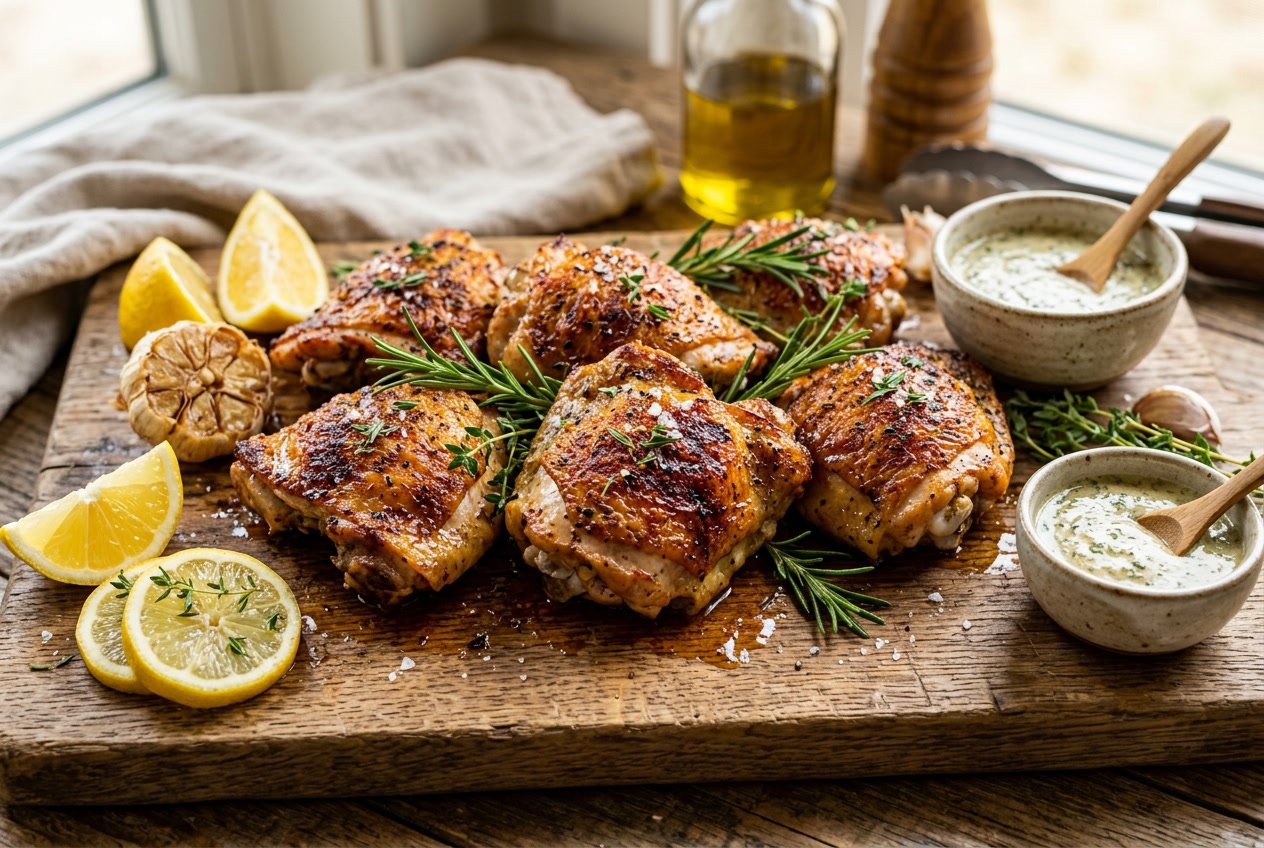
Choose thighs and you get bold, juicy flavor, effortless cooking, and better value without sacrificing nutrition. Their texture and fat content boost taste, they tolerate higher temps and longer cooking, shine across grills and braises, and often cost less per meal while still fitting a balanced plate.
Flavor and Texture Advantages
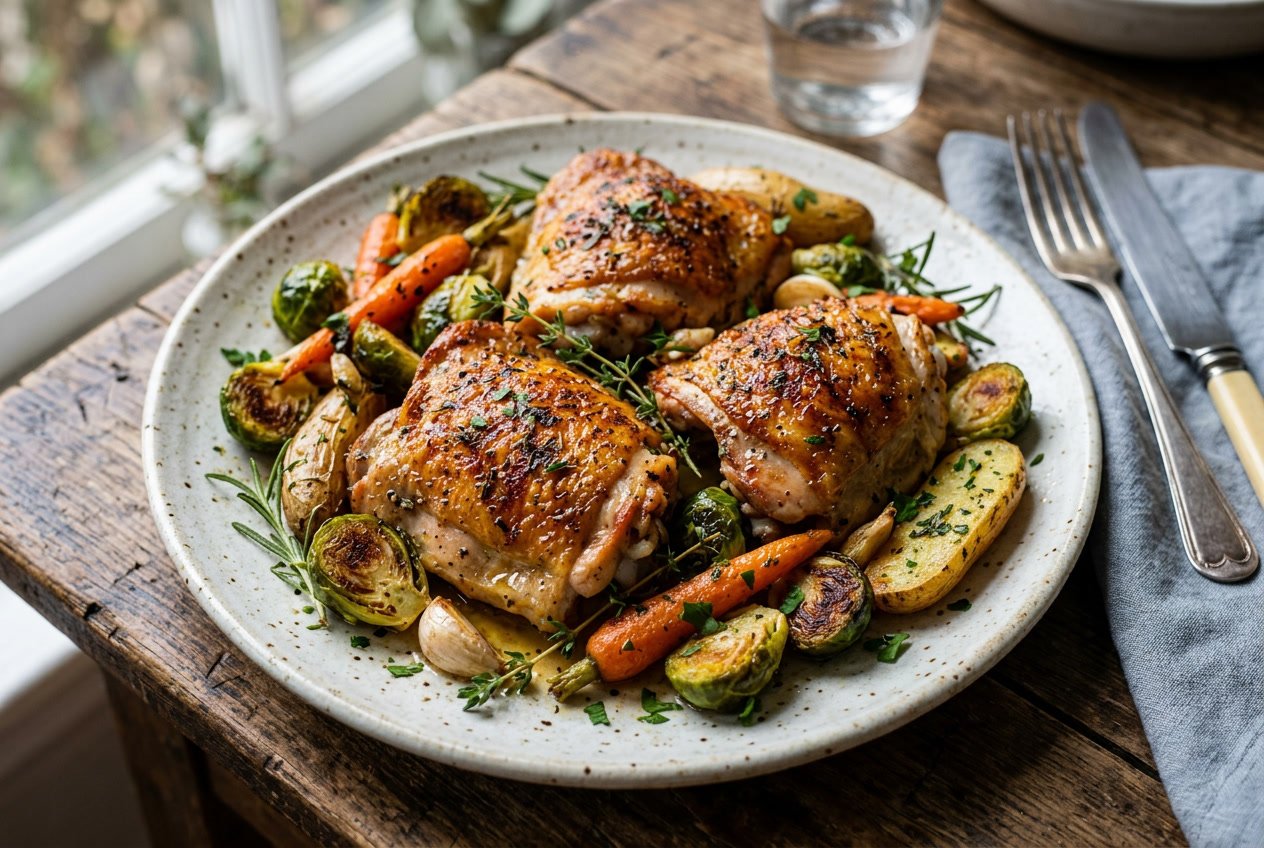
Thighs give you deeper flavor, more forgiving cooking, and a tender mouthfeel. You get richer fat-driven taste, reliable moisture at higher temps, and connective tissue that softens into gelatin with proper heat.
Richness of Dark Meat
Dark meat contains more intramuscular fat and myoglobin than breast, and that directly affects flavor. You’ll notice rounder, beefier notes in each bite because the fat carries and concentrates savory compounds during cooking.
Use skin-on, bone-in thighs when you want maximum depth. The rendered fat and marrow add umami to pan sauces and braises.
If you prefer boneless, trim less fat to retain some of that flavor cushion. For seasoning, less is often more—salt, pepper, and a single acid (lemon or vinegar) highlight the thigh’s natural profile without masking it.
Juiciness and Moisture Retention
Thighs tolerate longer cook times before drying out thanks to higher fat content. You can raise the internal temperature above the standard 165°F for more collagen breakdown and still retain succulence.
To keep juices locked in, sear skin-side down to render fat, then finish in the oven or over lower heat. Rest the meat 5–10 minutes after cooking so juices redistribute.
Even simple pan sauces benefit because those drippings are richer and more concentrated than what breasts produce.
Collagen and Connective Tissue Benefits
Thigh muscles contain more collagen and connective tissue than breast, and that becomes an asset when you cook them low and slow. With gentle, prolonged heat, collagen converts into gelatin, yielding a silky texture and a sense of “fall-off-the-bone” tenderness.
Choose cooking approaches that allow time for this conversion. Braise at 300°F (150°C) or simmer on low for 1.5–2 hours.
Use a tight lid or a sealed pot to trap steam. Gelatin redistributes into the juices and improves mouthfeel.
The result is a dish where texture and flavor support each other, especially in stews, confits, and slow-roasted preparations.
Cooking Forgiveness and Ease
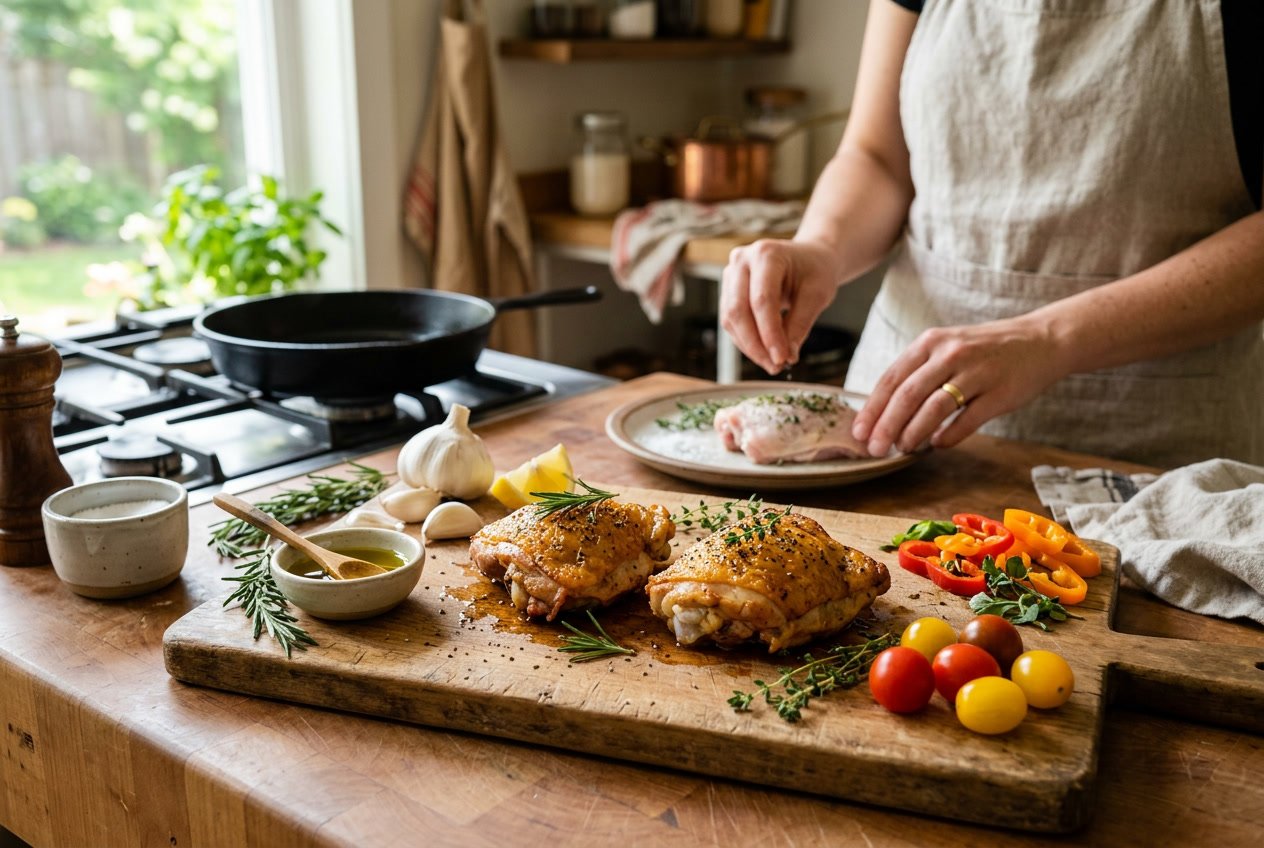
Chicken thighs give you room for error without sacrificing flavor. You’ll rely on higher fat content and connective tissue to keep meat moist, and you can use a wider temperature range depending on the texture you want.
Tolerance to Overcooking
Thighs contain more intramuscular fat and collagen than breasts, so they stay juicy even if you overshoot timing by several minutes. If you cook bone-in, skin-on thighs a bit longer, the extra fat bastes the meat internally while collagen breaks down into gelatin, which improves mouthfeel.
This forgiving nature lets you use hands-off methods like oven roasting or braising without constant checking. You should still avoid extreme drying—trim excess exposure to direct high heat after the skin crisps to prevent leathery texture.
For best results, rest thighs 5–10 minutes after cooking so juices redistribute.
Suitable Temperature Ranges
Aim for 165–175°F (74–79°C) internal temperature depending on desired texture. 165°F yields safe, tender meat; pushing toward 175°F and above allows more collagen breakdown and a slightly richer, pull-apart texture without turning dry.
For methods:
- Pan-sear then oven-roast: sear skin until golden, finish at 375–425°F for 12–25 minutes depending on thickness.
- Oven-only roast: 400°F for bone-in, 20–35 minutes.
- Low-and-slow braise: 275–325°F until internal temp crosses 175°F and meat is easily pierced.
Use an instant-read thermometer at the thickest part, avoiding the bone, for accurate timing.
Culinary Versatility
Chicken thighs adapt to high-heat searing and low-and-slow braising. They take well to bold marinades and simple seasoning.
You get rich flavor, forgiving cooking times, and reliable juiciness whether you use skin-on chicken thighs or boneless pieces.
Best Cooking Techniques
Sear skin-on chicken thighs in a hot skillet to render fat and create a crisp, golden crust. Finish in a 375°F oven for even doneness.
For boneless thighs, quick pan-searing or grilling at medium-high heat yields a caramelized exterior without drying the meat.
Braising and slow-cooking excel when you need shreddable, fall-apart texture. Use an acidic braising liquid—wine, tomatoes, or vinegar—to break down connective tissue and concentrate flavor over 1.5–3 hours.
For weeknight meals, roast thighs at 400°F spaced apart on a sheet pan. The skin crisps while the interior stays juicy, and timing is forgiving if you multitask.
Global Culinary Uses
You can turn chicken thighs into a Korean-style spicy stir-fry, marinated in gochujang and soy, or make Indian curries where the fat and dark meat carry complex spices.
In Mediterranean dishes, roast skin-on chicken thighs with lemon, oregano, and olives to use the rendered fat as sauce base.
Thighs also suit Mexican braises like adobo or tinga, and Southeast Asian coconut curries where the meat absorbs aromatics.
Their versatility lets you swap them directly for breast meat in stews and casseroles without losing moisture or flavor.
Nutritional Benefits
Chicken thighs deliver concentrated protein, B vitamins, iron, zinc, and modest amounts of healthy fats that support energy, recovery, and nutrient status. You get more micronutrients per serving than from equivalent portions of lean white meat, while keeping cooking flexibility and satiety.
Protein and Micronutrient Content
You get roughly 22–26 grams of high-quality protein per 100 g of cooked, skinless chicken thigh. That protein has high bioavailability, meaning your body absorbs the amino acids efficiently compared with many plant sources.
Thighs also supply several B vitamins in meaningful amounts—especially vitamin B6 and niacin (B3)—which help convert food to usable energy and support nervous-system function.
You receive phosphorus and selenium too. Phosphorus aids bone and cellular health, while selenium contributes to antioxidant defenses and thyroid function.
If you aim for balanced meals, thighs provide protein plus fat that increases satiety. Choose skinless or roasted preparations to control added fat without losing nutrient density.
Iron and Zinc in Dark Meat
Dark meat contains more iron and zinc than white meat, which matters if you need to protect against deficiency.
A 100 g serving of cooked thigh delivers noticeably more heme iron—the form your body absorbs most readily—than the same weight of breast. That improves red blood cell production and energy, especially for women of reproductive age.
Zinc in thighs supports wound healing, immune response, and cell growth. You also get a blend of saturated and unsaturated fats that help with absorption of fat-soluble nutrients and provide steady energy.
If you monitor iron intake, pairing thighs with vitamin C–rich vegetables further enhances iron absorption.
Affordability and Value
You get more usable flavor and flexible portions for less money. Thighs compare favorably to breasts on price and help you plan budget-friendly meals.
Price Comparison with Chicken Breasts
Chicken thighs are often priced lower per pound than boneless skinless chicken breasts at many U.S. grocery stores. Thighs frequently sell for 10–30% less per pound, depending on sales and region, which reduces your per-serving protein cost.
If you buy bone-in thighs, the price-per-pound drops further while still yielding rich meat and stock from the bones.
Consider unit pricing and yield. A package of thighs that lists a lower unit cost and higher fat/skin content can produce the same or more edible meat after cooking compared with trimmed breasts that lose weight when trimmed and roasted.
Budget-Friendly Meal Planning
Use thighs to build 4–6 meals from a single 3–4 lb pack by mixing cooking methods. Slow-cook two thighs for shredded tacos, sear two for a weeknight stir-fry, and reserve bones for broth.
Braises, casseroles, and one-pan roasts let you combine thighs with inexpensive staples—rice, potatoes, beans, and seasonal vegetables—to stretch protein across portions.
Buying thighs on sale and freezing individual portions preserves the savings and reduces impulse spending.
Buy bone-in, skin-on when available and remove skin yourself if desired. You save 10–25% versus pre-trimmed breast packages and gain stock-making bones that add flavor without extra cost.
Chicken Thighs vs. Chicken Breasts
Thighs deliver richer flavor, more forgiving cooking behavior, and slightly higher calories and fat. Breasts give leaner protein and milder taste but dry faster if overcooked.
Flavor and Texture Differences
Chicken thighs have higher intramuscular fat and dark meat myoglobin, which produces a deeper, savory flavor and a moist, tender bite even after longer cooking. Thighs hold up to bold spices, long braises, and high-heat roasting without drying.
Chicken breasts are lean white meat with a mild taste and firmer texture. You must watch cooking time closely because breasts can become dry and stringy if overcooked, especially at high heat or without a marinade.
If you want juicy, robust results for dishes like stews, curries, or grilled skewers, choose thighs. For light salads, quick sautés, or calorie-controlled meals, breasts work better if you use techniques like brining, quick sear, or slicing thin to protect moisture.
Nutritional Comparison
A standard 3-ounce cooked portion of chicken breast supplies about 25–31 g protein with roughly 140–165 kcal and low saturated fat. That makes breasts a strong choice when you prioritize lean protein and lower calories.
A comparable 3-ounce portion of chicken thigh yields around 20–27 g protein with roughly 180–210 kcal and more total and saturated fat. Thighs also contain slightly higher iron, zinc, and certain B vitamins due to darker muscle tissue.
Quick reference:
- Protein: breasts ≥ thighs (per ounce).
- Calories/fat: thighs > breasts.
- Micronutrients: thighs slightly richer in iron/zinc.
Choose based on your goals. Weight and calorie control lean toward breasts. Flavor, satiety, and micronutrients tilt toward thighs.
Tips for Perfect Chicken Thighs
Focus on selecting the right cut for your dish and treating skin-on thighs to dry, high heat and proper spacing to get crispy, juicy results. Small prep steps—patting dry, salting early, and using a wire rack—make the biggest differences.
Choosing Between Bone-In and Boneless
Bone-in thighs deliver more flavor and tolerate higher final temperatures because the bone slows heat transfer and helps keep meat moist. Choose bone-in when you want shreddable, gelatin-rich texture; pull them at 175–185°F for tender results.
Boneless thighs cook faster and work better for quick weeknight meals or stir-fries. Pull boneless at 165–170°F to avoid drying. They also marinate and absorb sauces more evenly because the surface area is greater.
If you need consistent, even cooking for a crowd, cook bone-in on a wire rack in a 400–425°F oven for predictable timing (35–45 minutes). For speed and pan-searing, use boneless and allow 5–7 minutes per side over medium-high heat.
Maximizing Crispiness on Skin-On Thighs
Pat the skin completely dry, then season liberally with salt at least one hour ahead. For best results, let the thighs sit overnight in the fridge.
Salt draws moisture out, and the meat reabsorbs flavors while the surface dries for crisping.
Start skin-side down in a cold skillet to slowly render fat. Alternatively, roast at 400–425°F on a wire rack so hot air circulates underneath.
Leave 1–1.5 inches between pieces to let fat drip away instead of pooling.
For extra lift, dust the skin lightly with a mix of baking powder and salt. Finish under a broiler for 2–4 minutes if needed, and watch closely to prevent burning.


