
Why Are Chicken Thighs Pink? Safety, Causes, and Cooking Tips
You might notice pink in cooked chicken thighs and wonder if that means they’re unsafe. Pink color alone doesn’t prove undercooking. The safest way to tell is by checking for an internal temperature of 165°F (74°C). Thighs can stay pink from myoglobin, smoking, brining, or the bone.
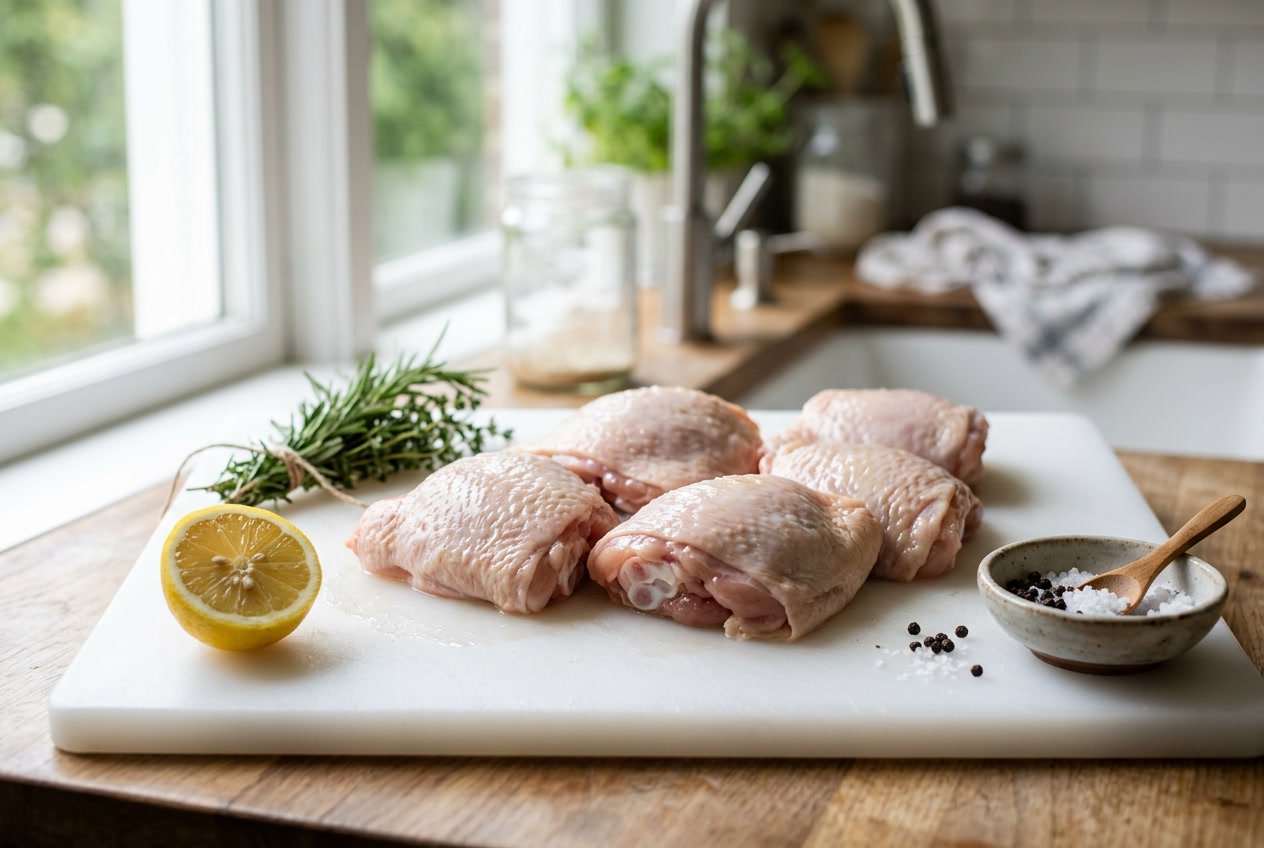
If you care about flavor as well as safety, understanding why thighs stay pink will help you stop overcooking juicy dark meat and avoid food-safety mistakes. Knowing the science behind the color and how to confirm doneness with a thermometer will help you cook chicken thighs safely and keep them flavorful.
Why Chicken Thighs Appear Pink After Cooking
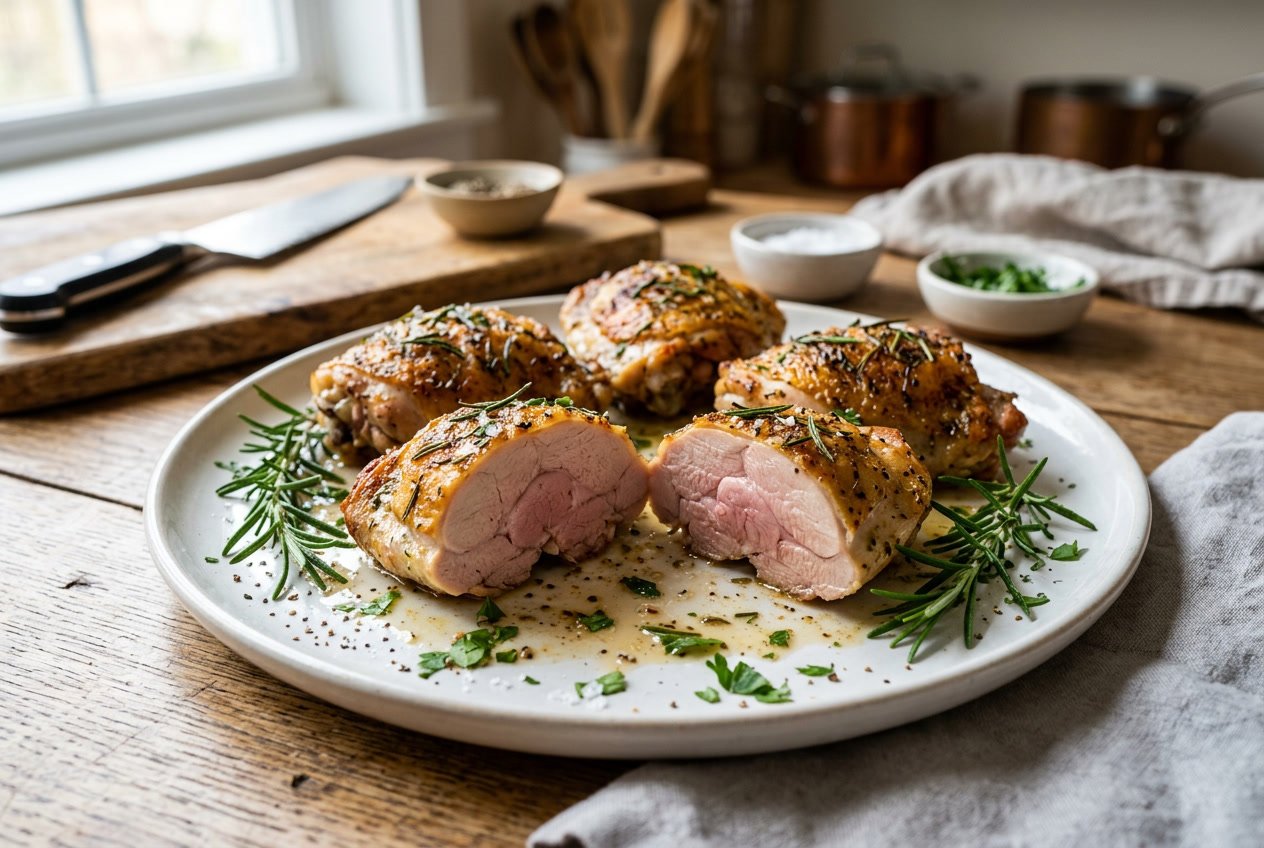
Chicken thighs can retain a pink hue even when they reach a safe internal temperature of 165°F (74°C). Several factors—muscle pigments, cooking technique, and chemical preservatives—explain why the color persists.
Role of Myoglobin in Dark Meat
Myoglobin is the oxygen-carrying protein concentrated in dark meat like chicken thighs. It binds iron and can remain partially colored after heating, so the meat near the bone or in thicker areas may look pink even when fully cooked.
Check temperature, not color, to confirm doneness. Insert a probe into the thickest part of the thigh, avoiding bone, and look for 165°F (74°C).
Dark meat has more myoglobin and connective tissue, which alters texture and color during cooking. That’s why pink chicken thighs are common and often harmless when properly cooked.
Impact of Cooking Methods on Color
Smoking, grilling, and slow roasting change color chemistry in predictable ways. Smoke can form a pink “ring” by reacting with myoglobin. Low-and-slow cooking can preserve pink pigments longer. Quick high-heat searing can mask pinkness on the surface but not always near the bone.
If you smoke thighs at 225–250°F, you can expect a pink layer beneath the skin. If you roast at moderate temperatures or use frozen-thawed thighs, myoglobin may persist because of slower heat penetration.
To reduce pink near the bone, finish with higher direct heat for a few minutes or rest the meat 5–10 minutes to allow juices and residual heat to even out.
Always measure internal temperature in the thickest area. That gives you a reliable indicator regardless of the cooking method or visual cues.
Effect of Nitrates and Nitrites
Nitrates and nitrites, present in some cured ingredients or environmental residues, react with myoglobin to stabilize a pink or reddish color during cooking. If you marinate with cured products or use certain brines, the meat may remain pink despite reaching safe temperatures.
Even small amounts of nitrite-containing seasonings (some smoked salts, cured spices, or leftover cured meats in a brine) can produce a lasting pink hue. This chemical binding only affects pigment chemistry and does not mean the chicken is unsafe.
If you want to avoid pink chicken thighs for presentation, choose nitrate-free marinades, increase final searing, or remove skin before serving. Always verify doneness with a thermometer.
Is Pink Chicken Safe To Eat?
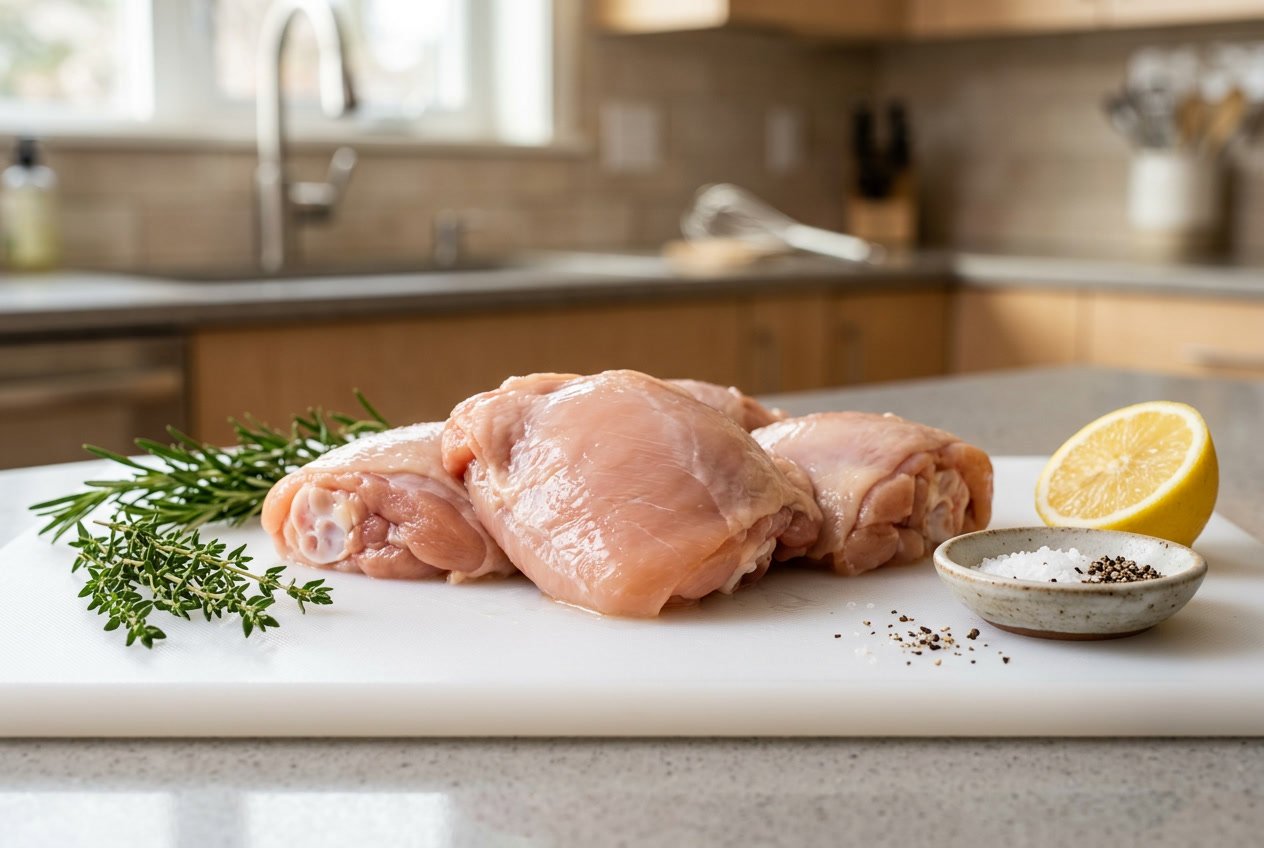
If you check internal temperature correctly and let the meat rest, a pink tint does not automatically mean the chicken is unsafe. Color can be affected by age, cooking method, or bone marrow. Safety depends on reaching and holding the right temperature to kill pathogens.
Understanding Food Safety Guidelines
Rely on established food-safety criteria, not color, to judge doneness. Public health agencies state that poultry is safe when all parts reach a minimum internal temperature that destroys Salmonella and Campylobacter.
Use a calibrated instant-read thermometer inserted into the thickest part of the thigh without touching bone. Check multiple spots if pieces vary in size.
Temperature for Cooked Chicken Thighs
Aim for an internal temperature of 165°F (74°C) measured at the thickest part of the thigh. That temperature is the threshold recommended to inactivate Salmonella and significantly reduce Campylobacter risk.
Once the thigh reaches 165°F, remove it from heat and let it rest. Carryover will keep it safe.
Rest the meat for a few minutes so juices redistribute. This also evens out internal temperature.
Why Color Alone Is Unreliable
Several non-safety factors can cause pinkness in cooked thighs. Young birds, reactions between myoglobin and heat, smoke from certain cooking methods, or pigment leaching from bone marrow can leave meat or juices pink even after reaching safe temperatures.
Visual checks—clear juices or no pink—do not guarantee safety. Rely on a thermometer as the definitive test.
If your thermometer shows 165°F but you remain uneasy, measure again in nearby spots rather than recooking based solely on color.
How To Properly Check Doneness
Use objective measures first, then confirm with visual checks. Focus on internal temperature and clear juices rather than meat color alone.
Using a Meat Thermometer
Use a calibrated digital meat thermometer and insert the probe into the thickest part of the thigh without touching bone. Aim for an internal temperature of 165°F (74°C) measured at the deepest point.
Allow for carryover cooking. When you remove thighs from heat they often rise 3–5°F, so you can pull them at about 160–162°F if you plan to rest them.
Rest the meat 5–10 minutes. Temperature will equalize and juices redistribute.
Check several pieces if you cook a batch. For bone-in thighs check near the bone. For boneless check the center.
Clean the probe between uses to avoid cross-contamination.
Checking Juices and Other Visual Cues
Cut into the meat only as a secondary check. Juices should run clear, not pink or bloody, when you pierce the thickest part.
Texture matters. Cooked thighs feel firmer and pull away from the bone easily.
Frozen or unevenly thawed thighs can show pink spots even when done, so always verify temperature rather than relying solely on color.
If meat still looks pink near the bone but the thermometer reads 165°F, you can briefly return it to heat or rest longer. Both will finish carryover cooking without overcooking the exterior.
Key Factors Influencing Chicken Thigh Color
Several measurable variables affect the final color of cooked chicken thighs. The bird’s age and breed, how you cook them, whether bone and skin remain, and any marinades or acidic ingredients you use can all play a role.
These factors change myoglobin levels, heat transfer, and surface reactions that produce a pink hue.
Chicken Age and Breed
Younger birds often show a stronger pink tint in the thigh meat because their muscles contain different proportions of myoglobin and less intramuscular fat.
Myoglobin is the oxygen-binding pigment that darkens with age and varies by breed. Heritage or slower-growing breeds can produce darker or more intensely colored thighs than fast‑grown commercial broilers.
If you buy labeled products like “organic” or “free-range,” expect potential color differences tied to diet and activity. Those variables alter muscle composition and fat distribution, which in turn affect how the thigh looks after cooking.
Cooking Method and Duration
High, direct heat (grilling, broiling) sears the outside quickly and can leave the interior near bones slightly pink because of rapid surface coagulation and limited heat penetration.
Low-and-slow methods (braising, slow roasting) cook the meat more evenly and often reduce pinkness, but they can also preserve juices that keep the meat darker.
Use a probe thermometer to check the thickest part of the thigh away from bone. Carryover cooking during rest can raise internal temperature a few degrees, so remove from heat close to target.
Smoking can create a persistent pink ring near the surface from smoke compounds reacting with myoglobin.
Bone and Skin Effects
Bones affect heat distribution. They slow heating around the marrow and can leave the meat adjacent to the bone pink even when the rest is fully cooked.
This is particularly common with bone‑in thighs because marrow pigments can leach into nearby tissue during cooking.
Skin insulates and retains moisture, altering how heat moves through the thigh. Skin-on thighs often stay juicier and darker under the surface than skinless pieces.
If you want more uniform color, remove the bone or use longer cooking times at moderate temperatures. If you prioritize flavor and moisture, accept that bone- and skin-on thighs may show persistent pink near the bone.
Marination and pH Levels
Acidic marinades (vinegar, citrus, yogurt) change the meat’s pH and protein structure, which can affect color by altering how myoglobin denatures under heat.
Brines and salt cure processes also interact with myoglobin and may cause a pinker appearance after cooking.
Certain curing agents or smoke can produce a stable pink color even when the meat reaches safe temperatures. If you marinate overnight, expect more pronounced color shifts.
To minimize unexpected pinkness, rinse excessive marinade before cooking or adjust marination time. Always use a thermometer to verify doneness rather than relying on color alone.
Common Misconceptions About Pink Chicken Thighs
Pink color in cooked thighs often reflects muscle chemistry, cooking method, or storage, not automatic danger. Knowing which factors matter helps you judge safety by temperature and handling, not by color alone.
Pink Near the Bone
Pinkness that concentrates near the bone often comes from hemoglobin or bone marrow pigments leaching during cooking. This is especially common with younger birds or when thighs are cooked at lower, slower temperatures.
You should not rely on color at the bone to decide doneness. Instead, insert a probe thermometer into the thickest part of the thigh without touching bone and confirm 165°F (74°C).
If the temperature is reached and juices run clear, the meat is safe even if a pink ring remains.
Differences Between White and Dark Meat
Dark meat in thighs contains more myoglobin and fat than breast meat, which affects both flavor and color after cooking. Myoglobin binds oxygen and often leaves a pink or darker hue in thigh meat even when the internal temperature is safe.
Because of higher collagen and fat, thighs stay moist at higher final temperatures and can tolerate longer cooking without drying.
That means you’ll see more color variation in dark meat than in white meat, and pinkness alone is a poor indicator of safety for thighs.
Effect of Freezing on Color
Freezing and frozen storage can change the appearance of chicken thighs by concentrating pigments and altering water distribution. Ice crystals formed during freezing can rupture cells, making juices more likely to pool and create a pinkish tint when you cook the meat.
If meat was brined or frozen shortly after slaughter, it can show a persistent pink color once cooked.
Always thaw safely in the refrigerator, pat dry to remove excess moisture, and check the internal temperature after cooking. Temperature, not color, determines whether previously frozen thighs are safe to eat.
Culinary Tips for Cooking Chicken Thighs Safely
Focus on controlling temperature, using the right methods for even heat, and resting the meat so juices redistribute. Rely on a meat thermometer, account for carryover cooking, and adjust techniques to preserve moisture while reaching 165°F (74°C).
Best Cooking Methods and Practices
Use a probe or instant-read meat thermometer and insert it into the thickest part of the thigh, avoiding bone. Cook until the thermometer reads 165°F (74°C). For dark meat many chefs prefer finishing at 175–185°F for tenderness, but 165°F is the safe minimum.
Choose methods that transfer heat evenly. Oven roasting at 400°F (204°C) for bone-in thighs gives consistent results. Pan-searing followed by oven finishing creates a crisp skin and even interior.
For smoking or grilling, preheat and monitor grill temp to avoid long cold spots. If you use sous-vide, hold at a lower temperature only when following time/temperature pasteurization tables and finish with a high-heat sear.
Keep a clean surface and separate utensils to prevent cross-contamination. Use a thermometer rather than color or juice clarity to judge doneness.
Avoiding Overcooking and Dryness
Let thighs rest 5–10 minutes after cooking so juices redistribute and texture improves. Remove them from high heat a few degrees below your target if you expect carryover cooking.
Control heat intensity. Sear quickly on medium-high to brown the skin, then finish at moderate oven temperatures to cook through without drying.
Use bone-in or skin-on cuts for more insulation and moisture retention. Brine for 30–60 minutes or coat lightly with oil before cooking to help keep meat juicy.
If your thermometer shows 165°F, stop cooking to avoid dryness. Plan for a short rest and targeted finish for higher tenderness.


