
Why Are Chicken Thighs Dark Meat? The Science, Nutrition, and Taste
When you bite into a chicken thigh, you notice a deeper color and richer flavor because those muscles contain more myoglobin and fat. Myoglobin gives thighs their dark color and, together with higher intramuscular fat, keeps them juicier and more flavorful than breast meat.
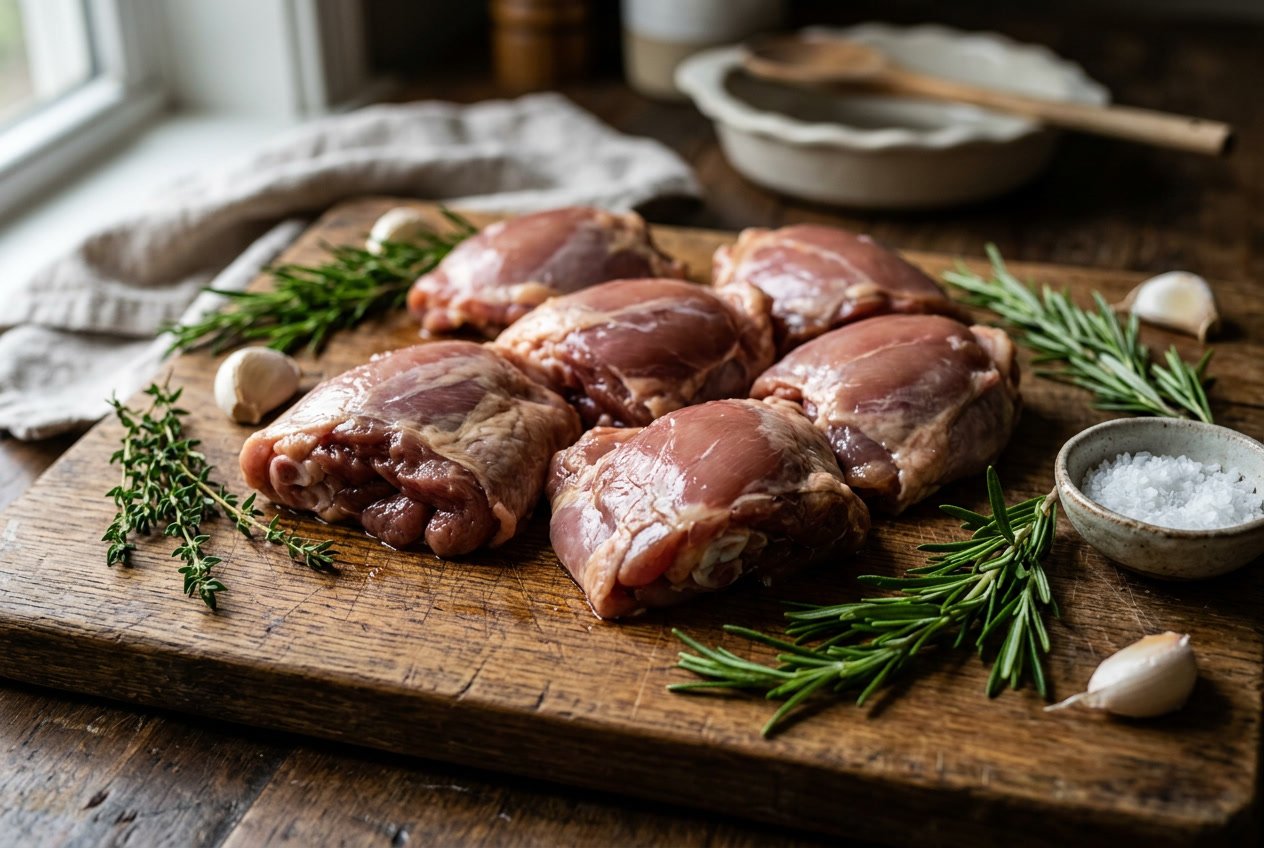
Muscle use, fiber type, and nutrient content create differences between thighs and breasts. Thighs also benefit from cooking methods that make the most of their richness.
What Makes Chicken Thighs Dark Meat?
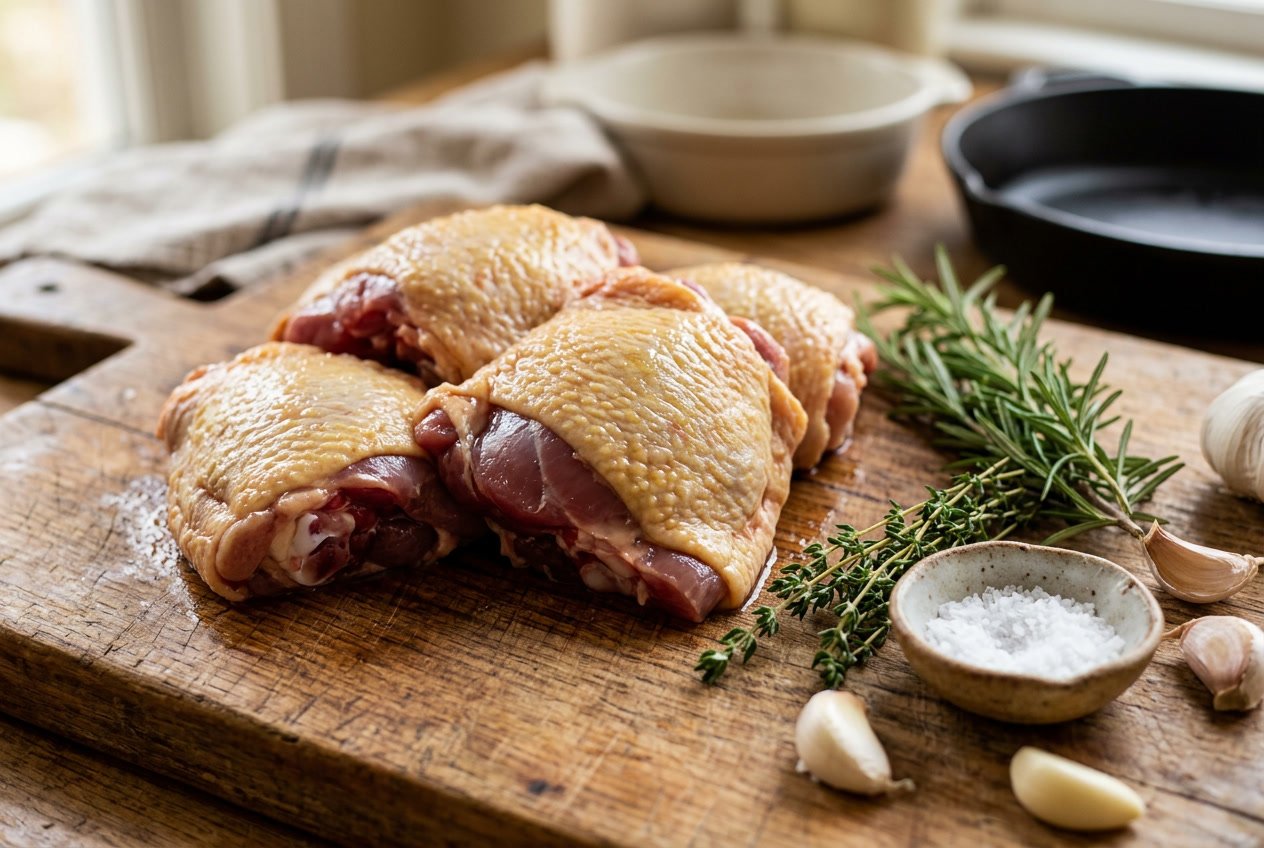
Chicken thighs look darker and taste richer because they contain more myoglobin, more fat, and muscle types built for sustained use. These factors increase color, moisture, and iron content compared with breast meat.
Role of Myoglobin in Muscle Color
Myoglobin stores and delivers oxygen inside muscle cells. The more active a muscle is, the more myoglobin it produces; thighs typically show higher myoglobin concentration than breasts.
Myoglobin’s chemical form and concentration determine the reddish-brown color in dark meat. When you cook thighs, myoglobin changes color as it denatures, but thighs start with a higher baseline of this pigment.
Because myoglobin also binds water and iron, thighs appear juicier and contain more dietary iron and zinc per serving than white meat.
Slow-Twitch Muscle Fibers Explained
Thigh muscles contain many slow-twitch (type I) muscle fibers designed for endurance and continuous activity. Slow-twitch fibers rely on aerobic metabolism, which requires a steady oxygen supply; this drives higher myoglobin levels in those fibers.
These fibers contain more mitochondria and capillaries, supporting sustained contractions for walking and standing. More fat, myoglobin, and connective tissue give thighs a different texture and flavor profile than the fast-twitch-dominant breast.
Thighs tolerate longer exposure to heat and benefit from methods that render fat and break down collagen, preserving tenderness and moisture.
Bulk Movement and Muscle Usage
A chicken’s thigh works continuously for locomotion and posture, so it receives frequent low-intensity use. That continual demand increases oxygen needs, which stimulates production of myoglobin and supports a higher density of slow-twitch fibers.
Thighs store more intramuscular fat and have greater collagen content than breast meat. This fat melts during cooking, self-bastes the meat, and enhances juiciness and flavor.
Muscles used more often, like thighs, consistently appear darker and richer than underused muscles, like the breast.
Chicken Thighs vs Chicken Breast: Key Differences

Thighs and breasts differ in muscle type, fat and calorie content, and how they hold moisture during cooking. These differences affect flavor, cooking time, and how each cut fits into your meal planning.
Distinct Muscle Types
Chicken thighs act as leg muscles designed for sustained activity, so they contain more myoglobin and blood supply than breasts. Myoglobin gives thighs their darker color and richer flavor.
Breasts contain mostly fast-twitch muscle fibers used for short bursts like flapping. Those fast-twitch fibers rely less on oxygen and myoglobin, producing white meat with a milder taste.
Thighs contain connective tissue and small amounts of intramuscular fat, making them more forgiving to longer, slower cooking methods. Breasts, with predominantly fast-twitch fibers, cook quickly and can dry out if overcooked.
Fat Content and Caloric Value
Chicken thighs contain more total fat and slightly more calories per 100 g than skinless chicken breast. That extra fat concentrates flavor and increases energy density, which matters if you’re tracking calories or fat intake.
If you remove the skin, thighs still keep higher intramuscular fat than breasts, so they remain juicier even when trimmed. Breasts deliver more protein per calorie and lower saturated fat, so many people choose them for lean-protein-focused meals.
Cooking method matters: frying or leaving skin on raises calories substantially for either cut. Baking, grilling, or roasting without added oil keeps the gap between thigh and breast calories clearer.
Texture and Moisture Retention
Thigh meat feels denser and more tender because of higher fat and connective tissue content. That composition helps thighs retain moisture through long braises, slow roasts, or grilling at moderate heat.
Breast meat has a firmer, drier texture when overcooked because fast-twitch fibers expel water quickly. You need shorter cook times, gentle heat, or techniques like brining to keep breasts moist.
If your recipe relies on shredding or long simmering, thighs perform better. If you want quick, lean slices for salads or sandwiches, breasts respond faster and give a cleaner, milder profile.
Nutritional Profile of Dark Meat
Chicken thighs provide higher amounts of iron, zinc, and several B vitamins, contain more fat than breast meat, and deliver slightly more calories per serving. These differences affect flavor and cooking resilience.
Iron, Zinc, and B Vitamin Content
Thighs contain more myoglobin than breast meat, which increases their iron content. A 3-ounce cooked thigh (without skin) typically supplies more heme iron than the same portion of breast, helping support oxygen transport and reducing the risk of iron deficiency.
You also get higher zinc levels from thighs. Zinc supports immune function and wound healing, and the mineral bioavailability from animal sources like chicken is good.
Dark meat delivers more B vitamins—especially niacin (vitamin B3) and vitamin B6—than white meat. Niacin assists energy metabolism and DNA repair, while B6 helps amino acid metabolism and neurotransmitter synthesis.
Fat Composition and Lean Protein
Thighs contain more total fat and more intramuscular fat than breasts, which contributes to their darker color and richer flavor. Much of the fat is unsaturated, though thighs also include some saturated fat; trimming visible fat and removing skin lowers overall fat content.
Despite higher fat, thighs remain a good source of lean protein. A 3-ounce cooked thigh provides around 20–22 grams of protein, supporting muscle maintenance and satiety.
The fat content also affects cooking: it renders during heat exposure, keeping the meat moist and making thighs more forgiving to cook than breasts.
Calorie Comparison with White Meat
Per 3-ounce cooked portion, skinless chicken thigh typically contains about 170–190 calories, while skinless breast averages roughly 140–160 calories. The calorie gap stems mainly from the higher fat content in thighs rather than differences in protein.
If you monitor caloric intake, you can still include thighs by adjusting portion size or choosing preparation methods that limit added fats—grilling, roasting on a rack, or baking without breading.
Consider nutrient density, not just calories. Thighs give you extra iron, zinc, niacin, and vitamin B6 per calorie, which can make them a more efficient source of certain micronutrients in some meal plans.
Flavor and Culinary Advantages of Chicken Thighs
You get deeper flavor, more forgiving cooking performance, and a meat structure that responds well to slow or high-heat methods. Expect juiciness from higher fat, tenderization from collagen breakdown, and added richness when skin or bone remain.
Richness and Juiciness of Dark Meat
Dark meat chicken, especially thighs and drumsticks, contains more intramuscular fat than breast meat. That fat melts during cooking and bastes the tissue from within, so even skinless thighs stay moist where lean white meat can dry out quickly.
You’ll notice a fuller mouthfeel and stronger savory notes—partly from fat-soluble flavor compounds and partly from higher myoglobin levels. Those factors make dark chicken meat better suited to bold sauces, long braises, and high-heat sears that develop browning without sacrificing moisture.
Use thighs when you need reliable succulence: weeknight roasts, curries, or shredded chicken for tacos. The fat content also enhances Maillard crusts, so your pan-seared or grilled thighs will taste richer than equivalent breast preparations.
Role of Collagen and Connective Tissue
Thighs have more connective tissue and collagen than breast meat because leg muscles work more. When you cook collagen slowly at moderate heat, it converts to gelatin, which gives cooked meat a silky texture and a sense of body on the plate.
This transformation explains why braising or slow-roasting thighs yields tender, falling-apart results while quick overcooking leaves them chewy. You can use this property to your advantage: low-and-slow for shreddable chicken, or high-heat for short periods to tighten texture while relying on fat to keep juiciness.
For skinless thighs, collagen-derived gelatin still adds moisture and mouth-coating richness even without the skin’s crisp fat.
Impact of Skin and Bone
Keeping skin on amplifies flavor through rendered fat and crisp texture. As skin crisps, it concentrates savory compounds and provides contrast to the tender meat beneath.
Cooking thighs bone-in further concentrates taste because the bone transfers heat more slowly and releases marrow-derived flavors into the surrounding meat. Bone-in drumsticks and thighs also retain moisture longer, reducing risk of dryness during longer cooks.
If you prioritize convenience or lower fat, choose boneless skinless thighs; you’ll lose some flavor intensity but retain connective-tissue benefits. For maximum culinary advantage, use bone-in, skin-on thighs when you want the deepest flavor and best texture.
Best Cooking Methods for Chicken Thighs
Aim for internal temperatures that melt connective tissue, use cooking methods that protect moisture, and choose finishes to get crispy skin when needed. Practical choices include braising, oven-and-skillet combos, frying, grilling, and sous-vide depending on the dish.
Temperature Guidelines and Meat Thermometer Use
Use a probe thermometer to check the thickest part of the thigh, avoiding the bone. For safety, 165°F is the USDA minimum, but dark meat benefits from higher targets.
Target ranges:
- 165°F — safe and fully cooked, but may be slightly firm.
- 175°F — more rendered fat, juicier mouthfeel.
- 185–195°F — connective tissue converts to gelatin; best for fall-apart tenderness and shredding.
Insert the thermometer horizontally into the center of the meat for an accurate read. For dishes where you want crisp skin (roast or grill), finish at higher surface heat after the internal target is reached.
If you use sous-vide, hold at 165–170°F for several hours, then sear quickly to crisp.
Cooking Techniques for Moisture and Flavor
Choose moist-heat methods for maximum tenderness. Braising in stock, wine, or tomato sauce at low simmer breaks down collagen while adding depth to the cooking liquid.
Pan-sear then oven-roast in an oven-safe skillet for crisp skin and controlled interior doneness. Sear skin-side down in medium-high heat until golden, then roast at 375°F until the thermometer hits your chosen range.
Frying works best with boneless or bone-in thighs pounded evenly; maintain oil at 325–350°F so the exterior browns while the interior cooks through.
Grilling over indirect heat lends smoky flavor without drying; move to direct heat at the end for char. For maximum precision, sous-vide at controlled temperature, then flash-sear to finish.
Famous Chicken Thigh Dishes
Chicken thighs appear across cuisines because they tolerate bold flavors and long cooking. For chicken tikka masala, use boneless thighs: marinate in yogurt and spices, roast or grill to char, then simmer in tomato-cream sauce to meld flavors.
In fried chicken, bone-in, skin-on thighs yield juicy meat under a crisp crust; brine or buttermilk helps with moisture and seasoning penetration. For soups and stews like chicken tortilla soup, simmer thighs low and long so collagen enriches the broth and meat shreds easily.
Pulled-thigh preparations work well for tacos, enchiladas, and sandwiches because the meat stays flavorful after shredding.
Choosing and Preparing Dark Meat
Dark meat gives you more forgiving cooking and richer flavor. Your choices about cut, skin, and bone affect texture, cooking time, and how much hands-on prep you do.
Decide whether you want faster cooking and less fat with skinless cuts. If you prefer deeper flavor and moisture retention, choose bone-in cuts.
Selecting Skinless and Bone-In Cuts
Choose skinless thighs for lower surface fat and quicker crisping under high heat. Skinless thighs reduce splatter and trim easily.
Expect 18 to 25 minutes total for pan-searing plus oven finish at 400°F, depending on thickness. Pick bone-in thighs when you want more flavor and juiciness.
The bone slows heat transfer, raising safe internal temperature more evenly. You also get richer pan juices for sauces.
Look for uniform color and no strong odor when you buy fresh. Thaw frozen thighs in the refrigerator for 24 hours per 2 to 3 pounds, or use the cold-water method for faster thawing.
Label packages with the date. Use fresh skinless thighs within 1 to 2 days, and refrigerated bone-in pieces within 3 to 4 days.
Storage, Safety, and Handling Tips
Refrigerate raw thighs at 40°F (4°C) or below. Store them on the bottom shelf to avoid cross-contamination.
Use airtight containers or sealed plastic to keep juices contained. Cook thighs to an internal temperature of 165°F (74°C) measured at the thickest part without touching bone.
Let bone-in thighs rest for a few minutes after cooking to allow the temperature to equilibrate. Marinate meat in the refrigerator, not on the counter.
Discard used marinade or boil it for at least one minute before using as a sauce. Wash hands, utensils, and cutting boards with hot, soapy water after contact with raw poultry.
Freeze raw skinless or bone-in thighs at 0°F (-18°C) for longer storage. Label with the date and use within 9 months for best quality.


