
Why Are Chicken Thighs: Taste, Nutrition & Everyday Value Explained
You want a cut that stays juicy, tolerates a range of techniques, and delivers more flavor per bite than chicken breast. Chicken thighs do that because they contain more fat and connective tissue, which keeps them moist, gives them richer flavor, and makes them forgiving to cook.
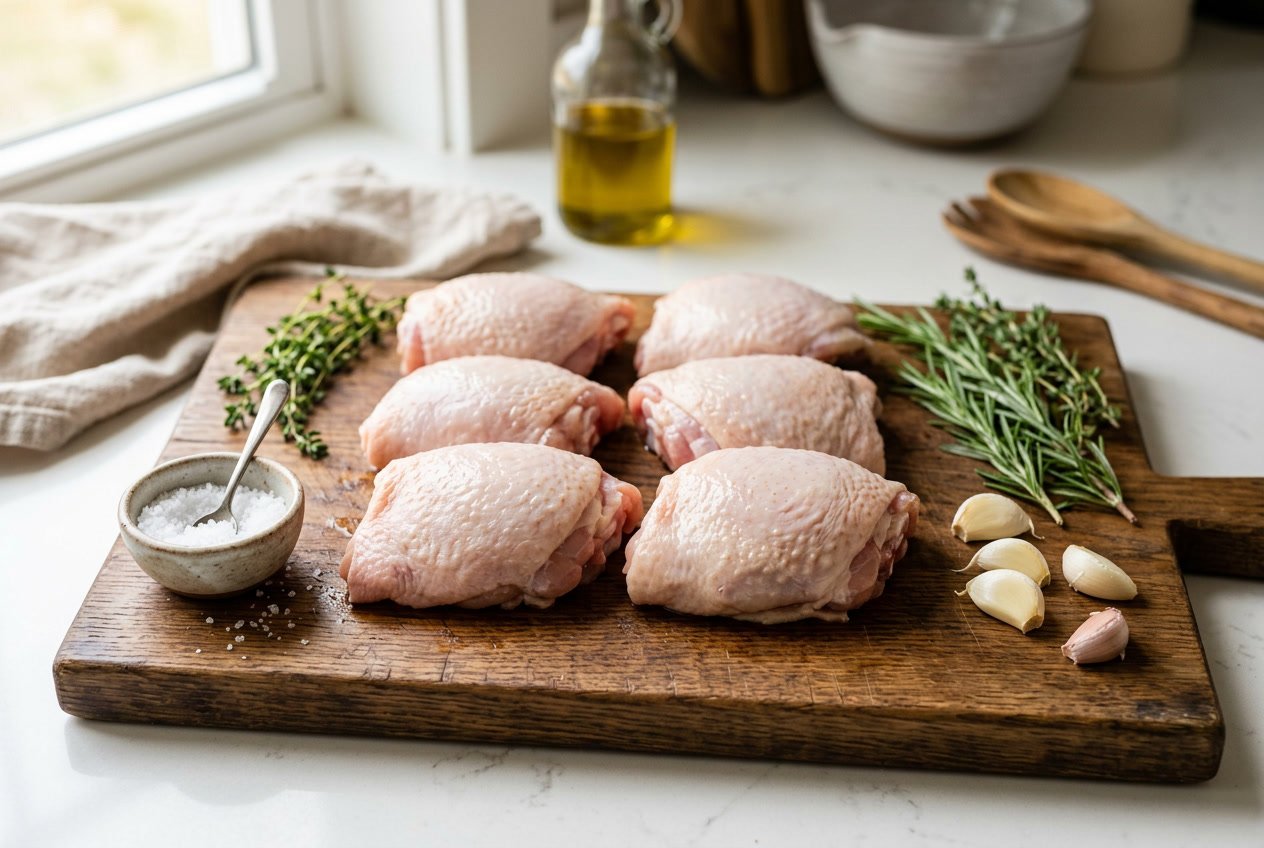
You’ll learn what thighs actually are, how their muscle and fat composition changes taste and texture, how their nutrition compares to breasts, which cooking methods make them shine, and why they often cost less without sacrificing quality. Expect practical tips you can use tonight, whether you’re roasting, braising, grilling, or stretching a budget-friendly meal.
What Are Chicken Thighs?
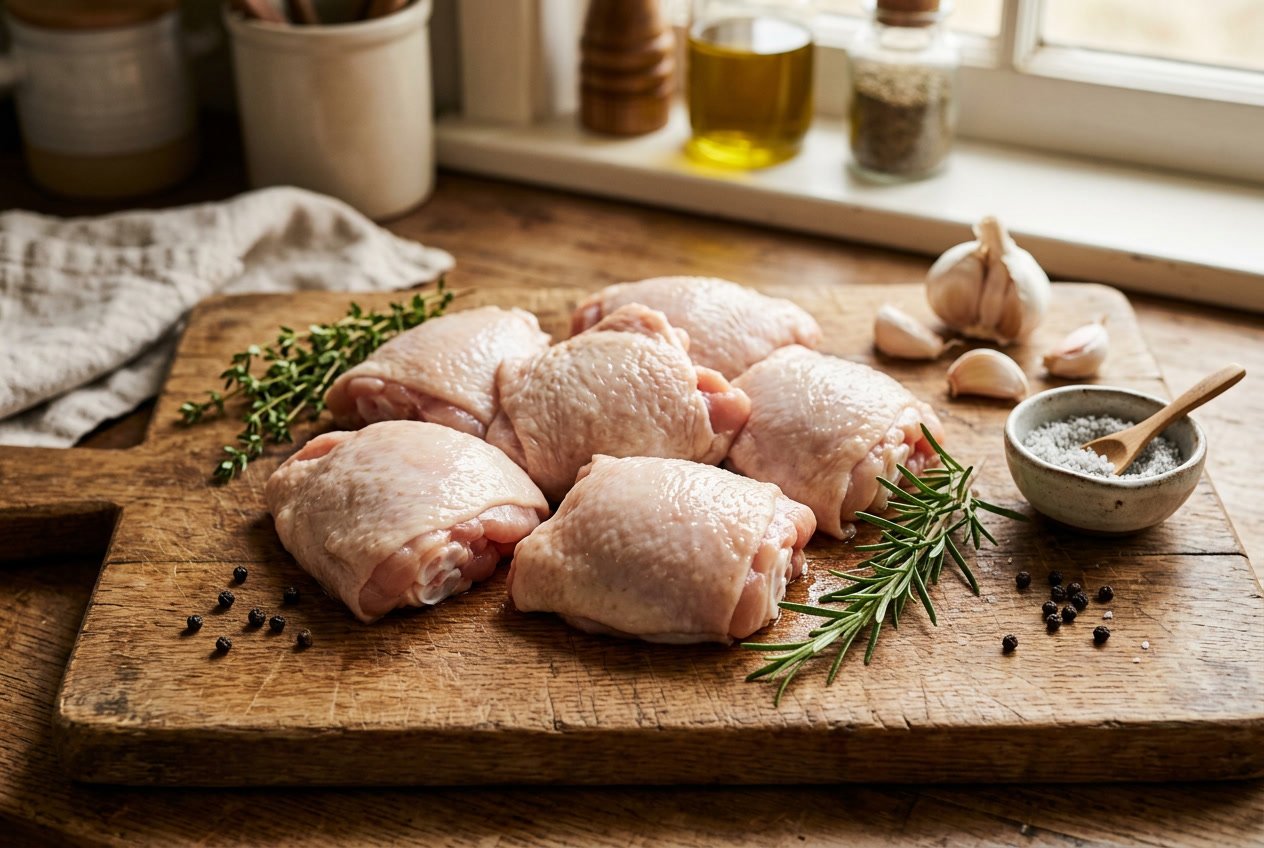
Chicken thighs are the upper portion of the bird’s leg, just above the drumstick. This cut is richer in flavor and moisture than breast meat, and it’s sold in several common preparations that change cooking behavior and cost.
Dark Meat
Thighs come from muscles the bird uses more, so they contain higher fat and connective tissue than white breast meat. That extra fat delivers more flavor and helps the meat stay moist during longer cooking, making thighs forgiving if you braise, roast, or grill them.
Connective tissue breaks down with heat into gelatin. This adds a silky mouthfeel and juiciness you won’t get from lean breast.
Thighs have slightly more calories and iron than breasts. If you want richer taste and a bit more micronutrients, choose thighs.
Bone-In vs Boneless
Bone-in chicken thighs include the femur segment and the surrounding meat. The bone adds flavor during cooking and helps the thigh cook more slowly and evenly, reducing the risk of drying out.
Bone-in thighs also tend to cost less per pound than boneless cuts.
Boneless chicken thighs are trimmed free of the bone and often come skinless. They cook faster and are easier to portion and shred for dishes like tacos or stir-fries.
If a recipe calls for quick searing or you need uniform pieces, choose boneless thighs.
Skin-On vs Skinless
Skin-on chicken thighs carry the skin layer that crisps well under high heat. You get a contrast of crisp skin and juicy meat, especially when roasting or pan-searing.
The skin also insulates the meat during cooking, helping retain moisture.
Skinless chicken thighs remove that layer for lower surface fat and quicker marinade penetration. They brown less dramatically but work well in stews, curries, and recipes where you want leaner texture or prefer the sauce to cling directly to the meat.
Why Chicken Thighs Taste So Good
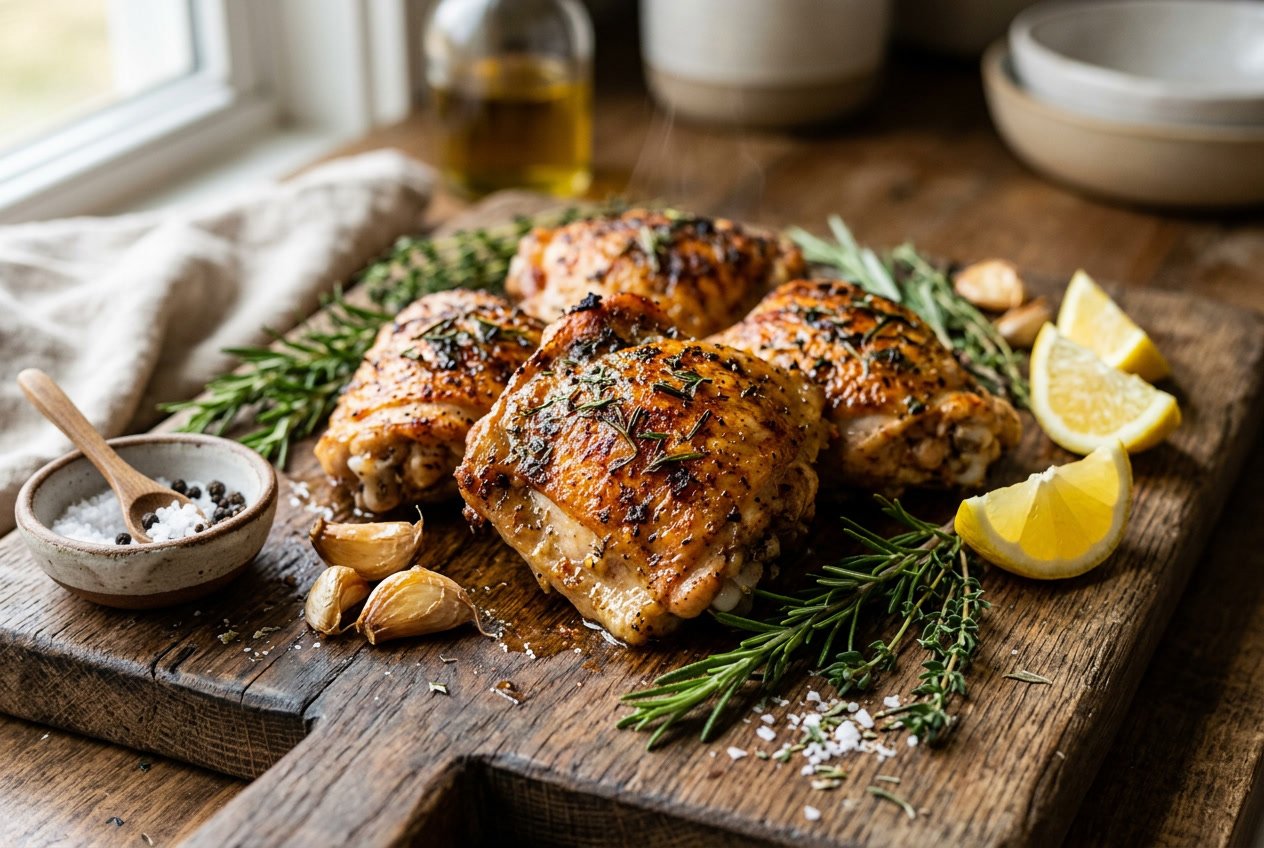
You get deeper, richer taste from the dark meat in thighs because of more fat, greater juiciness and tenderness, and connective tissue that converts into flavorful gelatin during cooking. Each factor changes how the meat responds to heat and seasonings.
Higher Fat Content
Chicken thighs contain noticeably more intramuscular fat than breast meat. That fat carries fat-soluble flavor compounds and melts during cooking, coating fibers and concentrating savory taste on each bite.
Fat also promotes browning. When you sear or roast thighs, the rendered fat helps the Maillard reaction, producing roasted, nutty, caramelized notes.
Use a moderate-high heat to encourage crisp skin while letting the fat render slowly. Leave some visible fat for balanced results and use seasonings that pair with richer meat—garlic, smoked paprika, soy, and citrus all work well.
Juiciness and Tenderness
Thighs stay juicier than breasts at the same internal temperature. The higher fat plus different muscle fiber structure reduces dryness as moisture escapes during cooking.
Bone-in thighs help further because the bone slows heat penetration and insulates nearby meat, so the portion closest to the bone remains moist.
Control temperature, not just time. Aim for 175–185°F (79–85°C) for traditional roasted thighs when you want tender, falling-apart texture.
Collagen and Connective Tissue
Thigh muscles do more work, so they contain more collagen and connective tissue than breast meat. When you cook thighs slowly with moist heat, that collagen breaks down into gelatin.
Gelatin thickens cooking juices and adds a silky mouthfeel you perceive as richness. In braises, stews, and slow roasts this process creates a glossy sauce and meat that flakes.
Fast, high-heat methods can still work if you pair them with appropriate time. Sear to crisp the exterior, then finish in the oven or on indirect heat to let connective tissue soften without drying the meat.
Chicken Thigh Nutrition
Chicken thighs deliver a dense source of protein, modest amounts of fat, and several key vitamins and minerals that support muscle maintenance and metabolism. Calories and fat vary depending on whether the thigh has skin or bone, which affects portion planning and cooking choices.
Macronutrients and Calories
A 100 g cooked, skinless chicken thigh typically provides about 200–210 calories and roughly 25–26 g of protein. Protein from thighs is complete, supplying all essential amino acids that support muscle repair and satiety.
Total fat in the same 100 g serving usually ranges from 8–11 g. If the skin remains, expect an extra 30–40 kcal and several grams of additional fat per 100 g, mainly monounsaturated and saturated fat.
Carbohydrates and fiber are effectively zero in plain chicken thighs, making them a practical choice for low-carbohydrate or high-protein meal plans.
Choose skinless to lower calories when tracking energy intake. Keep portion size near 100–120 g cooked for about 25–30 g protein.
Iron, Zinc, B Vitamins
Chicken thighs provide meaningful amounts of iron and zinc compared with many white-meat cuts. A 100 g cooked serving often contains about 1–1.5 mg iron and 2–3 mg zinc, supporting oxygen transport and immune function.
Thighs are also a solid source of B vitamins, especially niacin (B3) and vitamin B6. Expect roughly 4–7 mg niacin and 0.3–0.6 mg B6 per 100 g, which contribute to energy metabolism and nervous system health.
Selenium and phosphorus appear in useful amounts too. Selenium around 20–40 mcg per 100 g supports antioxidant enzymes; phosphorus around 150–220 mg helps bone and cellular energy processes.
If you need additional iron or zinc, pair thighs with vitamin C–rich vegetables to improve non-heme iron absorption.
Dark Meat vs White Meat Nutrition
Dark meat (thighs) contains more fat and slightly more calories than white meat (chicken breast). For example, a 100 g cooked breast usually supplies ~160–170 kcal and about 23–25 g protein with only ~3–4 g fat.
Thighs deliver about 25–28 g protein per 100 g as well, but with 8–11 g fat and higher iron and zinc content. That extra fat increases satiety and flavor, which can help you maintain portion control.
If you prioritize lower calories and minimal fat, choose skinless chicken breast. If you value higher iron, zinc, and a richer mouthfeel that tolerates longer cooking, choose thighs or leave the skin on for roasting and grilling.
Chicken Thighs vs Chicken Breast
Chicken thighs contain more fat and calories but deliver richer flavor and juiciness. Chicken breast is leaner and higher in protein per ounce.
Your choice affects cooking method, satiety, and how the piece fits your diet or recipe.
Nutritional Differences
A 100 g serving of raw, boneless, skinless chicken breast typically provides more protein and fewer calories than the same amount of thigh. Expect roughly 6–8 g more protein per 100 g in breast versus thigh, and substantially less total fat and saturated fat.
Thighs contain higher total fat, including more omega-6s, which raises calorie density. Breasts supply more vitamin B6, selenium, and phosphorus per gram.
If you keep the skin on, calories and saturated fat jump markedly for both cuts. Adjust portion sizes: to match protein from breast, you’ll need a larger thigh portion.
Taste and Texture
Thighs are dark meat with more intramuscular fat and connective tissue. That fat melts during cooking, keeping the meat moist and creating a stronger, more savory flavor.
Thighs stay tender across a wider range of cooking methods and durations.
Breasts are white meat with less fat and a milder taste. They can dry out if overcooked, so you must monitor temperature and often use brines, marinades, or added fats to keep them juicy.
For quick sears or lean protein-centric meals, breast performs well. For slow braises, grilling, or dishes where pronounced flavor matters, thighs generally win.
Health Considerations
If you’re managing calorie intake or aiming for higher protein per calorie, choose skinless chicken breast. It helps you meet protein targets with fewer calories and less saturated fat.
If your diet emphasizes higher fat or you need more calories for muscle gain, thighs offer a convenient source of energy and satiety. Be mindful of saturated fat and omega-6 intake across the day; balance thighs with foods rich in omega-3s when inflammation is a concern.
Both cuts are low in carbs and naturally low in sodium unless processed or marinated. Cook to a safe internal temperature (165°F/74°C) and control added fats and sauces to keep health goals on track.
Are Chicken Thighs Healthy?
Chicken thighs provide concentrated protein, B vitamins, iron, zinc, and more calories and fat than breast meat. How you cook them and whether you remove the skin determine their contribution to your daily calories, saturated fat, and overall nutrient balance.
Role in a Balanced Diet
A 3-ounce serving of skinless chicken thigh provides about 20 g of protein, which helps with muscle maintenance and satiety. Dark meat also supplies iron, zinc, selenium, and vitamin B12—nutrients that support energy, immunity, and nervous system function.
Thighs contain more total fat than breast meat, but much of that fat is monounsaturated and polyunsaturated, which can fit into healthy eating patterns when portion sizes are sensible.
Use thighs in mixed dishes—stews, grain bowls, or salads—to stretch protein across a meal with vegetables and whole grains.
Aim for a 3–4 ounce cooked portion, pair with fiber-rich sides, and limit high-calorie sauces to keep nutrients while controlling overall energy intake.
Saturated Fat
A 3-ounce cooked skinless chicken thigh has roughly 2 g of saturated fat. That amount is higher than a comparable serving of chicken breast, but it remains modest relative to recommended limits if you account for other foods that day.
Saturated fat affects LDL cholesterol when consumed in excess, so monitor the rest of your dietary fats if you eat thighs regularly. Focus on cooking methods that don’t add saturated fats and favor olive oil, citrus, herbs, or spice rubs.
If you have specific lipid goals or heart disease risk, discuss portion frequency and total saturated fat with your healthcare provider or a dietitian.
Skinless Thighs for Lower Fat
Removing the skin cuts calories and fat substantially. A roasted thigh with skin can deliver ~278 calories and 18 g fat per 3-ounce serving, versus about 164 calories and 9 g fat for the same portion skinless.
Cooking techniques for skinless thighs include baking, grilling, roasting, or air-frying with minimal added oil. Marinate in citrus, vinegar, herbs, or spice blends to boost flavor without extra calories.
If you prefer the taste of dark meat but want lower fat, buy or trim skinless chicken thighs and control portion size. Combine them with vegetables and whole grains to balance calories and increase fiber.
Cooking Methods for Chicken Thighs
You’ll want methods that control temperature, render fat, and protect the meat’s collagen so thighs stay juicy and flavorful. Each method gives specific temperatures, timing, and small technique choices that change the final texture.
Baking Chicken Thighs
Preheat your oven to 400–425°F (204–218°C) to roast the thighs instead of steaming them.
Arrange the thighs skin-side up on a wire rack set over a rimmed sheet pan. This setup allows air to circulate and fat to drip away, which helps prevent soggy skin and speeds up crisping.
Season the thighs well and pat the skin completely dry before baking.
Bake bone-in, skin-on thighs for 35–45 minutes. Bake boneless thighs for 20–30 minutes.
Use an instant-read thermometer to check doneness. Remove boneless thighs at 165°F and bone-in thighs at 175°F.
Do not cover the thighs with foil.
Let the thighs rest for 5–8 minutes after baking so the juices can redistribute.
If the skin needs more color, broil for 2–3 minutes while watching closely.
Grilling Chicken Thighs
Set up a two-zone fire for bone-in thighs. Use direct high heat for searing and indirect medium heat to finish cooking.
Sear the thighs skin-side down for 4–6 minutes to render fat and create char. Then move them to indirect heat and cover until the thickest part reaches 175°F.
Grill boneless thighs over medium-high direct heat for 5–7 minutes per side. Flip only once when you see good color.
Trim excess fat if flare-ups become frequent. Keep a spray bottle of water ready for small flames.
Brush the thighs with sauce during the last 3–5 minutes to avoid burning sugars.
Rest grilled thighs for 5 minutes before serving to let the juices settle.
Roasting Chicken Thighs
Roasting uses even dry heat and works well for larger batches or sheet-pan meals.
Preheat the oven to 425°F (218°C).
Place the thighs skin-side up on a lightly oiled sheet pan. Space them at least 1–1.5 inches apart so hot air can crisp both sides.
Coat the thighs lightly with oil and coarse salt. Add aromatics like garlic cloves, halved lemons, or sprigs of thyme to the pan for extra flavor.
Roast bone-in thighs for 35–45 minutes and check for 175°F at the thickest point. Boneless thighs finish sooner; look for 165°F.
Rotate the pan halfway through if pieces brown unevenly.
Let the thighs rest briefly before serving to keep them juicy.
Affordability and Everyday Value
Chicken thighs offer a high-protein option that often costs less per pound than many boneless white-meat cuts.
Thighs provide forgiving cooking performance and flexible portioning for families or meal prep.
Budget-Friendly Protein
You can stretch your food budget with bone-in chicken thighs because they usually sell at a lower price per pound than boneless, skinless breasts.
The bone adds weight and reduces processing costs, so stores price bone-in thighs more cheaply. You also keep connective tissue and skin that add flavor during slow cooking.
When you braise, roast, or slow-cook thighs, they retain moisture better than lean breast meat. This lowers the risk of dry, wasted portions.
Thighs reheat well and hold up in sauces, making them great for buying in bulk and planning lunches for the week.
Comparing Costs to Other Cuts
When you compare tags at the store, look at unit price (price per pound or kilogram) and cut type.
Boneless, skinless breasts often cost more because workers trim them more and people believe they are healthier.
Bone-in chicken thighs usually cost less because they take less work to process.
Breasts provide more lean meat per ounce but dry out faster. You may need sauces or extra fat to keep meals moist.
Thighs contain more fat and connective tissue, which turn into flavor and tenderness during cooking. This can lower your per-meal cost.
If you want an inexpensive, flavorful option that works well for different cooking methods, choose thighs, especially bone-in.


