
Who Is Chicken Leg Piece: The Origin, Meme, and Viral Trend
You probably spotted the phrase “chicken leg piece” on TikTok or in a meme and wondered who that refers to. Ulhas Kamathe popularized the line while eating in viral mukbang videos. His distinctive pronunciation and joyful eating clips made him known worldwide as the Chicken Leg Piece guy.
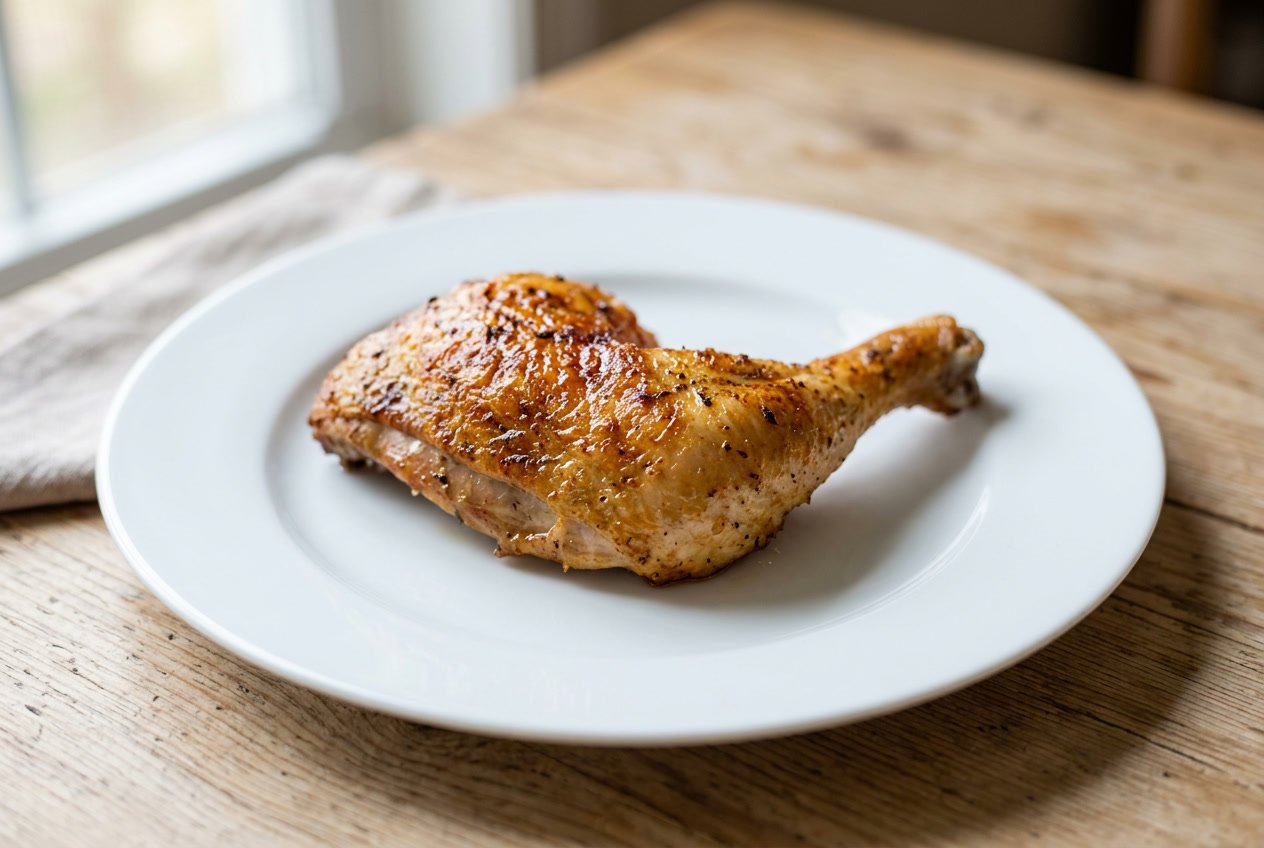
A simple food moment became a meme and helped Ulhas rise from local creator to social-media personality. The phrase spread into filters, businesses, and food culture, reshaping online food trends.
Who Is Chicken Leg Piece
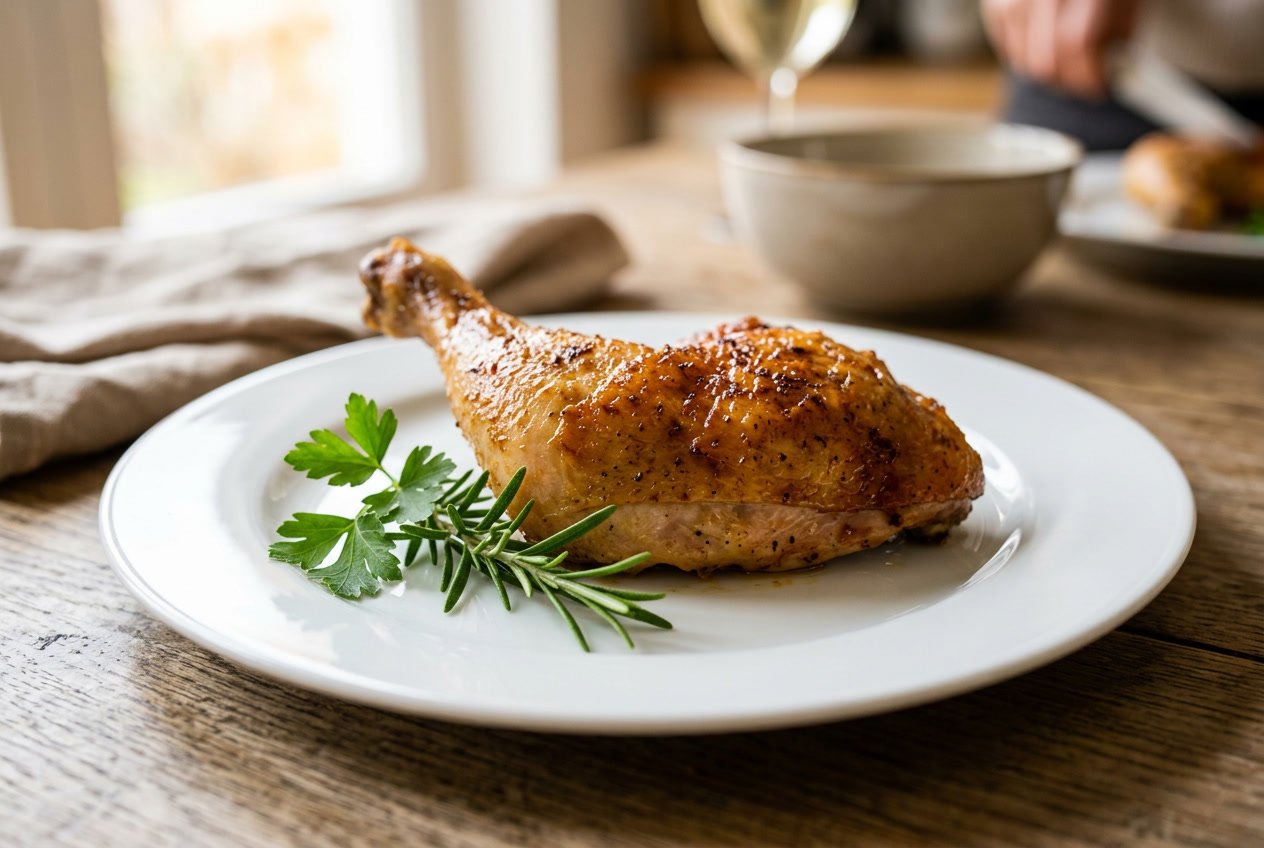
“Chicken Leg Piece” refers to Ulhas Kamathe, whose nickname stuck after he turned short eating videos into a wide online following.
The Origin of the Nickname
Ulhas Kamathe coined the nickname “Chicken Leg Piece” in his eating videos when he named a drumstick that way. His accent and phrasing made the phrase catchy, and viewers repeated it until it became a meme across TikTok and other platforms.
People used the phrase as both a joke and a brand identifier. Merch, a food stall name, and social pages adopted the term, reinforcing the association between the food item and Ulhas. The name’s simplicity helped it spread quickly in short-form video culture.
Ulhas and His TikTok Presence
Ulhas Kamathe started posting mukbang-style eating videos that showcased large, flavorful meals. He ate kolhapuri-style chicken, rice, noodles, and desserts, often wearing chains and rings that became part of his on-screen persona.
His original audience formed on TikTok, where short, repeatable phrases and charismatic displays thrive. After TikTok was restricted in India, Ulhas moved to YouTube and Instagram and kept millions of followers searching for his videos and the “chicken leg piece” moment.
Rise to Internet Fame
Ulhas’s viral clips led to dedicated social pages, a branded food stall in Mumbai called “Chicken Leg Piece,” and appearances on television and web series. He consistently posted food-focused content and built a recognizable persona.
Brands and local businesses recognized his popularity, and Ulhas turned it into business ventures and media appearances that kept his name circulating.
The Chicken Leg Bis Meme
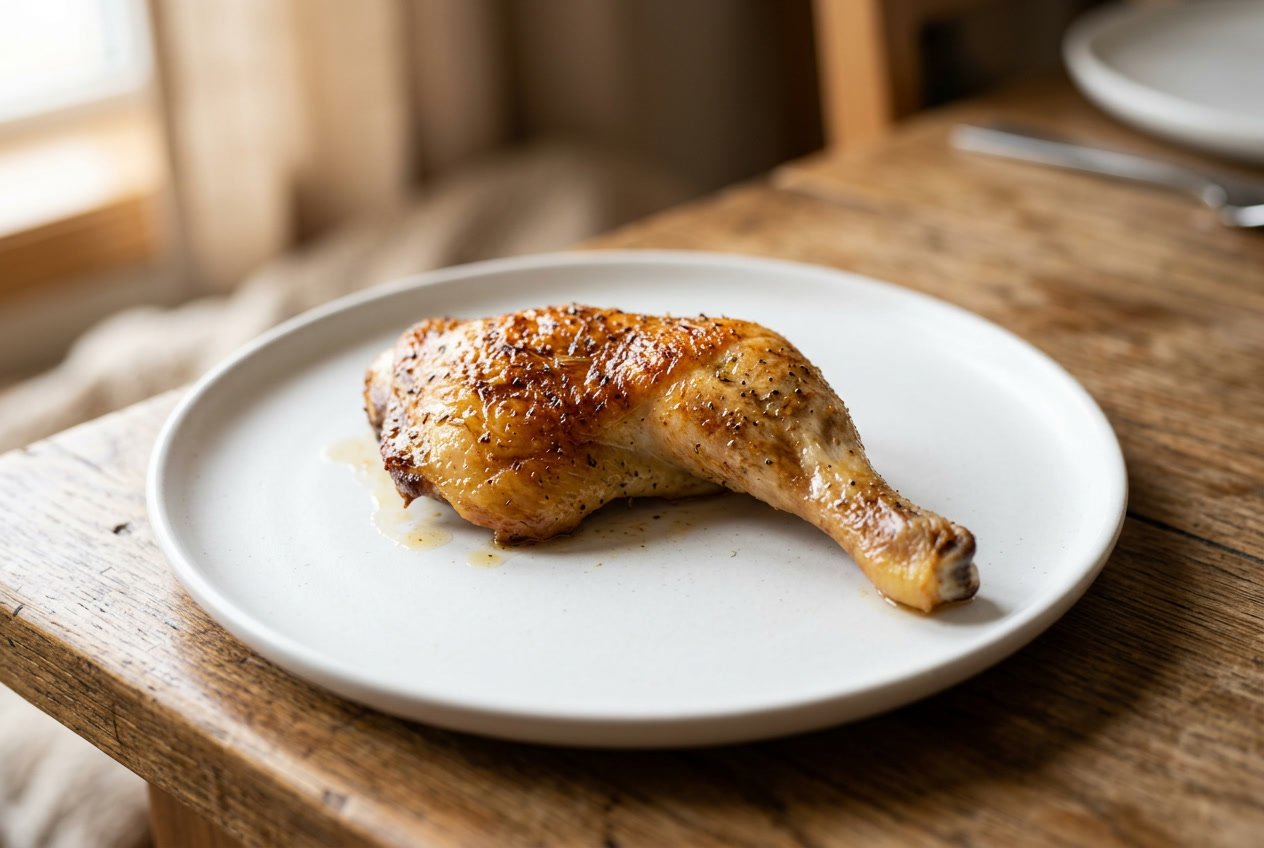
A short clip of Ulhas Kamathe eating a drumstick turned into a global meme. The phrase spread, and certain lines stuck, changing how people interacted on social platforms.
How the Meme Spread Online
Ulhas Kamathe’s TikTok videos showed him eating chicken and saying the phrase “chicken leg bis” or “chicken leg piece.” A single clip where he announced the drumstick before taking a bite gained rapid traction because the delivery felt distinctive and repeatable.
Creators on TikTok and reposting accounts on Instagram and YouTube made countless remixes, reaction videos, and compilations. Hashtags like #chickenlegpiece and #chickenlegbis aggregated content, making it easy for users worldwide to find and imitate the moment.
Algorithmic boosts on short-form platforms favored quick, repeatable audio and phrases. The clip spread beyond India to English-speaking feeds, meme pages, and local news articles.
Notable Catchphrases and Community
The core phrase appears as “chicken leg piece” (literal) and “chicken leg bis” (phonetic). Fans often mimic Ulhas’s cadence and the ritual of naming the food before eating it.
Community creativity produced parody skits, audio edits, and merchandise celebrating the line. Some creators layered the phrase over unrelated footage for surreal humor, while others used it as a punchline in food-review formats.
People tagged Ulhas’s handle, often @Ulhaskamathe, to credit the origin. That helped the community recognize a shared source and allowed the phrase to mutate across languages and regions.
Impact on Social Media
The meme increased visibility for short, repeatable audio clips as a form of micro-virality. Platforms favored reposts and duets, boosting engagement for creators who used the sound.
Ulhas turned online attention into offline opportunities and opened a local food venture in Mumbai. The meme showed how a simple moment—naming a drumstick—can become a viral template.
Brands and local businesses occasionally used the trend for promotional content, but most activity stayed grassroots. The meme highlighted TikTok’s role in launching micro-celebrities from everyday moments.
Understanding Chicken Leg Piece in Food Culture
The term “chicken leg piece” refers to specific cuts. Drumsticks differ from whole leg pieces, and the back portion plays a role in cooking and butchery.
What Is a Chicken Leg Piece
A chicken leg piece usually means the lower portion of the bird’s hind limb and often includes the drumstick and sometimes the thigh. In many markets, vendors sell a single “leg piece” as the drumstick alone, but sometimes the phrase means the whole leg quarter (thigh plus drumstick).
Check labels: “leg” or “leg quarter” usually signals thigh and drumstick with bone and skin, while “leg piece” or “drumstick” may mean only the lower portion. Leg pieces are dark meat, higher in fat and connective tissue than breast meat, which keeps them moist during roasting, braising, or slow cooking.
Drumsticks Versus Whole Leg Pieces
A drumstick is the lower part of the chicken leg and contains one main bone. The whole leg piece (leg quarter) includes the drumstick and the thigh joined at the hip joint.
Cooking times and techniques vary. Drumsticks cook faster and work well for direct grilling, frying, or baking. Whole leg pieces require longer cooking for even heat through the thicker thigh.
Choose drumsticks for individual portions and finger food. Buy whole leg pieces for recipes needing more meat per portion or for even browning when roasting.
Back Portion and Culinary Uses
The back portion is not part of the leg piece, but sometimes attaches to leg quarters in retail cuts labeled “leg quarter with back.” The back adds connective tissue and flavor during long braises or stocks.
Use the back in stock-making, slow-cooked stews, and recipes where you want rich collagen and deeper chicken flavor. Remove the back for cleaner presentation or quicker roasting; keep it when you want savory cooking liquid.
Knowing whether your packaged leg includes back affects cooking time, portioning, and the final flavor of soups, braises, and grilled dishes.
Marination and Cooking Techniques
Marination balances acid, fat, and aromatics to tenderize and flavor the meat. Cooking technique sets the exterior texture and doneness.
Focus on ingredient ratios, contact time, and temperature control to get consistent results.
Key Ingredients for Marination
Use an acid, a fat, and spices to build flavor and texture. For acid, choose lemon juice or curd (yogurt). Lemon juice brightens surface flavors quickly, while curd tenderizes and clings to the skin for even coating.
Include oil—olive or vegetable—to carry fat-soluble flavors and promote browning.
Ginger garlic paste provides sharp, savory depth. Add salt early to help seasoning penetrate. Use red chilli powder and turmeric powder for heat and color; coriander powder and cumin powder add earthy, citrusy notes.
Finish the blend with garam masala powder for warm, complex top notes just before cooking or in the last minutes of marination.
Use 1 part acid (2 tbsp lemon or ¼ cup curd per pound), 1–2 parts oil, 1–2 tbsp ginger garlic paste, and 1–2 tsp each ground spice as a starting point. Adjust for your taste and heat tolerance.
Steps for Perfect Flavor
Pat the chicken leg pieces dry and lightly score the skin where thick. This increases surface area and helps marinades penetrate.
Combine curd or lemon juice with oil, ginger garlic paste, salt, turmeric, red chilli, coriander, and cumin powders in a bowl. Rub the mixture thoroughly under the skin and over the surface.
Marinate in a non-reactive container or a zip-top bag. Remove excess air for full contact. Chill for at least 2 hours for visible flavor, or 4–8 hours for deeper penetration with curd.
Before cooking, let the chicken sit at room temperature 20–30 minutes and wipe excess marinade for crisper skin. Cook to an internal temperature of 165°F (74°C).
Popular Spice Blends
Mix a simple tandoori-style rub: 1 tbsp red chilli powder, 1 tsp turmeric, 1 tbsp coriander powder, 1 tsp cumin powder, 1 tsp garam masala powder, and salt. Add 2 tbsp curd and 1 tbsp lemon juice to make a paste.
For a milder, herb-forward blend, reduce chilli powder, increase coriander, add ½ tsp ground cumin, and finish with garam masala at the end. Use ginger garlic paste for both blends.
If you prefer a quick wet marinade, whisk curd, lemon juice, 1 tbsp ginger garlic paste, and 2 tsp of the chosen spice mix. Apply evenly and let rest.
Reserve any finishing spice (garam masala) for the last 10 minutes of cooking or a light sprinkle after resting.
Chicken Leg Piece Fry Recipes
These recipes focus on two reliable approaches: a stovetop pan-fry for crisp, spiced skin and an oven method that delivers even cooking with less oil.
Classic Fried Chicken Leg Piece
Make 2–3 shallow slits in each drumstick so the marinade penetrates the meat evenly. Marinate for at least 30–60 minutes in a mixture of yogurt, ginger-garlic paste, red chili powder, turmeric, garam masala, and salt.
Heat 2 tablespoons of oil in a nonstick pan over medium heat. Sear the legs 4–5 minutes per side until golden. Lower to medium-low and continue turning every few minutes until an internal temperature of 74°C (165°F) is reached.
Garnish with lemon wedges, sliced onions, and chopped coriander. Keep the flame moderate to avoid burning the exterior before the center cooks.
Oven-Baked and Roasted Variations
For roasting, increase oil in the marinade so the skin crisps in the oven. Preheat to 200°C (380°F). Arrange legs on a wire rack set over a foil-lined tray.
Bake for about 30 minutes, flip, then bake another 15–20 minutes until juices run clear and internal temp reads 74°C (165°F).
Add chaat masala or dried fenugreek (kasoori methi) to the marinade for an Indian twist, or mix parsley and lemon zest for a more international profile. Serve straight from the oven with a squeeze of lemon.
Influence of Chicken Leg Piece on Online Trends
Ulhas Kamathe’s short videos turned a single phrase into a global internet motif and changed how food content spreads on platforms like TikTok.
User-Generated Content and Memes
Thousands of clips riff on Ulhas Kamathe’s delivery of “chicken leg piece” or “chicken leg bis.” Fans reproduced his mukbang setup, lip-syncs, and reaction-style edits, amplifying the original clip beyond its local origin.
Creators used simple formats like split-screen reactions, dubbing, and captioned punchlines to turn the line into a memeable asset. This template encouraged participation across languages and regions.
Brands and small vendors tapped the meme. Street-food videos and even a samosa-with-drumstick clip borrowed the phrase to gain shares and views. The phrase now often appears detached from the original creator, showing how a short, repeatable hook spreads.
The Role of TikTok Challenges
TikTok’s algorithm rewards repeatable behavior. The “chicken leg piece” moment fits that model.
Users join challenges by recreating Ulhas’s cadence, plating, or exaggerated eating motions. This approach makes the content easy to find through sound and hashtag.
Hashtags like #chickenlegpiece and sound clips from Ulhas help people discover the trend. TikTok filters and a branded audio loop make it even easier to participate.
TikTok allows easy remixing. What began as one man’s mukbang grows into coordinated trends like duet chains, countdowns, and cooking variations.
A compact phrase and a recognizable performance style give users a template for viral content.


