
Who Invented Chicken Leg Piece Dance? The True Story Explained
The Chicken Leg Piece Dance does not have a single inventor. The steps evolved from the Swiss oom-pah tune “Der Ententanz,” composed by Werner Thomas in the 1950s.
The specific “chicken leg” variation emerged gradually as crowds choreographed and reinterpreted the moves in different regions.
If you want to credit the origin of the music, Swiss accordionist Werner Thomas composed the tune. The choreography formed collectively over decades.
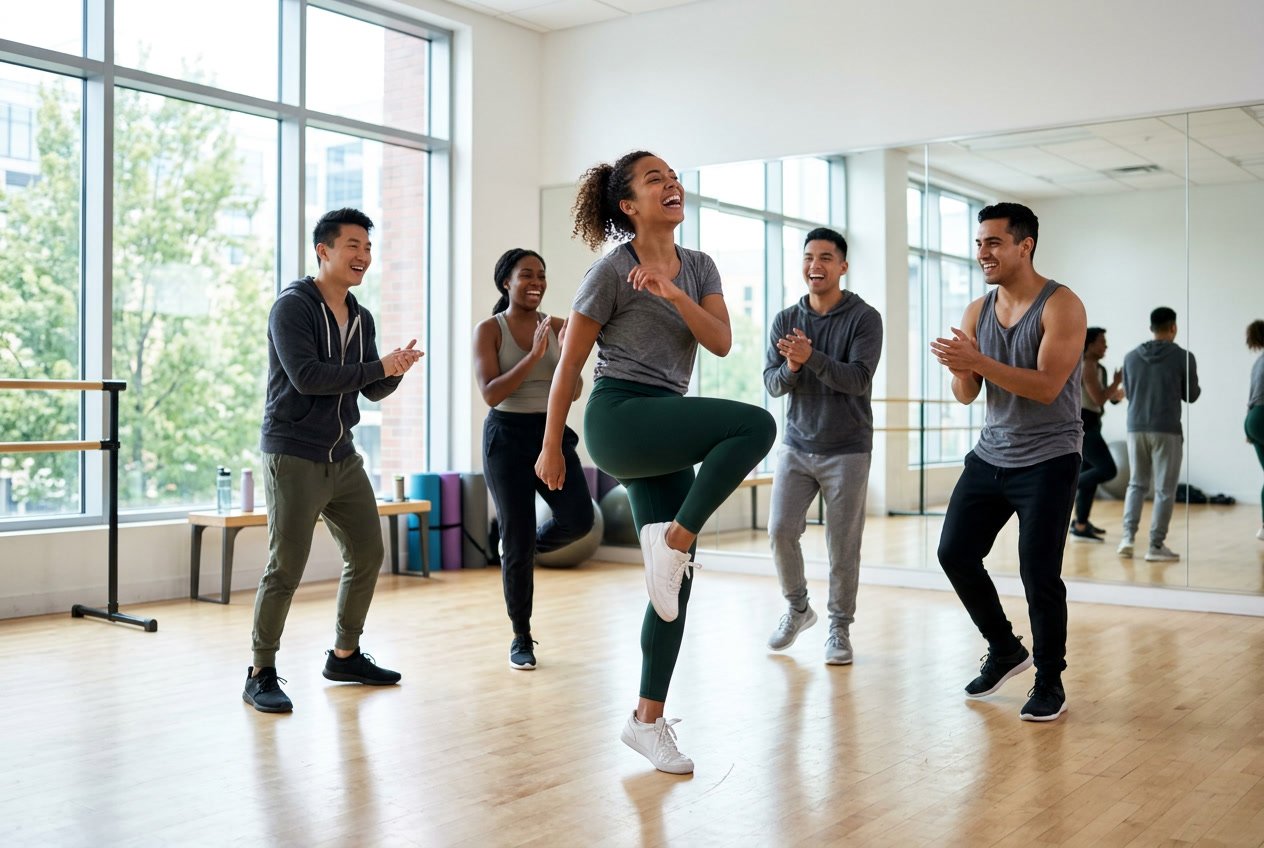
A simple accordion melody turned into multiple dance variants. Performers and festivals shaped the moves, making the Chicken Dance and its chicken-leg offshoots global party staples.
Who Invented the Chicken Leg Piece Dance?
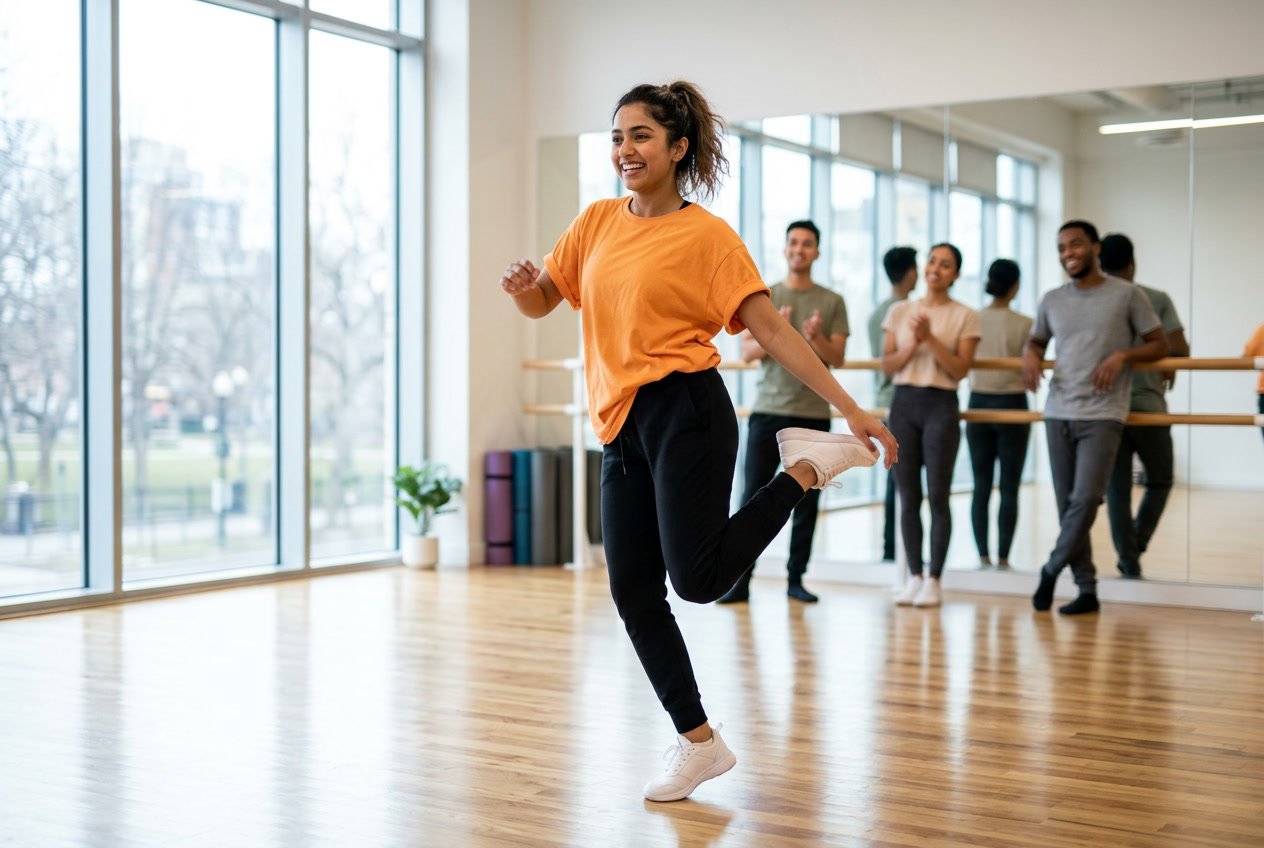
People claim authorship, the dance spread, and mix-ups surround its identity. The story centers on a choreographer linked to viral video culture and confusion with the older “Chicken Dance.”
Ulhas Kamathe and Viral Popularity
Ulhas Kamathe, an Indian choreographer and social-media creator, created the specific “Chicken Leg Piece” routine that circulated on short-video platforms in the 2020s.
He uploaded a tutorial and performance clip that combined quick leg kicks, a hip tilt, and a repeated hand gesture. Viewers replicate these elements when tagging the trend.
People attach Kamathe’s name to the routine in reposts and challenge compilations. Creators often cite his original clip as the template.
The dance spread through TikTok and Instagram Reels. Algorithm-driven repetition and duet features made the steps easy to learn and remix.
Platform-driven diffusion, not formal publication or a staged premiere, helped the routine achieve rapid, grassroots popularity.
Misconceptions with the Chicken Dance
Many people confuse the “Chicken Leg Piece” with the older European “Chicken/Duck Dance,” which originated from a Swiss accordion tune by Werner Thomas.
The historic dance uses a different melody, wing-like arm motions, and communal line formations. These do not match the leg-centric, short-form moves Kamathe popularized.
The Duck/Chicken Dance traveled through Oktoberfests and recordings over decades. The Chicken Leg Piece emerged online as a distinct choreography in the 2020s.
Mislabeling happens because both dances use avian imagery and appear at parties or festivals. Their creators, music, and movements remain separate.
Origins and Evolution of the Chicken Dance
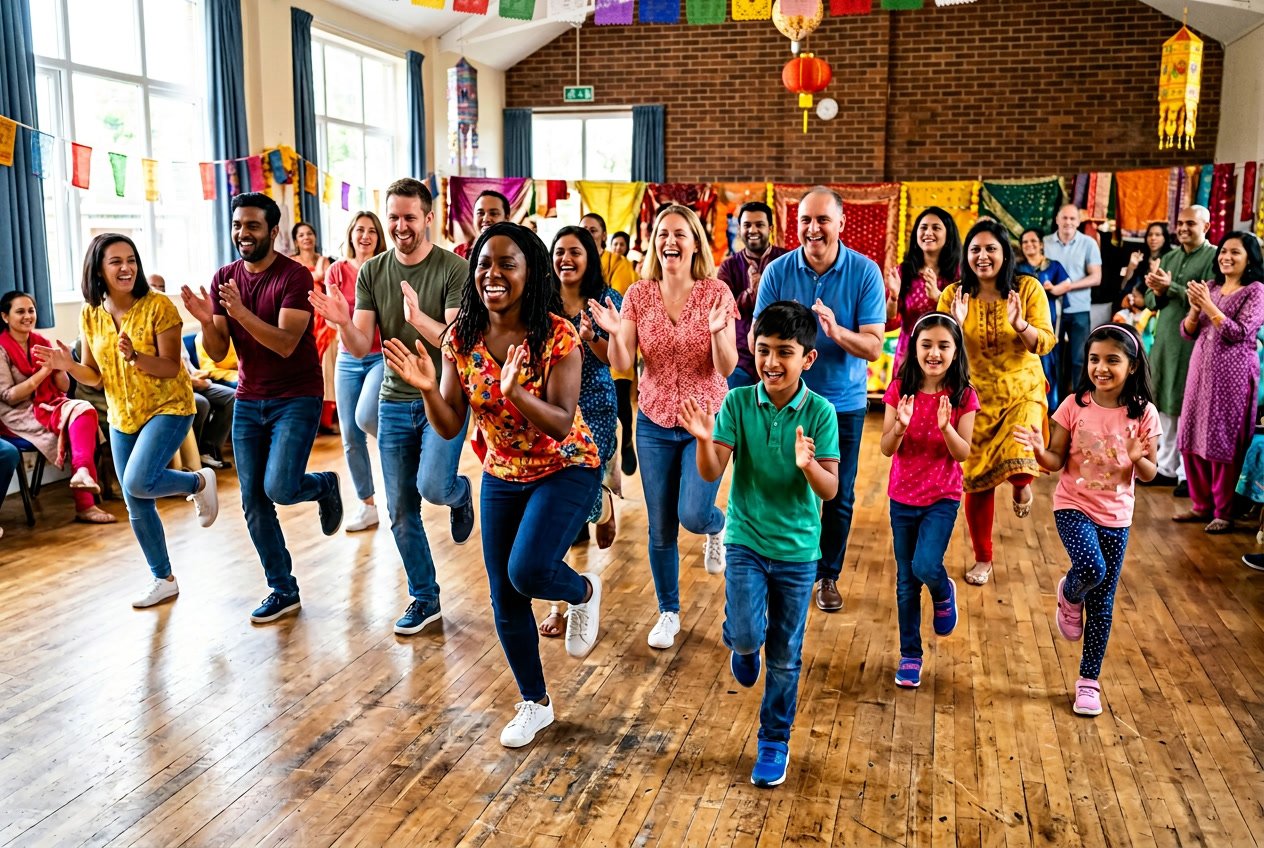
Werner Thomas composed the tune. The music traveled across Europe and the Americas, and the bird in the music shifted from duck to chicken in U.S. practice.
Werner Thomas and Der Ententanz
Werner Thomas, a Swiss accordionist, composed the melody called Der Ententanz in the 1950s.
He performed the tune at resorts and restaurants. Its simple, rhythmic accordion phrase made it easy for listeners to imitate with gestures.
The original name, Der Ententanz, means “The Duck Dance” in German.
Thomas’s recording and live performances planted the musical seed that later gained choreography and regional labels.
The tune links to the accordion tradition in Switzerland. The instrument’s timbre shaped the song’s bounce.
At this stage, the music served as a children’s or folk entertainment piece, not as the standardized party routine known today.
International Spread and Name Variations
Recordings and publishers carried the melody through Germany, Austria, Belgium, and beyond during the 1960s–1980s.
Different markets adapted the song with local titles such as Vogeltanz (Bird Dance), Tralalala, and El Baile de los Pajaritos.
Bands and producers added synthesizers, polka arrangements, or lyrics, helping the tune cross genres and media.
Versions appear in polka albums, festival sets, and marching-band repertoires, each tweaking tempo or instrumentation.
The tune’s adaptability made choreography easy to invent and localize.
That flexibility explains why multiple names and slightly different moves coexist worldwide.
Transition from Duck to Chicken in the United States
When the melody reached the United States, German-American and polka communities performed it at festivals and weddings.
Regional events, televised appearances, and novelty recordings in the 1970s–1980s boosted its visibility.
An Oktoberfest celebration labeled or presented the dance as a “chicken” routine. That labeling spread through media and word of mouth.
The American version uses “chicken” imagery in lyrics, marching-band arrangements, and costumed performances.
The move from duck to chicken reflects regional reinterpretation, not a single inventor of steps.
Werner Thomas created the melody. U.S. communities reshaped imagery and choreography until the Chicken Dance became the party staple you recognize.
Dance Moves and Choreography
Here are descriptions of the dance’s core steps, how choreography changed over time, and the musical forces that shaped movement choices.
Signature Dance Steps
The basic sequence centers on four repeated gestures: two wing-flaps, a clapping break, and a short wiggle or heel-tap.
Start with feet shoulder-width apart. Flap both forearms twice at chest level while taking two small steps in place.
Clap quickly four times while shifting weight to prepare the next phrase.
After the claps, perform a short backward kick or heel-tap twice, often paired with a hip wiggle or “tail shake” motion.
Teachers commonly count the pattern in eight beats: 1–2 flap, 3–4 flap, 5–8 clap–clap–clap–clap with heel taps on 7–8.
Variations add turns, partner hand-holds, or syncopated footwork, but the “oom-pah” timing stays intact.
Evolution of Choreography
Choreography evolved from simple local improvisation into a codified party routine as the tune spread from Swiss resorts to international festivals.
Early performers matched steps to the accordion player’s phrasing, emphasizing clear downbeats for the flaps and using the clapping section as a cue for audience participation.
As bands adapted the piece into polka and pop arrangements, dancers added syncopation, arm styling, and circle formations.
Festival versions often insert partner spins or line-dance sequences between standard phrases.
Competitive or staged performances may tighten spacing, standardize counts, and exaggerate movements for crowds.
Accordions and Polka Influence
Accordion players shape both tempo and phrasing, supplying the characteristic oom-pah pulse that dictates when you flap, clap, and step.
In the original Swiss accordion song, melody and bass alternate clearly, so choreography locks to bass “oom” beats for steps and melody accents for arm flourishes.
Polka bands reinforced a 2/4 or fast 4/4 feel, prompting brisk small steps and pronounced heel taps to match the bass.
When dancing to an accordion-led set, keep your step size small and your timing tight. The oom-pah pattern rewards crisp, repeated motion.
Modern synth or pop arrangements can stretch the phrasing. Adapt movement speed but retain the polka-derived emphasis on strong downbeats.
Global Popularity and Cultural Impact
The dance reached wide audiences through festivals, local celebrations, and viral moments.
You can trace its spread by looking at large public events and the ways organizers adapted it for audiences of all ages.
Rise as a Fad Dance
The dance often surfaces as a short-lived fad that quickly becomes a staple at parties.
Bands and DJs added the upbeat tune to sets, and dance instructors taught the simple, repeatable moves so guests could join in without practice.
Its simplicity — hand-beak motion, wing flaps, and a bouncing finale — made it ideal for rapid adoption in school dances, community centers, and social-media clips.
That repeatability helped it travel beyond its origins into different national scenes.
Media exposure accelerated the fad. Televised festivals and viral social posts pushed the dance into new countries.
Specific festival appearances and charting cover versions shifted it from novelty to recognizable party move.
Party and Festival Traditions
The dance appears in festival programming, especially at German-themed events like Oktoberfest Zinzinnati.
Organizers use it as a crowd-pleasing centerpiece. At some editions, it factors into attempts to set participation records, including the world’s largest chicken dance.
Event directors favor the dance because it engages multigenerational crowds.
Children, teens, and older adults join the same routine, which simplifies staging and boosts audience participation.
Universities and local cultural institutions, such as the University of Cincinnati, have documented the dance’s role in regional festival culture.
Organizers blend the dance into parades, beer gardens, and family zones to keep energy high and create shareable moments for social channels.
Notable Recordings and Media Influence
A handful of recordings and televised moments shaped how audiences around the world know and perform the dance.
Specific artists turned a simple accordion tune into pop-chart hits, viral clips, and regional traditions.
Major Recordings and Covers
Several recordings pushed the tune into public consciousness.
Bob Kames’ 1982 organ version, often titled “Dance Little Bird” or “The Chicken Dance,” became especially influential in North America.
His recordings played at fairs and polka events and sold strongly in some markets, cementing the song in party and wedding repertoires.
The Emeralds released a polka-infused cover in 1982 that helped the song cross into mainstream Canadian markets.
Their album went double-platinum in Canada and contributed to later international sales.
Other titles — “Bird Song,” “Birdie Dance,” and “The Bird Dance” — appear on recordings worldwide, reflecting translations and local arrangements.
The Tweets released “The Birdie Song” in 1981, which reached No. 2 on the UK Singles Chart and became the iteration many people recognize.
Many covers emphasize repetitive melody and simple rhythm to encourage group participation.
That production choice explains why the tune spawned over a hundred recorded variants and why some polls later labeled one popular version the “most annoying song” due to its earworm quality.
Television and Viral Moments
Television broadcasts and staged performances amplified the tune’s reach.
A 1981 UK television performance by The Tweets featured performers in bird costumes miming to the recording; the clip circulated widely and visually linked mascot-led choreography to the music.
That visual association strengthened the song’s identity as a novelty dance.
In the United States, regional Oktoberfests and variety shows frequently showcased the dance.
Tulsa’s 1981 Oktoberfest featured a costumed chicken performance that helped rebrand the tune as the “Chicken Dance” in American usage.
Later televised fundraisers and promotional stunts — such as continuous airplay marathons or attempts to gather massive crowds for a synchronized dance — produced short viral bursts on local and national feeds.
Modern references appear anytime producers want a recognizably upbeat, participatory moment.
Sports arenas, festivals, and viral clips reuse the melody and gestures to trigger audience involvement quickly.
Fun Facts and Modern Adaptations
The dance’s visual gimmicks and media exposure shape how people perform it today.
Costumes and viral clips have kept the dance recognizable across festivals, local TV segments, and internet trends.
Chicken Costume and Stage Presence
A full-body chicken costume often emphasizes the dance’s comedic moves.
The oversized beak, flapping wings, and exaggerated foot motions make the choreography readable even from a distance.
Large festivals like Oktoberfest Zinzinnati or Tulsa’s event rely on visual spectacle to drive crowd engagement.
When performing or organizing the dance, focus on silhouette and timing.
Bright colors and a clear chicken outline help cameras and audiences pick up the steps.
Local TV coverage amplified this effect. For example, a live station segment once used a chicken suit during a festival appearance, which helped rename and popularize the routine in that market.
Choose lightweight materials for ventilation, add velcro closures for quick exits, and rehearse broad, slow arm movements so the character reads well on camera.
Those choices improve both safety and stage presence.
Modern Media and Social Trends
You’ll find modern adaptations on local radio and TV archives. Social platforms feature short clips that loop.
Stations like WVXU produced local history pieces that document the dance’s festival role. Segments such as OKI Wanna Know explored how regional events spread the craze.
These pieces help you trace moments when a dance moved from bandstand to viral content. Social trends changed performance context.
TikTok and Instagram use quick cuts, captions, and filters to remix the routine into challenges and parodies. If you want the dance to go viral, record clean audio and show full-body framing, especially the costume.
Add a hashtag tied to your locality or event. Contemporary performers also blend the move into mashups with EDM or pop.
You can adapt tempo and steps without losing the core pattern.


