
Who Invented Chicken Leg Piece? Origins, Meaning, and Internet Fame
You might assume a single inventor created the “chicken leg piece,” but the name and the food evolved over time from common anatomy and cooking practices.
The term drumstick refers to the lower leg of the bird and has appeared in English since at least the early 1800s, so no single person invented it.
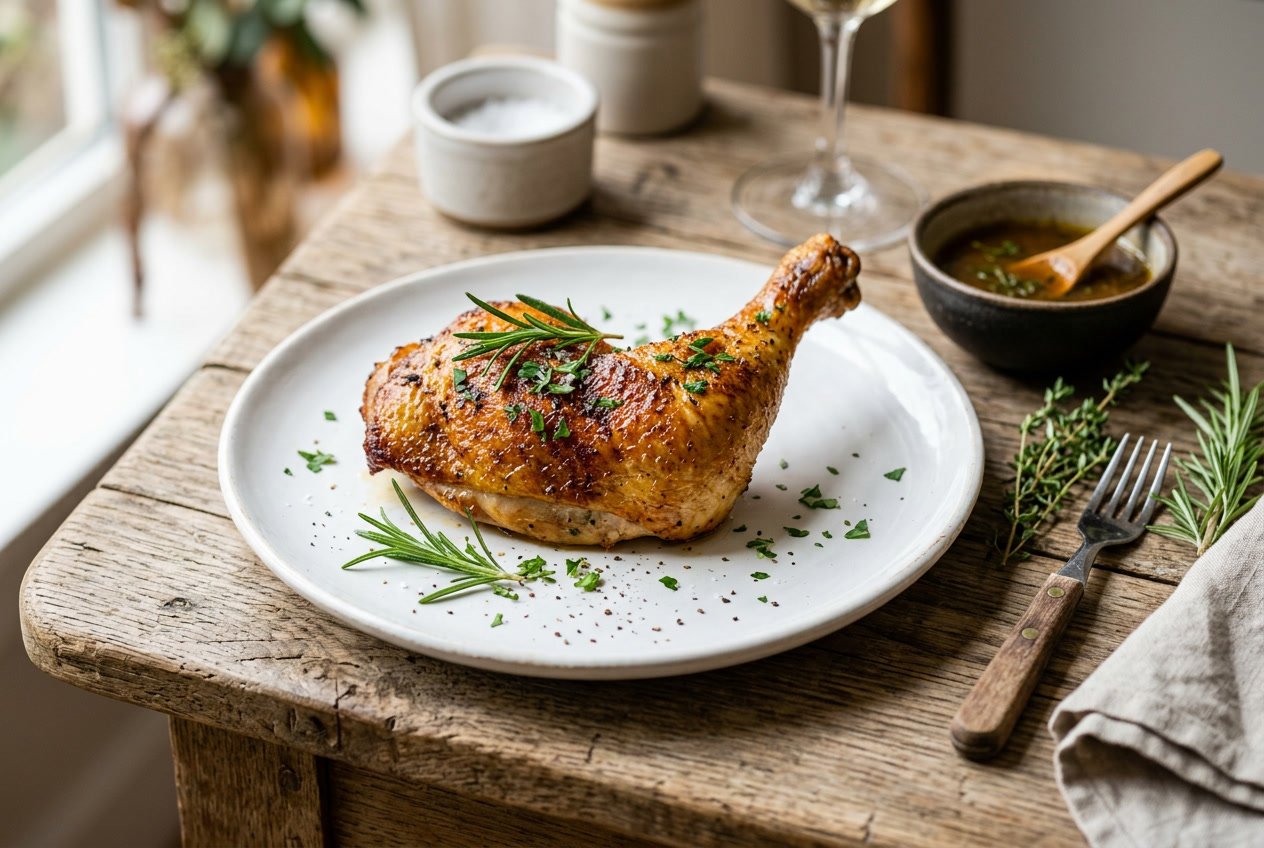
As you read on, you’ll see where the name came from, how the piece fits into poultry anatomy and cooking, and why it became a cultural favorite.
You’ll also meet the modern viral angles, including how Ulhas Kamathe helped turn a simple phrase into an online phenomenon.
The Origin of the Chicken Leg Piece
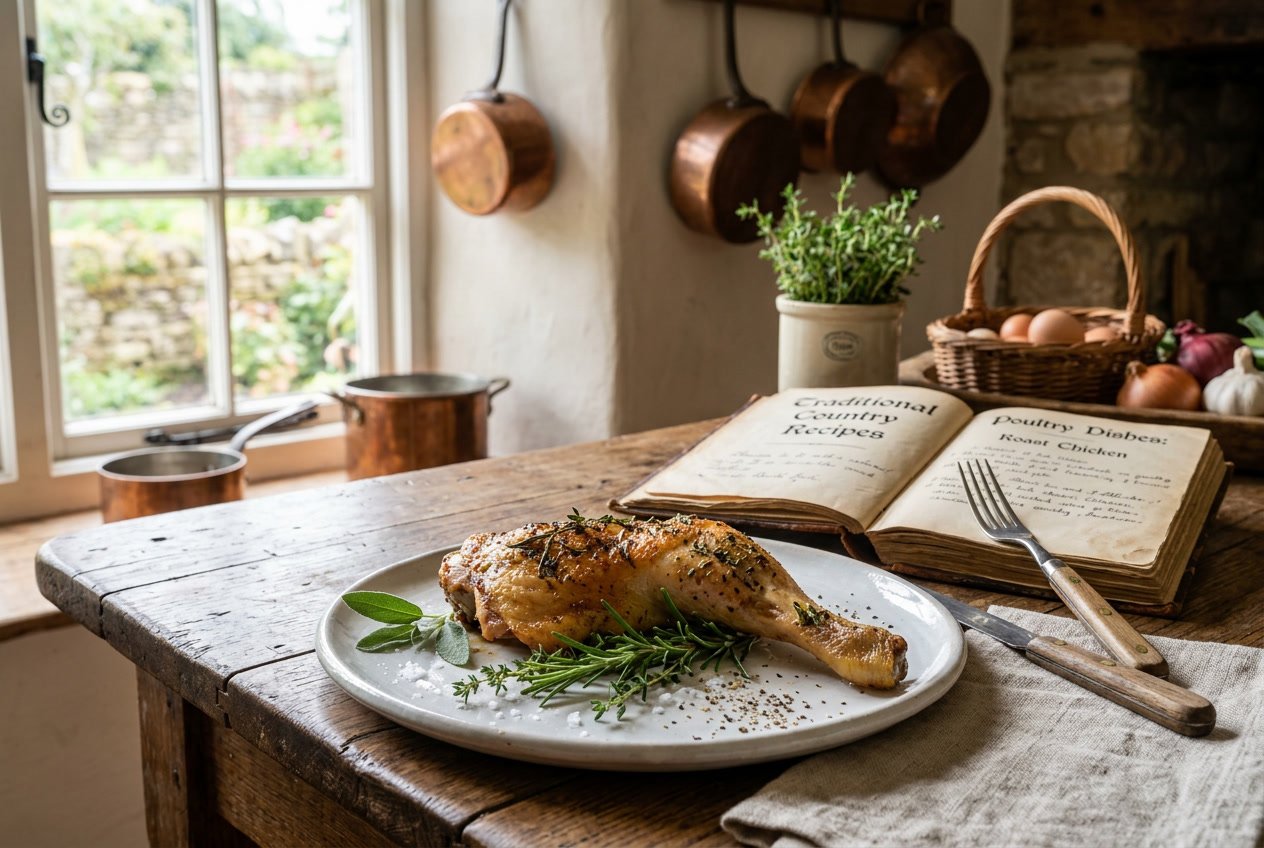
The chicken leg piece developed as a named cut as cooks first incorporated it into regional dishes.
The term reflects both shape and function, while the cut’s meat and bones guided its culinary uses.
Early History of Consuming Chicken Legs
People have eaten chicken legs since domestication of fowl in ancient Mesopotamia and Asia.
Archaeological and textual evidence shows whole birds roasted or boiled; the leg was prized for its flavorful, energy-dense dark meat that tolerated long cooking.
By the medieval and early modern periods in Europe, markets and butchery practices began naming parts of the bird.
The lower leg’s rounded shape invited the comparison to a drum beater, eventually producing the English name “drumstick.”
Published references by the 18th and 19th centuries use that term for sold poultry pieces.
Anatomy of the Chicken Leg
The chicken leg piece refers specifically to the lower leg below the knee joint: the drumstick.
This cut consists of the tibia and fibula bones surrounded by muscles, connective tissue, and skin.
This area contains predominantly dark meat—higher myoglobin and fat than breast—so it stays moist through longer cooking.
Tendons and marrow inside the tibia contribute to texture and flavor when roasted or braised.
Knowing this anatomy helps you choose cooking methods that maximize succulence.
First Uses in Culinary Traditions
Cooks in diverse regions adopted the drumstick early because it offered consistent flavor and portion size.
In Southern U.S. frying, the drumstick’s skin and dark meat crisp well and remain juicy.
In Southeast Asian curries, the leg releases gelatin and fat that enrich sauces.
Street food and communal feasts favored drumsticks for ease of eating with hands and for portion control.
You also see the drumstick used in stews and broths where its bones and marrow deepen stock.
These practical culinary roles explain why the chicken leg piece became a ubiquitous, named item in markets and menus.
Why Is It Called a Drumstick?
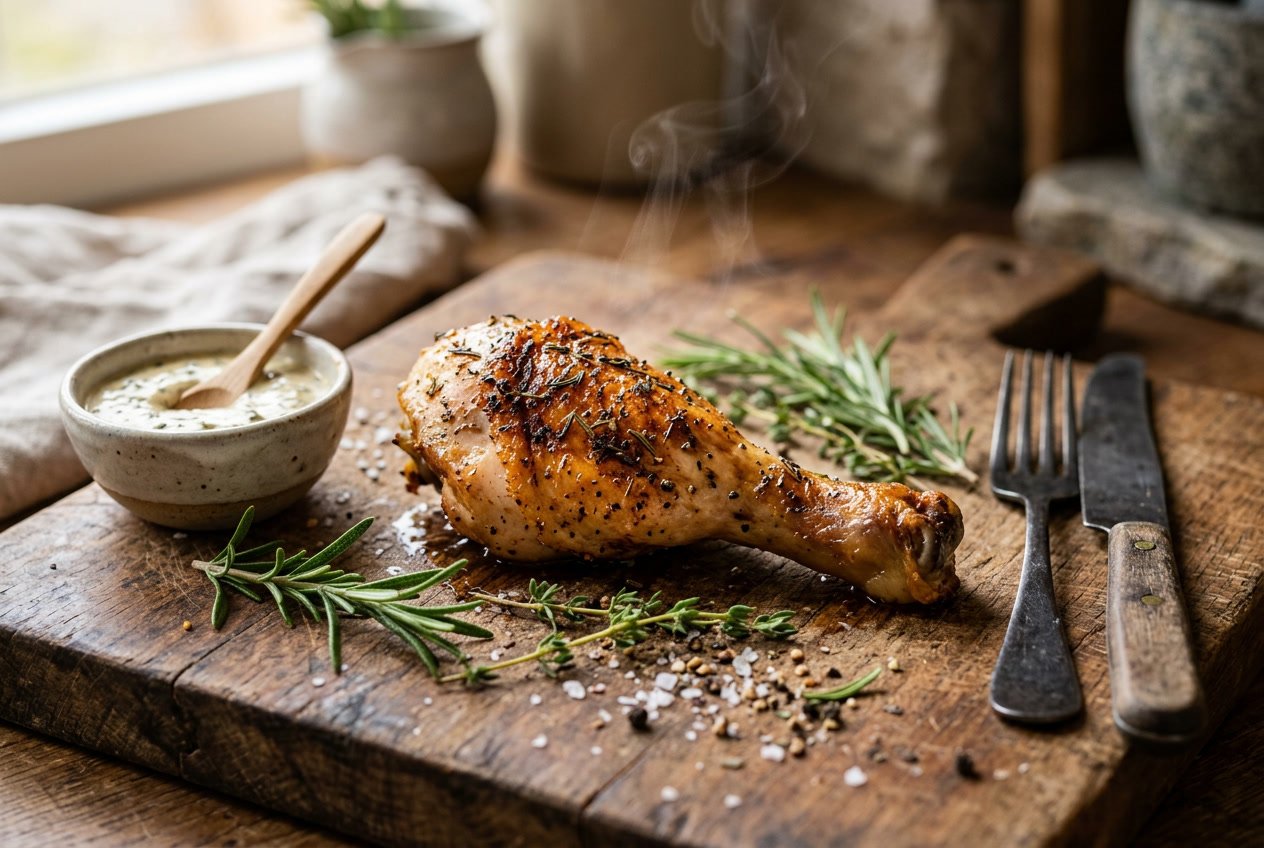
The name connects language, shape, and culinary use.
A term rooted in older English, a clear visual resemblance to percussion sticks, and steady adoption by cooks and menus all contributed to its popularity.
Etymology and Terminology
The word “drumstick” appears in cookbooks and menus because English speakers adapted an older term that described bird legs.
Historical records show a link to Middle and Early Modern English forms that referred to a bird’s leg or a running bird’s limb.
Over time, that root narrowed to mean the lower leg portion of poultry rather than the whole leg.
In culinary terminology, chefs and butchers needed a short, specific label for the lower leg so recipes and portioning stayed consistent.
The single word “drumstick” filled that role, distinguishing it from the thigh.
You’ll see it used in recipe directions, nutrition labels, and meat-cut lists for precision.
Shape and Comparison to Drumsticks
The visual similarity between a chicken lower leg and a percussion drumstick is obvious.
The chicken piece has a tapered bone with thicker meat at one end, mirroring the narrower handle and bulbous striking tip of a drumstick you use on a snare or tom.
This resemblance made the metaphor natural and easy to grasp.
When you point to a drumstick on a platter, people immediately understand which part you mean because the shape cue matches a common handheld stick.
That tactile, shape-based association helped the name stick in everyday speech.
Adoption in Culinary Vocabulary
You see “drumstick” widely used because cooks and retailers prioritized simple, descriptive language.
By the 17th and 18th centuries, printed recipes and market listings increasingly favored concise terms.
“Drumstick” appeared frequently for clarity in ordering and preparation.
Restaurants, butchers, and food packaging standardized the term across regions.
When you buy poultry or follow a recipe, the consistent use of “drumstick” removes ambiguity between the lower leg and the thigh.
This practical adoption in culinary contexts cemented the term into your food vocabulary.
The Chicken Leg Piece in Food Culture
The chicken leg piece appears across global cuisines, comfort-food traditions, and modern social media.
You’ll see it sold as a street snack, plated in family dinners, and turned into viral shorthand like “chicken leg bis” or #chickenlegpiece.
Global Culinary Significance
You encounter chicken leg pieces in markets from Seoul to Kingston because the cut cooks predictably and holds flavor well.
In Korean fried chicken, you get thin, crackling skin and sticky sauces.
In Jamaican jerk, the leg piece soaks up dry rubs and long marinades.
Chefs and home cooks favor the leg because dark meat stays moist at higher temperatures, making it reliable for grilling, braising, and frying.
When menus list “leg quarter” or “drumstick,” they signal portion size and price point clearly to you.
That practicality explains why the leg piece is a staple in both street stalls and restaurant specials.
Popularity as Comfort Food
You often reach for the leg piece when you want familiarity and ease.
Its hand-held nature makes it ideal for picnics, family-style meals, and casual gatherings.
Nutritionally, the leg offers more fat and flavor than breast meat, which many people associate with satisfying, hearty meals.
Culinary traditions—Southern fried chicken, curried leg pieces in South Asia, and roast chicken dinners—position the leg as the go-to part for nostalgia-driven eating.
Restaurants and home cooks alike package this comfort into simple formats: breaded and fried, slow-braised in sauce, or roasted with herbs.
Chicken Leg Piece in Social Media Trends
You’ll find the leg piece circulating as a meme, challenge, and food personality tag online.
Short-form videos and hashtags like #chickenlegpiece and phrases such as “chicken leg bis” have amplified niche characters and eating styles.
Creators film dramatic bites, ASMR-style chewing, and recipe breakdowns that boost sales for specific vendors and brands.
Platforms reward repetitive, recognizable visuals—the single leg held in hand—so the cut lends itself to fast, shareable content.
Viral trends can push local specialties into international awareness almost overnight.
You can track how a simple food item becomes a cultural touchpoint.
The Anatomy and Cooking Aspects of Chicken Drumsticks
You’ll learn which bones make up the drumstick, why the meat is darker and more flavorful, and the best cooking methods to use for tender, safe results.
Bone Structure: Tibia and Fibula
The drumstick contains the lower leg bones: the tibia (larger, weight-bearing) and the fibula (slender, alongside the tibia).
These bones run through the center of the cylindrical cut and give the drumstick its familiar shape and handle-like grip.
When you cook bone-in drumsticks, the tibia conducts heat inward, helping the surrounding meat cook evenly while retaining moisture.
Bones also affect flavor; marrow and collagen release during slow cooking, enriching sauces and broths.
Trim any excess cartilage or knuckles at the joint if you prefer a cleaner presentation.
When checking doneness, probe the meat near the bone—this spot stays hotter and takes longer to reach safe internal temperature.
Muscular and Nutritional Profile
Drumsticks are classified as dark meat because they contain more myoglobin and fat than the breast.
You’ll get richer flavor and a moister texture from these muscles, which the bird uses frequently for standing and walking.
Nutritionally, drumstick meat provides higher iron and zinc levels compared with white meat.
A typical cooked drumstick (meat only) supplies protein, B vitamins—especially niacin and B12—and moderate saturated fat.
If you track calories or saturated fat, remove skin to cut fat content significantly.
Keep the skin on when you want crisp texture and extra flavor; adjust portion sizes accordingly for balanced meals.
Common Cooking Methods
Roasting and baking deliver crisp skin and well-rendered fat when you start at room temperature and use dry heat around 200°C (400°F).
Turn once for even browning and check near the bone for a minimum internal temperature of 74°C (165°F).
Grilling adds smoky char and renders fat quickly; use indirect heat to avoid flare-ups and charred exterior before the interior cooks.
Frying—deep or pan—gives a crunchy crust; maintain oil at 175–180°C (350–360°F) to cook through without overbrowning.
Braising and slow cooking excel for collagen-rich drumsticks.
Low liquid and long time convert connective tissue into gelatin, producing tender meat and a rich sauce.
Use a meat thermometer, rest the drumsticks briefly after cooking, and serve hot for best texture and flavor.
Chicken Leg Piece Memes and Virality
A single viral moment turned into a global meme, fueled by repeatable phrasing and a clear visual: a man naming a drumstick as he eats.
That simple act drove imitations, merchandise, and local business opportunities tied to the phrase.
Rise of the Chicken Leg Bis Meme
A Mumbai content creator pronounced “chicken leg piece” in a way that many heard as chicken leg bis, and that specific phrasing became the meme’s hook.
Short-form video platforms reward repeatable catchphrases; this one fit perfectly.
Creators replicated the cadence, framing, and food shot, which made the clip easy to remix.
Fans added subtitles, sound edits, and layered reactions to emphasize the pronunciation.
That repetition turned a casual eating clip into a recognizable internet audio.
The meme’s origin traces to a handful of early posts that amassed millions of views and then spawned compilations and edits across platforms.
Spread Across the Internet
Hashtags like #chickenlegpiece and variants helped index thousands of videos you can search and view.
TikTok acted as the primary amplifier, but reposts, YouTube compilations, and Twitter threads extended reach.
Memes traveled by format: direct lip-syncs, parodies, and remixes that paired the phrase with other trends.
International audiences adopted the clip because the visual—a drumstick and a short phrase—needs little cultural context.
Local media and listicles further boosted visibility by interviewing the creator and documenting the phenomenon.
That attention created a feedback loop: more coverage led to more user-created content, which led to more coverage.
Impact on Pop Culture
The meme influenced real-world outcomes.
The creator opened a food outlet using the phrase, turning internet recognition into a physical business tied to comfort food.
You can also find merchandise and local eateries referencing the catchphrase.
Advertising and social accounts used the meme’s tone to sell food and evoke casual enjoyment of comfort food.
The phrase entered informal speech online, appearing in captions and comments as shorthand for indulgent, everyday eating.
Because the meme centers on a relatable food moment, it shifted from a joke to a cultural signifier you’ll see used to evoke familiarity, appetite, and simple pleasures.
Ulhas Kamathe: The Chicken Leg Piece Man
You’ll learn who Ulhas Kamathe is, how he became the viral “Chicken Leg Piece” creator, and details about his background and family that shaped his public persona.
Who Is Ulhas Kamathe?
Ulhas Maruti Kamathe is a Mumbai-based content creator known widely as the “Chicken Leg Piece” man.
You’ve probably seen his videos of him eating large portions of non-vegetarian food; those clips launched his public identity and nickname.
He runs a gym in Mumbai called Adiansh Gym and has expanded into food-related businesses using his brand.
His social profiles show millions of followers across YouTube, Instagram, Facebook and TikTok.
He posts eating challenges, restaurant visits, and short-form clips that highlight his signature chicken leg pieces.
Key facts at a glance:
- Real name: Ulhas Maruti Kamathe
- Known as: Chicken Leg Piece / ulhaskamthe
- Bases: Mumbai (Asalpha/Ghatkopar area)
- Public roles: Content creator, gym owner, food-shop operator
Ulhas Kamathe’s Digital Rise
Ulhas’s rise to viral fame began on short-form platforms like TikTok and later YouTube. He posted eating videos and lip-sync clips, using a memorable catchphrase and visuals of himself enjoying chicken legs.
His YouTube channel and TikTok account attracted millions of followers. These platforms enabled him to pursue business opportunities.
In 2022 he opened a physical outlet named “Chicken Leg Piece” in Ghatkopar. He later launched a dry-fruits and snacks shop.
You can find his accounts using handles such as @ulhaskamthe, with branding that connects to his viral persona.
Notable milestones:
- Viral TikTok and YouTube eating videos
- Millions of followers across major platforms
- Transition from online creator to small-business owner
Personal Life and Background
Ulhas comes from a middle-class background in Rajgurunagar and now lives in Mumbai.
He married Archana. Public profiles mention his marital status and family connections.
Before gaining fame, he played local cricket. He also built his fitness business.
He describes himself as predominantly non-vegetarian, which matches his on-camera eating focus.
Personal details summary:
- Marital status: Married (wife: Archana)
- Hometown/background: Rajgurunagar; based in Mumbai
- Other activities: Local cricket participation, gym owner, entrepreneur


