
Which Is Chicken Thigh? Your Essential Guide to Cuts, Types & Recipes
A chicken thigh is the upper part of the bird’s leg, dark meat located between the hip and knee joints. It offers richer flavor, higher fat content, and steady juiciness compared with breast meat.
A chicken thigh brings more moisture and savory depth to dishes. You’ll find it sold bone-in or boneless, skin-on or skinless, depending on how you plan to cook it.
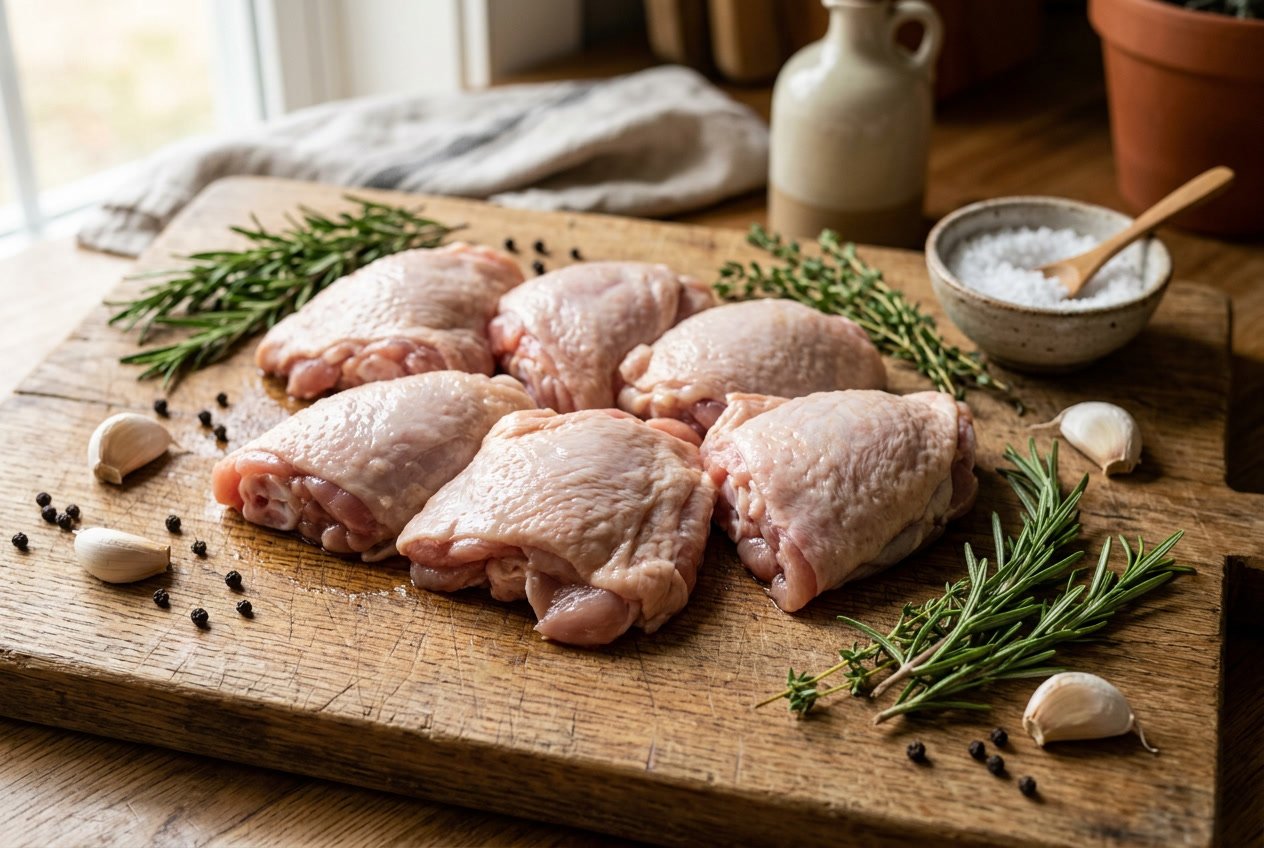
You can choose thigh cuts for braising, grilling, or quick pan-searing. The different types affect flavor and cooking time, and you should pay attention when buying and storing them.
If you want practical tips, nutrition facts, and a few recipe ideas, keep reading.
What Is a Chicken Thigh?
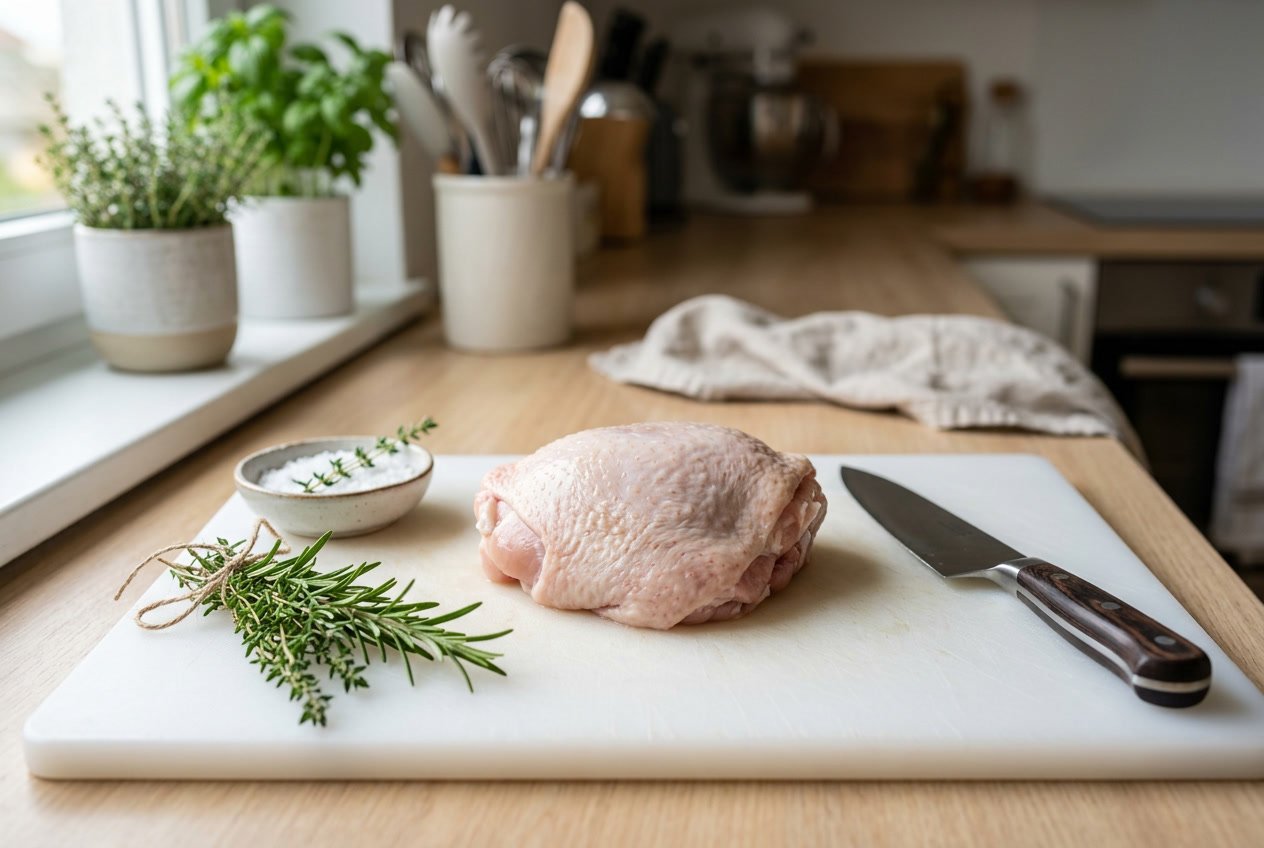
A chicken thigh is the upper portion of the bird’s leg. Its higher fat and connective tissue give it more flavor and juiciness than breast meat.
You’ll commonly find thighs sold bone-in or boneless, skin-on or skinless. They adapt well to many cooking methods.
Anatomy and Location
The chicken thigh sits between the hip joint and the knee, where the drumstick begins. When sold bone-in, it contains the femur bone; boneless thighs have that bone removed but keep most of the muscle and connective tissue.
You’ll often see a small crescent of dark, flavorful meat near the hip called the oyster. Chefs prize this part for its concentration of flavor.
Thighs have more intramuscular fat and collagen than breast meat. This helps them stay moist during longer cooking.
You’ll see whole thighs, thigh fillets (deboned), and thigh quarters that remain attached to the drumstick at stores.
Difference Between White and Dark Meat
Dark meat refers to muscle groups used more for sustained activity. Thighs qualify because the leg muscles store more myoglobin.
That higher myoglobin and fat content give thighs a darker, beige-to-brown color after cooking. White meat, like the breast, has less fat and myoglobin, so it cooks faster and tends to dry out more easily.
A skinless thigh contains more calories and fat than a skinless breast. It also delivers richer flavor and slightly higher iron and zinc.
Choose thighs for juicier results or longer cooking methods. Pick breast for leaner, quicker-cooking dishes.
Common Uses in Cooking
You can grill, roast, braise, pan-fry, or slow-cook chicken thighs. They tolerate high heat and long cooking times without drying.
Bone-in, skin-on thighs give the best flavor and crispy skin when roasted or pan-seared. Boneless, skinless thighs work well for stir-fries, kebabs, and quick sautés.
Use thighs for braises, curries, casseroles, and dishes that benefit from simmering. The collagen breaks down into gelatin, enriching sauces.
If you want crispy skin, start skin-side down in a hot pan and finish in the oven. Thighs freeze well for 6 to 9 months and thaw safely in the refrigerator or under cold running water.
Types of Chicken Thighs
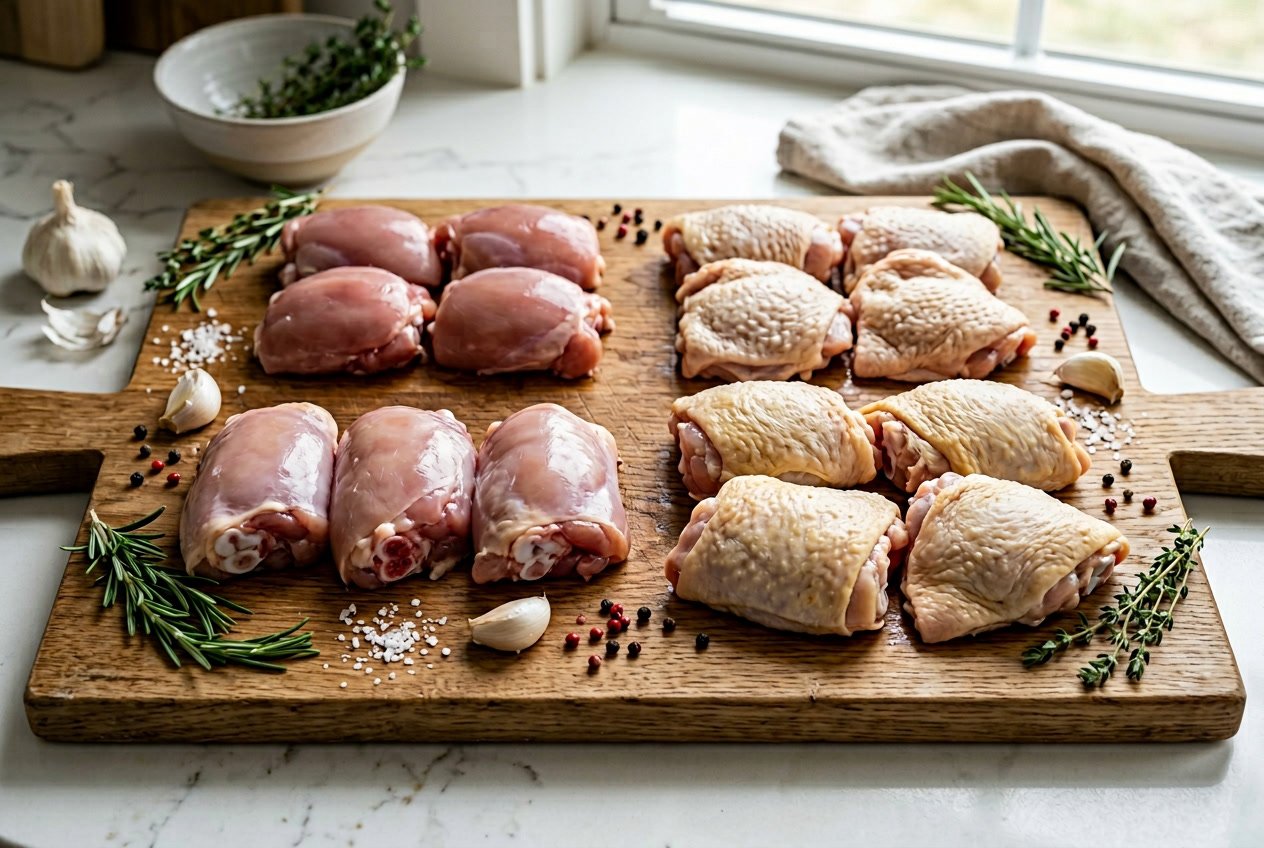
Chicken thighs vary by bone and skin presence. Each choice affects flavor, cooking time, and how you handle the meat.
Decide if you need the structure and richness of bone-in or the speed and ease of boneless. Choose skin if you want extra texture or fat.
Bone-In Chicken Thighs
Bone-in chicken thighs include the femur and the joint. You’ll see a rounded bone down the center of the piece.
The bone slows heat transfer, so these thighs take longer to cook but stay juicier and develop deeper flavor during roasting, braising, or grilling. Bones add connective tissue and marrow that release gelatin when cooked low and slow.
That gelatin improves mouthfeel in stews and makes sauces richer. You may need to trim or remove excess fat before cooking and plan for carving and eating around the bone.
Choose bone-in thighs for stock or slow-cooked dishes with depth. They cost slightly less per pound and tolerate longer cooking without drying out.
Boneless Chicken Thighs
Boneless chicken thighs are deboned for ease of cooking and eating. They may be sold with skin on or removed.
Without the bone, they cook faster and more evenly. They work well for pan-searing, stir-fries, or quick grilling where a uniform cook matters.
Because boneless thighs lack the insulating bone, monitor the internal temperature. These pieces can overcook and become dry if left too long.
Their irregular shapes make pounding or cutting useful when you need even thickness for breading or sautéing. Boneless thighs offer more usable meat per pound and less waste.
Choose them for fast turnaround, easy slicing, or recipes that call for uniform pieces.
Skin-On vs. Skinless Chicken Thighs
Skin-on thighs bring rendered fat and crisp texture when roasted, fried, or broiled. The skin acts as a flavor carrier and helps keep the meat moist.
Crisping the skin requires medium-high dry heat and patience. Start skin-side down in a hot pan or roast skin-up for even browning.
Skinless thighs reduce surface fat and produce leaner dishes. They absorb marinades faster and suit low-fat recipes or when you plan to shred the meat.
They cook slightly faster than skin-on equivalents. Skinless thighs won’t give you the same crunchy exterior.
Choose skin-on for maximum flavor and a crispy finish. Choose skinless when you need lower fat, faster cooking, or easier incorporation into salads, soups, and sauces.
Nutritional Value of Chicken Thighs
Chicken thighs deliver concentrated protein, appreciable iron and B vitamins, and variable fat depending on whether the skin stays on. A 100 g cooked, skinless thigh gives roughly 200 to 210 kcal with about 25 to 27 g protein and 8 to 10 g fat. Skin-on cuts add more calories and fat.
Key Nutrients and Macros
A cooked, boneless, skinless chicken thigh (about 100 g) typically provides:
- Calories: ~200 kcal
- Protein: ~25–27 g
- Total fat: ~8–10 g
- Carbohydrates: 0 g
You also get iron (helps oxygen transport), zinc (immune support), niacin and vitamin B12 (energy metabolism). Protein in thighs supports muscle repair and satiety.
The fat content includes monounsaturated and saturated fats, with monounsaturated making up a sizable share. Thighs are a high-protein, moderate-fat option with negligible carbs.
Comparing Skin-On and Skinless Thighs
Skin-on thighs raise calories and fat substantially. For 100 g cooked meat, adding skin can increase calories by 60 to 80 kcal and total fat by 6 to 10 g compared with skinless.
Skin also increases saturated fat and sodium when seasoned or brined. If you remove the skin after cooking, some fat remains absorbed into the meat.
Removing skin before eating lowers calorie intake more effectively. Choose skinless for lower-calorie meal plans and skin-on if you need extra fat for higher-calorie or ketogenic diets.
Grilling or roasting on a rack lets fat drip away. Pan-frying or braising can retain or add fat.
Health Considerations
If you monitor saturated fat, limit skin-on portions or trim visible fat. Thighs supply iron and B vitamins, which help people at risk of deficiency.
Sodium can be high in processed or brined thighs, so check labels or ask for low-sodium preparations. For weight management, choose boneless skinless thighs and measure portions by cooked weight.
For heart-healthy diets, use cooking methods that reduce added fat. Use herbs, citrus, or vinegar-based marinades instead of heavy sauces.
Popular Chicken Thigh Cooking Methods
You’ll choose a method based on desired texture, time, and whether you want crispy skin or fall-apart meat. Each technique below gives practical temp and timing guidance and steps you can use immediately.
Baking and Roasting
Baking and roasting deliver reliably juicy meat. These methods are best when you want hands-off cooking with crisp skin.
Preheat the oven to 400 to 425°F (204 to 218°C). For bone-in, skin-on thighs, cook 35 to 45 minutes; boneless cooks in 20 to 25 minutes.
Use a wire rack over a rimmed sheet pan so fat drips away and hot air circulates under the skin. Pat thighs dry and salt at least 1 hour ahead to draw out surface moisture.
For extra crispness, dust the skin lightly with baking powder mixed into your rub. Insert an instant-read probe into the thickest part and pull boneless at 165°F and bone-in at 175 to 185°F.
Tips:
- Space pieces 1 to 1.5 inches apart to avoid steaming.
- Finish under the broiler 2 to 3 minutes if skin needs extra color.
- Leftover baked or roasted chicken thighs reheat best in a 375°F oven on a rack to restore texture.
Grilling and Broiling
Grilling and broiling use direct high heat to build char and flavor quickly while keeping thighs juicy. For bone-in, use a two-zone fire: sear skin-side down over direct high heat 5 to 6 minutes, then move to indirect heat covered for another 20 to 25 minutes until 175°F.
For boneless, grill 5 to 7 minutes per side over medium-high heat. Keep thighs skin-side down for the initial sear and watch for flare-ups from rendered fat.
Avoid pressing down; that squeezes out juices. For broiling, place thighs skin-side up on a broiler pan 6 to 8 inches from the element and broil 6 to 10 minutes, flipping once if needed.
Practical notes:
- Marinate with oil-based or yogurt-based marinades up to 8 hours; avoid more than 24 hours with high acid.
- Use a thermometer; visual cues alone can mislead because dark meat tolerates higher temps.
Slow Cooking and Instant Pot
Use slow cooking for shreddable, fall-apart thighs and the Instant Pot when you want similar results fast. In a slow cooker, cook bone-in thighs on low 6 to 7 hours or high 3 to 4 hours.
They’ll shred easily and absorb braising liquid flavors. In an Instant Pot, cook bone-in thighs 10 to 12 minutes at high pressure with a natural release for tender texture.
The pressure environment forces moisture into the meat. You’ll lose crisp skin unless you finish under the broiler or sear briefly after pressure cooking.
Key steps:
- For both methods, brown skin first if you want color: sear briefly in a skillet or use the sauté function before braising.
- Reserve some sauce reduction to glaze after finishing under a broiler for texture contrast.
- Shredded slow-cooker or Instant Pot chicken thighs freeze well in portions for future meals.
Best Chicken Thigh Recipes
Simple techniques make thighs versatile. Quick marinades and high-heat searing give crisp skin, while long braises deepen flavor and make meat tender.
Choose bone-in for moisture and flavor. Pick boneless for faster weeknight meals.
International Chicken Thigh Dishes
Make Filipino chicken adobo by simmering thighs in vinegar, soy, garlic, and bay leaves. Finish with a splash of rice vinegar and serve over steamed rice.
Try Indian chicken curry with yogurt, garam masala, turmeric, and tomatoes. Braise slowly so the thigh meat absorbs spice and stays juicy.
For Japanese-style teriyaki, marinate boneless thighs in soy, mirin, and sugar, then pan-sear and glaze until sticky. Mediterranean options include chicken cacciatore or Provencal braises with olives, capers, tomatoes, and herbs; brown skin-on thighs first for a caramelized crust.
These dishes highlight thighs’ ability to carry bold sauces and long-simmered flavors.
Weeknight Dinner Favorites
Glazed chicken thighs—maple, apricot, or bourbon—roast quickly on high heat until the glaze is shiny and the internal temperature reaches 165°F (74°C). Smothered chicken and chicken stroganoff-style preparations use leftover gravy or creamy mushroom sauce for a one-skillet dinner that pairs with mashed potatoes or egg noodles.
Instant Pot chicken adobo and rice gives pressure-cooked tenderness in under an hour and requires minimal active time. For tacos, shred slow-braised thighs with cumin, chili powder, and lime; they reheat well for lunches.
These recipes use accessible ingredients and straightforward steps so you can plate dinner fast.
Sheet-Pan and One-Pot Recipes
Sheet-pan chicken thighs make prep and cleanup easier while delivering crisp skin and roasted vegetables in one bake. Arrange skin-on thighs over carrots, potatoes, and onions. Roast at 425°F (218°C) for 30–40 minutes and baste with pan juices.
For one-pot meals like chicken and orzo, chicken cacciatore, or braised chicken thighs, start by browning the meat. Then simmer with stock and aromatics until flavors combine.
Use bone-in thighs for deeper flavor in pot dishes. For convenience, sear on the stove and finish braises in the oven at 350°F (177°C) for even cooking.
Soups and Comfort Foods
Thighs add richness to both brothy and creamy soups. Simmer thighs for chicken noodle soup to extract collagen for a silky, flavorful broth, then shred the meat into the bowl.
For chicken tortilla soup, use smoky chiles, crushed tomatoes, and lime, and top with crisp tortilla strips and avocado. Chicken and wild rice soup benefits from diced thighs since the darker meat stays tender during long simmering.
Replace shredded breast with thighs when you want a more robust mouthfeel and deeper color.
Tips for Buying and Storing Chicken Thighs
Choose thighs with firm texture and minimal odor. Keep them cold from store to home.
Buy only the quantity you’ll use within recommended times. Package frozen thighs tightly to prevent freezer burn.
Shopping for Fresh and Frozen Thighs
When buying fresh thighs, check the sell-by date and select packages with intact seals and no excess liquid. Look for pinkish-red meat with white fat, and avoid grayish tones or sticky surfaces.
Smell the package briefly. Fresh chicken has little to no odor.
For frozen thighs, inspect packaging for frost or ice crystals. Heavy frost can indicate thawing and refreezing, which reduces quality.
Prefer vacuum-sealed or heavy-duty freezer bags. Write the purchase or freeze date on the package to track storage time.
Buy according to planned use. Raw thighs typically last 1–2 days refrigerated, so purchase only what you’ll cook within that window unless you plan to freeze.
If you need longer storage, freeze immediately at 0°F (-18°C) or below.
Proper Storage Techniques
Store raw thighs on the lowest fridge shelf to prevent juices from dripping onto other foods. Keep them in their original packaging if unopened, or transfer to a sealed container or heavy-duty zip-top bag.
Maintain refrigerator temperature at 40°F (4°C) or below. Cooked thighs last 3–4 days in the fridge, so cool and refrigerate within two hours of cooking.
For freezing, wrap pieces tightly in plastic wrap then aluminum foil, or use vacuum sealing to reduce air exposure. Label each package with date and contents.
Thaw frozen thighs in the refrigerator overnight, in cold water changed every 30 minutes, or in the microwave if you’ll cook immediately. Never thaw on the counter, as that raises temperature into the bacterial danger zone.
Safety and Handling Tips
Wash your hands for at least 20 seconds before and after handling raw chicken.
Use separate cutting boards and utensils for raw poultry and ready-to-eat foods to prevent cross-contamination.
Sanitize surfaces and tools with hot, soapy water or a kitchen disinfectant after they contact raw chicken.
Cook thighs until they reach an internal temperature of 165°F (74°C) at the thickest part near the bone.
Refrigerate leftovers within two hours in shallow, covered containers so they cool quickly.
Throw away chicken that smells sour, feels slimy, or shows unusual discoloration.


