
Where Are the Chicken Thighs: Cuts, Recipes, and Cooking Tips
You can find the thigh on a chicken as the meaty upper part of the leg between the hip joint and the knee. This darker, juicier cut sits above the drumstick.
The thigh is the upper leg section attached at the hip and ending at the knee. It has richer flavor and higher fat content than the breast.
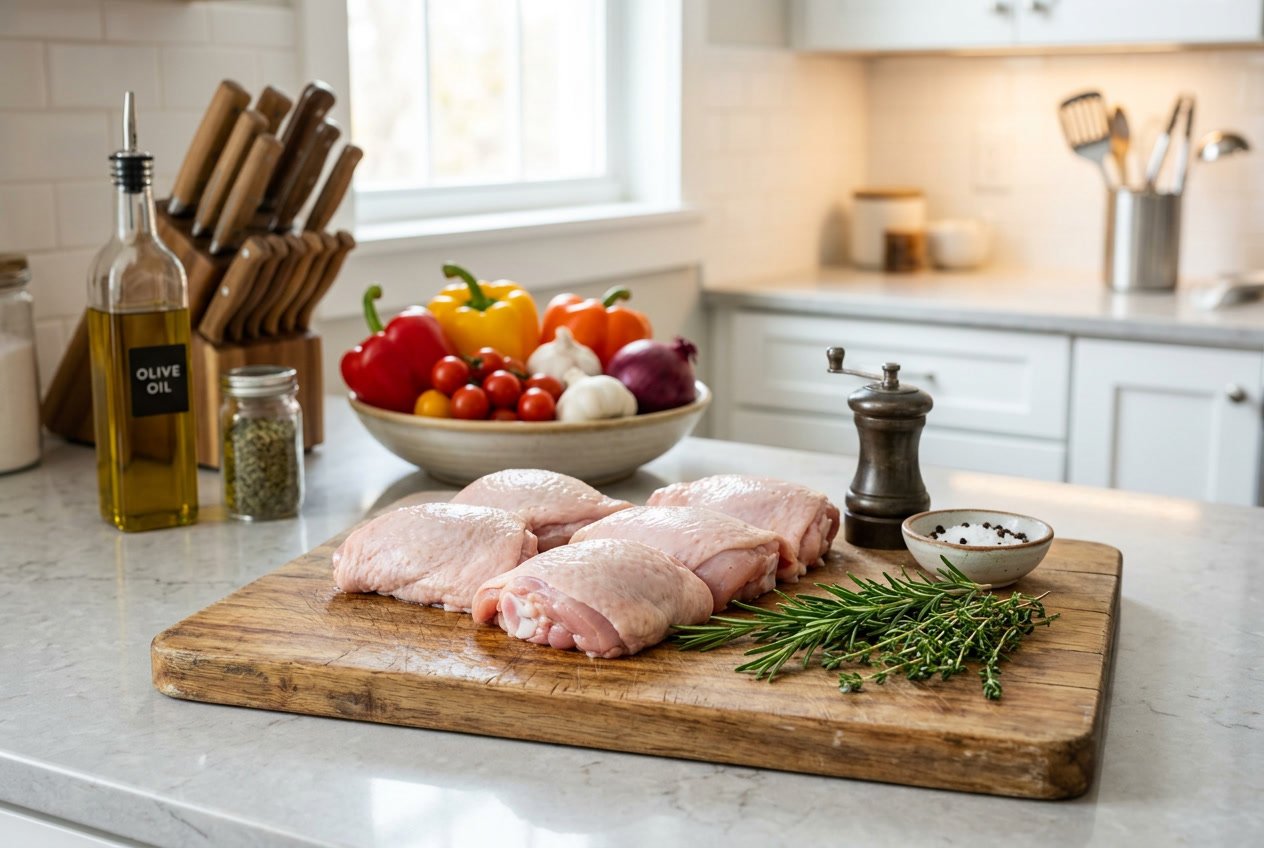
If you’ve ever stared at a whole bird or a pack of parts and felt unsure, this guide will help you shop and cook with confidence. You’ll learn how to spot thighs in the store, prep them for different recipes, and get juicy results every time.
Understanding Chicken Thighs
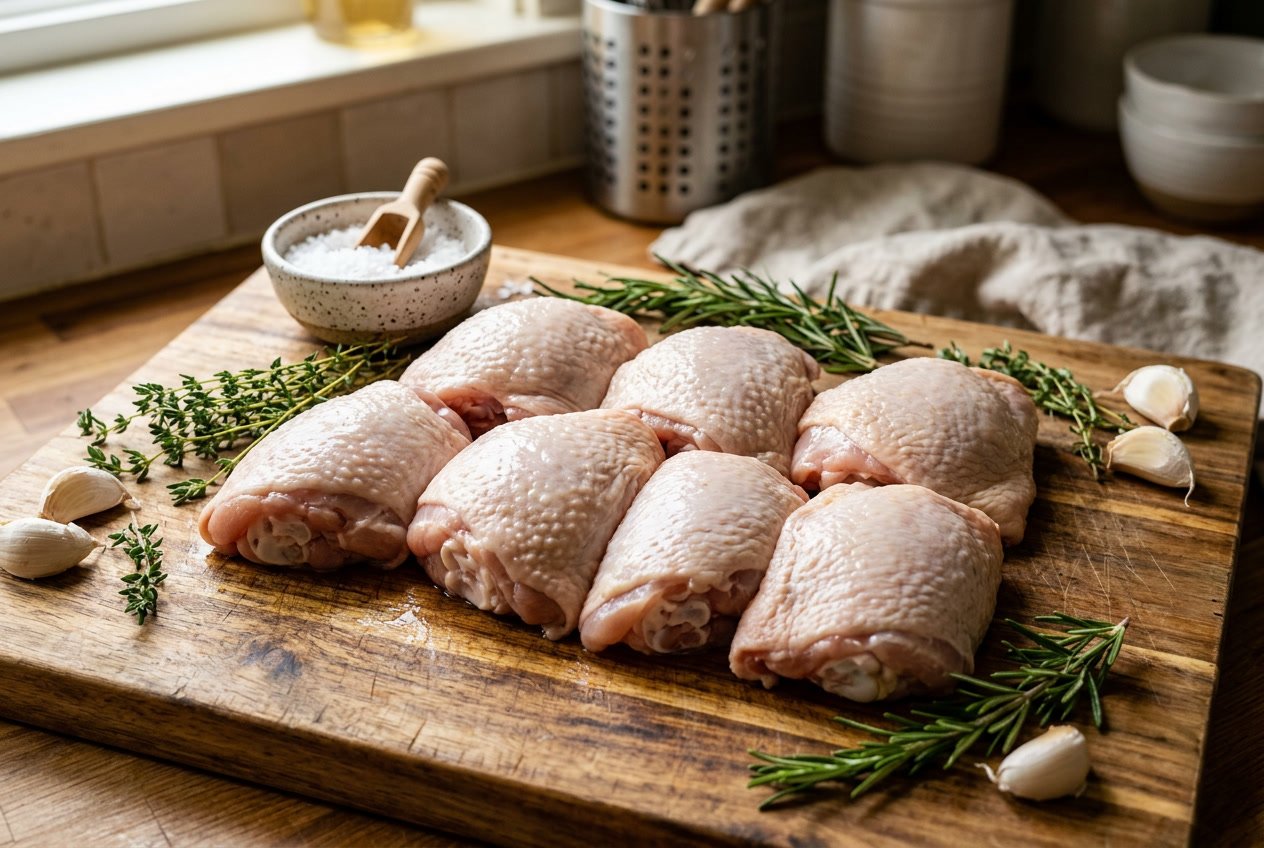
Chicken thighs are the upper part of the bird’s leg, known for flavor and juiciness. You’ll find them in many forms: bone-in, boneless, skin-on, and skinless.
Each type suits different cooking methods and recipes.
What Are Chicken Thighs
Chicken thighs are the dark meat from the upper leg, located between the body and the drumstick. They contain more fat and connective tissue than breast meat, which gives them richer flavor and greater tolerance for longer cooking times.
You’ll commonly see thighs sold as:
- Bone-in, skin-on: best for roasting or grilling; skin crisps and bone adds flavor.
- Bone-in, skinless: good for braising where skin would not be desired.
- Boneless, skinless: convenient for quick sautés, stir-fries, and skewers.
For tender results, cook thighs to 165–175°F (74–79°C). The higher end breaks down collagen and makes them more tender.
Thighs suit braising, roasting, grilling, and frying.
Anatomy of the Chicken Thigh
The thigh is the muscular section attached to the hip joint and sits above the drumstick. It contains the femur bone when bone-in, surrounded by muscle fibers and a layer of fat beneath the skin when present.
Key parts:
- Femur (bone-in thighs): gives flavor during cooking and helps retain moisture.
- Muscle and connective tissue: needs slightly longer cook times than breast to become tender.
- Skin: adds crispness and fat. Remove it for lower fat or keep it to baste the meat.
When you carve a whole chicken, cut at the hip joint to separate the thigh from the body. Knowing this anatomy helps you choose the right cut for braising or quick pan-frying.
Bone-In vs. Boneless Chicken Thighs
Bone-in thighs include the femur and often the skin. Boneless thighs have the bone removed and may be skinless.
Bone-in cuts give deeper flavor and stay juicier during long cooks. The bone also slows heat transfer, reducing the chance of overcooking.
Boneless thighs give convenience and faster, more even cooking. They work well for diced chicken, stir-fries, and quick pan-sears.
Use bone-in, skin-on for roasting, braising, or grilling where flavor and moisture matter. Use boneless, skinless for fast-cooking dishes, sandwiches, and kabobs.
Use skinless bone-in when you want bone flavor but less surface fat.
Your choice affects cook time, texture, and final flavor. Pick the form that matches the method and time you have.
Locating Chicken Thighs in the Store

You’ll usually find chicken thighs in the refrigerated poultry section labeled by cut and packaging. Look for bone-in or boneless options and check sell-by dates, appearance, and packaging type before you buy.
How Chicken Thighs Are Sold
Stores sell chicken thighs in several formats: bone-in with skin, boneless skinless, and pre-marinated. Bone-in, skin-on thighs often come on trays with plastic wrap or in bulk packs and cost less per pound.
Boneless skinless thighs come in smaller retail packs and work best for quick dinners or stir-fries.
Supermarkets sometimes place thighs near other dark-meat cuts or in a case marked “value” when sold in larger family packs. Organic or free-range thighs have distinct labeling and usually sit in a separate refrigerated shelf.
If you don’t see what you want, ask the meat counter. Many stores can cut or offer different pack sizes.
Picking the Best Chicken Thighs
Choose thighs that show a consistent pinkish-red color without gray spots or excessive liquid pooling in the tray. The skin, if present, should look dry and slightly taut.
For boneless thighs, check for uniform thickness and minimal connective tissue so they cook evenly.
Smell the package if the store allows—fresh thighs have a neutral, mild scent. Check the sell-by date and prefer the furthest-out date within a few days of purchase if you plan to cook them later.
For budget-friendly dinners pick family packs or bone-in options. For faster prep choose boneless skinless thighs.
Storage and Shelf Life
Store raw thighs in the coldest part of your refrigerator at 40°F (4°C) or below and use them within 1–2 days. If you won’t cook them within that window, freeze them in airtight bags or vacuum-seal them.
Frozen thighs keep quality for up to 6 months, though best flavor is usually within 3 months.
When freezing, remove excess air and label the bag with the date. Thaw safely in the refrigerator overnight for predictable results, or use the defrost setting on a microwave if you need an easy chicken dinner tonight.
Cooked thigh leftovers will hold 3–4 days refrigerated. Reheat to an internal temperature of 165°F (74°C) before serving.
How to Prepare Chicken Thighs
Start by removing excess fat and any loose skin, then decide whether you want bone-in or boneless thighs for your recipe. Dry the surface thoroughly and plan your seasoning or marinade to match the cooking method.
Trimming and Preparing
Use a sharp boning knife to trim visible fat and any yellowish connective tissue from the edge of each thigh. If you keep the skin, slide your fingers between skin and meat to loosen it for seasoning.
If you remove the skin, trim to an even thickness so pieces cook uniformly.
Pat thighs completely dry with paper towels. For bone-in pieces, check for stray bone fragments and tuck skin under the thighs to keep edges from burning during high-heat cooking.
If you need even cooking time, pound boneless thighs lightly to uniform thickness.
Always store trimmed thighs on a plate in the fridge if you’re not cooking immediately. Use kosher salt for initial seasoning or brining to improve flavor and moisture retention.
Marinating Techniques
Choose an acid, fat, and aromatics for a balanced marinade. Use 2 tablespoons acid per pound of chicken—vinegar, lemon juice, or yogurt—plus 3–4 tablespoons oil to carry fat-soluble flavors.
Add minced garlic, a tablespoon of soy sauce or mustard for umami, and a teaspoon of black pepper.
Marinate in a non-reactive container or a resealable plastic bag. For boneless thighs, 30 minutes to 2 hours is usually enough.
For bone-in, aim for 2–8 hours. Avoid marinating longer than 24 hours with high-acid mixtures, which can make the meat mushy.
Pat the thighs dry before cooking to ensure crisp skin and proper sear. Reserve any marinade you want to use as a sauce by boiling it for at least 5 minutes to kill bacteria.
Seasoning Blends for Chicken Thighs
Start with a base of kosher salt and black pepper; use about 1 teaspoon kosher salt per pound of meat. Build a simple dry rub by combining 1 tablespoon paprika, 1 teaspoon garlic powder, 1 teaspoon onion powder, and 1 teaspoon dried oregano.
For an herb-forward mix, add ½ teaspoon dried thyme and ½ teaspoon oregano to the salt-and-pepper base, plus a pinch of cayenne if you want heat.
For smoky flavor, swap regular paprika for smoked paprika and add ½ teaspoon brown sugar for caramelization.
Apply the rub evenly and let the thighs rest 15–30 minutes at room temperature, or refrigerate uncovered for up to 8 hours for deeper flavor and crisper skin.
Use the same blends for grilling, roasting, or pan-searing. Adjust quantities to taste and the number of thighs.
Methods for Cooking Chicken Thighs
You can get juicy meat and crispy skin using common kitchen equipment. Focus on temperature, timing, and minimal handling to keep thighs tender and prevent rubbery texture.
Baking Chicken Thighs
Baking gives you reliable, hands-off results for chicken thighs. Preheat the oven to 400°F (205°C) for a balance of crisp skin and moist interior.
Arrange bone-in, skin-on thighs on a rimmed sheet pan or baking dish, skin-side up, with space between pieces so hot air circulates.
Pat the skin dry and season well. A light brush of oil helps crisping.
Bake until the internal temperature reaches 165–175°F (74–79°C). Check with an instant-read thermometer at the thickest part.
For crispier skin, finish under the broiler 2–3 minutes while watching closely.
If you prefer skinless or boneless thighs, reduce bake time and check earlier. Boneless thighs often finish around 20–30 minutes at 400°F.
Rest for 5 minutes before serving to let juices redistribute.
Grilling Chicken Thighs
Grilling gives smoky flavor and excellent char for chicken thighs. Use two-zone heat: medium-high direct heat for searing and indirect heat to finish cooking without burning.
Clean and oil the grates to prevent sticking. Sear skin-side down (or presentation side) 3–5 minutes until well browned, then move to indirect heat and close the lid.
Target an internal temp of 175–185°F (79–85°C) for bone-in thighs so connective tissue breaks down and the meat becomes tender. For boneless thighs, 165–175°F is usually sufficient.
Keep a spray bottle of water ready for flare-ups and flip only once or twice to preserve juices. Let grilled thighs rest 5 minutes before serving.
Roasting and Braising Techniques
Roasting and braising both yield tender chicken thighs but use different approaches.
Roast whole thighs or a tray of vegetables in a hot oven (425°F/220°C) for crispy skin and concentrated flavor. Use bone-in, skin-on pieces for best texture and roast until skin is deep golden and internal temp reaches 175°F.
Braising uses low, moist heat. Brown thighs in a heavy pan first, then simmer in a flavorful liquid (stock, wine, tomatoes) partially covering the meat.
Cook covered at a gentle simmer for 30–45 minutes until the meat is fork-tender and reaches 175–185°F. Braised chicken shreds or falls off the bone while staying juicy.
For both methods, seasoning and deglazing after searing add depth. Choose roasting when you want crispy skin. Choose braising when you want richly flavored, fall-apart chicken.
Popular Chicken Thigh Recipes
Chicken thighs give you juiciness, crisp skin when you want it, and forgiving cook times that suit fast weeknight meals and long braises.
The recipes below focus on specific techniques and key flavorings so you can pick a dish that fits your time and equipment.
Weeknight Dinner Recipes
For busy evenings, choose recipes that finish in 30–45 minutes or use hands-off methods like the oven or air fryer.
Try pan-seared mustard chicken thighs: brown skin-side down, deglaze with a splash of white wine or stock, then finish with a mustard-cream pan sauce.
Air fryer chicken thighs deliver crisp skin in under 25 minutes. Pat chicken dry, season well, and avoid overcrowding the basket.
One-pan chicken cacciatore adapts well for weeknights. Use boneless thighs to cut cook time, simmer with canned tomatoes, bell peppers, onions, and olives.
For straightforward saucy dinners, smothered chicken with caramelized onions or a quick chicken stroganoff with mushrooms and sour cream come together fast and please picky eaters.
International Chicken Thigh Dishes
Use global spice blends to transform thighs into bold weeknight stars or weekend projects. Marinate thighs in yogurt, lemon, and garam masala for tandoori-style chicken, then roast to achieve charred edges and fragrant heat.
Simmer boneless thighs in a tomato-cream sauce with butter and fenugreek for a shortcut butter chicken. Try chicken adobo by braising thighs in soy sauce and vinegar on the stovetop or in an Instant Pot for concentrated flavor in under an hour.
Make coconut-based chicken curry or use a coconut-garam masala blend to complement the richness of thigh meat. For Greek lemon chicken, roast bone-in thighs at high heat with oregano and lemon to get crisp skin and bright pan jus.
Sheet Pan and One-Pan Meals
Sheet-pan chicken thighs make cleanup easy and deliver caramelized vegetables with crispy skin. Space bone-in, skin-on thighs over potatoes, carrots, and red onion, then roast at 425°F until the juices run clear and vegetables turn tender.
Rub thighs with olive oil, smoked paprika, garlic powder, salt, and pepper for reliable flavor. One-pot or skillet dishes build flavor in one pan by searing thighs first, then braising in tomatoes, wine, or stock until tender.
Make one-pan spaghetti by cooking pasta with chicken thighs in the same skillet, using enough liquid and covering to save time while producing a flavorful sauce.
Slow Cooker and Instant Pot Favorites
Turn to slow cooker or Instant Pot methods for fall-off-the-bone texture. Brown chicken thighs briefly, then slow cook with onions, stock, and your chosen sauce for 4–6 hours on low to create deep flavor and shreddable meat.
Brown thighs using the sauté function in the Instant Pot, then pressure-cook with aromatics and vinegar for 15–20 minutes. For stews and curries, the pressure cooker locks in spices and keeps thighs tender and moist.
Meal Ideas and Serving Suggestions
Focus on complementary textures, bold flavors, and easy swaps that fit weeknight timing or meal prep. Choose sides and preparations that contrast crispy skin or soak up shredded meat juices to maximize flavor.
What Sides Pair Best
Balance richness and add freshness with your sides. Serve crispy baked chicken with an arugula salad tossed with lemon, olive oil, and shaved Parmesan.
Roasted vegetables such as brussels sprouts, carrots, or fingerling potatoes echo the chicken’s savory notes. Use starches like garlic mashed potatoes, herbed couscous, or wild rice pilaf to absorb sauces and juices.
Pick a chilled grain salad with farro, cherry tomatoes, cucumber, and a vinegar-forward dressing for a lighter option. Add pickled onions or citrus gremolata for extra contrast.
Using Shredded Chicken Thighs
Shredded chicken thighs add juiciness and versatility across cuisines. Toss warm shredded chicken into tacos with pickled cabbage, cotija, and lime for a quick meal.
Mix shredded meat with mayonnaise, Greek yogurt, or vinaigrette plus celery and scallions for a hearty chicken salad on whole-grain bread. Divide shredded chicken into portions for meal prep and refrigerate or freeze with sauces like barbecue, teriyaki, or tomato-based for easy reheating.
Fold shredded thighs into sandwiches, flatbreads, or stuffed peppers to keep fillings moist.
Chicken Thighs for Soup and Rice Dishes
Use bone-in or shredded thighs to deepen soups and rice dishes. Simmer thighs with carrots, celery, onion, thyme, and bay leaf for chicken and wild rice soup; shred the meat and return it to the pot for a silky broth.
Brown thighs first for chicken and rice dishes to build flavor, then braise with tomatoes, broth, and aromatics for a one-pot meal. Stir shredded chicken into seasoned rice with peas, corn, and soy or hot sauce for a quick, balanced dinner.
Tips for Juicy and Flavorful Results
Pat the skin dry, season well, control heat, and rest the meat. These steps help lock in moisture, create crispy skin, and keep leftovers tender.
Achieving Crispy Skin
Pat each thigh thoroughly with paper towels to remove surface moisture. Dry skin before seasoning or oiling to promote browning.
Salt the skin at least 30 minutes before cooking, or overnight in the fridge for extra crispness. Blot any released liquid before cooking.
Start thighs skin-side down in a hot cast-iron skillet without moving them for 7–10 minutes to render fat and crisp the skin. Finish in a 400–425°F (204–218°C) oven if using bone-in thighs to cook through without burning.
For baked thighs, place them on a wire rack over a sheet pan to allow air circulation. Broil for 1–2 minutes at the end if you want extra color, watching closely to avoid burning.
Ensuring Tenderness
Use bone-in, skin-on thighs for juicy, forgiving results. The fat and bone protect meat from drying and add flavor during cooking.
Cook to an internal temperature of 165°F (74°C) for safety, but pull thighs at 175–185°F (79–85°C) for more tender, falling-off-the-bone texture. Use an instant-read thermometer at the thickest part without touching bone.
Reduce heat after browning the skin and finish in the oven to avoid drying the meat. For braising, cook low and slow in a flavorful liquid until the meat is fork-tender.
Let thighs rest 5–10 minutes after cooking to redistribute juices and keep every bite moist and flavorful.
Storing and Reheating Leftovers
Let cooked thighs cool to room temperature for no longer than two hours. Then refrigerate them in an airtight container for up to 4 days.
For longer storage, freeze the thighs in a single layer on a tray. After freezing, transfer them to a freezer bag for up to 3 months.
Reheat gently to preserve juiciness. Set the oven to 325°F (163°C) and place the thighs on a wire rack until the internal temperature reaches 165°F (74°C), which takes about 15 to 20 minutes for cold thighs.
You can also reheat on the stovetop. Use a covered skillet with a splash of broth over low heat to keep the meat tender.
To crisp the skin on baked chicken thighs, finish under a broiler for 1 to 2 minutes after reheating. Alternatively, pan-sear skin-side down for 2 to 3 minutes.
Avoid microwaving unless you add moisture, as microwaves make the skin soggy and can dry the meat.


