
When Is Chicken Thighs: Safe Cooking Times, Cuts, and Methods
You want to know exactly when chicken thighs are done so you can stop guessing and start serving reliably juicy, safe meat.
Cook chicken thighs until the thickest part reaches at least 165°F (74°C). Many cooks prefer 175–185°F (79–85°C) for a more tender, flavorful result.
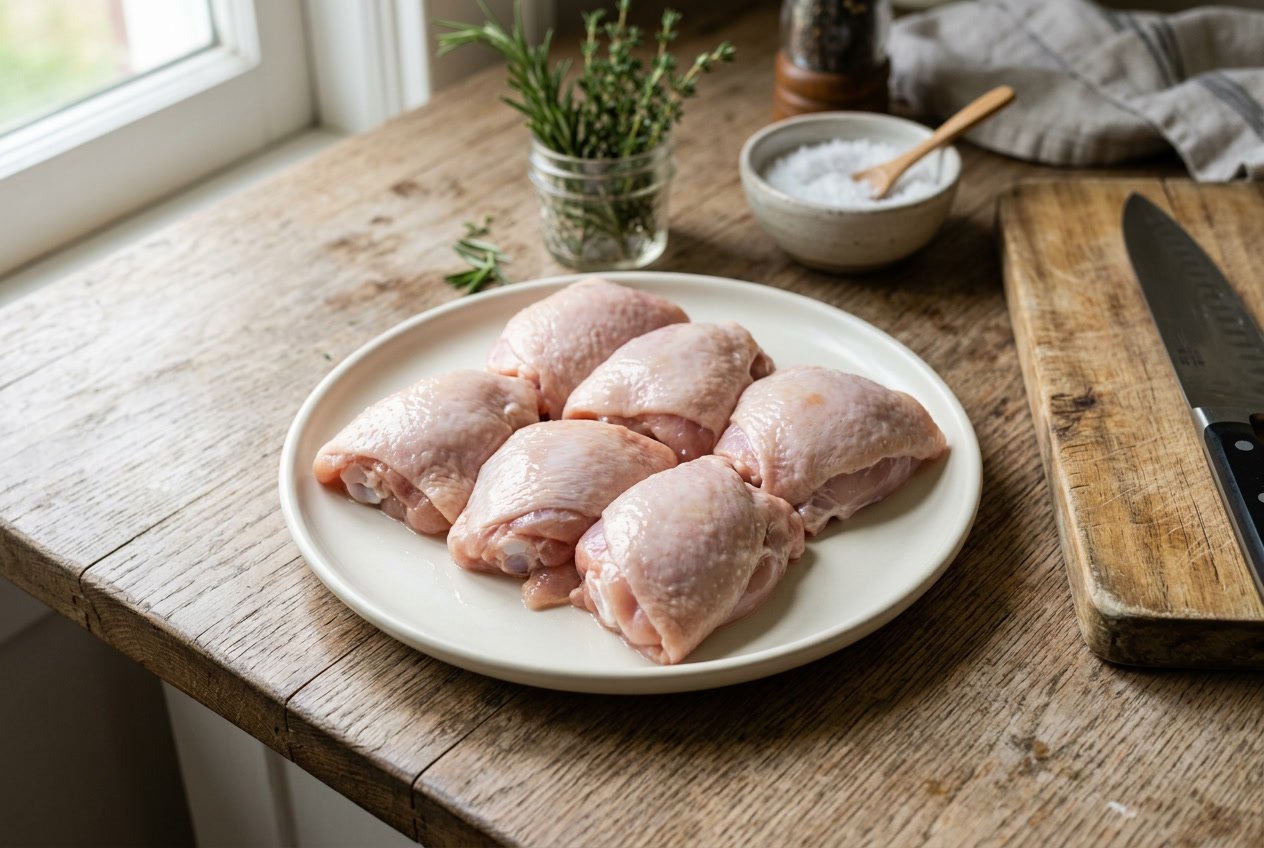
This guide explains what makes thighs different from breasts. It shows you how to test doneness beyond temperature and which methods work best for bone-in or boneless cuts.
You’ll also find practical seasoning ideas and simple tips to get crispy skin and consistent results every time.
Understanding Chicken Thighs
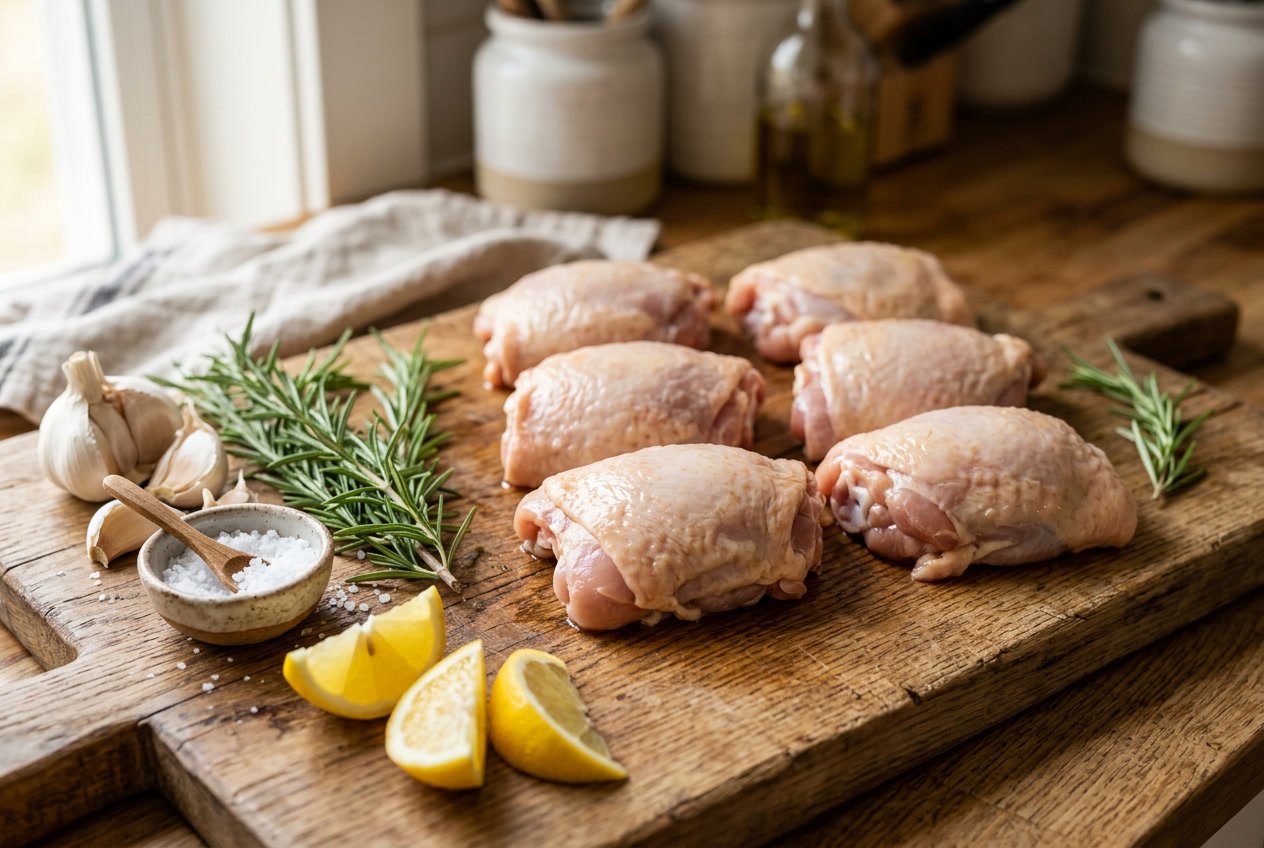
Chicken thighs offer forgiving texture and rich flavor. Their cooking behavior depends on cut, bone presence, and skin.
Choose the right type for your recipe. Bone-in or boneless changes cook time and moisture, while skin affects crispness and protection during high heat.
Chicken Thigh Types: Bone-In vs. Boneless
Bone-in chicken thighs include the femur and connective tissue, which slow heat transfer and add flavor. Expect longer cooking times—often 10–20 minutes more—so monitor internal temperature near the bone.
Boneless chicken thighs cook faster and more evenly. These work well for quick pan-frying, stir-fries, or skewers.
Pick bone-in for roasting or braising if you want maximum flavor and moisture retention. Choose boneless if speed and ease of portioning matter more.
Skin-On vs. Skinless Chicken Thighs
Skin-on chicken thighs protect meat from direct heat and render fat that bastes the flesh. You can crisp the skin by patting it dry, seasoning, and starting at high heat or broiling briefly at the end.
Skinless chicken thighs reduce fat and absorb marinades and rubs more directly. They cook slightly faster and are easier to eat in dishes where skin would be undesirable.
For crispy skin, use skin-on, bone-in thighs and allow resting after cooking. For leaner or sauce-forward dishes, skinless boneless thighs often give you better texture and convenience.
Selecting Quality Chicken Thighs
Look for thighs with a clean, pale-pink color and firm, moist flesh. Avoid any with a strong odor or slimy texture.
For bone-in pieces, check that the bone ends are not darkened. This can indicate older meat or poor handling.
Check packaging date and sell-by labels. Fresher thighs yield better flavor and safer cooking margins.
If you prefer less trimming, choose pre-trimmed, skin-on or skinless options based on your recipe needs. If available, opt for thighs labeled as raised without antibiotics or certified humane.
Frozen thighs are acceptable. Thaw fully in the refrigerator to ensure even cooking and consistent internal temperature readings.
When Are Chicken Thighs Done?
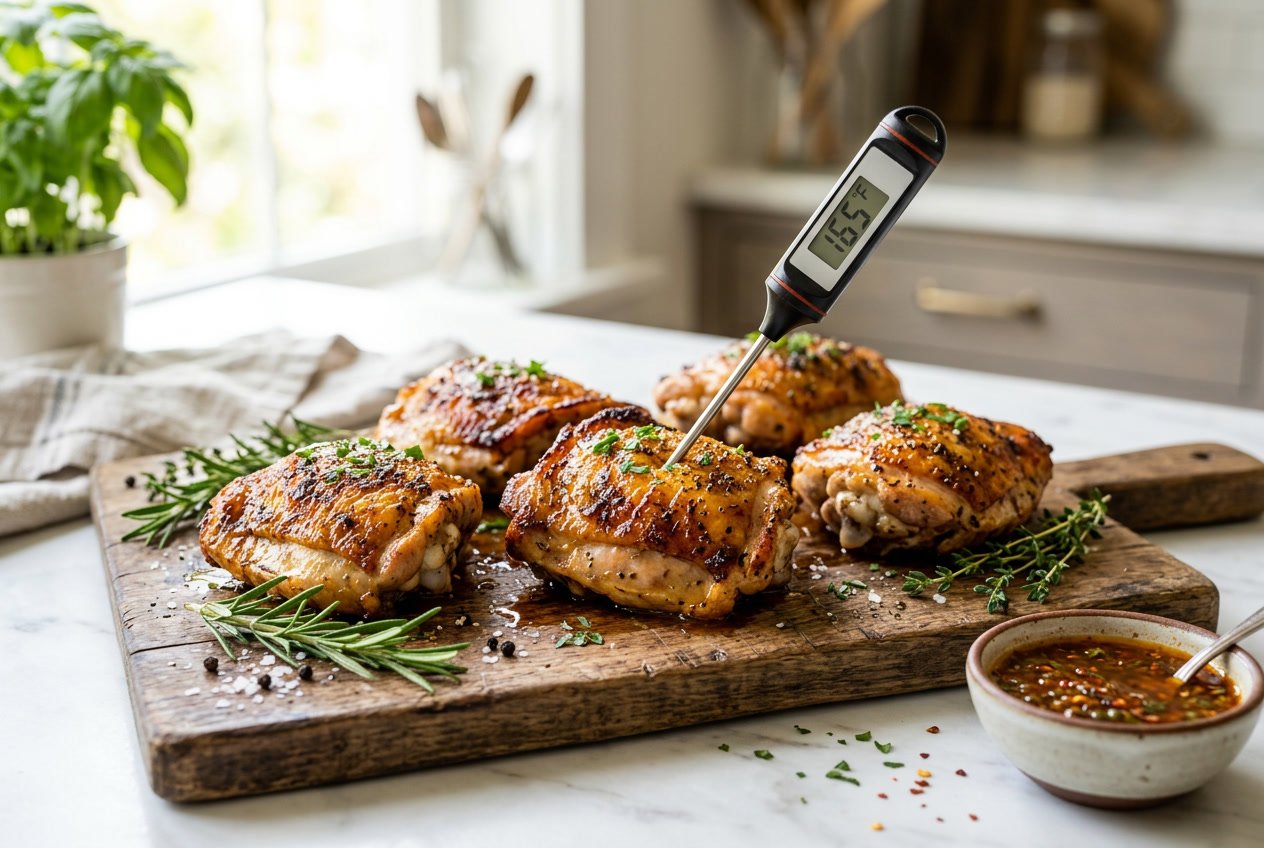
Confirm doneness by temperature, look, and feel to keep thighs safe and juicy. Cook time varies by method, but internal temperature and visual cues give reliable answers.
Safe Internal Temperature
Insert an instant-read meat thermometer into the thickest part of the thigh, avoiding bone contact. Aim for an internal temperature of 175°F (79°C) for bone-in thighs.
Many cooks prefer 175–185°F for tender, fully rendered dark meat. For boneless, skinless thighs, the same target of 175°F is safe, though 165°F is the minimum for poultry.
Account for carryover cooking. The temperature can rise 3–5°F after you remove the thighs from heat.
For oven baking, typical times are about 35–45 minutes at 375°F (190°C) for bone-in thighs. Always verify with the thermometer rather than time alone.
Visual Signs of Doneness
Cut the thickest part of the thigh to inspect color and juices if you lack a thermometer. Fully cooked meat appears opaque and uniform in color, not translucent or glossy.
Juices should run clear, not pink or bloody. Slight pink near the bone can occur in very fresh or smoked thighs, so still confirm with temperature.
Look at the exterior too. For baked thighs, skin should be golden brown and slightly crisp when done.
Shrinkage of the meat away from the bone and a firm surface are helpful secondary indicators.
Meat Juiciness and Texture
Thighs should feel firm but still springy, not mushy or rock-hard. Press the thickest part and look for moderate resistance and slight bounce back.
Overcooked thighs become dry and stringy. Undercooked ones are soft and gelatinous.
Rest thighs 5–10 minutes after cooking to let juices redistribute. This improves juiciness and raises the internal temperature slightly.
If you’re baking, consider oven temperature and time trade-offs. Higher heat crisps skin faster but risks drying the meat.
Baking at 375°F for 35–45 minutes balances browning and moisture retention for average-sized bone-in thighs.
Best Cooking Methods for Chicken Thighs
Choose methods that produce moist meat and, when desired, crisp skin. Focus on temperature, timing, and whether the thighs are bone-in or boneless to get reliable results.
Oven Baking Chicken Thighs
Oven-baked chicken thighs give you consistent doneness and easy hands-off cooking. Use bone-in, skin-on thighs for the best texture and flavor.
Preheat your oven to 400°F (200°C) for a balance of browning and juiciness. Pat the skin dry, season well, and place thighs skin-side up on a wire rack set over a rimmed baking sheet.
Bake 35–45 minutes for bone-in, skin-on thighs at 400°F. Check for an internal temperature of 175°F.
For crispy oven-baked chicken thighs, finish under the broiler 1–2 minutes if needed. Boneless thighs cook faster—about 20–25 minutes—so reduce time and check temperature earlier.
Air Fryer Chicken Thighs
Air frying delivers crisp skin with shorter cook time and less oil. Preheat the air fryer to 375–400°F and arrange thighs skin-side up in a single layer.
Pat the skin dry and toss with a light coat of oil and your seasoning of choice to encourage browning. Cook bone-in thighs 18–25 minutes at 380–400°F, flipping once halfway for even crisping.
Aim for 170–180°F internal temp, letting carryover heat finish the rest. Boneless thighs usually finish in 12–18 minutes.
Use a thermometer to prevent overcooking. For extra-crispy air fryer chicken thighs, increase temp to 400°F for the last 3–5 minutes.
Grilling Chicken Thighs
Grilling adds char and smoky flavor that pairs well with marinades and rubs. Use two-zone heat: medium-high direct heat for searing and indirect heat to finish cooking through.
Start skin-side down over direct heat to render fat and build crispness, 4–6 minutes per side depending on thickness. Move thighs to indirect heat and close the lid to cook until the internal temperature reaches 170–180°F for bone-in thighs, typically 15–25 minutes total.
Keep sauce or sugary glazes for the last 5 minutes to avoid burning. For boneless thighs, reduce searing time and watch closely, as they can overcook faster.
Seasoning and Flavor Pairings
Seasoning chicken thighs well brings out their natural juiciness and supports whatever cooking method you choose. Focus on salt, a balance of herbs and spices, and timing.
Essential Spices and Herbs
Start with salt and freshly ground black pepper. Use about ½–1 teaspoon kosher salt per pound of meat, adjusted to taste.
Paprika (sweet or smoked) adds color and a mild smoky-sweet note. Dried oregano and thyme give herbal depth.
For marinades, combine oil, acid (lemon or vinegar), garlic, and these herbs to penetrate the meat. Marinate 30 minutes to overnight depending on intensity desired.
Finish with fresh herbs or a light sprinkle of paprika and black pepper after cooking to refresh aroma and flavor.
Popular Seasoning Combinations
Classic roast: salt, black pepper, garlic powder, smoked paprika, and thyme. Rub evenly under and over the skin and roast skin-side up for crispness.
Mediterranean: olive oil, lemon zest, oregano, thyme, black pepper, and a touch of paprika. Marinate 30–60 minutes. Roast or grill and finish with lemon slices and chopped oregano.
Spicy blend: cayenne or chili powder, smoked paprika, garlic powder, salt, and black pepper. Use sparingly then taste.
Curry-inspired: turmeric, cumin, coriander, paprika, and black pepper with yogurt as a tenderizing marinade.
Adjust proportions to your preference and the cooking method. Keep salt, pepper, paprika, oregano, and thyme consistent for reliable results.
Must-Try Chicken Thigh Recipes
These recipes show why thighs excel when you want deep flavor, forgiving texture, and flexible cooking methods.
Braised and Smothered Dishes
Brown skin-on thighs first to render fat and build flavor. Simmer in a braising liquid—wine, stock, tomatoes, or soy-based mixtures—until the meat pulls easily from the bone.
Smothered chicken uses aromatics: onions, garlic, bell pepper, and a pan sauce reduced until glossy. Try braised chicken with mushrooms and thyme or a tomato-based braise with olives for a savory, rustic finish.
For a classic smothered result, make a dark pan gravy from fond and chicken stock. Pan-roasted chicken thighs can start on the stovetop and finish in the oven to combine crisp skin with braised tenderness.
Shredded and Soup Recipes
Shredded chicken thighs bring juicy texture to tacos, sandwiches, and stews. Poach or pressure-cook boneless thighs with aromatics—onion, garlic, bay leaf—then shred and dress with lime, cilantro, or a smoky chipotle sauce.
Chicken tortilla soup benefits from shredded thighs added near the end so the pieces stay tender. For heartier applications, use shredded thighs in enchiladas or chicken salad with a light yogurt or mayo binder.
Instant Pot chicken adobo cooks thighs quickly in a soy-vinegar-garlic bath and shreds beautifully for rice bowls.
International Flavors
Chicken thighs adapt to global techniques and bold seasonings with great results. Make Filipino chicken adobo by simmering thighs in soy sauce, vinegar, garlic, and bay leaf.
Try Indian chicken curry using thighs in a spiced tomato-coconut sauce for layers of warmth. Italian-American chicken scarpariello pairs thighs with hot cherry peppers, garlic, and white wine for sharp, briny notes.
For fast meals, marinate thighs in yogurt-spice blends for tandoori-style roasting or use a miso glaze and roast with sweet potatoes for a flavorful sheet-pan dinner.
Tips for Perfectly Cooked Chicken Thighs
Keep the skin dry, season well, and monitor internal temperature. Use techniques that match your cooking method to get better texture and flavor.
Achieving Crispy Skin
Pat each thigh thoroughly with paper towels to remove surface moisture. Wet skin steams instead of crisps.
If you bake chicken thighs, place them on a wire rack over a sheet pan so hot air circulates under the skin. This keeps the underside dry.
For pan-to-oven recipes, sear the chicken skin-side down in a hot, oven-safe skillet for 3–5 minutes until it becomes deeply browned. Then transfer the skillet to a 375–425°F oven to finish cooking.
Salt the skin at least 15–30 minutes beforehand to draw out moisture and season the meat. Brush the chicken lightly with oil or rub with a small amount of melted butter before roasting to promote even browning.
For extra crunch, place the chicken under the broiler for 1–3 minutes while watching carefully.
Resting and Serving Suggestions
After the thighs reach an internal temperature of 165°F, remove them from heat and let them rest for 5–10 minutes. This step allows the juices to redistribute and keeps the meat moist when you cut into it.
Loosely tent foil over the thighs during resting to retain warmth without trapping steam that could soften the skin.
Serve roasted chicken thighs whole for a rustic presentation, or slice across the grain for salads and sandwiches.
For boneless thighs, slice after a shorter 5-minute rest to keep the pieces moist.
Pair with acid-forward sauces like lemon, chimichurri, or a vinegar-based pan sauce to balance the richness.
Use pan drippings to make a quick gravy or glaze.


