
What Should Chicken Thighs Smell Like? Safe Poultry Aroma Guide
You should expect raw chicken thighs to have a very mild, slightly meaty scent. The smell should never be sharp, sour, or ammonia-like.
If the smell is strong, sour, sulfurous (egg-like), or clearly unpleasant, treat it as a sign the meat may be spoiled and discard it.
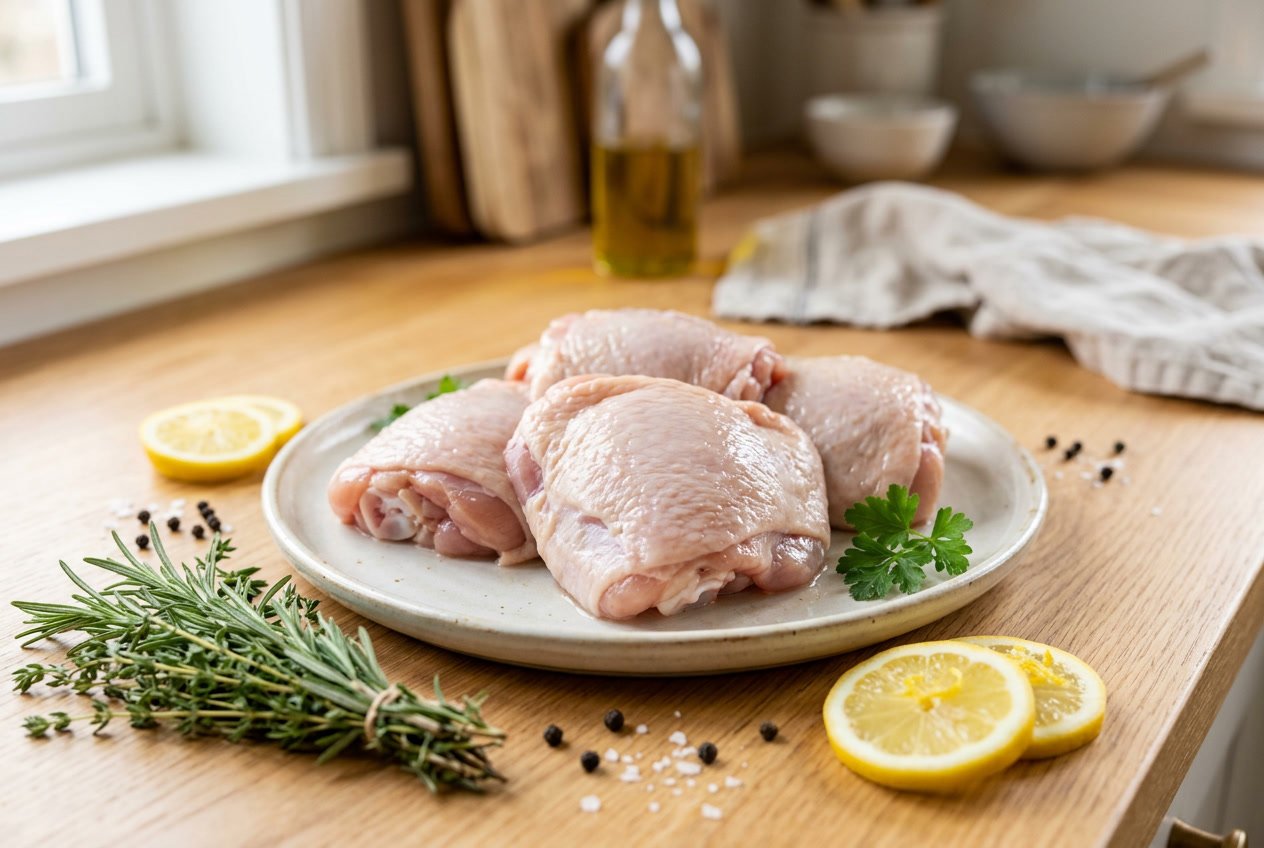
This guide will help you distinguish a normal, subtle chicken aroma from off-putting odors that signal spoilage. You’ll also learn about other freshness clues like color, texture, and storage, along with practical handling and cooking tips.
What Should Chicken Thighs Smell Like?

Raw chicken thighs should smell mild and slightly meaty. After cooking, expect a richer, savory aroma.
Watch for sharp or chemical notes, which indicate spoilage or improper storage.
Expected Aroma of Fresh Chicken Thighs
Fresh chicken thighs have a faint, neutral scent, similar to clean raw meat with a subtle iron or metallic undertone. The smell should not be sharp, sour, or ammonia-like.
Check the aroma within a foot of the package but avoid inhaling deeply. If the odor is subtle and similar to fresh pork or beef, the meat is likely fine.
Also check color and texture. Pinkish flesh and firm, moist (not slimy) skin support freshness.
Natural Variations in Smell
Chicken thighs often smell stronger than breasts because they contain more fat and are closer to bone and skin, which concentrate aroma compounds. Pasture-raised or older birds, or those with more oxidized fat, can produce slightly fuller or gamier notes.
Seasoning, packaging, and storage time can change scent intensity. Frozen-and-thawed thighs may carry slight freezer or stale notes without being unsafe.
If smell, color, or texture looks off, discard the meat.
Raw Versus Cooked Chicken Thigh Scent
Raw chicken gives off a mild and neutral smell. Cooked chicken thighs release savory, roasted, and fatty aromas.
Properly cooked thighs have a warm, rich scent. The higher fat content produces more aroma than lean breast meat.
A pronounced sulfurous, sour, or ammonia odor before or after cooking signals spoilage. Cooking will not remove toxins some bacteria produce, so do not rely on heat to fix an off smell.
Understanding Normal Versus Off-Putting Chicken Odors

Fresh raw chicken thighs should smell faintly of raw meat, with nothing sharp. Spoiled chicken gives sour, ammonia-like, sulfurous, or putrid odors that indicate bacterial breakdown.
How to Distinguish Fresh and Spoiled Smells
Fresh chicken thighs have a mild, neutral, slightly sweet or metallic scent. If you detect sour, ammonia-like, rotten-egg, or sulfurous notes, the meat is likely spoiled.
Also check texture and color. Sliminess, sticky residue, gray-green discoloration, or a film on the surface paired with an off odor confirms spoilage.
If you’re unsure, compare to a known-fresh sample or a freshly purchased package from a trusted store. When in doubt, throw it out.
Impact of Packaging and Confinement Smell
Vacuum-sealed or tightly wrapped chicken can develop a confined, slightly pungent pack smell that isn’t true spoilage. Trapped natural juices and low-oxygen bacterial activity can produce mild sulfurous or metallic notes.
Open the package and let the chicken air for a few minutes. If the odor dissipates and the meat looks normal, it’s likely just confinement smell.
If the odor intensifies or becomes sour or ammonia-like after airing, discard it. Keep packaging clean and avoid punctures.
Reusing flimsy store plastic or storing chicken in original juices for too long increases the chance of off odors and surface bacterial growth.
How Store Chicken Thighs May Differ
Store chicken thighs can carry faint processing or handling scents, such as bleach from the facility, brine, or packaging aromas. These commercial odors are usually mild and fade after airing.
Display times at stores vary. Chicken left in warmer cases or near doorways may develop off odors sooner.
Always check the sell-by date, package integrity, and perform a smell and touch check before purchasing. If buying pre-marinated or seasoned thighs, expect added fragrances and check for sour notes, sticky feel, or unusual discoloration.
Why Do Chicken Thighs Sometimes Smell Like Eggs or Sulfur?
You may notice a sharp eggy or sulfurous odor when you open packaged chicken thighs. This smell can come from biological breakdown, packaging conditions, or processing gases, and each cause affects safety and handling differently.
Causes of Sulfur and Egg-Like Odors
Sulfur-containing amino acids in muscle proteins can break down into hydrogen sulfide, which smells like rotten eggs. Bacterial activity accelerates this breakdown.
Vacuum or modified-atmosphere packaging can trap juices and gases. Anaerobic bacteria can form in low-oxygen bags and create a confined sulfur smell that often dissipates after airing the meat.
Processing and preservation gases from suppliers may also leave a temporary sulfur note. Oxidized blood or accumulating lactic acid in sealed packages can contribute to a metallic, egg-like scent without meaning the chicken is dangerously spoiled.
When Chicken Smells Like Eggs: Is It Safe?
A faint eggy smell that fades after you remove the thighs from packaging is often not a food-safety hazard. If the odor disappears after airing and the meat looks pink and feels moist (not slimy), cooking to 165°F (74°C) will make it safe.
Strong, persistent sulfur or rotten-egg smells that don’t dissipate indicate significant bacterial growth or spoilage. If you notice slimy texture, discoloration, bloated packaging, or an expired sell-by date along with the odor, discard the chicken.
Cooking kills bacteria but won’t remove toxins already produced by spoilage organisms. If you suspect spoilage, don’t take risks.
Common Misinterpretations of Chicken Smell
Normal processing odors can be confused with spoilage. Short-lived sulfur notes from packaging or mild natural scents from certain breeds or diets are common and not always harmful.
Cooking aromatics and marinades can also mask or reveal underlying odors, making it harder to judge freshness after preparation.
Always check texture, color, packaging integrity, and dates. When multiple signs point to spoilage, discard the thighs.
Signs of Spoiled Chicken Thighs
Look for strong, off odors, slimy texture, and color changes. These are the most reliable indicators that chicken thighs are unsafe.
Use smell first, then confirm with touch and visual inspection before cooking.
Additional Warning Signs Beyond Smell
A sour, ammonia-like, or rotten odor means you should discard the thighs immediately. Fresh raw chicken has a faint, neutral, slightly sweet smell.
If the package is swollen, leaking, or torn, bacterial growth or contamination is likely even if the smell seems mild. If the chicken has sat in the fridge over 2 days or past the use by date, risk increases.
If you cook the chicken and it still smells off after reheating, do not taste it.
Visual and Texture Changes to Watch For
Look for color shifts from normal pale pink to gray, green, or iridescent patches. Small dark spots or greenish streaks indicate bacterial or mold growth.
Feel the surface. Fresh thighs are moist but not sticky. A slimy or tacky film that won’t rinse off is a clear spoilage sign.
Trimmed fat that appears yellowed or rancid also signals deterioration. Check for excessive ice crystals or freezer burn on previously frozen thighs.
Severe freezer burn causes dry, discolored meat and poor quality.
Checklist for Spotting Spoilage
- Smell: sour, sulfuric, ammonia, or rotten odor → discard immediately.
- Texture: slimy, sticky, or tacky surface → unsafe to eat.
- Color: gray, green, brown, or iridescent areas → throw out.
- Packaging: swollen, punctured, leaking, or past use by date → consider contaminated.
- Storage time/temperature: left at room temp over 2 hours or fridge above 40°F (4°C) → higher risk.
- Cooked appearance: off smell after cooking, unusual color or texture → do not eat.
Use this checklist in order: smell first, then touch, then sight, and always consider storage history. If you have any doubt, discard the chicken.
Factors That Influence Chicken Thigh Smell
Several controllable and biological factors determine the scent of raw chicken thighs. These include the bird’s genetics and diet, plus how you store and handle the meat.
Pay attention to these specifics to judge freshness accurately and reduce off-odors.
Effects of Breed, Diet, and Age
Breed influences fat distribution and muscle composition, which changes aroma intensity. Heritage breeds with more intramuscular fat often produce a slightly richer, more meaty smell than commercial broilers.
Diet directly alters volatile compounds in the meat. Chickens fed diets high in fishmeal, flax, or certain herbs can pass subtle flavors and odors into the thighs.
Grain-fed birds typically yield a milder, cleaner scent. Age at slaughter matters.
Younger birds tend to have a more neutral, faint raw-meat odor. Older birds can develop stronger, gamey notes because of greater connective tissue and fat oxidation.
Know your source and its production practices to set expectations for what your chicken thighs should smell like.
Role of Storage and Handling Conditions
Temperature control is the most important handling factor. Keep raw chicken thighs at or below 40°F (4°C).
Anything warmer accelerates bacterial growth and produces sour or ammonia-like odors within hours. Packaging and exposure to air change smell through oxidation and cross-contamination.
Vacuum-sealed thighs retain a fresher scent longer than loose-packaged ones. Avoid storing chicken in the fridge door where temperatures fluctuate.
Refrigerate and use within 1–2 days, or freeze for longer storage. Thawing and refreezing increases off-odors because cell damage releases more odor-causing compounds.
Always keep raw chicken separate from ready-to-eat foods to prevent transfer of spoilage aromas.
Safe Handling, Storage, and Cooking Recommendations
Keep raw chicken thighs cold and separate, and cook them to the right temperature to prevent bacterial growth and off-odors. Store promptly, check for sliminess or sour smells, and cook to 165°F (74°C) measured at the thickest part.
Proper Storage Techniques for Freshness
Store chicken thighs in the coldest part of your fridge at 40°F (4°C) or below. Keep them in their original packaging or transfer to an airtight container or heavy-duty freezer bag.
If you won’t use the thighs within 1–2 days, freeze them. Wrap tightly in plastic wrap and foil or use a vacuum sealer, and label with the date.
Frozen thighs keep best quality up to 9 months, but use them sooner for optimal texture. When thawing, plan ahead.
Thaw in the refrigerator on a plate to catch drips, or use the defrost setting on a microwave if you’ll cook immediately. Never thaw chicken on the countertop.
Best Practices When Smell Is in Question
If you notice a sour, ammonia-like, or sulfurous odor from the chicken, discard it. These smells signal bacterial breakdown and possible toxin production that cooking won’t reliably fix.
Check the texture and color as well. A slimy feel or gray or green tints, especially with bad odors, confirm spoilage.
If the smell is faint and ambiguous, compare it to a known fresh sample or smell other raw proteins for reference.
When you keep the chicken, cook thighs to an internal temperature of 165°F (74°C). Place a calibrated instant-read thermometer in the thickest part without touching bone.
Wash hands, surfaces, and tools after handling raw chicken to prevent cross-contamination.


