
What Is the Protein in Chicken Thighs? Complete Guide and Nutrition
You may want to know exactly how much protein you get when you choose a chicken thigh.
A typical skinless, boneless chicken thigh (about 3.3 oz or 94 g raw) contains roughly 15–17 grams of protein. Thighs serve as a solid protein source, though slightly lower than breast by weight.
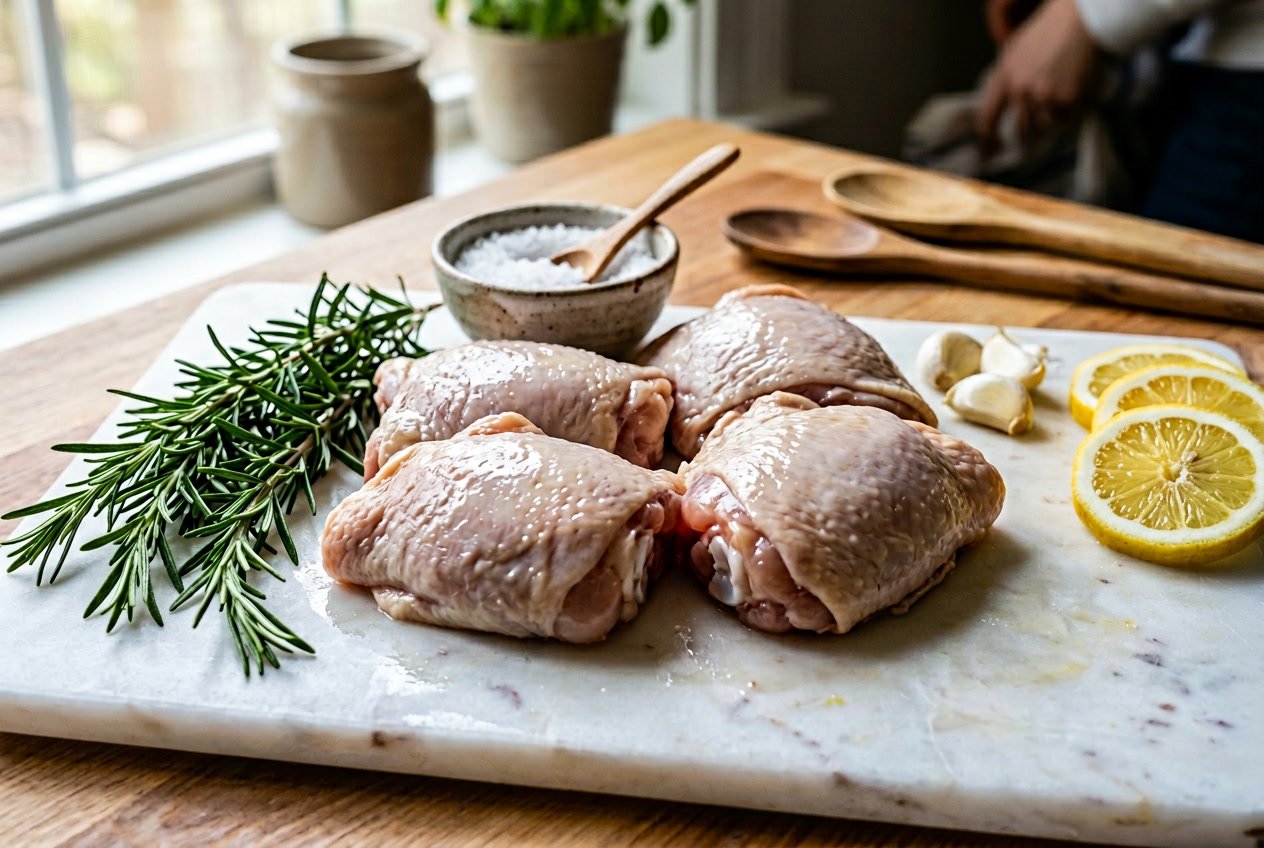
Factors like bone and skin, cooking method, and portion size change that number.
Thighs compare to breast and other meats in protein, fat, and calories.
You can use this information when planning meals, tracking macros, or choosing cuts that fit your dietary goals.
Protein Content in Chicken Thighs
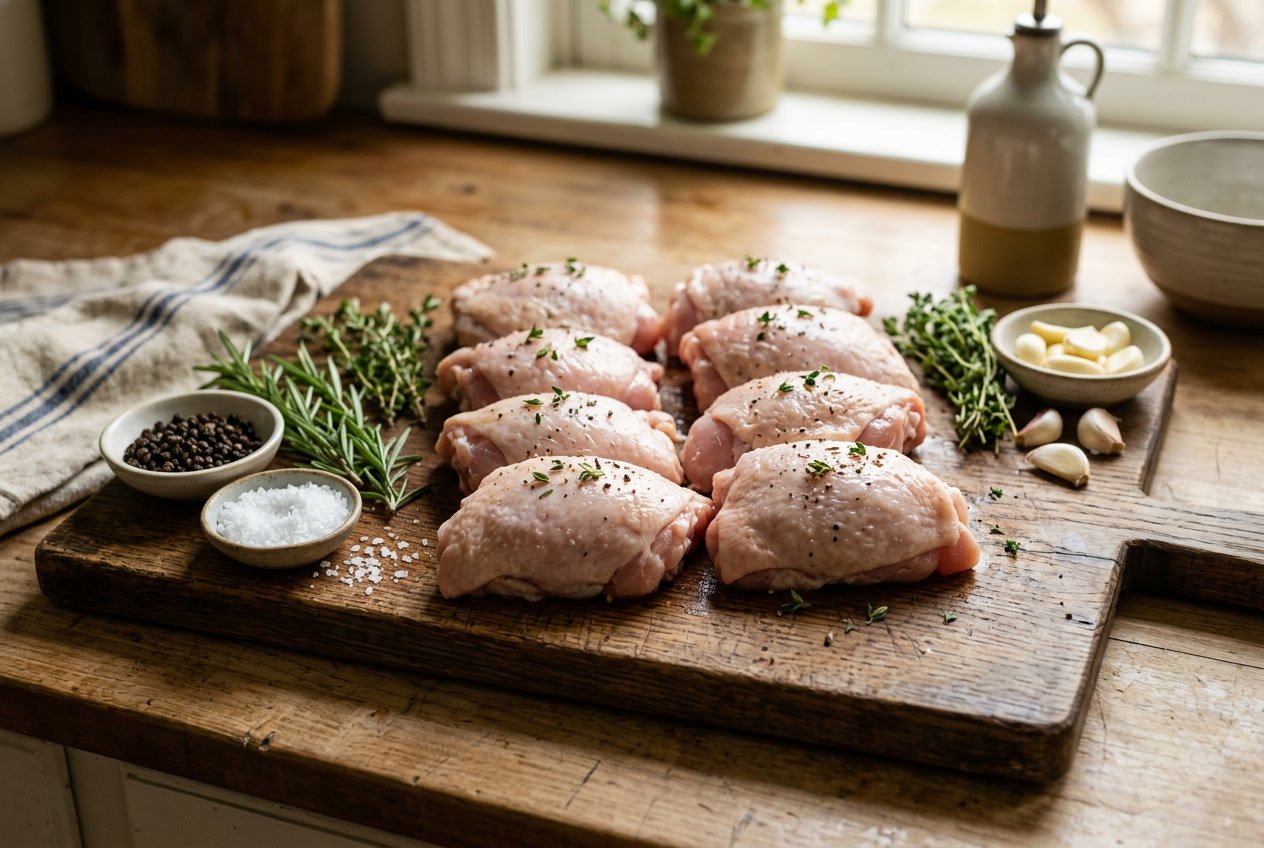
A cooked chicken thigh delivers a substantial amount of complete protein and some fat that affects calorie count.
Protein amount depends on whether the thigh is skin-on, bone-in, or trimmed, and on cooking loss.
Average Protein per Serving
A typical single cooked chicken thigh (about 3.5 ounces / 100 g meat-only equivalent) contains roughly 25–26 grams of protein.
If your thigh includes skin or bone, the edible meat portion will be smaller, so expect closer to 15–22 grams per medium-sized piece depending on size.
For meal planning, use this quick guide:
- Boneless, skinless thigh (cooked, 3.5 oz): ~25–26 g protein.
- Medium bone-in, skin-on thigh (whole piece): ~15 g protein (meat only).
If you need 50 g protein, plan on about two cooked boneless thighs or three medium bone-in thighs.
Chicken thigh protein supplies all essential amino acids and supports muscle repair and daily protein targets.
Protein per 100 Grams
Per 100 grams of cooked chicken thigh meat (meat only), you get about 25–26 grams of protein.
This measure lets you scale for recipes, calorie targets, or macronutrient tracking.
Reference table:
- Cooked, boneless, skinless: ~26 g protein / 100 g
- Cooked, skin-on (meat only): ~24–26 g protein / 100 g (fat slightly higher)
Cooking concentrates nutrients. Raw-to-cooked weight changes mean raw 100 g will yield less cooked weight and a different protein-per-raw-gram value.
Base calculations on cooked weight when tracking intake after preparation.
Variations by Cut and Portion
Protein in chicken thighs varies mainly by skin and bone presence, portion size, and cooking method.
Skin-on thighs add fat and calories but do not significantly increase protein per meat gram.
Bone-in pieces reduce edible grams per portion, lowering the protein you actually eat.
Key differences:
- Skinless vs skin-on: similar protein per meat gram; skin adds ~30–40 kcal per 100 g.
- Bone-in: about 15–25% weight is bone — reduce expected protein accordingly.
- Cooking loss: high-heat methods reduce water content and concentrate protein per cooked gram; frying may add fat from oil.
If you track macros, weigh the cooked meat after removing bone and skin.
That gives the most accurate estimate of protein in chicken thigh for your meal.
Factors Influencing Protein Amount
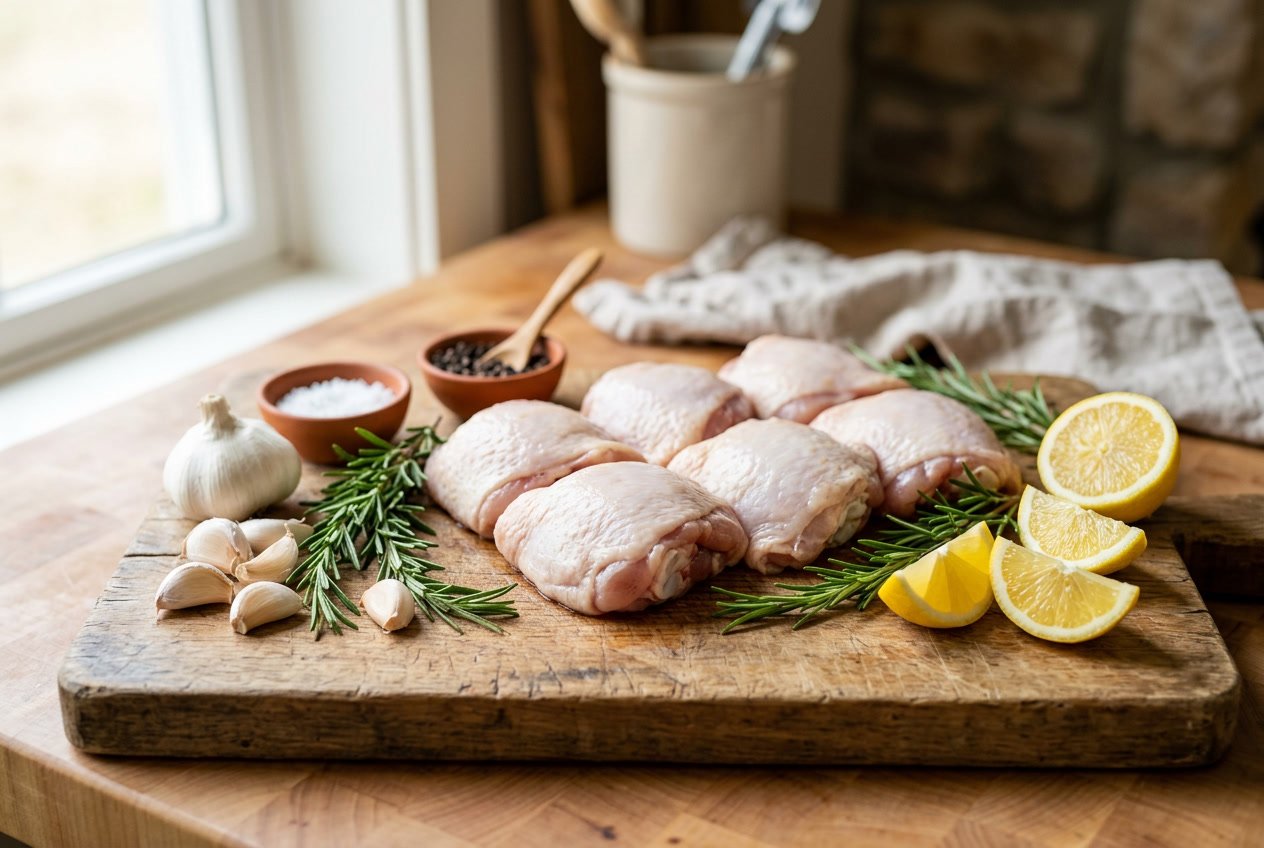
Protein in chicken thighs varies by measurable factors you can control or check at purchase.
Key drivers are bone or skin presence, raw or cooked weight, and production method (organic vs conventional).
Bone-In vs. Boneless
Bones add weight but not protein.
A bone-in thigh shows lower grams of protein per 100 g of edible meat compared to a boneless thigh at the same package weight.
When a recipe lists two bone-in thighs (about 180–220 g each raw), you get less actual meat and protein than two boneless thighs of the same gross weight.
Weigh the cooked meat after removing bones or use nutrition data labeled “meat only” or “boneless.”
If you need roughly 50 g protein, plan for about 200–220 g of cooked, boneless thigh meat (about two medium boneless thighs), not the same weight in bone-in pieces.
Skin-On vs. Skinless
Skin adds fat and calories but contributes negligible protein.
A skin-on cooked chicken thigh will have lower protein per 100 g of the whole piece compared with the same piece trimmed skinless.
If you eat the skin, account for extra calories and fat.
If you remove it before eating, use skinless nutrition values (about 25 g protein per 100 g cooked).
For accurate protein tracking, weigh and record only the meat you eat or use databases that specify “skinless” or “skin-on” cooked values.
Cooking method matters. Pan-frying with skin keeps more juices but adds fat. Baking and removing skin before serving reduces fat while leaving protein content of the meat similar.
Raw vs. Cooked
Cooking removes water and concentrates protein, so protein per 100 g increases after cooking.
Raw chicken thigh contains less protein per 100 g because it has more water.
Raw skinless thigh shows ~17–19 g protein per 100 g, while cooked skinless thigh concentrates to ~25–27 g per 100 g.
Compare raw-to-raw or cooked-to-cooked values when tracking protein in recipes or meal plans.
Measure portions after cooking if you eat the prepared meat.
If you use raw weights for meal prep, apply typical yield factors: expect about 70–75% of raw weight as cooked edible meat, depending on method and duration.
Organic and Conventional Differences
Production method (organic vs conventional) has minimal effect on protein percentage in thigh meat.
Protein content depends on muscle composition and processing, not certification.
Small variations may occur due to feed, bird breed, age at slaughter, or fat levels.
Organic birds sometimes have slightly different fat distributions, which can slightly change protein per 100 g, but differences stay within a few grams.
Choose organic for reasons like pesticide exposure or animal welfare, not protein content.
For predictable protein amounts, rely on cut type, bone/skin status, and cooked weight.
Chicken Thighs vs. Other Cuts and Meats
Chicken thighs provide a dense source of protein with more fat, iron, and flavor than many other cuts.
You get roughly 20–26 g of protein per 100 g, plus higher myoglobin-related minerals that support oxygen transport.
Chicken Thighs vs. Chicken Breasts
Chicken breasts are leaner, with about 20–31 g protein per 100 g cooked and very low fat.
If you want to maximize protein per calorie, breasts usually give more protein and fewer calories than thighs.
Thighs deliver about 20–26 g protein per 100 g cooked, but also 6–12 g fat depending on skin and cooking.
That extra fat keeps thighs juicier and supplies monounsaturated fat.
Choose thighs for richer texture, more iron and zinc, or if you follow a moderate-fat plan.
Nutrition table (approximate, cooked, boneless skinless):
- Breast (100 g): ~165 kcal, ~31 g protein, ~3.6 g fat.
- Thigh (100 g): ~190–200 kcal, ~25–28 g protein, ~8–12 g fat.
Pick breasts for lower calories and higher protein density.
Pick thighs for flavor, satiety, and slightly higher micronutrients.
Comparison to Drumsticks and Wings
Drumsticks and wings are also “dark meat,” similar to thighs in myoglobin and mineral content.
Drumsticks typically match thighs closely for protein but may have slightly less meat per piece because of bone proportion.
Wings are fattier relative to meat weight and often lower in protein per whole-piece serving.
If you remove skin and weigh only edible meat, drumstick and thigh protein values converge: roughly 20–26 g protein per 100 g cooked.
Wings tend to register lower protein per piece because bones take up more weight and preparation often adds breading or sauce.
For grilling or stews, choose drumsticks or thighs for similar protein and richer taste.
Choose breasts if you want lean, high-protein portions with minimal fat.
Chicken Thighs vs. Other Proteins
Compare thighs to beef, pork, fish, and plant proteins by protein density and fat profile.
Cooked chicken thigh gives about 25–28 g protein per 100 g with moderate fat.
Lean beef or pork loin may offer similar protein but often higher saturated fat.
Fish (like salmon) provides comparable protein with more omega-3s and different micronutrients.
Plant proteins (tofu, legumes) can match protein per serving but require larger portions or combining foods to reach the same amino acid profile.
If you need iron and zinc alongside protein, thighs offer more per equal weight than many plant sources.
When planning meals, weigh and track cooked portions for accurate chicken thigh protein counts.
Match your choice to your goals: higher protein-per-calorie (breast/lean meats), more healthy fat and micronutrients (thighs, certain fish), or plant-based combinations if you avoid animal products.
Fat and Calorie Content in Chicken Thighs
A cooked, skinless chicken thigh typically contains about 200–220 calories per 100 g and roughly 8–11 g of total fat.
These values change with skin-on or bone-in cuts and depend on cooking methods that add or remove fat.
Fat Content Breakdown
A 100 g serving of cooked, skinless chicken thigh contains about 8–11 g total fat, including roughly 2.5–3 g saturated fat.
If you leave the skin on, total fat rises to about 10–13 g or more per 100 g, and calories increase by ~30–50 kcal.
Fats in thighs are a mix of monounsaturated, polyunsaturated, and saturated fatty acids.
Monounsaturated fats make up a significant portion and can be heart-healthy when eaten in moderation.
Use roasting, grilling, or baking to limit added fats.
Frying or cooking with extra oil raises both total fat and calories substantially.
One average boneless, skinless cooked thigh (~85–100 g) supplies most of the fat numbers above.
A skin-on thigh adds noticeably more.
Trimming visible fat and removing the skin reduces saturated fat and total calories with minimal protein loss.
Protein-to-Fat Ratio
Cooked, skinless chicken thigh delivers about 25–28 g of protein per 100 g versus 8–11 g of fat, giving a protein-to-fat ratio near 3:1 by weight.
That makes thighs a concentrated protein source with moderate fat.
If you include the skin, the ratio shifts: protein remains similar while fat increases, dropping the ratio closer to 2:1 or lower.
For example, a skin-on 100 g portion with ~210–220 kcal and ~11 g fat still provides ~25 g protein, but the extra fat raises energy density and satiety.
Choose skinless thighs for higher protein-per-calorie efficiency.
Keep the skin for cooking methods that benefit from the fat’s moisture and flavor.
How Cooking Methods Affect Protein
Different cooking methods change the weight, moisture, and fat of chicken thighs.
These changes alter the protein amount per cooked gram.
You will see small changes to total protein but meaningful differences in protein density, flavor, and calories depending on method and whether skin remains.
Impact of Grilling, Baking, and Frying
Grilling and baking remove water and some fat, concentrating protein per 100 g of finished meat.
For example, a raw thigh that yields 27 g protein when cooked may register ~25–28 g per 100 g after grilling or baking, depending on final moisture and whether you removed the skin.
Frying introduces added fat from the oil and can increase overall calories without increasing protein.
If you bread the thigh, the protein per 100 g drops because coating adds carbs and fat while diluting the meat’s protein.
High, direct heat can also form a crust that affects moisture loss.
Monitor internal temperature to avoid overcooking.
Moisture and Protein Density
Protein content is usually reported per cooked weight.
Moisture loss raises protein grams per 100 g even if total protein in the piece stays nearly constant.
A 150 g raw thigh and a 110 g cooked thigh may contain roughly the same total protein, but the cooked thigh shows higher protein per 100 g.
Track whether your nutrition source lists raw or cooked values.
Skin-on thighs retain more fat and moisture, which lowers protein density versus skinless cooked meat.
Always weigh the cooked portion for accurate protein tracking.
Tips to Maximize Protein Retention
- Cook to safe temperatures. Reach 74°C (165°F) internal for safety without overcooking. Use an instant-read thermometer for precision.
- Prefer dry-heat methods like baking or grilling if you want higher protein per gram. These methods reduce water while limiting added fats.
- Remove skin for higher protein density per calorie if you want leaner protein. Keep bone-in for flavor but weigh only the meat for protein calculations.
- Avoid heavy breading or frying in large amounts of oil when protein-per-calorie matters. If frying, use minimal oil and drain on paper to reduce added fat.
Nutritional Benefits and Usage in Diets
Chicken thighs provide a concentrated source of high-quality protein, iron, zinc, B vitamins, and a moderate amount of fat. You gain both muscle-supporting amino acids and calories that help with satiety.
You can adjust preparation, such as removing the skin or choosing a cooking method, to fit calorie or fat targets.
Essential Amino Acids Profile
Chicken thigh protein supplies all nine essential amino acids. You get a complete protein for tissue repair and metabolic needs.
A typical 4 oz (cooked) boneless skinless thigh delivers roughly 25–30 grams of protein. This includes substantial amounts of leucine, isoleucine, and valine, the branched-chain amino acids linked to muscle protein synthesis.
Those BCAAs support recovery after resistance exercise and help maintain lean mass during calorie restriction. The amino acid profile also includes lysine and methionine, which assist collagen formation and methylation reactions.
You absorb these amino acids efficiently because they come in a dense, whole-food matrix. You also get micronutrients like iron and zinc that support metabolic health.
Benefits for Muscle Growth and Weight Management
You can use chicken thigh protein to meet daily protein targets without relying only on lean breast meat. The slightly higher fat content slows gastric emptying, which increases fullness and can reduce snacking between meals.
If you consume 25–40 g of protein per meal, a single cooked thigh often satisfies a large portion of that goal. For muscle growth, aim for 0.25–0.40 g of protein per kg bodyweight per meal.
Chicken thighs fit well into that strategy because they combine complete protein with calories for training adaptation. For weight management, choose boneless skinless thighs and grill or bake them to limit added fat while retaining flavor and satiety.
Incorporating Chicken Thighs into Meals
Choose chicken thighs when you want juiciness and flavor in dishes like stir-fries, curries, sheet-pan dinners, and slow-cooked stews.
Trim the skin or remove it after cooking to cut 50–70 calories per thigh if you want to lower your calorie intake.
Weigh cooked meat for portion control. A serving of 3–4 oz cooked provides about 20–30 g protein.
Pair thighs with fiber-rich vegetables and a source of healthy fat such as avocado or olive oil. This combination helps balance blood sugar and improves absorption of fat-soluble vitamins.
If you follow a higher-protein plan, double the thigh portion or add a legume or dairy side to reach your target without using processed protein powders.


