
What Is the Price of Chicken Thighs? Your 2026 Cost Guide
You can usually buy chicken thighs for about $3.94 per pound at the lowest advertised price in major retailers right now. Typical in-store prices often land slightly higher depending on cut and store.
Expect variation between roughly $4–6 per pound for common options. Boneless and organic varieties cost more, while promotional or bulk packs drop the price.
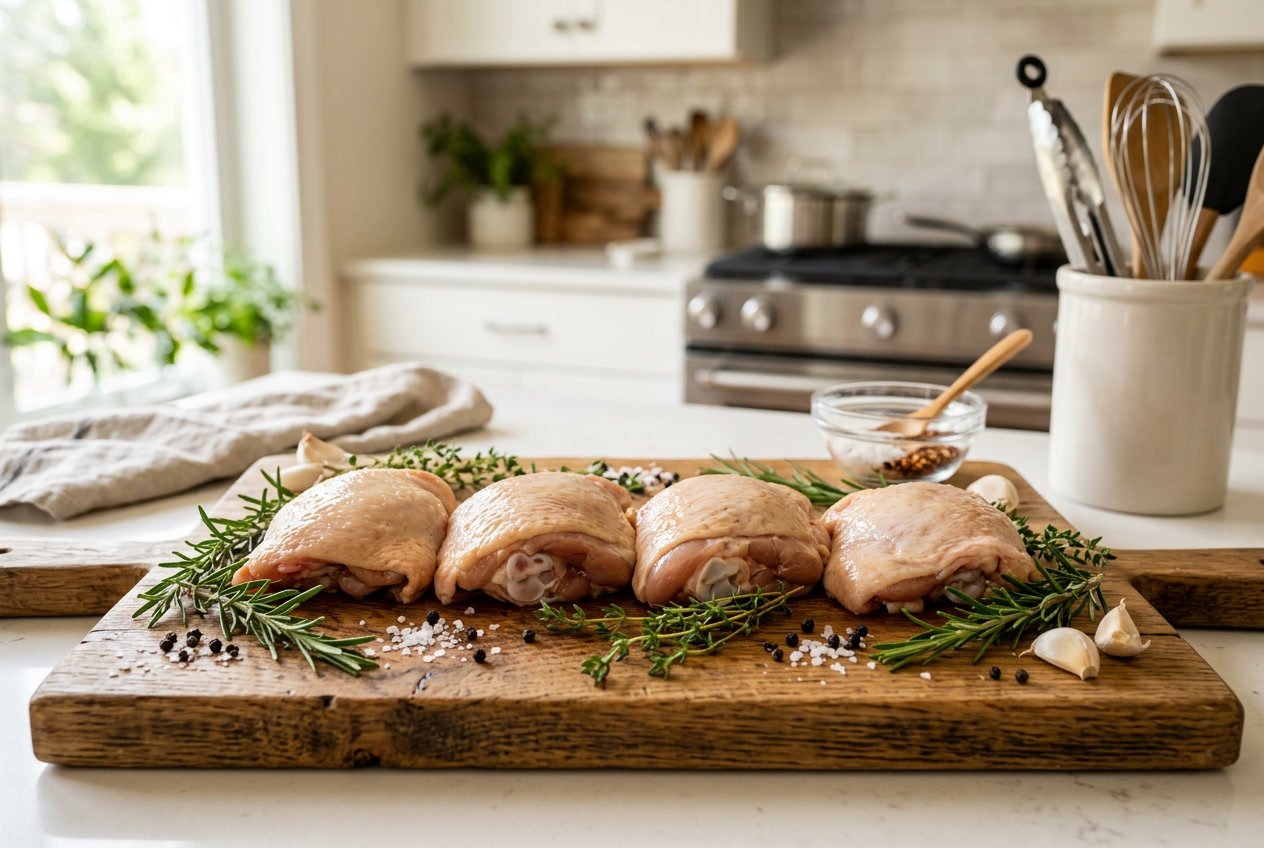
This post breaks down how those numbers form. It compares boneless vs. bone-in, fresh vs. frozen, and where promotions or bulk deals can shave dollars off your bill.
You’ll get practical tips to spot the best value. These tips help you stretch your grocery budget without sacrificing quality.
Average Price of Chicken Thighs in 2026
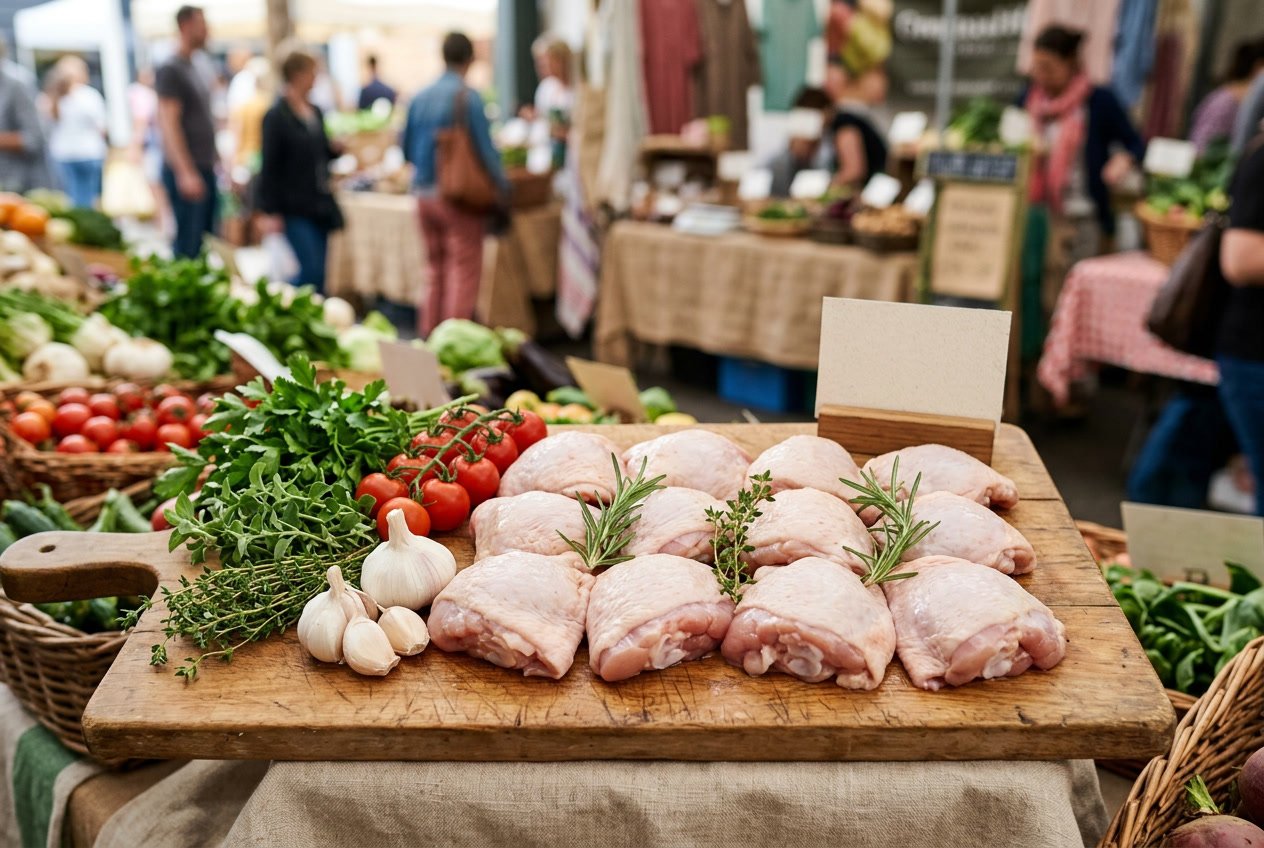
Expect a broad per-pound spread driven by cut (bone-in vs boneless), skin, and whether the thighs are fresh or frozen. Package sizes and retailer type also shift what you pay at the register.
Price Range Per Pound
Fresh chicken thighs typically range from about $1.50 to $5.80 per pound in 2026. Most common grocery options fall between $1.90 and $4.50/lb.
Bone-in, skin-on thighs sit at the low end, often $1.50–$3.00/lb, because less processing and trimming are required. Boneless, skinless thighs generally cost more, commonly $3.00–$5.80/lb, due to deboning labor and added convenience.
Seasonal demand and regional supply affect those numbers. Holiday weeks or localized supply disruptions can push the low end up by $0.20–$0.50/lb.
You can usually save by choosing frozen packs when fresh prices spike.
Price Per Package
Retail packages usually weigh 2–3 pounds for family packs. Expect typical package prices from about $6 to $15.
A 2.5 lb family pack of bone-in, fresh thighs at $2.60/lb will cost roughly $6.50. A 3 lb pack of boneless, fresh thighs at $4.50/lb will run about $13.50.
Bulk frozen packs push unit prices lower but raise total spend. 5–10 lb bulk bags often average $2.00–$3.80/lb.
Look at per-pound price on the label rather than the package total. Smaller packages sometimes cost more per pound despite a lower sticker price.
Organic or antibiotic-free labeling can add $2–$3/lb to the package.
Comparison of Major Retailers
Big-box stores and warehouse chains usually offer the lowest per-pound prices on fresh chicken thighs. They often undercut supermarkets by $0.40–$1.00/lb on standard family packs.
National supermarket chains show mid-range pricing and frequent sales on fresh thighs. Loyalty coupons and weekly specials can make these competitive.
Specialty grocers and organic-focused retailers charge premiums for certified or organic fresh thighs, frequently $4.50–$6.00+/lb.
If you shop at discount chains, you’ll find bone-in fresh thighs closest to the low end of the range. For boneless, skinless and organic options, compare per-pound pricing across one or two retailers before you commit.
Boneless vs Bone-In Chicken Thigh Prices
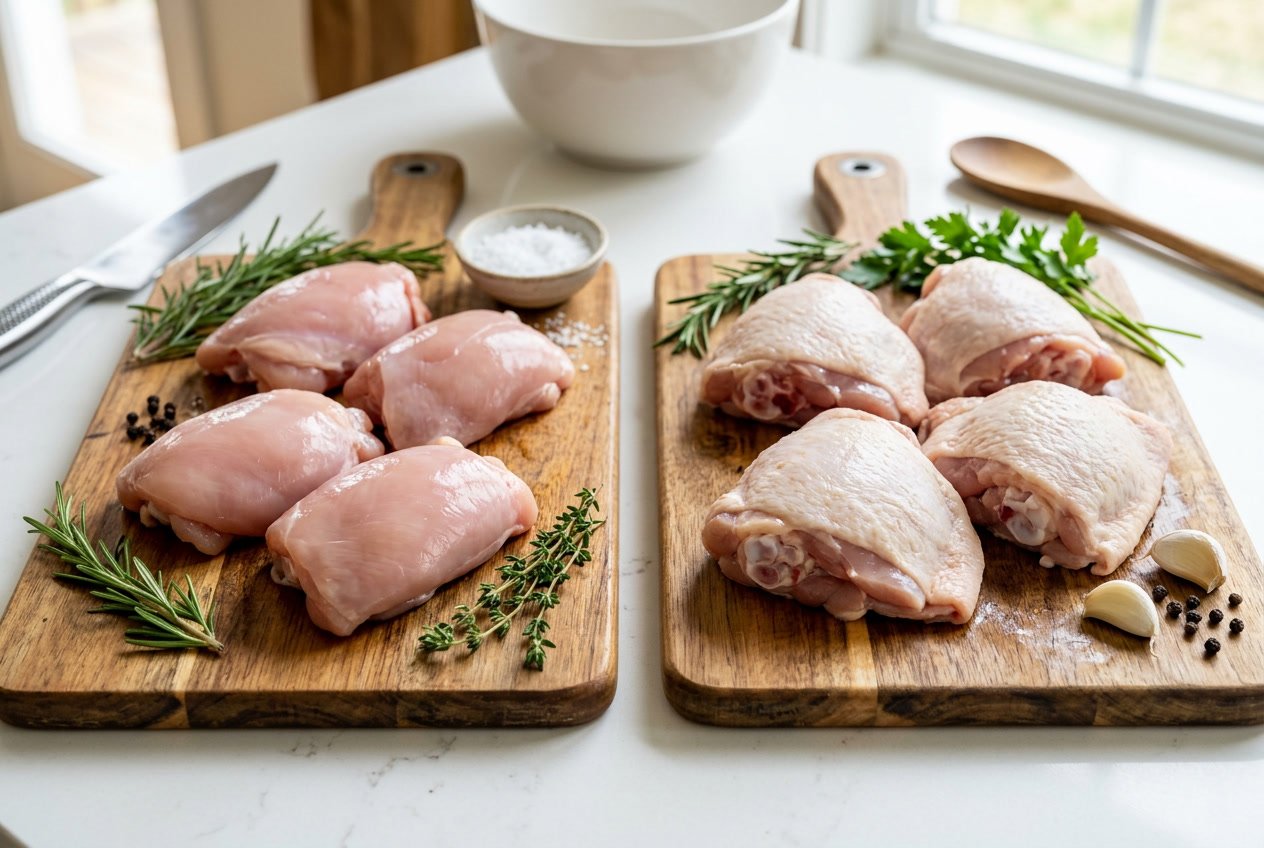
You’ll see a clear price gap between boneless skinless thighs and bone-in thighs. The trade-offs are convenience, edible yield, and per-pound cost.
Boneless Skinless Chicken Thigh Pricing
Processors remove bone and skin from boneless skinless thighs, which adds labor and loses weight in the process. Boneless skinless thighs usually cost more per pound.
Expect typical retail prices around $3–4 per pound at mainstream grocers. Sales can push that below $2.99, and organic or specialty brands can exceed $6 per pound.
You pay for convenience: less prep, faster cooking, and no waste from bones or skin.
If you buy bulk packages, check piece count and net weight to compare unit price accurately. For recipes that call for shredded or diced meat, boneless thighs often save time and labor.
Boneless thighs freeze and portion easily. They have slightly less flavor and fat than skin-on cuts.
If you watch calories, skinless helps reduce fat content by roughly 10–15% per serving.
Bone-In Chicken Thigh Pricing
Bone-in, skin-on thighs typically sell for $1–$3 per pound. This is often about $1 less than boneless equivalents.
The bone and skin account for non-edible weight (around 15–25%), so the lower price reflects that lower processed yield.
Bone-in thighs offer more flavor and moisture. This benefits braises, roasts, and slow cooking.
If you debone at home, you can capture the savings and still use bones for stock. Compare prices by edible-meat yield: a bone-in thigh priced at $2/lb may equal a $3.50/lb boneless thigh once you account for bone weight.
Look for family packs and warehouse club deals to maximize value. If you don’t mind a bit of prep, bone-in thighs stretch your budget further.
Factors That Affect Chicken Thigh Prices
Prices for chicken thighs vary because of a few specific, measurable factors: how the cut is processed, the label and brand, where you buy it, and the packaging format. These elements determine unit cost, convenience premiums, and how long the product stays usable.
Cut Type and Processing
The cut and level of processing directly change the per-pound price. Bone-in chicken thighs usually cost less per pound than boneless skinless chicken thighs because removing bones and skin adds labor and reduces yield.
If you buy boneless skinless thighs, expect to pay a premium of roughly $1 or more per pound compared with bone-in pieces.
Fresh chicken thighs sold ready-to-cook (deboned, skin removed) carry added processing fees but save you prep time. If you value convenience, that premium can be worth it.
If you want lower unit cost, choose bone-in or remove skin and bones yourself.
Brand and Labeling
Branding and special labels drive clear price differences you can observe on the shelf. Conventional store-brand chicken thighs typically sit at the lowest price point.
National brands and premium producers charge more for consistent cut size and marketing. Labels such as organic, free-range, air-chilled, natural, kosher, or certified humane add 20–60% to the base price in many markets.
You pay extra for the production standards those labels represent. If budget matters most, choose unbranded or store-brand bone-in chicken thighs.
Region and Store Location
Your location significantly affects cost. Urban areas and regions farther from processing centers often show higher retail prices due to transportation and higher operating costs.
Prices at discount grocers or warehouse clubs in your region can be noticeably lower per pound than boutique or specialty stores nearby. Local demand also shifts prices.
In peak grilling season or before major holidays, retailers raise prices or reduce promotions. Compare unit prices across stores and use loyalty apps to find the best local deal on fresh chicken thighs.
Packaging Formats
Packaging format changes both price and how you use the product. Family packs and bulk bags usually offer the lowest unit price, but you must freeze extras promptly to avoid waste.
Retail-ready trays and individually portioned packs cost more per pound because of extra packaging and handling. Pre-marinated or seasoned thighs carry an added cost for the marinade and processing.
Frozen multi-pack bags often lock in sale prices and can be cheaper than fresh chicken thighs when bought on promotion. Choose packaging based on your storage capacity and how quickly you will cook the meat.
Fresh vs Frozen Chicken Thigh Cost Differences
Fresh thighs usually cost more per pound than frozen ones because of handling, shorter shelf life, and retail display losses. Frozen thighs often appear cheaper, offer bulk savings, and reduce waste when you plan meals or freeze extra portions.
Fresh Chicken Thigh Pricing
You’ll typically pay a premium for fresh chicken thighs at retail. Expect boneless, skinless fresh thighs around $3–4 per pound at mainstream grocers.
Bone-in, skin-on fresh thighs often run $1–1.50 cheaper per pound. Higher-cost labels — organic, free-range, or specialty-processed (air-chilled, kosher) — commonly add 20–60% to the base price.
Retailer format and packaging matter. Small tray packs and pre-marinated fresh thighs cost more than family packs.
Fresh thighs also risk markdowns close to sell-by dates, so timing your purchase can lower your effective price.
Frozen Chicken Thigh Pricing
Frozen thighs often give the best unit price, especially in bulk. You can find frozen boneless thighs for under $2.50 per pound on sale.
Bulk 10–20 lb bags at warehouse clubs commonly beat grocery per-pound prices. Flash-freezing at peak freshness preserves quality, so frozen does not always mean lower eating quality.
Frozen thighs let you buy large quantities when on sale and thaw only what you need, lowering waste. Watch for added marinades or sodium in some frozen options; those can raise the price and change how you plan meals.
Promotions, Bulk Deals, and Seasonal Pricing
Promotions, bulk buying, and seasonal shifts can lower what you pay per pound by noticeable amounts. Watch unit prices, package size, and freshness guarantees to decide whether a deal truly saves you money.
Sales and Discounts
Stores run targeted discounts like percentage-off, fixed-dollar markdowns, and BOGO offers that reduce the per-pound price of chicken thighs. Always check the unit price on the shelf tag or online listing.
A 30% coupon may sound good but may only beat a competitor’s everyday low price if the unit pricing is higher to start. Pay attention to the fine print: discount limits, expiration, and whether the offer applies to bone-in, boneless, skin-on, or a specific brand.
Also confirm the freshness guarantee or return policy. Use store apps and loyalty programs to combine manufacturer and store coupons for deeper savings.
Bulk and Family Pack Savings
Buying larger packages or wholesale club packs often reduces cost per pound, especially for bone-in, skin-on thighs. Compare a 10–12 lb family pack’s unit price against smaller 2–3 lb packs.
You’ll usually save 20–40% per pound on the larger pack, but only if you use or properly freeze the extra. Check packaging dates and look for a freshness guarantee on bulk items.
Portion and freeze in meal-sized bags immediately to preserve quality and avoid waste. If you can’t use a large pack within a few months, buy smaller packages during sales instead.
Seasonal Price Fluctuations
Demand and supply cycles push chicken thigh prices up or down across the year. Prices often dip in late winter and early spring after holiday demand falls.
They can rise before grilling season or large holidays when demand increases. Supply-side issues like feed costs, processing capacity, and disease outbreaks also affect prices regionally.
Track local weekly flyers and national wholesale-price indicators. When you see a pattern of lower prices, stock up if you have freezer space and the store offers a freshness guarantee.
Tips for Saving Money on Chicken Thighs
You can cut costs by comparing true unit prices and picking the cut that matches your recipe and storage plans. Buying bone-in or family packs and using simple prep or freezing strategies often saves the most per pound.
Shopping by Unit Price
Always check the unit price on the shelf tag or receipt. Dollars per pound or per kilogram tell you the real cost.
Compare packages: a labeled “Freshness Guaranteed” tray of boneless skinless chicken thighs might look cheaper per package but can cost more per pound than a bulk family pack of bone-in skin-on thighs.
Buy on sale and freeze extras. Portion boneless skinless thighs into 1-lb bags so you thaw only what you need.
Use store loyalty apps and digital coupons. A $1–$2 off coupon on a 4-lb pack yields significant savings per pound.
If a package lists both package price and unit price, use the unit price for quick comparison.
Choosing the Right Cut for Your Budget
Pick bone-in, skin-on thighs for the lowest price per pound when flavor and economy matter.
You’ll save about $1 or more per pound compared to boneless skinless chicken thighs because processing costs less when bones and skin stay attached.
Buy boneless skinless only when recipe convenience or dietary needs require it.
If you choose boneless skinless, look for “Freshness Guaranteed” labeling and shorter sell-by dates for better quality.
Use boneless skinless chicken within 3–4 days or freeze it.
When you buy bone-in, remove bones yourself if you’re comfortable with basic knife skills.
Deboning at home gives you more meat per dollar.


