
What Is the Chicken Leg Piece: Anatomy, Nutrition, and Uses
You see a chicken leg when the thigh and drumstick remain joined as one piece. This hearty, dark-meat portion delivers more flavor and juiciness than a breast.
A whole chicken leg consists of the thigh (upper) and drumstick (lower). Butchers usually sell it bone-in and often with skin, making it ideal for roasting, braising, grilling, and slow cooking.
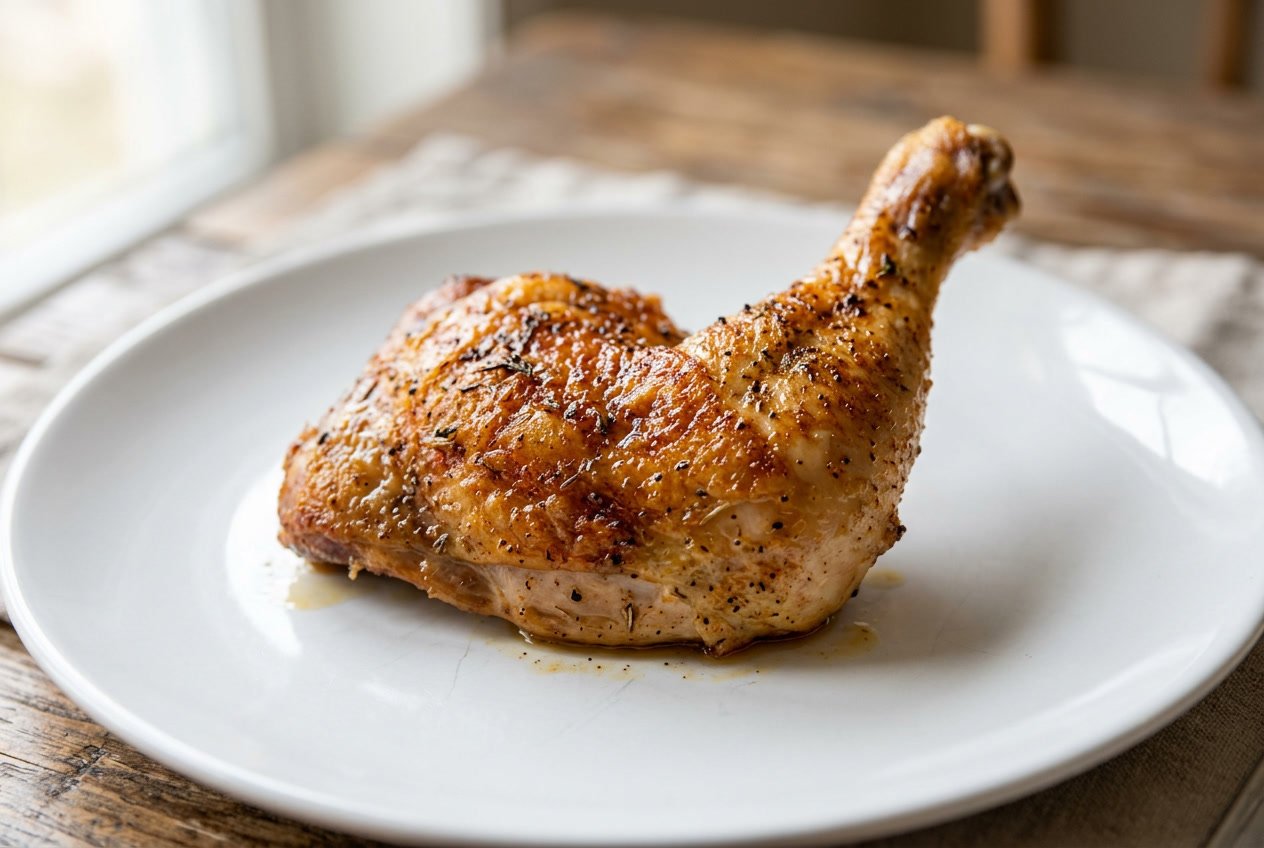
This article explains what the chicken leg piece contains and how its anatomy affects texture and cooking. You’ll also find nutritional comparisons and practical handling tips for flavorful, perfectly cooked chicken legs.
Defining the Chicken Leg Piece
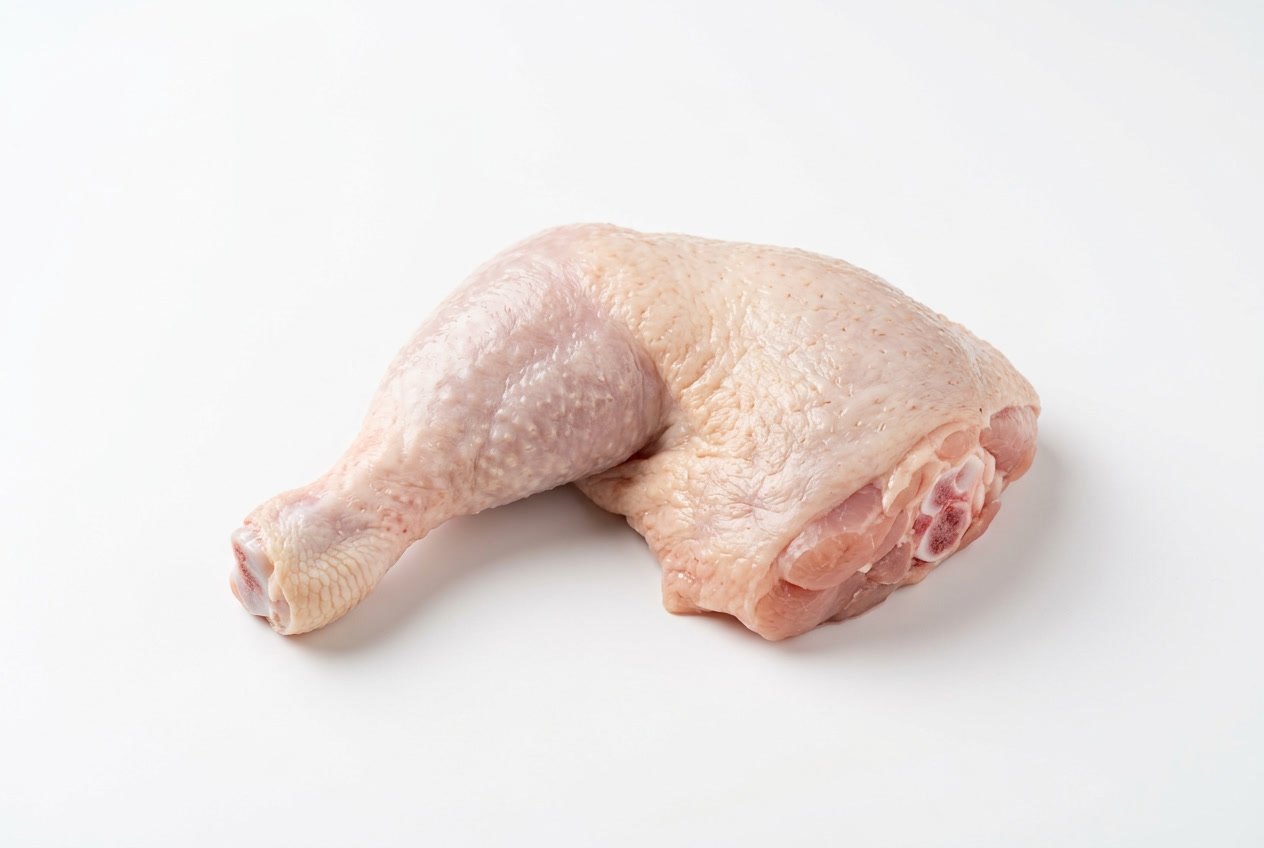
The chicken leg piece is the lower-body portion of a bird, commonly bought or cooked whole or in parts. It combines dark meat with skin and bone and appears in several retail and culinary forms.
What Makes Up a Chicken Leg Piece
A chicken leg piece includes two main muscles: the thigh and the drumstick. The thigh is the upper portion attached to the hip and contains more connective tissue and slightly higher fat.
The drumstick is the lower portion below the knee, with a single central bone and dense muscle. This structure gives it a firm texture.
Most retail cuts contain skin and bone, though boneless thighs and occasionally boneless drumsticks are available. The oyster, a small tender pocket of meat near the hip, may remain attached when the back or whole leg is included.
Roasting, braising, and grilling use the leg’s connective tissue to develop flavor and tenderness.
Distinction Between Drumstick and Thigh
The drumstick and thigh differ in location, shape, and eating experience. The drumstick is cylindrical with a single bone and is easy to eat by hand.
It yields firm, slightly fibrous meat. The thigh is broader, flatter, and contains more marbling and connective tissue, resulting in juicier meat when cooked.
Thighs generally contain slightly more fat and calories than drumsticks, which can affect cooking time and temperature. Chefs often choose drumsticks for crispy skin and handheld eating, while thighs work well in stews and recipes requiring shreddable meat.
Terminology: Leg Quarter, Hindquarter, and Whole Leg
Retail and butchery terms describe how the leg is sold. A leg quarter pairs the thigh and drumstick with a portion of the back attached and is a common supermarket cut for roasting.
The term “whole leg” usually refers to the thigh and drumstick together without the back. Sellers may label a “hindquarter” interchangeably with leg quarter, though it sometimes means the entire rear section in whole-bird butchery.
When selecting, check if the cut is bone-in, boneless, skin-on, or skinless to match your recipe and cooking method.
Anatomy and Structure
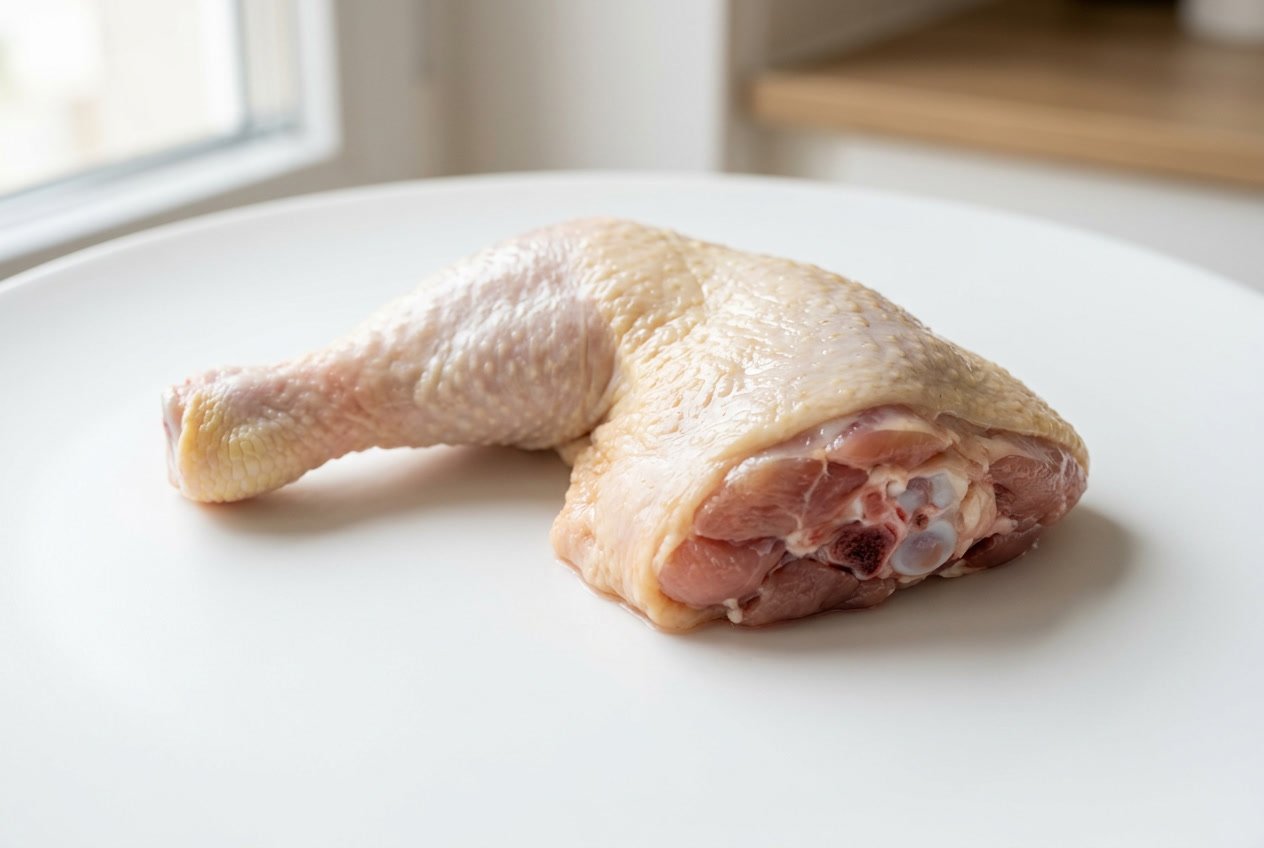
The chicken leg has key physical components that influence movement, cooking behavior, and texture. Understanding its bones and joints helps with deboning and cooking.
Bone Structure and Joints
The leg contains two main bone regions: the thigh (femur) and the drumstick (tibiotarsus). The femur connects to the bird’s pelvis at the hip and to the knee joint, which links the thigh to the drumstick.
The drumstick’s tibiotarsus continues down toward the hock joint, which articulates with the foot. Bones anchor muscles and protect marrow, which adds flavor to stocks.
Butchers separate at the hip and knee joints in whole-leg or leg-quarter cuts. Knowing these bones and joints helps with deboning and even cooking.
Muscle, Skin, and Connective Tissue
Dense muscle groups cover both thigh and drumstick, built for sustained activity. These muscles attach to bone via tendons and are wrapped in connective tissue rich in collagen.
Collagen breaks down into gelatin when cooked slowly, making the meat tender and moist. The skin sits over a thin layer of fat and crisps when roasted or fried.
Connective tissue around joints, especially the knee and hock, can be chewy unless cooked long enough. Braising or slow-cooking legs renders collagen and softens connective tissue, improving flavor and mouthfeel.
Dark Meat Characteristics
Dark meat contains higher myoglobin levels than breast meat, giving it a deeper color and richer flavor. Myoglobin supports oxygen storage in muscles used for sustained movement.
Thigh and drumstick meat contains more fat, which helps it stay juicy during longer cooking. This fat and collagen allow leg pieces to tolerate higher temperatures and longer cook times without drying out.
These traits make leg pieces ideal for grilling, roasting, braising, and slow-cooking.
Nutritional Value of Chicken Leg Pieces
Chicken leg pieces provide concentrated protein, moderate calories, and higher fat than breast meat. They also supply minerals important for blood and immune health.
Protein and Calories
A cooked 3-ounce serving of chicken leg meat provides around 19–26 grams of protein, depending on whether skin and bone are included. This protein supports muscle repair and satiety.
Calorie counts vary by preparation and whether the skin is on. Expect roughly 150–190 kcal per 3-ounce cooked serving with skin. Removing the skin lowers calories by 20–40 kcal.
Fried preparations add more calories from oil. If you track macros, note the cooking method and skin status for accuracy.
Fat Content and Types
Chicken leg pieces have more total fat than breast meat, typically around 8–10 grams per 3-ounce cooked serving with skin. Saturated fat usually ranges near 2–3 grams, with the rest being mostly monounsaturated and polyunsaturated fats.
Polyunsaturated fat in leg meat includes some omega-6 fatty acids, while omega-3 content is minimal. Removing the skin cuts total and saturated fat, which helps reduce intake of atherogenic fats.
Baking or grilling keeps fat lower, while frying or adding butter increases both total and saturated fat. For heart health, choose skinless meat and dry-heat methods.
Key Vitamins and Minerals
Chicken leg pieces are a good source of B vitamins, especially niacin (B3) and vitamin B6, which support energy metabolism. A 3-ounce serving supplies meaningful percentages of daily niacin and B6 needs.
You also get more iron and zinc than in white meat. Leg meat contains heme iron, which your body absorbs efficiently, and a single serving can contribute noticeably toward daily iron needs.
Zinc supports immune function and wound healing. Sodium is low in plain cooked leg meat, but marinades, sauces, and processed products can raise sodium levels. Use low-salt seasonings and avoid heavily salted preparations if you need to limit sodium.
Comparison With Other Chicken Parts
You’ll notice differences in texture, cooking time, and price when comparing the chicken leg piece to other cuts. The leg’s dark meat affects flavor and cooking methods.
Chicken Leg Piece vs. Chicken Breast
The chicken leg piece contains dark meat with higher fat and myoglobin than a chicken breast. This means richer flavor and more forgiving cooking, as legs tolerate higher internal temperatures without drying out.
If you prefer lean protein or need quick, uniform slices, choose a skinless chicken breast or boneless whole breast. These cook faster and suit pan-searing or grilling at high heat.
For shredding or braising, the leg piece stays moist. For quick, low-fat meals, breast is better.
Chicken Leg Piece vs. Chicken Thigh and Drumstick
A whole chicken leg is the thigh and drumstick together. You can buy them split or intact as leg quarters.
The thigh is meatier and square-shaped. The drumstick is bulb-like and works well as finger food.
Thighs often come boneless or bone-in. Boneless thighs speed prep for stir-fries.
Drumsticks are usually sold bone-in and cost less per piece, but have a lower meat-to-bone ratio. Use thighs for stewing and drumsticks for roasting or grilling.
Both thigh and drumstick contain dark meat that benefits from longer cooking.
Common Chicken Parts at the Meat Display Case
At the meat display case you’ll see breasts (skinless, whole, with ribs), thighs (bone-in, boneless), drumsticks, whole wings, leg quarters, and offal like liver and gizzard. Boneless and skinless chicken breast usually carry premium prices.
Leg quarters and drumsticks are cheaper and often stocked in bulk. Whole wing sections and backs are priced for stock or slow cooking.
Check labels for terms like “heavy broiler” to identify larger birds and different meat yield. For stock, pick up chicken backs or wings. For frying or casual eating, choose drumsticks. For versatility and shredding, grab thighs or leg pieces.
Popular Cooking Methods for Chicken Leg Pieces
Four reliable methods highlight different textures and flavors: dry high-heat for crisp skin, direct flame for char and smoke, low-and-slow liquid cooking for tender meat, and hot oil for a crunchy exterior.
Roasting
Roasting uses dry heat in an oven to develop crisp skin and even cooking. Preheat to 400°F (200°C) and roast bone-in legs 30–40 minutes until the thickest part reaches 165°F (74°C).
Pat the skin dry and rub with oil and salt to promote browning. Use a rack on a sheet pan so air circulates under the legs.
Rest the legs 5–10 minutes before serving to let juices redistribute. Leftovers work well shredded into sandwiches or chopped for burgers.
Grilling
Grilling gives you charred skin and smoky flavor from direct heat. Preheat the grill to medium-high and oil the grates.
Grill drumsticks and thighs 5–7 minutes per side over direct heat, then move to indirect heat to finish if flare-ups occur. Target 165°F (74°C) internal temperature.
Marinades with acid and oil tenderize and add flavor. Brush with sauce in the final minutes to avoid burning.
Grilled legs pair well with high-heat searing first, then lower-heat finishing.
Braising and Slow Cooking
Braising and slow cooking use liquid and low heat to break down connective tissue for very tender meat. Brown the legs first in a pot to render fat and build flavor.
Add aromatics and enough stock or braising liquid to come halfway up the legs, cover, and simmer 25–45 minutes on the stovetop, or 3–6 hours in a slow cooker on low. Shred the finished meat for tacos or stews.
Save the braising liquid and pan drippings for sauce or stock. This method suits tougher leg quarters and yields fall-off-the-bone texture.
Frying
Frying produces classic fried chicken legs with a crunchy coating and moist interior. Use a deep fryer or heavy pot with oil at 350°F (175°C).
Dredge legs in seasoned flour or batter, then fry in batches 12–15 minutes for bone-in pieces, turning as needed, until internal temperature reaches 165°F (74°C).
Maintain oil temperature between batches to prevent greasy results. Drain on a rack to keep crust crisp.
Crispy fried legs make great sandwiches or toppings. Reserve bones for quick stock after stripping the meat.
Handling, Safety, and Culinary Tips
You can prep and season leg pieces for the best texture and flavor. Decide whether to buy bone-in or boneless cuts, and keep meat safe from bacteria by using correct storage and cooking temperatures.
Preparing and Seasoning Leg Pieces
Pat leg pieces dry with paper towels to help the skin crisp during roasting or frying. If you brine (basic brine: 4 cups water, 2 tbsp kosher salt, 2 tbsp sugar), soak for 30–90 minutes to improve juiciness, then rinse and dry before seasoning.
Use bold flavors that match dark meat, such as garlic, smoked paprika, cumin, soy, and citrus zest. Rub seasoning under the skin and on both sides for even flavor.
When grilling, score the skin lightly to prevent curling and preheat the grill to medium (around 350–375°F). For oven roasting, set the oven to 400°F and roast for 35–50 minutes until the skin is golden and the internal temperature reaches 165°F at the thickest part.
Choosing Bone-In vs. Boneless Cuts
Bone-in whole chicken legs (thigh and drumstick) give richer flavor and more moist meat because bone and connective tissue add collagen during cooking. Choose bone-in when you want slow-roasted, braised, or grilled pieces that stay juicy.
Boneless chicken leg cuts cook faster and work well for stir-fries, diced preparations, and breaded pan-fried recipes. They also make portioning and slicing easier for sandwiches or salads.
Consider cooking time and presentation. Bone-in needs longer, gentler heat, while boneless benefits from high-heat, quick methods. Price and waste may also influence your choice, as boneless typically costs more per pound but gives quicker service.
Food Safety and Proper Storage
Handle raw legs with strict hygiene to avoid salmonella and other pathogens. Wash your hands and sanitize surfaces after contact with raw chicken.
Never wash raw poultry in the sink. Use separate cutting boards for raw meat and ready-to-eat foods.
Cook chicken legs to a safe internal temperature of 165°F (74°C), measuring at the thickest point near the bone. Let cooked pieces rest for 5–10 minutes to allow juices to redistribute.
Refrigerate leftovers within two hours in shallow airtight containers. Use refrigerated leftovers within 3–4 days.
Freeze raw or cooked legs at 0°F for up to 4 months for best quality. Thaw chicken legs in the refrigerator or under cold running water, not at room temperature.


