
What Is the Chicken Leg? A Complete Guide to Cuts and Cooking
You’ll find the chicken leg as the bird’s lower limb made up of two parts: the thigh and the drumstick. It delivers rich, juicy dark meat that holds up to many cooking styles.
A whole chicken leg (often sold as a leg quarter) combines thigh and drumstick, usually bone-in and skin-on. This gives you more flavor and moisture than white meat.
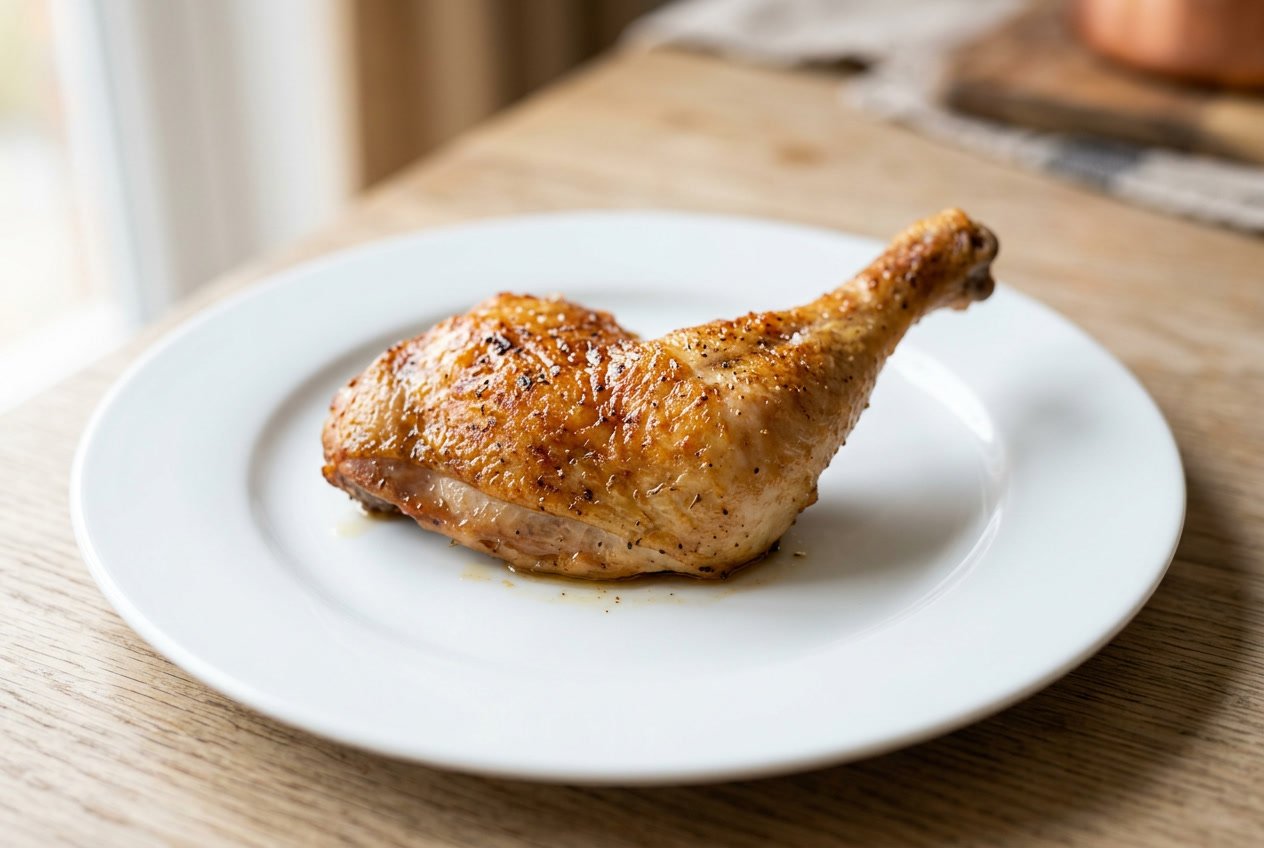
Each cut offers something different. Chefs and home cooks use them in a variety of ways.
You can choose the best way to cook legs for tender results. There are international recipe ideas and practical tips for buying, storing, and serving.
Understanding the Chicken Leg
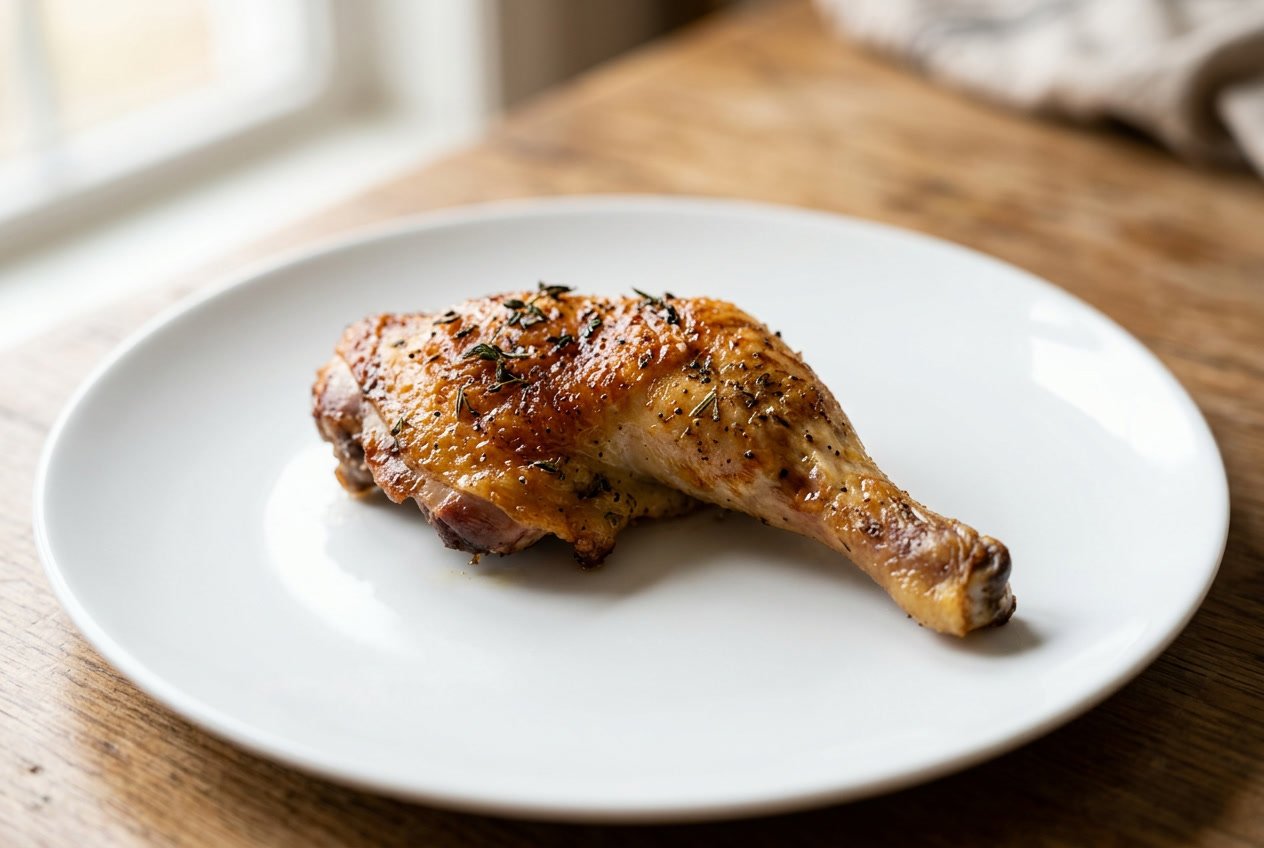
A chicken leg combines bone, muscle, fat, and skin into a versatile cut. You’ll find differences in structure, culinary use, and nutrient content between the drumstick, thigh, and the combined leg quarter.
Anatomy and Structure of Chicken Legs
A chicken leg contains two main bones: the femur in the thigh and the tibiotarsus (often called the tibia) in the drumstick. These bones support dense muscles used for standing and walking, which contain higher myoglobin than breast meat.
The leg’s external layer is skin, with a subcutaneous fat layer beneath that renders during cooking and helps retain moisture. Tendons and connective tissue surround joints, especially the knee between thigh and drumstick, and soften with slow, moist heat.
Major muscles in the leg include the quadriceps group in the thigh and gastrocnemius in the lower leg. These muscles give the meat its darker color, firmer texture, and greater flavor compared to white meat.
Difference Between Drumsticks, Thighs, and Leg Quarters
The drumstick is the lower portion. It contains a single long bone and relatively leaner dark muscle shaped for handling.
You’ll typically cook drumsticks whole for grilling, frying, or roasting. The thigh is the upper portion attached to the body; it contains the femur and larger muscle masses that are fattier and juicier.
Thighs tolerate longer cooking and pair well with braises, stews, and bold seasonings. A leg quarter combines thigh and drumstick plus a portion of the pelvis.
You get more meat, more connective tissue, and greater cooking versatility in a single piece. Butchery and portioning vary by producer and by whether legs come from broilers or layer-type birds.
Nutritional Profile of Chicken Legs
Chicken legs provide complete protein, iron, zinc, and B vitamins—particularly niacin and B12—due to their higher myoglobin content. A typical cooked, skin-on leg (about 100 g) provides roughly 20–25 g protein and 8–12 g fat; values vary with skin removal and cooking method.
Fat concentrates under the skin and within muscle. Removing the skin reduces calories and saturated fat but also lowers juiciness.
Bones and marrow add small amounts of minerals and flavor when you cook bone-in pieces. If you track macros, prefer thighs for calorie-dense, flavor-forward dishes and drumsticks when you want portion-controlled protein with a distinct shape for grilling or serving.
Popular Cuts and Their Uses

You’ll find two main parts on the chicken leg that each perform differently in recipes. One delivers concentrated flavor and a firm bite, the other gives rich, tender meat that suits long cooking.
Know which cut fits your cooking method and timing to get consistent results.
Chicken Drumsticks: Flavor and Versatility
Drumsticks are the lower portion of the leg, usually sold bone-in with skin. You get a compact piece that heats evenly and holds up to high-heat methods like frying, grilling, and broiling.
The bone adds flavor and helps the meat stay juicy. The skin crisps well when roasted or fried.
Use a thermometer to check for 165°F at the thickest part, or cook a little longer for more breakdown of connective tissue without drying. Drumsticks work great for single-serving portions and casual meals.
Try marinades, dry rubs, or a simple salt-and-pepper seasoning. They also take well to breading or battering for frying and pair simply with sauces because the meat’s texture absorbs glazes and spice blends.
Chicken Thighs: Texture and Cooking Methods
Thighs sit above the drumstick and contain more fat and connective tissue, which makes them ideal for braising, slow roasting, and stews. You can buy them bone-in or boneless; bone-in thighs keep slightly more moisture and flavor during long cooks.
Their higher fat content means thighs remain tender at higher internal temperatures (175–180°F), which helps break down collagen and produces a silky mouthfeel. Use thighs when you want forgiving timing—sous-vide, slow-cook, or oven-braise for best results.
Boneless thighs are quicker for stir-fries and kebabs. Skin-on, bone-in thighs give you crisp skin plus rich juices for pan-roasting and barbecue.
Cooking Methods for Chicken Legs
You’ll learn the key approaches to get crispy skin, tender meat, and safe internal temperature. Focus on oven heat, surface moisture, and cooking time to control texture and flavor.
Baking and Roasting
Baking at 400–425°F gives a balance of crispy skin and juicy meat for bone-in, skin-on drumsticks and leg quarters. Pat the skin very dry, season, and place legs on a wire rack over a rimmed sheet pan so air circulates and drippings don’t steam the skin.
Aim for an internal temperature of 185–195°F for maximum tenderness; 165°F is safe but often results in stringy meat. Use convection if available to shorten time by about 5 minutes and improve browning.
For larger leg quarters, lower the temperature to 375°F and add time to avoid overbrowning the skin before the center cooks. Rest the meat 5–10 minutes to let juices redistribute.
If you want quicker cleanup, line the pan with foil and flip once midway. Brushing with sauce in the last 5–10 minutes prevents burning sticky glazes.
Grilling Techniques
Preheat the grill to medium-high (about 375–450°F) and oil the grates to prevent sticking. Use a two-zone setup: direct heat for initial sear to crisp skin, then move legs to indirect heat to finish to 185–195°F without charring.
Turn occasionally for even color and cook time. For bone-in pieces, expect 25–40 minutes total depending on size.
Marinate or rub before grilling, but avoid heavy sugar early since it burns quickly. Use a probe thermometer inserted near the bone to monitor doneness.
For smoky flavor, add soaked wood chips or use a charcoal fire. For faster results, an infrared or gas grill works well.
Frying and Breaded Chicken Legs
Deep-frying gives a crunchy exterior and moist interior when oil is kept at 325–350°F. Bread with a seasoned flour or batter, then fry in small batches to maintain oil temperature.
Cook times vary by size but typically run 12–16 minutes for drumsticks until the center reaches at least 165°F. Many cooks finish to higher temps for texture but watch moisture loss.
For a lighter alternative, use an air fryer at 375–400°F. Lightly coat with oil and crisp in 18–25 minutes, flipping halfway.
Air fryer chicken legs deliver a similar crunch with less oil and shorter cleanup. Pan-frying works for skin-on legs if you start skin-side down over medium-high to render fat, then reduce heat and cover to finish.
Always drain on a rack, not paper, to keep the crust crisp.
Best Chicken Leg Recipes Around the World
These recipes highlight how versatile chicken legs can be. Bold marinades, slow braises, and simple one-pot comfort dishes emphasize juicy dark meat and deeply developed flavors.
Chicken Adobo and Chicken Inasal
Chicken adobo features braised chicken legs simmered in a sauce of soy sauce, vinegar, garlic, and black peppercorns until the meat is tender and the sauce concentrates. Brown the legs first to render fat and deepen flavor, then simmer on low for 30–45 minutes.
Serve with steamed rice so the tangy, savory sauce can be soaked up. Chicken inasal is Filipino grilled chicken where legs are marinated in calamansi (or lemon), annatto oil, garlic, and vinegar, then grilled over charcoal for a smoky finish.
Baste with lamp oil or leftover marinade during cooking to keep skin glossy and flavorful. The contrast between adobo’s braise and inasal’s char shows how the same cut yields very different results.
Chicken Cacciatore and Chicken Paprikash
Chicken cacciatore coats chicken legs in a tomato-based sauce with onions, bell peppers, garlic, olives, and herbs, then simmers until the meat falls from the bone. Use canned San Marzano tomatoes for acidity balance and add a splash of red wine for depth.
It’s excellent on polenta or buttered pasta, which absorb the chunky sauce. Chicken paprikash centers on sweet paprika and a creamy sauce made with sour cream stirred in off-heat to avoid curdling.
Brown the legs first, cook with onions and bell pepper, then add paprika and simmer with chicken stock. The final sauce should be rich and slightly tangy; serve with nokedli (small dumplings) or egg noodles to catch the paprika-scented gravy.
Jerk Chicken and International Variations
Jerk chicken highlights a fiery, aromatic rub of scotch bonnet peppers, allspice (pimento), thyme, garlic, and scallions applied to chicken legs before grilling or smoking. Marinate for at least 4 hours or overnight to let the heat and spices penetrate the dark meat.
Cook over pimento wood or charcoal for the authentic smoky character. If you can’t get pimento wood, add a small handful of soaked wood chips to the grill.
International variations adapt the jerk profile to local ingredients. You’ll find milder jerk marinades using smoked paprika and habanero substitutes, or fusion versions that add citrus and soy for a different twist.
In each case, the goal remains the same: sticky, boldly spiced skin and juicy, flavorful meat.
Chicken Stew and One-Pot Meals
Chicken stew and one-pot meals use bone-in legs for deep flavor with minimal fuss. Sear the legs, then build a stew with root vegetables, stock, and herbs.
Simmer on the stovetop or in a Dutch oven until meat is pull-apart tender. The bones enrich the broth, so keep them in during cooking.
For faster weeknight one-pot meals, brown legs, deglaze with wine or stock, add aromatics and quick-cooking vegetables, then cover and finish in the oven for 25–35 minutes. These dishes concentrate savory juices into the liquid, giving you a complete meal with rice, mashed potatoes, or crusty bread to soak up the broth.
Tips for Cooking Juicy and Flavorful Chicken Legs
Control moisture, maximize flavor, and target the right internal temperature. Dry the skin, use an effective marinade or rub, and cook to the temperature that breaks down connective tissue without drying the meat.
Achieving Crispy Skin and Juicy Meat
Pat chicken legs completely dry with paper towels before seasoning. Excess surface moisture prevents browning.
If you plan to bake or roast, place legs on a wire rack set over a baking sheet to allow hot air to circulate under the skin for even crisping. Use high heat at the start or finish: roast at 425°F for 30–40 minutes, or start at 425°F for 10–15 minutes then lower to 375°F.
For pan-searing, sear skin-side down in a hot skillet 3–5 minutes until deeply browned, then finish in the oven. Let legs rest 5–10 minutes before serving so juices redistribute.
Tip list:
- Dry thoroughly before oiling
- Light coat of oil or melted butter to help browning
- Space pieces so they don’t steam
- Use a convection setting to shorten time and improve crispness
Choosing Marinades and Seasonings
Pick marinades that balance acid, fat, and salt to tenderize and flavor the meat. Typical choices: buttermilk or yogurt for 30 minutes to overnight; lemon juice or vinegar in shorter 30–60 minute brines; soy sauce or Worcestershire for umami.
For quick flavor without long marinating, apply a dry rub of kosher salt, black pepper, smoked paprika, garlic powder, and a touch of brown sugar. If you use a wet marinade and plan to roast at high heat, pat legs dry before cooking to protect crispness.
For sauced finishes (BBQ or sticky glazes), brush sauces on during the last 5–10 minutes to prevent burning while still building flavor.
Seasoning checklist:
- Salt early or in brine for deeper seasoning
- Acid for tenderizing, but not too long on small pieces
- Sugars and glazes applied late to avoid charring
Temperature and Doneness Guidelines
Insert an instant-read thermometer into the thickest part of the leg, avoiding the bone. The USDA minimum safe temperature is 165°F.
For the most tender, juicy chicken legs, aim for 185°F. That temperature softens collagen and creates a pull-apart texture.
Temperature targets:
- 165°F — safe, slightly firmer
- 175–185°F — more tender and juicy
Check at multiple spots on larger legs. After cooking, rest the legs under loose foil for 5–10 minutes.
Carryover heat can raise the temperature a few degrees and locks in juices. When reheating leftovers, bring them to 165°F and re-crisp the skin in a hot oven for best texture.
Pairings, Side Dishes, and Serving Suggestions
Highlight the leg’s rich meat and crispy skin by focusing on simple, complementary flavors and textures. Choose sides that balance starch, acid, and a bright vegetable.
Chicken and Potatoes
Potatoes pair naturally with chicken legs because they soak up juices and contrast crispy skin with creamy or roasted textures. Roast fingerling or Yukon Gold wedges with olive oil, rosemary, salt, and cracked pepper.
They crisp in the same oven as the legs and finish with a squeeze of lemon to cut richness. For a creamy option, make mashed potatoes using warm milk and butter.
Fold in chopped chives or sautéed shallots for aromatic depth. Twice-baked casseroles or scalloped potatoes work well for a family-style dinner.
Use grated cheddar or Gruyère sparingly to avoid overpowering the chicken. For a faster side, toss baby potatoes with garlic and thyme and pan-sear until blistered.
Finish with a pat of butter and parsley. That technique gives a brown, savory crust that complements roasted or grilled chicken legs.
One-Pan Dinners Featuring Chicken Legs
One-pan dinners simplify cooking and concentrate flavors between the chicken, vegetables, and aromatics. Arrange legs on a rimmed sheet or cast-iron skillet with halved potatoes, quartered carrots, and whole shallots.
Drizzle with oil, scatter thyme sprigs, and roast until the skin is golden and the vegetables are tender. Shallots caramelize alongside the meat, adding sweet-savory notes.
Spoon caramelized shallots over both chicken and potatoes. For a Mediterranean twist, add lemon wedges and olives during the last 10 minutes and finish with chopped parsley.
Brown the legs for one-pan braises, then add stock, white wine, diced shallots, and root vegetables. Cover and simmer until the meat pulls from the bone.
Serve straight from the pan so the pan sauce becomes the shared dressing for the plate.
Health, Storage, and Buying Guide
Chicken legs provide concentrated protein, essential B vitamins, iron, zinc, selenium, and more. Proper storage preserves safety and flavor.
Choosing the right cut and supplier affects cost, cooking options, and nutrient retention.
Health Benefits and Dietary Considerations
Chicken legs are a rich source of high-quality protein and B vitamins (B3, B6, B12) that support energy metabolism and muscle repair. They also supply iron and zinc, which help oxygen transport and immune function.
The meat is darker and higher in fat than breast meat; most of that fat is unsaturated, but the skin adds saturated fat and calories. If you monitor saturated fat or calories, remove the skin before or after cooking.
Use roasting, grilling, or braising instead of deep frying. Portion control matters: a typical cooked drumstick or thigh (about 3–4 oz cooked) provides roughly 160–220 calories depending on skin and cooking method.
People with specific dietary needs (low-sodium, low-fat) should watch added marinades and sauces.
Storage and Leftover Ideas
Keep raw chicken legs refrigerated at 40°F (4°C) or below and use within 1–2 days. For longer storage, freeze at 0°F (−18°C).
Whole legs keep best for 6–9 months for quality, though they remain safe beyond that if continuously frozen. Thaw frozen legs overnight in the fridge or use the cold-water method for faster thawing.
Never thaw at room temperature. Store cooked leftovers in the fridge for 3–4 days.
Reheat to an internal temperature of 165°F (74°C). Shred leftover meat for tacos or salads.
Slice for grain bowls, or simmer in tomato or curry sauces for quick stews. Remove bones to speed reheating and help with portion control.
Choosing Quality Chicken Legs
Inspect color and smell. Fresh raw legs should be pale pink to reddish with no sour or ammonia odor.
Avoid packages with excessive liquid or torn packaging. Check the sell-by date.
Buy from a refrigerated display or a reputable counter. Decide between bone-in and boneless depending on cooking and cost.
Bone-in legs retain moisture and flavor during roasting. Boneless thighs cook faster and suit stir-fries.
Consider labels such as “fresh” or “previously frozen,” organic, pasture-raised, or antibiotic-free. Each label affects price and farming practices.
Buy by weight and plan portions. Estimate one leg quarter per person for main courses or two smaller drumsticks per person for mixed plates.


