
What Is Boneless Chicken Thighs? Comprehensive Guide & Recipes
Boneless chicken thighs are the tender, dark-meat portion of the chicken leg with the bone removed. They offer richer flavor and forgiving texture compared with breasts.
You get juicy, flavorful results when grilling, roasting, braising, or pan-searing them. They are one of the most versatile cuts to keep in your kitchen.
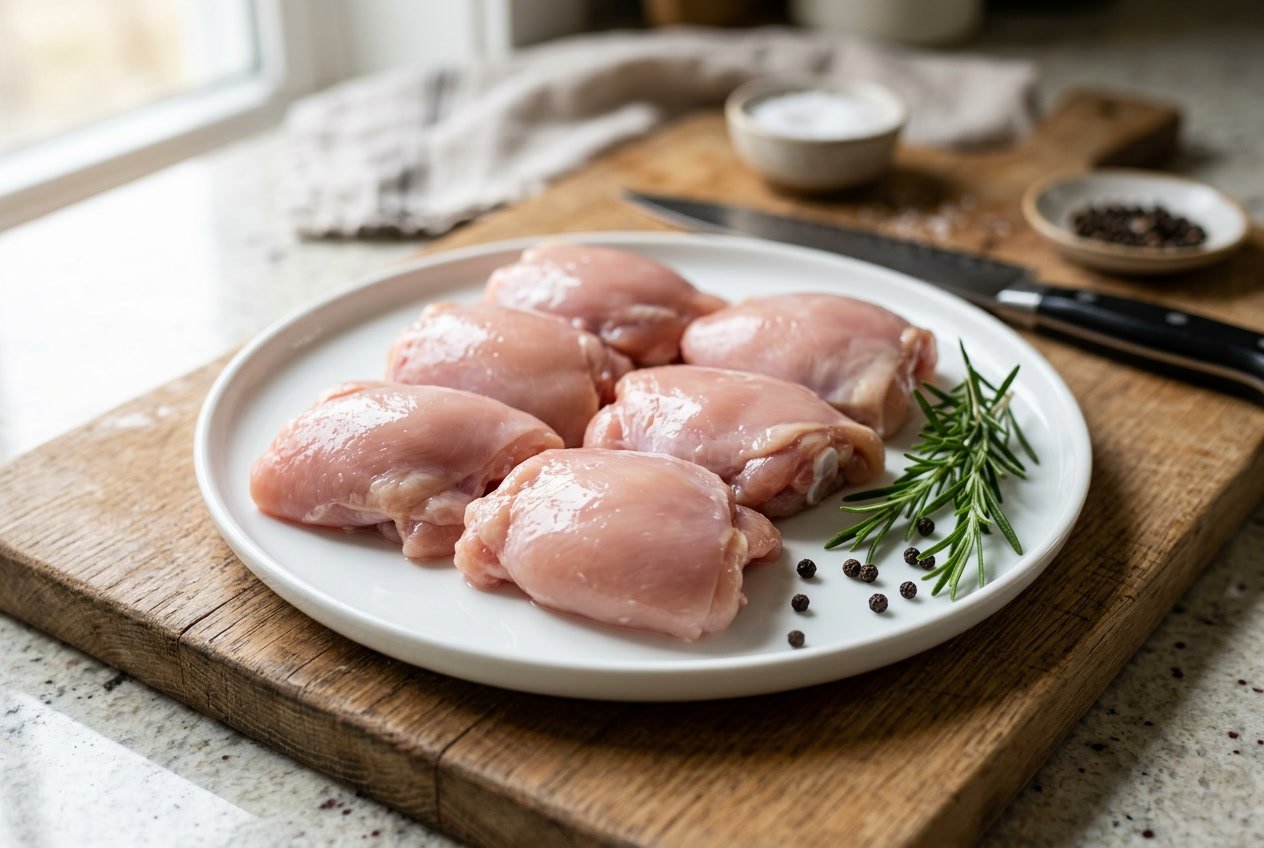
This guide explains what makes boneless thighs different, their nutrition, and how to buy, prep, and cook them for reliable results. You’ll find advice on seasoning, marinades, cooking techniques, and recipes that highlight regional variations.
What Are Boneless Chicken Thighs?
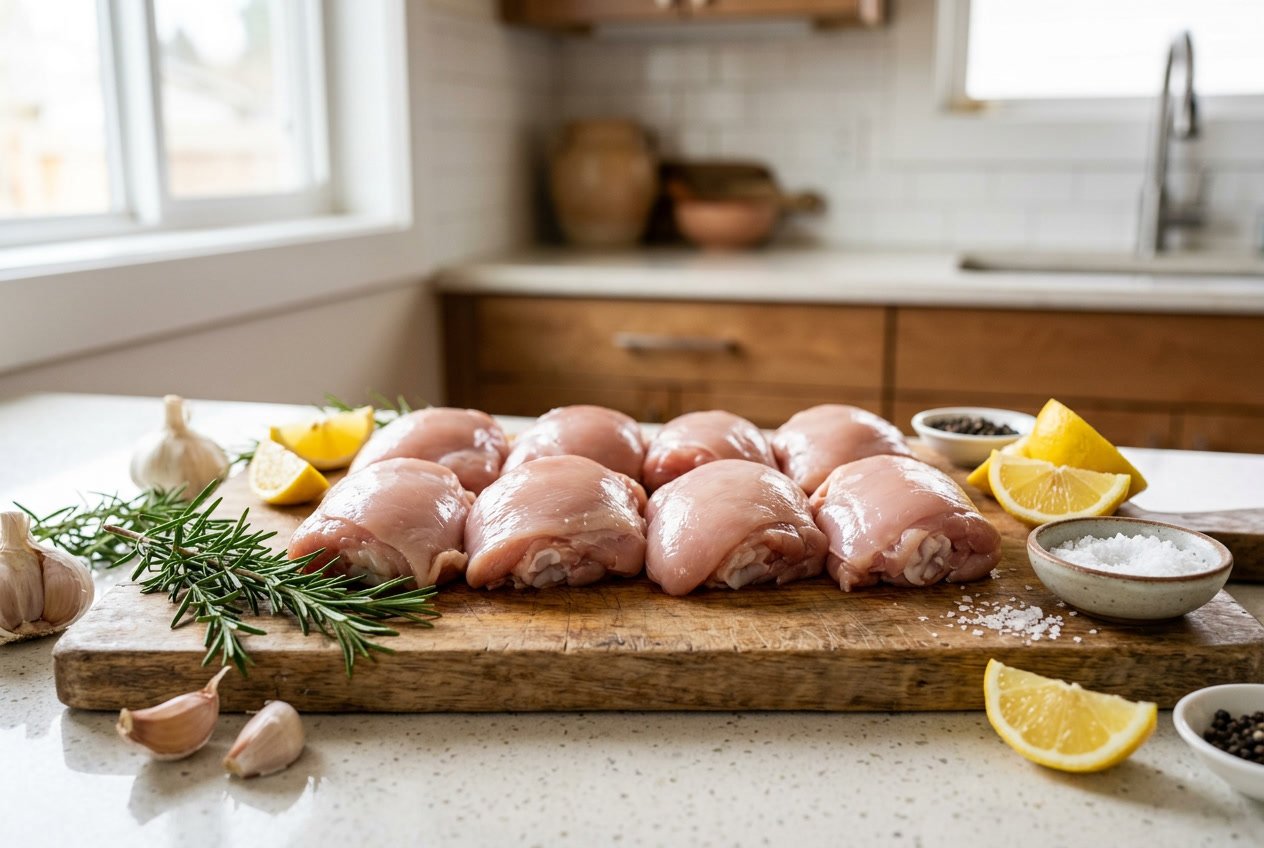
Boneless chicken thighs are leg meat removed from the bone and usually trimmed of excess fat. They offer a balance of richer flavor and forgiving texture compared with leaner cuts.
Difference Between Boneless and Bone-In Chicken Thighs
Bone-in thighs include the femur and connective tissues, while boneless thighs have the bone removed. The bone helps retain moisture and can add flavor during long, slow cooking.
Bone-in pieces often perform better in braises or on the grill when you want deeper, meat-on-bone taste. Boneless thighs cook more quickly and more evenly because heat penetrates only muscle.
You’ll find boneless thighs easier to portion, slice, and use in recipes that require uniform pieces. Stir-fries, skewers, and quick sears benefit most.
If you use a short, high-heat method, boneless thighs reduce risk of uneven doneness around the bone.
Boneless vs. Boneless Skinless Chicken Thighs
Boneless skin-on thighs keep the skin intact. Boneless skinless thighs have both skin and bone removed.
Skin-on thighs offer extra fat and a surface that crisps and flavors the meat when roasted or pan-seared. Skinless thighs trim that fat, so you’ll rely more on marinades, sauces, or cooking technique for browning and flavor.
Skinless thighs are lower in fat and calories and roast or braise a bit faster than skin-on. For shredding, casseroles, or dishes where skin texture doesn’t matter, skinless boneless thighs give clean, convenient results.
For crispy-skinned preparations, choose skin-on.
Why Choose Boneless Chicken Thighs?
Choose boneless chicken thighs for consistent portion control and faster, predictable cooking. The extra fat and connective tissue compared with breasts keep the meat moist even if you slightly overcook it.
They adapt well to many techniques, including pan-frying, baking, grilling, slow cooking, and air-frying. Use boneless skinless thighs when you want lower fat and easy shredding.
Choose boneless skin-on thighs when you want to crisp the exterior and capture more flavor without the hassle of deboning at home.
Nutritional Value and Health Benefits
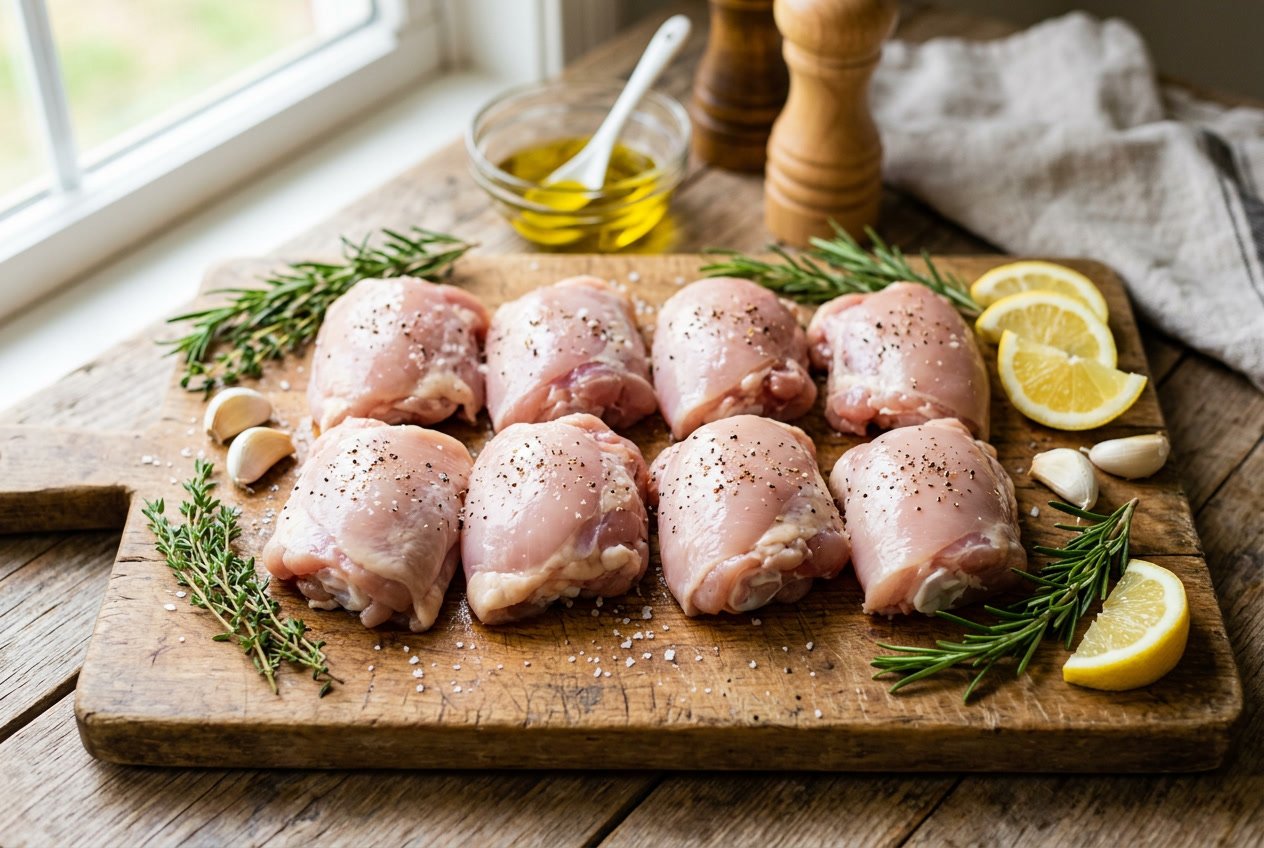
Boneless, tender chicken thighs deliver concentrated protein along with moderate fat, several B vitamins, iron, and zinc. You get more cooking flexibility and juiciness than with leaner cuts.
Calorie and fat counts depend strongly on skin removal and portion size.
Protein and Fat Content
Per 100 g cooked, skinless boneless chicken thigh provides about 25–27 g of protein. That protein is complete and supplies the essential amino acids you need for muscle repair and cellular maintenance.
Fat content runs higher than breast meat, roughly 9–11 g per 100 g when skinless and cooked. Much of that is monounsaturated and saturated fat.
Leaving the skin on can double total fat and calories. Use skinless thighs if you want the flavor and tenderness but with lower fat.
Thighs balance protein with enough fat to support taste and satiety. If you track macros, weigh cooked portions and note whether skin or marinades add extra fat.
Calories and Portion Sizes
Cooked, skinless boneless chicken thighs average about 170–210 kcal per 100 g depending on cooking method and moisture loss. Frying or cooking with added oils raises that number significantly.
Baking, grilling, or poaching keeps calories closer to the lower end. A standard serving is 3–4 ounces (85–113 g), which supplies roughly 145–240 kcal and 22–30 g protein.
If you eat two smaller thighs, expect roughly 200–350 kcal total depending on size and whether the skin is included. Weighing portions after cooking gives the most accurate calorie count.
Track added fats from sauces or oils separately to avoid underestimating energy intake.
Comparison to Other Chicken Cuts
Compared with chicken breast, boneless thighs provide more fat and slightly fewer calories per gram when skin is removed. They deliver richer flavor and more iron and zinc.
Thighs contain roughly the same high-quality protein as breast but are more tender due to higher intramuscular fat. Boneless, skinless thighs reduce calorie and fat load while preserving tenderness compared with dark cuts with bone and skin.
If you value lower fat, choose skinless breast. If you want juiciness and savory depth with a still-good protein profile, choose boneless, tender chicken thighs.
For recipes that demand moisture—stews, curries, braises—thighs perform better. For leaner, quick-cooking dishes, breasts cook faster and produce less residual fat.
How to Buy and Prepare Boneless Chicken Thighs
Choose pieces that are plump, evenly sized, and free of strong odors. Handle and store them cold, trim excess fat or cartilage, and pat dry before seasoning or cooking.
Selecting Quality Thighs
Look for boneless chicken thighs that are pinkish-red with minimal bruising and no gray or green tints. Avoid packaging with excessive liquid.
A small amount of clear juice is normal, but cloudy or foul-smelling liquid signals age or poor handling. Check the sell-by or pack date and prefer thighs packaged within the last 3–5 days or those frozen at source.
If buying from a butcher counter, ask whether the thighs were portioned that day and whether they’re fresh or previously frozen. Inspect for USDA inspection marks and note any claims like “no added water” or “raised without antibiotics.”
Choose uniform pieces when you plan to cook them together so they finish at the same time.
Storage and Handling Tips
Refrigerate boneless chicken thighs at 40°F (4°C) or below and use within 1–2 days for optimal freshness. Store raw thighs on the lowest shelf in a sealed container or heavy-duty zip bag to prevent cross-contamination.
To freeze, pat thighs dry, wrap individually in plastic wrap or vacuum-seal, then place in a labeled freezer bag. They keep best for 2–3 months for quality.
Thaw frozen thighs in the refrigerator overnight or in cold water changed every 30 minutes. Never thaw at room temperature.
Always wash hands and sanitize surfaces after handling raw chicken. Use separate cutting boards for raw meat and produce.
Cooked leftovers should be cooled and refrigerated within two hours and consumed within four days.
Trimming and Prepping Techniques
Pat boneless chicken thighs dry with paper towels to promote browning. Lay each thigh flat and trim away visible white fat, cartilage, or stray bits of connective tissue with a sharp knife or kitchen shears.
Small fat strips can be left for flavor but remove surplus to reduce flare-ups when grilling. If pieces vary widely in thickness, gently pound thicker areas to an even thickness using a meat mallet or the bottom of a heavy pan.
This ensures even cooking. Season immediately after drying to help salt and spices adhere, or apply a marinade and refrigerate for 30 minutes to 12 hours depending on acidity.
For recipes that benefit from a seared crust, pat dry again before placing thighs in a hot pan. For slow-cooked dishes, you can leave slightly more fat for richness.
Cooking Methods for Boneless Chicken Thighs
Boneless thighs cook quickly and tolerate high heat, long braises, and brief pressure-cooking equally well. Choose a method based on how much time you have and whether you want crispy edges, shreddable meat, or hands-off convenience.
Baking and Roasting
Preheat your oven to 400°F (200°C) for a balance of Maillard color and internal juiciness. Pat thighs dry, season or marinate, then arrange skinless pieces on a rimmed sheet pan or in a shallow baking dish with at least 1 inch between pieces.
Boneless thighs usually take 18–25 minutes to reach 165°F. Check with an instant-read thermometer in the thickest part.
For crust or glaze, broil for 1–3 minutes at the end to caramelize sugars. Toss thighs with a thin coating of oil and a light dusting of baking powder for a crisper exterior.
Rest for 5 minutes before serving to let juices redistribute.
Grilling Techniques
Preheat a two-zone grill: a hot direct side (~500°F) and a moderate indirect side (~350°F). Sear boneless thighs 2–4 minutes per side over direct heat for grill marks and crust.
Move to indirect heat to finish without burning. Total cook time is typically 8–14 minutes depending on thickness.
Target 165°F for safety. Use a marinade with oil and acid but avoid overly long acids that can make the meat mushy.
For sticky glazes, apply in the last 2–3 minutes to prevent charring. Flip only once or twice to preserve juices.
Watch for flare-ups caused by rendered fat.
Slow Cooking and Pressure Cooking
Use a slow cooker on low for 6–7 hours or high for 3–4 hours with enough liquid to cover the base but not submerge the thighs fully. This yields tender meat ideal for tacos, soups, or pulled chicken.
Season boldly because long cooking mellows spices. Use a pressure cooker for speed: boneless thighs take about 8–10 minutes at high pressure with a natural release of 5–10 minutes.
That produces moist, shreddable meat but won’t give you a crispy exterior. To add texture after either method, transfer cooked thighs to a hot skillet or broiler for 2–4 minutes to brown the surface.
Popular Seasonings and Marinades
You’ll find simple herb-and-spice rubs, acidic or enzymatic marinades for tenderness, and global blends that pair well with different cooking methods. Focus on salt timing, balance of oil-to-acid, and ingredients that complement the thigh’s higher fat content.
Classic Herbs and Spices
Use salt and black pepper as the base; they boost flavor and help the meat retain moisture. For aromatic depth, combine garlic (fresh or powder), onion powder, and paprika.
Smoked paprika adds a subtle char when grilled. Herbs like thyme, rosemary, and oregano work well; chop fresh leaves or use 1/3–1/2 teaspoon dried per pound of chicken.
Cumin and coriander add warmth without overpowering. Make a quick dry rub: 1 tablespoon kosher salt, 1 teaspoon black pepper, 1 teaspoon smoked paprika, 1/2 teaspoon garlic powder, 1/2 teaspoon onion powder.
Massage into the thighs and let rest 30–60 minutes in the fridge for even seasoning. For chicken thighs you plan to sear, pat the surface dry after marinating to encourage browning and a crisp exterior.
Global Flavor Profiles
Match cuisines to common pantry ingredients for reliable results. Mediterranean: olive oil, lemon zest, oregano, minced garlic.
Serve with tzatziki sauce (yogurt, cucumber, garlic, lemon, dill) for a bright, cooling contrast. Asian: soy sauce, grated ginger, sesame oil, and a touch of honey or brown sugar.
Marinate 1–4 hours to avoid over-salting. Mexican: lime juice, cumin, smoked paprika, and chopped cilantro.
Marinate 30 minutes to 6 hours depending on acid strength. North African or Middle Eastern blends use harissa or ras el hanout with olive oil for roasting or grilling.
For grilling, remove excess marinade and oil before placing the thighs on high heat to prevent flare-ups. Adjust salt and sweetness to taste, and pair strong marinades with simple sides to let the chicken remain the centerpiece.
Tips for Maximum Tenderness
Balance oil and acid by aiming for roughly 3 parts oil to 1 part acid. This approach both tenderizes and locks in moisture.
Use yogurt, buttermilk, or pineapple/kiwi sparingly. Enzymes work fast and can make the surface mushy if left too long.
For boneless thighs, marinate for 2–12 hours. Use 2–4 hours for light citrus or soy-based marinades, and 8–12 hours for enzyme-based or thick yogurt marinades.
Salt timing matters. Season lightly in the marinade or salt just before cooking to avoid drying.
Flip the thighs halfway through marination to ensure even contact. If you need faster penetration, gently pound to uniform thickness.
This shortens cooking time and helps the marinade reach the center without overexposing the meat to acid.
Boneless Chicken Thigh Recipes
Boneless chicken thighs adapt to fast, hands-off, and flavor-forward preparations. You can rely on them for juicy baked entrees, quick skillet meals, or rich one-pot pasta dishes.
Easy Weeknight Dinner Ideas
You can make a satisfying weeknight dinner in under 40 minutes using boneless chicken thighs. Try baked boneless chicken thighs seasoned with olive oil, lemon, garlic, and oregano.
Roast at 425°F for 20–25 minutes until an instant-read thermometer reads 165°F. For a one-pan option, sear thighs in a skillet, add cherry tomatoes, spinach, and a splash of cream for a quick chicken pesto pasta.
Toss cooked pasta into the pan to absorb the sauce. If you prefer comfort food, turn thighs into chicken parmesan.
Bread the thighs, pan-fry briefly, top with marinara and mozzarella, then finish under the broiler or in the oven.
International Dishes Featuring Chicken Thighs
You can use boneless thighs in many global recipes because they stay moist under long braises and quick high-heat cooking. Make an easy chicken adobo by braising thighs in soy sauce, vinegar, garlic, and bay leaves.
Finish with a quick sear for caramelized edges. For Thai-inspired meals, simmer thighs in coconut milk with green curry paste, lime leaves, and basil.
Serve over jasmine rice to balance the richness. Use thighs in chicken tinga tacos by simmering them in a chipotle-tomato sauce, shredding, and topping with onion and cilantro.
Iconic Dishes with Boneless Chicken Thighs
Boneless chicken thighs shine where moist, forgiving meat matters most. They deliver rich flavor and hold up to strong sauces and long cooking.
Chicken and Dumplings
Use boneless thighs when you want tender, shred-ready meat that stays juicy through long simmering. Brown the thighs briefly to develop fond, then simmer them in a savory broth with carrots, celery, and onions until they pull apart easily.
Shred or leave whole depending on the texture you prefer. Drop dumplings directly into the simmering pot so they steam slowly and absorb the stock.
Thighs contribute gelatin and fat that enrich the broth, giving the dumplings a silkier mouthfeel than lean breast would. Season with thyme and bay leaf.
Finish with parsley for brightness.
Arroz Con Pollo and Latin Favorites
Arroz con pollo relies on chicken that stays moist while the rice cooks. Boneless thighs sear evenly, then braise with saffron or annatto, tomatoes, bell peppers, and peas until rice and meat finish together.
Use bite-sized thigh pieces for even distribution and faster cooking. Brown first for caramelized flavor, then deglaze the pan with stock or beer.
Finish with cilantro and a squeeze of lime to balance the savory richness. Thighs also work well in Puerto Rican-style arroz con gandules and one-pot Cuban pollo guisado.
Cut into uniform pieces and time the simmer so rice absorbs juices without overcooking the chicken.
Chicken and Egg Rice Bowl (Oyakodon)
Oyakodon depends on tender, slightly gelatinous chicken that pairs with softly set egg. Boneless thighs deliver that texture and tolerate the quick simmer in dashi-soy-sake broth without tightening up.
Slice thighs thinly for rapid, even cooking. Simmer the chicken briefly in a shallow broth flavored with soy, mirin, and stock.
Pour beaten eggs over the simmering meat and let them just set. Serve over steamed rice and garnish with scallions and shichimi togarashi if you like heat.
The thigh’s richness complements the sweet-salty broth and yields the luscious mouthfeel oyakodon is known for. Cook on medium-low to prevent the eggs from becoming rubbery.
Casseroles and Pasta Bakes
Boneless thighs adapt well to layered casseroles and bakes like chicken parmesan variations or creamy pasta bakes. Their fat content keeps meat juicy under cheese and breadcrumbs during oven time.
Use shredded or sliced thighs depending on the dish structure. For a chicken parmesan-style bake, lightly bread and brown thigh pieces, layer with marinara and mozzarella, then finish in the oven until cheese bubbles.
In creamy pasta bakes, fold shredded thighs into béchamel or tomato-cream sauces. They absorb flavors and stay tender even after reheating.
Thighs also tolerate bold seasonings such as oregano, garlic, and lemon without losing moisture.
Brown before baking for flavor. Shred for even distribution or slice for distinct bites.
Pair with robust sauces to balance richness.
Regional and International Variations
Boneless chicken thighs adapt well to bold marinades, slow braises, and creamy pan sauces. Their fat content helps them stay moist across contrasting flavor traditions and cooking techniques.
Chicken Adobo (Filipino cuisine)
In chicken adobo, cooks often use boneless thighs because they cook quickly and soak up the signature soy-vinegar marinade. Marinate and simmer thighs in a mix of soy sauce, vinegar, garlic, bay leaf, and black pepper until the sauce reduces and glazes the meat.
Use skinless, boneless thighs for faster, even cooking and to let the sauce cling directly to the flesh. If you prefer a bit of texture, sear thighs first to develop a light caramelized crust before simmering.
Adobo varies regionally. Some cooks add coconut milk or palm sugar for richness and balance.
Serve over steamed rice so the savory, tangy sauce can be spooned up with each bite.
Chicken Tagine (Moroccan cuisine)
Cooks often use boneless thighs in tagines because their succulence holds up during long, low-temperature braises. Prepare thighs with preserved lemon, green olives, cumin, coriander, ginger, and saffron to create the classic sweet-salty profile.
Brown the thighs briefly, then simmer gently with vegetables and stock in a covered pot or tagine until the meat is fork-tender and the sauce concentrates. The natural juices and rendered fat from thighs produce a glossy sauce that carries the spice blend.
Add almonds or prunes for contrasting texture and sweetness. Serve with couscous to absorb the aromatic sauce and highlight the layered spices.
Chicken Stroganoff and Other Classics
In chicken stroganoff, boneless thighs give you a creamier, more forgiving result than breast meat.
Slice or cube thighs, brown them, then finish in a sauce of mushrooms, onions, sour cream, Dijon, and a splash of stock.
Thighs resist drying when you simmer them briefly with the sauce.
You retain tender pieces coated in a velvety sauce.
For quicker weekday versions, cut thighs into uniform strips to reduce cook time.
This also ensures even browning.
Use thighs in global classics like curries, kebabs, and stews.
Their richer flavor and higher fat content improve mouthfeel and help sauces cling to the meat.


