
What Is an Alternative to Chicken? Top Substitutes for Every Meal
When chicken doesn’t fit your meal plan or tastes, you want a straightforward swap. Plant-based options like tofu, tempeh, seitan, jackfruit, and hearty mushrooms can mimic chicken’s texture or protein profile depending on the dish.
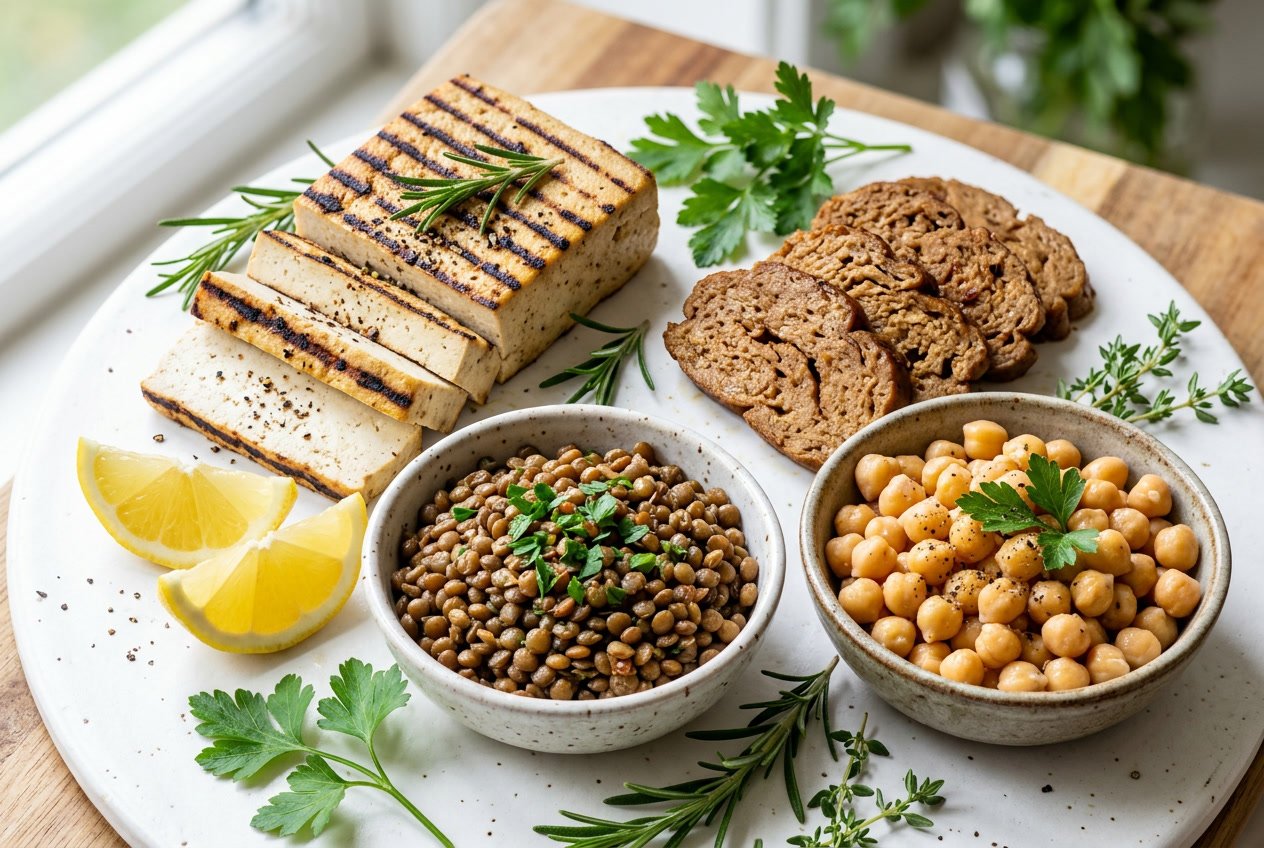
You can match substitutes to recipes, from grain- and legume-based swaps that add protein and fiber to vegetable-forward choices that deliver texture and flavor. Store-bought vegan “chicken” products and a few niche options also give you variety when you want something different.
Understanding Alternatives to Chicken
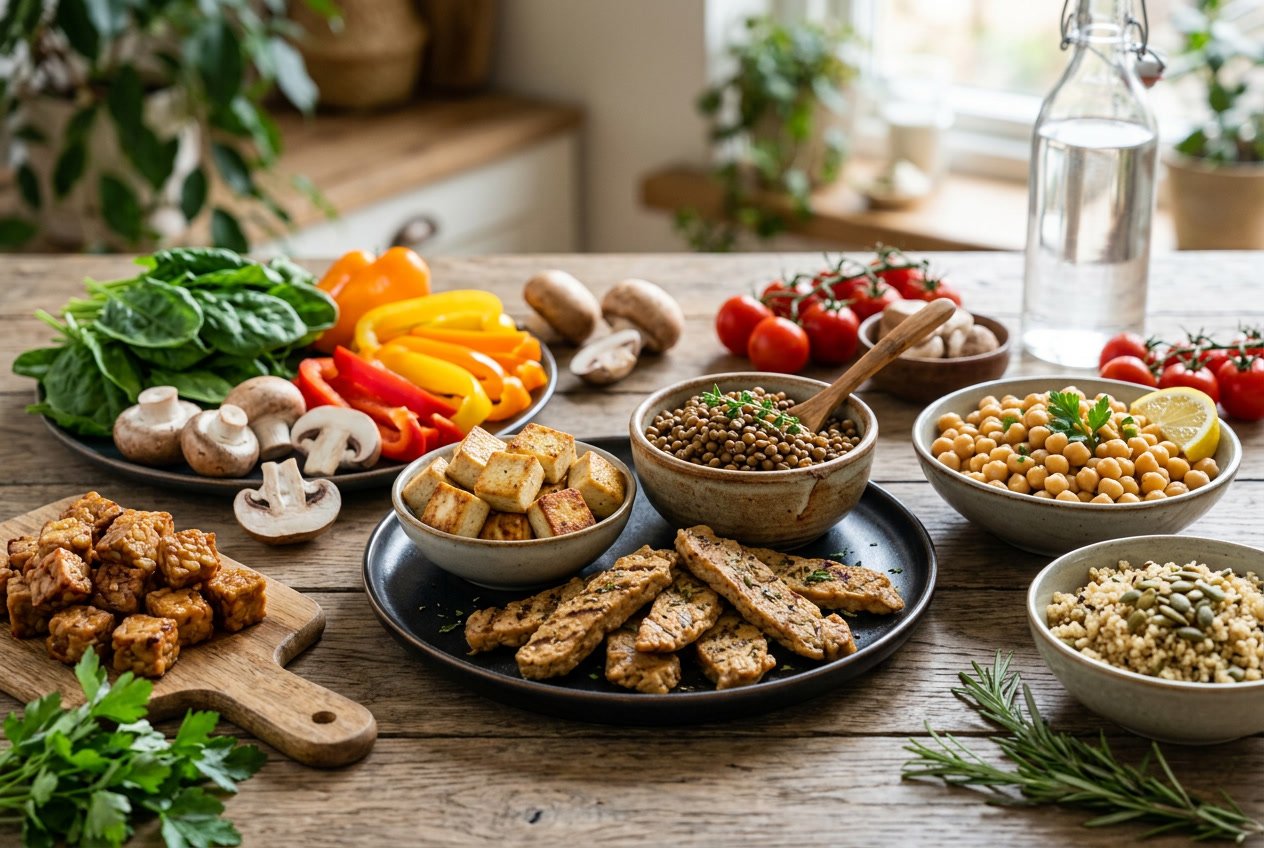
Alternatives to chicken vary by texture, nutrition, and performance in recipes. You can find options that match chicken’s mild flavor, replace its protein content, or change cooking technique and plate composition.
Defining Chicken Alternatives
A chicken alternative is any ingredient or product you use to replace chicken in a recipe or meal pattern. That includes whole foods like tofu, tempeh, seitan, mushrooms, legumes, other meats such as turkey, pork, duck, and processed plant-based products like textured vegetable protein or soy- and pea-based “chicken” cutlets.
When you choose an alternative, consider texture (firm vs. flaky), flavor neutrality (mild like chicken or strongly flavored), and nutrient profile (protein content, iron, B12). Match the substitute to the role chicken plays in the dish. For shredding, use jackfruit or pulled tempeh. For grilling, pick portobello or seitan. For soups and salads, choose quinoa or chickpeas.
Why Choose a Chicken Substitute
Health, ethics, environment, cost, or allergies can motivate you to choose a chicken substitute. Plant proteins such as tofu, legumes, and seitan typically lower saturated fat and cholesterol while providing comparable protein.
If you avoid animal products, look for fortified options like plant milks, yeast extracts, or fortified tofu. You can also combine foods such as grains and legumes to meet amino-acid needs. Environmental and ethical motives often lead to mushrooms, beans, or commercial vegan chicken, which usually require fewer resources than conventional poultry. Canned chickpeas and dried lentils also last far longer than fresh chicken, which makes them convenient.
Common Forms and Sources
Chicken substitutes appear in four main forms: whole plant foods, processed plant “meats,” alternative animal meats, and textural replacements. Whole plant foods include tofu, tempeh, mushrooms, eggplant, jackfruit, sweet potatoes, and chickpeas when you want minimal processing.
Processed plant “meats” like seitan, soy curls, pea-protein cutlets, and vegan nuggets provide a close chicken-like bite and convenience. Alternative animal meats such as turkey or pork can work as direct swaps in many recipes if you’re not vegetarian. Textural replacements like shredded jackfruit or pulsed cauliflower mimic pulled or breaded chicken. Match the form to your cooking method and nutritional priorities.
Best Plant-Based Chicken Alternatives
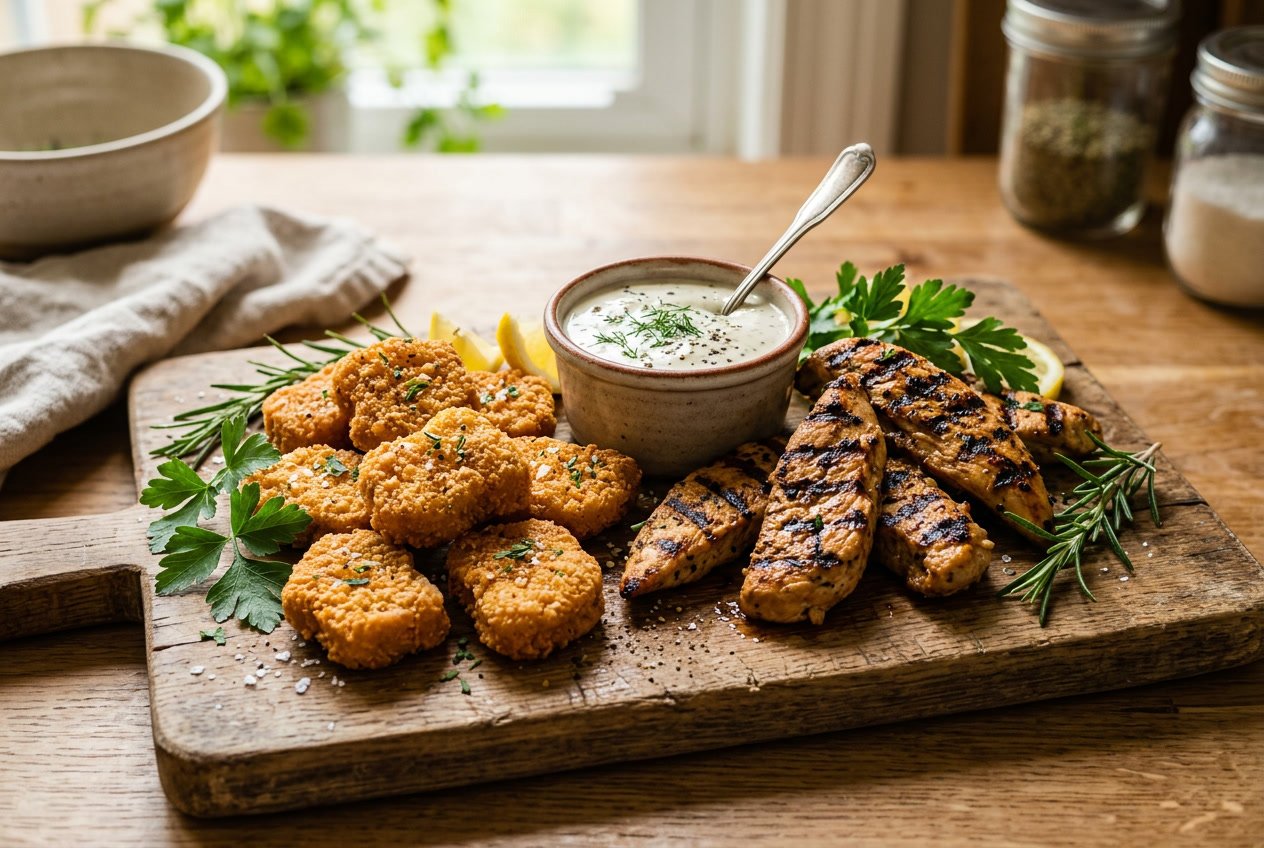
These options deliver chicken-like texture, absorb marinades well, and work in recipes from sandwiches to stir-fries. Each choice differs in protein content, processing level, and best cooking methods.
Tofu as a Chicken Replacement
Tofu gives you a mild-flavored, high-protein base that adapts to many recipes. Use extra-firm or firm tofu for chicken-style dishes.
Press tofu for 20–30 minutes to remove water so it crisps and browns instead of steaming. Marinate tofu for at least 30 minutes to build savory flavor.
For nuggets or cutlets, coat tofu in seasoned flour or breadcrumbs and pan-fry or bake at 425°F for a crisp exterior. Cube and sear for stir-fries, or shred with a fork for tacos and salads.
Tofu supplies complete plant-based protein and calcium if fortified. It’s minimally processed compared with many plant-based meats.
Seitan and Vital Wheat Gluten
Seitan, made from vital wheat gluten, most closely mimics chicken’s chewy, fibrous texture. Knead gluten with broth and seasonings, then simmer or steam to set a meatlike bite.
Slice or shred seitan for sandwiches, stir-fries, or breaded cutlets. You control the texture by adjusting hydration and kneading time.
Season the cooking liquid with soy sauce, mushroom powder, and poultry-style spices to deepen umami. Seitan is high in plant-based protein but not gluten-free, so avoid it if you have celiac disease or gluten sensitivity.
Tempeh
Tempeh offers a firm, nutty alternative with a dense texture that holds up to grilling and braising. Made from fermented soybeans, it provides whole-soy texture and a tangy flavor that pairs well with bold marinades.
Slice tempeh thin for sandwiches, cube for skewers, or crumble into tacos. Steam tempeh briefly before marinating to reduce bitterness and improve absorption.
Grill or pan-sear over high heat to get a caramelized surface that enhances its savory profile. Tempeh delivers substantial plant-based protein and fiber with less processing than many meat substitutes.
Soy Curls
Soy curls are minimally processed strips made from whole soybeans that rehydrate into a shredded-chicken texture. Soak them in hot water or broth for 5–10 minutes, then squeeze out excess liquid and season before cooking.
Soy curls excel in recipes that call for shredded or pulled chicken, such as fajitas, curries, and noodle bowls. Pan-fry or bake soy curls after marinating to add crispness, or simmer them in sauce for saucy, tender results.
Because soy curls are made from whole soy, they offer a simple ingredient list and high plant-based protein.
Vegetable-Based Substitutes for Chicken
These plant options reproduce chicken’s texture, absorb sauces well, and work in familiar preparations like wings, stews, and shredded fillings. Each vegetable offers different handling, cooking methods, and best-use cases.
Cauliflower and Cauliflower Wings
Cauliflower provides a neutral, slightly nutty base that crisps well when battered and baked or fried. Use florets or thick slices, coat them in seasoned batter, and bake at high heat for buffalo cauliflower wings.
You can roast whole steaks or cutlets for a firmer, meaty bite. For breaded “cutlets,” press the florets into a compact shape or slice thickly, dredge in flour, egg substitute, and breadcrumbs, then pan-fry or oven-bake.
Frozen florets work fine—thaw and pat dry to remove excess moisture before battering. Texture varies by cook time: quick, high-heat methods give a crisp exterior and tender core; long braises make cauliflower soft and sauce-saturated.
Season aggressively with smoked paprika, garlic powder, and salt so the vegetable stands up to bold sauces.
Mushrooms as a Meaty Swap
Mushrooms deliver natural umami and a dense, chewy texture that mimics cooked chicken pieces. Portobello caps make excellent “steaks” or cutlets; slice or marinate whole, then grill or roast to concentrate flavor.
Oyster and shiitake mushrooms have stringy fibers that work well shredded into stir-fries, tacos, or pulled-chicken-style fillings. Sear mushrooms in hot oil to develop a caramelized crust, then finish with a sauce or glaze.
Salt toward the end to retain juiciness. For a chunkier substitute, chop large caps into bite-sized pieces; for shredded applications, pull apart oyster mushrooms after roasting or pan-frying.
Mushrooms absorb marinades quickly, so use soy, lemon, smoked salt, or miso-based marinades to deepen savory notes. Combine varieties to match the original dish’s mouthfeel and flavor profile.
Jackfruit for Shredded Dishes
Unripe jackfruit mimics pulled chicken because its stringy, fibrous texture separates into shreds when cooked. Use canned young green jackfruit in brine; rinse, drain, and squeeze out excess liquid before sautéing or braising with spices and sauce.
Shred the pieces with forks or by hand, then simmer in sauce to let the fibers soak up flavor. For best texture, cook jackfruit until tender but not mushy; a brief oven roast after saucing firms the edges and adds chew.
Jackfruit has little intrinsic flavor, so seasoning and cooking method determine the result. Add acid, smoky elements, and a fat source to improve mouthfeel and replicate the richness of traditional pulled chicken.
Legume and Grain Options
Legumes and grains provide concentrated protein, fiber, and cooking versatility. You can swap them into sandwiches, bowls, and mains to mimic chicken’s role while adding plant-based nutrition.
Chickpeas and Garbanzo Beans
Chickpeas work well when you need a chunky, slightly nutty substitute for shredded or diced chicken. Use canned chickpeas for speed: drain, rinse, and roughly mash or chop them to create textures similar to pulled or chopped poultry.
Roast whole chickpeas with spices for a crispy topping, or sauté chopped chickpeas with onion, garlic, and herbs to fold into tacos, salads, or stews. For a sandwich, mash chickpeas with vegan mayo or yogurt, diced celery, onion, lemon juice, and mustard for a creamy, tangy profile.
Chickpeas also hold up in curries, casseroles, and grain bowls, so they adapt to many recipes where chicken would normally appear.
Quinoa
Quinoa supplies a complete protein profile, making it a strong grain-based swap when you want to match chicken’s protein contribution. Cook quinoa in vegetable broth for added flavor, then use it as a base for bowls, stuffed peppers, or patties that replace chicken in grain-forward meals.
One cup cooked quinoa yields about 8 grams of protein and blends well with beans, roasted vegetables, or crumbled tempeh to boost overall protein. Use quinoa as a binder and texture element for patties and meatless cutlets.
Mix cooked quinoa with mashed chickpeas, spices, and an egg or flax “egg” to form patties you can pan-fry or bake. Quinoa also pairs well with fresh herbs and citrus, brightening a chickpea salad sandwich or a chilled grain salad meant to replace chopped chicken in picnics and lunches.
Store-Bought and Branded Vegan Chicken
You can find convincing, ready-made chicken alternatives in most supermarket frozen and refrigerated aisles. Options include soy- and wheat-based nuggets and whole-cut mushroom or jackfruit products.
Popular Supermarket Brands
Look for Gardein and Tofurky for reliable texture and broad flavor choices. Gardein makes nuggets, strips, and wings while Tofurky offers seasoned pieces and deli-style slices.
Boca and Quorn provide budget-friendly options. Boca uses soy-based patties and chik’n products, and Quorn uses mycoprotein for a chewy, chicken-like bite.
Field Roast targets heartier, artisan-style cuts and breaded alternatives that work well in sandwiches and skewers. Many stores carry private labels or 365 (Whole Foods) for lower-cost chicken-style bites and tenders.
Check the package for protein source, cooking method, and sodium content to match your recipe and dietary needs.
Making the Most of Pre-Made Options
Crisp breaded nuggets in a hot oven or shallow-fry strips to restore texture. Season or sauce to taste with buffalo, teriyaki, or a lemon-herb rub.
Use shredded jackfruit or pre-seasoned whole-cut alternatives for tacos, salads, or curries where pull-apart texture matters. When substituting in recipes, match moisture and cook time.
Denser products like Field Roast or Quorn need longer heat. Breaded items cook faster.
Store leftovers sealed in the fridge for 3–4 days or freeze unopened packages to preserve quality.
Less Common and Niche Chicken Substitutes
These options use processed or specialty plant proteins that mimic chicken’s chew and versatility.
They work well when you want a high-protein, shelf-stable, or meat-like texture for dishes such as stir-fries, stews, sandwiches, and nuggets.
Textured Vegetable Protein (TVP) and Other Innovative Products
TVP is a dehydrated soy product that you rehydrate with water or broth. Once soaked, it offers a fibrous, meat-like chew and soaks up marinades and sauces well.
You can crumble it for taco fillings or form it into patties. Use chunk-style TVP in stews and casseroles where a chicken-like texture matters.
TVP is high in protein and low in fat. It’s typically not a whole food, so check labels for sodium or added flavors.
If you need gluten-free alternatives, look for mycoprotein products or pea-protein cuts instead of wheat-based options.


