
What Is a Chicken Short Thigh? Anatomy, Cuts, and Cooking Guide
A chicken short thigh is the upper portion of the leg after butchery. You get the rich, dark-meat flavor and tender texture of a thigh in a smaller, easier-to-handle portion that works well for grilling, braising, and quick weeknight dinners.
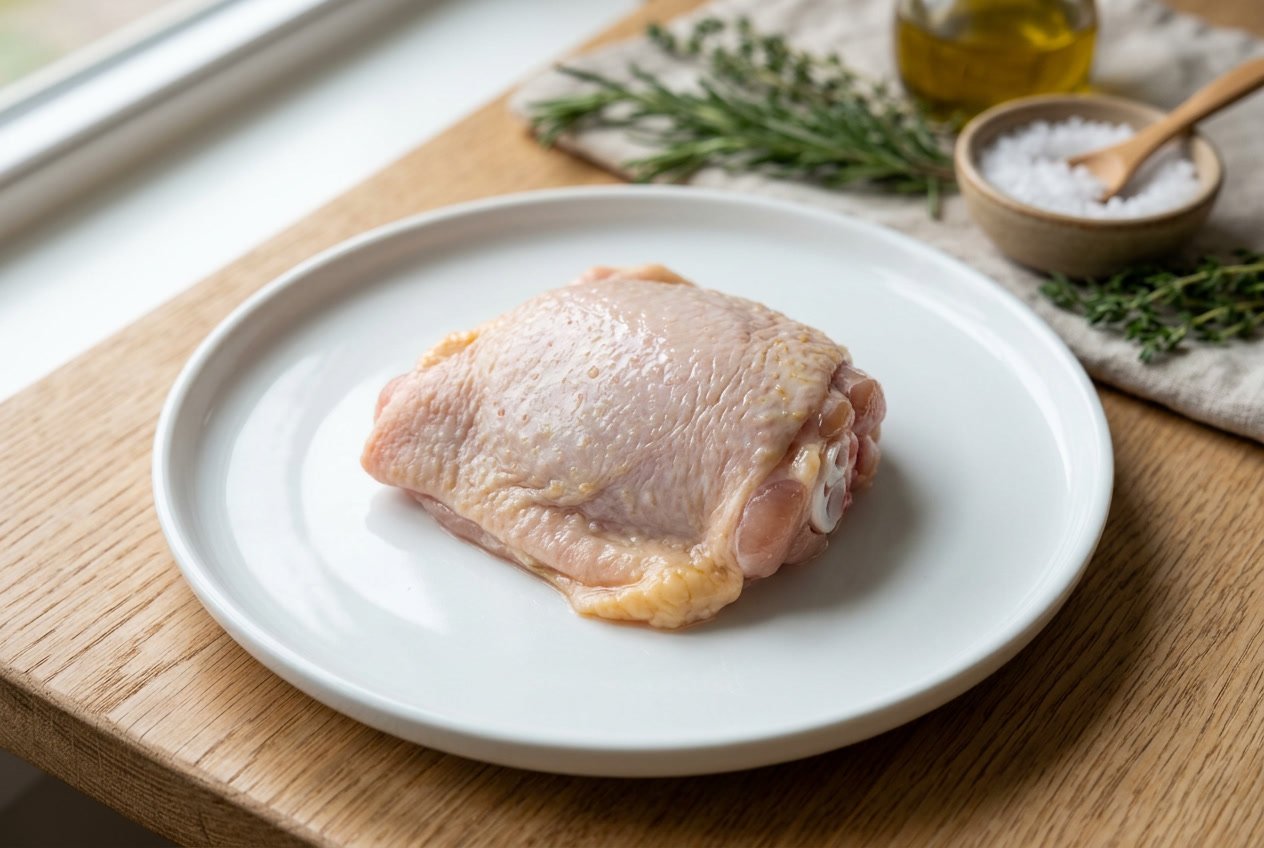
Short thighs differ from drumsticks and full thighs in size and cooking behavior. Learn how to identify and buy a good piece, choose the best cooking methods, and prep short thighs for reliable meals.
Understanding Chicken Short Thigh
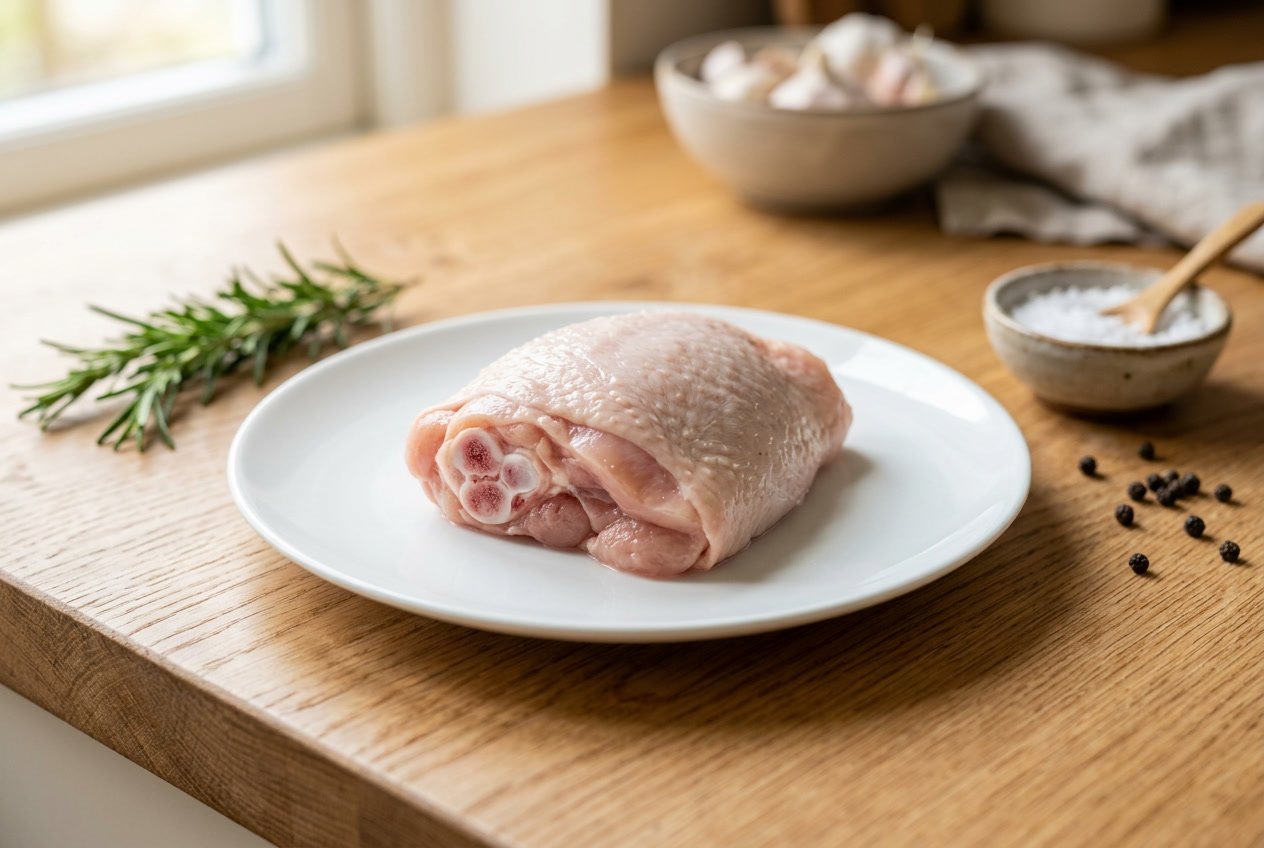
A chicken short thigh is a compact, dark-meat cut from the upper leg near the hip joint. You’ll see differences in size, bone structure, and cooking compared with standard thigh and drumstick cuts.
Definition and Placement on the Bird
Butchers remove the chicken short thigh from the upper leg close to the hip joint, trimming it shorter than a full thigh. This cut includes the femur end and surrounding thigh meat but leaves out much of the ilium and extended oyster or back meat.
The short thigh sits between the body and the drumstick on the whole chicken leg. When you buy a whole chicken leg, the butcher may sell the short thigh separately; it keeps the dark meat traits—higher fat and myoglobin—of thigh meat. Expect a slightly higher bone-to-meat ratio than a full boneless thigh if the bone remains.
Chicken Short Thigh vs Regular Thigh
The short thigh is physically smaller than a regular chicken thigh and often has less connective tissue. You get a denser portion of dark meat with slightly faster cooking times because the piece is shorter from hip to knee.
Fat distribution stays similar to standard thighs, so the short thigh still offers juiciness and flavor for braising, roasting, or grilling. If you want uniform portions for plating or quick-cooking recipes, the short thigh gives more consistent results.
Chicken Short Thigh vs Drumstick
The short thigh and drumstick differ in both anatomy and texture. The drumstick is the lower leg and contains a different muscle group and connective tissue, producing a slightly firmer bite and a distinct shape.
Drumsticks handle high-heat grilling and frying well because of their shape and skin-to-meat ratio. Short thighs perform better in dishes that benefit from thigh meat’s higher fat and collagen, such as stews or slow-roasted plates.
If you need uniform dark-meat portions for a recipe, choose short thighs. When you want handheld pieces or a different mouthfeel, pick drumsticks.
Anatomy of Chicken Cuts

The leg, thigh, drumstick, wing, and breast each have distinct bones, muscle groups, and fat. These differences determine flavor and cooking method.
Parts of a Chicken Leg
The chicken leg includes the thigh and drumstick. A leg quarter adds part of the back.
The thigh sits between the hip and knee and contains the femur bone with thick, dark muscle around it. It has more fat and connective tissue than the breast, so it tolerates longer cooking and stays moist.
The drumstick is the lower leg portion between knee and hock. It has a single tibia/fibula bone and a higher bone-to-meat ratio, making it ideal for finger food or frying.
When you buy a whole chicken, legs may be sold as whole legs, leg quarters, or separated thighs and drumsticks.
Common uses:
- Thighs: kebabs, casseroles, braises.
- Drumsticks: grilling, barbecues, fried chicken.
- Leg quarters: economical roasts and hearty stews.
Difference Between White and Dark Meat
White meat comes mainly from the breast and wing muscles. Dark meat comes from thighs and drumsticks.
White meat has less myoglobin and lower fat, so it cooks quickly and dries out if overcooked. Use quick, high-heat methods like grilling or pan-searing.
Dark meat contains more myoglobin, fat, and connective tissue. It delivers richer flavor and remains tender during slow, moist cooking like braising or roasting.
If you need versatile stock or bone flavor, use the back or leg quarters for simmering. Choose white meat for lean, fast dishes and dark meat when you want flavor and forgiving cook times.
Different Types of Chicken Thigh and Related Cuts
Thighs are sold in a few consistent ways that affect cooking time, flavor, and prep. Choose based on whether you want faster prep, more fat for browning, or cuts that mimic breast-style portions.
Bone-In vs Boneless Chicken Thighs
Bone-in chicken thighs include the femur bone and a bit more connective tissue. The bone slows cooking but improves heat distribution and keeps the meat juicier during roasting or braising.
Boneless chicken thighs have had the bone removed and often cook faster and more evenly. They work best for pan-searing, kebabs, or recipes needing uniform pieces.
When buying boneless chicken thighs, check if they’re trimmed or if small pieces of cartilage remain.
Skin-On vs Skinless Thighs
Skin-on bone-in chicken thighs deliver the most flavor and crispness when roasted or grilled. The skin renders fat and protects the meat, producing a golden, textured exterior.
Skinless thighs cook more quickly and are leaner, making them preferable for braises, curries, or health-conscious dishes. They also absorb marinades faster.
For consistent results, pat skinless thighs dry before searing to encourage browning.
Thigh Fillets and Cutlets
Thigh fillets, sometimes labeled thigh cutlets, are boneless portions trimmed into flatter pieces. They resemble breast cutlets in shape but keep the thigh’s richer flavor.
These are ideal for quick-cook formats like schnitzel or sandwiches. Thigh cutlets adapt well to pounding or marinating to tenderize.
If you need uniform thickness, butterfly or lightly pound them. Use thigh fillets when you want dark-meat richness with the convenience of boneless chicken thighs.
How to Identify and Buy Chicken Short Thigh
Chicken short thighs are the shorter portion of a split leg piece. They’re compact, darker, and usually sold skin-on or bone-in.
You’ll focus on color, fat distribution, package labeling, and how the piece compares to whole chicken legs or leg quarters.
What to Look for at the Market
Look for uniform, deep-pink to reddish meat with a thin layer of white fat and intact skin. Avoid pieces with grayish spots, a sour odor, or sticky surfaces.
Choose short thighs with firm flesh that springs back when pressed. If bone-in, check that bones aren’t discolored or brittle.
For skin-on pieces, expect slightly more visible fat than breasts. Inspect packaging for no excessive liquid and tight seals.
If buying from a butcher, ask when the bird was processed and whether pieces came from leg quarters or whole legs.
Common Labeling Practices
Retailers might label short thighs as “short leg,” “short thigh,” or “thigh portion.” Some stores group them under “chicken legs” or “leg quarters.”
Read the fine print for bone-in vs boneless and skin-on vs skinless. Labels sometimes list “dark meat”—that confirms thigh or drumstick origin.
Look for weight per piece and pack date. Organic, pasture-raised, or antibiotic-free claims apply to the whole bird, not just the cut.
When shopping online, check photos and cross-check the product description for “short thigh” vs whole leg. If unclear, contact customer service or the butcher counter to confirm you’re getting the right portion.
Chicken Short Thigh vs Other Retail Cuts
Short thighs come from the upper leg and are smaller than a whole chicken leg quarter, which includes the drumstick. Compared to a drumstick, short thighs are flatter and have more connective tissue, which benefits slow cooking.
Against chicken breasts, short thighs contain more fat and connective tissue, yielding richer flavor and better moisture retention during high-heat cooking. They differ from back pieces, which are mostly bony and used for stock.
If you want boneless, look for “boneless skinless thigh” labels. For recipes calling for even cooking and quick searing, choose boneless; for roasting or braising, bone-in short thighs give better flavor and structure.
Cooking Chicken Short Thighs
Short thighs cook quickly and work well with low-and-slow heat or a hot sear followed by oven finish. Use an instant-read thermometer to check doneness while keeping juiciness and crisp skin.
Best Cooking Methods
Bake at 250–400°F depending on texture goals. Bake at 250°F for 45–60 minutes to break down collagen and keep meat tender; check at 45 minutes with an instant-read thermometer.
Roast at 375–400°F for 25–35 minutes to brown skin faster. Pan-sear first for a crisp crust, then finish in a 375°F oven for 12–20 minutes.
For barbecue-style short thighs, grill over medium-direct heat (about 350–400°F), turning to avoid flare-ups. Use a wire rack on a baking sheet when baking to allow air circulation and crisp skin.
How to Achieve Juiciness and Flavor
Pat thighs dry and season under the skin or use a simple brine (1/4 cup salt per quart water for 30–60 minutes) to improve moisture. Apply oil and spices for even crust and flavor penetration.
Monitor internal temperature: remove at 160°F for a juicier finish and let carryover raise it to 165°F, or pull at 165°F for safety. Rest 5 minutes tented with foil.
For bold flavor, marinate 1–2 hours or baste with sauce in the last 5–10 minutes when grilling or baking.
Adjusting for Bone-In vs Boneless
Bone-in short thighs need about 5–15 minutes more cooking time than boneless at the same temperature. In low-and-slow baking, bone-in may approach the upper end of the 45–60 minute range; boneless often finishes earlier.
Probe the thickest meat near but not touching bone for bone-in pieces. Boneless thighs benefit from quicker sears and shorter oven time; reduce oven time by roughly 5–10 minutes or check temperature sooner.
Bones help retain flavor, so adjust resting time and searing technique accordingly.
Preparation Tips and Food Safety
Handle short thighs carefully: remove bones and excess fat, season or marinate to your taste, verify doneness with an instant-read thermometer, and rest the meat briefly before serving. Follow safe handling to prevent cross-contamination and save trimmed bits for stock.
How to Debone Chicken Thigh
Place the thigh skin-side down on a cutting board. Use a sharp boning or paring knife and locate the femur bone.
Cut along the bone lengthwise, keeping the blade close to the bone to preserve meat. Work slowly, using short strokes and rotating the thigh so you free the meat without cutting through the skin.
When the bone is mostly exposed, use the tip to scrape connective tissue and release small cartilage pieces. Trim excess fat and cartilage; reserve bones and trimmings for chicken stock.
If you prefer an easier method, remove the bone after cooking by cutting along the seam and pulling the bone out once the meat is tender. This method works well for shredded-thigh recipes.
Seasoning and Marinating Suggestions
Pat thighs dry before seasoning. This helps the rub or marinade stick and promotes better browning.
Use a simple dry rub with 1 tsp kosher salt and ½ tsp freshly ground black pepper per thigh. Add ½ tsp garlic powder and 1 tsp smoked paprika for depth.
For wet marinades, mix 2 tbsp olive oil, 1 tbsp acid (lemon juice or vinegar), 1–2 cloves minced garlic, and 1 tsp salt per pound of chicken. Marinate in the fridge for 30 minutes to 6 hours.
Do not marinate with strong acids for more than 12 hours to prevent mushy texture. Season under the skin for more flavor by loosening the skin and spreading a teaspoon of butter or herb paste directly on the meat.
Pat dry again before roasting or searing to help the skin crisp. Choose bold spices like cumin, coriander, or chili powder for robust dishes.
Fresh herbs such as thyme or rosemary work well for lighter flavors. Save seasoned trimmings if you plan to make chicken stock later.
Safe Internal Temperatures
Check temperature with an instant-read thermometer inserted into the thickest part of the thigh, avoiding bone. The USDA recommends 165°F (74°C) as the safe minimum for poultry to kill harmful bacteria.
If you use a low-and-slow method, remove thighs at 160°F and let them rest. Carryover heat will raise the internal temperature a few degrees.
For shredded or braised dishes, make sure pieces reach 165°F during heating before serving. Calibrate your thermometer regularly using an ice-water or boiling-water test.
Clean and sanitize the probe after each use to prevent cross-contamination between raw and cooked chicken.
Resting and Serving Recommendations
After cooking, transfer thighs to a warm plate and cover loosely with foil. Rest for 5–10 minutes to let juices redistribute and allow the internal temperature to rise slightly.
For sliced presentations, cut across the grain to maximize tenderness. Reserve pan juices or deglaze with wine or stock to make a quick sauce and pour over the sliced thighs.
If you plan to shred the meat for tacos or salads, rest briefly (3–5 minutes) to keep the meat warm. Pull apart with forks and refrigerate leftovers within two hours in shallow containers.
Use leftovers within 3–4 days.
Nutritional Profile and Health Benefits
Short thighs provide concentrated protein and minerals with moderate fat content that keeps dishes moist and flavorful. They offer more iron, zinc, and B vitamins per serving than many white-meat cuts.
Choosing skin-on or skinless changes calories and fat content significantly.
Nutritional Breakdown of Short Thighs
Per 100 g cooked, boneless, skinless short thigh, expect about 170–190 kcal, 25–28 g protein, and 8–10 g total fat. Protein supplies essential amino acids for muscle repair and satiety.
Fat includes both monounsaturated and saturated types. The monounsaturated portion supports energy and fat-soluble vitamin absorption.
Key micronutrients include:
- Iron: ~1.0–1.4 mg per 100 g, useful for oxygen transport.
- Zinc: ~1.5–2.5 mg per 100 g, important for immune function.
- B vitamins (niacin, B6, B12): support energy metabolism and nervous system health.
Keeping the skin adds roughly 30–50 kcal and 4–6 g fat per 100 g. Bone-in pieces change weight and yield slightly, but nutrient density per cooked gram remains similar.
Comparing to Chicken Breast and Other Cuts
Compared with chicken breast, short thighs have more fat and slightly less protein per 100 g. For example, breast contains about 31 g protein and 3–4 g fat; thigh has 26–28 g protein and 8–11 g fat.
You get more iron and zinc from thigh than from breast. Thighs work well when you need more dietary iron or plan meals for endurance or recovery.
Breasts suit strict low-fat or very low-calorie plans. Wings and fattier cuts can exceed thighs in total fat and sodium, especially when breaded or sauced.
Choose thighs for a balance of juiciness, nutrient density, and cost-effectiveness.
Tips for Healthy Cooking
Trim visible fat and remove skin if you want to lower calories and saturated fat. Use high-heat methods like grilling, roasting, or air-frying to render fat while preserving flavor.
Season with herbs, citrus, and spices instead of heavy sauces to control sodium and added sugars. Pair thighs with vegetables and whole grains for a balanced plate.
Aim for 1–2 cooked, boneless thighs per meal for most adults. If you braise or stew, skim pooled fat before serving.
For meal prep, roast several thighs, cool, and refrigerate. Reheating preserves protein and allows portion control.
Popular Chicken Thigh and Short Thigh Recipes
Short thighs, the smaller, meatier portion of the upper leg, work well in braises, grills, and quick pan-fries. They stay juicy, handle bold marinades, and pair well with rice, pasta, or roasted vegetables.
Classic and Global Dishes
Many classic recipes feature thighs and short thighs for their flavor and fat. Use bone-in, skin-on thighs for chicken cacciatore: brown the skin, then simmer with tomatoes, bell pepper, olives, and white wine until the meat pulls easily from the bone.
For braised comfort, try a Moroccan or tagine-style dish with preserved lemon, olives, and warm spices. The fat and connective tissue in thighs break down into a silky sauce.
Fried chicken benefits from thighs and short thighs because they stay moist at high heat. Season, dredge, and fry or oven-bake to get a crisp crust without drying the interior.
Buffalo wings and boneless wings often use thigh meat for richer flavor. Shred or cube thighs for boneless wings and toss in hot sauce and butter for a classic taste.
Recipe Suggestions for Home Cooks
Choose bone-in for slow methods. Use boneless for fast sautés or stir-fries.
For a simple weeknight sheet-pan meal, toss skin-on short thighs with smoked paprika, garlic powder, and halved potatoes. Roast at 425°F until the skin crisps and juices run clear.
If you like saucy dishes, sear boneless thighs, then add canned tomatoes, capers, and rosemary. Simmer for 20 to 30 minutes, then add a splash of vinegar to brighten.
To make fried or boneless wings at home, cut boneless thighs into strips and double-dredge in seasoned flour. Shallow-fry or bake on a rack, then toss with buffalo sauce for spicy results.
Pat skin dry for crispness. Rest cooked thighs for 5 minutes before serving, and adjust cook time based on whether the meat has a bone.


