
What Does Chicken Leg Emoji Mean? Origins, Usage & Hidden Meanings
You use the chicken leg emoji to talk about food, especially cooked poultry like fried or roasted drumsticks. It also shows hunger, craving, or plans for a meaty meal.
When someone sends 🍗, they usually mean chicken or other poultry, food in general, or excitement about eating.
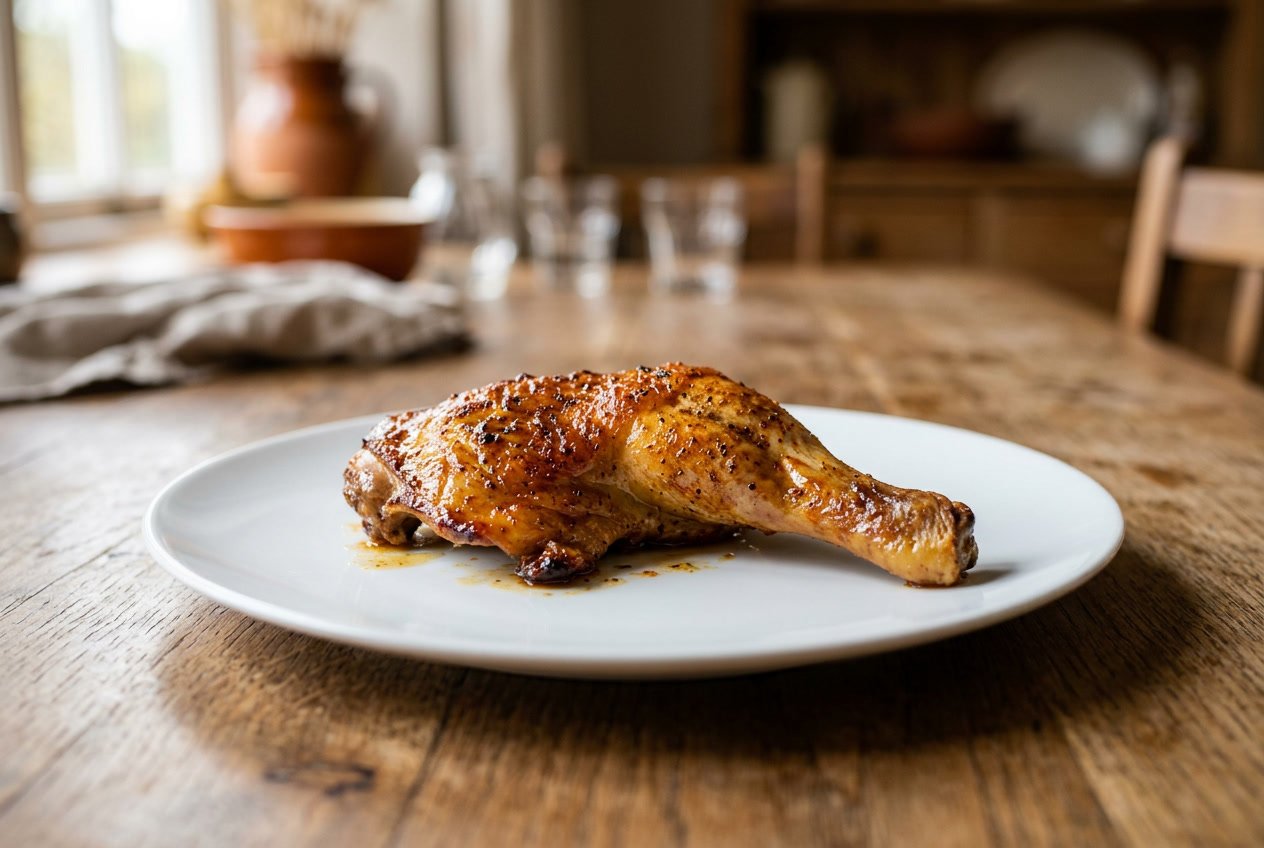
People use the emoji playfully for cravings or comfort food and practically to signal dinner plans. Sometimes, it appears symbolically in slang or regional contexts.
This article explains the literal meaning, common contexts, cultural twists, technical codes, and how the emoji looks across platforms.
Literal Meaning of the Chicken Leg Emoji
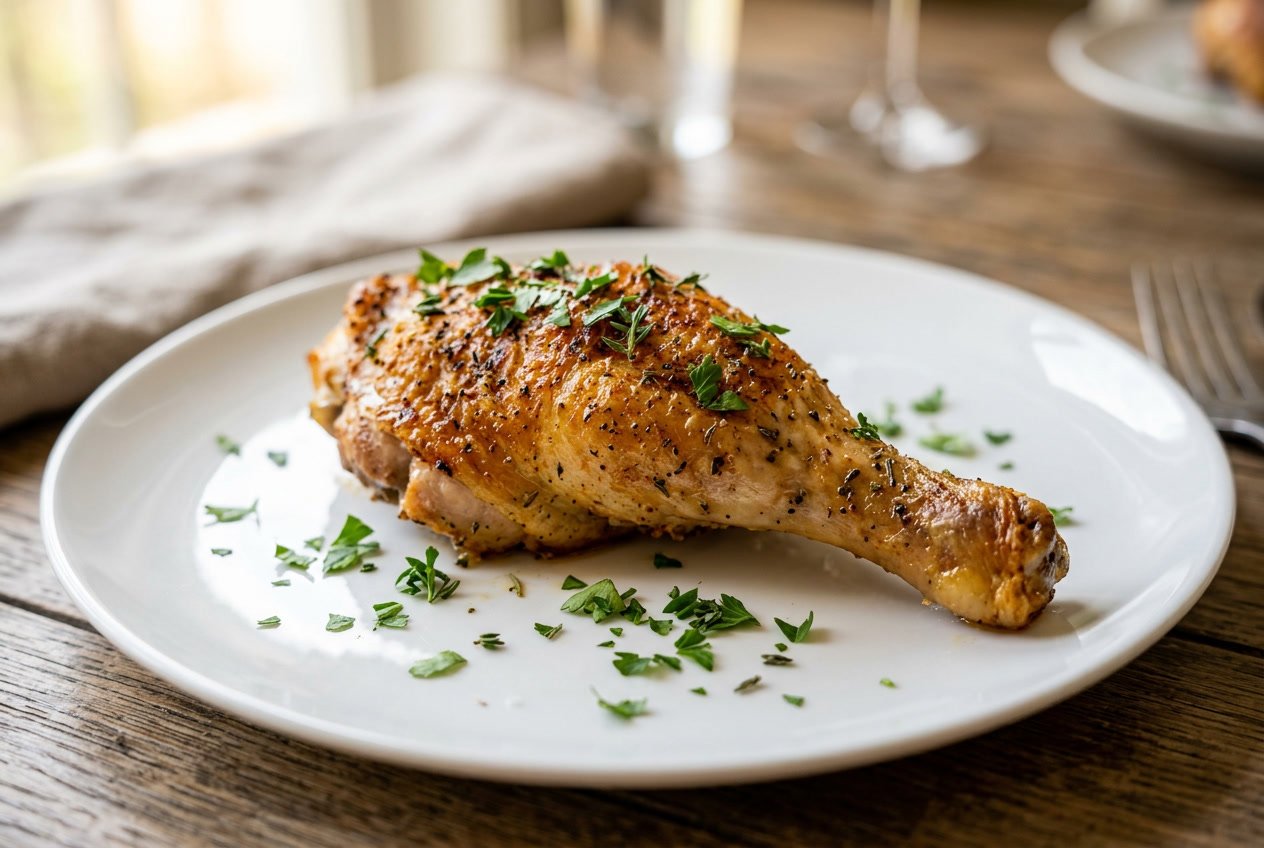
The chicken leg emoji (🍗) shows a cooked poultry leg with a bone exposed and browned meat. It most often refers to actual poultry dishes and common associations with eating, cooking, and meat.
Poultry-Based Foods Representation
You can use the 🍗 emoji to represent specific poultry dishes like fried chicken drumsticks, roasted turkey legs, or barbecued chicken. In messages about meals, it signals poultry as the main ingredient rather than vegetables or seafood.
When you order or describe food, the poultry leg emoji gives recipients a clear cue that you mean chicken- or turkey-based meat, often served whole or as a drumstick. Menus, food delivery chats, and casual plans for takeout often include 🍗 to indicate a desire for poultry items such as wings, nuggets, or a drumstick entrée.
Symbolism in Food Culture
The poultry leg emoji ties to comfort food, family dinners, and holiday feasts where roasted poultry appears. It also appears in casual contexts to show hunger, craving, or enthusiasm for hearty, meat-centered meals.
In online communities, people sometimes use it as slang—like “tendies” for gains—so pay attention to context to avoid misunderstandings. While mostly harmless, some people misuse the poultry leg emoji as a derogatory symbol in certain abusive contexts; use it thoughtfully to avoid offense.
Roasted or Fried Leg Imagery
The visual design of 🍗 emphasizes a cooked appearance: brown shading, a bulb of meat, and a visible bone end. That imagery points specifically to roasted or fried preparation methods rather than raw poultry.
When you include the poultry leg emoji, readers typically picture crispy skin, roasting browning, or fried batter—styles common at barbecues, fast-food restaurants, and holiday tables. Design variations across platforms may change color or shading, but the intended literal meaning—a cooked poultry leg—remains consistent.
Common Contexts and Interpretations
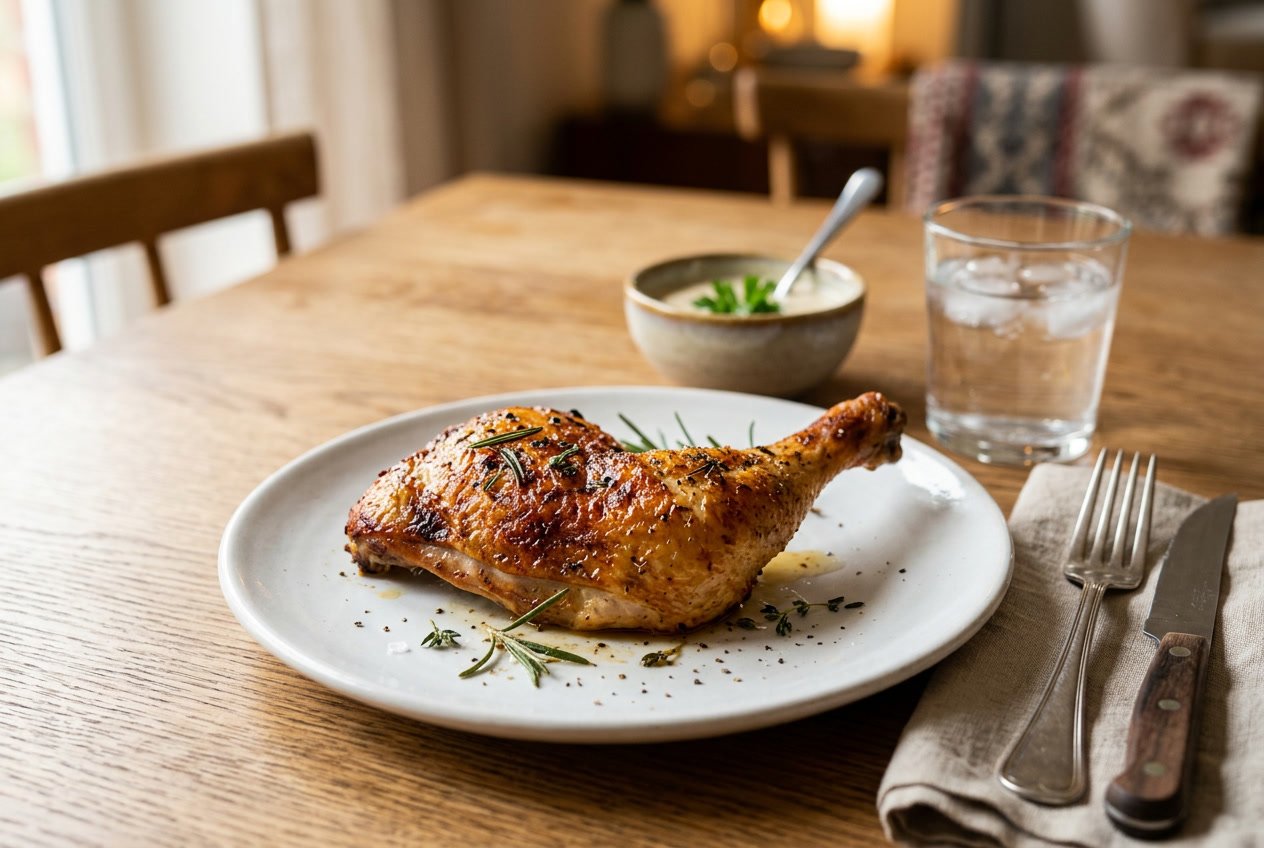
The poultry leg emoji typically signals food-related ideas, emotions about meals, or specific events tied to poultry dishes. People use it to indicate hunger, holiday feasts, restaurant choices, or a love for hearty comfort food.
Expressing Hunger or Cravings
You can use the poultry leg emoji to show immediate hunger or a specific craving for chicken, turkey, or fried poultry. It works as a quick visual shorthand in messages: pairing the emoji with “dinner?” or “I want” makes your craving clear without extra words.
When you send it alone, recipients usually read it as “I’m hungry” or “let’s get chicken,” especially among friends who know your tastes. Combine it with time indicators (e.g., “now 🍗”) or location tags to make plans or suggest nearby chicken spots.
Celebration and Holiday Meals
You’ll often see the poultry leg emoji in posts about Thanksgiving and Christmas when people reference roast turkey legs or festive meals. Use it to highlight a centerpiece dish—especially turkey at Thanksgiving—or to signal a traditional holiday spread.
In holiday captions, the emoji emphasizes the meat-focused portion of the feast and can replace longer descriptions like “turkey dinner” or “holiday roast.” In some contexts, the emoji might carry cultural or sensitive connotations when people use it to mock or insult, so use it respectfully in group or public threads.
Dining Out and Fast Food
The poultry leg emoji frequently represents fast-food items such as fried chicken, wings, nuggets, or drumsticks. People use it in texts arranging takeout, tagging chicken restaurants, or commenting on delivery orders.
Pair it with restaurant names or map links to make your message specific—e.g., “KFC tonight? 🍗” or “wing specials 🍗 @MainSt.” It’s practical for signaling protein choice on menus and for quick endorsements like “so good 🍗” after a meal.
Enjoyment of Comfort Food
Use the poultry leg emoji to express fondness for hearty, comforting meals that center on poultry. It conveys warmth and satisfaction—think slow-roasted thighs, family dinners, or backyard barbecues.
In personal posts, the emoji can emphasize nostalgia for home-cooked poultry dishes or a craving for familiar flavors. When you combine it with words like “comfort” or “home,” readers will understand you mean more than just meat; you mean a comforting, satisfying meal experience.
Other Meanings and Symbolic Uses
The chicken leg emoji often stands for more than a meal. People use it to signal appetite, internet slang tied to trading, and lighthearted jokes or teasing in chats.
Carnivorous Appetite
You can use the 🍗 emoji to show a strong desire for meat or to emphasize a protein-heavy meal. In food threads, it communicates that you want or are serving roasted or fried poultry specifically, not just “food” generally.
In fitness or diet conversations, people pair 🍗 with gym or protein emojis to highlight meat as a primary protein source. That lets others know you favor animal protein for muscle gain or satiety rather than plant-based options.
The emoji also appears in contexts implying indulgence—barbecue invites, competitive eating, or celebratory feasts—so its tone can range from practical to playful depending on surrounding text.
Investment Slang: ‘Tendies’
Online investors, especially retail traders on forums, use 🍗 to mean “tendies,” slang for trading profits or gains. People include it in posts celebrating successful trades, often alongside money or rocket emojis to indicate profit and upward movement.
This usage comes from playful meme culture where chicken tenders symbolized a simple reward. When you see 🍗 in a finance thread, interpret it as shorthand for realized gains or a goal of making small, satisfying profits.
Context matters: in serious financial discussion, people may use the emoji sarcastically or to mock risky behavior, so read accompanying text before assuming optimism.
Playful or Humorous References
People use the chicken leg emoji to tease or joke in casual messages. You might send 🍗 to poke fun at someone’s food choices, mock a dramatic claim about hunger, or as a silly non sequitur to lighten a conversation.
It also serves as a visual gag in memes and captions—paired with animals, chefs, or holiday themes—to evoke familiarity and comfort associated with shared meals. Tone and recipient familiarity determine whether the emoji reads as friendly ribbing or insensitive, so match your use to the relationship and setting.
Regional and Cultural Interpretations
The chicken leg emoji most often signals food, appetite, or meat, but its local names and cultural meanings vary by language and custom. Expect different connotations in menus, family traditions, and online slang across regions.
International Names for the Emoji
You will see many local names for the emoji that reflect language and food culture. In German, it appears as Hähnchenschenkel. In French, it’s cuisse de poulet. In Russian, people call it куриная ножка, and in Spanish, muslo de pollo.
Italian speakers say coscia di pollo, Portuguese speakers use coxa de frango, Polish speakers call it udko kurczaka, Japanese users say 鶏もも肉, and Korean users call it 닭다리.
Those names matter when people search menus, recipes, or emoji explanations. Using the local term helps you find relevant results and avoids confusion with other meat emojis (for example, 🍖 for ribs). Transliteration or direct translation sometimes shifts nuance—Japanese 鶏もも肉 emphasizes the thigh cut, while French cuisse de poulet carries a traditional roast association.
Cultural Associations and Traditions
Cultural context changes the emoji’s tone. In North America and parts of Europe, it often evokes comfort food, Thanksgiving, or fried-chicken meals.
In East Asia, the emoji can point to specific dishes like Korean fried chicken or Japanese chicken thigh preparations, linking the symbol to regional recipes rather than a generic drumstick.
In some communities, the emoji enters slang or humor—such as playful references to indulgence or “tendies” in investment memes—so read intent carefully. Be aware of sensitive contexts: using poultry imagery to insult people, especially along racial lines, can be offensive. Use the emoji to describe food, recipes, or meal plans when you want a neutral, clear reference.
Technical Details and Codes
This section gives precise identifiers and practical code snippets you can use to display the chicken leg emoji across platforms and in web code. It lists the Unicode point, common input forms, and the HTML entities you’ll paste into pages or editors.
Unicode and Codepoint Information
Unicode assigns the chicken leg emoji the code point U+1F357. The emoji was added in Unicode 6.0 (2010) and sits in the “Food & Drink” block. Use the plain codepoint form when working with Unicode tables or fonts: U+1F357 or 1F357.
On systems that accept direct Unicode input, you can often type the codepoint then convert it (methods vary by OS). Windows IME shortcuts such as Alt+1F357 are not standard; Windows Alt codes typically require a decimal value and differ by application. Treat U+1F357 as the canonical identifier when checking compatibility, font support, or emoji updates.
HTML Entities and Shortcodes
For HTML, use the decimal entity or the hexadecimal entity to render the emoji in web pages reliably. Example: or . These entities work in most browsers and avoid encoding issues with UTF-8 files.
If you store values in JSON or source code, prefer the u{1F357} escape (ES6 JavaScript) or the surrogate pair “uD83CuDF57” for older UTF-16 contexts. Shortcodes vary by platform; some messaging systems accept :poultry_leg: or :chicken_leg:, but they’re not standardized. Use numeric entities for maximum interoperability.
Emoji Appearance Across Platforms
You’ll notice the poultry leg emoji (🍗) looks different depending on the device and platform you use. These visual differences affect how recipients interpret texture, cooking style, and even whether the bone is prominent.
Design Differences by Device
Apple and Google render the 🍗 emoji with a clear bone protruding from a rounded drumstick. Apple emphasizes glossy shading and warm brown tones, making it look roasted.
Google’s Noto design uses flatter shading and a slightly darker, crunchier texture that reads as fried. Microsoft’s Fluent set often simplifies the shape and uses a lighter color palette, which can make the meat appear softer and less textured.
Samsung has historically added more highlight and a thicker bone, giving the drumstick a chunkier feel. Twitter and open-source fonts tend to be more stylized and cartoonish, reducing realism but improving legibility at small sizes.
If you care how your message looks, test the 🍗 on the platforms your audience uses. Small visual cues such as glossy skin, bone size, and color change whether the emoji reads as “fried fast food,” “roasted dinner,” or a generic poultry piece.
Recent Updates and Variations
Unicode defines the poultry leg emoji but lets vendors decide on visual details.
Vendors occasionally update the 🍗 art to match new design languages.
In recent years, Google and Apple adjusted color gradients and shadowing to fit their refreshed system emoji sets.
These tweaks change how done or textured the emoji looks, but not its meaning.
Platform updates also improve accessibility and legibility at small sizes.
For example, designers enlarge the bone contrast or simplify outlines.
Third-party and social platforms sometimes use their own styling.
Discord and Slack map the :poultry_leg: shortcode to platform-specific images, which can differ from mobile appearances.
You may notice minor visual shifts after major OS or app updates.
The core symbol, a poultry drumstick with a visible bone, stays consistent.


