
What Do Chicken Thighs Taste Like: Flavor, Texture & Cooking Guide
Chicken thighs taste richer and more savory than breast meat. They have a slightly buttery mouthfeel and a mild, earthy note from the dark meat.
They deliver deep umami and sustained juiciness, especially when you cook them with the skin on or use low and slow methods. You get flavorful bites that stay moist even if cooking times vary.
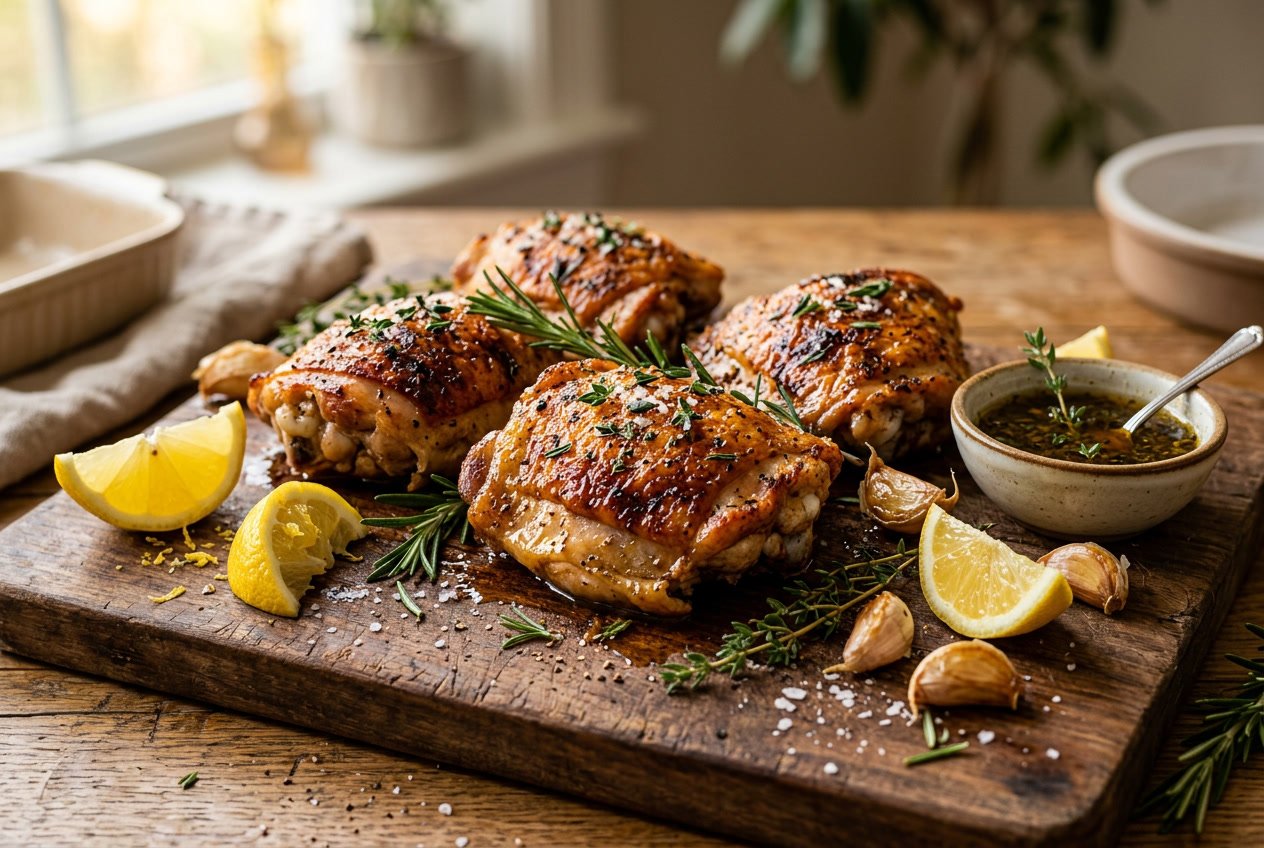
You’ll notice a contrast between a crisp, caramelized exterior and a tender, succulent interior that soaks up marinades and spices well. Texture, bone-in versus boneless cuts, cooking methods, and seasoning choices all shape that core flavor, helping you pick the best approach for any meal.
What Do Chicken Thighs Taste Like
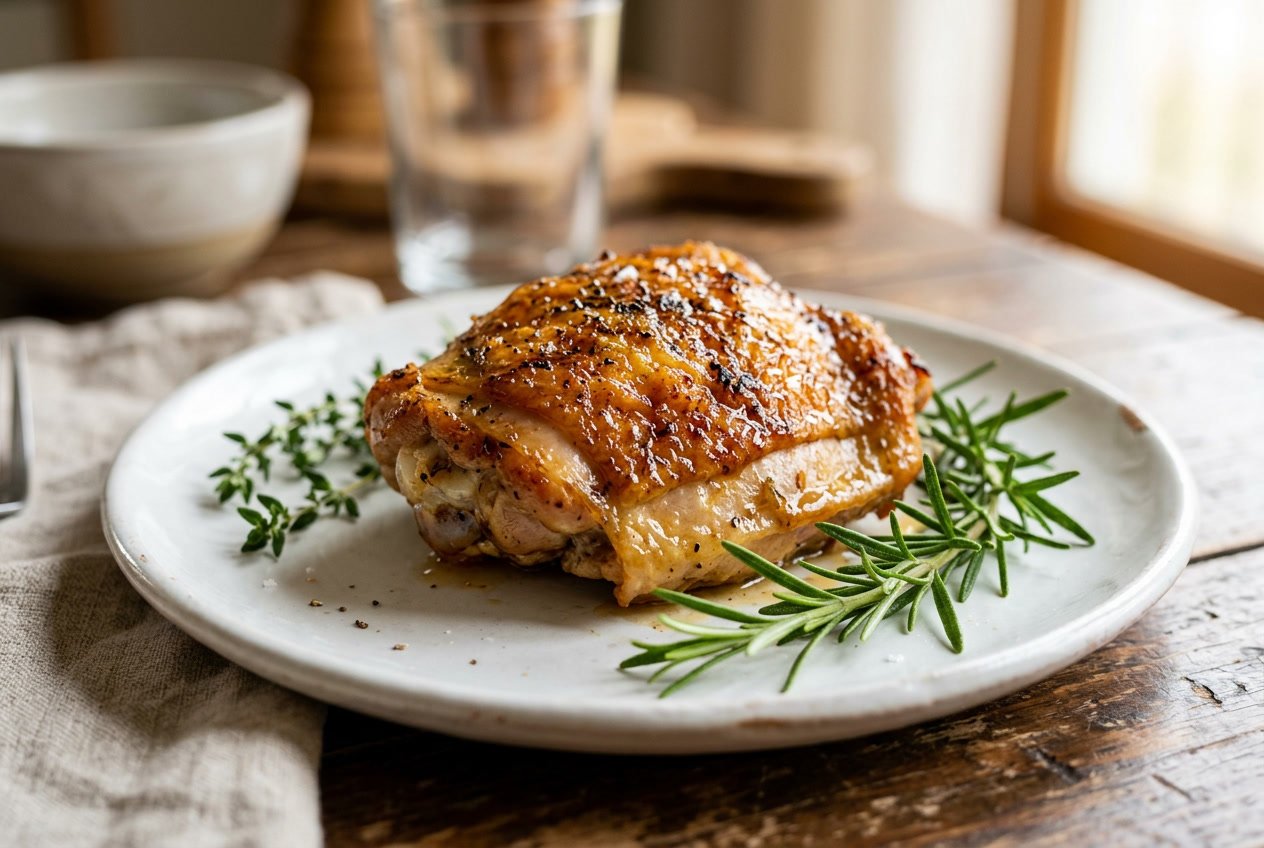
Chicken thighs deliver a richer, more savory experience than white meat. They have pronounced fattiness, collagen-derived depth, and a texture that stays juicy through many cooking methods.
Fat, connective tissue, and cooking method shape flavor, mouthfeel, and aftertaste.
Flavor Profile of Chicken Thighs
Chicken thighs taste savory and slightly sweet with clear umami notes. The higher fat content and myoglobin in dark meat give thighs a deeper, more concentrated chicken flavor than lean cuts.
Seasoning interacts strongly with thigh meat. Marinades with acid, like lemon or vinegar, brighten the richness. Soy, garlic, or smoked spices amplify umami and savory tones.
Bone-in, skin-on thighs often taste fuller because bones and rendered skin add gelatin and fat to the bite. High heat sears create caramelized, slightly smoky crusts, while slow braises make a mellow, rich sauce as collagen turns into gelatin.
Taste Comparison: Thighs vs. Breasts
Thighs have more intramuscular fat and connective tissue, which produces a bolder, fattier flavor and a naturally juicier result. Breasts taste milder and cleaner, showing seasoning directly but drying out more easily.
Thighs mask slight overcooking because fat and gelatin maintain moisture. For bold, saucy, or spiced dishes, thighs usually work better, while breasts suit light, delicate preparations.
Texture also influences taste. Tender, slightly fibrous thigh meat releases flavor with each chew, while breast meat gives a firmer, blander bite.
Aftertaste and Mouthfeel
Chicken thighs leave a lingering savory richness with a slight fatty coating on the palate. You may notice an earthy, faintly gamey note from darker muscle fibers and myoglobin concentration.
Mouthfeel feels buttery or silky because rendered fat and gelatin coat your mouth. Skin-on preparations add a crisp contrast that brightens the first bite.
If the richness feels heavy, add an acidic element like lemon, vinegar, or pickled side dishes to refresh your palate.
Texture and Juiciness of Chicken Thighs
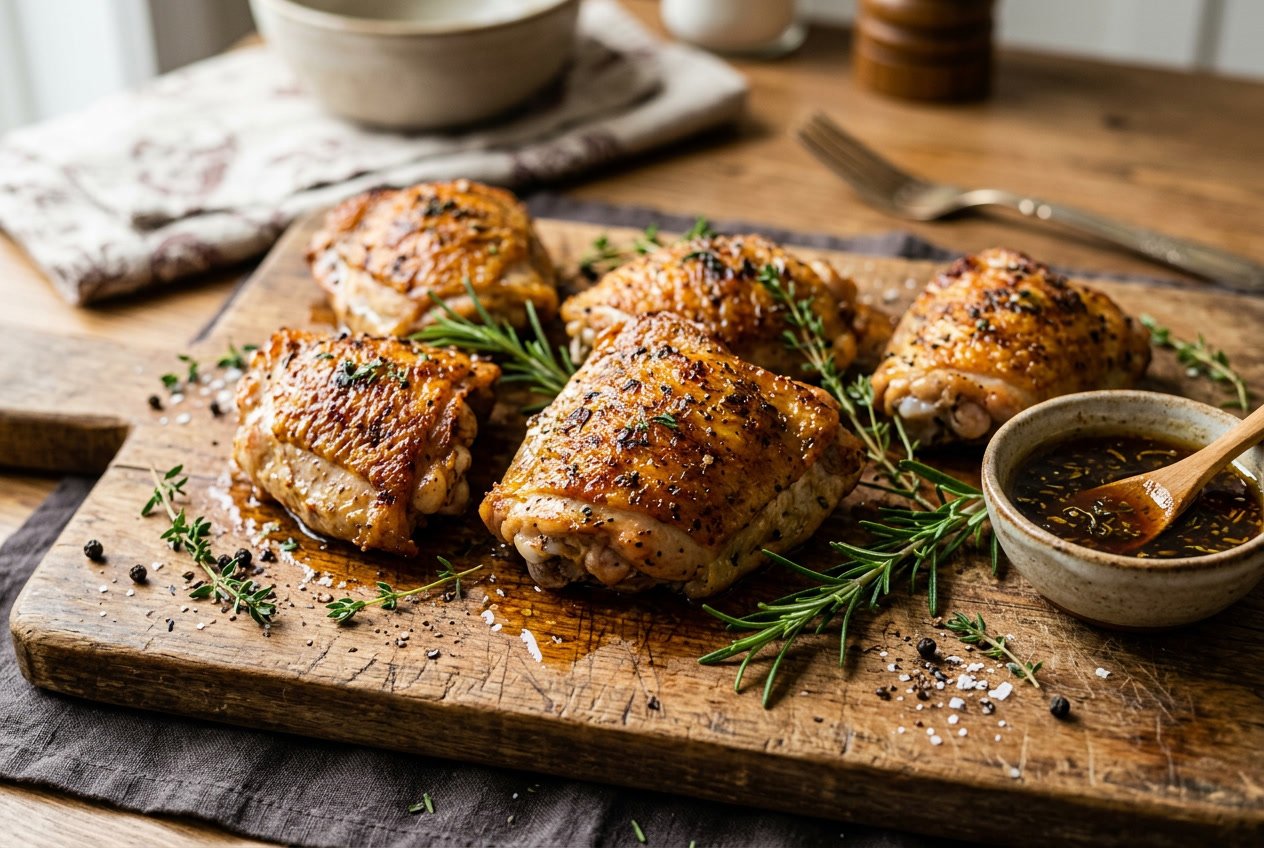
Thighs deliver a tender bite, steady moisture, and a richer mouthfeel than white meat. The texture balances a slightly firm grain with yielding juiciness, while fat and skin influence both mouthfeel and exterior crisp.
Moisture and Tenderness
Chicken thighs stay moist through longer cooks because dark meat contains more intramuscular fat and connective tissue than breasts. As collagen breaks down during cooking, it converts to gelatin and keeps the meat tender and silky.
When you sear or roast thighs, aim for an internal temperature around 165–175°F depending on cut and method. Rest the meat briefly after cooking to let juices redistribute.
Thighs reheat well and retain tenderness better than white meat.
Role of Fat Content
Fat in chicken thighs contributes directly to flavor and mouthfeel. You’ll notice a smoother, almost buttery texture because fat melts during cooking and bastes the surrounding flesh.
Rendered fat carries and amplifies seasonings and marinades, so flavors penetrate more deeply than they do in lean cuts. Choose bone-in, skin-on thighs for maximum flavor and moisture.
Bones help retain heat, and the fat near the bone stays succulent. If you prefer less visible fat, remove the skin after cooking to preserve juiciness while reducing surface fat.
Trimming too much fat before cooking can sacrifice the self-basting effect that makes thighs forgiving.
Crispy Skin and Exterior
Crispy skin creates a contrast that highlights the thigh’s juicy interior. Dry the skin thoroughly, season it, and start skin-side down in a hot pan or roast at higher heat (about 400–425°F) to render fat and crisp the surface.
Finish at moderate heat so the interior reaches a safe temperature without overbrowning the skin. When grilling, watch for flare-ups from rendered fat and move thighs to indirect heat to finish.
For braises or saucy preparations, remove or soften the skin early so it doesn’t become rubbery. You can crisp skin separately under a broiler before serving.
Bone-In vs. Boneless Chicken Thighs
Bone-in thighs usually deliver more concentrated flavor and stay moister during long cooks. Boneless thighs give you faster, more even cooking and easier slicing.
Choose bone-in for braises and roasting. Choose boneless for stir-fries, skewers, or quick pan-sears.
Differences in Taste
Bone-in chicken thighs taste richer and slightly more savory than boneless thighs because the bone and surrounding connective tissue release gelatin and fat as they cook. You’ll notice deeper umami notes in slow-roasted or braised bone-in thighs.
The meat near the bone often tastes the most flavorful. Boneless chicken thighs still carry the dark-meat richness typical of thighs, but the flavor can be a bit milder and more uniform.
That makes boneless thighs better at taking on marinades and spice rubs evenly.
Texture and Cooking Impact
Bone-in thighs retain moisture better during long cooks because the bone acts as an insulator. Collagen breaks down into gelatin, so the meat resists drying and has a slightly more fibrous bite near the bone.
Boneless thighs cook faster and more evenly, which helps when you need consistent doneness across pieces. They brown quickly on a hot pan and are easier to slice or dice for salads, tacos, or stir-fries.
If you roast both types together, place boneless pieces on a hotter or less crowded perimeter so they don’t overcook. For slow cooking, use bone-in for juicier results. For speed and convenience, pick boneless.
Chicken Thighs in Popular Cooking Methods
Flavor and texture change with cooking method, from crisp skin and concentrated juices to tender, pull-apart meat infused with sauce. Temperature, surface dryness, and cooking time determine whether the thigh tastes rich and caramelized or soft and stewy.
Roasted Chicken Thighs
Roasting concentrates flavor and crisps skin while rendering fat into the meat. Use bone-in, skin-on thighs for the best mouthfeel.
Roast at 400–425°F on a wire rack so air circulates and drippings don’t steam the skin. Pat the skin very dry and salt at least an hour ahead to draw out surface moisture and improve browning.
Roast times run 35–45 minutes for bone-in pieces. Aim for 175°F in the thickest part for tender, gelatinized meat.
Finish with a squeeze of lemon or a sprinkle of fresh herbs to lift the palate.
Baked Chicken Thighs
Baking gives you consistent heat and hands-off convenience, especially for large batches or sheet-pan dinners. Lay thighs skin-side up in a single layer on a rimmed sheet or in a shallow baking dish.
Set the oven to 400°F for a balance of browning and even cooking. Boneless thighs take about 20–25 minutes, bone-in about 35–45.
Use a meat thermometer: pull boneless at 165°F, bone-in at 175°F for more tender results. Baked thighs develop a steady, savory flavor and pair well with roasted vegetables, grain bowls, or saucy toppings.
You can transform them into many chicken thigh recipes by changing the rub, marinade, or finishing sauce.
BBQ Chicken Thighs
Grilling or barbecuing adds smoke and char that complement the thigh’s higher fat content. For bone-in thighs, use a two-zone fire.
Sear skin-side down over direct heat for 5–6 minutes, then move to indirect heat and cook covered until reaching 175°F. Brush with sauce during the last 5–10 minutes to avoid burning sugary glazes.
Boneless thighs grill well over medium-high heat for 5–7 minutes per side. Watch for flare-ups from dripping fat.
BBQ thighs taste smoky, slightly sweet if glazed, and very juicy because the fat protects the meat from drying.
How Seasoning and Marinades Influence Flavor
Seasoning and marinades change chicken thigh flavor by altering surface taste, moisture, and how fats carry aromatics into the meat. Acids, sugars, salts, and oils each play specific roles that affect tenderness, browning, and flavor intensity.
Marinating for Deeper Taste
Marinades use acid, oil, and seasoning. Acid, such as lemon juice, vinegar, or yogurt, lightly breaks down proteins at the surface, making the exterior more tender and allowing flavors to penetrate.
Use 2–4 tablespoons of acid per cup of marinade for a noticeable effect without turning the meat mushy. Oil helps distribute fat-soluble flavors like paprika or garlic and prevents crusts from burning too quickly.
Aim for about 1/4 cup oil per cup of marinade. Salt and salt-containing ingredients, such as soy sauce or miso, draw moisture in and enhance internal seasoning.
Marinate at least 30 minutes, but refrigerate overnight for deeper flavor. For honey garlic chicken thighs, include honey for caramelization and minced garlic for aromatic depth; add a splash of acid to balance sweetness.
Popular Seasoning Combinations
Dry rubs and wet marinades target different results. Dry rubs rely on salt and spices for a concentrated crust.
Try 1 tsp kosher salt, 1 tsp paprika, 1/2 tsp garlic powder, and 1/4 tsp black pepper per pound of thighs. Apply 30 minutes before cooking for surface seasoning or several hours for stronger penetration.
Wet blends highlight balance. Combine 1/4 cup olive oil, 2 tbsp soy sauce, 2 tbsp lemon juice, 1 tbsp honey, 2 cloves minced garlic, and 1 tsp smoked paprika for a honey garlic profile.
Herbs like thyme or rosemary work best added near the end of marinating to preserve fresh aromatics. Sugars and honey boost browning, acids sharpen flavor, and smoked or sweet spices add depth.
Adjust salt and acid to taste and cooking method to avoid burning or over-tenderizing.
Versatility and Culinary Uses for Chicken Thighs
Chicken thighs work well for fast weeknight meals and slow braises. You can grill, roast, fry, or shred them, and they accept bold marinades and gentle seasonings alike.
Chicken Thighs in Global Dishes
Thighs star in cuisines that prize rich, moist meat. In Asian cooking, use boneless thighs for teriyaki, Korean dak galbi, or stir-fries where they brown quickly and stay tender.
For Indian curries like butter chicken or tikka masala, bone-in thighs release gelatin and deepen the sauce’s mouthfeel. Mediterranean recipes favor lemon-garlic or oregano marinades and roast them with potatoes and olives.
In Latin American dishes, slow-cooked adobo or shredded tinga showcases thighs’ ability to pull apart and absorb chiles and spices. Sear skin-on thighs before braising, or cube boneless thighs for kebabs.
Each method uses the thigh’s higher fat and connective tissue to maintain juiciness under high heat or long simmering.
Pairings and Side Dishes
Pair thighs with sides that balance their richness. Roasted root vegetables, charred broccolini, or a simple green salad with acidic vinaigrette cut through fat and brighten the plate.
Choose grains like quinoa, couscous, or saffron rice to soak up sauces from braised thighs. For crispy contrast, serve thighs with pan-fried potatoes or a crunchy slaw.
Select sauces and condiments carefully. A tangy chimichurri, spicy gochujang glaze, or classic pan jus shifts the dish toward different cuisines.
Garnish with fresh herbs, citrus zest, or toasted sesame to add aroma and lift the flavor profile.


