
What Do Chicken Thighs Smell Like? Full Guide to Freshness & Safety
You should expect raw chicken thighs to have a mild, almost neutral scent. The smell should be clean, slightly meaty, and not sharp or sour.
If the smell turns noticeably sour, ammonia-like, or sulfurous, spoilage has occurred and you should discard the meat.
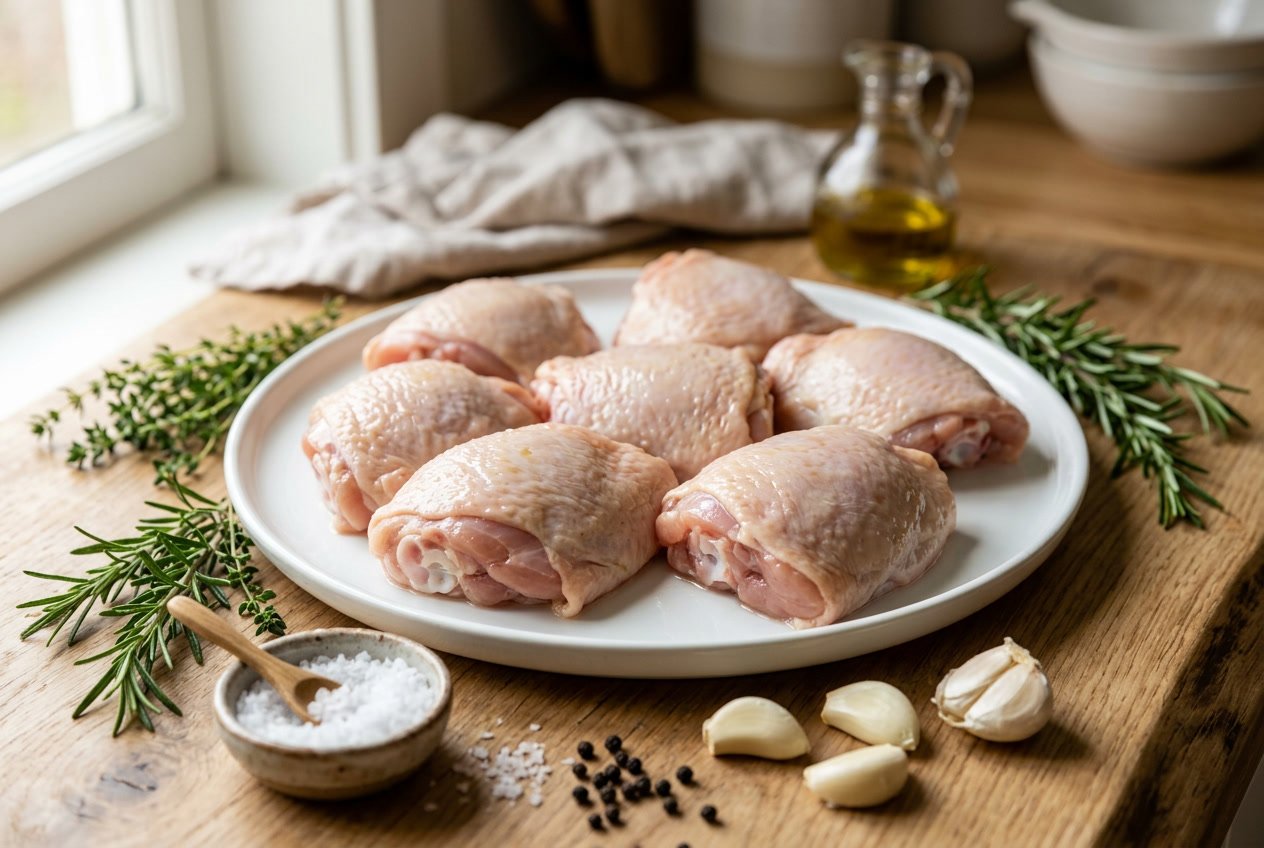
This post explains how to tell the difference between a normal, faint poultry odor and warning smells that signal bacterial growth or storage issues.
You’ll learn quick sensory checks, common causes of off-odors, and practical storage and cooking steps to keep your chicken safe and tasty.
Understanding the Typical Smell of Chicken Thighs
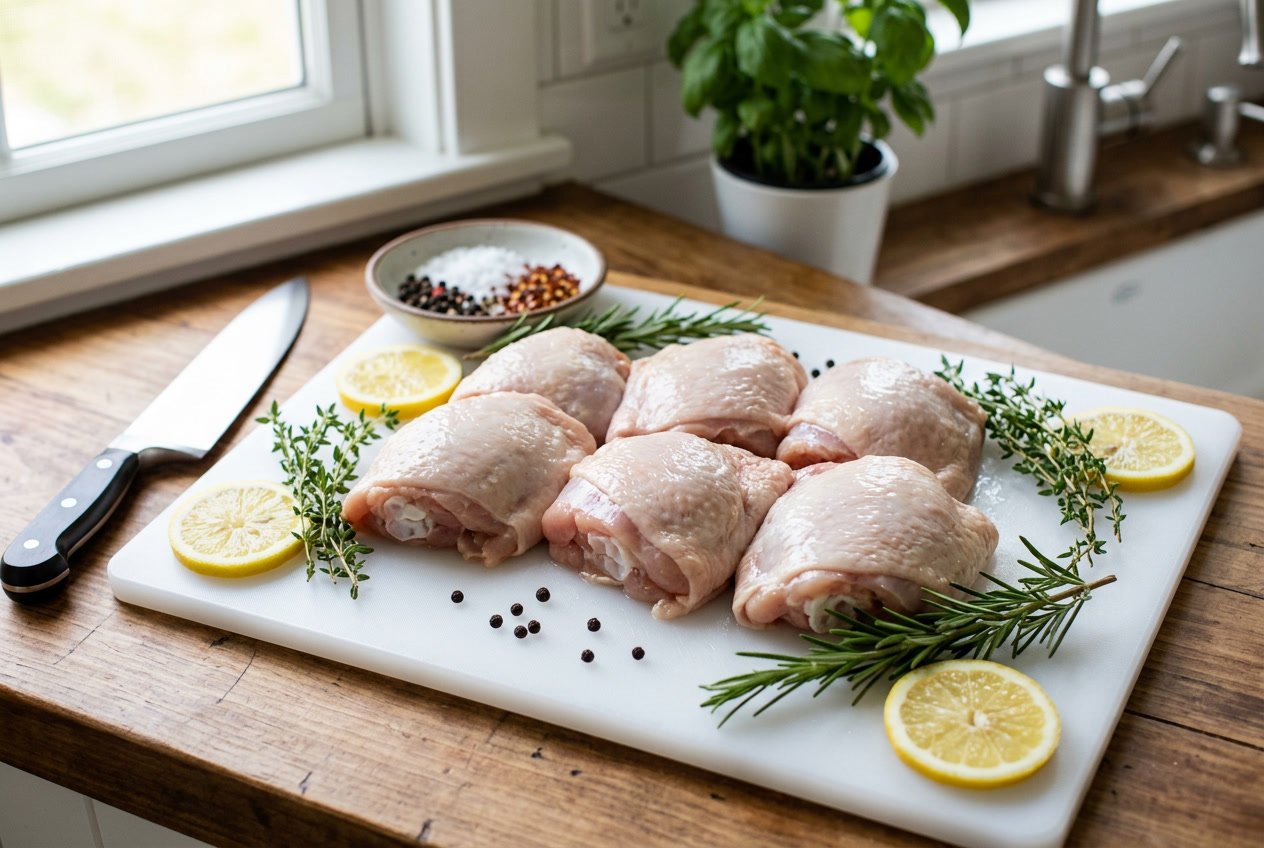
You will learn what a normal raw chicken thigh smells like and why thighs smell different from breasts.
Cooking also changes those aromas, so expect specific cues you can use to judge freshness and avoid spoiled meat.
Normal Scent Characteristics
Fresh raw chicken thighs have a mild, slightly meaty odor with faint metallic or earthy notes.
You should not detect a strong sour, ammonia, or rotten smell, as those indicate spoilage.
Smell the thighs close to the package, not through plastic.
A neutral to faintly meaty scent, combined with firm texture and pinkish color, signals acceptable freshness.
If you notice a sulfurous, ammonia-like, or distinctly sour odor, discard the raw chicken.
Those smells come from bacterial protein breakdown and reliably show that chicken thigh freshness has declined.
Why Raw Chicken Thighs Smell Different than Breasts
Thighs have higher fat and myoglobin content, which produces richer, more pronounced aromas than lean chicken breast.
Fat carries volatile compounds that contribute to a slightly deeper, sometimes gamier scent.
Raw chicken thighs retain more surface moisture and skin oils, which can amplify smell during storage.
Breasts, being leaner and drier, often smell milder by comparison.
Packaging and storage affect odor as well.
Thighs exposed to air oxidize fats faster and may develop off-odors sooner than vacuum-sealed breasts.
Use refrigeration at 40°F (4°C) or freeze to preserve chicken thigh freshness.
Changes in Aroma During Cooking
Heat transforms the raw scent through browning reactions and fat rendering, producing roasted, savory, and toasty notes.
Searing at high heat brings out caramelized, nutty aromas from the skin and rendered fat.
Slow cooking or braising creates a gentler, broth-like aroma as collagen breaks down.
Aromatics and acidic marinades such as lemon or vinegar can reduce or mask stronger thigh odors during cooking.
Overcooking or burning creates acrid, bitter smells.
Undercooking may leave raw, unpleasant notes and risks bacterial survival.
Always cook to an internal temperature of 165°F (74°C) to ensure safety.
Identifying Abnormal or Spoiled Chicken Thigh Smells

Trust strong, unusual odors coming from raw chicken thighs because they often indicate spoilage.
Pay attention to chemical, sour, or otherwise off-putting aromas and combine smell with color and texture checks before using the meat.
Sulfur-Like and Rotten Egg Odors
A sulfur-like or rotten egg smell comes from hydrogen sulfide and similar compounds produced as bacteria break down proteins.
If your chicken thighs give off a faint eggy scent, set them aside and inspect further.
A strong, persistent sulfur odor means the meat is spoiled.
Smell while the package is closed briefly, then open and sniff again.
If the odor intensifies, do not taste the chicken.
Visible signs that often accompany this smell include grayish discoloration or greenish spots and sticky slime on the surface.
When you detect this aroma, discard the thighs.
Cooking does not reliably remove toxins produced by bacteria that cause hydrogen sulfide smells.
Sour or Vinegar-Like Smell
A sour or vinegar-like smell usually signals lactic acid or other acidic byproducts from bacterial fermentation.
This odor is tangy, sharp, and lingers, unlike fresh chicken’s faint, neutral scent.
If your thighs smell sour, check for other spoilage signs like sliminess, an enduring odor after rinsing, or faded pink color.
Sour-smelling chicken often shows leaks or damaged packaging, indicating possible temperature abuse during storage.
Avoid using chicken with a sour smell.
Even if it looks acceptable, the acidic odor points to microbial growth that can cause foodborne illness.
Other Off-Putting Aromas
Other concerning smells include musty, ammonia-like, or fishy odors.
Ammonia-like smells often indicate heavy bacterial growth.
Fishy or metallic odors can signal enzymatic breakdown or contamination.
Pair any unusual smell with visual checks.
Spoiled chicken thighs may show yellowing fat, gray flesh, or mold spots.
Texture changes, such as tackiness or a slimy film that doesn’t wash off, reinforce the smell-based warning.
If you notice any of these aromas, mark the package as bad and discard it.
Using smell, color, and texture gives you the clearest, safest assessment of spoiled chicken thighs.
Causes of Unusual Smells in Chicken Thighs
Unusual smells in chicken thighs usually come from biological or chemical changes that develop after processing or during storage.
These causes include microbial activity, mishandling in packaging or fridge, and chemical breakdown of fats and proteins.
Bacterial Growth and Contamination
When you detect a sour, ammonia-like, or rotten-egg odor, bacterial growth is the most likely cause.
Bacteria such as Salmonella and Campylobacter multiply on poultry when temperature control fails.
Their metabolism produces volatile compounds like hydrogen sulfide and amines that smell foul.
Handle raw chicken carefully to avoid cross-contamination.
Keep it in a sealed container or on the bottom shelf of the fridge, and never let juices contact ready-to-eat foods.
A slimy texture combined with a bad smell strongly indicates spoilage rather than mere surface bacteria.
Cooking may kill bacteria but not the toxins some microbes produce.
If the smell or texture is off, discard the meat to avoid foodborne illness.
Packaging and Storage Effects
Packaging and storage influence odors a lot.
Vacuum-sealed or airtight packaging slows oxygen-driven changes but can trap gases produced by bacteria.
If the seal breaks or the meat was contaminated before sealing, trapped odors will develop.
Temperature fluctuations in transit or in your refrigerator accelerate bacterial growth and enzymatic activity.
Store chicken at 40°F (4°C) or below and use within 1–2 days, or freeze for longer storage.
If you notice an off smell when you open a sealed container, check the sell-by date and look for slime or discoloration.
These signs point to contamination or prolonged storage rather than harmless “chicken smell.”
Oxidation and Enzymatic Breakdown
Even without heavy bacterial contamination, chemical changes can create unpleasant smells.
Lipid oxidation (rancidity) produces aldehydes and ketones that smell stale, cardboard-like, or slightly sour.
Enzymatic breakdown of proteins releases amino compounds that can smell meaty at first and then sour as they degrade.
These processes speed up with warm temperatures, exposure to air, or repeated freeze–thaw cycles.
Prevent them by keeping chicken tightly wrapped, minimizing air exposure, and using or freezing meat promptly.
If the smell is more like stale fat or a faint sourness without slime, oxidation or enzymatic breakdown is likely.
Still, inspect texture and color to rule out bacterial spoilage.
How to Check Chicken Thigh Freshness Using Smell and Other Senses
Start by using your nose, eyes, and fingers in that order.
Smell for strong off-odors, look for color changes or visible mold, then feel for sliminess or freezer burn.
Also check dates and packaging integrity before you handle the meat.
Assessing Smell for Spoilage
Smell the chicken right after opening the package.
Fresh raw thighs have little to no odor.
Any strong sour, sulfur/rotten-egg, vinegary, or fishy scent indicates spoilage and you should discard the meat.
If the chicken has a mild “vacuum” or confinement smell from sealed packaging, let it sit uncovered for a few minutes and sniff again.
If the odor dissipates, it’s likely safe.
If it persists or intensifies, don’t risk cooking it.
Avoid relying on smell alone for bacterial contamination you can’t detect.
Offensive aromas reliably signal quality loss but not every pathogen produces an odor.
Inspecting Color and Texture
Look for uniform pinkish tones with some white fat.
Grey, green, blue, or dark brown patches are signs the thighs have deteriorated and should be thrown out.
Small blood spots are usually harmless but large discoloration is a red flag.
Touch the surface.
Fresh thighs feel moist and slightly springy.
A sticky, tacky, or slimy film means bacterial growth.
That texture does not go away with cooking and you should discard the meat.
Check for freezer burn if the thighs were frozen.
Dry, gray-brown spots or leathery texture indicate quality loss.
Freezer-burned areas are safe but will taste dry and off; trim or discard those parts.
Evaluating Packaging and Dates
Read the label for use-by, sell-by, and expiration dates.
Use-by and expiration dates indicate the last recommended day for quality and safety.
Do not eat chicken past those dates.
Sell-by helps retailers manage stock but you should still check the actual use-by date.
Inspect the packaging for holes, tears, swollen or leaking seals.
Bulging or excessive liquid suggests bacterial activity or improper storage and warrants disposal.
Vacuum-sealed meat that smells strongly when first opened may be a packaging-related odor.
If it remains foul after airing, discard it.
If you froze the thighs, check the pack date and freezer time.
Bone-in cuts keep quality for about 3–4 months in a home freezer.
Whole chickens can last 6–12 months.
Label packages with freezing dates to avoid uncertainty.
Proper Storage to Maintain Fresh Smell and Quality
Store chicken at safe temperatures, keep it sealed, and separate it from other foods.
Follow refrigeration limits and freeze promptly if you won’t cook it within 1–2 days.
Refrigeration Guidelines
Keep your refrigerator at or below 5°C (41°F).
Use a fridge thermometer to confirm the actual temperature.
Place raw chicken thighs on the bottom shelf in their original packaging or in a shallow sealed container to catch any drips and avoid contaminating other foods.
Use raw chicken within 1–2 days of purchase.
If packaging is swollen, torn, or the meat smells sour, discard it immediately.
When you prep chicken, return unused portions to the fridge within two hours.
At room temperature bacteria multiply quickly.
Store cooked thighs separately and use within 3–4 days.
Label containers with dates so you track storage time and avoid keeping chicken past safe limits.
Best Practices for Freezing
Freeze chicken thighs if you won’t use them within 48 hours.
Wrap each thigh in plastic wrap, then place in a freezer bag or airtight sealed container to minimize freezer burn and odor transfer.
Remove as much air as possible before sealing.
Maintain a freezer temperature at 0°F (-18°C) or lower.
Frozen chicken thighs remain safe for months, but quality is best if used within 4–9 months depending on packaging and freezer stability.
Thaw in the refrigerator overnight in a sealed container to keep juices contained.
Once thawed, cook within 24 hours and do not refreeze raw chicken that was fully thawed unless you cooked it first.
For long-term storage, vacuum sealing provides the best protection against odor changes and texture loss.
Preventing Cross-Contamination
Always keep raw chicken separate from ready-to-eat foods in your fridge.
Use sealed containers or heavy-duty freezer bags to prevent juices from contacting other items or refrigerator surfaces.
Clean cutting boards, utensils, and countertops with hot, soapy water after contact with raw chicken.
Use color-coded cutting boards—one for raw poultry and another for produce—to reduce mistakes.
Wash your hands for at least 20 seconds after handling raw chicken.
If any spills occur inside the fridge, remove items nearby, clean surfaces with a food-safe disinfectant, and dry thoroughly before returning foods.
Safe Cooking Temperatures and Food Safety Tips
Cook chicken thighs to the correct temperature, avoid cross-contamination, and store leftovers promptly.
Use a reliable thermometer, keep raw juices away from ready-to-eat foods, and chill or freeze within recommended times.
Why Cooking to 165°F (74°C) Matters
You must cook chicken thighs to an internal temperature of 165°F (74°C) measured at the thickest part, avoiding bone, to reliably kill Salmonella, Campylobacter, and other pathogens.
Visual cues like color or clear juices are unreliable.
Only a calibrated instant-read thermometer gives a definitive safe reading.
Insert the thermometer before you remove the meat from heat and wait until the display stabilizes.
For bone-in thighs, check near the bone but not touching it.
Once the thickest point reaches 165°F (74°C), rest the meat for a few minutes so temperature evens out and juices redistribute.
Risks of Consuming Spoiled Chicken
Eating chicken that smells sour, ammonia-like, or otherwise off increases your risk of food poisoning.
Spoiled poultry can harbor pathogenic bacteria and bacterial toxins that cause nausea, vomiting, diarrhea, fever, and dehydration. Some toxins survive cooking.
If chicken shows a slimy texture, grayish discoloration, or a strong unpleasant odor, discard it.
Do not rely on cooking longer to fix spoilage. Cooking may kill bacteria but cannot neutralize preformed toxins.
If you suspect contamination, throw the chicken out. Sanitize surfaces and utensils that contacted raw juices.


