
What Are Chicken Thighs Used For: Popular Dishes & Cooking Methods
You can use chicken thighs for almost any savory dish that benefits from rich, moist meat. Grill, roast, braise, stir-fry, or shred them for soups, tacos, and salads.
They hold up to bold flavors, long cooking times, and quick high-heat methods. Chicken thighs are among the most versatile and forgiving cuts you can cook with.
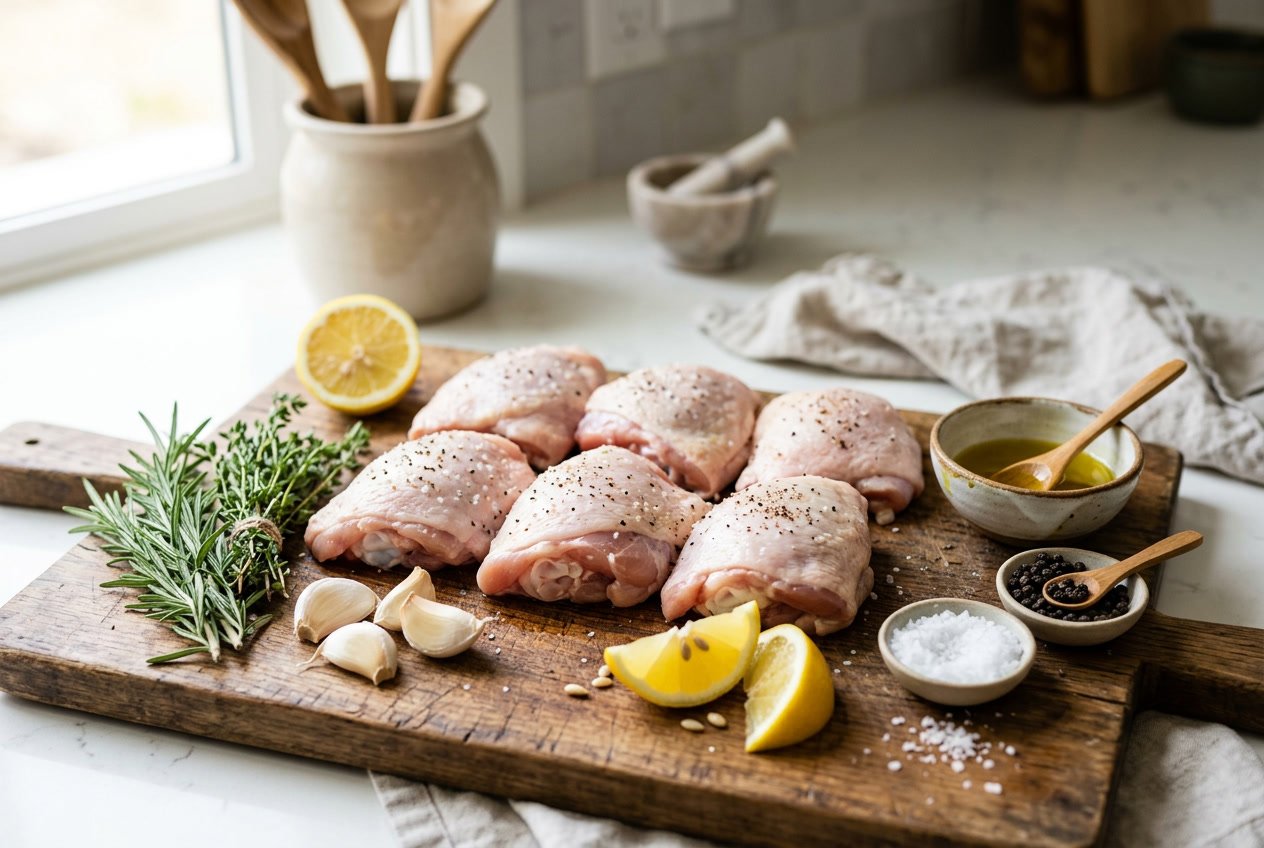
This guide explains how thighs behave in different techniques. You’ll find practical tips on marinades, pairings, and storage to help you turn a simple pack of thighs into flavorful meals for the whole household.
Understanding Chicken Thighs
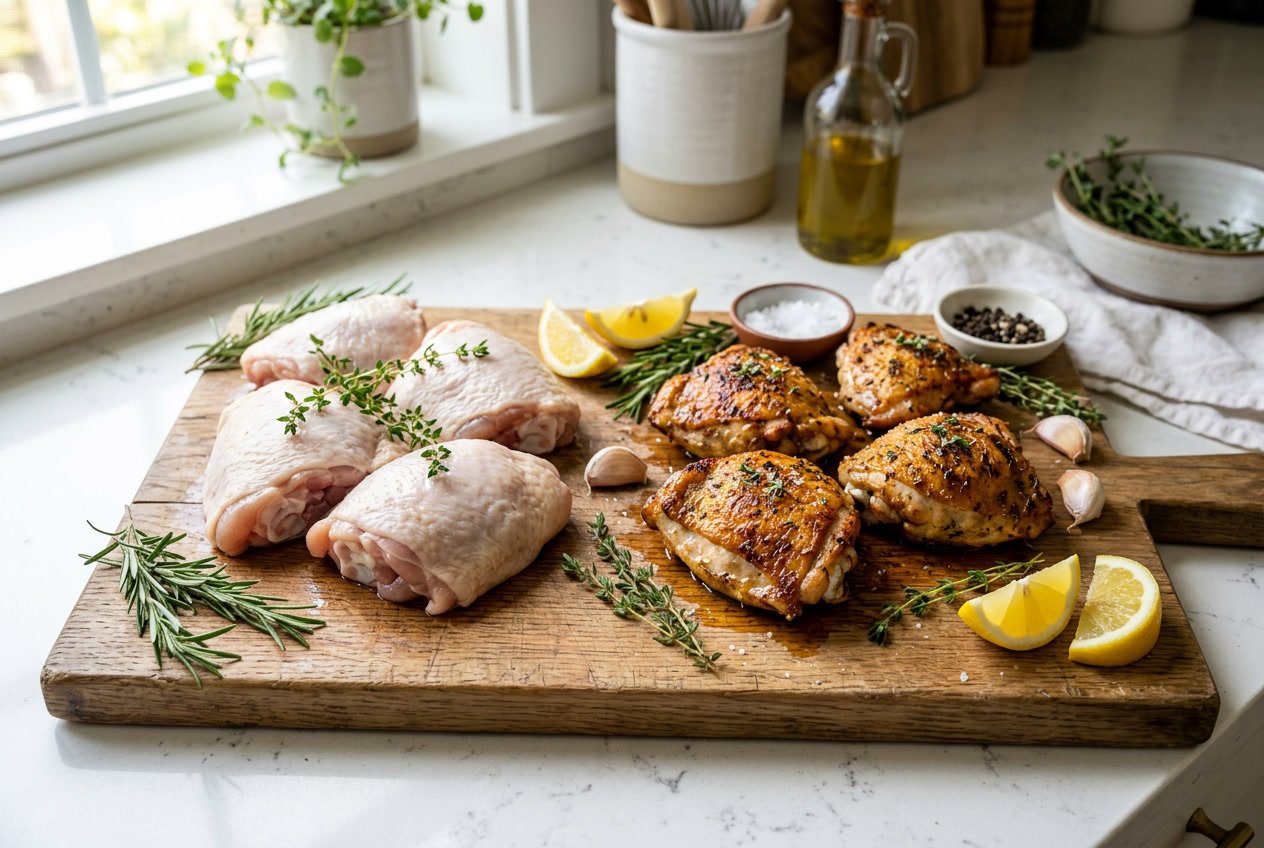
Chicken thighs bring concentrated flavor and forgiving texture. Their fat and connective tissue help keep the meat moist and flexible for many cooking methods.
You can compare their nutrition and price to other cuts. Choose bone-in, skin-on or boneless, skinless based on your recipe needs.
Flavor and Texture Qualities
Thighs are dark meat with higher intramuscular fat and more connective tissue than breast meat. That fat renders during cooking and bastes the muscle, so skin-on chicken thighs develop crisp skin while the meat stays juicy.
The connective tissue breaks down with heat, making thighs more tolerant of long braises and higher-heat methods. You’ll get tender chicken thighs from slow cooking and juicy slices from quick pan-searing if you watch the internal temperature.
Skinless chicken thighs still keep more flavor than breasts because of that fat. Use skin-on for roasting or grilling when you want texture contrast. Choose skinless for quick, saucy dishes or when you want lower surface fat.
Nutritional Value and Affordability
A typical thigh has more calories and fat than a comparable breast portion, but also delivers similar protein. Eating skin-on chicken thighs increases saturated and total fat, but trimming or using skinless thighs lowers that fat without sacrificing much protein.
Bone-in chicken thighs add flavor and collagen to stocks and soups. Thighs usually cost less per pound than breasts, making them a budget-friendly choice.
If you track macros, remember that bone weight affects portion sizing. Thighs balance cost, satiety, and versatility for family meals.
Types: Bone-In, Skin-On vs. Boneless, Skinless
Bone-in, skin-on chicken thighs give the most flavor and moisture. The bone conducts heat and the skin crisps, so they excel in roasting, grilling, and braising.
Boneless, skinless thighs cook faster and suit stir-fries, pan-frying, and ground chicken applications. They’re easier to portion and shred. Because they lack skin’s protective fat, avoid overcooking to keep them tender.
You can remove the bone at home to convert bone-in thighs to boneless. For recipes that rely on rendered fat or gelatinous stock, use bone-in, skin-on. For quick, uniform pieces, use boneless, skinless.
Popular Cooking Methods for Chicken Thighs
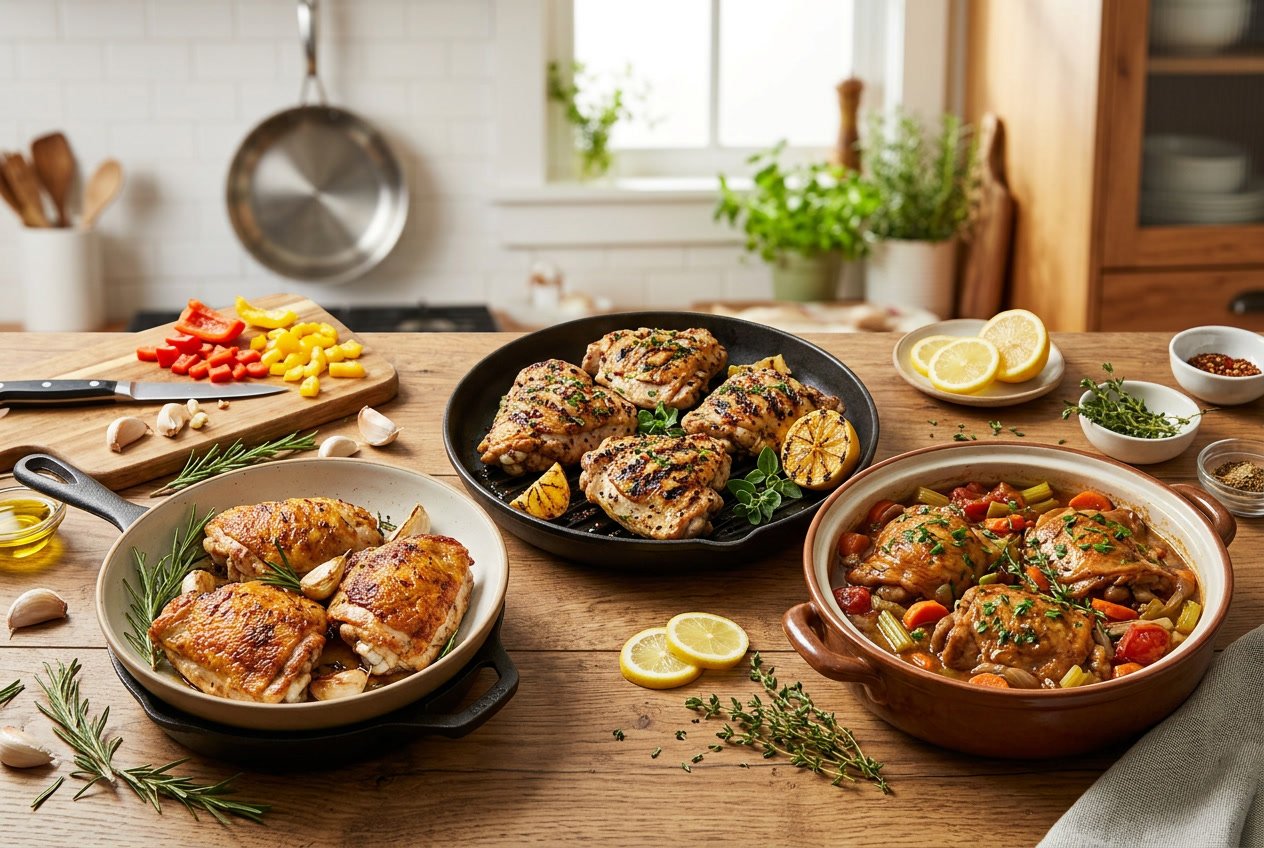
Chicken thighs work well with high heat for crispy skin and low-and-slow methods for tender meat. Choose bone-in and skin-on for roasting, grilling, or frying when you want texture. Use boneless for faster pan, sheet-pan, or Instant Pot and air fryer meals.
Baking and Roasting
Baking and roasting give you even cooking and a crisp exterior if you manage airflow and heat. Roast skin-side up on a wire rack over a rimmed sheet pan at 400–425°F to let fat drip away and hot air circulate.
Bone-in thighs usually finish in 35–45 minutes, boneless in 20–30 minutes. For a sheet-pan dinner, arrange vegetables around the thighs spaced at least 1 inch apart so everything browns instead of steaming.
Pat skin thoroughly dry and salt ahead for crispier results. Finish under a broiler 2–3 minutes if you want extra color.
Grilling and BBQ
Grilling builds char and smoky flavor quickly. Use a two-zone fire for bone-in thighs.
Sear skin-side down over direct high heat for 5–7 minutes, then move to indirect heat to finish to about 175°F for bone-in thighs. That higher target helps convert collagen to gelatin for tender meat.
For boneless thighs, cook over medium-high direct heat 5–7 minutes per side until 165°F. Watch for flare-ups from fat and avoid pressing the thighs while grilling.
Apply BBQ sauce in the last few minutes to avoid burning and get a glossy, sticky finish.
Braising and Slow Cooking
Braise or use a slow cooker or Instant Pot for shreddable, deeply flavored thighs. Brown skin briefly first to render fat and build flavor, then simmer in liquid (stock, tomatoes, or wine) at low heat until internal temps reach 175–185°F for fall-off-the-bone texture.
In a slow cooker, cook on low 6–7 hours or high 3–4 hours. In an Instant Pot, pressure-cook bone-in thighs 10–12 minutes with natural release.
After braising, skim fat or broil briefly to regain some surface texture if needed for presentation.
Air Fryer and Frying Techniques
The air fryer delivers fast, consistent crisping with less oil than deep frying. Pat thighs dry, preheat to 400°F, and cook skin-side up: boneless 16–20 minutes, bone-in 22–28 minutes, flipping once if pieces are crowded.
For traditional frying, use a heavy oil at 350–375°F and monitor internal temp to 165°F for boneless or higher for bone-in if you want softer collagen breakdown. Rest 5 minutes before serving to redistribute juices and keep the meat moist.
Signature Chicken Thigh Dishes from Around the World
Chicken thighs shine in slow braises, bold curries, and high-heat roasting. Expect rich sauces and forgiving cooking times.
Italian and European Favorites
Chicken thighs star in rustic Italian dishes like chicken cacciatore, where thighs braise with tomatoes, onions, bell peppers, and herbs until the meat is tender and the sauce reduces.
Bone-in, skin-on thighs add deeper flavor. Use boneless for a quicker weeknight version or an Instant Pot chicken cacciatore for hands-off speed.
In France and surrounding regions, thighs work in coq au vin–style braises and slow-roasted dishes. For pan-roasted Italian chicken, sear skin-on thighs first to crisp the skin, then finish in the oven with lemon and rosemary.
These preparations highlight thigh richness and pair well with polenta, mashed potatoes, or crusty bread.
Asian-Inspired Chicken Thigh Recipes
Asian cuisines use thighs for sticky, spicy, and umami-rich dishes. Korean gochujang chicken often uses boneless thighs cut into pieces, marinated in gochujang, soy, and sugar, then grilled or pan-fried until caramelized.
Japanese oyakodon (chicken and egg rice bowl) uses simmered thigh meat for tenderness and flavor that melds with the egg and dashi.
Philippine chicken adobo simmers thighs in vinegar, soy, garlic, and bay leaves. An Instant Pot chicken adobo speeds this up while preserving deep, tangy flavors.
Indian butter chicken and other curries favor thighs because their fat keeps the meat juicy during long simmering in spiced tomato-cream sauces. Use bone-in for extra depth or boneless thighs for faster, evenly sauced results.
Classic American and Southern Specialties
In the U.S., thighs appear in barbecue, braises, and fried preparations where flavor trumps leanness. Southern-style fried chicken often uses bone-in thighs for moist meat under a crisp crust. Season the flour heavily and fry at steady oil temperature to cook through without drying.
Bourbon chicken, popularized by American Chinese takeout, uses bite-sized thighs in a sticky-sweet sauce of bourbon, soy, and brown sugar that clings well to dark meat.
Tex-Mex and Southwestern cooking use thighs in casseroles and for shredded meat in enchiladas and tacos. Thighs work well in layered bakes because they remain juicy during long oven time.
For weeknight convenience, shred cooked thighs into enchilada filling or use pre-cooked thigh meat in a casserole that includes tortillas, cheese, and enchilada sauce.
Weeknight Meals and Family-Friendly Uses
Chicken thighs give you forgiving cooking times, rich flavor, and low cost. Use them for hands-off slow-cooker dishes, quick sheet-pan meals, or to stretch into soups, stews, and casseroles.
Casseroles and One-Pan Dinners
Chicken thighs work well in casseroles because their fat keeps the dish moist during long bakes. Brown bone-in thighs first for extra flavor, then nestle them among vegetables and starches such as sweet potatoes, diced onions, or cubed bread.
Try layered casseroles like smothered chicken over rice or a creamy chicken stroganoff-style bake that combines shredded thigh meat with mushrooms and a light cream sauce.
One-pan sheet pan dinners let you roast thighs with potatoes, carrots, and Brussels sprouts. The pan juices make an instant sauce.
For a slow-cooker casserole, add thighs with a can of tomatoes, spices, and white rice toward the end so the rice doesn’t overcook.
Rice, Noodle, and Soup Pairings
Thigh meat holds up in wet dishes such as white chicken chili, chicken and wild rice soup, and classic chicken noodle soup. Shred cooked thighs into white chicken chili for a richer mouthfeel than breast meat.
In chicken and wild rice soup, use diced thighs for tender bites that won’t dry out during long simmering. For chicken noodle soup or chicken and dumplings, simmer thighs on the bone to build deeper broth, then remove bones and drop in noodles or dumplings near the end so they stay al dente.
Serve braised or adobo thighs over white rice to soak up sauces. Instant-pot or slow-cooker chicken adobo and rice gives you sticky, savory sauce without fuss.
Pairings, Marinades, and Flavor Enhancers
Choose marinades that tenderize and build layers of flavor. Pair thighs with starches, vegetables, or breads that complement those profiles.
Acid, oil, and aromatics do most of the work. Match sides to the dominant flavors for balanced plates.
Common Marinades and Spices
Use a base of acid, oil, and seasoning. For acid, reach for lime juice, lemon, yogurt, or coconut milk. Lime brightens while coconut milk mellows heat and adds richness.
Combine 1/4 cup acid with 1/3 cup oil, 2–3 cloves minced garlic, and salt as a starting ratio. Add soy sauce or fish sauce for umami.
Key spice ideas:
- Mediterranean: oregano, rosemary, lemon zest, olive oil.
- Asian/Thai: lemongrass, grated ginger, fish sauce, coconut milk, and a splash of lime.
- Sweet-savory: honey or brown sugar with soy sauce and smoked paprika.
- Heat-forward: cayenne, chili powder, or chopped fresh chiles.
Marinate 30 minutes to 12 hours for boneless thighs. For bone-in, marinate up to 24 hours if using a mild acid like coconut milk.
Reserve or boil used marinade before serving if you plan to glaze.
Ideal Accompaniments and Sides
Pick sides that echo or contrast the marinade. For coconut milk and lemongrass or curry-style thighs, serve jasmine rice or a wedge of lime and warm naan to soak up sauce.
For citrus-herb preparations, roast fingerling potatoes and a simple arugula salad dressed with lemon vinaigrette.
If you use smoky or barbecue marinades, pair with coleslaw, baked beans, or grilled corn.
For bold Asian flavors such as soy, ginger, or lemongrass, offer steamed rice, quick pickled cucumbers, and torn naan or flatbread.
Finish with fresh herbs like cilantro or parsley, a squeeze of lime, or a dollop of yogurt or raita to balance heat and add freshness.
Tips for Preparation, Storage, and Versatility
Buy smart, store safely, and use the right prep methods to get juicy, flavorful results whether you have boneless, bone-in, skinless, or skin-on chicken thighs.
Buying and Storing Chicken Thighs
Check sell-by dates when shopping and choose thighs with a consistent pink color and minimal odor.
Bone-in chicken thighs usually cost less and have more flavor. Boneless thighs cook faster and work well for stir-fries and sautés.
Skin-on thighs give you crisp skin when roasted or pan-fried. Skinless thighs reduce surface fat and allow for quicker marinades.
Refrigerate raw thighs at 40°F (4°C) or below and use them within 1–2 days.
For longer storage, wrap or vacuum-seal thighs in single-use portions, label with the date, and freeze.
Cooked thighs last about 3–4 days in the refrigerator and up to 4 months in the freezer.
Thaw frozen thighs in the refrigerator overnight or in cold water, changing the water every 30 minutes. Never thaw chicken at room temperature.
Preparation Techniques for Optimal Results
Trim excess fat and loose skin for even cooking. Leave some fat on bone-in cuts to boost flavor during slow cooking.
Pat skin-on thighs dry with paper towels. Dryness helps you achieve crisp skin when roasting at 400–425°F (200–220°C) or searing in a hot skillet.
Pound boneless or skinless thighs to even thickness for quick, uniform cooking. Cook them in 6–8 minutes on high heat.
Use a simple brine (1/4 cup salt per quart water, 30–60 minutes) to add juiciness, especially with skinless or boneless thighs.
Check doneness with an instant-read thermometer. Make sure the thickest part reaches 165°F (74°C), then let the meat rest 5 minutes to redistribute juices.
Apply marinades for 30 minutes to 12 hours depending on acidity. Avoid marinating longer than 24 hours to prevent mushy texture.


