
What Are Chicken Thighs in Spanish? Essential Names and Usage
Muslo de pollo is the most common Spanish term for a chicken thigh, and it works in most countries and contexts. Muslo de pollo names the thigh portion of the bird and is the safest phrase to use when ordering, shopping, or following recipes.
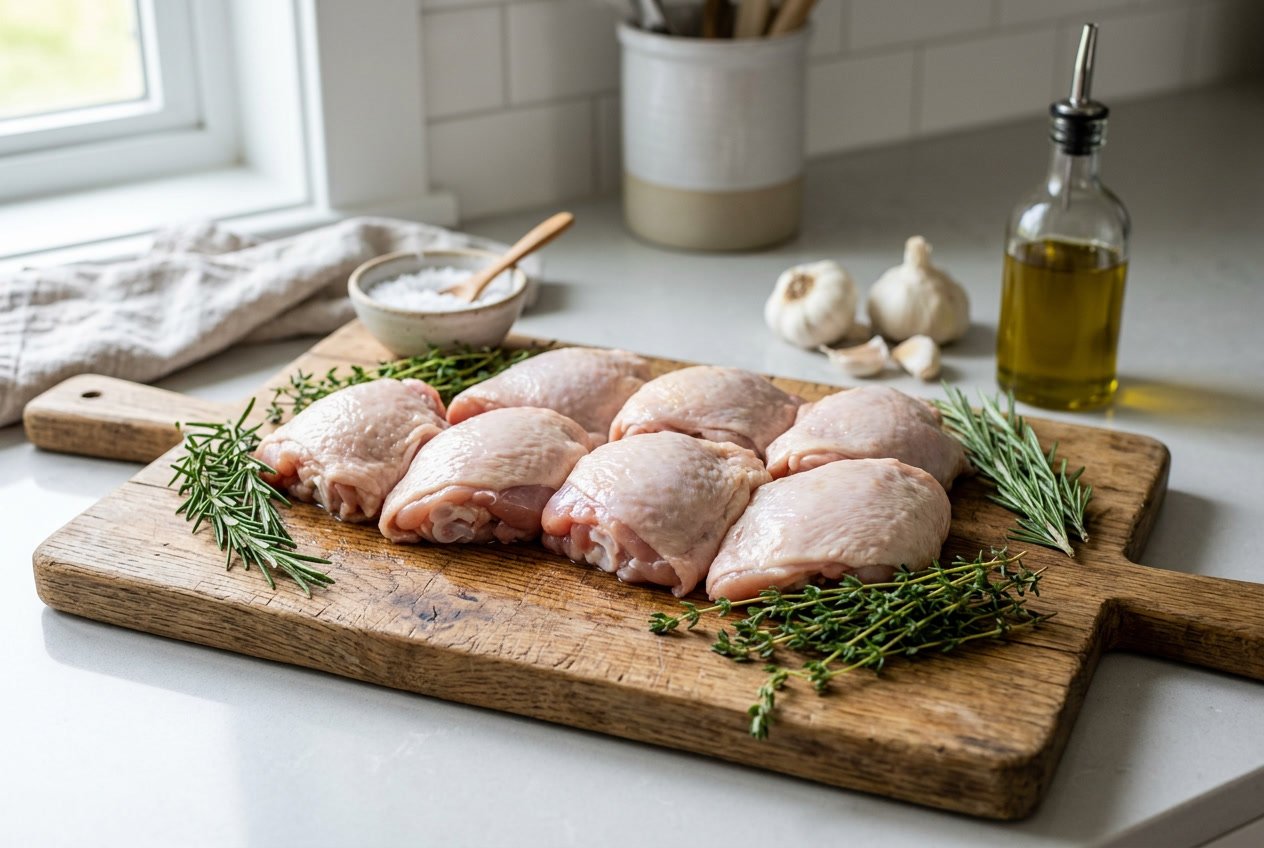
If you want to sound more specific or local, you can use other useful terms like contramuslo or pierna. Choose these based on formal, informal, or regional situations.
You can also learn quick phrases for conversation and cooking tips to order, prepare, or discuss chicken thighs in Spanish-speaking kitchens.
Key Spanish Terms for Chicken Thigh
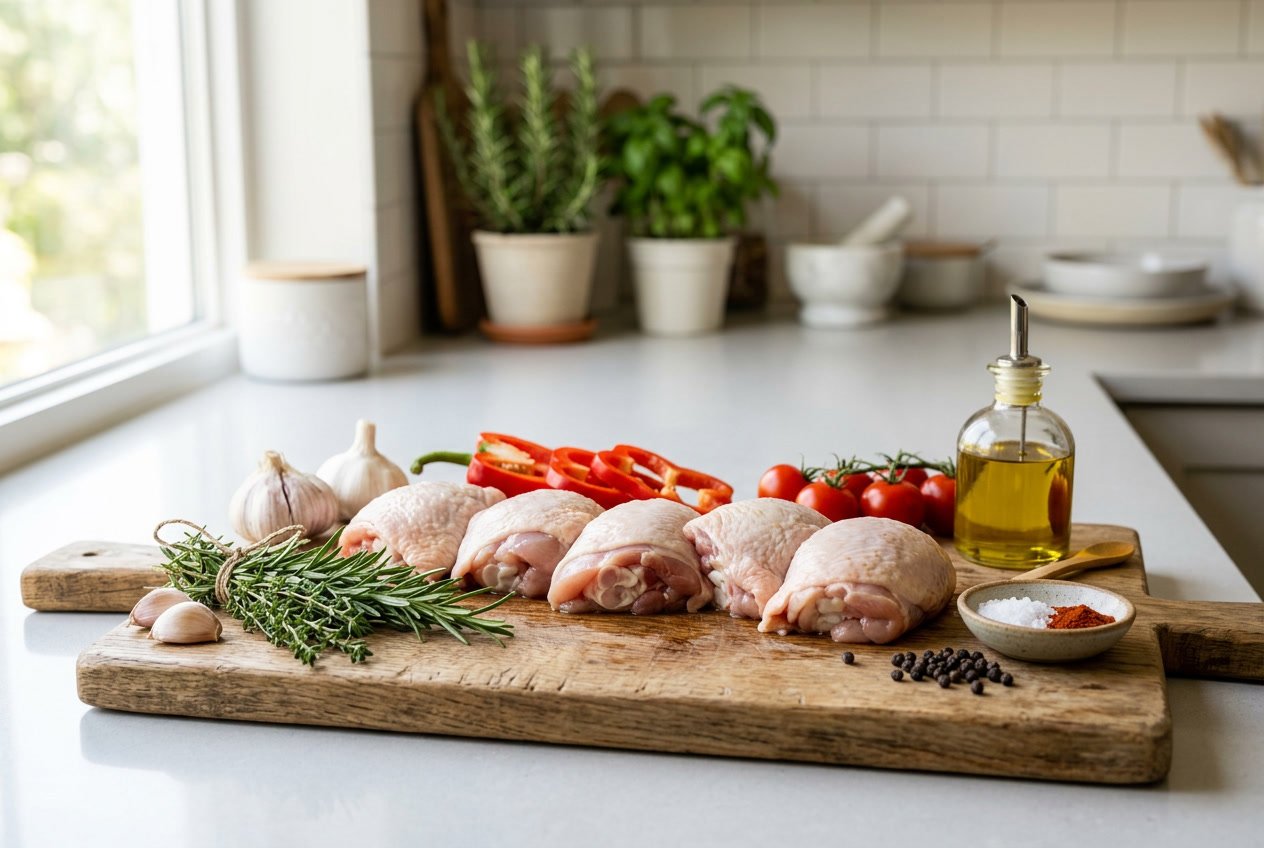
Here are the specific Spanish names you’ll encounter when buying, ordering, or cooking chicken cuts. Each term explains which part of the bird it refers to and how vendors or menus usually label it.
Muslo de Pollo
Muslo de pollo literally means “thigh of chicken.” Butchers and supermarkets label it as muslo or muslo de pollo.
This is the dark-meat section attached above the knee joint. It’s juicier and more forgiving in slow cooking than breast.
You’ll find recipes like muslos al horno (baked chicken thighs) or muslos en salsa in markets and cookbooks.
When you order in a restaurant, servers may say el muslo de pollo to specify a single piece. Menus often list muslos de pollo for portioned servings.
Pierna de Pollo
Pierna de pollo translates to “chicken leg” and commonly refers to the whole leg assembly: thigh plus drumstick. You’ll see pierna con muslo used when the piece includes both parts.
If you want the entire lower limb for grilling or roasting, ask for la pierna de pollo or pierna con muslo at the counter. Cooks value the pierna for deep flavor and bone-in roasting.
On labels, pierna can be ambiguous, so confirm whether the drumstick is attached if you specifically need just the thigh.
Contramuslo de Pollo
Contramuslo de pollo means “chicken counter-thigh,” often shortened to contramuslo or el contramuslo. This is the boneless or bone-in portion directly adjacent to the muslo, often called the chicken “upper leg” exterior.
You’ll find contramuslo in recipes that call for rich, fatty meat that stays tender under high heat. Butchers often sell contramuslos boneless for stews or kebabs.
In supermarkets, packaging may say contramuslo when the piece is separated from the thigh’s joint. If you want extra fat and flavor but prefer smaller portions than a full muslo, ask for contramuslos de pollo.
Paleta de Pollo
Paleta de pollo refers to the chicken’s shoulder or upper chest area, though usage varies by region. It’s less common on mainstream labels than muslo or pierna, but you’ll find it in traditional markets and specialty butchers.
Paleta contains a mix of dark and light meat and often includes more connective tissue. This makes it suitable for braising or slow cooking.
Chefs use paleta de pollo in stews where the meat should hold up to long simmering. If a recipe or vendor mentions paleta, clarify whether they mean the shoulder cut or a regional variation to get the desired texture and cooking time.
Formal and Informal Usage
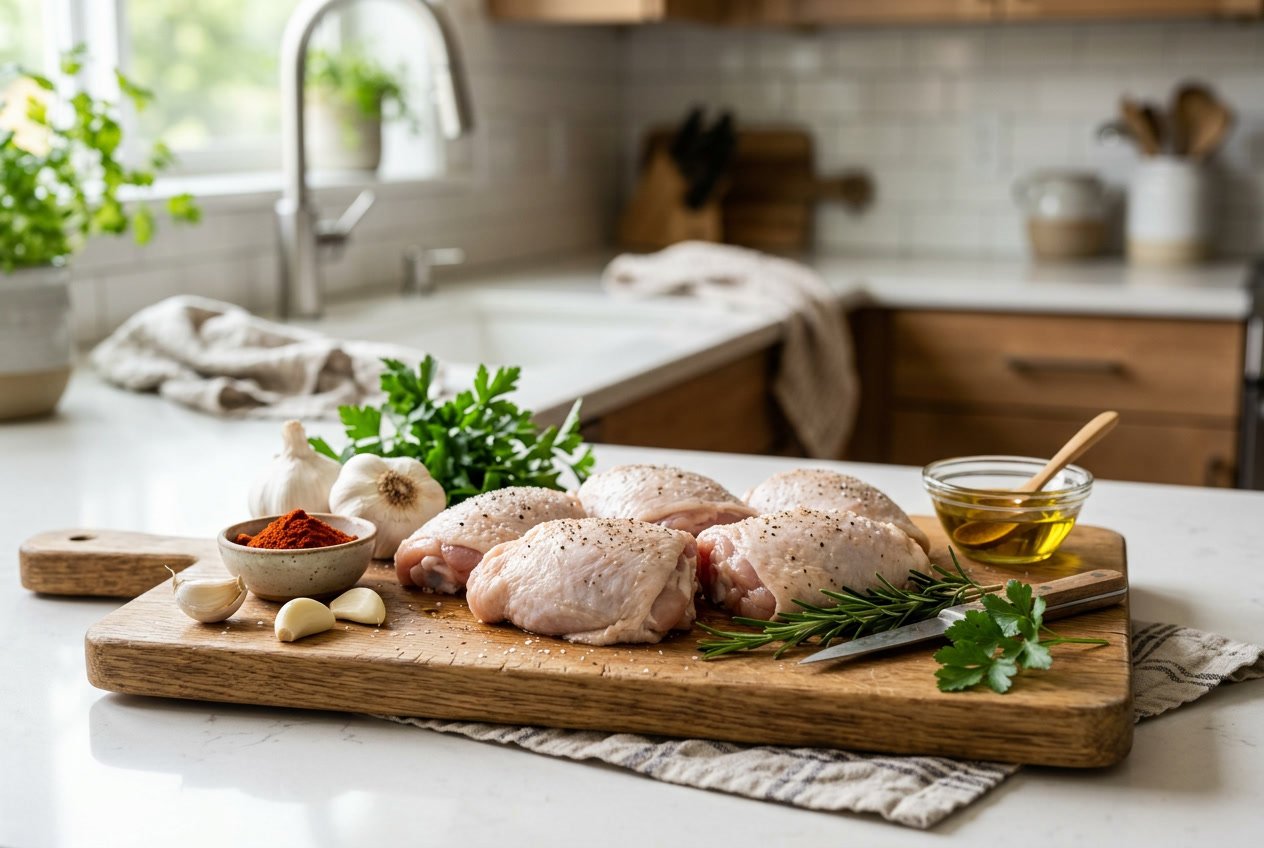
You will encounter different words for chicken thigh depending on setting and region. Use precise terms when ordering or buying meat. Expect casual or regional words among friends or at markets.
Formal Contexts and Politeness
In restaurants, butcher shops, and written recipes, use the neutral phrase muslo de pollo. It is understood across Spanish-speaking countries and sounds polite when you say, for example: “Quisiera un muslo de pollo, por favor.”
Use the article el muslo de pollo if you refer to a specific piece: “El muslo de pollo está en la bandeja.” If you must be extra polite or formal, frame requests with conditional verbs: “Me gustaría comprar muslos de pollo.”
Avoid slang and regional nouns in formal menus. Stick to muslo de pollo or, when menus list broader cuts, pierna if the dish refers to the whole leg. Do not confuse pechuga (chicken breast) with muslo when making specific orders.
Informal and Slang Terms
Among friends, at home, or in some markets, people may use casual or regional names. You might hear paleta de pollo used in certain areas for a shoulder or thigh-like cut; understand context before repeating it.
In Mexico, vendors sometimes say pierna de pollo for leg or thigh pieces, so confirm whether they mean the whole leg or just the upper thigh.
When you talk casually, you can drop articles: “Voy a cocinar muslos de pollo,” or say “¿Tienes paleta de pollo?” Listen for regional usage to avoid mixing up pechuga (breast) with thigh terms. Use the common neutral term when in doubt.
Regional Differences in Terminology
Different Spanish-speaking regions use specific words for chicken thighs. Expect variation when shopping, ordering, or following recipes.
Pay attention to whether the term refers to the whole leg, just the thigh, or a boneless portion.
Spain
In Spain, you will most commonly hear muslo or muslo de pollo for the thigh. Restaurants and butcher shops usually label cases with muslos for bone-in thighs.
If you see muslos deshuesados, it means boneless thighs. If a menu or market uses pierna, confirm whether they mean the entire leg (thigh plus drumstick) or just the thigh.
Spaniards more often reserve pierna for the leg as a whole, not the isolated thigh. Look for contramuslo when the cut refers to the lower portion of the thigh nearer the drumstick.
Contramuslo is used but less common on everyday grocery labels than muslo.
Mexico
In Mexico, you’ll frequently encounter pierna or pierna con muslo to indicate the leg portion sold whole (thigh attached to drumstick). Many markets sell pierna con muslo as a single cut, so ask if you want only the thigh.
Muslo is understood and used, but casual vendors and recipes often say pierna when they mean the leg quarter. If you need a boneless thigh, request muslo deshuesado or pierna deshuesada to avoid getting a whole leg.
Some informal contexts use regional slang, so confirm the exact cut when buying by sight rather than name alone.
South America
South American countries show more variety: muslo remains widely understood, but contramuslo appears frequently to name the lower thigh portion or boneless thigh fillet.
In Argentina and Chile, you will see contramuslo on menus and supermarket labels. Markets may also label packages as muslo y contramuslo or simply muslos for mixed leg parts.
When vendors say pierna, clarify whether they mean the entire leg or just the thigh portion, since usage differs by country.
For recipes, check whether the ingredient list specifies contramuslo de pollo (often bone-in lower thigh) or muslo deshuesado to match the cooking time and method.
How to Use the Terms in Conversation
You will learn which Spanish phrases to use, how to place them in natural sentences, and common pitfalls when ordering or buying chicken thighs.
Using Chicken Thigh Terms in Sentences
Use muslo de pollo as the default phrase when you want to say “chicken thigh.” It appears in dictionaries and translation tools as the standard term.
Place it after articles and adjectives: un muslo de pollo, el muslo de pollo grande, muslos de pollo secos. This mirrors English noun phrases.
For region-specific speech, you can learn alternatives like pierna de pollo or contramuslo from a phrasebook or when a local speaker suggests them.
When translating short phrases, keep word order simple: “I cooked a chicken thigh” becomes “Cociné un muslo de pollo.” Use the verb before the object in most statements.
Ordering and Shopping for Chicken Thighs
When you order in a restaurant, say the phrase politely: “Quisiera un muslo de pollo, por favor.” This is a clear, formal way to ask for one thigh.
If you want several, use plural: “Quisiera dos muslos de pollo.” Pronunciation and number matter more than complex vocabulary in these contexts.
At a market or grocery store, ask the butcher: “¿Tienen muslos de pollo?” or “Quisiera muslos de pollo para guisar.” If you need a specific cut, say contramuslos for the lower thigh portion.
Carry a short printed phrase or use a translate app to show the exact phrase if you’re unsure about pronunciation.
Common Mistakes to Avoid
Don’t mix literal translations like “chicken thigh” word-for-word into Spanish order; always use the established phrase muslo de pollo. Literal swaps such as pollo muslo are incorrect and will confuse listeners.
Avoid using less-common regional words without context unless you know the locale; pierna de pollo may be understood but can mean “leg” in some areas.
Don’t omit articles in formal requests. Saying muslo de pollo alone sounds abrupt in a restaurant.
When using a dictionary or translate tool, double-check examples and listen to audio pronunciations so you use natural phrasing and correct stress.
Spanish Chicken Thigh Recipes and Dishes
Spanish chicken thigh cooking centers on bold, savory flavors and simple technique. Recipes use both bone-in chicken thighs and boneless thigh fillets.
Cooks often use skin-down frying for crispness, and pair the meat with rice, olives, or paprika-forward sauces.
Popular Spanish Dishes Using Chicken Thighs
You’ll find chicken thighs in classic dishes like pollo al ajillo and pollo al horno. Pollo al ajillo uses bone-in chicken thighs quickly seared skin-side down to render fat, then simmered with sliced garlic and a splash of white wine or broth.
Pollo al horno refers to oven-roasted thighs. You can roast thigh cutlets or paletas de pollo (shoulder cuts marketed like thighs) with smoked paprika, olive oil, and lemon for crisp skin and juicy meat.
Braised dishes often add green olives and capers, producing a salty, bright contrast to the rich thigh meat. Chorizo-and-potato combinations or saffron-tomato sauces make for hearty mains that keep the thigh meat succulent.
Spanish Spice Rubs and Marinades
For reliable flavor, build a rub around smoked paprika, coarse salt, and cracked black pepper. Add garlic powder and a little oregano for depth.
Marinades that work well combine olive oil, lemon juice or sherry vinegar, crushed garlic, and smoked paprika. You can include saffron threads for paella-like aroma when making Spanish chicken and rice.
For boneless thighs, shorten marinating time to 30 to 90 minutes to avoid a mushy texture. Bone-in thighs benefit from 2 to 6 hours.
If you plan to fry chicken thigh skin down, pat the skin dry first and rub under the skin with a little salt and paprika to flavor the meat directly.
Serving Suggestions for Juicy Chicken Thighs
Serve juicy chicken thighs over starchy bases that soak up the pan sauce: creamy polenta, mashed potatoes, or saffron rice.
For lighter options, pair thigh fillets with a crisp ensalada de muslos de pollo (a composed thigh salad) of arugula, roasted peppers, and sherry vinaigrette.
When plating, spoon braising liquid or pan jus over the meat to keep each bite moist.
For family-style service, nestle roasted bone-in thighs among roasted potatoes and bell peppers so the vegetables absorb the juices.
Classic Chicken and Rice Combinations
Spanish chicken-and-rice dishes focus on even cooking and layering flavors. Toast rice briefly in olive oil with garlic and paprika.
Add saffron or smoked paprika and chicken broth, then nestle seared thighs into the pot. Use bone-in chicken thighs for deeper flavor; boneless thighs cook faster but release less collagen.
Arroz con pollo and paella-style versions benefit from a short simmer. Finish with parsley and lemon wedges to brighten the dish and cut the richness of the meat.
Cooking Methods and Ingredients
The cut of chicken, whether bone-in or boneless, changes cooking time and texture. Spanish pantry spices and practical tips help you get juicy, well-seasoned thighs every time.
Bone-In vs. Boneless Thighs
Bone-in chicken thighs cook more slowly and retain moisture better because the bone conducts heat and protects the dark meat. Expect 35–45 minutes in a 375°F (190°C) oven for bone-in thighs.
Pan-searing then finishing in the oven gives crisp skin and tender meat. Boneless thighs cook faster and are easier to portion for rice bowls or skewers.
They take about 12–18 minutes on the stovetop over medium-high heat. Use even thickness for uniform cooking.
Choose bone-in thighs for maximum flavor and a rustic presentation. Pick boneless thighs when you need quick meals or slices for tacos and salads.
Common Ingredients for Spanish Dishes
Spanish-style thighs often use smoked paprika, cumin, and garlic for depth and warm smokiness. Sauté fresh garlic and a yellow onion until translucent as your aromatic base.
Tomato paste or canned diced tomatoes add acidity and body to braises. Add chicken broth to thin the sauce for braised recipes or to cook long-grain white rice alongside the meat.
Chili powder or crushed red pepper adds heat; adjust to taste. Finish with fresh lime wedges or chopped parsley for brightness.
Oregano and thyme are more typical than Italian seasoning in Spanish profiles. Salt and black pepper remain essential.
Tips for Perfect Chicken Thighs
Pat thighs dry before seasoning. This helps the skin crisp and allows spices to adhere.
If you use bone-in thighs, score the skin lightly. Season under the skin with salt, paprika, and a touch of cumin for better flavor.
Sear the thighs skin-side down in a hot, oiled pan until deeply browned. Deglaze the pan with a splash of chicken broth or add tomato paste and onions to build a sauce.
For boneless thighs, avoid flipping too often. Let them cook undisturbed for 4 to 6 minutes per side to develop a crust.
When you braise, add long-grain white rice to absorb flavors. Reduce the liquid slightly compared with cooking plain rice.
Let the cooked thighs rest for 5 minutes before slicing. This keeps the juices locked in.


