
What Are Chicken Thighs Good For? Health, Nutrition, and Cooking
Chicken thighs are a flavorful option and deliver substantial protein, key B vitamins, iron, and versatile cooking potential. They provide a satisfying, nutrient-dense protein that’s forgiving to cook, budget-friendly, and adaptable to many diets and recipes.
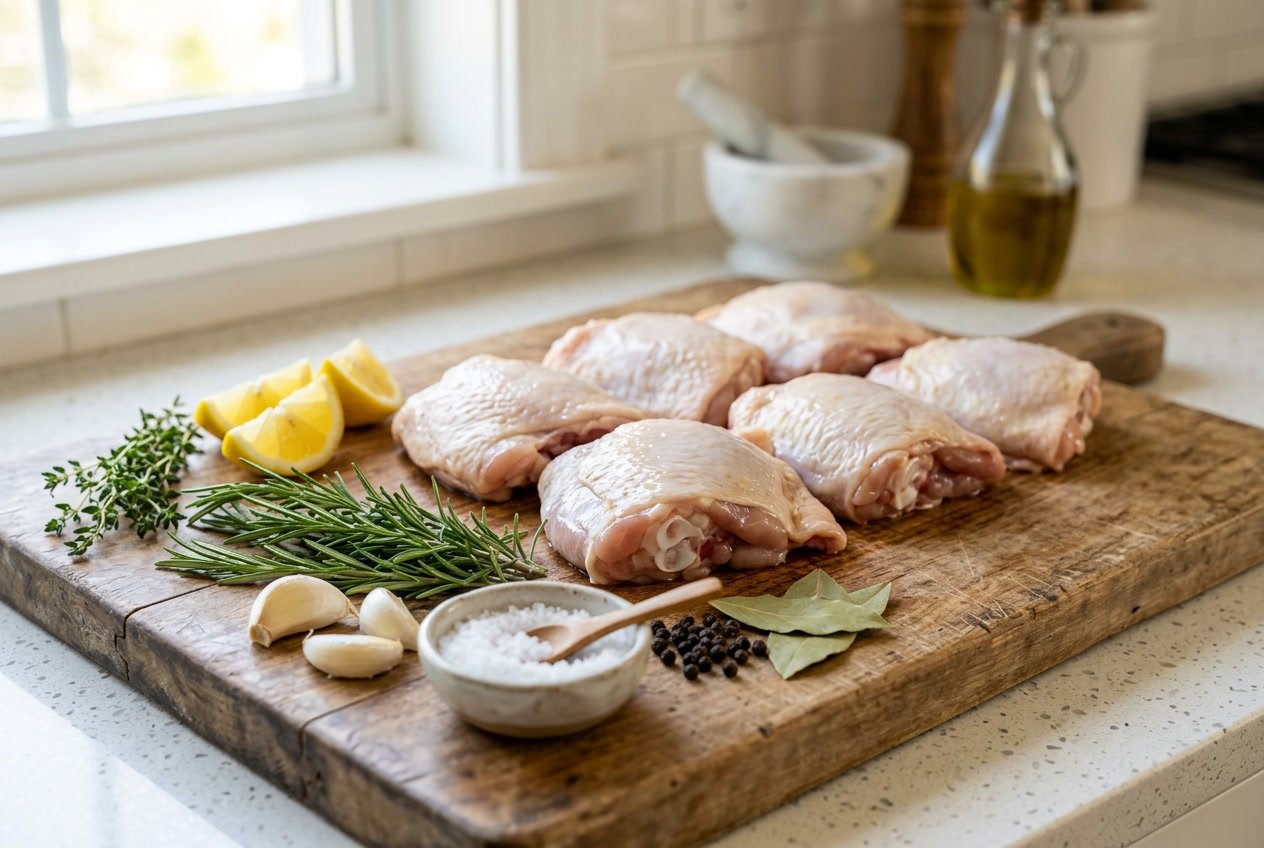
You can learn exact nutrition facts, how thighs compare to breasts, which cuts and cooking methods work best, and simple ways to fit them into meal planning.
Chicken Thigh Nutrition Facts
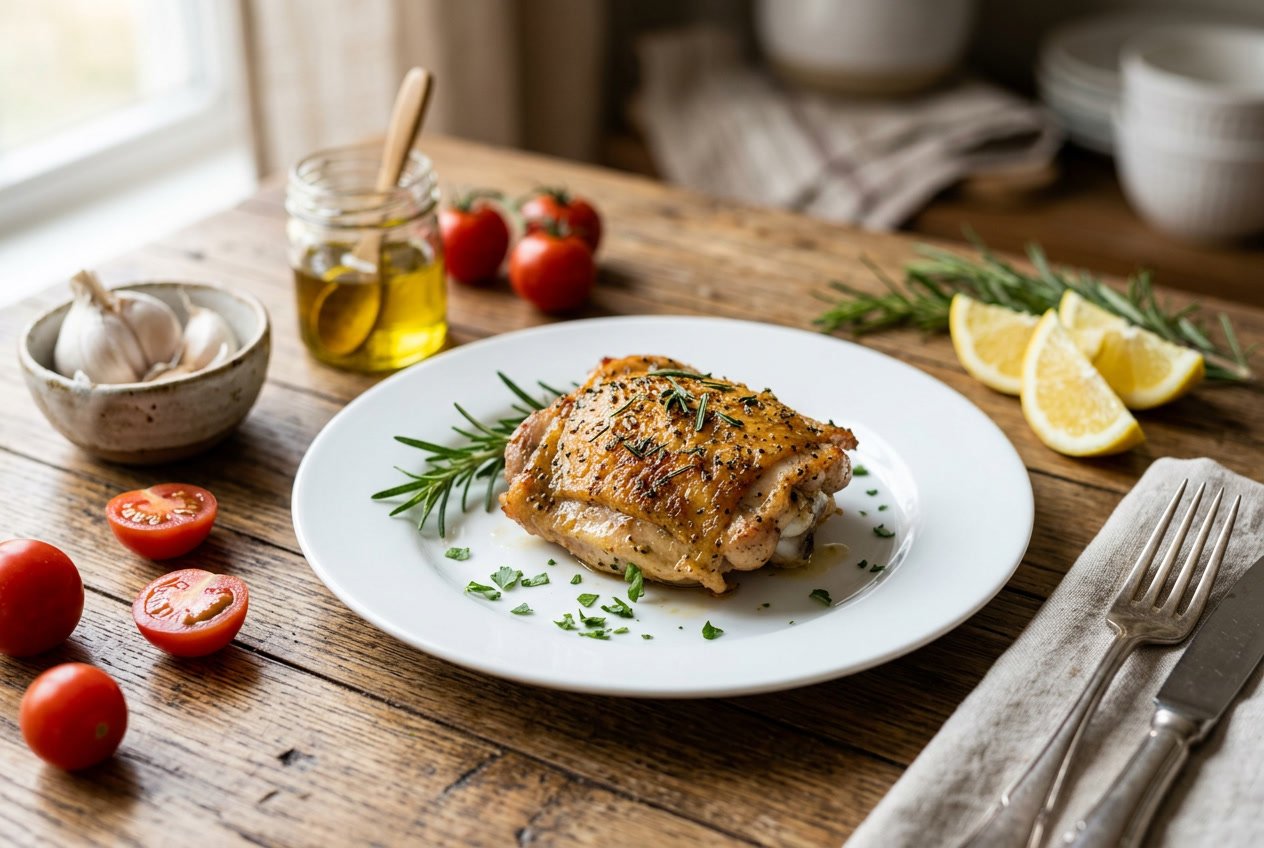
Chicken thighs deliver concentrated protein, modest fat, and several vitamins and minerals that support practical cooking and balanced meals. Boneless skinless cuts and skin-on thighs differ in calories, fat, and flavor.
Macronutrient Profile of Chicken Thighs
A 100 g serving of cooked, boneless skinless chicken thigh provides about 170–210 calories, roughly 25–28 g protein, and 8–11 g total fat.
Thighs offer reliable protein for muscle maintenance and satiety.
Fat in thighs includes both saturated and unsaturated types. Expect around 2–3 g saturated fat per 100 g and the remainder as monounsaturated and polyunsaturated fat.
Carbohydrates are negligible, so thighs fit low-carb and ketogenic plans. Cholesterol runs near 80–95 mg per 100 g.
Micronutrients in Chicken Thighs
Chicken thighs provide higher amounts of iron and zinc than comparable white meat portions.
Per 100 g, you get about 1–1.5 mg iron and roughly 1.5–2.5 mg zinc.
B-vitamins show up strongly in thighs: niacin (B3), vitamin B6, and B12 are present in meaningful amounts.
Selenium and phosphorus are also notable, contributing antioxidant defense and bone health.
Comparison of Boneless Skinless and Skin-On Thighs
Skin-on chicken thighs increase calories and fat. For 100 g cooked, skin-on thighs add about 30–60 extra calories and 4–6 g more total fat compared with skinless.
The skin concentrates saturated fat and boosts flavor and moisture during cooking.
Boneless skinless chicken thighs cut calories and fat while keeping protein levels similar.
Choose skin-on when roasting for texture. Pick boneless skinless when you need lower calories or quicker, leaner meal prep.
Are Chicken Thighs Healthy?
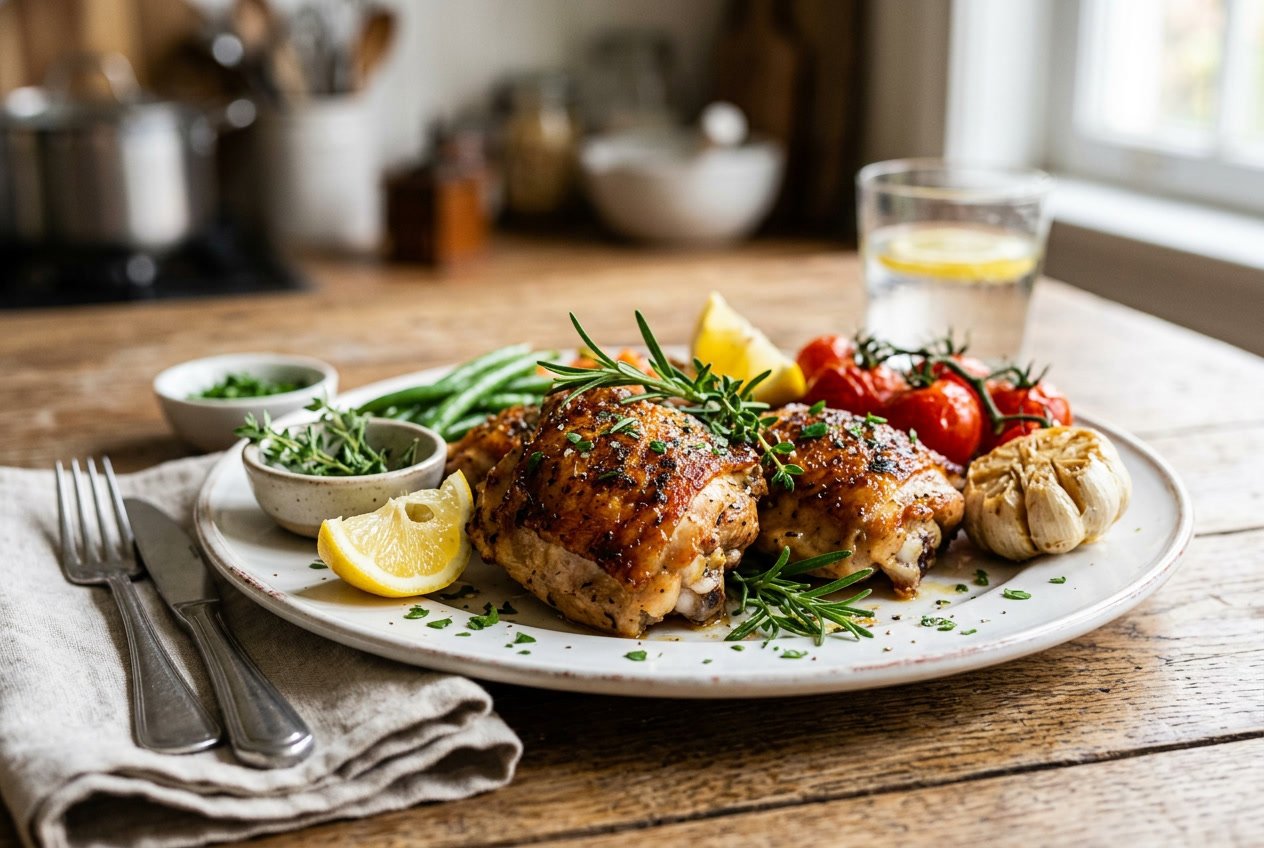
Chicken thighs offer concentrated protein, vitamins, and minerals while containing more fat than breast meat. You get useful amounts of iron, zinc, B vitamins, and about 20 g of protein per 3-ounce cooked, skinless serving.
Fat Content and Health Implications
Chicken thighs contain more total and saturated fat than chicken breasts, but much of the fat is monounsaturated, which can support heart health when consumed in moderation.
A 3-ounce cooked, skinless thigh has roughly 9–10 grams of total fat and about 2 grams of saturated fat. Leaving the skin raises calories and total fat.
If you watch saturated fat intake, remove the skin and use low-fat cooking methods like baking, grilling, or air-frying. Season with herbs, citrus, and spices instead of heavy sauces to limit added sodium and calories.
Nutritional Benefits for Various Diets
If you need higher iron or zinc intake, chicken thighs generally provide more of these minerals than breast meat.
They deliver complete protein—roughly 18–22 g per 3-ounce serving—so they support muscle maintenance, recovery after exercise, and satiety for weight management.
For calorie-focused diets, skinless thighs fit well if you control portion sizes. For ketogenic or moderate-fat diets, the higher fat content can be useful; just account for those fats in your daily totals.
For low-fat diets, prefer skinless breast or trim the thigh and cook without added fat.
Impact of Serving Size and Portion Control
Portion size changes whether thighs are “good for you.” A single 3–4 ounce cooked skinless thigh is a reasonable serving, delivering protein with moderate calories.
Eating multiple thighs or consuming them with fried sides or heavy sauces can push calories and saturated fat past recommended limits.
Remove skin, weigh portions before cooking, and pair a thigh with a large serving of vegetables and a whole grain for a balanced plate.
Chicken Thighs vs. Chicken Breasts
Chicken thighs bring more fat, iron, and zinc. Chicken breasts provide more protein per calorie and fewer saturated fats.
Both cuts work in many recipes, but your choice affects nutrition, cooking tolerance, and final flavor.
Key Nutritional Differences
Compare 100 g of boneless, skinless cuts: a chicken breast contains about 25–26 g protein, 2–3 g total fat, and 130 kcal.
A comparable chicken thigh has roughly 20–22 g protein, 8–9 g total fat, and 160–170 kcal.
Thighs supply more iron and zinc per serving.
Breasts give you higher protein density and lower saturated fat.
If you remove skin, both cuts drop in fat and calories, but thighs retain more intrinsic fat than breasts.
Choose thighs for modest increases in calories and micronutrients. Choose breasts when you need maximal protein with minimal fat.
Protein Quality Comparison
Both thighs and breasts contain complete animal proteins with all essential amino acids.
Breasts deliver more grams of protein per 100 kcal, making them more efficient for muscle-building or strict protein targets.
If you measure by absolute protein per cooked portion, the difference narrows because thighs retain moisture and weight after cooking.
Digestibility and amino-acid profile are similar, so performance outcomes depend mostly on total daily protein, not cut choice.
For athletes or people on calorie-restricted plans, breasts simplify meeting protein goals without extra fat.
If you value satiety, the extra fat in thighs can help you feel fuller between meals.
Flavor and Texture Considerations
Thigh meat is darker, more marbled, and naturally juicier due to higher fat content.
Thighs are more forgiving to high-heat or long cooking and work well for braises, stews, and recipes where moisture matters.
Breasts have a mild flavor and a firmer, leaner texture that can dry out if overcooked.
They absorb marinades and spices well, so they suit quick cooking methods like grilling, sautéing, and poaching.
Use thighs for rich, slow-cooked meals or when you want mouthfeel and depth.
Choose breasts when you need lean protein that fits calorie-controlled meals or when you want flavors to come from sauces and seasonings.
Types of Chicken Thigh Cuts
You’ll find two common retail forms: a leaner boneless option that shortens prep and a richer skin-on, bone-in piece that boosts flavor and stands up to long cooking.
Both have distinct uses, textures, and ideal cooking methods.
Boneless Skinless Chicken Thighs
Butchers trim boneless skinless chicken thighs of bone and skin, making them fast to cook and easy to portion.
These compact pieces take 6–10 minutes per side on the stovetop or 16–20 minutes in an air fryer, depending on thickness.
Their lower exterior fat prevents crispy skin, but they stay forgiving in high-heat searing and in sauces because of the thigh’s internal fat and connective tissue.
Use them for stir-fries, kebabs, tacos, and quick braises. Marinate 30 minutes to 8 hours; avoid very long acidic marinades to prevent mushy texture.
Store raw in the fridge up to 2 days and freeze up to 9 months for best quality.
Skin-On and Bone-In Thighs
Skin-on, bone-in thighs keep the bone and skin intact, delivering more flavor, moisture, and insulation during cooking.
The bone slows heat transfer for juicier meat and the skin renders fat that bastes the flesh and crisps under high dry heat.
Cook these thighs at higher oven temps (400–425°F) for 35–45 minutes or use a two-zone grill to sear then finish indirect.
They tolerate long braises and slow cooking; collagen breaks down above 170°F into gelatin, making the meat silky.
For crisp skin: pat dry, salt ahead, and use a wire rack so fat drains away.
Expect richer flavor and more forgiving results than skinless cuts when you need texture and depth.
Cooking Methods and Recipe Ideas
Chicken thighs excel when you want bold flavor, forgiving cook times, and versatile textures—from crispy skin to tender, braised meat.
You can roast for deep flavor, create sheet-pan meals for easy cleanup, or grill and air fry for healthier crispness.
Roasted and Baked Chicken Thigh Dishes
Roasting concentrates flavor and renders fat.
Season thighs well and start skin-side down in a hot oven (425°F/220°C) to get a crisp, golden exterior.
Use a rimmed baking sheet or a roasting pan with a rack.
Lift the thighs off pooled fat to keep skin crisp and roast for about 25–35 minutes for bone-in, slightly less for boneless.
Deglaze the pan with white wine or stock, add sliced garlic and lemon, then finish with butter and parsley.
For braised-style baked dishes, sear thighs first, then add vegetables and a braising liquid and bake covered at 350°F/175°C for 35–50 minutes.
Tips:
- Pat skin dry and salt 30–60 minutes ahead for better crispness.
- Use a meat thermometer: 165°F (74°C) in the thickest part.
- Rest 5–10 minutes before serving to let juices redistribute.
Sheet Pan Dinners
Sheet pan dinners let you cook protein and vegetables together for a complete meal and minimal cleanup.
Arrange thighs skin-side up on a parchment-lined sheet pan, surround with uniform-cut vegetables, and toss everything with a vinaigrette-style seasoning.
Roast at 400–425°F (200–220°C).
Start denser vegetables first if needed, adding delicate items partway through.
Bone-in thighs take 30–40 minutes, boneless 20–30 minutes depending on veggie size.
Try these variations:
- Mediterranean: olives, cherry tomatoes, capers, lemon wedges.
- Smoky: smoked paprika, cumin, sliced smoked sausage.
- Quick weeknight: halved baby potatoes, sliced onions, rosemary sprigs.
Healthy Grilling and Air Frying Techniques
Grilling imparts char and smoke, while air frying gives rapid high-heat circulation for crispy skin without deep frying.
Brine or marinate thighs for 1–4 hours to retain moisture during direct heat.
Preheat grill to medium-high, sear skin-side down 4–6 minutes, then move to indirect heat to finish.
For air fryers, preheat to 380–400°F (190–205°C).
Lightly oil and season thighs; cook skin-side down for 10–12 minutes, then flip and finish 6–10 minutes.
Trim excess skin if cutting calories, but keep some for flavor.
Use spice rubs and acidic marinades instead of heavy sugary sauces.
Pair with grilled vegetables or a fresh salad to balance the plate.
Budget, Versatility, and Meal Planning
Chicken thighs give you high protein and rich flavor for less money than breasts.
They work well bone-in or boneless skinless, hold up to many cooking methods, and make weekly planning simpler.
Affordability of Chicken Thighs
You usually pay less per pound for chicken thighs than for chicken breasts.
That price gap lets you buy larger packages or split purchases into multiple meals without stretching your budget.
Buy family packs or bone-in thighs when possible. Bones add flavor for stocks and slow-cooked dishes and often cost less per serving.
If you prefer boneless skinless chicken thighs, look for sales. Freeze portions flat in labeled bags to preserve value.
Use thighs in stews, casseroles, or taco fillings where a little extra fat boosts flavor and stretches further.
Try braising or slow-cooking to tenderize cheaper cuts, so you get restaurant-style texture without extra expense.
Meal Prep and Leftover Uses
Cook a batch of boneless skinless chicken thighs at once and reuse them for breakfasts, lunches, and dinners. Roast or grill a tray of thighs, then portion them into containers.
Use pre-cooked pieces in salads, rice bowls, sandwiches, and tacos. Store cooked thighs in the fridge for 3–4 days or freeze for up to 3 months.
When reheating, add a splash of stock, sauce, or citrus to keep the meat juicy. Pair thighs with inexpensive staples like rice, pasta, beans, or roasted root vegetables.
Shred leftover thighs for soups, enchiladas, or grain salads to add protein and save prep time on busy nights.


