
What Are Chicken Thighs Called? A Clear Guide to Chicken Cuts
You probably call them chicken thighs at the grocery store, but they also have a few specific names depending on how they’re cut and sold. Most commonly, you’ll see them labeled as the thigh (upper leg) or as part of a whole leg or leg quarter.
The chicken thigh is the upper part of the leg (dark meat) and may be sold bone-in, boneless, skin-on, skinless, or attached to the drumstick as a whole leg or leg quarter.
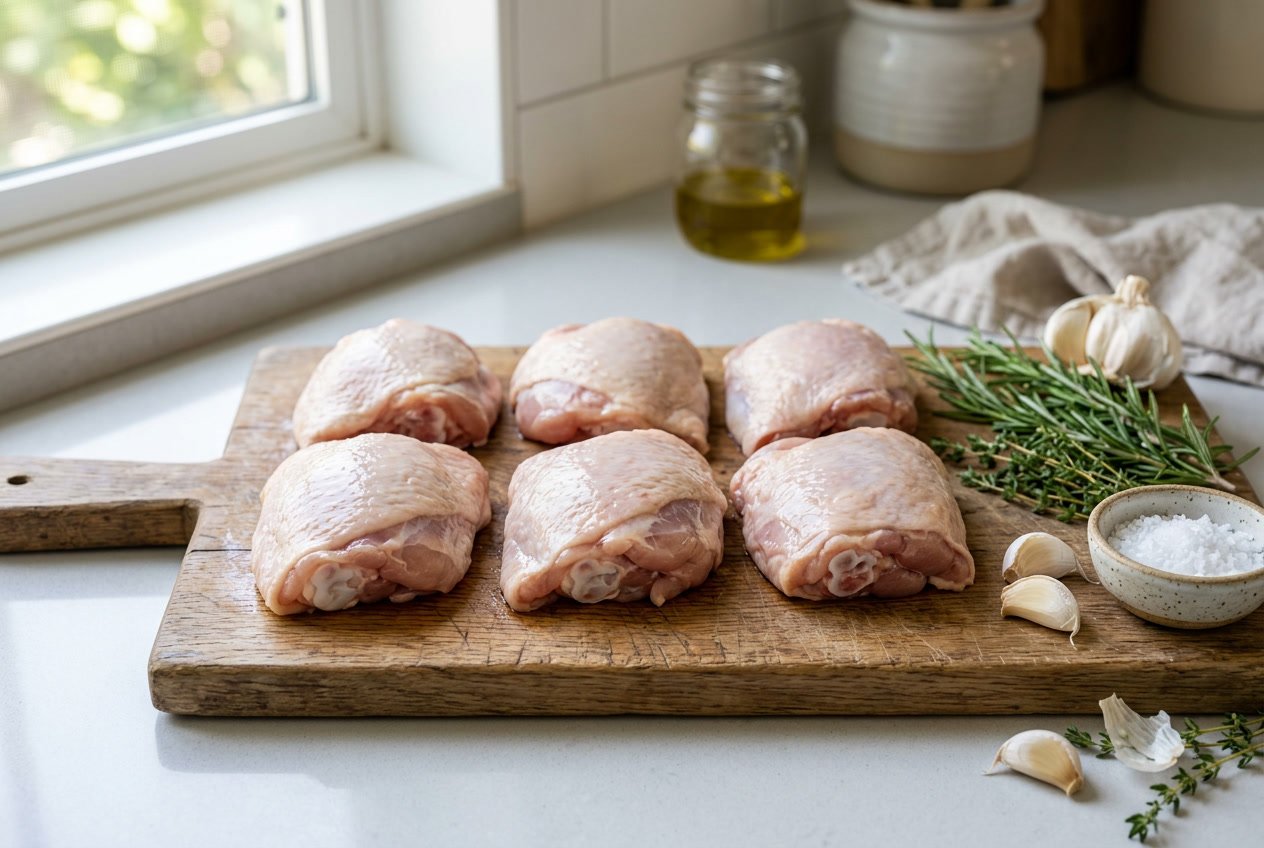
If you want to know exactly where the thigh sits on the bird and how it differs from drumsticks and breasts, this article covers anatomy, common names, cooking methods, nutrition, and popular recipes. You’ll learn which cut fits your meal plan and why thighs stay juicier and more flavorful than many other pieces.
What Are Chicken Thighs Called?
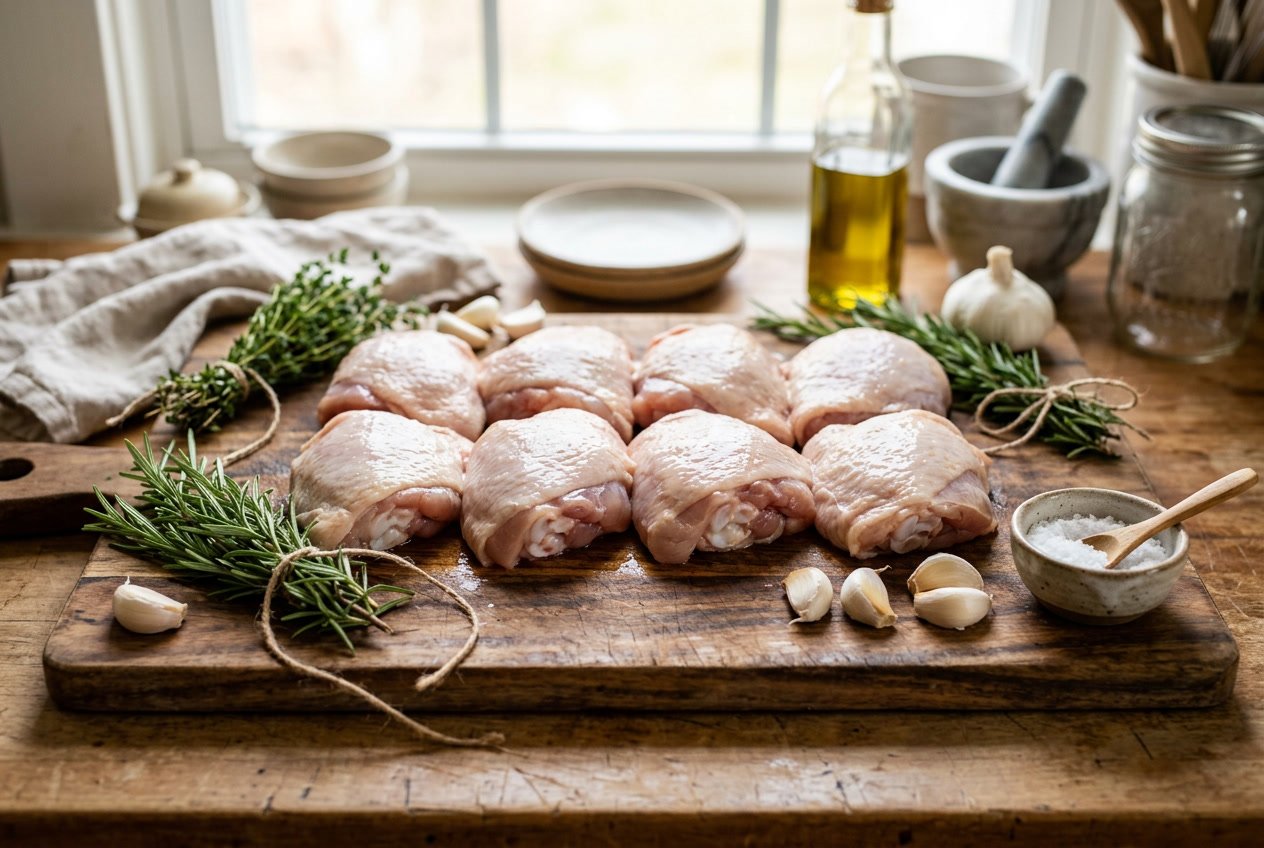
Chicken thighs are the upper part of the bird’s leg. Depending on preparation and retail form, you’ll see them labeled as “thigh,” “chicken thigh,” or as part of a “leg” or “leg quarter.” Drumsticks refer to the lower leg portion.
Definition and Common Terminology
A chicken thigh is the upper section of the leg between the hip and the knee joint. You’ll encounter it as bone-in thigh, boneless thigh, skin-on, or skinless in recipes and stores.
The meat is classified as dark meat, which explains its richer flavor and higher fat content compared with the breast. In recipes, writers often shorten the term to “thighs” or “thigh.” Professional butchers may call a thigh a part of the “hindquarter” or list it under “leg meat.” Knowing these names helps you pick the right cut for braising, grilling, or frying.
Chicken Thigh vs Drumstick Naming Differences
A drumstick is the lower portion of the leg, attached to the thigh at the knee joint. When you buy a whole leg, you get both the thigh and the drumstick together; sellers may call this a “whole leg” or “leg quarter” if part of the back is included.
Deboned packages can make identification harder. Boneless thighs are often rectangular and darker, while drumstick meat is denser and stays on the bone. Recipes specify “thighs” or “drumsticks” because cooking times, texture, and fat content differ.
Labels in Grocery Stores and Markets
Supermarkets use clear labels such as Bone-in Thigh, Boneless Skinless Thigh, Whole Leg, and Leg Quarter. Look at the package photos and weight per piece; thighs are shorter and broader than drumsticks.
Farmers’ markets and butcher counters may list the cut simply as “thigh” or sell whole legs by the piece. If the label reads “chicken leg” or “leg quarter,” confirm whether it includes both thigh and drumstick. For packaged products, check ingredient panels and UPC names to verify what you’re buying.
Chicken Thigh Anatomy and Location
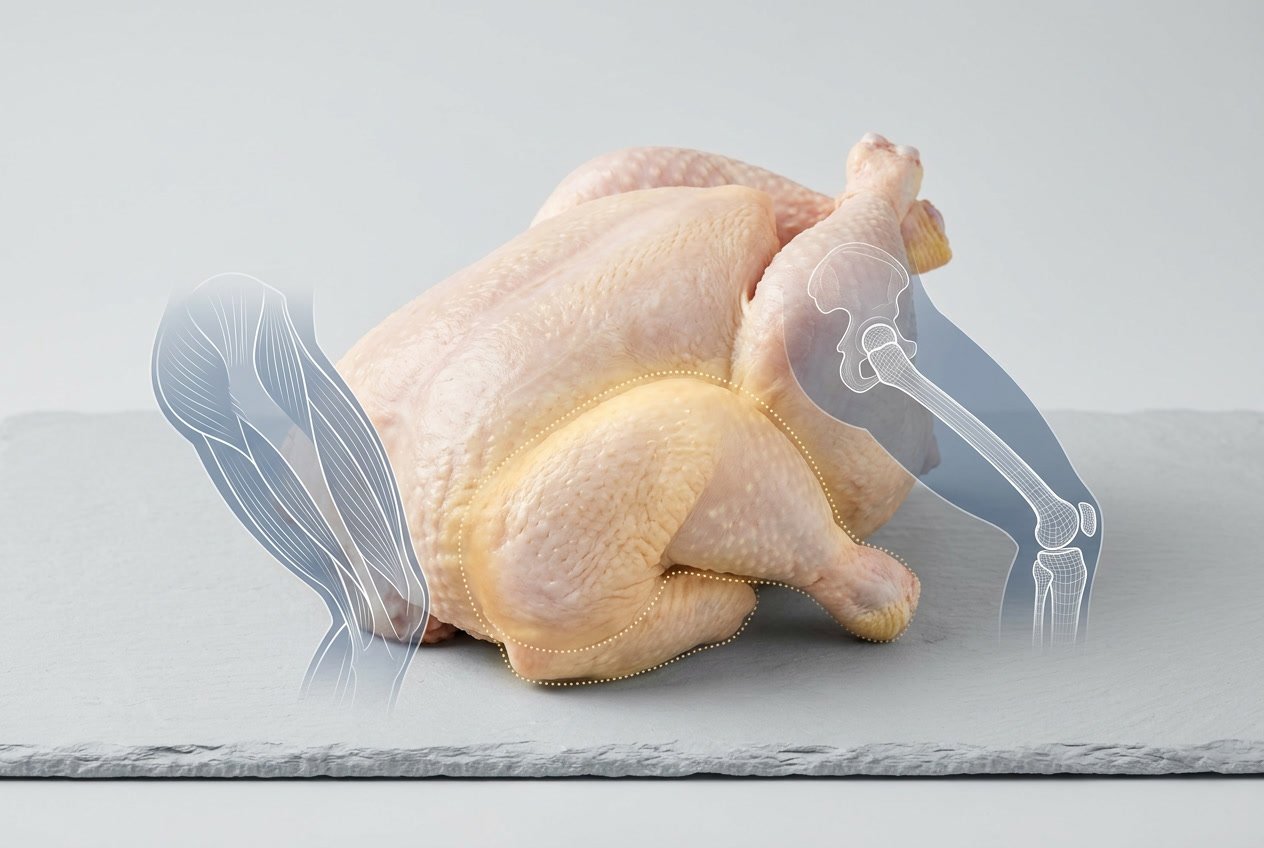
The chicken thigh is the upper portion of the bird’s leg. It sits between the hip joint and the knee (hock) and contains dark, flavorful meat.
It connects to the body at the pelvis and transitions into the drumstick at the knee joint.
Upper Leg Structure
The thigh attaches to the chicken’s pelvic girdle at the hip joint. The femur bone runs through the center; this single long bone distinguishes the thigh from the drumstick, which contains the tibia and fibula below the knee.
When you look at a whole hen, the thigh forms part of the hindquarter along with the drumstick. Butchers often remove thighs as separate cuts—either bone-in with skin or boneless by cutting out the femur and trimming surrounding connective tissue.
Key external landmarks include the hip joint where meat meets the body and the crease where the thigh meets the drumstick at the knee. That crease helps you separate leg quarters into usable portions at home.
Muscle Composition
Thigh meat consists mainly of large, locomotor muscles adapted for standing and walking. These muscles have higher myoglobin content than pectoral (breast) muscles, which gives the meat its darker color and richer flavor.
You’ll notice the texture is more tender and forgiving to longer cooking times compared with white breast meat. The muscle fibers are slightly coarser and contain more intramuscular fat, which improves moisture retention and mouthfeel during roasting, braising, or grilling.
Because these muscles work steadily rather than for flight, their fiber type and fat content suit slow, moist cooking and high-heat searing alike. The presence of connective tissue means you should cook thighs to higher internal temperatures than breast for best texture.
Oyster Meat and Adjacent Cuts
“Oyster” meat refers to two small, tender pockets of dark meat located on the chicken’s back near where the thigh meets the pelvis. You can locate them by feeling along the dorsal side beside the hip; they sit in depressions on either side of the backbone.
Oysters are prized for concentrated flavor and are distinct from the thigh proper, but they lie adjacent to the thigh’s hip connection and share similar myoglobin-rich character. When carving, remove oysters separately for plating or pan-sear them for a flavor boost.
Adjacent cuts include the drumstick (lower leg) and the whole leg quarter (thigh plus drumstick). Understanding these neighboring parts helps you portion legs correctly and identify the thigh when buying packaged parts.
How Chicken Thighs Differ from Similar Cuts
Chicken thighs are the upper part of the leg, dark and flavorful with more fat and connective tissue than many other cuts. You’ll notice differences in anatomy, cooking behavior, and typical uses when comparing thighs to other leg and breast cuts.
Thigh vs Chicken Leg
A whole chicken leg combines the thigh and the drumstick. When you buy a whole chicken leg or a leg quarter, you get both pieces plus sometimes a bit of the chicken back attached.
The thigh is the upper half of that leg, separated at the knee joint. Thighs often come boneless or bone-in, and with or without skin. Legs sold as whole chicken legs usually have the bone and skin intact, which adds flavor during roasting or braising.
Choose a boneless thigh for faster, more even pan-searing. Keep the bone in for slow cooking or grilling to retain moisture and deepen flavor.
Thigh vs Drumstick
A drumstick is the lower portion of the leg below the knee joint and has a different shape and texture than a thigh. Drumsticks have a single long bone and denser muscle fibers, which makes them great for grilling, frying, or serving as finger food.
Thighs contain more marbling and connective tissue, so they stay juicier when cooked high and low. If you want meat that shreds easily for stews, tacos, or braises, pick thighs. If you want individual portions that hold shape and are convenient to eat by hand, pick drumsticks.
Comparison with Chicken Breast and Wings
Chicken breasts are white meat from the chest. They cook faster and dry out sooner than thighs.
Breasts include split breasts and boneless breast cuts, which suit quick high-heat methods like grilling or pan-searing. Thighs tolerate longer cooking and deliver richer flavor because of higher fat content.
Wings are smaller, have a mix of white and dark meat depending on the section, and are valued for skin-to-meat ratio and crispiness. They’re not interchangeable with thighs when a recipe depends on collagen or shreddable meat.
When a recipe lists whole chicken legs, expect both thigh and drumstick together. When it lists thighs only, you’ll get meat better suited for braises, stews, and dishes that benefit from moist, flavorful dark meat.
Types and Variations of Chicken Thighs
Thighs come in several forms that affect cooking time, flavor, and cost. Pick bone-in for slow braises, boneless for quick sears, skin-on for crisp texture, and specialty trims for convenience or value.
Bone-In vs Boneless Thighs
Bone-in thighs include the femur and connective tissue that add flavor and help the meat stay moist during long, low-heat cooking methods. Choose bone-in for braising, roasting, or smoking a whole chicken leg or leg quarter because the bone transfers heat and deepens flavor.
Boneless thighs have the bone removed and often cook faster and more evenly on a grill or pan. They work well for skewers, stir-fries, and boneless wings-style preparations.
Boneless pieces can fall apart in very long stews, but they save prep time and are easier to portion.
Skin-On vs Skinless Thighs
Skin-on thighs provide crisp, fat-rendered skin when roasted or pan-seared. Use skin-on if you want a crunchy exterior and juices that baste the meat during roasting or grilling.
Skinless thighs reduce surface fat and calories and are less prone to splatter during frying. They suit recipes where you rely on marinades, sauces, or breading, such as casseroles, curries, and boneless wings-style breaded pieces.
Keep an eye on cooking time; skinless thighs dry faster and benefit from brining or lower heat.
Specialty and Value-Added Thigh Cuts
You’ll find options such as deboned, trimmed, marinated, or individually frozen (IQF) thighs that save prep time and extend shelf life. Deboned, skin-on thighs combine convenience with crisping potential.
Pre-marinated thighs let you skip seasoning steps for quick weeknight dinners. Retail cuts include whole chicken legs (thigh plus drumstick) and leg quarters that add back or tail portions for larger portions.
Broiler chickens yield most commercial thigh cuts; look for labels indicating size or farming method. For party apps, boneless wings are often made from thigh meat because it holds up to breading and frying better than white meat.
Chicken Leg Quarters and Other Combo Cuts
Leg quarters combine the thigh and drumstick into a single, economical piece and can include a portion of the back. Here’s what a leg quarter is, how a whole chicken leg differs, and when to choose a quarter versus buying individual pieces.
What Is a Chicken Leg Quarter?
A chicken leg quarter is the thigh and drumstick still attached, often sold bone-in with skin. Markets label them “leg quarters” or “chicken leg quarters,” and they commonly include a small section of the backbone.
You get dark meat with a higher fat content than the breast, which helps keep the meat moist during long cooking methods like roasting, braising, or slow-cooking. Leg quarters cost less per pound than separate thighs and drumsticks, so they’re a budget-friendly choice for feeding families or meal prep.
A typical 3 oz serving of dark meat provides protein, B vitamins, iron, and more fat than white meat. You can separate the pieces at the joint before cooking or roast them whole for convenience and flavor.
Whole Chicken Leg Explained
A whole chicken leg refers to the combination of the thigh and drumstick as it sits on the bird. In butchery terms, the “whole chicken leg” may be sold as a boned or bone-in piece; bone-in preserves flavor and shortens prep time.
When you cook a whole leg, the connective tissue breaks down into gelatin, making the meat tender and flavorful. You’ll notice more skin-to-meat ratio on the leg than on the thigh alone, which helps with browning and crisping.
If you prefer portion control or quicker cooking, ask your butcher to separate the thigh and drumstick. For braises and stews, leave them attached to maximize richness and reduce handling.
Leg Quarter vs Individual Pieces
Choose leg quarters when you want value and robust flavor from dark meat. Leg quarters give you both drumstick and thigh in one package, which saves time and money compared with buying each cut separately.
Buy individual thighs or drumsticks when you need uniform portions, faster cooking times, or boneless cuts for stir-fries and sandwiches. Thighs cook more evenly when boneless and are easier to debone for fillings.
Quick comparison:
- Leg quarter: best for roasting, braising; economical; more connective tissue.
- Thigh (individual): versatile for grilling, boning, stuffing; richer texture.
- Drumstick (individual): hand-held serving; good for frying and grilling.
Handle raw leg quarters like any raw chicken: keep chilled, separate from produce, and cook to 165°F (74°C) internal temperature.
Cooking Methods for Chicken Thighs
Chicken thighs excel with both long, moist methods that break down collagen and high-heat techniques that render fat and crisp skin. Choose braising or slow-cooking when you want shreddable meat and rich sauce.
Pick roasting, pan-frying, grilling, or broiling when you want a browned exterior and a shorter cook time.
Braising and Slow-Cooking
Braising and slow-cooking turn thighs into tender, pull-apart meat by converting collagen into gelatin. Brown skin-on thighs briefly in a hot pan to develop color, then add aromatic vegetables, stock, wine, or tomatoes and simmer gently.
For stovetop braises, keep a low simmer for 45–90 minutes depending on bone-in or boneless. If you use a slow cooker, set high for 3–4 hours or low for 6–7 hours.
Use the braising liquid as a sauce or reduce it for a glaze. If you want crispy skin after slow cooking, move thighs to a sheet pan and broil 2–4 minutes.
Save bones and trimmings for chicken stock to deepen flavor in future braises.
Roasting and Pan-Frying
Roasting and pan-frying give you rendered fat and crispy skin quickly. For oven roasting, set 400°F–425°F and place skin-side up on a wire rack over a rimmed sheet pan.
Bone-in thighs need about 35–45 minutes, boneless 20–30 minutes. Pat the skin dry and salt ahead of time to draw moisture out for better crisping.
To pan-fry, start skin-side down in a cold or medium-hot skillet to slowly render fat. Finish in the oven if thicker pieces need through-cooking.
If you need to debone thighs for quicker pan-frying, feel for the bone along the thigh’s edge, cut down alongside it, and pry it free. Keep the skin attached if you want crispiness.
Pan-fried thighs start many fried chicken recipes if you bread and finish in oil.
Grilling and Broiling
Grilling and broiling expose thighs to direct high heat that builds char and crunchy edges. For bone-in thighs on the grill, sear skin-side down over direct heat for 5–6 minutes, then move to indirect heat and cook covered until meat reaches about 175°F.
Boneless thighs take 5–7 minutes per side over medium-high heat. Under the broiler, place thighs skin-side up on a rack close to the element and watch closely because broiling crisps fast and can burn.
Use marinades like soy-ginger or buttermilk beforehand for flavor and moisture. After grilling or broiling, rest thighs 5–10 minutes so juices redistribute.
Reserve drippings or bones to make a quick chicken stock if you want to stretch the flavor into sauces or soups.
Nutritional Value and Benefits of Chicken Thighs
Chicken thighs deliver concentrated protein, moderate fat, and several B-vitamins and minerals that support energy metabolism and immune function. You get more iron and zinc in thighs than in white meat, plus fat that helps with satiety and nutrient absorption.
Protein and Vitamin Content
A cooked, skinless chicken thigh (about 100 g) typically provides roughly 25–28 g of protein. That protein supplies essential amino acids for muscle repair and immune cell production.
Thighs also contain B-vitamins important for energy. Niacin (vitamin B3) appears in amounts that support cellular energy and healthy cholesterol levels when combined with a balanced diet.
Vitamin B6 in thighs helps convert glycogen to glucose and supports neurotransmitter synthesis, which affects mood and cognitive function. These vitamins work together to help you extract usable energy from the food you eat.
Fat Content and Calories
Per 100 g cooked, skinless chicken thigh, expect roughly 170–190 kcal and about 8–10 g total fat, depending on cooking method. If you keep the skin, calories and fat rise—often to 210–230 kcal and 13–15 g fat per 100 g—so remove the skin for lower calories without losing much protein.
The fat profile includes both monounsaturated and saturated fats. Monounsaturated fats help with satiety and vitamin absorption.
Saturated fat remains modest but notable, so control portions if you track saturated fat intake. Grilling, baking, or air-frying reduces added fat compared with frying.
Key Minerals: Selenium, Niacin, Vitamin B6
Selenium in chicken thighs supports antioxidant enzymes and thyroid function. A 100 g serving supplies a meaningful portion of your daily selenium need.
Adequate selenium helps protect cells from oxidative damage and supports immune response. Niacin (B3) levels in thighs help maintain healthy skin, nerves, and digestion.
Niacin also participates in metabolic pathways that convert macronutrients into usable energy. Vitamin B6 complements niacin by aiding amino acid metabolism and red blood cell formation.
Together, these micronutrients make chicken thighs a practical choice when you want protein that also contributes to energy metabolism and immune health.
Popular Chicken Thigh Recipes and Dishes
Chicken thighs excel in slow braises, high-heat roasts, quick grills, and bold international sauces. They deliver rich flavor, hold up to long cooking, and adapt easily to spicy, tangy, or creamy preparations.
Classic Braised and Roasted Recipes
You’ll often see thighs in braises and roasts because the dark meat stays moist during long cooking. Recipes like chicken cacciatore and chicken paprikash use thighs to absorb tomato, wine, and paprika flavors while the collagen melts into a silky sauce.
A roast or pan-braised method gives you crisped skin and succulent meat. Start skin-side down to render fat and finish in the oven for even cooking.
For dishes that pair with potatoes or polenta—such as chicken parmesan adapted with thigh meat—brown the thighs first, then simmer briefly in sauce so the coating doesn’t sog. If you want shredded meat for stews or sandwiches, slow-braise thighs in broth and aromatics until they pull apart easily.
Quick-Cook and Grilled Favorites
You can grill or pan-sear thighs in 15–25 minutes, making them perfect for weeknight dinners. Marinate boneless thighs in acid and oil for fajitas or quick gochujang-style glazes, then cook over high heat for char and juiciness.
Thin-cut thigh tenderloins or butterfly-cut pieces shorten cook time further and work well for buffalo-style sauces or quick pan-fried chicken tenders. When you need crisp skin fast, use high heat and avoid overcrowding the pan.
Finish thicker pieces in a hot oven. For sandwiches or salads, sear thighs, rest them, then slice against the grain to maintain tenderness.
International and Fusion Dishes
Thighs shine in global recipes that demand bold sauces and long simmering. Use them for chicken adobo to get deep soy-vinegar flavor without drying out the meat.
In Indian-style dishes like chicken tikka masala, thighs take on creamy tomato spice without becoming stringy. For North African or Middle Eastern profiles, thighs work well in chicken tagine with preserved lemons and olives.
You can also adapt thigh meat into fusion plates. Combine shredded braised thighs into pasta for a ragù-style chicken parmesan twist or stuff fajitas and tacos for a heartier filling than breast meat.
Avoid confusing thigh cuts with wings or tenderloins when a recipe specifies texture. Wings are small and bony, while tenderloins are thin strips ideal for quick cooking.
Flavor and Texture Characteristics
You’ll find chicken thighs offer richer taste and a denser mouthfeel than breast meat, while remaining forgiving in many cooking methods. Expect noticeable fat, connective tissue, and retained moisture that influence both flavor and texture.
Dark Meat Profile
Thigh meat is classified as dark meat because muscle fibers contain more myoglobin and intramuscular fat than breast meat. This gives the meat a deeper color and a pronounced, savory flavor often described as “meaty” or “beefier” compared with white meat.
The presence of the femur and nearby connective tissue also concentrates flavor during slow cooking. Bone-in thighs release marrow and collagen that boost sauce and broth richness.
Nutritionally, thighs contain higher fat percentages and more B vitamins than breast meat, which contributes to the fuller taste. Fat and small amounts of gelatin from collagen keep the meat tender and satisfying, even when reheated.
Juiciness and Culinary Appeal
Thighs retain moisture better than breasts because they have more fat and collagen. This makes them less likely to dry out during high-heat methods like grilling or pan-searing.
When you cook thighs slowly by braising or stewing, the collagen turns into gelatin. This process creates a silky texture and glossy pan juices that coat sauces and grains.
For crisp skin and a juicy interior, start by rendering the skin of skin-on thighs to brown and release fat. Then finish cooking at a moderate heat.
Boneless, skinless thighs cook faster and soak up marinades well. However, you need to watch the timing to keep them juicy.


