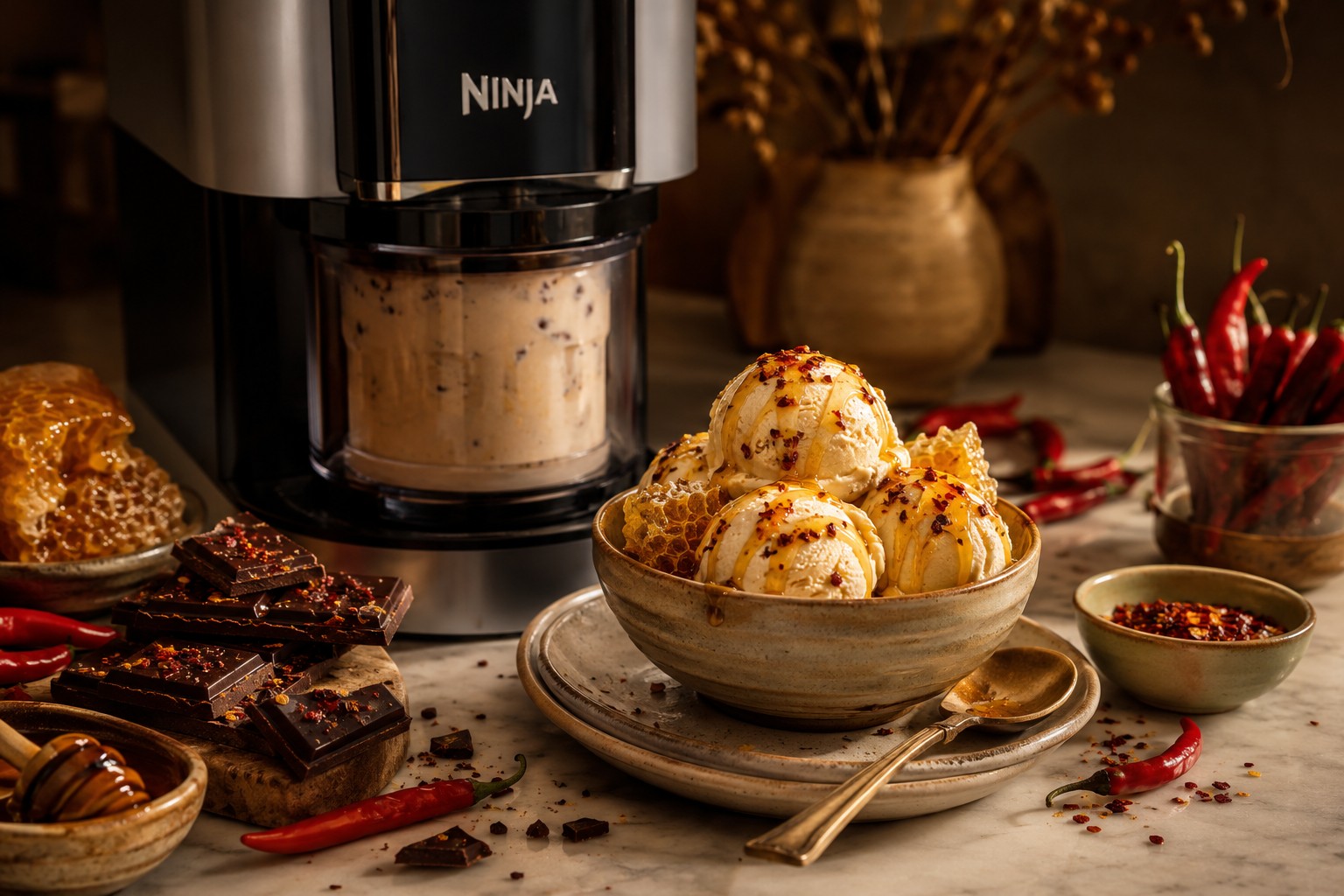
Swicy Desserts Revolution: Hot Honey Ice Creams, Chili Chocolates, and Ninja Creami Hacks
Last updated: May 30, 2026
Sweet meets heat in 2026’s fastest-growing dessert trend. The Swicy Desserts Revolution: Hot Honey Ice Creams, Chili Chocolates, and Ninja Creami Hacks brings together hot honey drizzles, chili-infused chocolates, and home appliance techniques that turn simple ingredients into restaurant-quality treats. This movement combines global flavors like gochujang, chamoy, and habanero with familiar desserts, creating high-contrast experiences that satisfy both comfort cravings and adventurous palates.
Key Takeaways
- Swicy blends sweet and spicy in desserts, with hot honey and chili chocolate leading the trend in 2026
- Hot honey ice cream balances creamy sweetness with mild heat from infused honey, creating a complex flavor profile
- The Ninja Creami makes swicy desserts accessible at home with customizable bases and mix-in control
- Chili chocolates work best with dark chocolate (70%+ cacao) and mild-to-medium peppers like ancho or chipotle
- Start with 1/8 teaspoon chili per cup of base to avoid overpowering sweetness
- Major brands like Lay’s have trademarked “Swicy,” signaling mainstream adoption beyond social media trends
- Swicy desserts appeal to non-spicy-food lovers when heat is balanced with fat, sugar, and cooling elements
- Common mistakes include adding raw chili powder (use infused oils or toasted spices) and skipping taste tests
What Does Swicy Mean in Desserts?
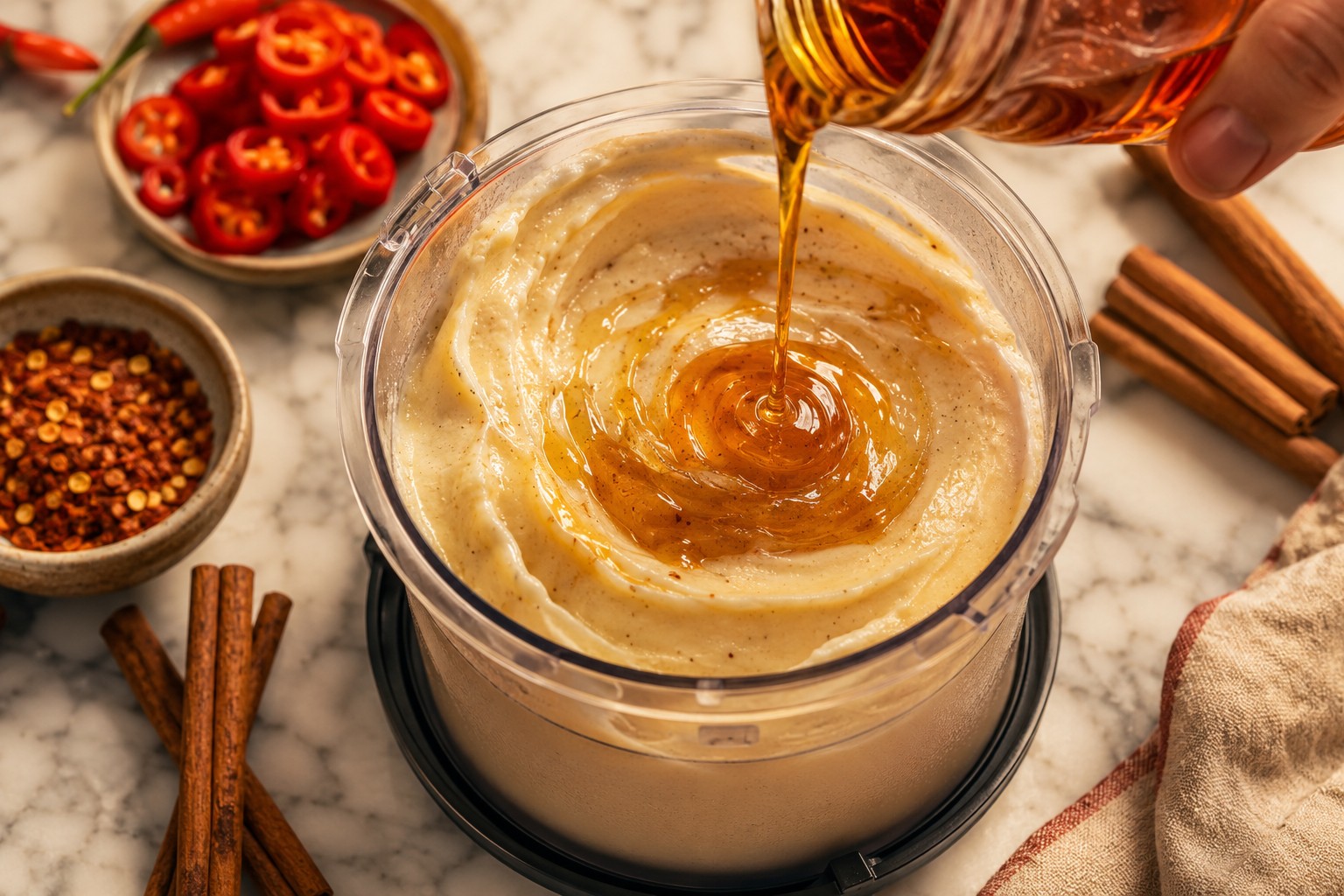
Swicy combines sweet and spicy flavors in a single dish, creating a high-contrast taste experience that balances sugar with heat. In desserts, this means pairing traditional sweet bases like ice cream, chocolate, or caramel with ingredients like hot honey, chili peppers, gochujang, or cayenne.
The term gained traction on social media but moved into mainstream food production in 2026 when Lay’s trademarked “Swicy” for commercial use. Unlike savory swicy dishes (think hot honey chicken), dessert applications focus on gentle heat that enhances rather than overwhelms sweetness.
Key characteristics of swicy desserts:
- Heat level: Mild to medium, typically Scoville 500-2,500 (jalapeño range or lower)
- Balance: Fat and sugar temper spice, preventing burn
- Complexity: Multiple flavor layers beyond just “sweet” or “hot”
- Texture contrast: Often pairs creamy bases with crunchy or sticky elements
Choose swicy desserts if you enjoy flavor complexity and want to move beyond one-dimensional sweetness. Skip them if you’re sensitive to any capsaicin or prefer traditional dessert profiles.
How to Make Hot Honey Ice Cream at Home
Hot honey ice cream combines a rich cream base with honey infused with chili peppers, creating a dessert that’s both cooling and warming. The easiest method uses a Ninja Creami or similar frozen dessert maker, which gives you control over texture and mix-in timing.
Basic hot honey ice cream recipe (Ninja Creami method):
- Make the base: Mix 1 cup heavy cream, 1 cup whole milk, 1/3 cup sugar, 1 tsp vanilla extract, and a pinch of salt
- Add hot honey: Stir in 2-3 tablespoons hot honey (store-bought or homemade)
- Freeze solid: Pour into Creami pint container, freeze 24 hours
- Process: Run on Ice Cream setting, then re-spin if needed for creamier texture
- Optional mix-ins: Add crushed honeycomb, chili flakes, or chocolate chips during re-spin
For homemade hot honey: Heat 1 cup honey with 1-2 dried chili peppers (árbol or cayenne) over low heat for 10 minutes. Let steep 30 minutes, then strain. Adjust heat by adding more peppers or steeping longer.
Common mistake: Adding too much hot honey makes the base too sweet and prevents proper freezing. Stick to 2-3 tablespoons per pint, then drizzle extra on top when serving.
If you don’t have a Ninja Creami, use a standard ice cream maker and add hot honey during the last 5 minutes of churning. For a no-churn version, whip 2 cups heavy cream to stiff peaks, fold in sweetened condensed milk and hot honey, then freeze in a loaf pan for 6 hours.
Best Chili Chocolate Brands to Buy in 2026
Chili chocolate has moved from artisan shops to mainstream grocery aisles, with brands now embedding heat directly into chocolate rather than just dusting the surface. The best options balance cacao intensity with pepper complexity, avoiding one-note burn.
Top chili chocolate picks:
| Brand | Style | Heat Level | Best For |
|---|---|---|---|
| Lindt Excellence Chili | 70% dark with cayenne | Mild | Beginners, baking |
| Theo Chocolate Chili | 70% dark with ground chili | Medium | Snacking, pairing with wine |
| Taza Mexicano Guajillo Chili | Stone-ground, rustic texture | Medium | Authentic Mexican flavor |
| Endangered Species Panther Bar | 72% dark with habanero | Medium-hot | Adventurous eaters |
| Vosges Red Fire | Dark milk with ancho & chipotle | Mild-medium | Creamy texture lovers |
What to look for when buying:
- Cacao percentage: 70%+ works best; milk chocolate can taste too sweet with heat
- Pepper type listed: Specific peppers (ancho, chipotle, cayenne) indicate quality over generic “chili”
- Texture: Some brands use stone-ground methods for rustic, grainy texture
- Ingredient order: Chili should appear in the first 5 ingredients for noticeable heat
Choose Lindt or Vosges if you’re new to chili chocolate and want approachable heat. Pick Taza or Theo for authentic, craft-focused flavor. Avoid brands that list “natural flavors” instead of actual peppers.
For baking, Lindt Excellence Chili melts smoothly and distributes heat evenly in brownies or ganache. For snacking, Theo’s texture and balanced heat work well with coffee or red wine.
Hot Honey Ice Cream vs Regular Ice Cream: Taste Differences
Hot honey ice cream delivers a layered flavor experience that regular ice cream can’t match. The honey adds floral sweetness and viscosity, while chili creates a gentle warming sensation that builds gradually rather than hitting immediately.
Key taste differences:
- Sweetness complexity: Hot honey brings floral, caramel-like notes beyond plain sugar
- Heat progression: Mild warmth appears 3-5 seconds after swallowing, not on contact
- Mouthfeel: Honey adds slight stickiness and richness compared to standard bases
- Aftertaste: Lingering warmth and honey flavor vs. quick fade in regular ice cream
The heat level in hot honey ice cream typically registers as mild tingle rather than burn. Fat from cream and sugar from honey both temper capsaicin, making it accessible even for people who avoid spicy food.
Flavor pairing differences:
- Regular vanilla ice cream pairs with fruit, chocolate, caramel
- Hot honey ice cream pairs with salty elements (pretzels, salted nuts), dark chocolate, citrus, and bourbon or whiskey
Choose hot honey ice cream when you want a dessert that feels more like an experience than simple indulgence. It works especially well after rich, savory meals where traditional sweet desserts might feel too heavy.
Common feedback: First-time tasters often describe it as “surprising but not scary” with heat that “sneaks up gently.” The honey flavor dominates initially, with warmth building as you continue eating.
Ninja Creami Swicy Dessert Recipes and Settings
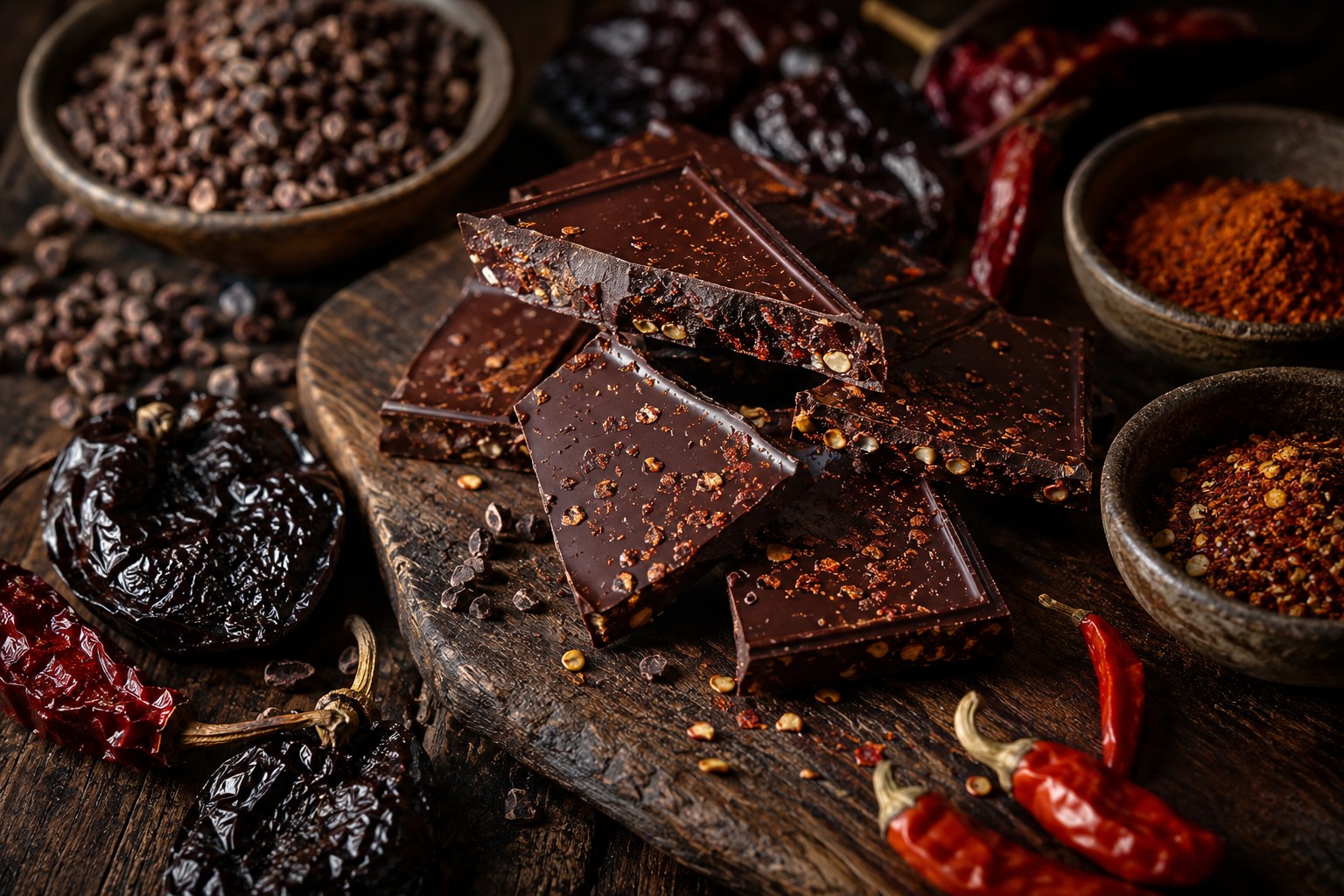
The Ninja Creami excels at swicy desserts because it lets you control texture, sweetness, and heat independently. Unlike traditional ice cream makers, the Creami processes frozen bases into smooth textures without churning, making it ideal for high-protein or alternative-milk bases that pair well with bold flavors.
Best Ninja Creami settings for swicy desserts:
- Ice Cream setting: Standard for cream-based hot honey or chili chocolate bases
- Gelato setting: Denser texture that holds up to chunky mix-ins like candied jalapeños
- Sorbet setting: For fruit-forward swicy options (mango-habanero, strawberry-black pepper)
- Re-spin: Always re-spin once for creamier texture, especially with low-fat bases
Three proven Ninja Creami swicy recipes:
1. Gochujang Brownie Ice Cream
- Base: 1 cup milk, 1/2 cup heavy cream, 1/3 cup sugar, 1 tsp gochujang paste
- Mix-ins: Brownie chunks added during re-spin
- Setting: Ice Cream, then re-spin with mix-ins
2. Mango Habanero Sorbet
- Base: 2 cups mango puree, 1/4 cup agave, 1/2 tsp habanero hot sauce, lime juice
- Setting: Sorbet
- Tip: Start with 1/4 tsp hot sauce, taste after processing, add more if needed
3. Chamoy Chocolate Protein Ice Cream
- Base: 1 cup fairlife milk, 1 scoop chocolate protein powder, 2 tbsp chamoy sauce, 1 tbsp cocoa powder
- Mix-ins: Tajín rim on serving bowl
- Setting: Lite Ice Cream for lower-fat base
Common Ninja Creami mistakes with swicy desserts:
- Adding spices before freezing: Chili powder can taste raw and gritty. Use infused oils, hot honey, or sauces instead
- Overfilling container: Leave 1/2 inch space at top for expansion
- Skipping re-spin: First spin often leaves icy texture; re-spin creates smoothness
- Not tasting base before freezing: Once frozen, you can’t adjust sweetness or heat easily
For best results, taste your base before freezing and aim for slightly sweeter and less spicy than you want the final product. Freezing dulls both sweetness and heat perception by about 20-30%.
Where to Buy Hot Honey for Desserts
Hot honey has moved from specialty shops to mainstream grocery stores in 2026, with both artisan and commercial options widely available. The best hot honey for desserts balances floral honey flavor with gentle, lingering heat rather than aggressive burn.
Top hot honey brands for desserts:
- Mike’s Hot Honey: Most widely available, mild heat, works well in ice cream and glazes
- Bushwick Kitchen Bees Knees Spicy Honey: Medium heat with habanero, good for drizzling
- Savannah Bee Company Hot Honey: Floral notes, gentle heat, premium price
- Local/farmers market hot honey: Often uses single-origin honey with unique pepper blends
Where to find it:
- Grocery stores: Whole Foods, Trader Joe’s, Target (condiment or honey aisle)
- Online: Amazon, Thrive Market, brand websites
- Specialty shops: Gourmet food stores, spice shops
- Price range: $8-15 for 12 oz jar
What to look for on labels:
- Honey type listed: Wildflower, clover, or specific varietals indicate quality
- Pepper variety: Specific peppers (cayenne, habanero, chili de árbol) vs. generic “chili”
- Ingredient count: Best options have 3-4 ingredients (honey, peppers, vinegar, sometimes salt)
- Heat level indicator: Some brands rate heat 1-5 scale
DIY hot honey for desserts:
If you can’t find hot honey locally or want to control heat level precisely, make your own in 15 minutes:
- Heat 1 cup quality honey in small saucepan over low heat
- Add 1-2 dried chili peppers (árbol for medium heat, cayenne for mild)
- Simmer gently 10 minutes (don’t boil)
- Remove from heat, let steep 20-30 minutes
- Strain out peppers, store in jar up to 3 months
For desserts specifically, avoid hot honey with garlic or savory herbs. Stick to honey + peppers + optional vinegar for clean sweet-heat flavor.
Why Is My Homemade Chili Chocolate Too Spicy?
Chili chocolate turns too spicy when the pepper-to-chocolate ratio is off or when heat isn’t properly distributed during melting. Unlike savory dishes where you can add more ingredients to dilute heat, chocolate requires precise measurement because cocoa butter locks in capsaicin.
Most common causes:
- Too much chili powder: Start with 1/8 tsp per cup of melted chocolate, not 1/2 tsp or more
- Raw chili powder added: Toasting spices first mellows harshness and develops flavor
- Wrong pepper type: Cayenne and habanero are much hotter than ancho or chipotle
- Uneven mixing: Heat concentrates in pockets rather than distributing evenly
- Dark chocolate too bitter: 85%+ cacao amplifies heat perception; stick to 70-75%
How to fix too-spicy chili chocolate:
If still melted:
- Add more melted chocolate (1:1 ratio) to dilute heat
- Stir in heavy cream or butter to coat capsaicin and reduce burn
- Mix in sugar or honey to balance heat with sweetness
If already set:
- Melt down and add plain chocolate
- Serve with vanilla ice cream or whipped cream
- Pair with sweet beverages (milk, horchata, sweet wine)
Prevention tips for next batch:
- Toast spices first: Heat chili powder in dry pan 1-2 minutes until fragrant
- Start small: Use 1/8 tsp chili per cup chocolate, taste, add more gradually
- Bloom in fat: Mix chili powder with small amount of melted butter before adding to chocolate
- Choose mild peppers: Ancho, guajillo, or chipotle have complex flavor without excessive heat
- Add salt: Small pinch (1/8 tsp per cup) balances both sweetness and heat
Heat level guide for chocolate:
- Mild (beginner-friendly): 1/8 tsp cayenne per cup chocolate
- Medium (noticeable warmth): 1/4 tsp ancho or chipotle per cup
- Hot (for spice lovers): 1/2 tsp cayenne or 1/4 tsp habanero per cup
Remember that heat builds as chocolate melts on your tongue. What tastes mild when you first bite will intensify as cocoa butter melts and releases capsaicin. Always taste-test with a small piece and wait 30 seconds before deciding if you need more heat.
Are Swicy Desserts Good for People Who Don’t Like Spicy Food?
Yes, swicy desserts can work for spice-averse eaters when heat is mild and balanced with fat and sugar. The key difference between swicy desserts and spicy savory food is that dessert applications use significantly less capsaicin and pair it with ingredients that naturally temper burn.
Why swicy desserts feel less spicy:
- Fat content: Cream, butter, and chocolate coat the tongue and dilute capsaicin
- Sugar: Sweetness competes with heat receptors, reducing burn perception
- Lower heat levels: Most swicy desserts use 500-2,000 Scoville units vs. 5,000+ in savory dishes
- Cooling temperature: Ice cream and frozen desserts numb the tongue slightly
Best entry-point swicy desserts for spice-avoiders:
- Hot honey drizzle on vanilla ice cream: Heat is optional (drizzle on top, not mixed in)
- Milk chocolate with mild chili: Creamier than dark chocolate, gentler heat
- Cinnamon-cayenne brownies: Familiar spice (cinnamon) masks unfamiliar heat
- Mango-chili sorbet: Fruit sweetness dominates, heat is background note
Red flags to avoid if you dislike spice:
- Habanero or ghost pepper in any dessert
- “Extra hot” or “fire” in product names
- Chili listed in first 3 ingredients
- Dark chocolate 85%+ with chili (bitterness amplifies heat)
How to test your tolerance:
Start with a tiny taste of hot honey on a spoon. If you can taste warmth but no burn, you’ll likely enjoy swicy desserts. If even mild hot honey feels too intense, stick to desserts with warming spices (cinnamon, ginger, cardamom) that create similar complexity without capsaicin.
Common feedback from spice-avoiders who tried swicy desserts:
- “I expected to hate it but the sweetness balanced everything”
- “It’s more interesting than spicy”
- “The heat sneaks up but never burns”
- “I wouldn’t order it again, but I finished it” (mixed success)
Choose swicy desserts with adjustable heat (drizzles, optional toppings) so you control intensity. Skip anything where heat is baked in or can’t be separated from the base.
Common Mistakes When Making Hot Honey Desserts
Hot honey desserts fail when heat overwhelms sweetness or when honey’s viscosity creates texture problems. The most frequent error is treating hot honey like regular honey without accounting for the added heat and how it interacts with other ingredients.
Top mistakes and fixes:
1. Adding too much hot honey
- Problem: Dessert becomes too sweet and too spicy simultaneously
- Fix: Use 2-3 tablespoons per pint of ice cream or per batch of brownies, then drizzle extra on top
- Rule: Hot honey should accent, not dominate
2. Not heating honey before mixing
- Problem: Cold honey doesn’t incorporate smoothly, creates sticky lumps
- Fix: Warm hot honey 10 seconds in microwave before stirring into batters or bases
- Best for: Brownies, cakes, cookie dough
3. Using hot honey in high-heat baking
- Problem: Honey burns at 350°F+, creating bitter flavor and losing heat
- Fix: Add hot honey to glazes, frostings, or drizzles after baking
- Exception: If baking with it, reduce oven temp by 25°F and watch closely
4. Skipping salt
- Problem: Dessert tastes one-dimensional, heat feels harsh
- Fix: Add 1/4 tsp salt per cup of base to balance sweetness and heat
- Why it works: Salt enhances both sweet and spicy flavors
5. Not tasting before serving
- Problem: Heat level surprises guests who aren’t expecting spice
- Fix: Always taste-test and warn diners about heat
- Label clearly: “Contains hot honey” on buffet cards
6. Storing hot honey desserts incorrectly
- Problem: Honey crystallizes in freezer, creating grainy texture
- Fix: Store ice cream at 0-5°F (standard freezer temp) and consume within 2 weeks
- For baked goods: Room temperature storage works fine; honey acts as preservative
Recipe-specific mistakes:
Hot honey ice cream:
- Don’t add hot honey to base before freezing (it prevents proper freezing)
- Do mix it in during the last minute of churning or during Ninja Creami re-spin
Hot honey brownies:
- Don’t substitute all sugar with honey (changes texture)
- Do replace up to 1/4 cup sugar with hot honey for best results
Hot honey glazes:
- Don’t thin with water (dilutes flavor)
- Do thin with cream or butter for better consistency and flavor
Testing heat level before committing:
Make a small test batch (1/4 recipe) before scaling up. Heat tolerance varies widely, and what tastes perfect to you might be too mild or too hot for others. For gatherings, offer hot honey on the side so guests can customize their heat level.
Can You Use Regular Honey Instead of Hot Honey in Ice Cream?
Yes, regular honey works in ice cream, but you’ll lose the signature heat that defines swicy desserts. The texture and sweetness will be similar, but the flavor complexity and warming finish disappear without the chili infusion.
What changes when using regular honey:
- Flavor: Floral sweetness only, no heat or spice notes
- Texture: Identical (honey adds viscosity either way)
- Sweetness level: Same if using equal amounts
- Pairing options: Works with fruit and nuts but lacks the contrast that makes swicy interesting
When to use regular honey instead:
- Making dessert for children or spice-sensitive guests
- You want pure honey flavor without heat
- Building a base you’ll add other spices to (cinnamon, cardamom, ginger)
- Testing a recipe before committing to hot honey
How to add heat if using regular honey:
If you only have regular honey but want swicy flavor, add heat separately:
- Cayenne powder: 1/8 tsp per pint of ice cream base
- Hot sauce: 1/2 tsp mild hot sauce (Frank’s RedHot, Cholula)
- Chili oil: 1 tsp neutral chili oil
- Fresh chili: 1 small jalapeño, seeded and minced
Taste comparison:
- Hot honey: Integrated heat that builds gradually, floral honey notes
- Regular honey + cayenne: More immediate heat, less smooth integration
- Regular honey alone: One-dimensional sweetness, no complexity
Cost consideration:
Regular honey costs $6-8 per pound vs. $12-15 for hot honey. If you’re making large batches or testing recipes, start with regular honey and add heat manually. Once you’ve perfected the recipe, invest in hot honey for better flavor integration.
Best regular honey varieties for ice cream:
- Clover honey: Mild, neutral, lets other flavors shine
- Wildflower honey: More complex, floral notes
- Orange blossom honey: Citrus undertones, pairs well with fruit
- Avoid: Buckwheat or strong varietals that overpower ice cream base
For the closest approximation to hot honey ice cream using regular honey, warm 1/2 cup honey with 1 dried chili pepper for 10 minutes, let steep 20 minutes, then strain and use immediately. This creates a quick infusion that mimics commercial hot honey.
Ninja Creami Settings for Spicy Desserts
The Ninja Creami offers multiple settings that affect texture, and choosing the right one matters more for spicy desserts because heat perception changes with texture. Creamier, denser textures coat the tongue and reduce burn, while icy or crystalline textures make heat feel sharper.
Best settings by dessert type:
| Setting | Best For | Texture Result | Spice Impact |
|---|---|---|---|
| Ice Cream | Cream-based swicy desserts | Smooth, scoopable | Moderate heat, well-balanced |
| Gelato | Dense, intense flavors | Very creamy, slow-melt | Heat builds slowly |
| Sorbet | Fruit + chili combos | Light, icy | Heat hits faster, sharper |
| Lite Ice Cream | Protein or low-fat bases | Creamy but lighter | Heat slightly more noticeable |
| Smoothie Bowl | Thick, spoonable bases | Soft-serve texture | Heat disperses quickly |
Processing tips for swicy desserts:
- Always re-spin: First spin leaves texture slightly icy; re-spin creates smoothness that balances heat better
- Add spicy mix-ins during re-spin: Chili flakes, candied jalapeños, or spicy chocolate chips
- Use Mix-In function sparingly: Over-mixing can make chili elements taste bitter
- Let sit 2-3 minutes after processing: Texture firms up, heat mellows slightly
Troubleshooting texture issues:
Too icy/hard:
- Base had too much water or not enough fat
- Add 1-2 tablespoons cream, re-spin
- For sorbet, add 1 tablespoon corn syrup or honey before freezing
Too soft/soupy:
- Base had too much sugar or alcohol (from extracts)
- Refreeze 2 hours, process again
- Reduce liquid by 2 tablespoons next time
Grainy texture:
- Chili powder added before freezing (doesn’t dissolve)
- Use infused oils, hot honey, or sauces instead
- Strain base before freezing if using fresh peppers
Heat distribution problems:
If heat is uneven (some bites burn, others don’t), your spicy ingredient didn’t mix thoroughly. Solutions:
- Blend base completely before freezing (use immersion blender)
- Use liquid heat sources (hot sauce, chili oil) instead of powders
- Add heat during re-spin for better distribution
Advanced technique for layered heat:
Process base on Ice Cream setting, then create a well in the center and add 1-2 tablespoons hot honey or chili sauce. Run Mix-In function for 5 seconds only. This creates ribbons of intense heat through milder base, letting each bite vary in intensity.
Settings to avoid for swicy desserts:
- Slushi: Too icy, makes heat feel harsh and unbalanced
- Creamiccino: Designed for coffee drinks, not ideal for dessert bases
For best results with spicy desserts, stick to Ice Cream or Gelato settings and control heat through ingredient choice rather than processing method.
What Peppers Work Best in Chocolate Desserts?
The best peppers for chocolate desserts offer complex flavor beyond pure heat and complement chocolate’s bitter, earthy notes rather than fighting them. Dried peppers work better than fresh because they concentrate flavor and integrate more smoothly into chocolate.
Top pepper choices for chocolate:
1. Ancho (dried poblano)
- Heat level: Mild (1,000-2,000 Scoville)
- Flavor: Sweet, raisin-like, slightly smoky
- Best use: Brownies, hot chocolate, chocolate cakes
- Why it works: Sweetness matches chocolate, heat is gentle
2. Chipotle (smoked jalapeño)
- Heat level: Medium (2,500-8,000 Scoville)
- Flavor: Smoky, earthy, tobacco notes
- Best use: Dark chocolate bars, ganache, truffles
- Why it works: Smoke complements dark chocolate’s bitterness
3. Cayenne
- Heat level: Medium (30,000-50,000 Scoville, but used sparingly)
- Flavor: Clean heat, minimal flavor
- Best use: When you want heat without changing chocolate flavor
- Why it works: Neutral profile lets chocolate shine
4. Guajillo
- Heat level: Mild (2,500-5,000 Scoville)
- Flavor: Tangy, berry-like, slightly acidic
- Best use: Chocolate sauces, mole-inspired desserts
- Why it works: Fruity notes add complexity
5. Pasilla
- Heat level: Mild (1,000-2,500 Scoville)
- Flavor: Raisin, cocoa, licorice notes
- Best use: Chocolate ice cream, mousse
- Why it works: Natural cocoa notes harmonize with chocolate
Peppers to avoid in chocolate desserts:
- Habanero: Too hot (100,000-350,000 Scoville), overpowers chocolate
- Ghost pepper: Extreme heat (1,000,000+ Scoville), no place in desserts
- Bell peppers: No heat, wrong flavor profile
- Fresh jalapeños: Too vegetal, moisture content causes texture issues
How to prepare peppers for chocolate:
For dried peppers:
- Remove stems and seeds (seeds add bitterness, not just heat)
- Toast in dry pan 1-2 minutes until fragrant
- Grind to fine powder in spice grinder
- Sift to remove large pieces
- Add 1/8 tsp per cup melted chocolate, taste, adjust
For infusing chocolate:
- Heat cream for ganache with whole dried pepper
- Steep 15-20 minutes
- Strain out pepper
- Pour hot cream over chocolate to make ganache
Pairing guide:
- Milk chocolate: Ancho or cayenne (mild heat, don’t overpower sweetness)
- Dark chocolate 70-75%: Chipotle or guajillo (match intensity)
- Dark chocolate 80%+: Pasilla or ancho (balance bitterness)
- White chocolate: Cayenne only (clean heat, no competing flavors)
Quantity guidelines:
- Mild heat: 1/8 tsp ground pepper per cup chocolate
- Medium heat: 1/4 tsp ground pepper per cup chocolate
- Hot: 1/2 tsp ground pepper per cup chocolate
Start with less than you think you need. You can always add more heat, but you can’t remove it once mixed. For reference, most commercial chili chocolate bars use 1/8 to 1/4 tsp per cup, keeping heat noticeable but not dominant.
Are Swicy Desserts Just a Trend or Here to Stay?
Swicy desserts have moved beyond trend status into mainstream flavor architecture as of 2026, with major brands trademarking the term and integrating sweet-spicy profiles into permanent product lines. The evidence suggests staying power rather than a passing fad.
Signs swicy is becoming permanent:
- Brand investment: Lay’s trademarked “Swicy” in 2025, indicating long-term commercial strategy
- Menu integration: Restaurants now list swicy desserts year-round, not as limited-time offers
- Ingredient availability: Hot honey and chili chocolate moved from specialty shops to mainstream grocery stores
- Consumer data: Tastewise reports 27.82% growth in sweet-spicy conversations over the past year
- Product development: Heat is now embedded in products (chili in chocolate, not just dusted on top)
Why swicy has staying power:
- Flavor complexity: Consumers increasingly seek multi-dimensional taste experiences
- Global influence: Draws from established traditions (Mexican chocolate, Thai desserts, Korean gochujang)
- Social media appeal: High-contrast flavors create shareable, reaction-worthy content
- Customization: Easy to adjust heat levels for different preferences
- Health halo: Capsaicin associated with metabolism benefits (even in desserts)
Evolution, not revolution:
Swicy isn’t replacing traditional desserts but expanding the category. Vanilla ice cream still outsells hot honey ice cream 100:1, but swicy options now occupy permanent shelf space alongside classics.
Comparison to past dessert trends:
- Salted caramel (2010s): Started as trend, now permanent flavor category
- Matcha desserts (2015-2018): Peaked, then settled into niche status
- Activated charcoal (2017-2019): Faded quickly, mostly gone by 2021
- Swicy (2023-present): Following salted caramel trajectory toward permanence
Regional differences:
- U.S. Southwest: Swicy desserts feel like natural evolution of existing food culture
- Northeast/Midwest: Slower adoption, still considered adventurous
- West Coast: Early adopters, high acceptance
- International: Growing in markets with existing spicy-sweet traditions (Mexico, Thailand, Korea)
What might change:
The term “swicy” may fade while the flavor profile remains. Just as we stopped calling salted caramel “sweet-salty” after it normalized, swicy might simply become “chili chocolate” or “hot honey” without the portmanteau label.
Prediction for 2027-2028:
Expect more nuanced heat applications (fermented peppers, pepper-infused oils, specific chili varietals) and hybrid formats (swicy-fricy combining sweet-spicy-fruity, or swavory blending sweet-spicy-savory). The core concept of heat in desserts will remain, but execution will become more sophisticated.
For home cooks and dessert enthusiasts, swicy is worth learning now. The techniques and flavor principles will remain relevant even if the buzzword changes.
How Much Chili Should I Add to Ice Cream Without Ruining It?
Start with 1/8 teaspoon of ground chili per pint (2 cups) of ice cream base and taste before freezing. This creates noticeable warmth without burn and can be adjusted up to 1/4 teaspoon for medium heat or 1/2 teaspoon for hot.
Precise measurements by heat level:
- Mild (beginner-friendly): 1/8 tsp cayenne or 1/4 tsp ancho per pint
- Medium (noticeable warmth): 1/4 tsp cayenne or 1/2 tsp chipotle per pint
- Hot (spice lovers only): 1/2 tsp cayenne or 1/4 tsp habanero per pint
Critical rules:
- Always taste base before freezing: Freezing dulls flavor by 20-30%, so base should taste slightly too sweet and slightly too spicy
- Mix thoroughly: Chili must distribute evenly or you’ll get pockets of intense heat
- Use ground, not flakes: Flakes don’t dissolve and create unpleasant texture
- Toast spices first: Heat chili powder in dry pan 1-2 minutes to develop flavor and reduce harshness
Better alternatives to raw chili powder:
- Hot honey: 2-3 tablespoons per pint (easier to control, better flavor)
- Chili oil: 1 teaspoon per pint (distributes evenly, smooth heat)
- Hot sauce: 1/2 to 1 teaspoon per pint (liquid form mixes better)
- Infused cream: Steep dried pepper in cream 20 minutes, strain, use in base
Common measurement mistakes:
- Using tablespoons instead of teaspoons: Ruins entire batch, heat is overwhelming
- Adding more after tasting once: Heat builds over time; wait 30 seconds between tastes
- Not accounting for mix-ins: If adding chocolate chips or nuts, reduce chili by 25% (mix-ins dilute heat)
Adjustment strategy:
If you’ve added too much chili to your base before freezing:
- Double the batch: Make plain base, combine with spicy base to dilute
- Add fat: Stir in 1/4 cup heavy cream to coat capsaicin
- Increase sugar: Add 2 tablespoons sugar or honey to balance heat
- Serve with cooling elements: Top with whipped cream, pair with fruit
Testing method for new recipes:
Make a micro-batch (1/2 cup base) with your planned chili amount. Freeze in small container 4 hours, taste, then scale up if heat level is right. This prevents wasting ingredients on a too-spicy batch.
Heat perception factors:
- Fat content: Higher fat (more cream, less milk) reduces heat perception
- Sugar level: More sugar balances heat better
- Serving temperature: Slightly softened ice cream tastes less spicy than rock-hard
- Individual tolerance: What’s mild to one person is hot to another
For gatherings, make base with 1/8 tsp chili and offer hot honey or chili oil on the side so guests can add more heat if desired. This approach satisfies both spice-lovers and spice-avoiders without making multiple batches.
Conclusion
The Swicy Desserts Revolution: Hot Honey Ice Creams, Chili Chocolates, and Ninja Creami Hacks represents more than a passing trend. It’s a fundamental shift in how we think about dessert flavor profiles, moving from one-dimensional sweetness to complex, multi-layered experiences that engage multiple taste receptors. With tools like the Ninja Creami making restaurant-quality swicy desserts accessible at home, and mainstream brands investing in permanent swicy product lines, this flavor revolution shows every sign of permanence.
Your next steps:
- Start simple: Try store-bought hot honey drizzled on vanilla ice cream before committing to full recipes
- Invest in quality ingredients: Buy one good chili chocolate bar and one jar of hot honey to understand the flavor profile
- Master the basics: Practice the hot honey ice cream recipe in this guide using the Ninja Creami or standard ice cream maker
- Experiment gradually: Increase heat levels slowly across multiple batches rather than jumping to extreme spice
- Share and adjust: Make swicy desserts for friends, gather feedback, and refine your recipes based on their preferences
The beauty of swicy desserts lies in their customization. Unlike traditional desserts with fixed flavor profiles, swicy creations let you dial heat up or down, swap pepper varieties, and create signature combinations that reflect your taste. Whether you’re drawn to the gentle warmth of hot honey ice cream or the bold complexity of chipotle chocolate brownies, the techniques and principles in this guide give you the foundation to explore confidently.
Start with one recipe this week. Taste, adjust, and discover why millions of dessert lovers have embraced the sweet-spicy revolution that’s reshaping what dessert can be.
Frequently Asked Questions
What does swicy taste like? Swicy tastes like sweetness with a gentle warming sensation that builds gradually rather than hitting immediately. The heat appears 3-5 seconds after swallowing and creates a tingling warmth rather than burn, balanced by sugar and fat in the dessert base.
Can kids eat swicy desserts? Kids can eat mild swicy desserts like hot honey ice cream with 1/8 teaspoon chili per pint, but avoid medium or hot versions. Start with a tiny taste to gauge their tolerance, and always have milk or plain ice cream available to cool their mouth if needed.
How long does hot honey last? Hot honey lasts 3-6 months at room temperature in a sealed jar, or up to 1 year in the refrigerator. Honey is naturally antimicrobial, so it won’t spoil, but heat intensity may fade slightly after 6 months.
Does freezing reduce spiciness in ice cream? Freezing dulls heat perception by 20-30%, which is why ice cream bases should taste slightly too spicy before freezing. The cold temperature also numbs the tongue slightly, reducing burn sensation compared to room-temperature desserts.
What’s the best chocolate percentage for chili chocolate? 70-75% dark chocolate works best for chili chocolate because it balances bitterness with enough sweetness to temper heat. Milk chocolate (40-50%) can taste too sweet, while 85%+ dark chocolate amplifies heat perception uncomfortably.
Can I make swicy desserts without a Ninja Creami? Yes, use a standard ice cream maker, no-churn method (whipped cream folded with sweetened condensed milk), or simply drizzle hot honey over store-bought ice cream. The Ninja Creami offers texture control but isn’t required for swicy desserts.
Is hot honey the same as honey with hot sauce? No, hot honey is honey infused with dried chili peppers through gentle heating and steeping, creating integrated flavor. Honey mixed with hot sauce has vinegar tang and doesn’t blend as smoothly, though it works in a pinch.
Why does my chili chocolate taste bitter? Chili chocolate tastes bitter when peppers are burned during toasting, when too much chili powder is added, or when using 85%+ dark chocolate. Toast spices gently, use 1/8 tsp per cup chocolate, and stick to 70-75% cacao.
Can I use fresh jalapeños in ice cream? Fresh jalapeños add too much moisture and vegetal flavor to ice cream. Instead, use dried peppers infused in cream, hot sauce, or chili oil for clean heat without texture or water content issues.
How do I tone down swicy desserts that are too hot? Serve too-hot swicy desserts with whipped cream, vanilla ice cream, or sweetened condensed milk drizzle. For bases not yet frozen, add more cream, butter, or sugar to dilute capsaicin and balance heat.
Are swicy desserts healthier than regular desserts? Swicy desserts aren’t significantly healthier than regular desserts, though capsaicin may slightly boost metabolism. They contain the same sugar, fat, and calories as traditional desserts, with added heat from peppers that have minimal nutritional impact.
What’s the difference between swicy and spicy desserts? Swicy desserts balance sweet and spicy equally, with heat enhancing rather than dominating sweetness. Spicy desserts prioritize heat, often using higher Scoville peppers and less sugar, creating burn-forward rather than balanced flavor.


