
Should Chicken Thighs Smell Bad? How to Identify Spoilage and Ensure Freshness
Fresh chicken thighs have a very mild, almost neutral smell. If you notice a strong sour, ammonia-like, or sulfurous odor, the meat is spoiled and should be discarded.
If the smell is sharply unpleasant or distinctly sour, don’t risk it. Those odors commonly signal bacterial breakdown and unsafe chicken.
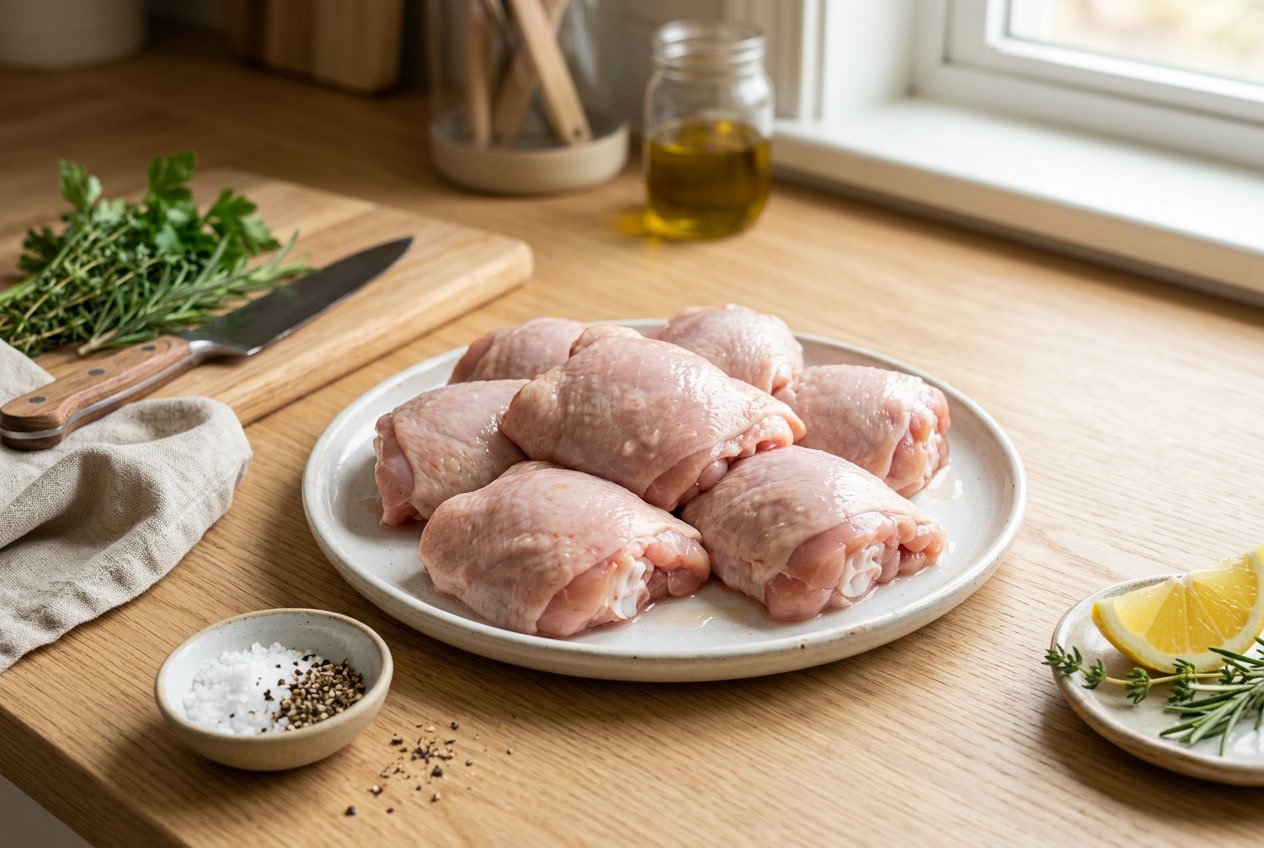
You can tell the difference between normal poultry scent and warning smells by checking for signs beyond odor, like texture, color, and packaging. Perform practical checks before cooking to ensure safety.
Follow storage and handling tips to prevent spoilage and keep your meals safe.
Understanding Chicken Thigh Smell
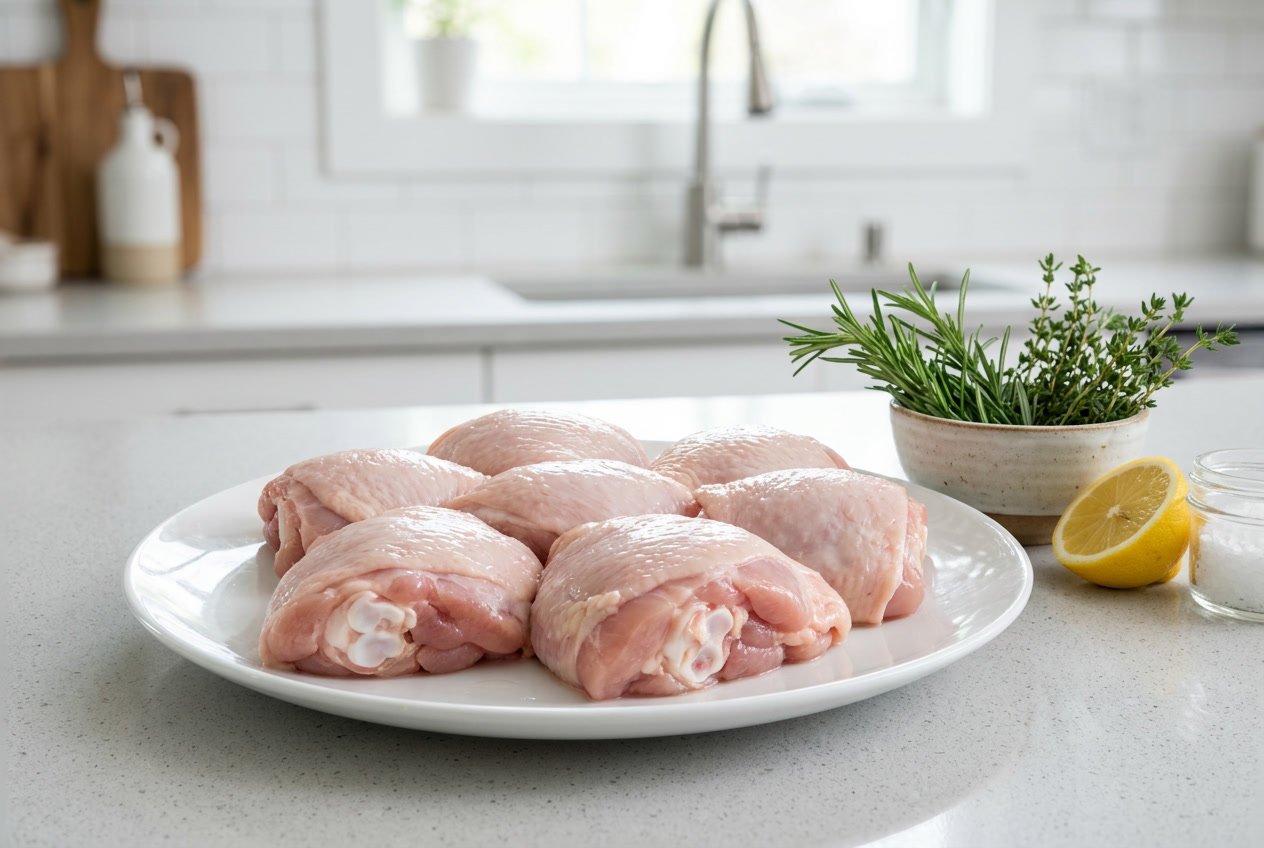
Fresh chicken thighs have a mild, slightly meaty scent with no sour, ammonia-like, or unpleasant smell. Smell, color, and texture together indicate whether thighs are safe to store or cook.
What Fresh Chicken Thighs Should Smell Like
Fresh chicken thighs emit a faint, clean odor that resembles raw meat. You should notice a subtle poultry scent that is less pronounced than beef or pork and lacks sour, sulfur, or chemical notes.
Open the package and sniff briefly at arm’s length. If the smell is weak and non-offensive, the thighs are likely fine. Pair this check with a visual inspection for pink color and firm, moist texture.
Natural Variations in Raw Chicken Smell
Different cuts and farming methods can change raw chicken smell. Dark meat like thighs often has a slightly stronger aroma than breast meat due to higher fat content and proximity to bones.
Pasture-raised or older birds may have a deeper, gamier scent than conventionally raised younger birds. Packaging and brief exposure to air also alter odor.
Vacuum-sealed thighs smell milder than those in loose trays. Minor variations do not indicate spoilage. Check for additional signs such as sliminess, gray-green discoloration, or a persistent sour or ammonia odor before discarding.
Why Chicken Thighs Develop Bad Odors
Bacteria and enzymatic breakdown produce volatile compounds like amines, hydrogen sulfide, or ammonia. These compounds create sour, sulfurous, or ammonia-like smells that indicate spoilage and increased foodborne risk.
Poor refrigeration, prolonged storage, repeated thawing, or damaged packaging accelerate bacterial growth and odor formation. If your chicken thighs smell distinctly sour, putrid, or chemical-like, discard them.
Use a fridge at or below 40°F (4°C) and follow the 1–2 day refrigeration guideline for raw thighs to reduce risk.
Signs of Spoiled Chicken Thighs
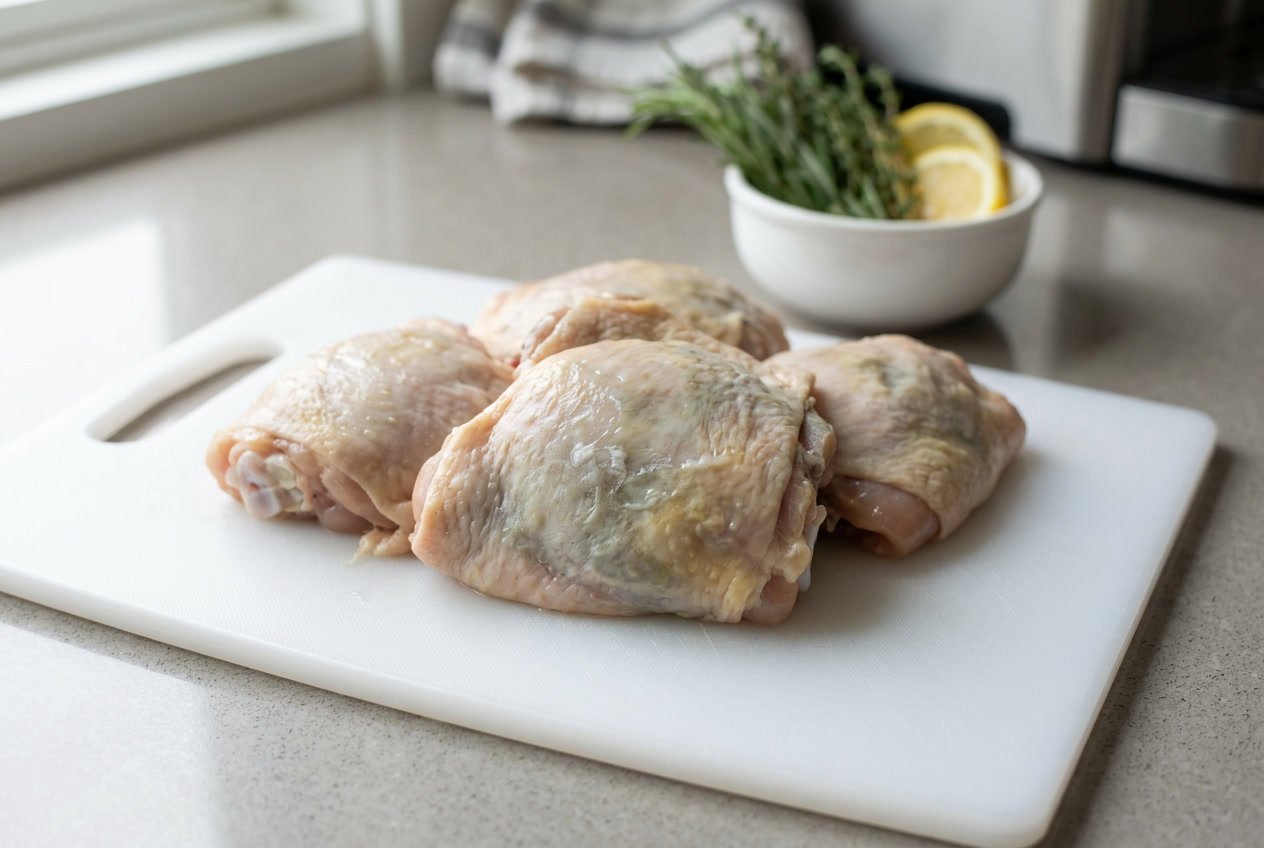
Check smell, touch, and color to identify spoiled chicken thighs. Watch for a sour or sulfuric odor, a slimy film, or gray/green discoloration—any of these means you should discard the meat.
Recognizing Unpleasant Odors
A strong, sour, or rotten smell means the chicken has likely begun to spoil. Fresh raw thighs have a light, slightly sweet or neutral scent.
If the odor is faint but off, move the meat to a clean plate and sniff again at close range. Packaging that balloons or smells before opening also signals spoilage.
When in doubt, throw it out. Smells are one of the fastest, most reliable indicators at home.
Slimy or Sticky Texture
Raw chicken thighs should feel moist but not tacky. If the surface feels slimy, sticky, or unusually slippery, bacteria have likely grown and caused spoilage.
Touch the meat with clean fingers or a paper towel. A slimy film that doesn’t rinse off easily or leaves residue means you should discard the chicken.
Do not taste or cook questionable meat to test texture.
Unusual Color Changes
Fresh chicken thighs are pale pink with white or light beige fat. Gray, green, or iridescent patches indicate spoilage or bacterial activity and make the chicken unsafe.
Pay attention to any brown or yellowing fat and dark spots near the bone. Minor color variation from freezing can be normal, but combined with bad smell or sliminess, it confirms the chicken is spoiled.
Common Smells Indicating Spoilage
Pay attention to specific odors that point to bacterial breakdown rather than mild, meaty scents. Reject chicken immediately if you smell strong sulfur or sharp sour notes.
Sulfur or Rotten Egg Smell
A sulfur or rotten-egg odor on chicken thighs means bacteria have produced gases during spoilage. You’ll notice a distinct, pungent sulfur scent similar to rotten eggs that does not fade with airing.
Anaerobic bacteria produce hydrogen sulfide and related compounds as they break down proteins and fats.
If you detect this odor, discard the chicken and clean any surfaces or containers it touched.
Sour or Ammonia-Like Odors
A sour, sharp, or ammonia-like smell indicates advanced bacterial activity and chemical changes. You might describe it as tangy, bleachy, or like stale sweat—unlike the neutral, slightly sweet smell of fresh chicken.
This odor comes from volatile amines and organic acids produced as bacteria metabolize amino acids.
When you notice this scent, inspect texture and color. If the thighs are slimy, tacky, or show greenish or gray discoloration, throw them out.
If the smell is faint and the chicken otherwise looks normal, err on the side of caution and discard it.
How to Check Chicken Thigh Freshness
Check smell first, then feel the meat and look for changes in color, texture, or packaging. Use refrigeration time and storage history as quick context while you inspect.
Assessing Smell and Texture
Smell the chicken within a few inches of the package. Fresh thighs have a faint, neutral raw-meat scent.
If you detect a sour, ammonia-like, or distinctly rotten odor, discard the meat. Those smells indicate bacterial breakdown and risk of foodborne illness.
Touch the surface with clean fingers or a paper towel. Fresh thighs feel moist and slightly tacky but not slimy.
A slippery, sticky, or filmy coating is a strong sign of spoilage and means you should throw the chicken away.
Consider storage time as part of your judgment. Refrigerated chicken used after 1–2 days or frozen and properly thawed is more likely safe.
Repeated temperature abuse increases the chance that off-odors and sliminess will develop.
Visual Inspection for Spoilage
Open the package and examine color and packaging integrity. Fresh raw thighs are pink to light reddish.
Gray, greenish, or iridescent patches signal spoilage. Watch for excessive pooling of cloudy liquid—clear juices are normal, cloudy or foul-smelling liquid is not.
Check the fat and skin. Yellowing fat or tacky, discolored skin can mean the meat is old or improperly stored.
Look for mold or unusual spots; any visible mold requires discarding immediately.
Confirm package dates and storage conditions when possible. If the sell-by or use-by date has passed and you notice off-odors, sliminess, or discoloration, do not taste to test—throw it out.
Storage and Handling Tips to Prevent Spoilage
Keep chicken thighs cold, wrapped, and separated from other foods. Use the right temperatures and packaging to slow bacterial growth and preserve quality.
Proper Refrigeration Techniques
Store raw chicken thighs at 40°F (4°C) or below on the lowest fridge shelf. Place the thighs in a leakproof container or sealed plastic bag to prevent juices from contaminating other foods.
Use the coldest part of your refrigerator and avoid the door. Plan to cook or freeze raw thighs within 1–2 days of purchase.
Cooked thighs should be eaten within 3–4 days. Check your fridge thermometer weekly to confirm the temperature stays consistent.
Keep packaged thighs toward the back of the fridge where temperature fluctuates least. If you buy bulk packs, divide them into meal-sized portions so you open only what you need.
Safe Freezing and Thawing Methods
Freeze chicken thighs at 0°F (-18°C) or lower to stop bacterial growth. Wrap each portion tightly in plastic wrap, then place in a freezer bag or vacuum-seal to reduce freezer burn.
Label with the date. Raw thighs maintain best quality up to about 9 months frozen; cooked thighs keep 2–4 months for optimal texture.
Thaw frozen thighs in the refrigerator overnight for even defrosting, or use cold water (in a sealed bag) and change the water every 30 minutes if you need it sooner.
If you thaw in the microwave, cook immediately. Never thaw chicken at room temperature.
Packaging and Shelf Life Considerations
Use airtight packaging to limit air exposure and moisture loss. Vacuum-sealed bags or tightly wrapped portions extend freezer quality.
In the fridge, keep thighs in their original packaging if unopened, or transfer to a sealed container once opened.
Label packages with purchase or freezing dates and rotate older items to the front. Note typical safe windows: raw refrigerated 1–2 days, cooked refrigerated 3–4 days, raw frozen up to 9 months, cooked frozen 2–4 months.
Avoid refreezing thawed chicken unless it was thawed in the fridge and never left at room temperature.
Food Safety Guidelines for Chicken Thighs
Handle chicken thighs with care. Check appearance, smell, and texture before use, store at 40°F (4°C) or below, and cook to a safe internal temperature.
Discard any chicken that shows clear spoilage signs or has been left at room temperature for too long.
When to Discard Questionable Chicken
If the chicken thighs give off a sour, ammonia-like, or distinctly foul odor, discard them immediately. Smell is the most reliable quick check.
A mild raw-meat scent is normal, but strong or sharp odors indicate bacterial spoilage.
Look for a slimy or sticky surface and color changes such as grayish, greenish, or unusually dull flesh. These textures and colors signal microbial growth or chemical breakdown.
Discard chicken that has been in the fridge longer than 1–2 days after purchase unless it was frozen. Throw out any chicken left at room temperature for more than 2 hours (1 hour if above 90°F / 32°C).
When in doubt, err on the side of safety.
Cooking Temperatures and Safe Practices
Cook chicken thighs to an internal temperature of 165°F (74°C). Measure at the thickest part without touching bone.
Use a calibrated instant-read thermometer. Verify temperature in two spots for bone-in pieces.
Use separate cutting boards and utensils for raw chicken to prevent cross-contamination. Wash hands and surfaces with hot, soapy water after contact.
Marinate chicken in the refrigerator, not on the counter. Discard used marinade unless you boil it first.
Store raw thighs in sealed containers on the lowest fridge shelf to avoid drips. Freeze for long-term storage and label with the date.
Use frozen chicken within 9 months for best quality. These steps help reduce the risk from spoiled chicken and foodborne pathogens.


