
Should Chicken Thighs Smell? Detecting Freshness and Safety
Raw chicken thighs have a very mild, slightly meaty scent. You should not detect a strong, sour, or ammonia-like smell.
If the odor is sharp, sour, or noticeably off, throw the meat away. Those smells usually signal bacterial growth or spoilage that can make you sick.
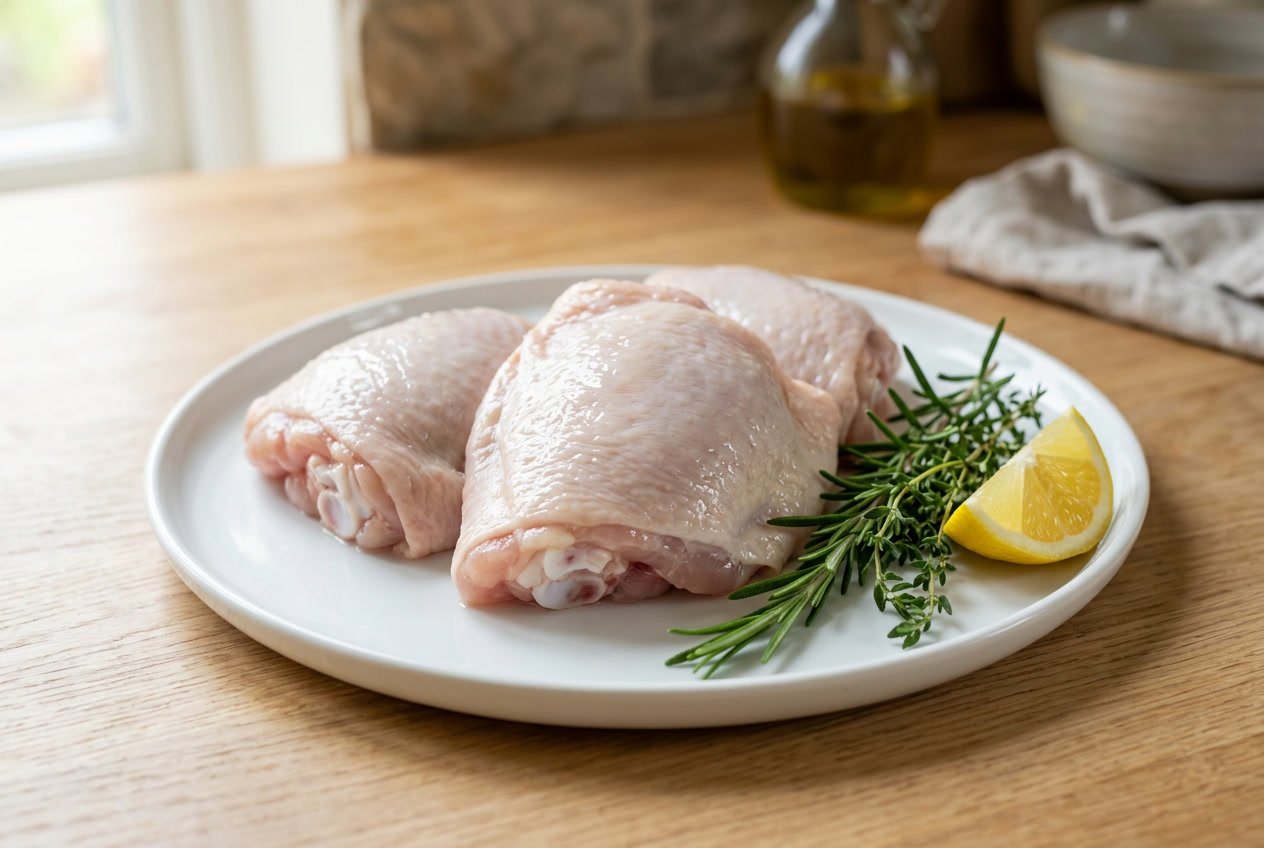
This guide explains the normal scent of chicken thighs, how off-odors form, visible and tactile signs of spoilage, and practical storage and handling steps. Use these checks to help you decide if your chicken is safe to cook.
What Is the Normal Smell of Chicken Thighs?
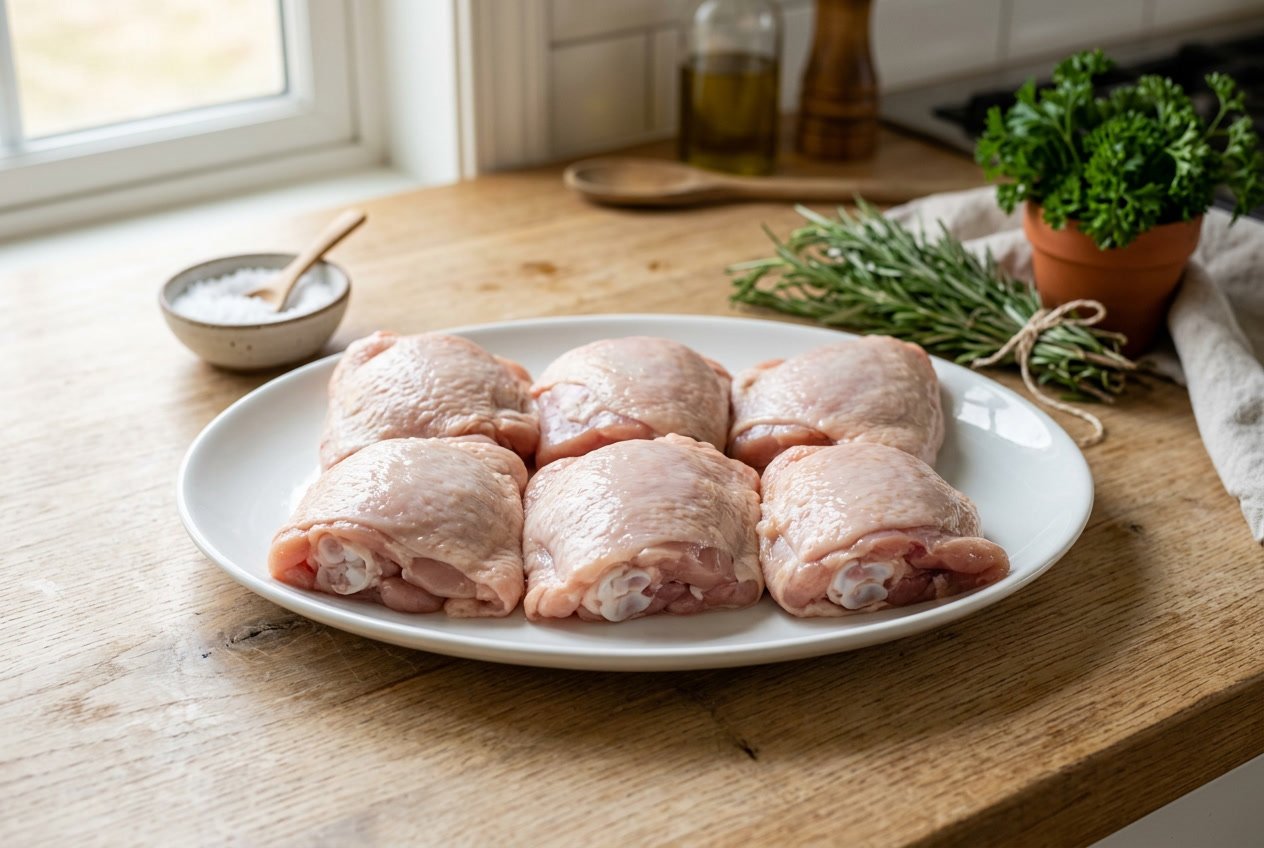
Fresh chicken thighs smell faintly like raw meat with no sharp, sour, or chemical notes. Rely on a mild, slightly metallic or “chicken-like” scent and other cues, such as color and texture, to judge freshness.
How Fresh Chicken Thighs Should Smell
Raw chicken thighs give off a subtle, neutral odor. A fresh thigh often smells faintly meaty or slightly sweet.
If you notice sour, ammonia-like, sulfurous, or rotten notes, the meat is likely spoiled. Check aroma, visual, and tactile signs.
Fresh thighs look pinkish with minimal discoloration and feel firm and moist, not slimy. Store raw chicken at or below 40°F (4°C) and use within 1–2 days to keep that mild scent.
When in doubt, compare to a known-fresh sample or discard the package.
Differences Between Raw and Cooked Chicken Smell
Raw chicken thighs have a low-intensity, neutral aroma. Cooked thighs release a richer, savory scent as fat renders and flavors develop.
Cooking brings out roasted, umami, and fatty notes that should replace any raw-meat smell. If you notice sour or chemical odors during cooking, the meat is spoiled and not safe to eat.
Freezer burn or repeated thawing can also create off-odors even if the chicken started fresh. Trust both smell and texture.
A normal cooked thigh smells appetizing and has no lingering sourness.
Unusual Smells and Their Causes
Certain odors signal spoilage, packaging effects, or chemical changes. Learn to recognize these so you can decide whether to discard or cook the thighs.
Chicken Smells Like Eggs or Sulfur
A sulfur or “eggy” smell usually comes from hydrogen sulfide and related compounds released as proteins break down. Bacteria like some strains of Pseudomonas produce sulfurous gases as they digest amino acids in the meat.
If you notice a rotten-egg odor, check texture and color. Sliminess, grayish tones, or sticky film paired with the smell strongly indicate spoilage and a higher risk of pathogens.
Do not try to mask this with seasoning—discard the meat. Minor sulfur notes can sometimes appear briefly after cooking, but a persistent raw sulfur smell is not normal for fresh thighs.
Chicken Smells Sour or Ammonia-Like
A sour or ammonia-like smell signals advanced protein breakdown and volatile amines produced by bacteria. Ammonia-like odors often mean the meat has been stored too long or at fluctuating temperatures.
If the smell is sour but the texture remains firm and color is normal, consider when you bought it and how it was stored. When sour or ammonia notes come with tackiness, discoloration, or an off-date, discard the chicken.
Never taste to test; rely on smell, look, and feel for a safer assessment.
Confinement Smell from Packaging
A confined “tight-pack” smell can result from gases trapped in vacuum-sealed or cling-wrapped packaging. These gases may produce a temporary skunky or slightly sulfurous odor when you first open the bag.
Allow the thighs to air on a plate for 10–15 minutes and re-smell. If the odor fades and the meat looks pink and feels normal, it was likely a packaging smell.
If the smell persists or other signs of spoilage appear, discard the meat. Also check the sell-by or use-by dates and whether the package was swollen.
Swelling suggests gas production from bacterial spoilage and means you should throw the meat away.
Signs of Spoiled Chicken Thighs
Look for clear cues before cooking: visible color shifts, unusual surface feel, strong odors, and damaged or expired packaging. These signs indicate bacterial growth or poor storage.
Identifying Visual Changes
Check raw chicken thighs under good light. Fresh thighs are moist and pinkish.
If you see gray, green, or blue tinges, that indicates spoilage or mold growth and you should not use the meat. Look for visible mold spots or fuzzy growth.
Even small patches mean contamination has progressed beyond safe levels. Inspect the surface for excessive drying or darkened edges.
That can occur after repeated thawing and refreezing and reduces quality and safety. Examine bone areas and fat.
Yellowed fat or darkened bone marrow suggests aging or bacterial activity, so avoid cooking those pieces.
Slimy or Sticky Texture
Touch the chicken with clean hands or a disposable glove. Fresh chicken feels slightly moist but not tacky.
A slimy, sticky, or filmy coating signals bacterial slime and spoilage. Sliminess often appears after the meat has been stored too long at improper temperatures.
Don’t try to rinse the slime off; rinsing spreads bacteria and won’t make the meat safe. If the texture is tacky but odor and color seem normal, still discard the piece.
Slimy texture alone is a strong sign of bad chicken and increases foodborne risk.
Discoloration Warning Signs
Healthy raw thighs show pale pink flesh with white fat. Gray or brown patches, greenish streaks, or iridescent sheens indicate chemical changes from bacteria or spoilage organisms.
Spotting dark spots near the skin, joints, or bone ends is important. These areas trap moisture and spoil faster.
Localized darkening often accompanies off-odors and sliminess. Slight browning from air exposure can occur and isn’t always dangerous.
Use the full set of signs—texture, smell, and color—before deciding to keep or toss.
Expiration Dates and Packaging
Always check the “use by” or “sell by” date on the package. If a package is past that date, discard the chicken even if it looks okay.
Inspect packaging integrity. Tears, swollen vacuum packs, or excessive liquid inside sealed trays suggest contamination or temperature abuse.
Leaking fluids often carry bacteria and off-odors. If meat was frozen, check for large ice crystals or freezer burn.
Those affect quality but not necessarily safety. When freezer damage is paired with off-odors, discoloration, or slime, throw it out.
Food Safety Risks from Spoiled Chicken
Spoiled chicken can harbor harmful bacteria, cause illness if eaten, and contaminate surfaces or other foods in your kitchen. Pay attention to smell, color, and texture and act quickly if anything seems off.
Bacterial Contamination and Foodborne Illness
Bacteria such as Campylobacter and Salmonella multiply when chicken is stored improperly or kept past its safe use-by date. These pathogens do not always change the chicken’s appearance, so smell and storage history matter.
Cooking can kill many bacteria, but some bacteria produce heat-stable toxins that survive cooking. Chicken that smells sour, ammonia-like, or is slimy should be discarded rather than cooked.
Keep refrigerated chicken at 40°F (4°C) or below and freeze at 0°F (-18°C) to slow bacterial growth. Use or freeze raw thighs within 1–2 days of purchase to reduce risk.
Symptoms After Consuming Bad Chicken
If you eat contaminated chicken, symptoms may appear within hours to several days. Common signs include abdominal cramps, diarrhea, nausea, vomiting, fever, and headache.
Campylobacter can cause bloody diarrhea and severe abdominal pain. Salmonella commonly triggers fever and prolonged diarrhea.
Dehydration risk rises with persistent vomiting or loose stools, so monitor fluid intake. Seek medical care if you have high fever, bloody stool, severe abdominal pain, or signs of dehydration such as dizziness or rapid heartbeat.
Cross-Contamination Prevention
Use separate cutting boards and utensils for raw chicken and ready-to-eat foods. Wash hands for at least 20 seconds after handling raw poultry.
Sanitize surfaces with a bleach solution (1 tablespoon bleach per gallon of water) or another EPA-registered disinfectant after contact with raw chicken juices. Store raw thighs on the lowest refrigerator shelf in a sealed container to prevent drips.
When thawing, do so in the refrigerator, in cold water changed every 30 minutes, or in the microwave and cook immediately. Never leave raw chicken at room temperature more than two hours or more than one hour above 90°F (32°C).
Proper Storage and Handling of Chicken Thighs
Keep raw chicken cold, separate from other foods, and use or freeze it within recommended timeframes. Store thighs in airtight packaging to prevent drip contamination and protect flavor.
Refrigeration Best Practices
Store raw chicken thighs in the coldest part of your refrigerator at 40°F (4°C) or below. Place the original packaging on a plate or in a shallow pan to catch juices and put it on the bottom shelf.
Use raw chicken within 1–2 days of purchase. If you won’t cook it within that window, freeze it immediately.
Check your fridge temperature with an appliance thermometer and adjust the settings if it reads above 40°F (4°C). Keep raw chicken sealed in its packaging or transfer to an airtight container.
Label with the date to track storage time. Wash hands, utensils, and surfaces with hot, soapy water after handling raw poultry.
How to Freeze Chicken Thighs
Freeze chicken thighs as soon as possible to preserve quality and safety. For short-term freezing (up to 3 months), keep thighs in their original retail packaging and place inside a resealable freezer bag to reduce air exposure.
For longer storage (3–9 months), wrap each thigh tightly in plastic wrap or butcher paper, then place in a heavy-duty freezer bag or vacuum-seal. Remove as much air as possible and label each package with the freeze date.
Freeze in single layers on a tray if you want to store portions separately. This prevents clumping and lets you remove exactly what you need without thawing the whole batch.
Freezer Burn: Prevention and Impact
Freezer burn happens when air contacts the surface of frozen chicken and dehydrates it, leaving grayish-brown, dry patches. It affects texture and flavor but does not make chicken unsafe if no other spoilage signs are present.
Prevent freezer burn by eliminating air. Use vacuum sealing, double-wrap in plastic wrap plus foil, or use high-quality, airtight freezer bags.
Squeeze out excess air and seal tightly before freezing. If you find freezer-burned areas, trim them away before or after cooking.
Expect drier meat and milder flavor. Compensate with sauces, marinades, or moist cooking methods like braising.
Safe Thawing Methods
Thaw chicken thighs in the refrigerator for the safest results. Place sealed thighs on a plate on the bottom shelf and allow 24 hours per 1–1.5 pounds for full thaw.
Keep them below 40°F (4°C) while thawing. For faster thawing, submerge sealed thighs in cold water, changing the water every 30 minutes.
Plan on about 1–2 hours depending on portion size. Cook immediately after cold-water thawing.
You may use the microwave’s defrost setting if you’ll cook the chicken immediately afterwards. Avoid thawing chicken at room temperature, which allows bacteria to multiply and increases spoilage risk.
Guidelines for Assessing Chicken Thigh Freshness at Home
Check smell, look, and feel in that order. Confirm storage time and temperature before deciding.
When in doubt, prioritize safety and discard any chicken that shows multiple spoilage signs.
Using Your Senses Effectively
Start with smell. Fresh raw chicken has a very mild, neutral scent. If you notice a sour, ammonia-like, sulfurous, or otherwise pungent odor, the chicken is likely spoiled.
Bring the package close without touching and take a single short sniff. Strong unpleasant odors indicate bad chicken.
Next, inspect color and texture. Fresh thighs are pinkish and moist. Gray, greenish, or dull discoloration signals spoilage.
Press gently on the meat. Fresh meat feels firm and slightly springy. Slimy, sticky, or tacky surfaces mean bacterial growth, even if the odor is weak.
Check packaging and dates. Swollen or leaking packages and broken seals raise the risk of spoilage.
Store raw chicken in the refrigerator for no more than one to two days. Use a fridge thermometer to confirm storage at or below 40°F (4°C).
What To Do If You Suspect Spoilage
If you detect a strong off odor or see discoloration, do not taste the meat. Place the chicken in a sealed bag and dispose of it in an outdoor bin if possible to avoid cross-contamination and lingering smells in the kitchen.
Clean and sanitize any surfaces, utensils, and your hands after contact. Use hot, soapy water to wash items, then apply a household disinfectant or a solution of 1 tablespoon bleach per gallon of water on non-porous surfaces.
Launder cloths and sponges immediately. If you recently bought the chicken and suspect it was already bad, contact the retailer with purchase details and keep your receipt.
If several people ate the meat and show symptoms such as nausea, vomiting, diarrhea, or fever, seek medical advice and report the incident to your local health department. If you are unsure about safety, throw it out.


