
Should Chicken Thighs Be Pink? Safe Cooking and Color Guide
You can safely eat chicken thighs that still look a little pink if the thickest part reads 165°F (74°C) on an instant-read thermometer.
Color alone doesn’t guarantee safety; internal temperature does.
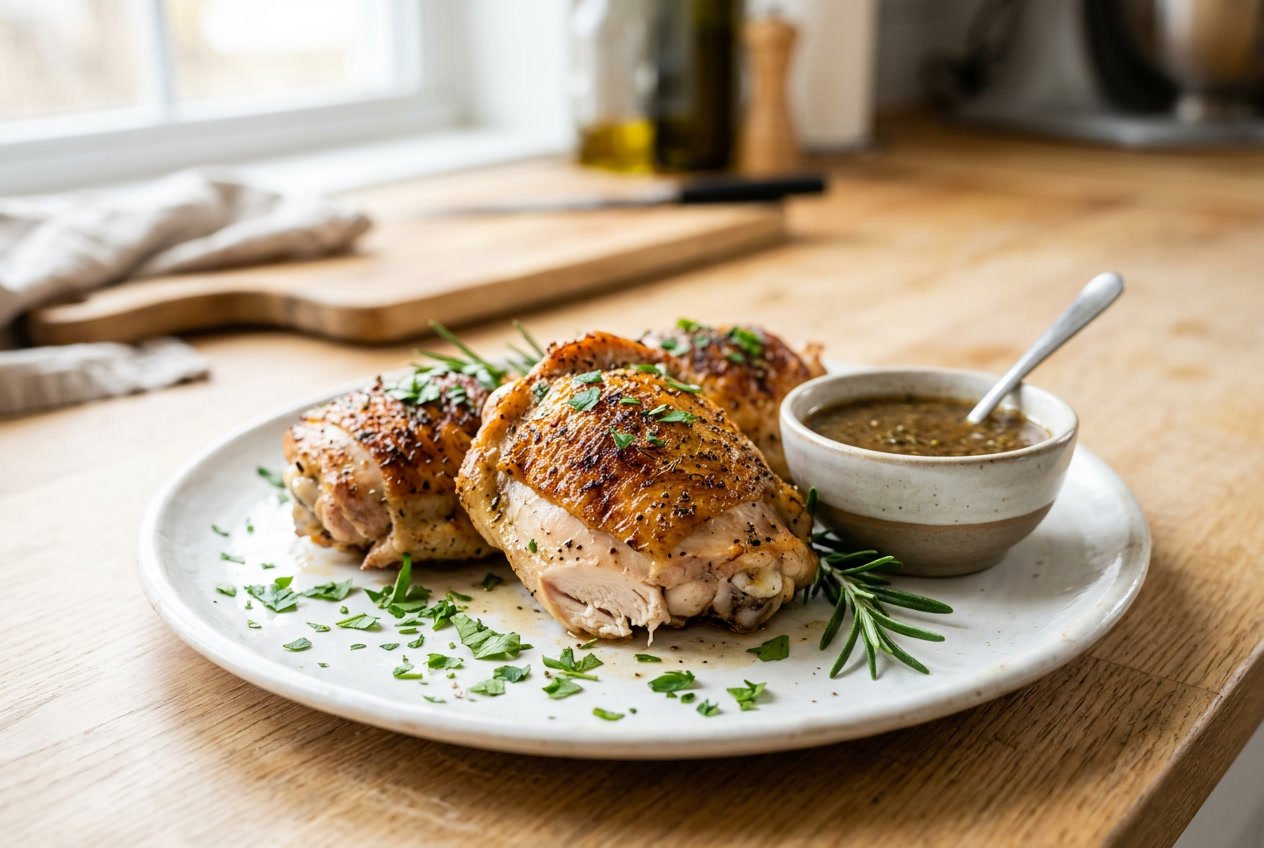
Chicken thighs sometimes stay pink because of myoglobin, cooking method, and bird factors.
Learn how to test doneness accurately, which cooking methods change color, and steps to avoid foodborne illness so you can cook confidently.
Is It Safe If Chicken Thighs Are Pink?
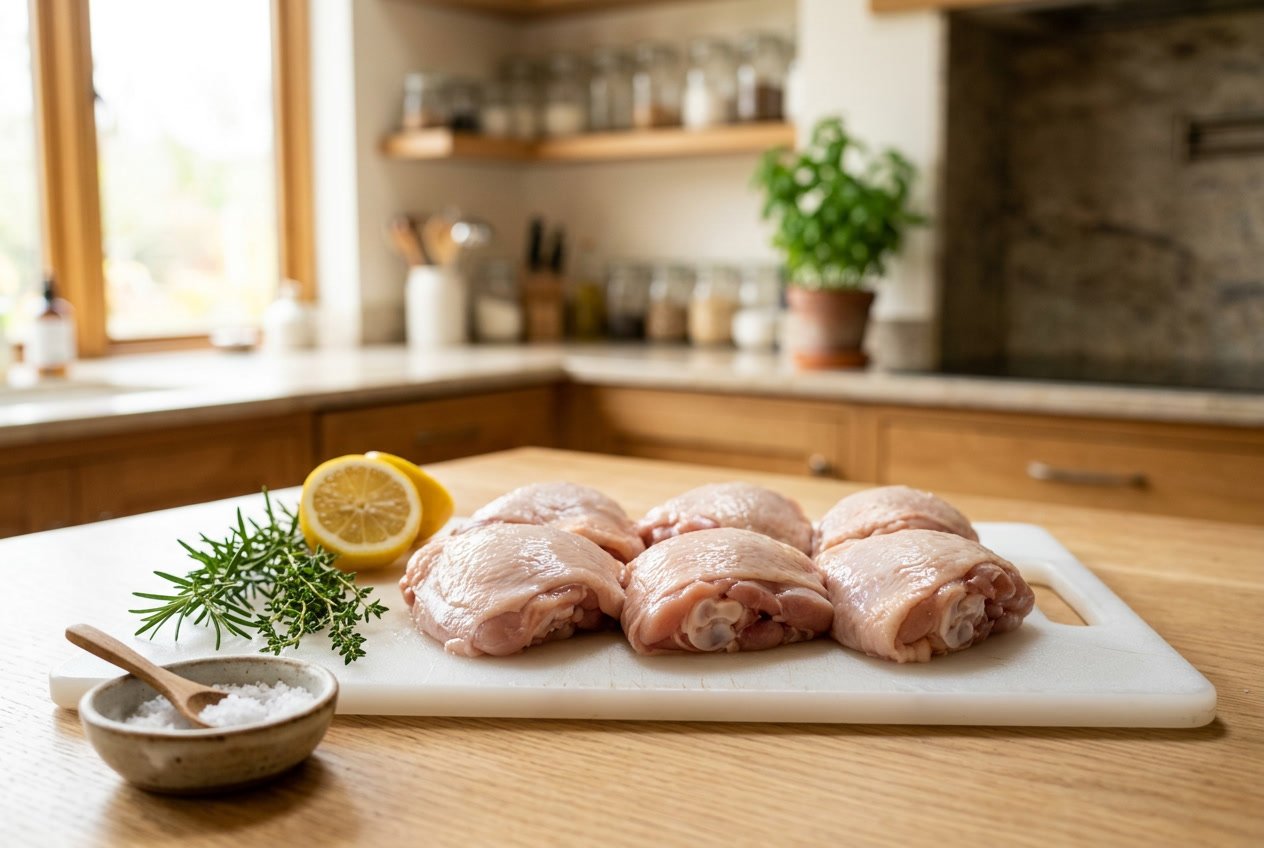
You can safely eat chicken thighs that look pink as long as you verify doneness by temperature and other clear signs.
Color alone can mislead because dark meat and certain cooking methods often leave a pink hue even when the meat has reached a safe temperature.
Food Safety Guidelines for Chicken Thighs
Follow precise handling and cooking steps to reduce risk.
Keep raw thighs refrigerated at 40°F (4°C) or below and use within 1–2 days, or freeze them.
Thaw frozen thighs in the refrigerator or under cold running water, never at room temperature.
When you cook, avoid cross-contamination by using separate cutting boards and utensils for raw and cooked meat.
Wash hands and surfaces with hot, soapy water after contact with raw chicken.
Refrigerate leftovers within two hours in shallow containers to cool quickly.
Use a calibrated meat thermometer and target the correct internal temperature.
Make temperature checks a habit instead of relying on texture or color.
Health Risks of Undercooked Chicken
Undercooked chicken can contain bacteria such as Salmonella and Campylobacter that cause foodborne illness.
Symptoms include diarrhea, fever, and abdominal cramps, typically starting within 6–48 hours and sometimes requiring medical care.
The bacterial risk increases if you mishandle chicken by leaving it too long at room temperature, cross-contaminating, or not cooking evenly.
Bone-in thighs can cook unevenly near the bone, so measure temperature in the thickest part without touching bone.
For people with weakened immune systems, pregnant people, young children, and older adults, the consequences of infection can be more severe, so strict temperature verification matters.
Safe Internal Temperature for Chicken Thighs
Measure temperature in the thickest part of the thigh, avoiding bone contact.
The USDA minimum safe internal temperature for all poultry is 165°F (74°C).
Insert the probe until it reaches the center.
If the reading is lower, continue cooking and recheck.
You may see pink near the bone or a pink tinge in dark meat even after reaching 165°F.
That pink color does not indicate danger if the thermometer confirms 165°F or higher and juices run clear.
Let thighs rest 3–5 minutes after cooking; carryover heat can raise the internal temperature slightly and redistribute juices.
Understanding Why Cooked Chicken Thighs Can Be Pink
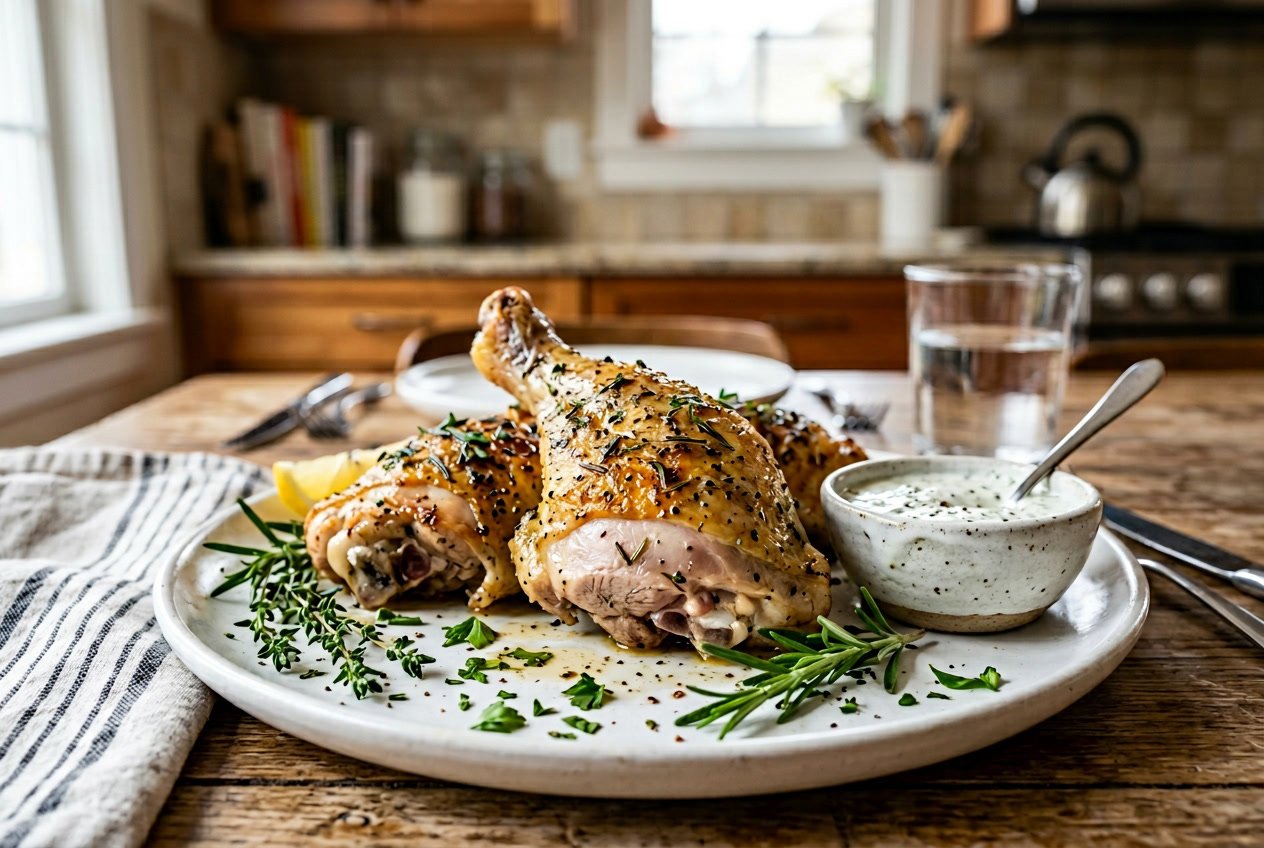
Dark meat sometimes stays rosy after cooking for specific reasons.
Learn which signs matter for safety versus appearance.
The Role of Myoglobin in Meat Color
Myoglobin is the oxygen-binding protein that gives muscle its color.
Dark meat like thighs contains more myoglobin than breast meat, so even when fully cooked the tissue can retain a pink or reddish tint.
Heat denatures myoglobin and usually changes color, but the amount and distribution of myoglobin, plus cooking temperature, determine how much pink remains.
Lower cooking temperatures and shorter cook times can leave more myoglobin color intact without being unsafe, as long as internal temperature targets are met.
Use a probe thermometer in the thickest part of the thigh, avoiding bone, to confirm doneness.
Color alone can mislead you because myoglobin color and safety are not perfectly correlated.
Pinkness Near the Bone
Pink near the bone often appears in bone-in thighs due to marrow pigments and heat transfer differences.
Bones conduct heat differently than muscle, so the tissue close to the bone may cook differently and hold a rosy hue even after the center reaches safe temperature.
Commercial processing and young birds can exaggerate the effect.
Younger chickens often have more translucent bones and less pigment diffusion, making the surrounding meat look pinker.
When you cut into a thigh, check for clear juices and use a thermometer reading of 165°F (74°C) in the thickest meat near the bone to verify safety.
If bone fragments or blood vessels are present, you might see localized darker spots; those are visual cues but not definitive signs of undercooking.
Smoke Ring and Cooking Methods
Smoking and certain high-heat methods create a visible pink “smoke ring” that is chemical, not biological.
Nitric oxide from smoke reacts with myoglobin to form a stable pink compound; the ring can extend several millimeters into the meat and persist after the meat reaches safe temperature.
Brining and curing agents also affect pink color by altering myoglobin chemistry.
Grilling, searing, and smoking can leave surface or near-surface pink tones while the interior is fully cooked.
Focus on internal temperature and clear juices rather than the presence of a smoke ring or surface pinkness when judging doneness.
How to Accurately Check Chicken Thigh Doneness
Use a reliable method and avoid guessing.
Focus on internal temperature and juice color, and prepare a calibrated instant-read meat thermometer before you cut or serve.
Using a Meat Thermometer Correctly
Insert an instant-read meat thermometer into the thickest part of the thigh, avoiding contact with bone.
Leave the probe in place until the reading stabilizes; most digital probes take 3–10 seconds.
Aim for at least 165°F (74°C) for safety per USDA guidance.
For juicier, more tender dark meat many cooks target 175–180°F (79–82°C); monitor closely to prevent overcooking.
Calibrate your thermometer occasionally by testing it in an ice-water bath (should read 32°F / 0°C) and adjust readings if needed.
If you check a whole chicken, measure both the thigh and the breast separately.
Record temperatures at several points in thicker pieces to ensure even doneness.
Clean the probe with hot soapy water between uses to avoid cross-contamination.
Checking If Juices Run Clear
After probing or cutting a small incision, observe the juices that escape from the thickest part of the thigh.
Clear or slightly straw-colored juices usually indicate the meat has reached a safe temperature.
Juices can appear clear even when meat hasn’t reached a safe internal temperature if the bird was exposed to certain gases or acidity from a marinade.
If you see pink or red juices, continue cooking and retest with your food thermometer.
Combine both checks: use the thermometer as your primary indicator and use juice clarity as a quick visual confirmation.
This dual approach reduces risk and helps you serve thigh meat that’s both safe and palatable.
Cooking Methods That Affect Chicken Thigh Color
Different cooking techniques change surface chemistry and internal temperature gradients, which in turn alter how pink the thigh looks and where that color appears.
Pay attention to heat source, cooking time, and whether you probe near bone.
Color can be misleading without a thermometer.
Grilling, Smoking, and Roasting Effects
Grilling and smoking expose thighs to high, direct heat and smoke compounds.
Smoke and myoglobin reactions can produce a persistent pink ring near the surface called the “smoke ring”; this is cosmetic and not a safety indicator.
High grill temperatures also sear the exterior quickly, which can leave the interior pinker near the bone even when the center reaches safe temperature.
Roasting at steady oven temperatures promotes more even cooking through the meat.
Roasting bone-in thighs can still show pink near the bone because bone marrow pigments diffuse during cooking.
If you brine or use acidic marinades, expect slightly different color retention.
Salt and acids affect protein structure and can intensify pink hues.
Practical tips:
- Use a probe thermometer in the thickest part, avoiding bone.
- For smoked thighs, confirm 165°F (74°C) at the deepest point.
- Sear first for color control, then finish in oven for even doneness.
Carryover Cooking and Resting Meat
Carryover cooking raises internal temperature after you remove thighs from heat.
Larger bone-in pieces can gain 5–10°F (3–6°C) as they rest, which helps eliminate residual pinkness without overdrying.
Plan removal temperature: pull bone-in thighs around 160–162°F (71–72°C) if you will rest them to reach 165°F (74°C).
Resting also allows juices to redistribute, reducing the chance that cutting will show raw-looking juices.
Let thighs rest 5–10 minutes on a warm rack or plate, loosely tented with foil.
Avoid skipping rest; cutting too soon both misleads you about pink color and causes more moisture loss.
Quick checklist:
- Remove at target pull temperature, not final temp.
- Rest 5–10 minutes to complete carryover and settle juices.
- Recheck with a thermometer if you need absolute certainty.
Preventing Foodborne Illness When Cooking Chicken Thighs
Stop bacteria before they reach your plate: keep raw chicken separate from ready-to-eat foods, use a thermometer to confirm 165°F (74°C) in the thickest part, and store or chill within safe time limits.
Prevent Cross-Contamination
Keep raw chicken and its juices away from other foods.
Use a designated cutting board and knife for raw poultry, or wash them in hot, soapy water immediately after use.
Never place cooked chicken on a plate that held raw chicken unless you’ve washed the plate and utensils.
Sanitize surfaces after contact.
Wipe counters with a bleach solution (1 tablespoon bleach per gallon of water) or a commercial kitchen sanitizer.
Pay special attention to handles, refrigerator seals, and sponges.
Practice safe hand hygiene.
Wash your hands for at least 20 seconds after handling raw chicken, and avoid touching your face or other foods until you’ve done so.
Replace or launder cloths used to clean up raw juices each day.
Proper Handling and Storage
Refrigerate raw chicken at 40°F (4°C) or below and use within 1–2 days, or freeze at 0°F (-18°C) for longer storage.
Thaw frozen thighs in the refrigerator, in cold water changed every 30 minutes, or in the microwave.
Never thaw chicken on the countertop.
Cook thighs to an internal temperature of 165°F (74°C) measured in the thickest part, avoiding bone contact.
After cooking, refrigerate leftovers within 2 hours in shallow containers to cool quickly.
Consume refrigerated leftovers within 3–4 days or freeze them.
Label packages with dates.
If you marinate chicken, do so in the refrigerator and discard used marinade unless you boil it first.
When reheating, bring internal temperature back to 165°F (74°C) before serving.
Factors Influencing Cooked Chicken Thigh Appearance
Several controllable and biological factors determine whether your chicken thighs retain a pink hue after cooking.
Temperature, muscle chemistry, and treatment before cooking all play major roles in final color.
Age and Breed of Chicken
Younger birds often produce pinker thigh meat because their muscles contain less fat and a different fiber composition.
Less intramuscular fat means the myoglobin and residual blood pigments remain more visible after cooking.
Certain breeds selected for rapid growth or dark meat will naturally yield darker, sometimes pink-tinted, thighs even when fully cooked.
Bone proximity matters too.
Meat near the bone can stay pink because the bone conducts heat differently and may leach marrow pigments during cooking.
When you cook bone-in thighs, expect more color variation than with boneless pieces.
Always rely on internal temperature rather than color to judge doneness.
Effects of Marinades, Brines, and pH
Acidic marinades like vinegar and citrus change muscle proteins and affect color stability.
Acid partially denatures proteins. This process can lighten or intensify pink tones depending on concentration and time.
Brining increases water retention. It can make thigh meat appear juicier and darker after cooking.
Smoking and curing add nitrites or smoke compounds that bind to myoglobin. These compounds produce persistent pink or rosy hues.
If you use a curing agent, a pink color does not indicate undercooking.
Control exposure time. Long marinades or strong brines cause more pronounced color shifts.
Use a meat thermometer to confirm safety. Do not rely on appearance.


