
Is Eating Chicken Thighs Bad for You? Nutrition, Risks, and Cooking Tips
You can enjoy chicken thighs without guilt if you pay attention to portion size and preparation.
Chicken thighs offer high-quality protein and valuable nutrients. They become unhealthy mainly when you cook them with excessive fat, salt, or heavy breading.
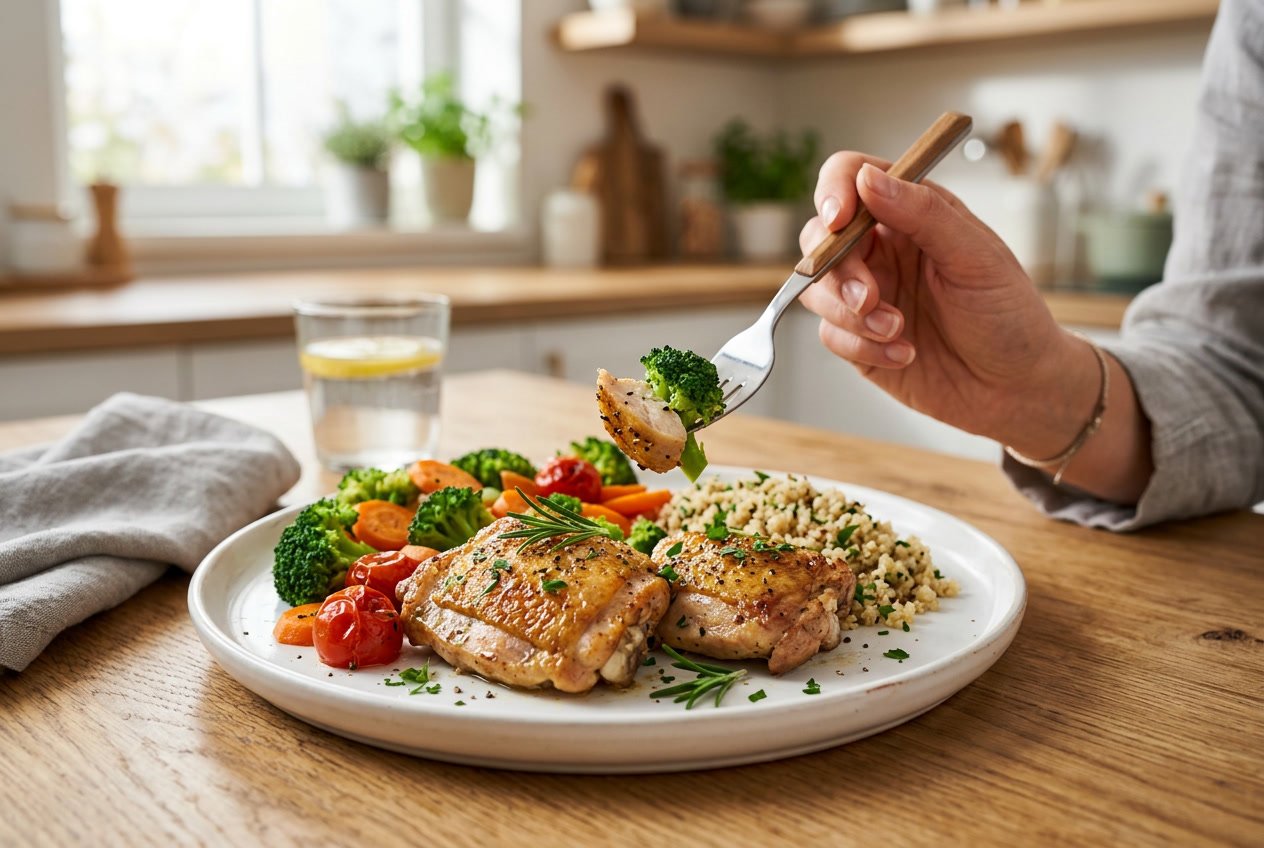
This post shows you the thighs’ nutrition profile and how their fat and cholesterol compare to other cuts.
You’ll learn about the health benefits they offer and practical ways to cook them so they fit into a balanced diet.
Are Chicken Thighs Bad For You?
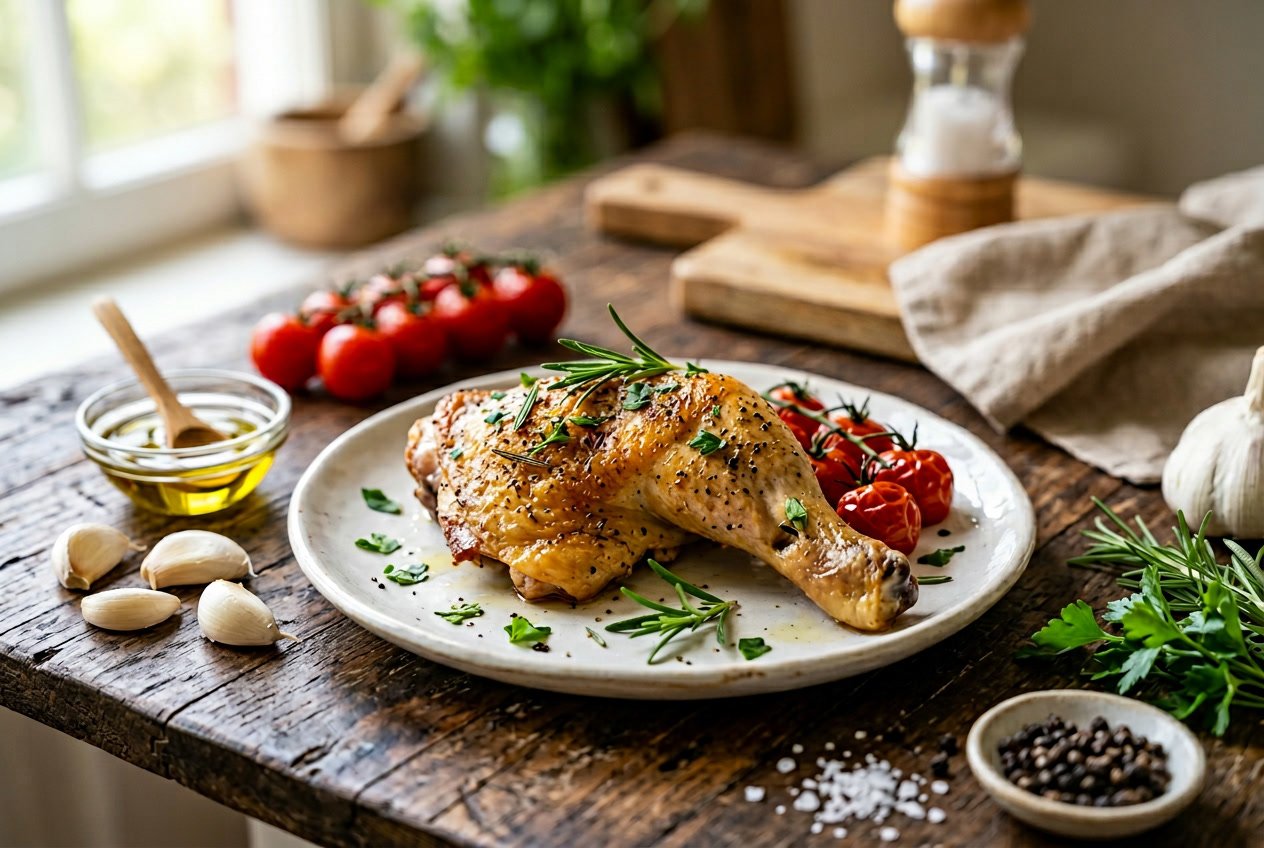
Chicken thighs provide more calories and fat than breast meat but also supply notable protein and micronutrients.
How you prepare them and how often you eat them determine their effect on your health.
Common Health Concerns
You may worry about calories, saturated fat, and cholesterol when choosing thighs.
A 3-ounce skinless thigh typically delivers about 160–180 calories, roughly 8–10 grams of total fat, and 1–2 grams of saturated fat.
If you keep the skin, those numbers rise substantially, adding roughly 100 calories and several grams of saturated fat per serving.
Portion control and cooking methods matter.
Grilling, baking, or stir-frying with minimal oil cuts added fat compared with deep-frying or heavy cream sauces.
If you monitor blood lipids or follow a calorie-restricted plan, choose skinless portions and pair thighs with vegetables and whole grains.
Reputation Compared to Other Cuts
Chicken breast is leaner: about 3 ounces contains roughly 120–140 calories and 2–3 grams of fat, so it fits better into very low-fat or low-calorie diets.
Thighs have more iron, zinc, and B12 per ounce than breast.
That makes them valuable if you need those micronutrients or prefer richer flavor.
Use breast when you need lower fat.
Use thighs when you want juicier texture or more minerals.
Both can fit into a healthy diet depending on your goals.
Scientific Consensus
Nutrition experts agree that both dark and white chicken meat can be part of a healthy diet.
Guidelines emphasize overall dietary patterns rather than focusing on single cuts of meat.
Evidence supports choosing lean preparation methods and limiting saturated fat intake to under 10% of daily calories for most people.
If you have specific medical needs, your clinician or dietitian can recommend portion sizes and frequencies.
For most healthy adults, occasional or regular consumption of skinless chicken thighs prepared without excess oil fits within nutrition advice.
Chicken Thigh Nutrition

Chicken thighs offer concentrated protein along with higher fat than breast meat.
A typical 3-ounce (about 85 g) cooked, skinless serving provides roughly 20–22 g of protein and multiple micronutrients.
Macronutrient Profile
A 3-ounce cooked, skinless chicken thigh delivers about 160–180 calories, with roughly 20–22 g protein and 8–10 g total fat.
Protein from thighs contains all nine essential amino acids, so it counts as a complete protein source.
Fat in thighs includes both unsaturated and saturated types; saturated fat is about 1.5–2.5 g per 3-ounce portion.
Calories and fat rise substantially when you keep the skin—expect an extra ~100 calories and 8–10 g fat per 3-ounce serving with skin on.
Carbohydrate is negligible (0 g), so thighs fit low-carb plans.
If you track macros, use skinless values for leaner targets and skin-on values when flavor or juiciness matters.
Key Vitamins and Minerals
Chicken thighs supply important micronutrients: iron, zinc, phosphorus, selenium, and vitamin B6.
Iron in thighs helps oxygen transport and is higher than in white meat.
Zinc supports immune and wound-healing processes.
Vitamin B6 in a 3-ounce portion helps energy metabolism and amino acid processing.
Phosphorus supports bone health and cellular energy, and selenium acts as an antioxidant cofactor.
Amounts vary by portion size.
If you need higher iron or zinc, pair thighs with vitamin C–rich vegetables to boost absorption.
Nutrition Facts for Skinless vs With Skin
Compare typical cooked 3-ounce (85 g) values:
- Skinless: ~160–180 kcal; 20–22 g protein; 8–10 g total fat; 1.5–2.5 g saturated fat.
- With skin: ~250–280 kcal; 18–20 g protein; 18–20 g total fat; 4–6 g saturated fat.
Keeping the skin nearly doubles fat and adds about 70–120 calories per serving.
Sodium and cholesterol can also vary with processing and seasoning.
Choose skinless thighs to reduce calories and saturated fat, or use skin-on sparingly for flavor and moisture.
Cooking method further alters final nutrition: grilling or baking minimizes added fats compared with frying or heavy sauces.
Fat Content and Cholesterol in Chicken Thighs
Chicken thighs contain more total fat and cholesterol than chicken breast, but most of that fat is not purely saturated.
Choosing skinless chicken thigh and cooking methods that limit added fat can substantially reduce the saturated fat and calorie load of a meal.
Saturated Fat vs Monounsaturated Fat
A 3-ounce skinless chicken thigh typically contains about 9 grams of total fat, with roughly 2 grams as saturated fat and the rest largely monounsaturated and polyunsaturated fats.
Monounsaturated fat helps lower LDL (“bad”) cholesterol when it replaces saturated fat in your diet.
Saturated fat can raise LDL levels if consumed in excess.
Skinless poultry like a skinless chicken thigh still has more fat than breast meat, but it provides beneficial fatty acids and essential nutrients.
If you monitor saturated fat intake, swapping some high-saturated-fat foods for skinless chicken thighs can fit within healthy limits.
Impact of Skin
The skin on a roasted chicken thigh nearly doubles calories and increases total and saturated fat substantially.
A 3-ounce thigh with skin can provide around 18 grams of fat and over 5 grams of saturated fat, depending on preparation.
Removing the skin before or after cooking drops fat content by roughly half and reduces saturated fat intake.
Grilling, baking, or broiling lets fat drip away.
Frying or adding heavy sauces adds back calories and saturated fat.
Effects on Cholesterol Levels
A 3-ounce skinless chicken thigh contains about 100–105 mg of cholesterol.
Dietary cholesterol has less effect on blood cholesterol for most people than saturated fat does.
People with certain conditions may need stricter limits.
To protect cardiovascular health, focus on overall dietary patterns: limit saturated fat, choose skinless poultry, and pair thighs with vegetables and whole grains.
Health Benefits of Chicken Thighs
Chicken thighs provide concentrated protein, iron, and zinc in a relatively inexpensive package.
You get amino acids for tissue repair, minerals that support red blood cell production and immunity, and fats that help absorb fat-soluble nutrients.
Support for Muscle Health
Chicken thighs deliver about 20–32 grams of high-quality protein per typical 3–4 ounce serving.
You can rely on that protein for post-workout repair and daily maintenance of lean mass.
The fat content in thighs is higher than in breast, but that fat provides extra calories to support muscle growth when you need a calorie surplus.
If you track macros, removing the skin cuts fat and keeps protein density high.
Include chicken thighs with a carb source after exercise to replenish glycogen and optimize muscle protein synthesis.
Bone Health Contributions
Chicken thighs contain bioavailable iron and zinc, plus smaller amounts of vitamin B12 and phosphorus.
Iron supports collagen synthesis indirectly by ensuring energy for bone-forming cells.
Zinc participates directly in bone matrix formation and mineralization.
Regular intake of iron and zinc from sources like chicken thighs can help maintain bone turnover as you age.
Pair thighs with calcium-rich foods and vitamin D to support bone health.
Role in Immune Function
Chicken thighs are a good source of zinc, which plays a central role in immunity by supporting white blood cell function and wound healing.
A single serving provides a meaningful portion of your daily zinc requirement.
Iron in thighs also supports immune health by enabling oxygen delivery to immune cells.
Preparing thighs in broths or soups adds fluid and electrolytes, which can aid recovery during illness.
Comparing Chicken Thighs to Other Protein Sources
Chicken thighs deliver more fat, iron, and flavor than many lean choices, while still providing substantial protein.
Pay attention to preparation (skin on vs. skinless) and portion size to match your goals for calories, saturated fat, and micronutrients.
Chicken Thighs vs Chicken Breasts
Skinless chicken thighs contain more fat and slightly less protein per ounce than chicken breast.
For example, 100 g of boneless, skinless chicken breast has about 22–23 g protein and ~2 g fat.
100 g of boneless, skinless chicken thigh has roughly 18–19 g protein and ~8 g fat.
That extra fat slows digestion, increases satiety, and improves absorption of fat-soluble vitamins.
It also raises calories and saturated fat compared with breast meat.
Choose thighs if you want juicier texture or longer fullness, and choose breasts if you need the leanest, highest-protein option for a given calorie budget.
Comparison With Red Meats
Compared with broiled ground beef or pork shoulder, chicken thighs generally provide less saturated fat and fewer calories per equivalent serving when skin is removed.
Ground beef and pork shoulder often have higher overall fat and saturated fat content, depending on the cut and lean percentage.
You still get iron and zinc from thighs, though red meats usually supply more heme iron per serving.
If you want a middle ground between very lean chicken breast and fattier red meat, skinless chicken thighs offer a balance of flavor, micronutrients, and moderate fat.
Understanding Serving Sizes
A standard cooked portion is about 3–4 ounces (85–115 g).
For a boneless, skinless chicken thigh that’s roughly one piece, expect ~140 calories and ~18–22 g protein depending on size and cooking method.
If you compare to a 3-ounce broiled ground beef patty (lean), calories and saturated fat often exceed that of a skinless thigh unless the beef is very lean.
Adjust portions if you’re tracking calories, protein targets, or saturated fat.
Two small thighs will double calories and fat relative to one breast portion, while one breast may supply similar protein with fewer calories.
Healthy Ways to Prepare Chicken Thighs
Choose cooking methods that limit added fat and control sodium while keeping the meat juicy and flavorful.
Focus on skinless thighs, moderate oil, high-heat finishing, and herbs, citrus, or spice rubs instead of heavy sauces.
Baking and Roasting
Baking or roasting gives you tender, evenly cooked thighs with minimal added fat.
Use boneless, skinless thighs when possible to cut saturated fat.
Place them on a rimmed sheet pan or roasting rack so air circulates and excess fat drips away.
Season with salt sparingly, then add garlic, rosemary, thyme, smoked paprika, or lemon zest for flavor without sodium.
Brush lightly with 1 teaspoon of olive oil per thigh or use a spritz of oil to promote browning while keeping calories controlled.
Roast at 425°F (220°C) for 20–30 minutes depending on thickness, or bake at 375°F (190°C) for 25–35 minutes until internal temperature reaches 165°F (74°C).
Let rest 5 minutes before slicing to retain juices.
For crisp skin while limiting fat, roast skin-on thighs on a rack and remove skin before eating.
Use the pan drippings to flavor vegetables or whole grains, not to baste repeatedly.
Grilling
Grilling creates a charred flavor and lets excess fat drip away, making it a healthy choice. Trim visible fat and marinate briefly in an acid-based mix such as lemon juice, vinegar, or yogurt with herbs to tenderize and add flavor without heavy oil.
Preheat the grill to medium-high and oil the grates lightly to prevent sticking. Grill boneless, skinless thighs for 4–6 minutes per side, turning once, until they reach 165°F (74°C).
Thicker bone-in pieces need longer and benefit from indirect heat. Watch for flare-ups from drippings and move thighs to cooler zones if flames get high.
Finish with a squeeze of citrus or chopped fresh herbs. Skip sugary glazes to keep sodium and added sugar low.
Avoiding Frying and Heavy Sauces
Frying and thick, creamy, or sugary sauces add significant calories, saturated fat, and sodium that reduce the benefits of chicken thighs. Avoid deep-frying and heavy batters.
Pan-frying in large amounts of oil increases fat content quickly. For a crisp exterior, use an air fryer with a light spray of oil or coat thighs in a small amount of whole-grain breadcrumbs with spices and bake.
Choose thin pan sauces made from deglazed stock, tomatoes, or a splash of wine, finished with herbs instead of cream or butter. Keep portions in check: one thigh (about 3–4 oz cooked) paired with a vegetable and whole grain keeps the meal balanced.
Tips for Including Chicken Thighs in a Balanced Diet
Choose lean preparation and sensible portions. Rotate protein sources during the week and pair thighs with fiber-rich vegetables and whole grains to balance fat and calories.
Managing Portion Sizes
Aim for a cooked portion of about 3–4 ounces of boneless skinless chicken thighs per meal, about the size of a deck of cards. This typically provides about 20–25 grams of protein while keeping calories and fat reasonable.
If you use thighs with skin, trim visible fat or remove the skin after cooking to cut added fat and saturated fat. Weigh or use a visual portion guide when meal prepping to avoid accidental overserving.
Adjust portion size based on your needs. Athletes may need larger portions for recovery, while those watching weight might stick to the lower end.
When dining out, consider splitting an entrée or asking for a take-home box to control how much you eat.
Balancing with Other Protein Sources
Rotate chicken thighs with other proteins such as fish, beans, lentils, tofu, and lean cuts of beef or pork. This ensures a variety of amino acids, micronutrients, and fatty acid profiles.
Plan at least two plant-based protein meals weekly. Beans and lentils pair well with shredded or diced thighs in salads and bowls, increasing fiber and lowering overall meal fat density.
Use chicken thighs in recipes that stretch protein across multiple servings, like stews or grain bowls. This approach helps meet needs for iron, omega-3s, and fiber from plant sources.
Pairing With Nutritious Sides
Pair thighs with whole grains like brown rice, farro, or quinoa and high-fiber vegetables such as broccoli, Brussels sprouts, or leafy greens. These combinations help slow digestion, increase satiety, and balance blood sugar.
A typical plate includes 3–4 ounces of cooked thigh, 1 cup of cooked whole grain, and 1–2 cups of vegetables.
Choose cooking methods that limit added fat. Grill, bake, roast, or stir-fry with a small amount of olive oil.
Use herbs, citrus, vinegar, garlic, and spices to add flavor instead of heavy sauces or too much salt. Check reputable sources like Livestrong or SF Gate for healthy recipes that keep thighs flavorful without adding extra calories.


