
Is Chicken Thighs Healthy? Nutrition, Comparison, and Preparation Tips
You can enjoy chicken thighs and still eat healthily. Skinless, properly portioned chicken thighs deliver high-quality protein, essential nutrients, and mostly unsaturated fats, making them a practical choice when you prepare them with minimal added oil and pair them with vegetables and whole grains.

Chicken thighs contain clear nutrition benefits, such as muscle and bone support, and require attention to fat and sodium content. You’ll also find comparisons to breasts, advice on choosing boneless skinless thighs, and the healthiest cooking methods so you can make tasty, informed choices.
Chicken Thigh Nutrition Facts
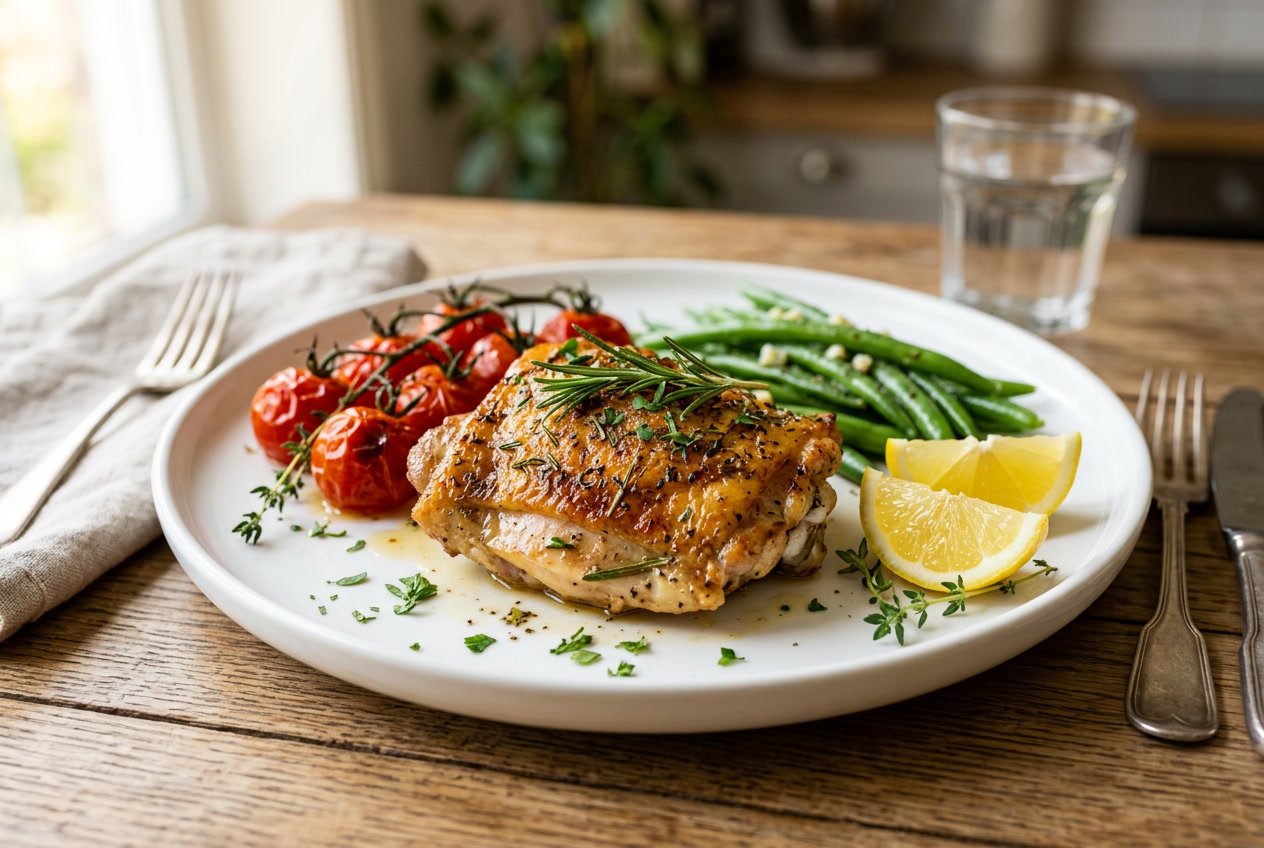
Chicken thighs deliver concentrated protein, moderate fat, and several minerals and B vitamins that support muscle, energy metabolism, and immune function. Whether the thigh is skinless, boneless, or skin-on, calories and fat change most, while protein and many micronutrients stay substantial.
Macronutrient Profile
A 3-ounce (about 85 g) cooked, skinless, boneless chicken thigh typically provides roughly 160–175 calories and about 20–22 g of protein.
Protein from thighs is high-quality and complete, supplying all essential amino acids useful for muscle repair and satiety.
Fat content sits around 8–10 g per 3-ounce serving for skinless thighs, with saturated fat near 1.5–2.5 g.
If you track macros, expect roughly 45–55% of calories from protein and 40–50% from fat in a skinless thigh. Carbs are essentially zero.
Grilling or baking with no added fat keeps calories lower. Frying or braising in oil increases fat and total calories.
Micronutrients in Chicken Thighs
Chicken thighs supply key minerals like iron, zinc, phosphorus, and selenium in meaningful amounts per serving.
A 3-ounce skinless thigh often gives around 15–25% of the daily value for selenium and useful portions of zinc and iron that support immunity and oxygen transport.
B vitamins are notable: niacin (B3) and vitamin B12 are present at levels that support energy metabolism and nervous-system function.
Potassium appears in moderate amounts, helping electrolyte balance.
If you need higher iron or zinc intake, dark meat from thighs offers an advantage over white meat.
Sodium will vary by preparation. Store-bought seasoned or rotisserie thighs can contain elevated salt.
Skinless vs. Skin-On Chicken Thighs
Removing the skin cuts calories and fat substantially.
A 3-ounce cooked skin-on thigh can contain roughly 250–280 calories and 16–18 g fat, versus about 160–175 calories and 8–10 g fat for the same weight skinless.
Skin contributes mostly fat and saturated fat without adding protein or significant micronutrients.
Choosing skinless boneless thighs reduces energy density and makes portion control easier while retaining protein, iron, zinc, and B vitamins.
Texture and flavor differ: skin-on yields juicier results and may require less added oil in cooking.
If you want leaner meals, use skinless chicken thigh nutrition values when planning calories and macros.
Health Benefits of Chicken Thighs

Chicken thighs provide concentrated protein, several micronutrients, and more fat than breast meat, which can help with muscle maintenance, immune support, and satiety.
High-Quality Protein Source
Chicken thighs provide complete protein. Each 3–4 ounce cooked serving typically supplies about 20–32 grams of protein depending on portion size and whether the skin is removed.
That protein contains all nine essential amino acids your body cannot synthesize, supporting muscle repair and synthesis after resistance exercise or daily wear-and-tear.
If you train regularly or need higher protein for recovery, thighs offer a cost-effective option compared with many cuts of beef or fish.
Keeping portions around 3–4 ounces helps you meet protein targets without excess calories, and removing skin reduces fat while preserving most of the protein content.
Support for Immune Function
Chicken thighs contain key micronutrients such as zinc, selenium, and B12 in levels that help immune processes.
Selenium supports antioxidant defenses, zinc plays a role in immune cell function and wound healing, and vitamin B12 is essential for healthy red blood cell formation and neurological function.
A single 3-ounce serving typically supplies meaningful percentages of daily selenium and zinc needs.
Preparing thighs in soups or stews helps preserve mineral content and provides hydrating broth that can be useful when you’re fighting illness.
Satiety and Weight Management
The combination of protein and moderate fat in chicken thighs increases meal satiety, which can reduce snacking and overall calorie intake across the day.
Protein slows gastric emptying and raises thermic effect of food. The modest fat content adds mouthfeel and helps you feel satisfied longer.
If you’re managing weight, pair a 3–4 ounce thigh (skin removed if you want lower fat) with high-fiber vegetables and whole grains to create a balanced plate.
Potential Health Concerns
Chicken thighs provide protein and several micronutrients, but they also contain more fat, cholesterol, and—depending on preparation—added sodium than lean cuts. Pay attention to portion size, cooking method, and any marinades or brines that change the nutrition profile.
Fat and Cholesterol Content
A 3-ounce cooked, skinless chicken thigh typically supplies about 9–10 grams of total fat and roughly 100–110 mg of cholesterol. Leaving the skin on increases calories and fat to about 18 grams of fat and near 278 calories for the same portion.
Those numbers matter if you track daily saturated fat or cholesterol for heart-health goals or calorie targets.
To lower intake, remove the skin and trim visible fat before cooking. Grill, bake, or poach instead of frying to avoid adding extra fat.
Use a food scale and nutrition labels to keep portions consistent. Two small thighs can equal a 6–8 ounce serving, which doubles the fat and cholesterol compared with a single 3-ounce portion.
Saturated vs. Unsaturated Fat
Chicken thigh fat is a mix of saturated and unsaturated fats. Saturated fat in a 3-ounce skinless thigh runs around 2 grams, while the rest is mostly monounsaturated and some polyunsaturated fats.
Monounsaturated fats can support blood-lipid profiles when they replace saturated fat from other sources.
Focus on the overall pattern: replace sources high in saturated fat with lean proteins and plant-based fats when possible.
Cooking technique influences the final ratio. Use olive oil or avocado oil minimally, and avoid deep-frying to keep a healthier fat profile.
Sodium and Added Ingredients
Store-bought or restaurant thighs are often brined or seasoned with salt, which can push sodium well above a desirable per-meal limit. A plain, cooked skinless thigh has modest sodium naturally, but a brined or pre-seasoned thigh can contain 200–400+ mg sodium per 3-ounce serving.
High-sodium preparations matter if you manage blood pressure or follow a low-sodium diet.
To control added sodium, buy unbrined thighs and season with fresh herbs, citrus, garlic, or salt-free spice blends.
When using marinades, measure added soy sauce, broth, or commercial sauces. Swap reduced-sodium versions or dilute them with vinegar or citrus to lower the sodium per serving.
Chicken Thighs vs. Chicken Breasts
Thighs and breasts differ mainly in calories, fat, and taste. Your choice affects cooking method, satiety, and specific nutrient intake.
Nutritional Differences
Chicken thighs contain more total fat and calories than chicken breasts. For a 100 g cooked, skinless portion, thighs typically provide about 8 g fat and ~179 kcal, while breasts provide about 3.6 g fat and ~165 kcal.
Thighs also tend to supply slightly more iron, zinc, and vitamin B12. Breasts often deliver more protein per ounce and somewhat higher vitamin B6 and choline.
Leaving the skin on increases calories and saturated fat for both cuts. Processing or breading adds sodium and calories, so check labels on pre-seasoned products.
Use the cut that fits your goals: breasts for lower-calorie, higher-protein needs; thighs for modestly higher micronutrients and more dietary fat.
Flavor and Texture Comparison
Chicken thighs have more intramuscular fat and connective tissue, which makes them juicier and more forgiving during cooking. Thighs remain tender at higher internal temperatures and after longer cook times.
Breasts are lean and subtle in flavor. They can dry out quickly if overcooked, so monitor time and temperature or use moist-heat methods.
If you prefer bold flavor and a richer mouthfeel, thighs provide that without added sauces. If you want a neutral canvas for marinades or to limit fat intake, breasts work better and absorb seasonings differently.
Choosing Between Thighs and Breasts
Decide based on your nutrition targets and cooking style. Pick breasts when you need lower calories, less fat, and higher protein density for weight- or protein-focused plans.
Choose thighs when you want juiciness, more iron, zinc, B12, or a lower risk of drying during grilling or braising.
Consider cost and convenience. Thighs are often cheaper per pound and more tolerant of high-heat methods.
If sodium is a concern, avoid pre-marinated options for both cuts and remove skin to cut fat.
Boneless Skinless Chicken Thighs
Boneless skinless chicken thighs give you rich flavor with less visible fat than skin-on cuts. They deliver concentrated protein and trace nutrients while letting you control added fat and sodium in cooking.
Nutrition of Boneless Skinless Chicken Thighs
A 3–4 ounce cooked serving of boneless skinless chicken thigh typically supplies about 165–210 calories and 20–26 grams of protein, depending on cooking method and exact portion.
Total fat runs around 8–10 grams per serving, with saturated fat near 2 grams. That’s higher than a chicken breast but still reasonable when balanced across your day.
Key micronutrients include iron, zinc, selenium, vitamin B12 and niacin—nutrients important for energy, immunity, and red blood cell health.
If you remove the skin, you cut a substantial portion of calories and saturated fat. Watch added salt: marinades and store-prepared cuts can increase sodium considerably.
Quick reference (approximate per 4 oz cooked, skinless):
- Calories: 170–210
- Protein: 22–26 g
- Total fat: 8–10 g
- Saturated fat: ~2 g
- Sodium: varies widely by prep
Cooking and Meal Ideas
Choose grilling, baking, braising, or stir-frying to keep added fat low while preserving moisture.
Marinate in acid (lemon, vinegar), herbs, and a teaspoon of oil to add flavor without heavy calories.
Use boneless skinless chicken thighs in:
- Stir-fries with lots of vegetables and a light soy-ginger sauce.
- Slow-cooker stews or braises where the thigh’s fat keeps meat tender.
- Sheet-pan meals with root vegetables and minimal oil.
- Grain bowls paired with brown rice or quinoa and leafy greens.
When you want crisp skin-like texture, briefly sear thighs in a hot pan, then finish in the oven.
Trim excess visible fat and measure fats and sauces to control total calories and sodium per meal.
Healthiest Cooking Methods for Chicken Thighs
Choose techniques that limit high direct heat, retain moisture, and avoid excess added fat. Focus on moderate oven temperatures, short high-heat exposure, or moist-heat methods to keep thighs juicy and reduce formation of harmful compounds.
Baking Chicken Thighs
Baking gives you control over temperature and time, which helps produce juicy chicken thighs without added oil. Roast bone-in thighs at 375–400°F (190–205°C) for 30–45 minutes until the internal temperature reaches 165°F (74°C).
Use a meat thermometer to avoid overcooking. Remove the thighs when they hit 160°F and let them rest five minutes for carryover cooking.
For leaner results, trim excess skin or bake skin-on on a rack so fat drips away.
Season with herbs, citrus zest, or a light yogurt marinade to add flavor without heavy oils.
If you want crisp skin, finish under the broiler for 1–2 minutes, watching closely to prevent charring.
Quick reference:
- Temp: 375–400°F
- Time: 30–45 min (bone-in)
- Target: 165°F internal
Grilling and Air Frying
Grilling adds flavor but can produce HCAs and PAHs if meat chars. To reduce risk, pre-cook thighs in the oven or microwave for a few minutes.
Finish the thighs on a hot grill for 2–4 minutes per side. Flip often and avoid direct flames.
Keep grill temperatures moderate and remove any visibly charred portions.
Air frying creates similar crispness with less oil and limited surface charring. Cook boneless, skinless thighs at 375°F for 12–18 minutes, flipping halfway.
Lightly brush with oil or use a spray to promote browning while keeping calories down.
Use marinades with acidic components like lemon or vinegar and add herbs to reduce HCA formation and boost flavor.
Healthy Pairings and Serving Suggestions
Pair chicken thighs with high-fiber vegetables and whole grains to balance the meal and support satiety.
Serve baked or air-fried thighs with roasted Brussels sprouts, steamed green beans, or a quinoa salad tossed with herbs and lemon.
These sides add micronutrients and fiber without excess calories.
Choose sauces and dressings that use yogurt or tomato instead of cream or butter.
For quick meals, shred poached or baked thighs and add them to salads, whole-grain wraps, or vegetable-forward bowls for portion control and nutrient variety.


