
Is Chicken Thighs Good for You? Nutrition, Health Impact & Cooking Tips
You can enjoy chicken thighs while still eating healthfully. They pack high-quality protein and important nutrients.
When you choose lean preparations and pair them with vegetables and whole grains, chicken thighs fit well into a balanced diet. Bold cooking and seasoning choices make thighs a flavorful, budget-friendly staple without turning them into an unhealthy option.

Chicken thighs offer a solid mix of protein, B vitamins, minerals, and mostly monounsaturated fats. If you cook them with low added fat and moderate salt, they’re a practical choice.
Keep reading to see exact nutrition facts, how thighs compare with breasts, which cooking methods keep them healthy, and tips for choosing and serving them for the best flavor and nutrition.
Are Chicken Thighs Good For You?
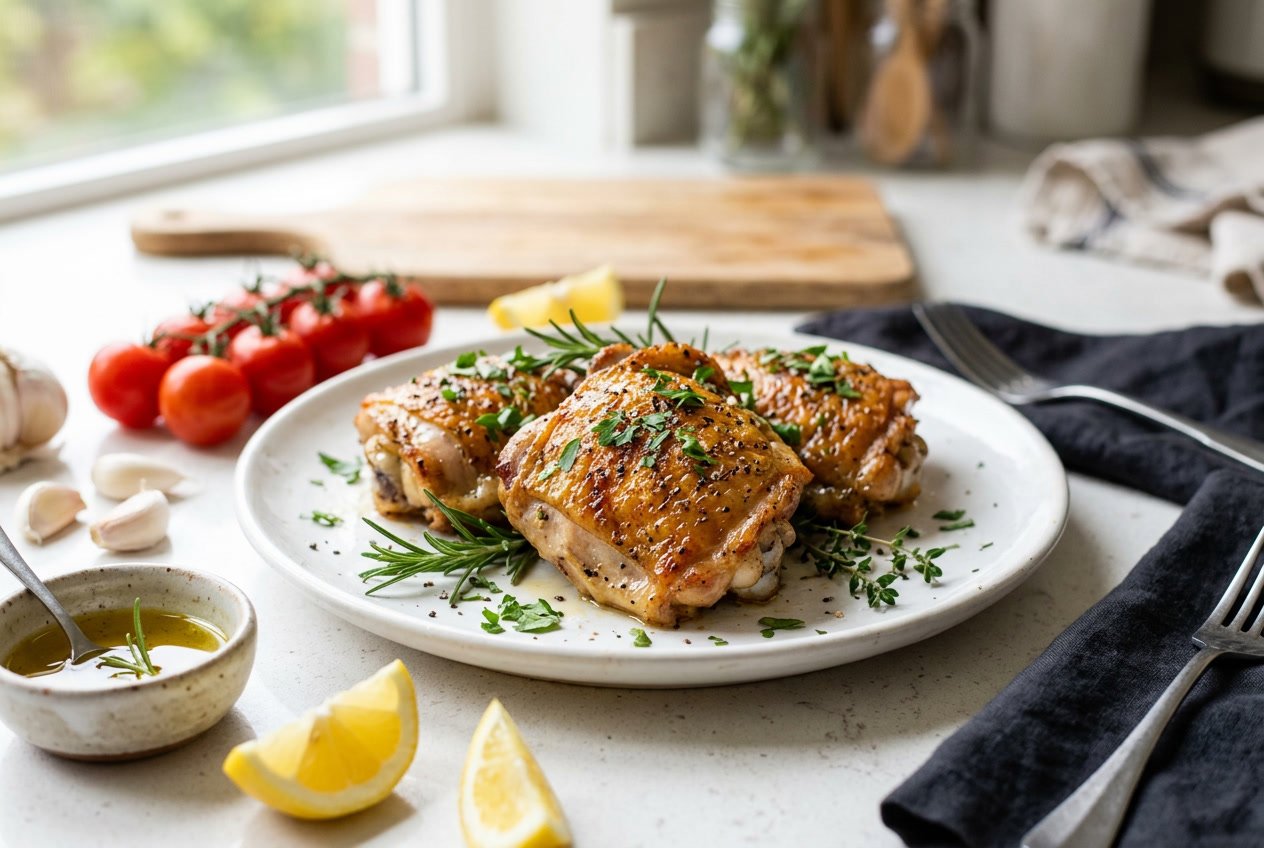
Chicken thighs deliver concentrated protein, iron, zinc, B vitamins, and more. They also contain more fat and cholesterol than chicken breast.
How healthy chicken thighs are for you depends on portion size, whether you eat the skin, and how you cook them.
Key Considerations for Health
You get about 20–32 g of protein per 3–4 ounce cooked thigh. That protein quality helps if you’re managing weight or building strength.
A skinless 3-ounce thigh has roughly 9 g total fat and about 2 g saturated fat. A skin-on roasted thigh can nearly double those numbers.
If you limit saturated fat to under 10% of calories, choose skinless thighs or remove visible fat. Thighs provide more iron, zinc, and B12 than breast meat, which supports energy, immunity, and neurological function.
Sodium can be high if pre-seasoned. Check labels and use herbs and citrus instead of excess salt.
Practical tips:
- Portion: aim for 3–4 ounce cooked servings.
- Prep: grill, bake, or braise with minimal oil.
- Pairing: serve with vegetables and whole grains to balance the meal.
Factors Influencing Nutritional Value
Cooking method changes calories and fat. Frying or heavy sauces add oil and calories, while grilling or roasting with minimal oil keeps thighs relatively lean.
Skin presence is a major variable. Eating the skin increases calories and saturated fat substantially.
Removing skin typically cuts total fat by nearly half and reduces calorie density. Marinades and processing affect sodium and sugar.
Pre-marinated or processed thighs often contain added salt and sweeteners. If you track sodium or added sugars, buy plain meat and season yourself.
Portion frequency and overall diet context matter. A thigh once or twice a week fits most healthy eating patterns.
Common Myths About Chicken Thighs
Myth: “Thighs are unhealthy compared to breast.” Thighs have more fat but also higher iron and zinc. If you control portions and cooking method, thighs can be as healthful as breast for many goals.
Myth: “Dark meat causes weight gain.” Weight change depends on total calorie balance, not one cut of meat. A 3–4 ounce thigh fits into a calorie-controlled plan when prepared without excessive oil.
Myth: “You must always remove the skin.” Skin removal reduces fat, but occasional skin-on servings are acceptable if you adjust portion sizes and meal composition.
Fact-check checklist:
- Choose skinless for lower fat.
- Use low-oil cooking methods.
- Watch added sodium in processed products.
Chicken Thigh Nutrition Facts

A cooked 100 g serving of chicken thigh delivers a solid protein dose plus moderate fat and several minerals and B vitamins. Expect roughly 200–220 calories, about 25–26 g of protein, and 8–11 g of fat depending on skin and bone.
Macronutrients in Chicken Thighs
A 100 g cooked serving of boneless, skinless chicken thigh typically provides about 25–26 g protein and about 8 g total fat. Protein in thighs is high-quality, complete protein that supports muscle repair and daily needs.
Fat content varies more than protein. Skinless chicken thighs have about 6–8 g fat per 100 g, while skin-on versions add several grams from the skin.
Saturated fat sits around 2–3 g per 100 g in many preparations. Carbohydrates are essentially zero, so thighs fit low-carb plans.
If you track calories, note that each gram of fat adds 9 kcal. Swapping skinless for skin-on can change a single serving by 30–60 calories.
Cooking method (grilling, roasting, frying) further alters total fat and calories.
Micronutrients: Iron, Zinc, Selenium, and Vitamins
Chicken thighs provide meaningful amounts of minerals and B vitamins that many people lack. Per 100 g cooked, iron is roughly 1–1.5 mg, which helps with oxygen transport.
Zinc appears around 2–3 mg and supports immune and wound-healing functions. Selenium tends to be high for poultry; a 100 g serving often supplies about 20–40 mcg, supporting antioxidant enzymes and thyroid function.
Phosphorus and potassium also appear in useful amounts. B vitamins matter for energy metabolism.
Niacin (vitamin B3) often measures about 6 mg per 100 g and vitamin B6 about 0.3–0.5 mg. These vitamins help convert food to energy and support nervous system health.
If you rely on boneless skinless chicken thighs as a regular protein source, you’ll get steady intake of these micronutrients.
Skinless vs. Skin-On Chicken Thighs
Choosing skinless chicken thighs reduces calories and fat while retaining most protein and micronutrients. A skinless, boneless thigh typically has about 160–180 kcal per 3 oz (85 g) cooked and about 20 g protein.
Removing skin cuts roughly 3–5 g fat per 100 g, lowering saturated fat too. Skin-on thighs increase flavor and juiciness because fat renders during cooking.
Expect an extra 30–60 kcal per serving versus skinless, depending on how much fat remains after cooking. If you want crisp skin without excess fat, sear and drain off rendered fat or remove skin after roasting.
For everyday meals, choose boneless skinless chicken thighs when you need leaner protein. Select skin-on when flavor and satiety matter more.
Health Benefits of Chicken Thighs
Chicken thighs deliver concentrated protein, specific fats, and nutrients that support muscle maintenance, appetite control, and some anti-inflammatory effects. You get more iron and zinc per serving than from white meat.
The fats in thighs help nutrient absorption and keep meals satisfying.
Protein Quality and Satiety
Chicken thighs provide high-quality animal protein with all nine essential amino acids. A cooked boneless, skinless thigh typically supplies about 25–28 grams of protein, which supports muscle repair and maintenance after exercise or daily activity.
This protein digests at a moderate pace, which helps prolong fullness compared with very lean, fast-digesting proteins. That sustained satiety can reduce snacking and total calorie intake when you control portions.
Pairing thighs with fiber-rich vegetables or whole grains further extends fullness and balances the meal.
Essential Fats: Polyunsaturated, Omega-3, and CLA
Thigh meat contains more fat than breast meat, including a mix of monounsaturated and polyunsaturated fats. The polyunsaturated fraction includes small amounts of omega-3 fatty acids.
While thighs aren’t a major omega-3 source like fatty fish, they do contribute to your overall intake. Conjugated linoleic acid (CLA) appears in small amounts in dark poultry meat.
CLA has been studied for modest effects on body composition and metabolic health, though evidence in humans is mixed. Removing the skin lowers total fat and saturated fat while keeping these beneficial unsaturated fats in the meat.
Anti-Inflammatory Properties
Some of the fats in chicken thighs, specifically polyunsaturated fats, support cell function and can be part of an anti-inflammatory diet when combined with other anti-inflammatory foods. Thighs also supply selenium and B vitamins that play roles in antioxidant defenses and metabolic regulation.
Eating thighs as part of a balanced pattern that emphasizes vegetables, whole grains, and omega-3–rich foods can help reduce dietary inflammatory load. Avoiding deep-frying and heavy sugary sauces preserves these benefits and limits pro-inflammatory dietary components.
Chicken Thighs vs. Chicken Breasts
Both cuts provide high-quality protein, but they differ in calories, fat, micronutrients, and cooking behavior. Those differences affect satiety, flavor, and how easily each cut fits into specific diets or recipes.
Nutritional Differences
Chicken breasts are leaner. A typical 3-ounce skinless breast gives about 25 g protein and roughly 120–140 calories with low total and saturated fat.
That makes breasts efficient for meeting protein targets while minimizing calories and saturated fat intake. Chicken thighs contain more fat and slightly fewer grams of protein per equivalent serving.
A 3-ounce boneless, skinless thigh typically supplies about 20–22 g protein, about 160–170 calories, and higher total and saturated fat. The darker color in thighs comes from higher myoglobin, which also means more iron and zinc per serving.
If you include skin, calories and fat rise substantially for both cuts. Breasts deliver more phosphorus and potassium per calorie, while thighs give modestly higher iron and zinc because of the increased myoglobin and blood-rich muscle.
Benefits of Each Cut
Choose breasts when you need a lean, high-protein option for weight loss, sports nutrition, or meals where you control added fats. Breasts absorb marinades and pair well with quick-cook methods such as grilling, poaching, or sautéing to preserve moisture and protein quality.
Choose thighs when you want richer flavor, greater juiciness, and more forgiving cooking. Thighs tolerate higher heat and longer cooking without drying.
The extra fat improves mouthfeel and satiety and contributes nutrients like iron and zinc that support oxygen transport and immunity. If you cook with the skin on, expect increased calories and fat but better browning and flavor.
Removing the skin lowers fat while preserving much of the protein and micronutrients.
Choosing the Right Cut for Your Diet
If your priority is minimizing calories and saturated fat, pick skinless chicken breasts and weigh portions to hit protein goals. Aim for lean breasts when you track macros or need consistent protein density across meals.
If you prioritize taste, satiety, or micronutrients like iron, choose skinless thighs or rotate between thighs and breasts. Thighs can be a better match for low-carb, higher-fat plans or for dishes that require longer braising or roasting.
Balance cost and convenience. Thighs often cost less and stand up to varied cooking methods, while breasts suit fast, controlled cooking.
Alternating cuts gives you protein variety, improves nutrient intake, and reduces mealtime monotony.
Healthy Cooking Methods for Chicken Thighs
Choose methods that limit added fats, control sodium, and preserve juiciness and nutrients. Focus on roasting or baking at moderate temperatures, using dry-heat techniques like grilling, and swapping heavy oils and salt for aromatics and acid.
Baking Chicken Thighs
Baking gives you consistent heat and a hands-off approach that keeps thighs tender while allowing fat to render away from the meat. Arrange skin-on thighs on a wire rack over a rimmed baking sheet so excess fat drips off.
Roast at 400°F (200°C) for 25–35 minutes until internal temperature reaches 165°F (74°C). For skinless thighs, reduce cooking time slightly and baste once with a small amount of stock or citrus juice to prevent drying.
Season with herbs, garlic, paprika, and a light brush of olive oil (1 tsp per thigh) rather than heavy marinades to limit added calories. Use a meat thermometer and rest the thighs 5–7 minutes before serving to lock in juices and finish carryover cooking.
Grilling and Roasting Techniques
Grilling adds flavor without oil. Use direct high heat for a seared crust and finish over indirect heat to cook through.
Preheat the grill to medium-high (about 400–450°F), oil the grate lightly, and grill skin-side down 4–6 minutes before flipping and moving to indirect heat for another 8–12 minutes. When oven-roasting whole thighs, start at 450°F for 10 minutes to crisp the exterior, then lower to 375°F until done.
For both methods, aim for even thickness by pressing thighs flat or using uniform pieces so they cook evenly. Marinate briefly (30–60 minutes) in acid-based mixes such as lemon, yogurt, or vinegar with herbs to tenderize and add flavor without excess fat.
Reducing Added Fats and Sodium
Trim visible fat and remove skin when you want lower calories and saturated fat. Boneless, skinless thighs have 20–30% less fat compared with skin-on equivalents.
Replace oil with nonstick spray or a measured teaspoon of olive oil. Use cooking methods that let fat drip away, such as rack baking or grilling.
Cut sodium by skipping store-bought brines and high-sodium sauces. Flavor with fresh herbs, citrus zest, garlic, ginger, and ground spices instead of salt.
If you use soy sauce or stock, choose low-sodium versions. Balance flavors with acid and aromatics.
Measure seasonings and oils. Use 1 teaspoon oil per two thighs and no more than 1/4–1/2 teaspoon salt per pound before cooking.
Adjust seasoning at the table if needed.
Selecting and Serving Chicken Thighs
Choose thighs based on size, skin or no skin, and whether they’re bone-in or boneless to match your recipe and nutrition goals. Check labels and use simple cooking methods to control added fat and sodium.
Portion Sizes and Serving Suggestions
Aim for about 3–4 ounces (85–115 g) of cooked chicken per person. That usually equals one medium boneless thigh or one smaller bone-in thigh once cooked.
A 4-ounce cooked thigh delivers roughly 20–30 grams of protein depending on fat content. Remove skin before cooking or after roasting to control calories.
Prefer grilling, baking, or stir-frying with a teaspoon of oil. Avoid deep frying.
Pair thighs with 1–1.5 cups of vegetables and ½–1 cup of whole grains to create balanced plates. This helps meet fiber and micronutrient needs.
Use herbs, citrus, garlic, and spice blends instead of excess salt or sugary sauces. Store leftovers in airtight containers within 2 hours and eat within 3–4 days, or freeze for up to 3 months.
Organic Chicken Thighs and Quality Considerations
When you choose organic chicken thighs, you pay a higher price per pound but get fewer synthetic pesticide residues in the feed and no routine antibiotics.
Check for USDA Organic or a reputable certification on the label to confirm standards instead of relying on marketing claims.
Assess quality by smelling the chicken; fresh thighs smell neutral, not sour. Look for light pink color in raw meat and check the packaging date.
For bone-in thighs, consider the weight of the bones when calculating servings.
If you care about sodium or additives, read the ingredient list for brines, flavorings, or phosphates. Organic labeling does not always mean the product is additive-free unless it says so.


