
Is Chicken Thighs Good for Weight Loss? Nutrition, Cooking, and More
You can include chicken thighs in a weight-loss plan when you control portions and choose skinless, lower-fat preparations.
Chicken thighs deliver high-quality protein and important nutrients while remaining manageable in calories if you cook them the right way.
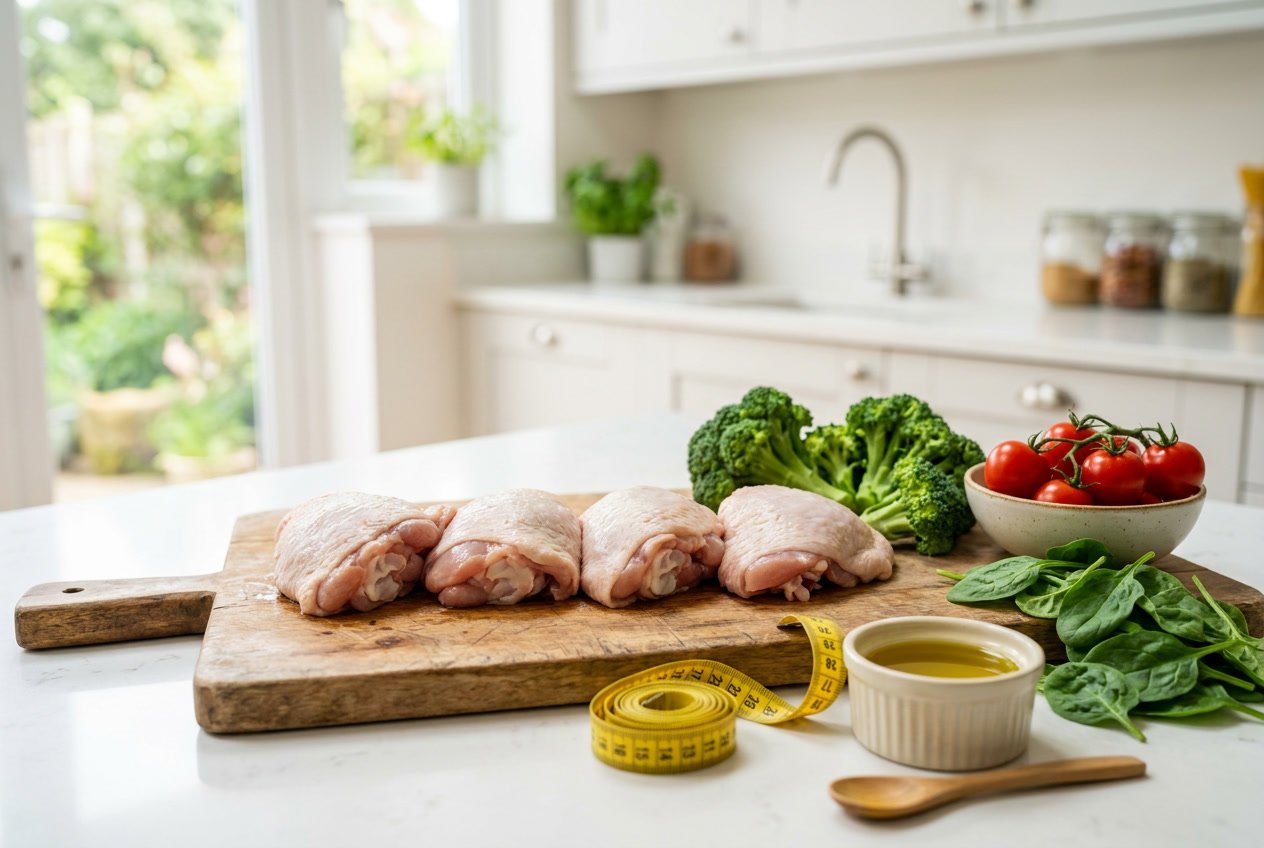
This post explains the nutrition behind thighs, how their fat and protein affect satiety and muscle maintenance, and offers practical cooking and portion tips.
You’ll get guidance on healthy preparation, pairing ideas, and which cuts work best for a calorie-conscious approach.
Are Chicken Thighs Good for Weight Loss?
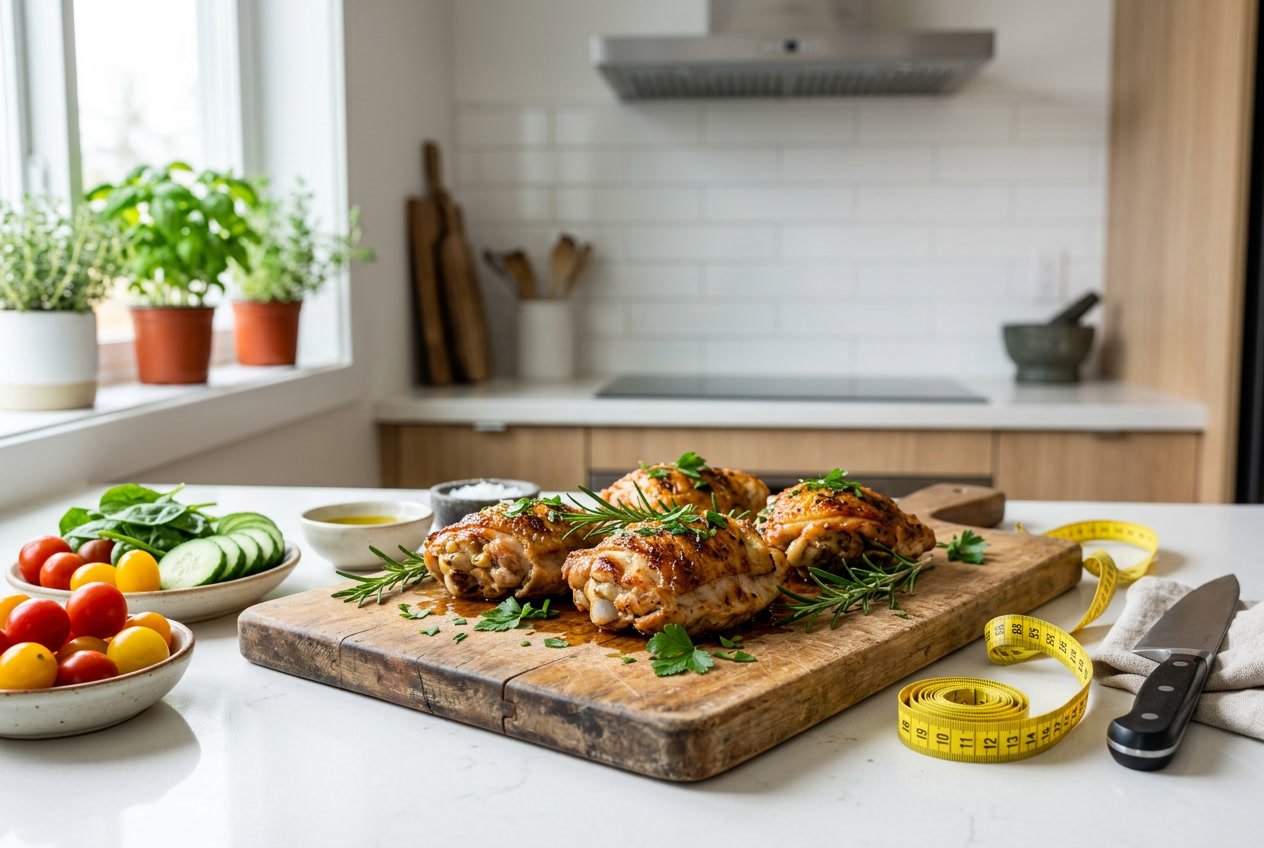
Chicken thighs provide a high-quality protein source, important micronutrients, and more fat than breast meat, so portion control and cooking method determine how they fit in your weight loss plan.
You can use thighs to preserve muscle, increase meal satisfaction, and still meet calorie targets if you prepare them thoughtfully.
Chicken Thighs vs. Chicken Breasts for Weight Loss
Chicken breasts are leaner: a 3-ounce skinless breast has roughly 140 calories and about 3 g fat, while a 3-ounce skinless thigh is closer to 160–170 calories and 8–9 g fat.
That difference matters when you track calories closely, but it’s not large enough to rule thighs out.
Thighs offer slightly more iron, zinc, and B12 per serving, which supports energy and metabolism during calorie reduction.
You’ll get about 20 g protein from either cut per 3-ounce serving, so both preserve muscle when you’re losing weight.
If you prefer the taste of dark meat, you may eat smaller portions of other high-calorie foods because the meal feels more satisfying.
Choose skinless, baked, grilled, or stir-fried preparations to keep calories closer to breast levels.
Role in a Weight Loss Diet
Protein supports satiety and muscle maintenance.
A single skinless thigh provides around 20 g of protein, which helps curb hunger between meals.
Aim to include 20–30 g protein at main meals; one thigh plus a legume, yogurt, or whole grain can meet that goal.
Balance the thigh with vegetables and a moderate portion of whole grains or starchy vegetables to control total calories per plate.
If you track macros, count the extra 5–7 g fat per thigh and adjust oils, dressings, or sides accordingly.
Cooking choices affect whether thighs help or hinder weight loss.
Avoid breading, deep-frying, or calorie-dense sauces.
Use herbs, citrus, and dry rubs, and measure added fats to keep meals within your calorie target.
Common Concerns About Fat and Calories
Most of the additional fat in thighs is monounsaturated and saturated; the saturated portion is modest but not negligible.
If you’re limiting saturated fat, remove the skin and trim visible fat to reduce saturated-fat intake per serving.
Calories add up quickly with skin-on roasting or frying.
A roasted skin-on thigh can be about 270–280 calories per 3-ounce serving versus about 160 without skin.
Track portion size and cooking oil to prevent unintended calorie excess.
Monitor total daily calories and protein needs, and adjust other meals if you choose fattier cuts for flavor and adherence.
Chicken Thigh Nutrition Facts
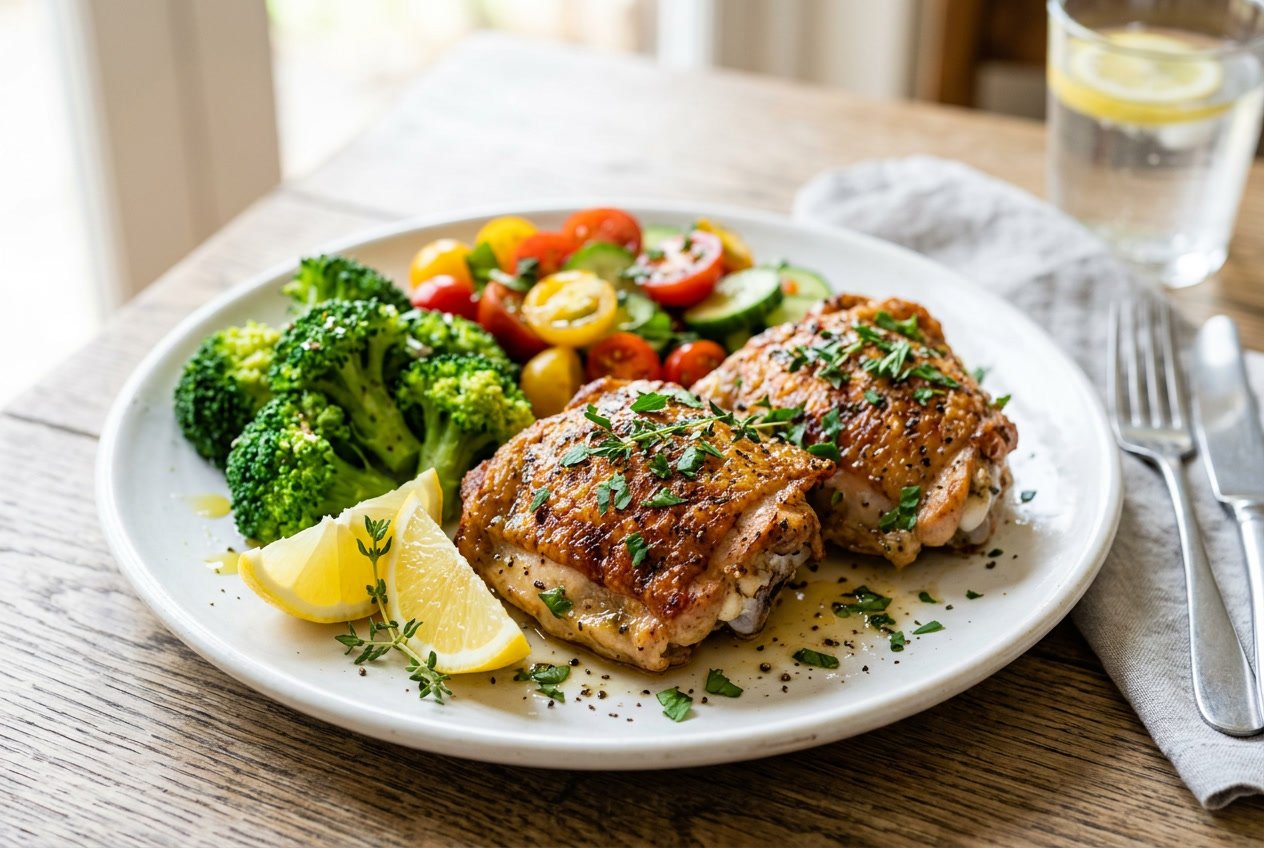
Chicken thighs give you concentrated protein, modest fat, and several micronutrients that support energy and muscle repair.
You can expect meaningful differences between boneless skinless thighs and skin-on varieties that affect calories, fat, and how you fit them into a weight-loss plan.
Macronutrient and Calorie Content
A 100 g serving of boneless, skinless chicken thigh (raw) typically provides about 120–130 calories and roughly 20 g of protein.
That protein density makes thighs a solid choice when you need satiety and muscle maintenance while cutting calories.
Fat in skinless thighs runs near 4–5 g per 100 g (mostly monounsaturated and some saturated fat).
When cooked, moisture loss concentrates calories and protein—100 g cooked will show higher calories per gram than raw.
If you use a 4 oz (about 113 g) cooked portion, expect about 28–30 g protein and 170–190 calories when skin is removed and no added oil is used.
Frying or battering adds large amounts of fat and carbs, so track preparation method when logging macros.
Vitamins and Minerals in Chicken Thighs
Chicken thighs supply several B vitamins—especially niacin (B3), vitamin B6, and B12—that support energy metabolism.
You get iron and zinc in higher amounts than in white meat, which helps oxygen transport and immune function.
A typical 100 g portion provides meaningful niacin and selenium levels, plus small amounts of phosphorus and potassium.
These micronutrients matter when you treat thighs as part of nutrient-dense foods in a meal; pairing with vegetables increases fiber and vitamin variety.
If you need iron for anemia or zinc for recovery, the thigh’s dark meat offers an advantage over breast.
Still consider variety: mix in fish, legumes, and lean cuts to cover the full micronutrient spectrum.
Comparison: Skinless vs. With Skin
Skinless, boneless chicken thighs substantially cut calories and total fat compared with skin-on options.
Removing the skin usually reduces about 50–70 calories per thigh and nearly halves the fat content.
Skin-on thighs deliver more total and saturated fat, and the skin adds flavor and helps retain moisture during cooking.
If your goal is weight loss, choose skinless or remove skin after cooking to keep moisture but limit added calories.
Use a simple table to compare typical values per 100 g (raw):
- Boneless, skinless: ~120–130 kcal | ~20 g protein | ~4–5 g fat
- Skin-on (edible portion): ~200–220 kcal | ~16–18 g protein | ~15–16 g fat
Adjust portions and cooking methods to match your calorie targets.
Roasting on a rack or grilling will reduce retained fat compared with pan-frying or battering.
Benefits of Chicken Thighs for Weight Loss
Chicken thighs deliver concentrated protein, calorie control when skinless, and satisfying flavor that helps you stick to a meal plan.
They also provide fats that promote fullness and nutrients that support muscle and metabolism.
Protein Content and Muscle Maintenance
Chicken thighs give you about 22–25 grams of protein per 100 grams cooked (skinless, boneless), making them a solid protein-rich food choice.
That protein supplies the amino acids your body needs to preserve lean muscle while you run a calorie deficit.
Keeping muscle matters because muscle burns more calories at rest than fat and helps maintain strength during workouts.
If you eat chicken thighs after resistance training, you support repair and recovery.
Aim for balanced portions—about 3–4 ounces cooked per meal—to hit typical protein targets (20–40 g) without excess calories.
Healthy Fats and Satiety
Thighs contain roughly 8–12 grams of fat per 100 grams when skinless, with a higher proportion of monounsaturated fats than saturated ones.
Those fats slow gastric emptying, which increases satiety and can reduce total daily calorie intake.
Choose skinless thighs and cooking methods like grilling, baking, or poaching to control added fats.
If you include small amounts of healthy fats like olive oil or avocado, pairing them with thighs enhances taste and keeps you fuller between meals, lowering the chance of snacking.
Affordable Source of Protein
Compared with many lean proteins like fresh fish or lean beef, chicken thighs often cost less per pound while still delivering high-quality protein and key micronutrients.
That makes them practical for meal planning and consistent protein intake.
Buy in bulk, trim excess fat, remove the skin, and portion before freezing to reduce waste and control portions.
Using thighs in batch-cooked dishes—stews, grain bowls, salads—lets you spread protein across several meals without raising grocery costs.
Healthy Cooking Methods for Chicken Thighs
Choose methods that reduce added fat, retain protein, and pair well with vegetables or low-carb sides.
Focus on skinless cuts, short cooking times at high heat, and flavor from herbs and acids rather than oil or sugar.
Grilling and Baking Tips
Grill or bake skinless chicken thighs to cut calories without drying meat.
For grilling, preheat to medium-high (about 400°F/200°C), oil the grate lightly, and cook thighs 4–6 minutes per side until internal temperature reaches 165°F (74°C).
Let meat rest 5 minutes before slicing to preserve juiciness.
For baking, use a rimmed sheet or shallow pan and roast at 425°F (220°C) for 20–25 minutes for boneless thighs.
Arrange thighs spaced apart so hot air circulates and use a wire rack if you want fat to drip away.
Use a meat thermometer to avoid overcooking.
Avoid basting with sugary sauces during cooking; apply glazes in the last 2–3 minutes.
If using bone-in thighs, add 5–10 minutes to cook time and check temperature near the bone.
Low-Fat and Low-Carb Cooking
Choose boneless, skinless thighs to lower total fat and calories per serving.
Pat thighs dry and use high-heat searing followed by a short braise in a low-carb liquid (stock, tomato sauce) to develop flavor with minimal added fat.
Cooking techniques:
- Stir-fry: use 1 teaspoon of oil for 4 servings; high heat, thinly sliced thighs, vegetables like broccoli or zucchini.
- Air-fry: 360°F (180°C) for 10–14 minutes yields a crispy exterior with little oil.
- Poach: simmer gently in seasoned broth for 12–15 minutes; shred for salads or low-carb bowls.
Portion control matters: aim for a 3–4 ounce cooked portion (about 20–28 g protein).
Pair with non-starchy vegetables and a whole grain only if it fits your calorie goals.
Seasoning for Flavor Without Calories
Rely on herbs, spices, acids, and aromatics instead of oil, butter, or sugar to boost flavor.
Use combinations like smoked paprika, garlic powder, and black pepper, or thyme, lemon zest, and crushed red pepper.
Marinate briefly (30–60 minutes) in a mixture of yogurt or vinegar with minced garlic and herbs to tenderize without heavy oil.
Dry rubs work well for grilling and baking; press the rub into the meat and let sit 15–30 minutes before cooking.
Finish with low-calorie accents:
- Fresh lemon or lime juice
- Chopped fresh herbs (cilantro, parsley)
- A sprinkle of toasted seeds for texture
Track added sodium: prefer salt alternatives like citrus, vinegar, or spice blends labeled low-sodium to keep overall sodium in check.
How to Incorporate Chicken Thighs Into a Weight Loss Diet
Chicken thighs give you a high-protein, flavorful base you can control with portion size, cooking method, and side choices.
Use lean cooking methods, measure servings, and pair thighs with fiber-rich vegetables and whole grains to keep calories and hunger in check.
Portion Control Strategies
Measure cooked chicken to about 3–4 ounces (85–115 g) per serving—roughly the size of your palm or a deck of cards.
That portion supplies about 20–26 g protein and keeps calories moderate when you remove visible fat or choose boneless, skinless thighs.
Weigh or use measuring tools until you internalize portion sizes.
Fill half your plate with non-starchy vegetables, one-quarter with the measured chicken thigh, and one-quarter with a whole grain or starchy veg.
If you track calories, log the cooking method and any added oils; 1 tablespoon of oil adds about 120 kcal.
For higher activity days, increase to 5–6 ounces; for lower activity or calorie goals, stick to the 3–4 ounce range.
Control frequency by rotating protein sources across the week.
Pairing with Nutrient-Dense Sides
Choose sides that add fiber, volume, and micronutrients without many extra calories.
Aim for leafy greens, cruciferous vegetables, roasted peppers, zucchini, or a 1-cup serving of mixed salad greens.
These keep you full longer and slow digestion.
Add a modest portion of whole grains or legumes for sustained energy—for example, 1/2 cup cooked quinoa, brown rice, or lentils.
These portions add resistant starch and protein, improving satiety compared with refined carbs.
Limit high-calorie sauces and use herbs, lemon, vinegar, or a teaspoon of olive oil for flavor.
Include a source of non-starchy vegetables at each meal and rotate colors to cover different vitamins.
If you want extra protein without more fat, pair with Greek yogurt-based sauces, steamed edamame, or a small serving of cottage cheese.
Can I Eat Chicken Thighs Every Day?
You can eat chicken thighs daily if you control portion size and vary cooking methods.
Alternate with fish, turkey, legumes, and plant proteins across the week to avoid dietary monotony and nutrient gaps.
If you choose daily thighs, use boneless, skinless cuts or remove skin after cooking to reduce extra fat and calories.
Monitor total saturated fat and sodium from seasonings and marinades.
Keep added fats to 1 teaspoon of oil per serving when possible.
Watch your overall calorie balance.
If daily chicken thighs fit within your daily calorie and protein targets, they can support weight loss.
Aim for variety to ensure you meet broader micronutrient needs.
Choosing the Best Chicken Thigh Cuts
Choose cuts that match your cooking method, calorie goals, and time available.
Prioritize skinless options and portion control for lower calories.
Prefer boneless for faster cooking or bone-in for added flavor when you can account for extra fat.
Skinless vs. Bone-In vs. Boneless
Skinless chicken thighs cut roughly 30–40 calories and several grams of fat per 100 g compared with skin-on versions.
If you remove the skin before cooking, you keep the thigh’s protein and micronutrients while lowering saturated fat.
Bone-in thighs usually yield more flavor and stay moist longer, but the bone adds weight you don’t eat and can slightly change portion calculations.
Choose bone-in when roasting or braising and plan portions by cooked-meat yield.
Boneless chicken thigh cooks faster and is easier to portion precisely.
It’s convenient for stir-fries, grilling, or meal prep containers where you track calories and protein.
Look for boneless, skinless chicken thigh labels to maximize protein while minimizing added fats.
Lean Protein Sources for Diets
Treat skinless chicken thighs as a lean protein by managing portion size and cooking method. A typical 100 g serving of cooked, skinless thigh provides about 20–25 g of protein and moderate calories.
Combine thighs with nonstarchy vegetables or whole grains to keep meals balanced. This approach lowers the energy density of your meals.
Rotate proteins by including chicken breast, fish, legumes, and tofu. This helps vary amino acid profiles and micronutrients.
Check labels for added sodium or marinades when shopping. Choose fresh or minimally processed thighs so you can control added fats and sauces during cooking.


