
Is Chicken Thighs Dark Meat? Nutrition, Benefits & Cooking Guide
Chicken thighs are dark meat. Thighs and drumsticks use muscles that work steadily, so they contain more myoglobin and fat than breasts. This gives them a darker color, richer flavor, and juicier texture.
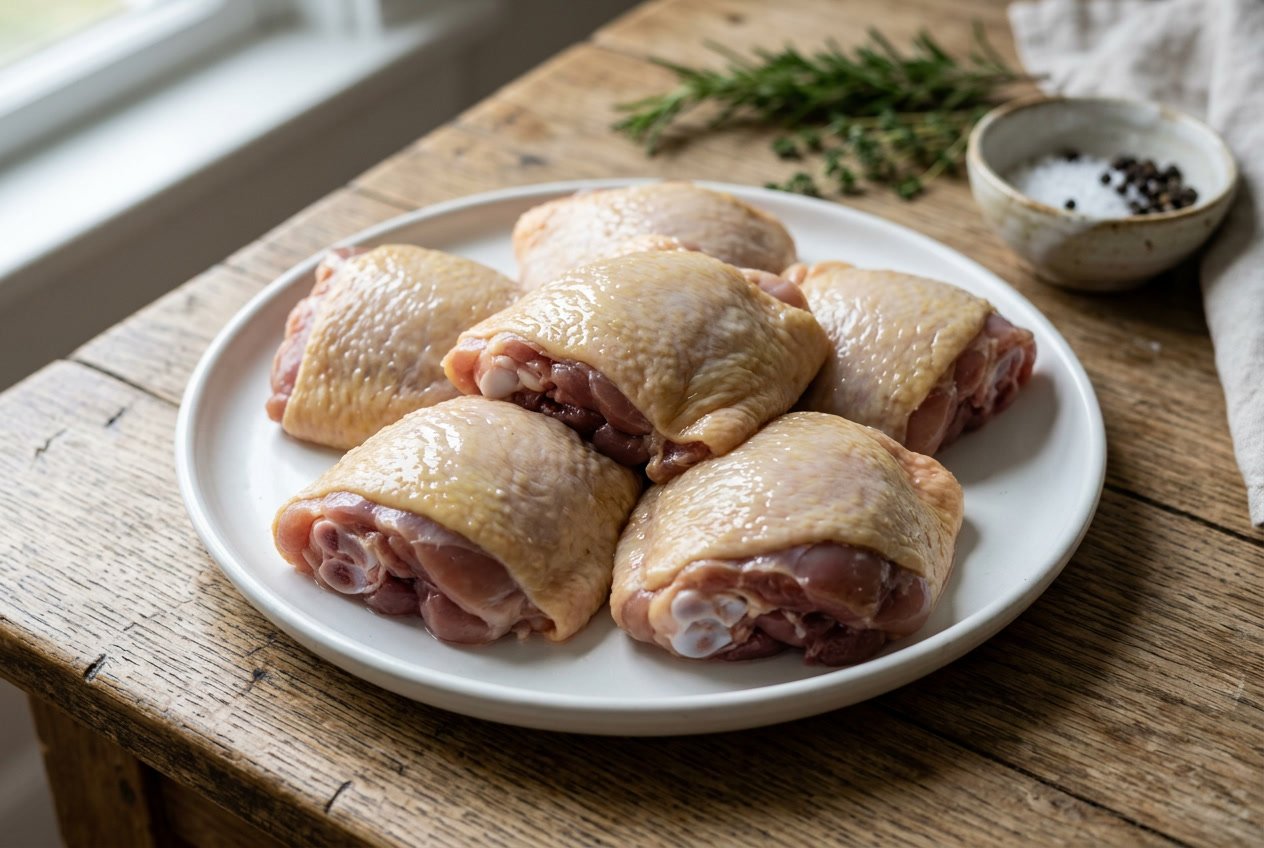
If you cook often or choose cuts at the store, this affects taste, nutrition, and technique. Learn about the science behind dark and white meat, nutrient differences, cooking behavior, and other dark-meat cuts to help you pick the best option.
Are Chicken Thighs Dark Meat?
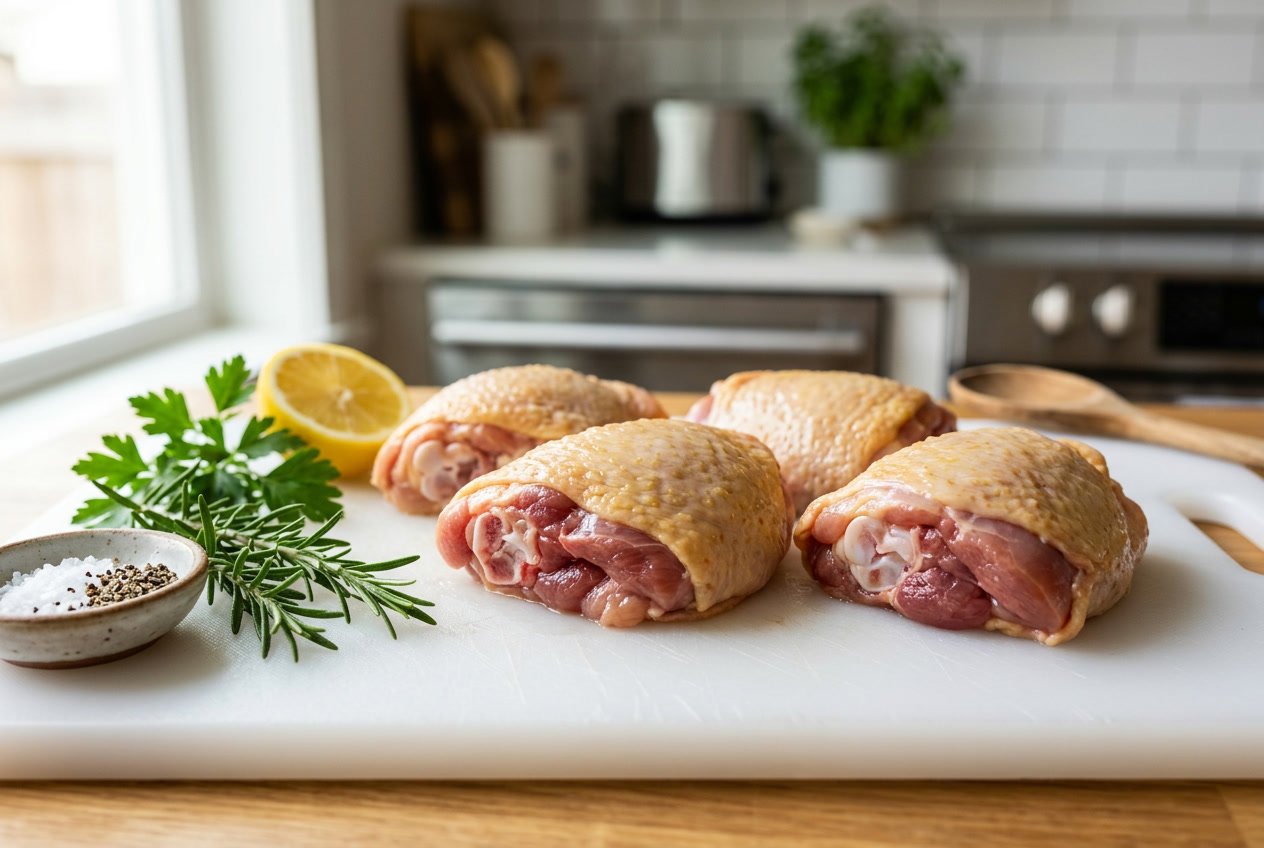
Thighs are classified as dark meat because of their color, flavor, and nutrient profile. They differ nutritionally and anatomically from breast meat.
Definition of Dark Meat in Poultry
Dark meat contains higher levels of myoglobin, an oxygen-storing protein that gives meat a reddish-brown color. In chickens, dark meat appears in legs and thighs because those muscles work constantly for standing and walking.
That steady activity increases myoglobin and intramuscular fat. Dark chicken meat—thighs, drumsticks, and leg quarters—tastes richer and stays juicier during cooking.
It also contains more iron, zinc, and B vitamins than light meat, which can be important if you track micronutrients.
Comparison with White Meat Cuts
White meat, mainly the breast and wings, contains less myoglobin and uses fast-twitch fibers for short bursts of flight. Breast meat looks pale, cooks faster, and dries out if overcooked.
Thighs and drumsticks have more fat and connective tissue, which renders during cooking and keeps them moist. In a 3.5-ounce cooked portion, thighs usually have more calories and fat than skinless breasts, but offer bolder flavor and better moisture.
Pick thighs or leg quarters for braising, roasting, or grilling when you want flavorful meat. Choose breasts for quick searing or recipes that require lean protein.
Science Behind Dark and White Meat

Color, texture, and cooking behavior differ between cuts because of oxygen-storing proteins, muscle fiber types, and how the thigh functions in the chicken.
Role of Myoglobin in Meat Color
Myoglobin is an oxygen-binding protein inside muscle cells that gives meat its pink-to-red hue. Thighs have higher myoglobin concentrations than breasts because they need steady oxygen for sustained activity.
Higher myoglobin binds more oxygen and iron, producing the darker color in dark meat. Myoglobin also influences flavor, adding a richer, slightly more metallic taste and affecting the color of pan drippings and sauces.
During cooking, myoglobin denatures and changes color, but dark meat retains more pigment due to its greater myoglobin content.
Key facts:
- Myoglobin stores oxygen in muscle.
- Thighs have more myoglobin, resulting in darker color and deeper flavor.
- Breasts have less myoglobin, so they appear paler and taste milder.
Muscle Fiber Types in Chicken
Chicken muscles contain slow-twitch (type I) and fast-twitch (type II) fibers. Slow-twitch fibers rely on aerobic metabolism, have many mitochondria, and contain more myoglobin.
These fibers appear darker and resist fatigue, which suits muscles used continuously. Fast-twitch fibers favor anaerobic bursts, have less myoglobin, and appear paler.
Thighs have more slow-twitch fibers because they support walking and standing. Breasts contain more fast-twitch fibers for short flights.
The fiber mix affects tenderness and the best cooking methods.
Anatomical Function of Thighs
Thighs are leg muscles that bear weight and power movement, so they work continuously throughout a chicken’s life. This constant activity increases myoglobin and capillary and mitochondrial density in thigh tissue.
Thighs also have more connective tissue and collagen than breast meat. Collagen and intramuscular fat affect the thigh’s texture and mouthfeel.
When you cook thighs slowly, collagen turns to gelatin and tenderizes the meat. Quick, high-heat cooking can leave connective tissue tough, so match cooking methods to the thigh’s anatomy for best results.
Nutritional Profile of Chicken Thighs
Chicken thighs provide more calories and fat than breast meat, but they also offer protein and higher levels of certain micronutrients like iron and zinc. Differences exist between skin-on and skinless cuts and between boneless and bone-in thighs.
Fat Content and Lean Protein
Chicken thighs have more fat than breasts, mainly under the skin. A cooked, boneless, skinless 100 g thigh contains about 10–11 g fat and ~26 g protein.
Keeping the skin raises calories and total fat—skin-on thighs can add 4–6 g fat per 100 g and increase saturated fat. The extra fat improves juiciness and satiety, so thighs tolerate longer cooking without drying.
Trim visible fat or use skinless boneless thighs to lower calories while keeping tenderness. Check package labels or a nutrition database for your specific cut and cooking method.
Vitamins and Minerals in Dark Meat
Dark meat contains higher levels of iron and zinc per serving, which support oxygen transport and immune function. Thighs also contain B vitamins—especially niacin (B3), vitamin B6, and B12—for energy metabolism and nerve health.
Amounts vary by serving size and whether the cut is skinless or from pasture-raised birds. If you need more dietary iron or zinc, choosing skinless thighs over breasts can help without dramatically increasing calories.
Chicken Thighs vs. Chicken Breasts
A 100 g cooked, skinless thigh has about 200–210 kcal, ~26 g protein, and ~10–11 g fat. The breast has ~160–165 kcal, ~30–31 g protein, and ~3–4 g fat.
Choose boneless skinless thighs for richer flavor with controlled fat. Pick boneless chicken breasts for maximum lean protein per calorie.
Pair thighs with vegetables and whole grains to balance their micronutrient advantages and manage total calories.
Flavor and Texture Differences
Chicken thighs offer a richer taste, more moisture, and adaptability to bold flavors and long cooking methods. Higher fat and connective tissue influence both flavor development and how you should cook thighs for best results.
Why Dark Meat Tastes Richer
Thigh meat contains more intramuscular fat and myoglobin than breast meat, which creates richer flavor. Fat carries and concentrates flavor compounds, so marinades and seasonings taste more pronounced on thighs.
Connective tissue in the thigh breaks down into gelatin during slow cooking, adding mouthfeel and depth. Searing first amplifies savory notes, so combine high-heat browning with gentler finishing for richness.
Juiciness and Moisture Retention
Thighs stay juicy because of higher fat and collagen, which keep meat moist during longer cooking. This makes them forgiving if cooked past the point where breasts would dry out.
To preserve juiciness, use techniques that protect moisture: roast at moderate heat, braise, or sous-vide then finish with a quick sear. Avoid overcrowding the pan to allow crust formation and flavor concentration.
Flavor Pairings and Popular Cuisines
Thighs pair well with bold, fatty, and acidic ingredients that cut through richness, such as lemon, yogurt, vinegar, soy, and fermented pastes. Strong spices like smoked paprika, garam masala, and chile powders complement the meat’s savory profile.
Cuisines that favor thighs include Indian (tikka, curry), Korean (braised or grilled), Mediterranean (roast with lemon and olives), and Southern U.S. frying or braising. Use slow braises to extract gelatin, and high-heat finishes for crisp skin and caramelized flavor.
Cooking Methods for Chicken Thighs
Chicken thighs stay juicy and handle higher temperatures than breasts. Learn how to keep them tender, when to choose bone-in or boneless, skin-on or skinless, how to use a meat thermometer, and recipe ideas for thighs.
Best Techniques for Moist and Tender Meat
Brown thighs over high heat, then finish at moderate or low heat. Sear skin-side down in a hot pan for 5–7 minutes to render fat and crisp skin, then transfer to a 375–400°F oven for 20–30 minutes for bone-in pieces.
For boneless thighs, reduce oven time to 12–18 minutes depending on thickness. Braising and slow cooking work well for leg quarters and other dark cuts because collagen turns to gelatin.
Cook in a flavorful liquid at low heat for 1.5–3 hours until the meat pulls away from the bone. Rest cooked thighs 5 minutes before slicing to redistribute juices.
For fried chicken, pound boneless skinless thighs to even thickness, dredge, and fry at 325–350°F for even cooking. Marinate in yogurt or buttermilk for tenderness in dishes like chicken tikka masala and chicken adobo.
Bone-In vs. Boneless and Skin-On vs. Skinless
Bones add flavor and act as heat buffers, so bone-in thighs need 10–20 extra minutes versus boneless. Choose bone-in for coq au vin, chicken cacciatore, or slow braises where the bone adds depth.
Skin-on gives a crispy exterior and self-basting fat. Roast or grill skin-on thighs for best results; if you want lower fat, remove skin after cooking to retain moisture.
Skinless and boneless thighs cook faster and work well in stir-fries, tacos, and quick pan sauces. Match the cut to the recipe for best texture and flavor.
Using a Meat Thermometer for Safety
Insert the probe into the thickest part without touching bone. The safe minimum internal temperature is 165°F (74°C) in the thickest spot of the thigh.
For slow-cooked braises, pull at 175–185°F for more tender, pull-apart meat. Check temperature at the end of cooking to avoid overcooking.
For fried or grilled thighs, test after resting 3–5 minutes; carryover heat will raise the internal temperature slightly. Calibrate your thermometer occasionally to ensure accuracy.
Use an instant-read thermometer for quick checks and a leave-in probe for oven or smoker sessions.
Popular Chicken Thigh Recipes
Use thighs for dishes that benefit from dark meat’s fat and flavor. Chicken adobo and chicken cacciatore shine with bone-in thighs slow-simmered in an acidic, savory sauce.
Coq au vin uses thigh meat for its ability to stand up to long wine braises. Fried chicken and chicken tikka masala take advantage of thighs’ juiciness; brine or marinate first, then cook over medium-high heat.
For quick meals, pan-sear boneless skinless thighs and finish with a pan sauce of lemon, garlic, and herbs. Use leg quarters for grilling or roasting when feeding a crowd.
Swap thighs for breasts in many recipes to gain more forgiving cooking and deeper flavor, but adjust times and check temperatures for best results.
Other Chicken Dark Meat Cuts
Dark chicken cuts come from the bird’s more active muscles and include thighs, drumsticks, leg quarters, and some portions of wings. These pieces have higher myoglobin and slightly more fat, which gives them richer flavor, greater moisture, and more tolerance for longer cooking.
Drumsticks and Leg Quarters
Drumsticks form the lower part of the leg and are dark meat. You get a firm, flavorful bite with a higher fat content than breast meat.
The bone keeps the meat juicy during roasting or grilling. Drumsticks work well for high-heat cooking, barbecue, braises, and frying.
Leg quarters combine the thigh and drumstick into a single piece. They deliver concentrated flavor and make an economical choice for feeding a group.
Roast leg quarters at moderate heat until the internal temperature reaches 175–180°F for tender meat. Braise them for meat that falls off the bone.
Comparison with Chicken Wings
Wings contain less dark meat than legs and thighs, but parts of the wing near the joint qualify as dark. Wings are thinner, with less muscle and more skin and connective tissue.
Wings suit quick, high-heat methods like frying or broiling. These methods crisp the skin while preserving juiciness.
If you need substantial, shred-able dark meat, choose thighs or leg quarters. Use wings when you want crisp skin and bite-sized pieces for sauces or appetizers.
Selecting and Preparing Cuts
When you select drumsticks, thighs, or leg quarters, look for firm meat, pinkish-red color, and minimal odor. Choose bone-in, skin-on pieces for more flavor and moisture.
Pick skinless, boneless thighs for faster, leaner cooking or stir-fries. For even cooking, match pieces by size—small drumsticks cook faster than large leg quarters.
Brine or salt the cuts 30–60 minutes before cooking to improve moisture retention. Sear skin-on pieces to render fat and develop color.
Finish the cooking in the oven or on lower grill heat. Use a meat thermometer and target 175–180°F for dark cuts to ensure collagen breaks down and the meat stays tender.
Nutritional Highlights of Various Cuts
Dark cuts like drumsticks, thighs, and leg quarters offer more iron, zinc, and B vitamins than white breast meat.
A typical cooked chicken thigh delivers more calories and fat, mostly unsaturated, than a comparable portion of breast. This difference gives thighs a juicier mouthfeel.
The skin raises fat and calorie content substantially. Removing the skin reduces total fat while preserving much of the meat’s flavor.
If you monitor calories or saturated fat, choose skinless thighs or trim visible fat.
For richer flavor and more micronutrients per serving, select bone-in, skin-on drumsticks or leg quarters and balance portions within your meal plan.


