
Is Chicken Thighs Bad For You? Nutrition, Fat Content & Health Effects
You can eat chicken thighs without guilt if you prepare them thoughtfully and balance them with vegetables and whole grains.
Chicken thighs deliver high-quality protein and key nutrients, but they contain more fat and calories than breast meat, so portion size and cooking method matter.

This article breaks down the nutrition, compares thighs to breasts, explains the types of fat involved, highlights benefits like iron and B vitamins, and flags concerns such as saturated fat and sodium.
You’ll also get practical tips for grilling, baking, or air-frying thighs to keep meals satisfying and healthier.
Nutritional Profile Of Chicken Thighs
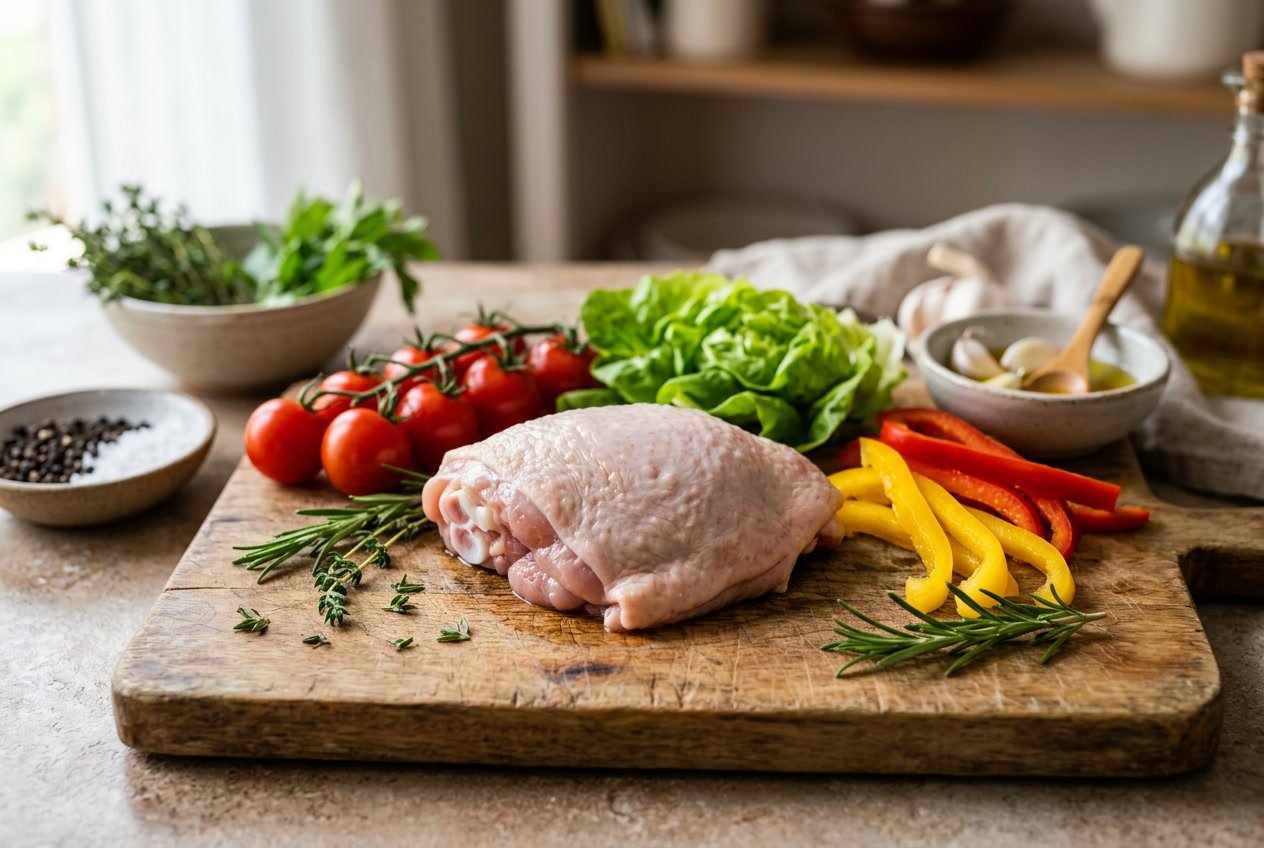
Chicken thighs deliver concentrated protein, moderate fat, and several B vitamins plus minerals that support energy and immune function.
Skin-on cuts raise calories and saturated fat, while skinless options lower fat while keeping most micronutrients.
Macronutrients and Calories
A 100 g cooked, skinless chicken thigh provides roughly 209 kcal, about 26 g protein, and around 10 g total fat.
If you leave the skin on, calories rise by 30–50 kcal and fat increases by 3–6 g per 100 g.
Carbohydrates are effectively zero.
Monounsaturated and polyunsaturated fats make up much of the total, with saturated fat around 2–3 g per 100 g.
Cholesterol sits near 95–102 mg per 100 g, so keep portion size in mind if you monitor cholesterol intake.
Quick comparison (approx. per 100 g cooked):
- Calories: 179–218 kcal
- Protein: 20–28 g
- Total fat: 9–11 g
- Carbohydrates: 0 g
Choose skinless and grill or bake to reduce added fat and keep calorie density lower.
Key Vitamins and Minerals
Chicken thighs supply several B vitamins and essential minerals important to your metabolic health.
Niacin (vitamin B3) typically appears around 6–7 mg per 100 g, and vitamin B6 near 0.4–0.5 mg, both supporting energy metabolism and nervous system function.
Riboflavin (vitamin B2) and vitamin B12 are present in modest amounts.
Mineral content includes iron (~1.2–1.5 mg per 100 g), zinc (~2–3 mg), phosphorus (~180–220 mg), and selenium (~20–30 µg).
Iron and zinc support red blood cell production and immune cells, while phosphorus is important for bone and ATP-related processes.
Selenium contributes to antioxidant enzyme systems.
If you rely on thighs for micronutrients, prioritize regular, varied intake and pair with vitamin C–rich foods to help non-heme iron absorption.
Protein Content Overview
Chicken thighs provide high-quality complete protein with all essential amino acids.
A typical 100 g cooked serving gives about 26 g of protein, making thighs useful for muscle maintenance, repair, and meeting daily protein intake goals.
Protein digestibility and amino acid availability are strong in poultry, so the protein counts toward recommended intake efficiently.
If you target 1.2–2.0 g/kg body weight for an active lifestyle, a single thigh can deliver a substantial portion of a meal’s protein requirement.
Balance protein with lower-fat preparations when your calorie or saturated-fat targets are strict.
Mixing thighs with vegetables and whole grains helps distribute protein across the meal and improves overall nutrient density.
Chicken Thighs Versus Chicken Breast

You’ll find clear trade-offs between thighs and breasts.
Thighs have more fat and calories but greater iron and zinc, while breasts deliver higher protein with lower fat and more B vitamins such as B6 and niacin.
Choose based on your calorie needs, cooking methods, and which micronutrients you want to prioritize.
Comparing Nutritional Values
A 100 g serving of boneless, skinless chicken breast typically provides about 22–23 g protein and roughly 100–110 calories, with around 2 g total fat.
By contrast, 100 g of boneless, skinless chicken thigh gives about 18–19 g protein and 140–150 calories with about 8 g fat.
If you’re tracking protein per calorie, breast is more protein-dense and better for calorie-restricted plans or post-workout meals.
Consider portion control: two smaller thighs can equal the calories of one breast.
Preparation changes values—fried or skin-on increases calories and saturated fat substantially compared with skinless chicken thighs or breasts cooked with minimal added fat.
Differences in Fat Types and Amounts
Chicken thighs contain more total fat and a higher proportion of monounsaturated and saturated fats than breasts.
That extra fat helps with mouthfeel and slows digestion, so skinless chicken thighs often feel more satisfying and keep you fuller longer.
Breast meat is much leaner and lower in saturated fat, so it’s typically recommended when you need to lower saturated fat intake or meet tight calorie goals.
If you prefer thighs but worry about saturated fat, choose boneless skinless chicken thighs and trim visible fat, or remove the skin before cooking to cut saturated fat while keeping flavor.
Variety in Vitamins and Minerals
Breast meat is a strong source of B vitamins—especially vitamin B6 and niacin (vitamin B3).
It contains notable amounts of riboflavin (B2) and phosphorus.
Those B vitamins support energy metabolism, making chicken breast useful around workouts or when you want lean protein plus micronutrient support.
Thighs contain higher iron and zinc levels than breasts, plus slightly more fat-soluble and myoglobin-linked nutrients.
If you have higher iron needs or want more zinc for immune and metabolic function, skinless chicken thigh or boneless skinless chicken thighs can help supply those minerals without needing red meat.
Types Of Fat In Chicken Thighs
Chicken thighs contain a mix of fats that affect flavor and nutrition.
Skin adds the largest share of total and saturated fat, while the meat itself provides more monounsaturated fat and essential nutrients.
Saturated Fat in Dark Meat and Skin
Saturated fat concentrates largely in the skin and in smaller amounts in the dark meat.
A 100 g cooked skinless chicken thigh typically has about 2 grams of saturated fat; the same portion with skin can contain roughly 4–4.5 grams.
Saturated fat raises LDL cholesterol more than unsaturated fats do, so limit portions or remove the skin if you track saturated fat intake.
If you aim to stay under 10% of total calories from saturated fat (per common dietary guidance), choose skinless chicken thighs or smaller portions.
Cooking methods that allow fat to drain—grilling or baking on a rack—also reduce the saturated fat you eat.
Monounsaturated Fats and Healthy Fats
Most of the non-saturated fat in thighs is monounsaturated fat (MUFA), the same type found in olive oil.
MUFAs can help lower LDL cholesterol when they replace saturated fat in your diet.
A typical boneless skinless chicken thigh supplies several grams of MUFA per 100 g serving, contributing to the meat’s juiciness and mouthfeel.
You can keep these healthier fats while reducing total fat by removing the skin and using dry-heat cooking methods.
Pairing thighs with vegetables and whole grains helps you benefit from MUFAs without excess calories.
Cholesterol Content Explained
Chicken thighs contain dietary cholesterol, generally around 70–90 mg per 100 g cooked serving depending on skin and cooking method.
Dietary cholesterol affects blood cholesterol less for most people than saturated fat does, but monitor intake if you have specific cholesterol-related health goals.
If your healthcare provider has advised stricter limits, prefer boneless skinless chicken thighs and control portion sizes.
Also focus on overall dietary patterns—fiber, unsaturated fats, and reduced saturated fat—to manage blood cholesterol more effectively.
Health Benefits Of Eating Chicken Thighs
Chicken thighs provide concentrated benefits that support protein needs, key vitamins and minerals, and meal satisfaction.
They deliver substantial protein per serving, notable amounts of iron and zinc, and flavors that make healthy meals easier to stick to.
Complete Protein and Muscle Maintenance
Chicken thighs deliver about 20–32 grams of high-quality protein per 3–4 ounce cooked serving depending on trimming and cooking method.
That protein contains all nine essential amino acids, so thighs support muscle repair, maintenance, and recovery after resistance training or daily activity.
If you’re tracking protein for weight management or athletic goals, a 3-ounce skinless thigh typically supplies roughly 20 g of protein.
A 4-ounce portion can approach 28–32 g.
Including thighs in a meal helps meet the recommended 0.7–1.2 g/kg/day for most adults and higher targets for strength athletes.
Choose skinless or trimmed thighs to reduce added fat while keeping the same amino-acid profile.
Micronutrient Advantages
Chicken thighs contain measurable amounts of iron, zinc, niacin (vitamin B3), and vitamin B6.
A typical 3-ounce skinless thigh provides around 1 mg of iron and 2 mg of zinc, which support oxygen transport and immune cell function.
Niacin and vitamin B6 in thighs help convert food into usable energy and support neurotransmitter synthesis.
If you need more iron or zinc than white meat provides, thighs offer higher concentrations per ounce than breast meat.
Pairing thighs with vitamin C–rich vegetables increases non-heme iron absorption from the meal.
Satiety and Portion Control
The natural fat content in chicken thighs increases meal satisfaction and slows gastric emptying, which can help you feel fuller longer compared with very lean protein alone.
That fullness can reduce snacking and overall calorie intake when you control portions and cooking fat.
To balance satiety with calorie goals, serve a 3–4 ounce cooked thigh with large portions of vegetables and a whole grain.
Remove the skin or use low-oil cooking methods like baking, grilling, or broiling to keep calories and saturated fat in check while preserving the flavor that helps you stick to healthy eating patterns.
Potential Health Concerns
Chicken thighs can provide quality protein and nutrients, but certain factors may raise health concerns depending on how often and how you eat them.
Pay attention to the cut (skin on vs. skinless), cooking method, and the source of the chicken.
Cardiovascular Health and Fat Intake
The higher fat content in thighs compared with breasts affects your cardiovascular risk profile.
A 100 g cooked, skinless chicken thigh contains more total and saturated fat than the same amount of breast.
Saturated fat can raise LDL cholesterol when consumed in excess.
The American Heart Association recommends limiting saturated fat to under 10% of daily calories, so frequent consumption of skin-on or fried thighs can push you past that limit.
Choose skinless thighs, bake, grill, or poach them to reduce added fat.
Pairing thighs with fiber-rich vegetables and whole grains helps offset meal-level effects on blood lipids.
Cholesterol and Heart Disease Risk
Chicken thighs contain dietary cholesterol.
A single cooked thigh can provide a significant fraction of previously suggested daily limits.
Current guidelines place less emphasis on strict cholesterol caps for healthy adults, but if you have high LDL, familial hypercholesterolemia, or established cardiovascular disease, you should monitor dietary cholesterol and saturated fat closely.
If you have elevated heart-disease risk, prefer lean cuts, control portion size (about 3–4 ounces cooked meat), and limit frequency.
Regularly check your lipid panel and follow your clinician’s dietary targets.
Antibiotics and Additives in Chicken
Antibiotic use in poultry production can influence antibiotic resistance patterns that affect human health.
If you are concerned, look for labels stating “raised without antibiotics” or certifications from trusted third parties.
These labels reduce the likelihood that the meat came from flocks routinely treated with medically important antibiotics.
Also watch for added solutions (brines) or marinades that increase sodium and calories.
Read labels for injected salt, phosphates, or preservatives.
These can elevate blood pressure or add unwanted sodium to your diet.
Buying from transparent sources and checking packaging information helps you manage these risks.
Healthier Cooking Methods For Chicken Thighs
Choose methods that reduce added fat and allow excess fat to drain or cook away.
Focus on high-heat finishes, moisture-retaining techniques, and flavor from herbs, acids, and spices instead of butter or heavy sauces.
Baking and Roasting Techniques
Bake skinless or remove skin after roasting to cut surface fat while keeping meat moist.
Use a rimmed baking sheet with a wire rack so rendered fat drips away.
Roast at 425°F (220°C) for 20–30 minutes for bone-in thighs, or 18–22 minutes for boneless, until internal temperature reaches 165°F (74°C).
Season with dry rubs of garlic powder, smoked paprika, black pepper, and lemon zest instead of salt-heavy marinades.
Add vegetables on the same pan—cut root vegetables into uniform pieces so everything finishes together.
For a crisp exterior, start at 450°F (232°C) for 10 minutes, then reduce heat to finish cooking.
You can also braise briefly in low-sodium broth and finish under the broiler to combine tenderness with a roasted surface.
That yields juicy, skinless roasted chicken that still has texture without extra oil.
Grilling and Stir-Frying
Grilling gives a charred flavor while letting fat drip off. Preheat the grill to medium-high and oil the grates lightly with a brush to prevent sticking.
Grill bone-in thighs for 6–8 minutes per side. Use a thermometer to check doneness.
Start skin-on thighs with the skin side down to render fat and crisp the skin.
Stir-frying works well for trimmed, bite-sized thigh pieces. Use a nonstick or well-seasoned wok and add 1–2 teaspoons of oil per pound.
Cook at high heat in short bursts. Move pieces constantly so they brown quickly without soaking up fat.
Finish with acidic or spicy sauces using low-sodium soy, rice vinegar, chili, and a small amount of sesame oil.
Serve these dishes with whole grains and plenty of vegetables for a balanced meal.
Minimizing Added Fats and Sodium
Trim visible fat and choose skinless thighs for lower fat per serving.
When a recipe calls for oil, measure with a spoon. Replace half the oil with low-sodium chicken broth or a citrus-based marinade to reduce calories and sodium.
Use herbs, spices, garlic, citrus juice, and vinegar to build flavor without salt.
If you need salt, season at the end of cooking so you can use less overall.
Read labels for store-bought marinades or sauces and pick options with under 300 mg sodium per serving. You can also make your own using fresh ingredients.
When you pan-sear, drain excess fat on paper towels between steps or transfer thighs to a rack.
Air-frying offers a low-fat alternative. Spray lightly with oil and cook at 375°F (190°C) for 12–18 minutes to achieve a roasted chicken texture with minimal added fat.


