
I Have Chicken Thighs: Essential Tips, Cooking Methods & Recipes
You have chicken thighs and want a simple win tonight: salty, juicy, and low-fuss. Cook them to the right temperature and use high heat or slow gentle cooking depending on whether you want crispy skin or fall-apart tenderness.
You’ll get restaurant-quality results when you match your method to your goal.
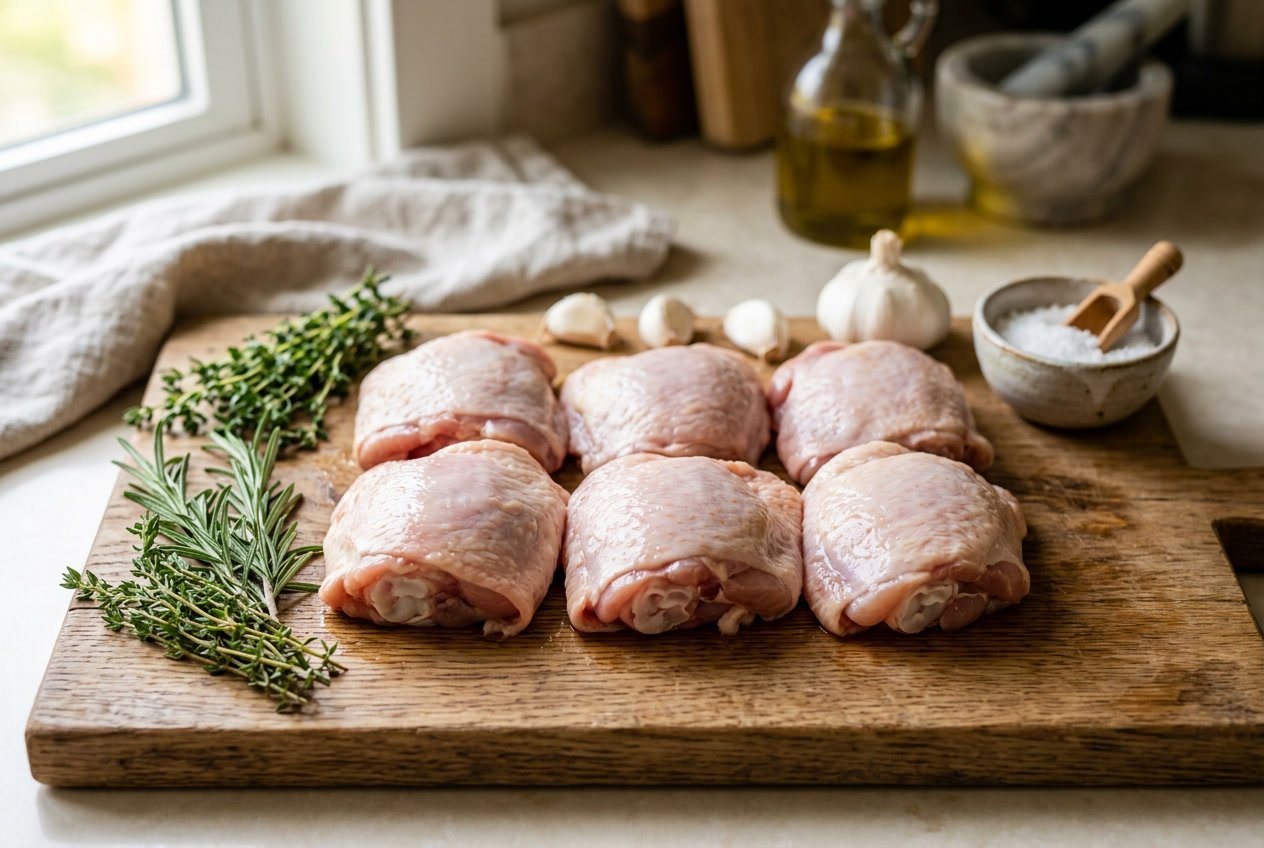
This guide explains what makes thighs different, how to buy and store them, and the methods that deliver crispy, braised, grilled, or shredded results. You’ll also find flavor pairings, global recipes, and side ideas so you can turn a single pack of thighs into several distinct meals.
Understanding Chicken Thighs
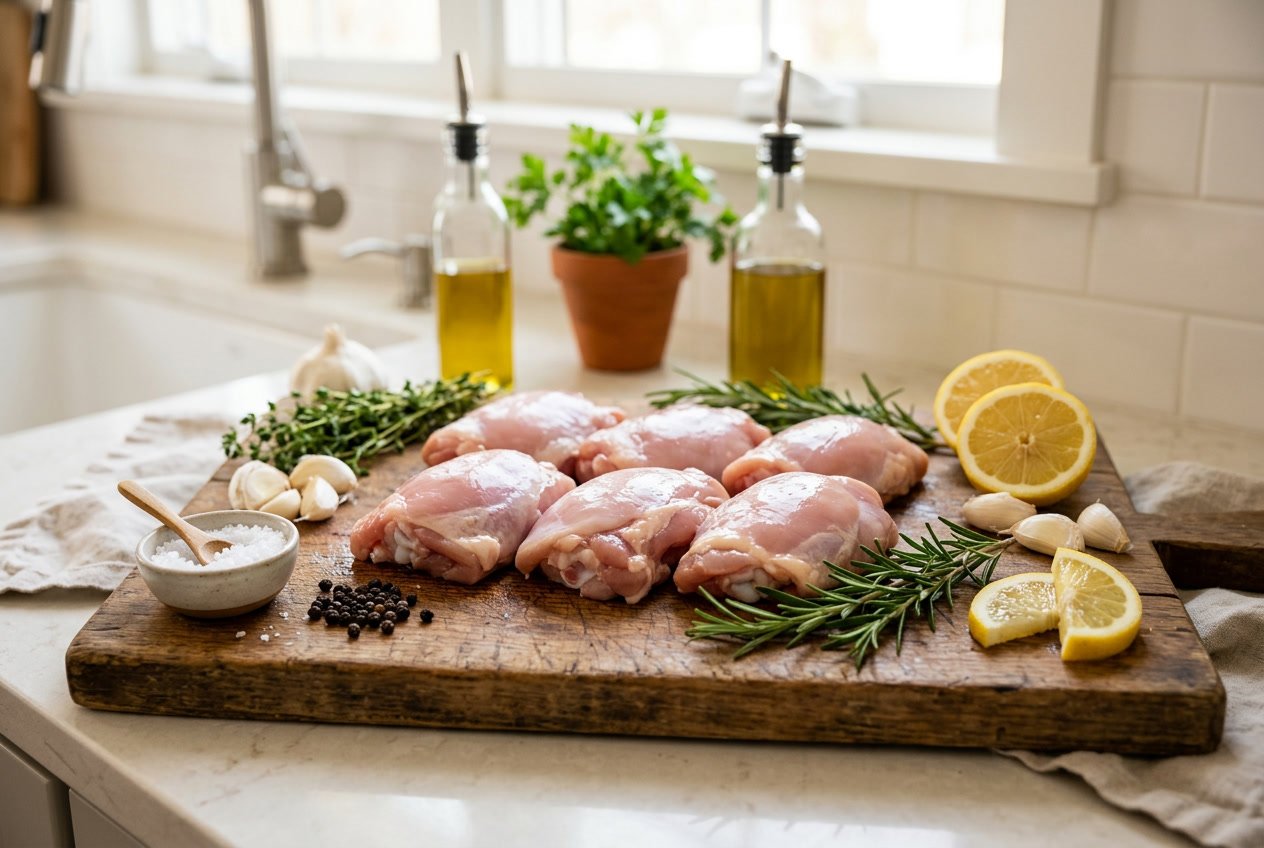
Chicken thighs offer a balance of flavor, fat, and connective tissue that makes them forgiving in many cooking methods. You’ll decide between cuts (bone-in or boneless) and skin choices (skin-on or skinless) based on cooking time, texture, and your desired final dish.
Types of Chicken Thigh Cuts
You can buy thighs as whole bone-in or trimmed boneless portions. Bone-in chicken thighs include the femur and surrounding muscle; they weigh more and retain moisture during long cooking.
Boneless chicken thighs are the thigh muscle with the bone removed, typically flattened and sold for quick pan-frying or skewering.
Trimmed thighs have excess fat removed for a leaner piece. Center-cut or fillet-style boneless thighs cook faster and give more uniform slices for stir-fries and sandwiches.
Choose bone-in for braises and roasts; pick boneless for quick sautés and kebabs.
Bone-In vs. Boneless
Bone-in chicken thighs deliver more flavor and resist drying because the bone conducts and retains heat. Marrow adds depth during slow cooking.
Expect slightly longer cook times—plan on 5–10 extra minutes compared with boneless pieces. Allow a short rest for juices to redistribute.
Boneless chicken thighs give you faster, more even cooking and easier portioning. They’re ideal when you need consistent thickness for pan-searing or quick grilling.
If you want tender chicken thighs quickly, pound to even thickness and monitor internal temperature to avoid overcooking.
Skin-On vs. Skinless
Skin-on chicken thighs develop a crisp, golden exterior when roasted, grilled, or pan-seared because the skin’s fat renders and browns. That crust locks moisture in, yielding juicy chicken under the skin.
Use high initial heat or finish under a broiler for crispiness.
Skinless chicken thighs reduce surface fat and cook faster. They’re easier to marinate because flavors penetrate directly into the meat.
Without the skin, monitor temperature to avoid drying. Thighs remain tender thanks to higher fat content than breasts.
Pick skinless for leaner preparations and skin-on when you want extra texture and presentation.
Nutritional Benefits
Chicken thighs provide concentrated protein and higher fat content than breasts, which adds flavor and succulence. A typical cooked thigh (skinless, boneless) supplies about 20–25 g of protein and offers iron and B vitamins.
With skin-on, calories and saturated fat rise because the cooking fat stays present. You can remove skin after cooking or trim visible fat before cooking to control intake.
Pair thighs with vegetables and whole grains for balanced meals.
How to Buy, Store, and Prepare Chicken Thighs
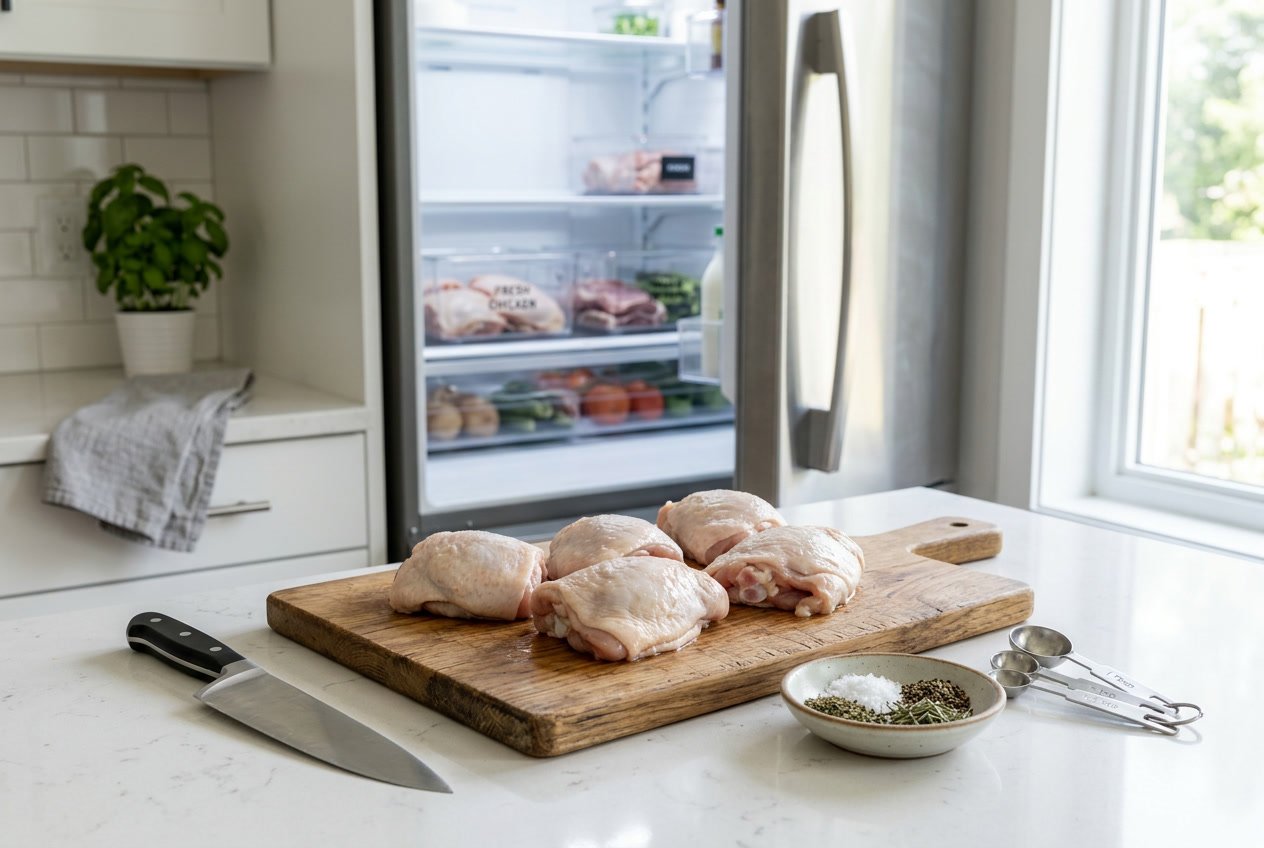
Choose thighs with fresh color, firm texture, and minimal liquid in the package. Decide whether you want bone-in or boneless, skin-on or skinless based on your cooking plan.
Selecting Quality Chicken Thighs
Look for pale pink to slightly reddish flesh. Avoid gray or green tints.
Packaged thighs should sit in clear, cold liquid. Excessive or foul-smelling juices signal age or poor handling.
If you want faster cooking, pick boneless, skinless chicken thighs; they cook in 10–15 minutes on the stovetop. For maximum flavor and crisp skin, choose bone-in, skin-on chicken thighs—they take longer (25–40 minutes roasted) but yield moist meat.
Check sell-by dates and buy the freshest package. If thighs are vacuum-sealed, you can trust a slightly longer shelf life in the fridge.
Storage Tips and Safety
Refrigerate raw chicken thighs at 40°F (4°C) or below and use within 1–2 days for best quality. Store them on the lowest shelf in a sealed container or leakproof bag to prevent cross-contamination.
For longer storage, freeze thighs at 0°F (-18°C). Wrap individually or group in airtight freezer bags.
Boneless, skinless thighs keep well up to 9 months. Bone-in, skin-on pieces stay best for 6–9 months.
Thaw safely in the fridge overnight or in cold water changed every 30 minutes. Never thaw at room temperature.
Cook thawed chicken within 1–2 days and always use a meat thermometer—165°F (74°C) is the minimum safe internal temperature.
Trimming and Prepping
Work on a clean board and use kitchen shears to trim excess fat or skin around bone-in thighs. Pat skin-on chicken thighs dry with paper towels to help crisping; moisture prevents browning.
If you want even thickness, butterfly or pound thicker sections lightly. For boneless, skinless chicken thighs, remove any remaining connective tissue or stray fat.
Season simply with salt and pepper at least 15–20 minutes before cooking, or up to 24 hours in the fridge for deeper flavor. If pan-searing, use a high-smoke-point oil and start skin-side down for skin-on thighs to render fat and crisp the skin.
Chicken Thigh Cooking Methods
Choose a method based on your desired texture and time: crisp skin and sticky char, a hands-off roast, or fast stovetop browning. Target internal temps, dry surface, and proper spacing for consistent results.
Oven-Baked Chicken Thighs
Roast bone-in, skin-on thighs at 400–425°F to get crisp skin and juicy meat. Arrange thighs skin-side up on a wire rack over a rimmed sheet pan so air circulates and fat drips away.
Bake 35–45 minutes for bone-in, 20–30 minutes for boneless. Use an instant-read thermometer and remove bone-in at 175°F, boneless at 165–170°F.
For extra-crispy skin, pat thighs completely dry and season with salt at least 1 hour ahead or overnight in the fridge. Start skin-side down in a hot skillet for 3–5 minutes, then transfer to the oven for faster browning.
Avoid covering with foil or the skin will steam.
Tips:
- Add a small pinch of baking powder to the rub for accelerated browning.
- For air fryer chicken thighs, mimic oven temps: 400°F for 16–28 minutes depending on size.
Grilling Chicken Thighs
Set up two zones: direct high heat for searing, indirect medium heat for finishing. For bone-in, sear skin-side down 5–6 minutes over direct heat, then move to indirect and grill covered until 175°F (about 20–25 more minutes).
For boneless, grill 5–7 minutes per side over medium-high. Watch for flare-ups from dripping fat and keep a cooler zone to move pieces if flames spike.
Brush with sauce in the last 3–5 minutes to avoid burning.
For char-forward flavor, marinate in soy-ginger or chipotle-lime and let excess drip off before grilling.
Quick checklist:
- Two-zone fire: sear then indirect finish
- Thermometer: bone-in 175°F, boneless 165–170°F
- Sauce at end to prevent charring
Stovetop and Skillet Techniques
To get crispy pan-seared thighs, place skin-side down in a cold or medium-hot skillet to slowly render fat. Increase heat to brown undisturbed for 7–12 minutes.
Flip and finish in the pan until the thickest part reaches the target temperature. Use a heavy pan (cast iron preferred) to hold steady heat.
For a quick finish, sear both sides and then cover briefly on low to finish through. Transfer to a 400°F oven 6–10 minutes after searing for extra texture.
For fried chicken thighs, dredge in seasoned flour and shallow- or deep-fry at 325–350°F until internal temp is reached and crust is golden.
Notes:
- Don’t overcrowd the pan; leave 1–1.5 inches between pieces.
- For saucy dishes or braises, brown first, then add liquid and simmer low until tender.
More Ways to Cook Chicken Thighs
You can turn thighs into effortless weeknight wins or slow-simmered comfort with a few technique and timing changes. Focus on temperature, liquid, and skin contact to get crispy exteriors, tender interiors, or fork-fall-apart meat.
Sheet-Pan and One-Pan Dinners
Sheet-pan dinners let you roast bone-in or boneless thighs with vegetables in one oven cycle. Arrange skin-side up, space pieces so air circulates, and roast at 425°F (220°C) for 25–35 minutes for bone-in, or 20–25 minutes for boneless, checking for 165°F (74°C) internal temperature.
Toss sturdier veg (potatoes, carrots) on the pan early and add quick-cooking items (zucchini, tomatoes) in the last 10 minutes.
One-pan stovetop-to-oven recipes give you a crisp sear then a braise or finish under the broiler. Sear skin until golden, deglaze with wine, stock, or tomato sauce, then transfer the skillet to a 400°F oven to finish.
Use this method for pan sauces that cling to the thighs and for dishes like a one-pan garlic-herb or sheet-pan Mediterranean meal. Line the sheet pan with foil or parchment for easier cleanup.
Slow Cooker and Instant Pot
Use a slow cooker when you want fall-off-the-bone thighs with minimal hands-on time. Brown the thighs briefly for color, then add aromatics, 1/2–1 cup liquid (stock, sauce), and cook on low 4–6 hours or high 2–3 hours.
That method suits stews, curries, and slow cooker chicken thighs with root vegetables.
With an Instant Pot or other pressure cooker, you can compress braising time. Brown the thighs with sauté mode, add vinegar, soy, garlic, and bay leaf, then pressure cook 8–12 minutes depending on size, with a 5–10 minute natural release.
Finish with a quick reduction on sauté to thicken the sauce. Both appliances deliver tender meat and rich pan juices without much attention.
Air Fryer and Quick Methods
The air fryer delivers crisp skin in 18–25 minutes for bone-in thighs at 380–400°F (193–204°C). Pat thighs dry, season or lightly oil, and avoid overcrowding; flip once for even browning.
For boneless pieces, reduce time to 10–15 minutes. Use a thermometer to prevent overcooking.
Quick stovetop methods include high-heat searing and pan-roasting for 12–18 minutes total, and fast braises for 20–30 minutes when you want a saucy finish.
For speedy weeknight meals, cut thighs into strips for stir-fries or use a pressure-cooker setting to get shredded meat in under 20 minutes. Air-fried or pan-seared thighs work well for salads, tacos, or sandwiches when you need fast, flavorful results.
Popular Chicken Thigh Recipes from Around the World
Chicken thighs work with bold spices, long braises, quick grills, and rich creams. Pick a cooking method that matches the dish’s sauce and spice profile to get the most flavor and juiciness from the dark meat.
Indian and Southeast Asian Dishes
Chicken thighs take center stage in Indian and Southeast Asian cooking because they absorb spice and stay moist under long simmers or high-heat roasts.
For Indian-style curries, try butter chicken or classic chicken curry: brown thighs first, then simmer in a tomato-cream base spiced with garam masala, fenugreek, and ginger. Use bone-in thighs for deeper flavor in braises.
Tandoori and tandoori-style grills use a yogurt-spice marinade (garam masala, cumin, paprika) to tenderize thighs. Finish under a hot broiler if you don’t have a tandoor.
Southeast Asia gives you coconut-milk curries: Thai red curry chicken uses red curry paste, fish sauce, and basil, while Burmese chicken curry emphasizes turmeric, tomato, and acidic notes. Marinate well and serve with rice to balance the sauces.
Italian and European Classics
In Italy and Eastern Europe, cooks use thighs for braises and creamy pan sauces because they hold up to slow cooking and emulsified creams.
For chicken cacciatore, brown thighs, then simmer them with tomatoes, olives, capers, and herbs until the meat pulls from the bone. The rustic tomato-acid balance is key. Remember to deglaze the pan.
Creamy Tuscan chicken combines seared thighs with garlic, sun-dried tomatoes, spinach, and a white wine-cream sauce. Use boneless skin-on thighs for a quick skillet dinner.
To make a lighter European dish, adapt chicken stroganoff by braising thigh pieces in a mushroom-sour cream sauce. Finish with Dijon mustard for tang. Control heat to prevent cream from splitting.
Latin American and Caribbean Flavors
Latin and Caribbean recipes use marinades, citrus, and sofrito for bright, layered flavor.
For chicken adobo, braise thighs in soy (or shoyu), vinegar, garlic, and bay leaves until tender. The long simmer creates a glossy, tangy sauce.
Shoyu chicken and other soy-forward dishes offer a savory-sweet profile with shorter cook times.
Start sofrito as a base for Puerto Rican or Cuban-style thighs. Brown the chicken, then simmer it with peppers, tomatoes, and spices.
Caribbean curried chicken and Jamaican-style preparations often include allspice and scotch bonnet heat. Coconut milk stews pair especially well with thighs.
For baking, assemble shredded cooked thighs into a layered chicken enchilada casserole for a saucy, freezer-friendly meal.
American Favorites
American recipes feature fried, glazed, and slow-cooked styles that highlight thighs’ richness and durability.
For barbecue, coat grilled or oven-roasted thighs with dry rubs or sauces. BBQ chicken and bourbon chicken both shine with a sticky glaze applied near the end of cooking.
If you like Asian-American flavors, try baked teriyaki chicken or gochujang chicken for bold, caramelized finishes.
Comfort dishes include smothered chicken, where you pan-sear thighs and braise them in onion gravy. Use slow-cooker shredded thighs for casseroles and tacos.
For creamy comfort, use shredded thighs in a pot pie or mushroom-cream sauce. Use bone-in thighs and lower heat for long braises. Use boneless thighs for quick sautés and casseroles.
Serving Suggestions and Sides for Chicken Thighs
Choose sides that balance the chicken’s richness, add contrasting textures, and soak up sauces.
Pick starches to anchor the plate, bright vegetables or salads for acidity and crunch, and breads or international options to carry flavors from the main dish.
Grains and Rice Pairings
White rice and wild rice both complement the sauce. Serve steamed white rice under saucy braised thighs to absorb pan juices.
Use wild rice or a wild-and-white blend when you want nutty texture and a sturdier mouthfeel with roasted or herb-roasted thighs.
Couscous and pearl couscous (Israeli) make quick, fluffy bases for spiced or Mediterranean-style thighs. Stir in toasted pine nuts, lemon zest, and chopped parsley to brighten the plate.
For saucier or more complex dishes like adobo, curries, or glazed thighs, serve rice bowls. Try an egg-topped chicken and rice bowl or a warm chicken-and-wild-rice soup as a side.
Grain salads with farro or barley can replace heavier starches for lighter meals.
Vegetable Sides and Salads
Pick vegetables that add brightness and texture. Roasted sweet potatoes or sweet potato wedges bring caramelized sweetness to offset savory thighs.
Quick sautés like garlic green beans, blistered asparagus, or sautéed mushrooms add earthy and fresh notes.
Include chilled salads for acid and crunch. A crisp cabbage slaw or a tomato-cucumber salad with vinaigrette cuts through the richness.
Add chickpeas to salads or roast them for a crunchy, protein-rich side that pairs well with spiced thighs.
Corn works well as grilled corn on the cob for summer barbecues or as corn tortillas served warm for scooping or building tacos.
For heartier meals, serve creamed spinach or a warm vegetable casserole alongside braised or baked thighs.
Breads and International Sides
Choose breads that soak up sauces and fit the dish’s cuisine. Naan and warm flatbreads pair well with saucy, spiced thighs and work for scooping curry or adobo.
Crusty dinner rolls or garlic bread go well with pan sauces or chicken-and-dumplings.
For Latin or taco-style meals, serve corn tortillas and quick pickled onions so diners can assemble tacos with shredded thighs.
Serve chickpea-based sides like hummus or roasted chickpeas for Mediterranean plates.
Consider theme-driven pairings. Serve adobo thighs with simple white rice and a fried egg for a Filipino-inspired dish.
Offer chicken-and-wild-rice soup or chicken-and-dumplings as an accompanying bowl for a comforting side.
Creative Recipes and Unique Flavor Pairings
These ideas offer practical ways to turn chicken thighs into bold weeknight meals. Focus on specific marinades, herb combinations, and fruit-savoury matches for juicy, well-seasoned results.
Marinades and Glazes
Use a yogurt marinade to keep chicken thighs tender and juicy. Combine 1 cup plain yogurt, 2 cloves minced garlic, 1 teaspoon ground cumin, 1 tablespoon lemon or lime juice, and 1 teaspoon salt. Marinate 2–8 hours so the lactic acid gently breaks down proteins without drying the meat.
For a quick weeknight option, wet-brine thighs in a salt-and-sugar solution for 30–60 minutes. Pat them dry and sear for crisp skin.
Glazes add flavor and shine late in cooking. Make a soy-mirin glaze with soy sauce, mirin, honey, and grated ginger, then brush it on during the last 5–10 minutes of roasting or grilling.
For citrus brightness, glaze with reduced lime juice and honey, then finish with lime zest.
Tips:
- Pat skin dry before searing or roasting.
- Reserve some glaze to brush just before serving, not the one that touched raw meat.
Incorporating Herbs and Spices
Pair strong herbs with the thigh’s rich flavor. Rosemary works well with roasted or pan-seared thighs.
Mince 1–2 sprigs of fresh rosemary with 2 shallots and mix into olive oil. Rub under the skin before roasting for aromatic infusion.
Use bold spice blends for global flavors. Try smoked paprika and ground cumin for a Spanish touch, or garam masala and turmeric for an Indian-style yogurt-marinated thigh.
If you use shallots, sweat them gently in the pan to release sweetness before adding thighs back to finish cooking.
Finish herb-forward dishes with a scatter of fresh herbs like chopped rosemary or parsley to keep flavors bright.
Control salt early in dry rubs and add acid, such as vinegar or lime, at the end to lift flavors.
Fruit and Savory Combinations
Figs pair exceptionally well with chicken thighs because their natural sweetness balances the meat’s richness.
Halve fresh figs and sear them briefly. Add them to the pan with a splash of balsamic or reduced fig jam to make a glaze.
Serve glazed chicken thighs topped with warm fig pieces and a few microgreens.
For lime chicken, combine lime juice, zest, chopped cilantro, and thinly sliced shallots. Marinate the chicken for 30–90 minutes and finish with a lime vinaigrette drizzle.
This method preserves citrus brightness without overcooking the acid-sensitive proteins.
Pair roasted thighs with a compote of figs, shallots, and a touch of red wine or balsamic.
This glossy sauce clings to the skin and highlights both the fruit and the savory meat.


