
How to Grill Chicken Thighs: Expert Guide to Juicy, Flavorful Results
Grilling chicken thighs is within your reach when you use the right cut, a good technique, and a thermometer. Cook bone-in, skin-on thighs over a two-zone grill and remove them at about 180–185°F for juicy, tender results with crisp skin.
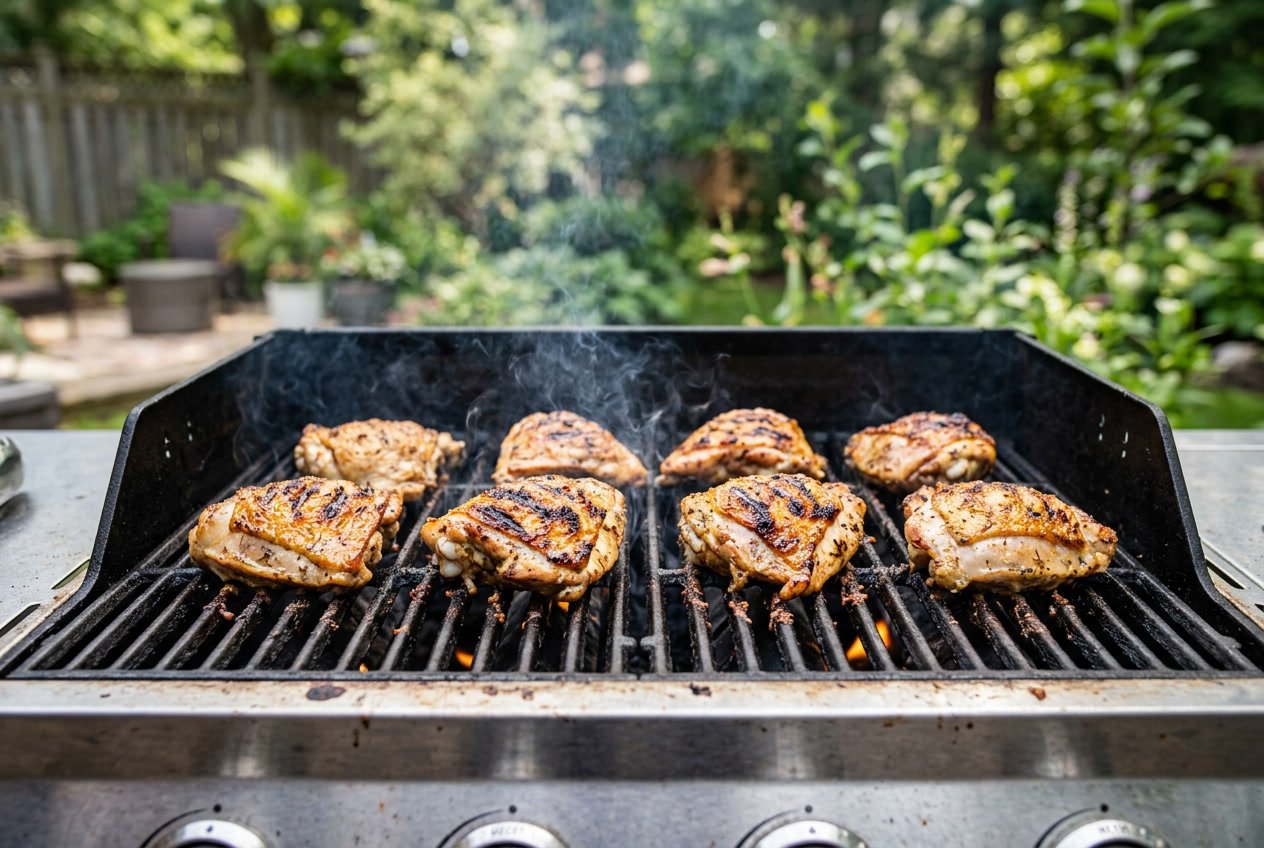
This guide shows you how to choose and prep thighs, set up your grill, use simple marinades and seasonings, and follow step-by-step grilling methods. You’ll also find tips to keep meat moist and flavorful, plus quick serving ideas.
Choosing and Preparing Chicken Thighs
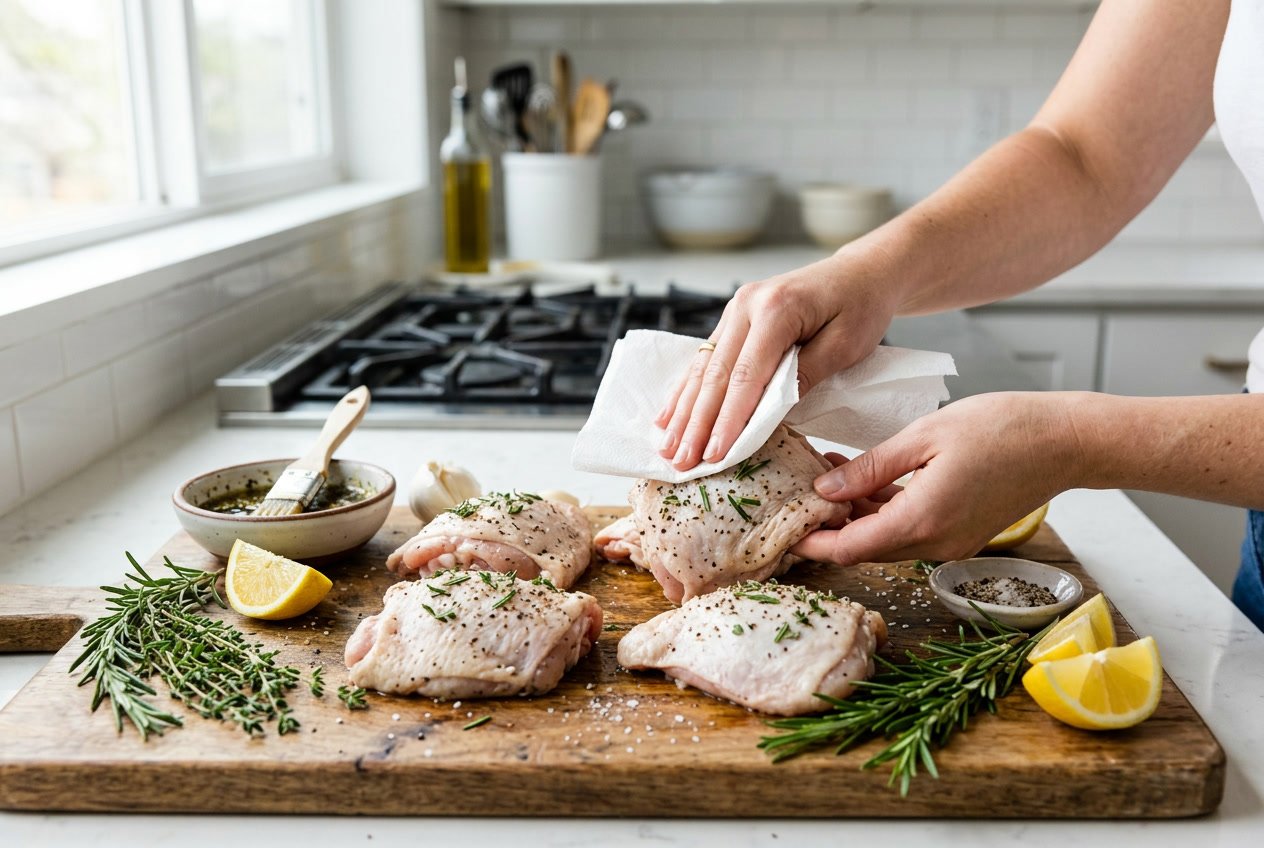
Pick thighs that look moist and plump, with no off smell. Check label dates and decide whether bone-in, boneless, skin-on, or skinless fits your cooking plan and time.
Selecting Bone-In vs. Boneless Thighs
Bone-in chicken thighs hold more moisture and tolerate longer, slower cooking better. If you plan to use indirect heat or want richer flavor, choose bone-in; the bone helps the meat cook evenly and adds depth to the final taste.
Boneless chicken thighs cook faster and are easier to flip and serve. They’re ideal for quick searing over direct heat or for slicing into salads and tacos.
If timing and service matter, use boneless. If you prioritize flavor and don’t mind a few extra minutes, pick bone-in.
Skin-On vs. Skinless Choices
Skin-on chicken thighs develop a crisp, browned exterior when grilled properly. Use direct heat to render fat and crisp the skin, then move to indirect heat to finish cooking without burning.
Skinless chicken thighs reduce flare-ups and cut calories, but they won’t achieve the same crispy texture. Season skinless thighs well and use a short marinade or oil rub to protect the surface from drying under high heat.
Choose skin-on for textured contrast and deeper flavor. Choose skinless for leaner results and easier basting.
Proper Trimming and Cleaning
Rinse with cold water only if you plan to pat the thighs completely dry. Always dry to the touch to promote browning.
Trim excess fat and loose skin to reduce flare-ups and prevent uneven charring. Remove any visible bone fragments from bone-in thighs and discard small cartilage pieces.
Pat thighs with paper towels, then season or marinate. Refrigerate if marinating more than 30 minutes. Discard used marinade or boil it before using as a sauce.
Essential Grilling Equipment and Setup
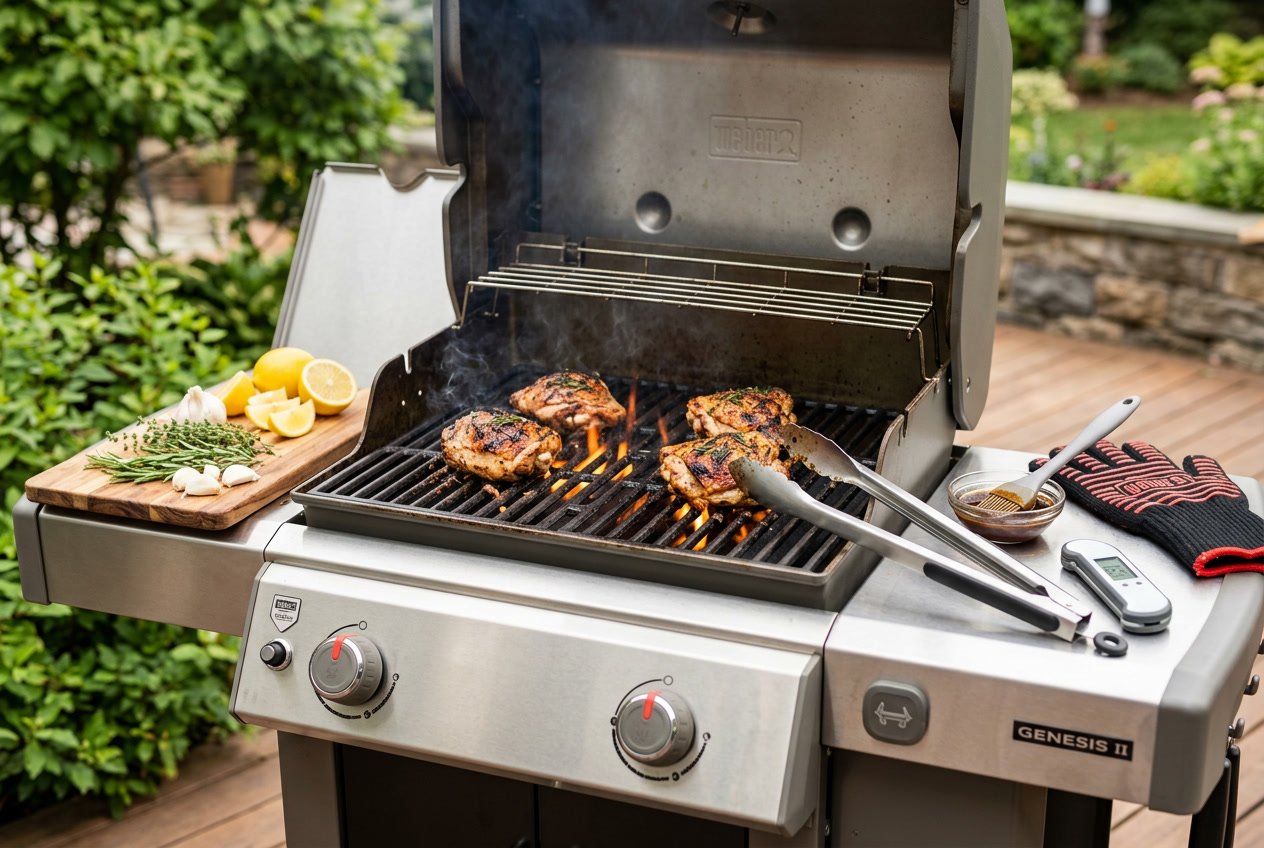
Use the right grill type, set up direct and indirect heat zones, and have tools to control temperature and handle the thighs safely. Proper setup saves time and prevents flare-ups.
Gas vs. Charcoal Grill Differences
Choose a gas grill for precise temperature control and quick start. Gas burners heat evenly and let you set zones quickly.
Pick a charcoal grill if you want a smokier flavor and higher peak sear temperatures. Charcoal gives more radiant heat and flexible hot spots, but takes longer to light and requires ash cleanup.
Watch for flare-ups from dripping fat. On a gas grill, keep a spray bottle of water handy. On charcoal, create indirect areas by banking coals to one side.
Setting Up for Direct and Indirect Heat
Direct heat gives quick sears; indirect heat finishes cooking without charring. Preheat one side of the grill to medium-high (about 400–450°F) and place thighs over the grates for 4–7 minutes per side.
For indirect grilling, create a two-zone layout: on gas, turn one or two burners to medium and leave the adjacent burner(s) off; on charcoal, bank coals to one side and place the meat over the cooler side. Close the lid to maintain 350–375°F and move thighs to the hot zone for a final 1–3 minute sear.
Use an instant-read thermometer and pull thighs at roughly 160°F, resting to reach 165°F.
Recommended Grill Tools
Use four core tools: an instant-read meat thermometer, long-handled tongs, a sturdy spatula, and a grill brush. The thermometer ensures precise doneness; tongs and a spatula let you flip without piercing the meat.
Add a heatproof glove or mitt and a small spray bottle with water to control flare-ups. A chimney starter is essential for charcoal. Keep a disposable foil tray or drip pan for indirect cooking or to catch drips.
Optional: a wire rack for resting, a basting brush for sauces, and a grill thermometer probe if your grill lacks an accurate built-in gauge.
Marinating and Seasoning Techniques
Choose a seasoning strategy that matches your time and flavor goals. Use quick dry rubs for immediate flavor and crisp skin, acid-based marinades for tenderizing in 30–120 minutes, or thicker glazes like honey mustard and BBQ applied late for sticky, caramelized finishes.
Classic Dry Rubs and Marinades
Dry rubs give crisp, concentrated flavor on skin-on thighs and require almost no advance time. Use kosher salt as the base (about 1 tsp per pound), then add ½–1 tsp each of smoked paprika, garlic powder, and black pepper per pound.
Add a pinch of brown sugar to help with browning, but avoid high direct heat for too long. Pat thighs dry before applying the rub so the seasoning adheres and the skin crisps.
For a simple wet marinade, combine 3 tbsp olive oil, 1 tbsp lemon juice, 2 cloves minced garlic, and 1 tsp salt per 2–3 pounds of thighs. Marinate 30–120 minutes; acids longer than 2 hours can change texture. Always refrigerate while marinating and discard used marinade or boil it before using as a sauce.
Using Honey Mustard and BBQ Sauces
Honey mustard and BBQ sauces add sweetness and a sticky glaze. Apply thin coats toward the end of cooking to prevent burning.
For honey mustard, mix 2 parts Dijon, 1 part honey, and 1 part whole-grain mustard; brush on during the last 3–5 minutes over indirect heat, then move to direct heat briefly for caramelization.
For BBQ, use a sauce with balanced acidity and sugar. Brush on in 2–3 layers during the final 10 minutes, allowing each layer to set for 2–3 minutes.
If you want more smoke flavor, apply a light mop or spray of diluted sauce earlier, but reserve the thicker glaze for finishing.
Resting and Absorption Time
Timing affects both flavor penetration and texture. For basic marinades, 30–60 minutes gives noticeable flavor; 1–4 hours increases depth for thicker, bone-in pieces.
Boneless thighs absorb flavors faster, so reduce marinating time. Avoid overnight acidic marinades unless the acid is mild (yogurt or buttermilk).
After grilling, rest thighs 5–10 minutes before cutting. Resting lets the juices redistribute and allows any glaze to set.
Step-by-Step Grilling Methods
Control heat, timing, and placement to get juicy thighs and crisp skin. Follow specific temperature targets, flip timing, and rest periods for reliable results.
Preheating and Grill Temperature Control
Preheat your gas or charcoal grill to a stable medium-high zone—aim for 350–400°F (175–205°C) over the direct-heat area. Let the grill reach that temperature with the lid closed for 10–15 minutes.
Create two cooking zones: direct heat for searing and indirect heat for finishing. On gas, light one side and leave the other off. On charcoal, bank coals to one side.
Use a reliable instant-read thermometer or a built-in gauge to monitor surface temps. Adjust vents or burners in small increments to hold the range.
Keep the lid mostly closed to maintain even heat. Move pieces between zones if skin chars too quickly or if flare-ups occur.
Grilling Bone-In Thighs
Start bone-in, skin-on thighs skin side down over direct heat to crisp the skin and render fat. Sear 5–7 minutes without moving them and move to indirect heat if flames get high.
After searing, transfer thighs to indirect heat, cover, and continue cooking until the internal temperature reaches 165°F (74°C) at the thickest part near the bone. Flip once halfway through the indirect portion for even cooking.
Rest thighs 5 minutes tented with foil to let juices redistribute. Use a thermometer rather than time alone.
Grilling Boneless Skinless Thighs
Pat boneless skinless thighs dry and oil lightly to reduce sticking. Heat the grill to medium (about 350°F / 175°C) and place thighs over direct heat.
Sear 3–4 minutes per side to build color, then check internal temperature. Boneless thighs usually finish at 6–10 minutes total depending on thickness; remove them at 165°F (74°C).
If using sauce, apply during the last 1–2 minutes to prevent burning. Rest briefly before serving to let fibers relax and retain moisture.
Achieving Perfect Grill Marks
Clean, well-oiled grates and high initial heat create clear grill marks. Place thighs at a 45° angle to the grates and leave them undisturbed for the first sear period—typically 3–7 minutes.
For crosshatched marks, rotate the piece 90° halfway through the sear period. Avoid lifting to peek; that reduces contact and weakens marks.
After searing, move thighs to indirect heat to finish cooking without burning the marked surface. Use marks as a visual cue, not a doneness indicator—always confirm 165°F internal temperature.
If you get flare-ups, move the thigh to indirect heat briefly and brush off any charred bits before continuing.
Tips for Juicy and Flavorful Results
Control temperature, use a thermometer, let the thighs rest, and manage flare-ups. Small timing and placement choices make the difference between juicy grilled chicken thighs and dry or burned pieces.
Cooking Times and Internal Temperatures
Cook bone-in, skin-on thighs over a two-zone fire: indirect heat for most of the cook, then a short sear over direct heat. Expect about 15–25 minutes total, but use time only as a rough guide.
Always check with a digital probe thermometer. Insert into the thickest part without touching bone. Remove thighs when the internal temperature reaches 165°F for safety.
If pieces vary in size, rotate smaller ones to the hot zone briefly to finish while larger pieces stay indirect. Sear skin-side down for 20–60 seconds at the end to crisp without overcooking the meat.
Resting for Maximum Juiciness
Let thighs rest 5–8 minutes after grilling. Resting lets juices redistribute from the surface back into the muscle.
Keep the thighs loosely tented with foil to preserve heat without steaming the skin. If you plan to sauce them, wait until after the rest to baste.
For refrigerated leftovers, cool to room temperature no longer than two hours, then store in an airtight container up to four days. Reheat gently in a 325°F oven to preserve juiciness.
Avoiding Flare-Ups and Dryness
Trim excess skin and pat thighs dry before seasoning. This reduces flare-ups from dripping fat.
Apply oil and rub right before grilling. Add heavy sugary sauces during the last 5 minutes to prevent burning.
Set up a two-zone grill so you can move pieces off direct flames when fat ignites. Keep a spray bottle or a pan lid nearby to manage flames quickly.
Flip and rotate frequently. This evens cooking and keeps one side from charring while the interior stays underdone.
Maintain grill surface at 375–400°F for even cooking. If flare-ups char the skin, move the thigh to the cool side and close the lid to finish cooking.
Serving Ideas and Side Pairings
Pair juicy, charred chicken thighs with a creamy starch, a bright salad, and one smoky vegetable. Contrast rich and cooling, crisp and acidic, or sweet and smoky flavors to keep each bite interesting.
Classic BBQ Sides
For backyard grilling, serve a hearty starch, a bean dish, and grilled corn.
-
Potato salad: choose a mustard-vinegar or creamy mayo version. Make it the day before so flavors meld and it stays cool at the table.
-
Baked beans: slow-simmered or canned beans upgraded with bacon, brown sugar, and smoked paprika complement the chicken’s char.
-
Corn on the cob (grilled): husk, brush with butter and a squeeze of lime, then char 8–12 minutes over medium heat. Cut into corn ribs for easy finger food.
Arrange plates with a scoop of potato salad, a spoonful of baked beans, and a charred corn half alongside the thigh.
Healthy and Fresh Options
For lighter pairings, pick crisp vegetables and bright salads that cut the thighs’ richness.
-
Grilled vegetables: brush asparagus, zucchini, bell peppers, and red onion with olive oil and sea salt. Grill until tender with light charring.
-
Pasta salad: use short pasta, halved cherry tomatoes, basil, olives, and a lemon-olive oil dressing. Chill it so it refreshes the palate.
-
Green or tomato-cucumber salad: toss big leaves or wedges with red wine vinaigrette or lemon vinaigrette for acidity.
Serve chilled salads in separate bowls. Stack grilled vegetables on a warm platter for a contrast between cool and warm with each bite.
Sauce and Garnish Recommendations
Choose sauces and garnishes that enhance the thighs’ smoky flavor instead of overpowering it.
Try chimichurri for herb brightness or tangy BBQ for sweet-smoky notes. Use yogurt-cucumber or tzatziki to cool spicy rubs.
Garnish with fresh herbs like cilantro, parsley, or basil. Add lemon or lime wedges and sprinkle flaky sea salt.
Drizzle high-quality olive oil on top when serving. Serve sauces on the side so guests can control the amount.
Spoon a little sauce on each thigh for presentation. Add citrus just before serving to keep the flavors bright.


