
How Much Protein in Chicken Thighs: Nutrition, Benefits and Tips
You often want a quick, practical answer. A typical cooked boneless, skinless chicken thigh delivers about 20–25 grams of protein per 100 grams, translating to roughly 20–30 grams of protein for one average thigh.
A single average cooked thigh gives roughly 20–30 grams depending on size and whether skin or bone are included.
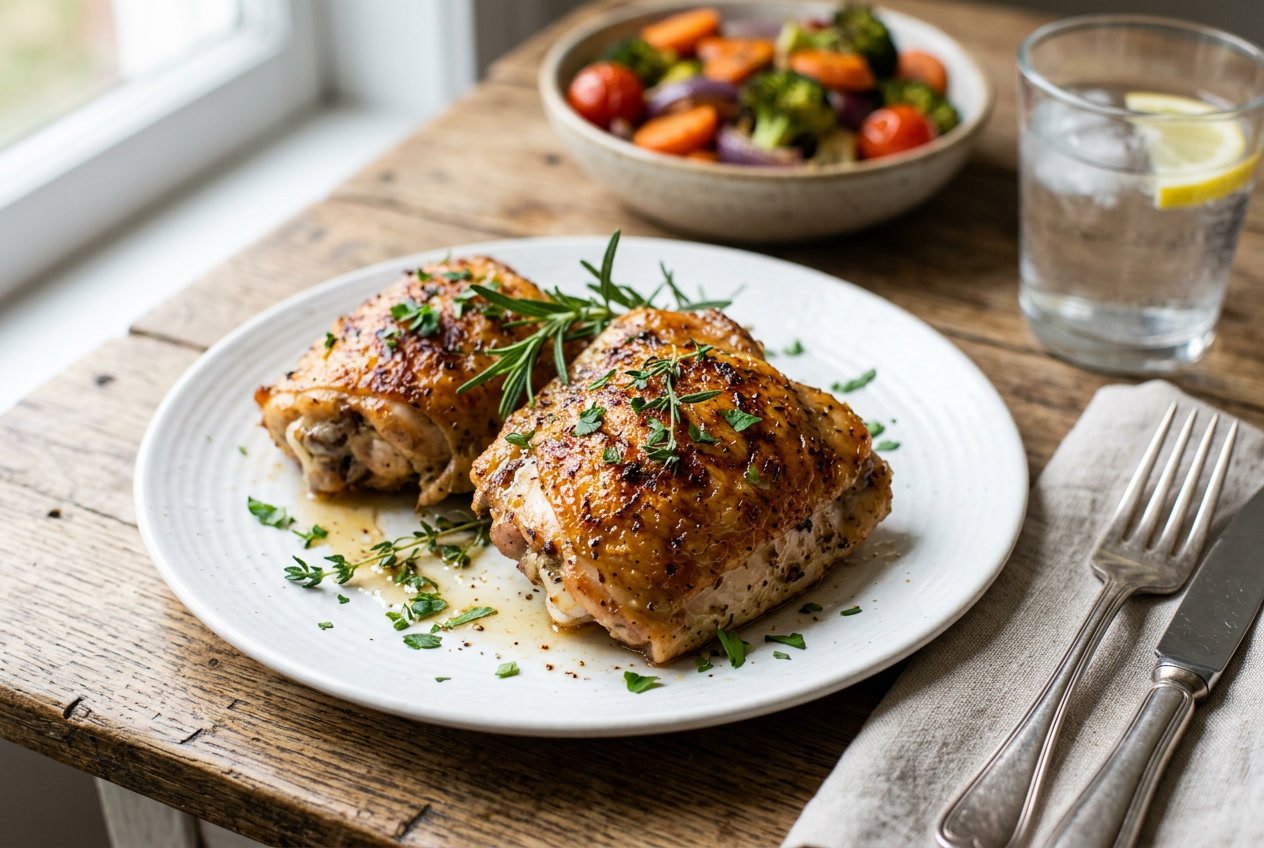
You can compare thighs with breasts, drumsticks, and wings. Skin, bones, cooking methods, and portioning affect the protein numbers you count for meals.
Keep this guide handy when planning meals for muscle gain, weight control, or protein-focused meal prep.
Protein Content in Chicken Thighs
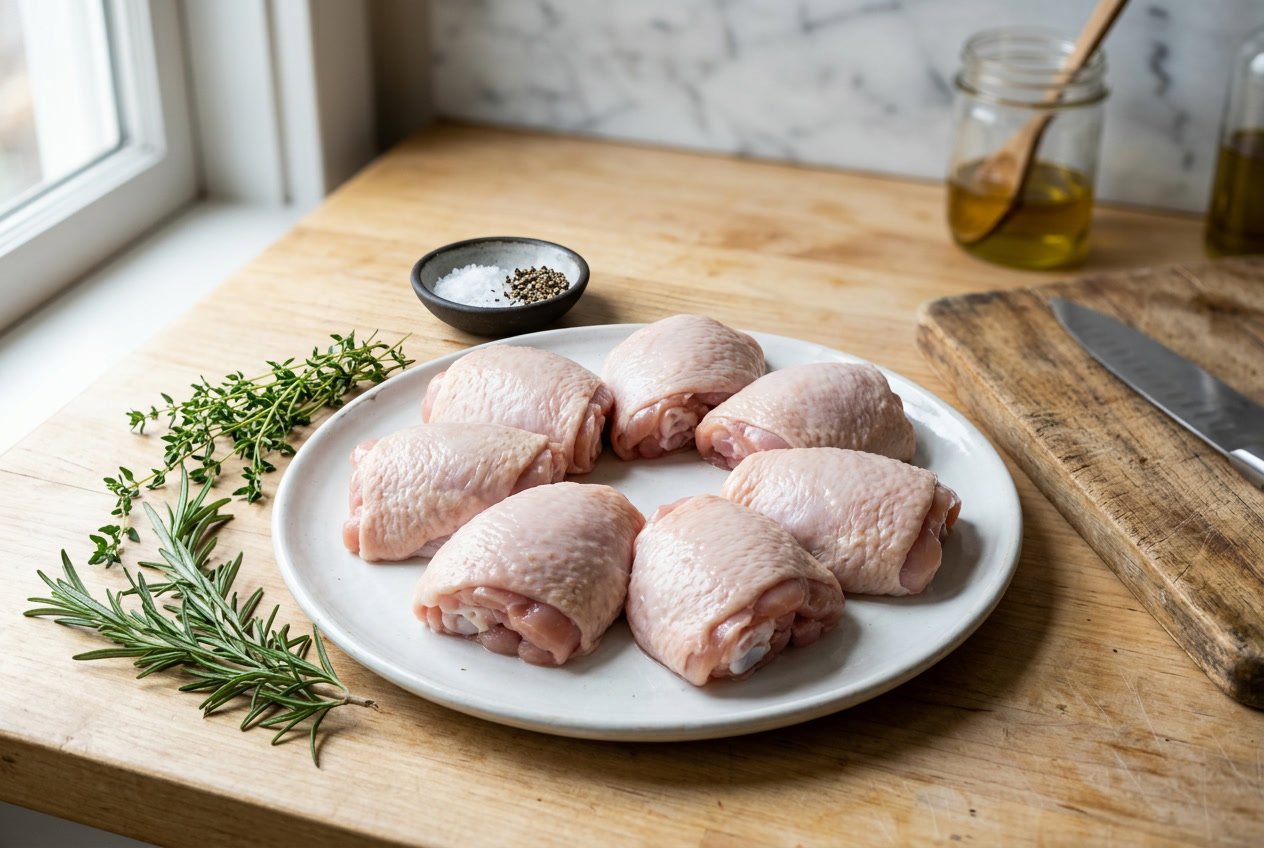
Chicken thighs deliver a reliable dose of high-quality animal protein along with varying amounts of fat depending on skin and bone.
You’ll see protein measured by common serving sizes and by 100‑gram portions, and several factors change the final protein number you’ll track.
Protein per Serving Size
A typical cooked chicken thigh (boneless, skinless) often weighs about 85–100 grams and supplies roughly 20–26 grams of protein.
If your thigh is larger—around 120 grams cooked—you can expect closer to 28–32 grams of protein.
Here are quick reference values for meal planning:
- Small thigh (70 g cooked): ~16–18 g protein
- Medium thigh (85–100 g cooked): ~20–26 g protein
- Large thigh (120 g cooked): ~28–32 g protein
These numbers assume boneless, skinless meat. If you eat skin or include bone weight, the edible meat mass drops and protein per piece decreases.
Weigh the cooked meat for the most accurate protein tracking.
Protein per 100 Grams
Per 100 grams of cooked chicken thigh (meat only), you can expect approximately 20–26 grams of protein.
Most nutrient databases cluster around 24–26 g for cooked, skinless thigh meat.
Raw measurements differ because cooking concentrates nutrients as moisture is lost. For raw skinless thigh, protein is typically slightly lower by weight—about 17–19 g per 100 g—because the meat contains more water.
When tracking macros, use cooked-weight values for accuracy if you measure after cooking, or raw-weight values if you weigh before cooking and apply a conversion factor.
Factors Affecting Protein Amount
Several practical factors change how much protein you get from chicken thighs.
Grilling, roasting, or pan-searing reduces water and raises protein per 100 g compared with raw weight.
Frying can add fat but doesn’t increase protein content.
Boneless, skinless thighs provide the highest proportion of edible protein per weight.
Skin-on or bone-in thighs lower the protein-per-piece figure because part of the total weight is non-meat tissue.
Breed, age, and feed of the bird cause small natural variation in protein percentage, but these effects are minor for typical home cooking.
Weigh the cooked meat after removing bone and skin for precise protein counting.
If you use package labels, confirm whether values are for raw or cooked and whether they include skin or bone.
Chicken Thighs vs. Other Chicken Cuts

Chicken thighs provide roughly 25–27 grams of protein per 100 grams cooked. Thighs contain more fat than breast meat, which affects calories and flavor.
You trade some protein density for juiciness and a richer taste when choosing thighs over lean cuts.
Chicken Thigh vs. Chicken Breast
Chicken breast delivers about 30–32 grams of protein per 100 grams cooked. Breast is the leanest, most protein-dense option.
If you prioritize the highest protein-per-gram for muscle building or strict calorie control, breast is the better choice.
Thighs give you roughly 25 grams of protein per 100 grams cooked and about 11 grams of fat per 100 grams, so they add calories and flavor.
Choose skinless thighs to lower fat while keeping much of the protein in chicken thighs.
Quick comparison:
- Protein (cooked, per 100 g): Breast ~32 g • Thigh ~25 g
- Fat (per 100 g): Breast ~3.6 g • Thigh ~11 g
- Best for: Breast = max protein/min fat; Thigh = flavor, satiety, cost-efficiency.
Chicken Thighs Compared to Drumsticks and Wings
Drumsticks and wings sit closer to thighs in protein than to breasts. Drumsticks and wings typically provide about 24 grams of protein per 100 grams cooked, similar to thighs.
Thighs usually have more intramuscular fat than drumsticks, while wings often have higher skin-to-meat ratios that increase fat when cooked with skin.
For practical choices:
- Pick thighs for balanced protein with richer taste.
- Pick drumsticks for a handheld option with comparable protein.
- Pick wings for flavor-focused dishes but expect higher fat calories per edible gram.
Consider whether nutrition values are listed as raw or cooked; cooking concentrates protein by reducing water weight and changes the numbers you track.
Skinless vs. Skin-On Chicken Thighs
Skin-on thighs add flavor and fat. Skinless thighs provide higher protein per gram and lower calories.
The trade-offs affect portion size, cooking methods, and how much protein you actually consume per serving.
Protein Differences
Skinless chicken thighs contain more protein per 100 grams than skin-on because you remove fat and non-protein weight.
A 100 g cooked skinless thigh typically gives you about 20–26 g of protein, while a 100 g skin-on thigh often provides closer to 13–21 g depending on how much skin and fat remain.
If you track macros, weigh the edible meat (boneless if possible) before cooking to get accurate protein numbers.
Cooking concentrates protein as moisture evaporates, so 100 g cooked measures higher protein density than 100 g raw.
Choose skinless thighs when your priority is maximizing protein intake for workouts, weight targets, or precise meal planning.
Calorie and Fat Content
Skin-on thighs contain substantially more fat and calories because chicken skin is mostly fat.
A 100 g cooked skin-on thigh can add 50–100+ extra calories versus the skinless version, driven largely by added saturated and unsaturated fats in the skin.
If you want lower calories without losing all flavor, remove the skin before cooking or roast skin-on then discard it after to retain some moisture.
For tight calorie targets, pick skinless thighs and use controlled amounts of olive oil or sauces.
This gives you predictable calorie counts and keeps fat intake manageable while still delivering the protein you need.
How Cooking Methods Impact Protein
Different cooking methods mostly change protein values by altering water content and surface moisture, not by destroying protein.
You’ll see slightly higher grams of protein per 100 g after cooking because moisture leaves the meat, concentrating nutrients.
Baking and Grilling Effects
Baking and grilling remove water and some fat, which concentrates protein in the cooked weight.
If you start with 200 g raw skinless thighs (about 50 g protein raw), baking or grilling until fully cooked typically yields 130–150 g cooked meat with roughly 30–38 g protein, depending on moisture loss.
High, dry heat can cause minor protein denaturation that changes texture but does not materially reduce total amino acid content.
Marinating with acidic ingredients or brining can help retain moisture, resulting in a slightly lower concentration of protein per gram of cooked meat compared with an unbrined, drier cook.
Practical tips:
- Use a meat thermometer (165°F / 74°C) to avoid overcooking and excessive moisture loss.
- Tent with foil during resting to redistribute juices and prevent further drying.
Roasted Chicken Thighs and Protein Retention
Roasting at moderate temperatures (325–375°F / 160–190°C) tends to retain more moisture than high-heat grilling.
Cooked weight is generally higher and protein per 100 g slightly lower than very dry methods.
For a skinless roasted thigh, expect about 24–27 g protein per 100 g cooked meat when roasted to safe doneness.
If you roast with the skin on, the meat may lose less moisture during cooking but you’ll add fat from the skin, which changes calories and macronutrient ratios without increasing protein.
Slow-roasting or braising keeps juices in the pan and yields more tender meat with a protein concentration closer to raw-to-cooked conversion factors.
Quick reference (approximate, cooked, skinless):
- Grilled/baked, dry: 25–28 g protein per 100 g
- Roasted, moderate/moist: 24–27 g protein per 100 g
Use weight measurements after cooking for the most accurate protein tracking.
Nutritional Value and Health Impact
Chicken thighs provide substantial protein per cooked 100 g portion and deliver more fat and calories than breast meat.
You get key B vitamins, iron, zinc, and a full set of essential amino acids, which support muscle repair and metabolic processes.
Micronutrients and Amino Acids
A cooked, skinless chicken thigh (about 100 g) supplies roughly 25–27 g of protein and contains notable amounts of vitamin B6 and B12.
You also get iron and zinc that support oxygen transport and immune function.
Selenium appears in useful amounts for antioxidant enzyme activity.
Amino acid profiles are complete. Chicken thigh supplies leucine, lysine, methionine, and other essential amino acids necessary for muscle protein synthesis.
Leucine content helps trigger muscle repair pathways, so thighs can be effective post-workout protein sources.
Fat-soluble vitamins are low unless you eat the skin.
Removing the skin reduces saturated fat and total calories while preserving most protein and micronutrients.
If you track sodium or cholesterol, consider cooking methods and added seasonings because they affect the final nutrient load.
Are Chicken Thighs Healthy?
You can include chicken thighs in a healthy diet when you balance portion size and preparation.
Skinless, baked or grilled thighs deliver protein with moderate fat. A 100 g cooked portion often contains about 200 calories and ~10–11 g of fat.
Higher fat content gives thighs more flavor and keeps them moist, but it also raises saturated fat and calorie intake compared with breast.
Choose skinless cuts or trim visible fat to lower calories while keeping most of the protein and B vitamins.
If you have specific health concerns—cardiovascular disease, high cholesterol, or calorie-restricted goals—prioritize portion control and lean cooking methods.
For general adults without those restrictions, thighs offer a cost-effective, nutrient-dense option that supports protein needs and nutrient variety.
Chicken Thighs in Different Diets
In a high-protein or muscle-building diet, chicken thighs meet daily protein targets while providing energy from fat.
Pair them with vegetables and whole grains for balanced meals.
If you follow a calorie-focused weight-loss plan, use skinless thighs and measure portions—100 g cooked fits well into many calorie targets.
For ketogenic or low-carb diets, thighs work well because their higher fat content helps meet macro targets.
Vegetarian, vegan, or strict plant-based diets exclude chicken, but omnivores can rotate thighs with leaner cuts to manage fat intake.
If you monitor sodium, avoid processed marinades and salty sauces.
Season with herbs, citrus, or controlled amounts of olive oil instead.
For children and older adults, thighs provide palatable protein and key micronutrients. Adjust portion size to age-appropriate needs.
Incorporating Chicken Thighs Into Your Diet
Chicken thighs give you a reliable source of protein, iron, zinc, and B vitamins while offering more flavor and satiety than leaner cuts.
Choose skinless chicken thighs to lower added fat and calories, or roast skin-on thighs when you want crisp texture and higher energy density.
Meal Prep and Recipe Ideas
Treat skinless chicken thighs as a weekday workhorse. Cook 4–6 thighs at once to yield 3–4 portions of protein for the week.
Roast at 400°F (200°C) for 25–30 minutes until the internal temperature reaches 165°F (74°C). Bone-in or skin-on pieces may need a few extra minutes.
Use one-bowl marinades—olive oil, lemon, garlic, and smoked paprika—for quick flavor that won’t require extra sauces.
Slice leftover roasted chicken thighs for grain bowls, salads, or sandwiches. 100 g of cooked thigh gives roughly 25–26 g protein, so plan portions accordingly.
Batch-friendly ideas: sheet-pan roasted chicken thighs with vegetables, slow-cooked braised thighs for rice bowls, or pan-seared thighs finished in the oven for crispy skin.
Label and refrigerate cooked portions for 3–4 days or freeze in single portions for longer storage.
Tips for Maximizing Protein Intake
Control your portions by aiming for 100–150 g of cooked skinless chicken thigh per meal. This provides about 25–40 g of protein.
Pair chicken thighs with other protein sources such as Greek yogurt dressings, a hard-boiled egg in a salad, or a side of lentils. These combinations help you reach higher daily protein targets without adding too many calories.
Choose cooking methods that preserve protein and use little added fat. Grill, roast, or bake to concentrate flavor without adding oil.
Pan-sear chicken, then finish it in the oven to keep juices while minimizing extra fats.
Weigh cooked portions once and record the protein content per portion. This makes it easier to replicate meals that meet your targets.
For extra protein density, remove the skin to reduce fat and increase the thigh weight slightly to maintain the same calories with more lean protein.


