
How Do Chicken Thighs Smell: Freshness, Spoilage & Aroma Explained
You expect raw chicken thighs to have a mild, almost neutral scent. Any sharp sour, ammonia-like, or sulfurous odor signals spoilage.
A faint, clean meaty smell is normal. If you notice a strong unpleasant smell, discard the meat.
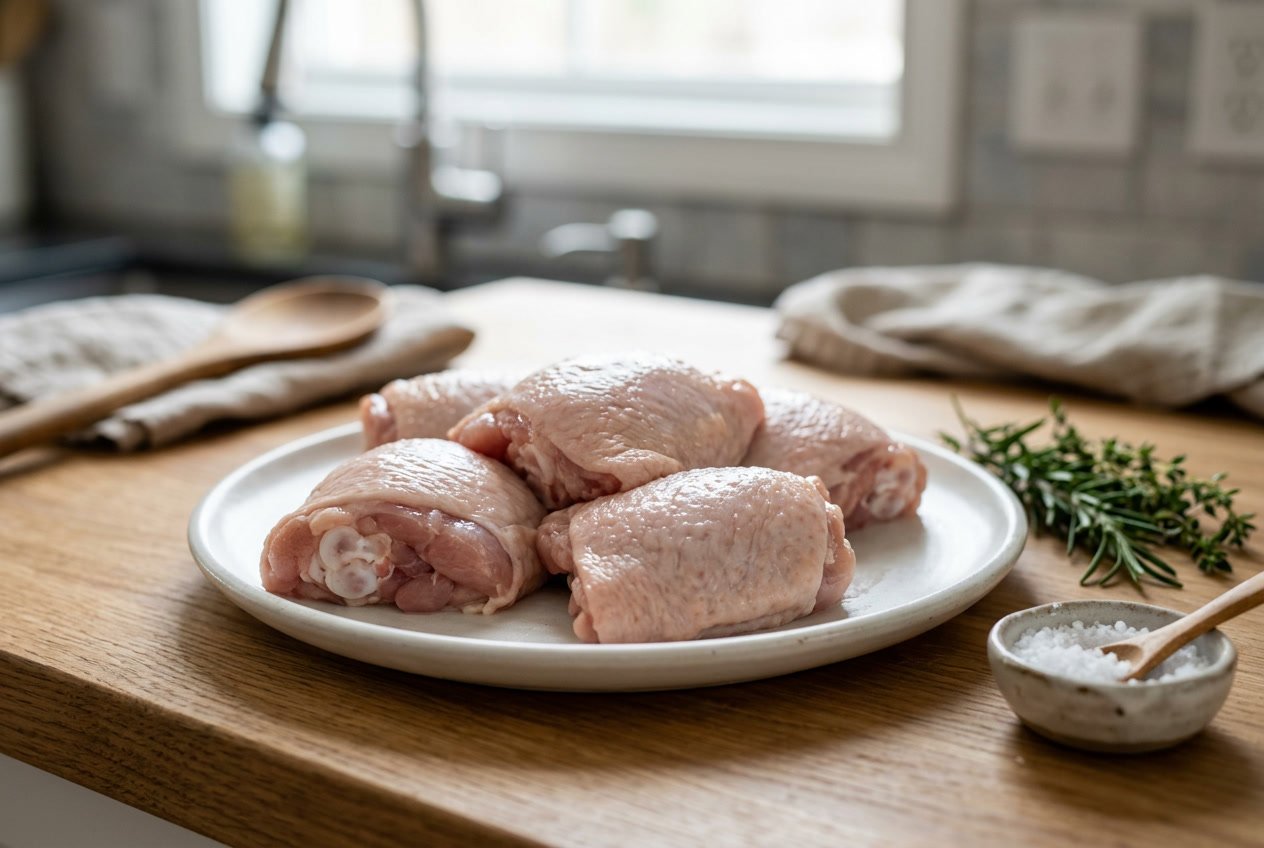
Fresh thighs should smell mild, while spoiled poultry often gives off a sour or sulfurous scent. Thighs often smell different from breasts because of their fat and myoglobin content.
You can use these scent cues to decide when thighs are safe to cook or need to be discarded.
What Does Fresh Chicken Thigh Smell Like?
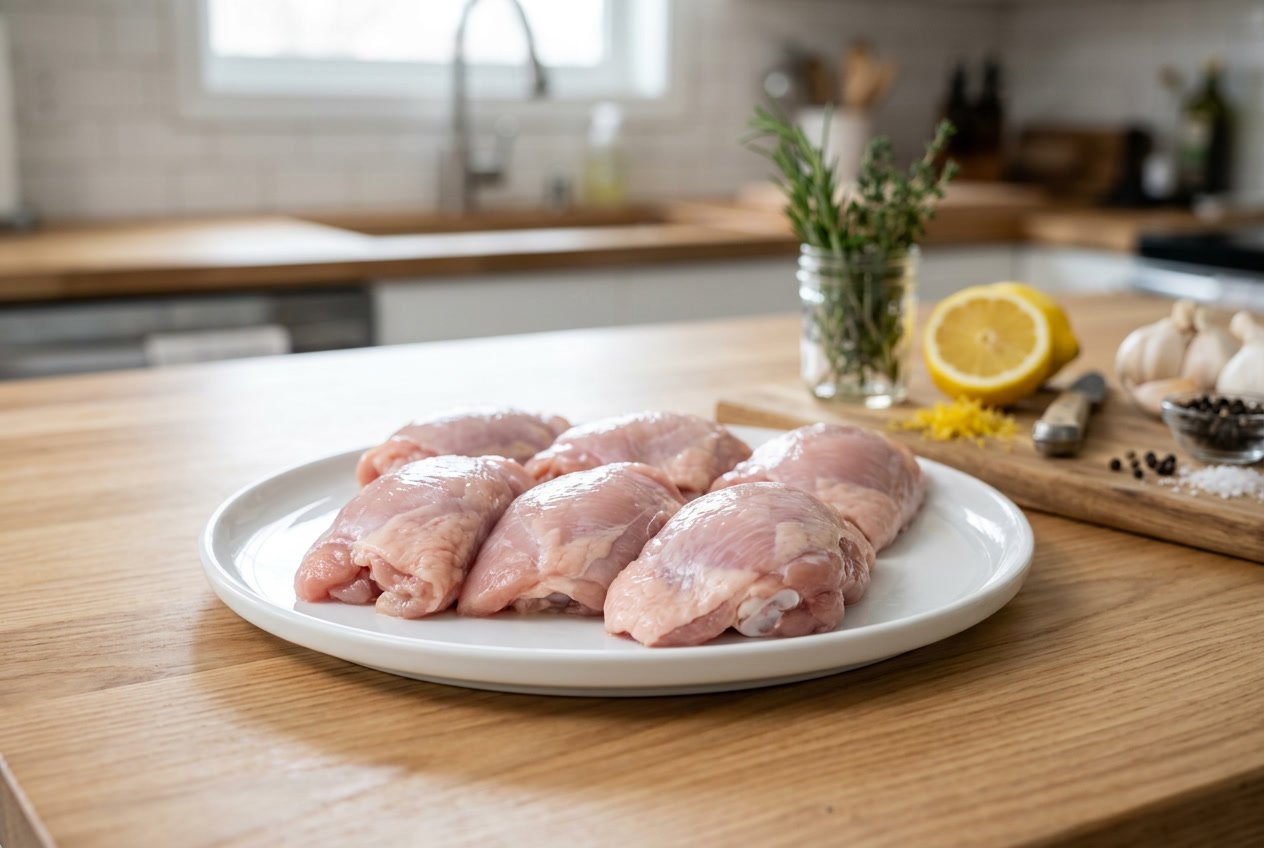
Fresh chicken thighs give a mild, clean scent with subtle fatty and savory notes. You should notice only a faint poultry aroma.
Anything strong or off puts the meat into a higher-risk category.
Baseline Aroma of Raw Chicken Thighs
When you sniff raw chicken thighs up close, expect a very light, almost neutral smell. The scent is slightly sweet and faintly meaty, not sharp or pungent.
Cold, refrigerated thighs smell less than those at room temperature. Bone-in thighs may have a touch more aroma near the cavity and joint areas because of marrow and tissues close to bone.
That extra scent is normal, not a sign of spoilage. Trust your nose for clear, strong deviations.
Comparison to Other Cuts
Chicken thighs usually register a stronger aroma than breast meat. Dark meat contains more fat and connective tissue, which carry more aroma compounds when raw.
Thighs also smell different from beef or pork. Beef offers a richer, iron-like scent, while pork can be sweeter.
If your thighs smell fishy, sour, or like rotten eggs, treat that as a problem, not normal variation.
Metallic and Earthy Notes
You might detect faint metallic or earthy hints around raw chicken thighs, especially near the bone or blood spots. A slight iron-like scent comes from residual blood and is not automatically a sign of spoilage.
Earthy notes can arise from packaging or storage conditions. If those metallic or earthy tones become sharp, sour, or remind you of ammonia, discard the meat.
Strong metallic, sulfur, or vinegar-like smells usually indicate bacterial activity.
Recognizing Spoiled Chicken Thighs by Smell
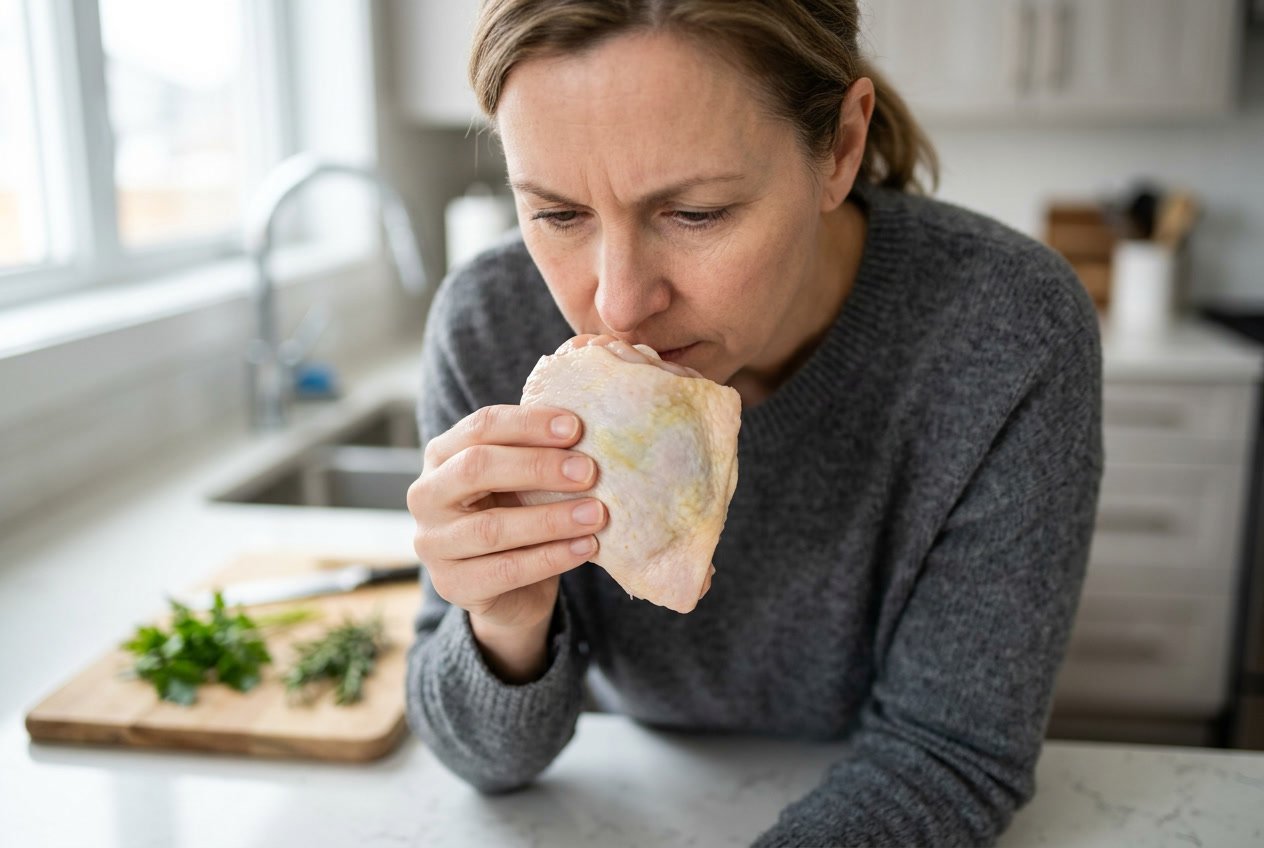
You can detect spoiled chicken thighs by specific unpleasant odors and by noticing physical cues that often accompany those smells. Trust your nose first, then check for texture, color, and packaging issues before deciding to discard the meat.
Sour, Ammonia, and Rotten Odors
A sour or tangy odor on raw chicken thighs usually means lactic acid–producing bacteria or early spoilage. This smell is sharper than the faint, neutral scent of fresh poultry.
An ammonia-like or chemical odor signals significant bacterial breakdown or decomposition. Ammonia notes can indicate proteolytic bacteria metabolizing proteins into pungent compounds.
Do not attempt to rinse or cook away this smell. A distinctly rotten or putrid odor, similar to decaying flesh or very strong sulfurous notes, is a clear sign of advanced spoilage.
If you encounter any of these odors, discard the thighs and clean surfaces that contacted the meat.
Identifying Sulfur Smell
A sulfurous or “eggy” smell often comes from hydrogen sulfide and related compounds produced by certain spoilage bacteria. This odor is sharper and more persistent than the mild nutty scent you might notice in some aged foods.
Smell the area closest to the bone and joints; sulfur notes frequently concentrate there because bacterial activity can be higher around bone marrow and connective tissue.
A brief sniff from a few inches away helps determine intensity. If the sulfur smell is faint and isolated, check texture and color before deciding.
If sulfur is strong or accompanied by tacky, slimy feel, treat the chicken as spoiled. Avoid tasting to test for sulfur.
Warning Signs Beyond the Scent
Pair odor checks with visual and tactile cues to confirm spoilage. Look for gray or greenish discoloration, dark spots near the bone, or a glossy, sticky film on the surface.
Packaging failures such as bloating or leaking often indicate bacterial gas production and anaerobic spoilage. If the package is swollen, do not open it in the kitchen; dispose of it in a sealed bag.
A strong off-odor combined with sliminess or discoloration means discard. Sanitize cutting boards, utensils, and your hands after handling suspicious chicken.
Why Do Chicken Thighs Smell Different Than Breasts?
You’ll notice thighs give off a richer, more persistent aroma while breasts smell milder and cleaner. That difference comes mainly from higher fat and myoglobin, the muscle type, and the way cooking methods change volatile compounds.
Fat and Myoglobin Content
Thighs contain more intramuscular fat than breasts. Fat dissolves and holds aroma compounds, so when you handle or cook raw chicken thighs, they often smell stronger than raw chicken breasts.
Myoglobin concentration also matters. Darker muscles store more myoglobin, which carries iron compounds that contribute subtle, savory notes when heated.
Those same compounds can make raw chicken thighs smell a bit “meatier” compared with the neutral scent of breasts. If you want a milder scent from thighs, use acidic marinades or bold spices to balance the natural aroma.
Dark Meat Versus White Meat
Dark meat like thighs comes from muscles used for sustained activity and contains more connective tissue and lipid. That tissue breaks down into flavorful molecules during cooking, producing deeper, sometimes earthier aromas.
White meat from the breast has less fat and fewer slow-twitch fibers, so it releases fewer aroma compounds. Breasts take on the scents of marinades and herbs more superficially because they lack the fat matrix that holds those compounds.
If you compare raw chicken thighs and raw breasts side by side, the thigh’s scent will be more pronounced.
Cooking Method Impact
How you cook thighs versus breasts changes what you smell. High-heat searing or grilling renders thigh fat, creating browned, caramelized aromas from the Maillard reaction and from rendered lipids.
Gentle cooking (poaching, steaming) produces a subtler scent from both cuts, but thighs still release richer notes because of their fat and connective tissue breakdown.
To control aroma, roast or grill thighs for robust smell, or use quick sear and oven for breasts to get more fragrance without heavy fattiness.
Understanding the Causes of Unusual Chicken Thigh Odors
Thighs sometimes smell sulfurous or egg-like because of bacterial activity or packaging effects. Storage changes odor through bacterial growth, oxidation, or freezer effects.
Chicken Smells Like Eggs
If your chicken thighs smell like eggs, hydrogen sulfide and other sulfur compounds are likely present. These form when bacteria or enzymes break down sulfur-containing amino acids in the meat.
A faint sulfur note can appear in otherwise fresh dark meat because thighs have more myoglobin and fat than breasts. These compounds release different volatile molecules when cut or heated.
Strong egg or rotten-egg odors usually indicate bacterial activity. Look for additional signs: tacky or slimy texture, grayish color, or a sour tang.
If you detect these, discard the meat.
Confinement Smell from Packaging
A noticeable eggy or metallic smell right after opening vacuum-sealed or tight plastic packaging often comes from trapped gases, not spoilage. Bacterial gases and natural meat volatiles concentrate in low-air environments, producing a temporary confinement odor that dissipates with exposure to air.
To test this, unwrap and air the thighs for 10–20 minutes. If the smell fades and meat looks and feels normal, it’s likely a packaging effect.
Persistent sulfurous or ammonia-like odors after airing indicate real spoilage. Also consider the packaging date and storage temperature; prolonged refrigeration near 40°F (4°C) or packaging damage raises the risk that confinement trapped spoilage gases.
Odor Development During Storage
Storage affects odor through bacterial growth, fat oxidation, and freezer-related changes. At refrigerator temperatures above 40°F (4°C), bacteria like Pseudomonas can multiply and produce sour, ammonia-like, or sulfurous smells.
Fat in thighs oxidizes over time, especially if exposed to air, producing rancid notes that smell stale or sharp. Vacuum sealing slows oxidation but can emphasize bacterial gases if microbes are present.
Freezing halts bacterial growth but can cause freezer burn and concentration of odors if air reaches the meat. Thaws may release stronger smells from concentrated fats and breakdown products.
Store thighs at 40°F (4°C) for 1–2 days or freeze at 0°F (-18°C) and use within months to minimize unwanted odors.
How to Tell if Chicken Thighs Are Safe to Eat
Check smell, look, and feel before cooking. If any one sign alarms you—strong sour, sulfur, or persistent slime—discard the meat.
Trusting Your Senses
You should expect raw chicken thighs to have little to no odor. A faint “chicken” or slightly metallic note can be normal.
A sharp sour, rotten-egg/sulfur, fishy, or overly sweet smell indicates spoilage and possible bacterial growth. Smells that linger after the meat comes to room air are especially concerning.
When you sniff, do so close but not pressing your nose to the meat. If the odor makes you recoil or you can name the smell, treat the thighs as unsafe.
Visual and Texture Cues
Look for color changes: fresh thighs are pink to light red. Grey, green, blue, or iridescent patches signal spoilage.
Check for unusual white or fuzzy growth, which indicates mold. Throw it out immediately.
Feel the surface. Fresh thighs are slightly moist and springy. A thick, sticky, or slimy film that doesn’t rinse off points to bacterial slime and spoilage.
Excess pooling of liquid with an off color or cloudy appearance is another red flag.
When in Doubt, Throw It Out
If you can’t confidently rule out spoilage, discard the chicken. Cooking can kill pathogens like Salmonella, but it won’t remove toxins or the unpleasant taste and smell produced by spoilage bacteria.
Keep a quick checklist: smell offensive? color off? slimy to touch? any damaged or bloated packaging?
If you answer yes to any, dispose of the thighs and sanitize surfaces that contacted them.
Minimizing and Handling Odors in Chicken Thighs
Keep raw chicken cold, sealed, and used within recommended times to prevent strong odors. Minor natural poultry scent is normal; sour, ammonia-like, or sulfurous smells mean discard.
Proper Storage Practices
Store fresh chicken thighs in the coldest part of your refrigerator at 40°F (4°C) or below. Keep thighs in their original sealed packaging or place the package inside an airtight container or zip-top bag to prevent cross-contamination and odor transfer.
Refrigerate for 1–2 days after purchase or freeze for longer storage. If you plan to freeze, label with the date.
Keep refrigerated leftovers no longer than 3–4 days. Discard if texture becomes slimy or color shifts grayish.
Place raw chicken on a tray or plate on the bottom shelf to catch drips. Use a refrigerator thermometer to verify temperature and avoid storing chicken in the door.
Tips for Reducing Natural Smell
Pat dry thighs with paper towels before marinating or cooking to remove excess moisture that can concentrate odor. Marinate with acidic ingredients like lemon juice, vinegar, or yogurt for 30 minutes to 2 hours to help neutralize mild poultry odors and add flavor.
Use aromatic herbs and spices such as garlic, ginger, rosemary, and thyme during cooking to mask and transform natural smell into a pleasant aroma. Searing at high heat for the first few minutes locks in juices and reduces surface odors.
Avoid washing chicken with soap or detergent; they leave residues and don’t improve safety. If you notice a strong sour or ammonia smell after these steps, discard the meat.
Safe Freezing and Thawing
Freeze chicken thighs as soon as possible if you won’t use them within 1–2 days.
Wrap each piece tightly in plastic wrap or freezer film. Then place the pieces in a heavy-duty freezer bag or vacuum-seal them to prevent freezer burn and odor absorption.
Label with the freeze date. Use within 6–9 months for best quality.
Thaw chicken in the refrigerator on a plate overnight. You can also thaw in cold water if you use a sealed bag and change the water every 30 minutes.
Never thaw chicken at room temperature. Cook thawed chicken within 1–2 days, or refreeze only if you thawed it in the refrigerator and did not cook it.
If frozen chicken develops a strong freezer smell or severe discoloration, discard it.
Proper wrapping and prompt freezing help maintain quality and minimize odor.


